

We may earn a commission when you buy through links on this page, at no extra cost to you. Learn more.
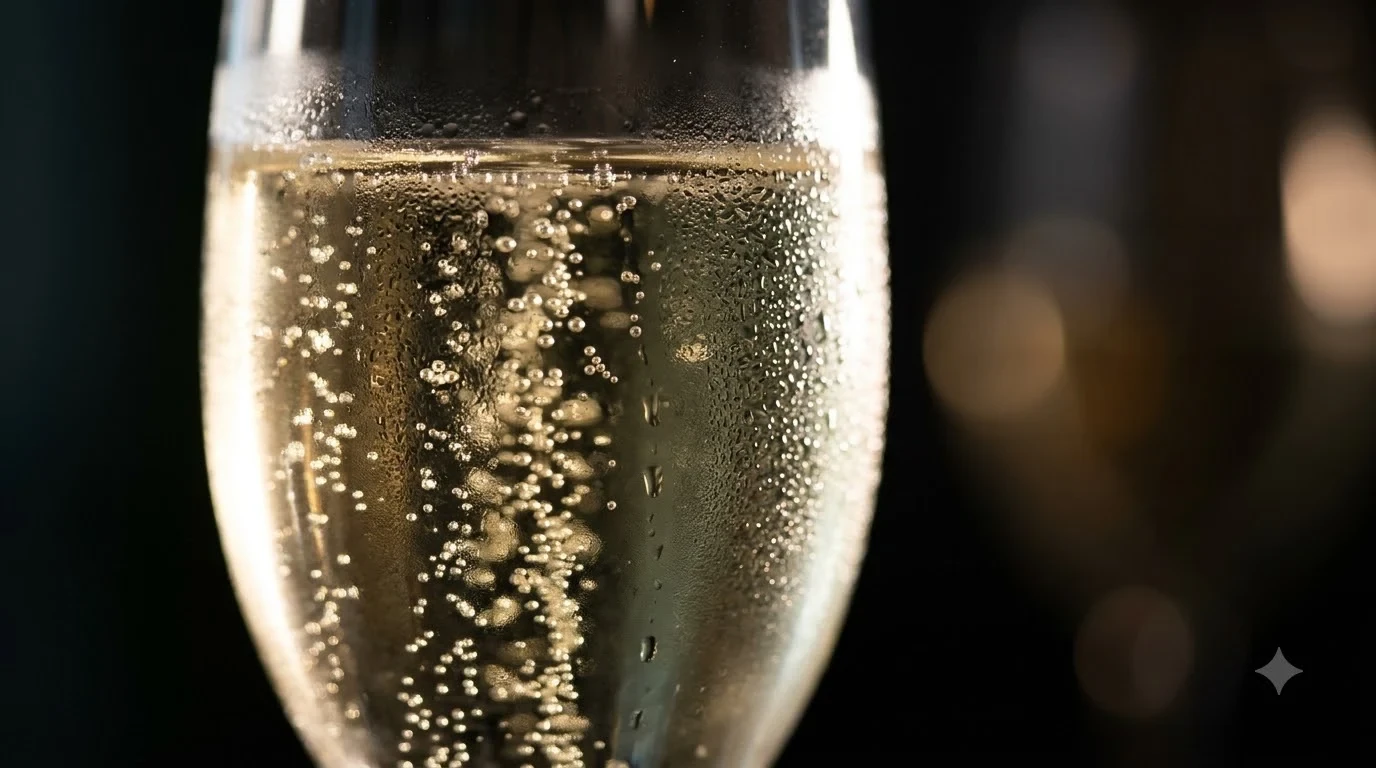
How to hold a champagne glass comes down to one habit: grip the stem between your thumb and fingers and keep your hand off the bowl. Holding the stem keeps the wine from warming up quickly and lets you see the color and bubbles clearly. The same grip works for flutes, tulips, and coupes, and it is the standard way to hold any stemmed glass at a formal table or a casual toast.
This guide covers the correct grip, why it matters for taste, and how the glass shape changes what you notice in a champagne. It also explains a few common mistakes that make a glass feel awkward. For more on how bubbles and sweetness work, the wine basics section is a helpful next step.
The correct grip, step by step
Place your thumb and index finger around the stem, just below the bowl. Let your middle finger rest on the base for support, and keep your other fingers loose. Lift the glass by the stem only, not by the bowl or the rim. A relaxed grip looks natural, and it lets you tilt the glass slightly to check the bubbles without shifting your whole hand.
Many people grab the bowl out of habit, especially when they are standing and talking. That works for a heavy tumbler but not for a delicate champagne glass, where a loose grip on the bowl can smudge the glass and leave fingerprints that interfere with how the bubbles rise.
Why holding the stem changes the taste
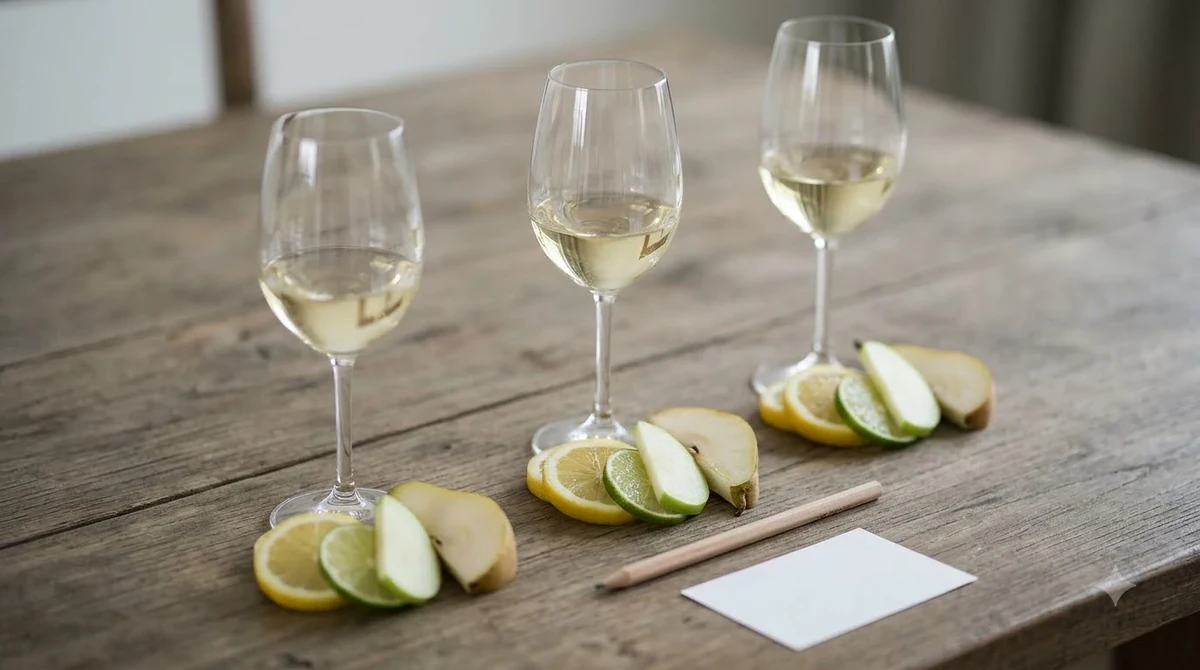
The stem exists for a reason. A glass held by the bowl transfers heat from your hand into the wine, and champagne tastes best when it stays cool. Holding the stem keeps the body of the wine at a steadier temperature, so the crisp acidity and fine bubbles stay sharper through the first and second sips.
Warm champagne can taste flat and sweeter than it should, because the bubbles leave faster and the flavors soften. A few extra seconds of careful holding is a small effort that protects the experience, especially if you are sipping slowly during a long toast or dinner.
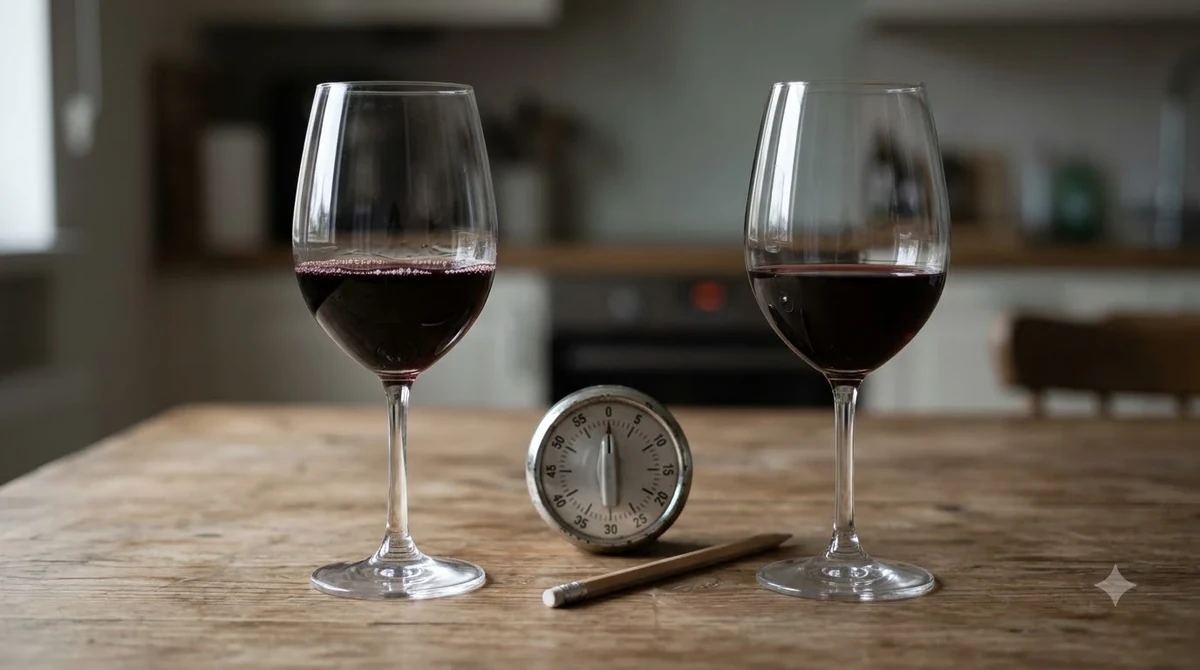
The effect is easy to test at home. Pour two glasses from the same bottle, hold one by the bowl with a warm palm for a few minutes, and keep the other by the stem. Taste them side by side. Most people notice that the bowl-held glass tastes softer and less lively, and the difference grows the longer the glass stays in hand. The test also shows why the grip matters more for a slow sipper than for someone who finishes a glass quickly.
Temperature also changes how sweet the wine seems. Cooler champagne tends to show more acidity and a cleaner finish, which is why a well-chilled bottle often tastes more refreshing than one that has sat out during a long event. Holding the stem is a simple way to keep the chill you started with, without fussing over the glass.
Choosing a glass shape and how it affects the grip
Glass shape shapes how the grip feels. According to the Wikipedia entry on champagne glasses, a flute is a stemmed glass with a tall, tapered bowl, typically holding about 180 to 200 milliliters. Its narrow opening limits how fast carbonation escapes. A coupe is a shallow, broad-bowled glass, and a tulip has a wider, flared bowl that releases more aroma while keeping some of the fizz.
All three are stemmed, so the same grip applies. The difference is balance. A tall flute is easy to hold by the stem because its weight sits low, while a coupe’s wide bowl can tip if you hold it too far up the stem. Practice with the shape you own before you pour a full glass.
| Glass | Bowl shape | Holding tip |
|---|---|---|
| Flute | Tall, tapered | Grip the stem near the bowl for balance |
| Tulip | Wide, flared | Keep the grip low so the bowl does not tip |
| Coupe | Shallow, broad saucer | Hold the stem firmly, the wide bowl is top-heavy |
Tip: If you only own one glass type, a tulip is a flexible choice. Its shape lets you judge aroma and bubbles, and the stem grip stays the same.
Common mistakes and how to avoid them
The most frequent mistake is wrapping the whole hand around the bowl. Another is pinching the rim, which can chip a thin glass and makes the sip feel careless. Some people also hold the glass too close to the top of the stem, where it wobbles. Moving your grip down to the middle of the stem gives you control without forcing the glass into an awkward angle.
Some people also swirl champagne as if it were a still red. Swirling releases aroma in a still wine, but it drives bubbles out of a sparkling one. A gentle tilt to check the color is enough, and the glass stays steadier when the stem is in your hand. Save vigorous motion for red wines.
Another habit worth dropping is tapping the rim with a fingernail to test for a glass that rings. Thin champagne glasses can crack from that kind of pressure, and it draws attention at a table where everyone is already watching the pour. A relaxed, quiet grip looks more confident than any trick.
Clinking glasses in a toast is also worth a quick note. Touch the rims lightly, or touch the bowls near the base, and keep the stem in your hand. Hard clinks can crack a thin flute, and holding the glass by the bowl during a toast often leads to a warm first sip.
What to do with the glass between sips
Put the glass down on the table by its base, not on its side, and avoid setting it on a tablecloth where it can tip. If you are standing for a long period, you can rest the glass on a table or a counter rather than keeping it in your hand for an hour. The goal is to keep the wine cool and the glass steady, so you can enjoy the drink without fuss.
If you are serving champagne rather than drinking it, hold the bottle with one hand near the base and pour slowly into the lower part of each glass. Let the foam settle, then top up. This keeps the bubbles lively and makes the glass look tidy when a guest picks it up.
Frequently Asked Questions
Is it wrong to hold a champagne glass by the bowl?
It is not a serious breach, but holding the stem is the accepted practice. The bowl transfers warmth from your hand, and the glass is easier to keep clean when you hold it by the stem.
Which hand should I use to hold a champagne glass?
Most people use their dominant hand, though either hand works. The point is to keep your grip on the stem, so you can free your other hand for a handshake or a plate.
Why do flutes have a narrow top?
The inward curve near the lip limits the surface area through which carbonation can escape, which helps the bubbles last longer. Tulips use a slightly wider opening to release more aroma.
Should I hold a champagne glass for the whole evening?
You do not need to. Setting the glass down between sips keeps the wine cool, and it is more comfortable at a dinner or reception where you need your hands for other things.
If you are curious about the calorie side of a glass, the guide on how many calories in champagne explains how the drink compares with other wines. A relaxed grip, a steady hand, and a glass that suits the occasion make the pour feel effortless.
More in Wine Basics
 Which Rose Is Best for Your Taste, Budget, and Food PairingsUpdated Nov 21, 2026
 Is Cheap Wine Bad? How to Find Bottles Worth DrinkingUpdated Nov 21, 2026
 What To Write On A Wine Gift Tag: Thoughtful Messages For Every OccasionUpdated Nov 21, 2026
 Which Wine Is Best For Weight Loss? Compare Lower-Calorie ChoicesUpdated Nov 21, 2026
 What Is The Best Wine For Mimosas? Choose Bubbly That Balances Orange JuiceUpdated Nov 20, 2026
 Which Prosecco Is Best for Your Taste and OccasionUpdated Nov 20, 2026