

We may earn a commission when you buy through links on this page, at no extra cost to you. Learn more.
The nova scotia wine region is Canada’s easternmost major wine-growing area, known for its crisp Tidal Bay whites, traditional-method sparkling wines, distinctive L’Acadie Blanc grapes and maritime-influenced vineyards. Located along Canada’s Atlantic coast, Nova Scotia benefits from ocean-moderated growing conditions that help preserve natural acidity and aromatic freshness. The province also produces distinctive red wines, rosé, icewine and fruit wines. Its combination of cool-climate viticulture, varied vineyard landscapes and seafood-friendly wines makes it one of Canada’s most interesting wine destinations.
Nova Scotia might not immediately come to mind alongside Canada’s better-known wine destinations, such as the Okanagan Valley or Niagara Peninsula. However, its Atlantic location gives the province a recognizable wine identity of its own. Vineyards grow within a relatively narrow coastal environment, where maritime weather, varied soils and carefully selected grape varieties influence the character of the finished wines. Whether you are interested in discovering a refreshing white, exploring traditional-method sparkling wine or planning a vineyard visit, understanding the province’s geography and signature styles provides an excellent starting point.
Where Nova Scotia’s Wine Country Is Located
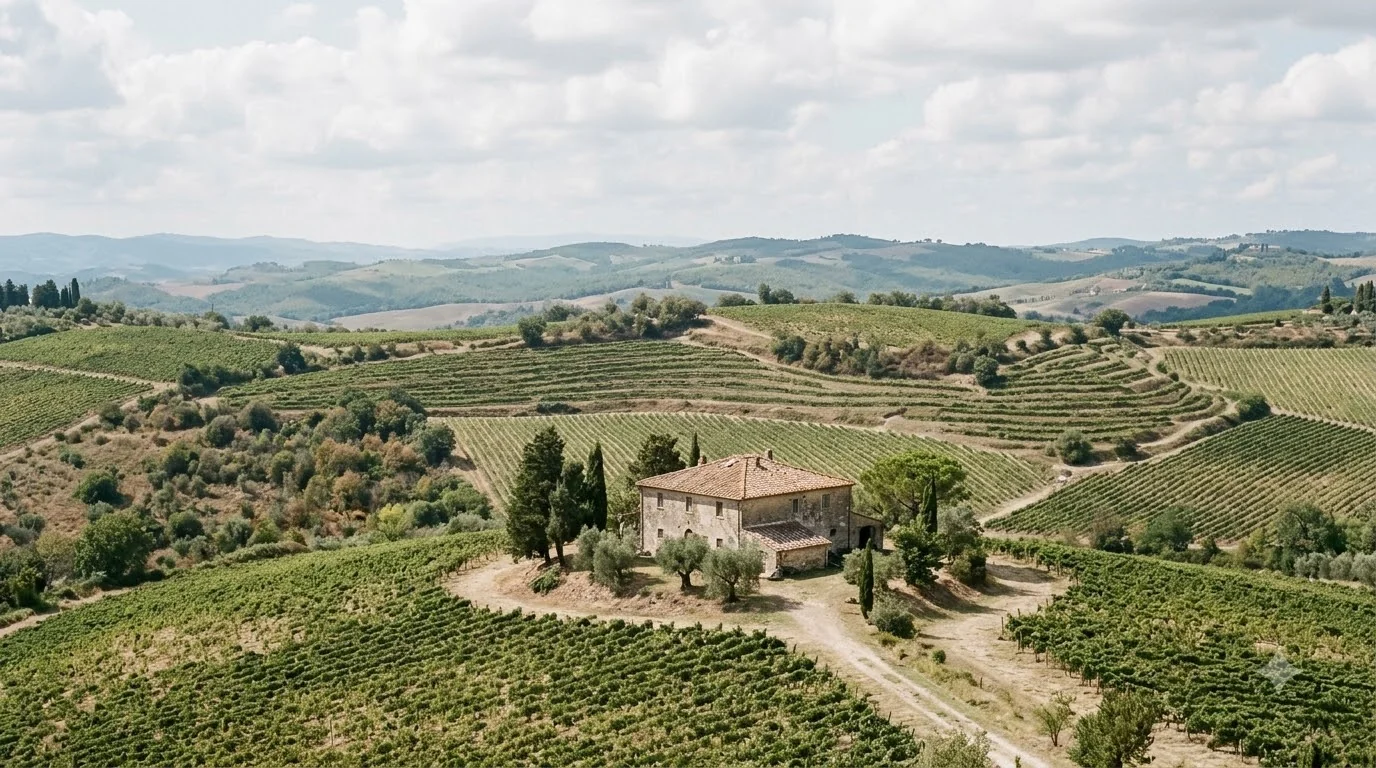
Nova Scotia’s wine industry is concentrated in several growing areas across the province, with the Annapolis Valley and Gaspereau Valley forming its best-known center. The coastal geography and relatively cool climate distinguish these vineyards from Canada’s warmer inland wine-growing areas.
Nova Scotia sits on Canada’s Atlantic coast, east of New Brunswick and connected to the mainland through the narrow Isthmus of Chignecto. Its wine-growing areas extend across the southwestern and northern mainland, with additional vineyards in other parts of the province. According to Wine Growers Nova Scotia, the industry includes more than 70 grape growers and over 800 acres under vine across seven principal growing areas.
The Annapolis Valley is the province’s most recognizable wine destination. Located west of Halifax, it stretches through an agricultural corridor between the North Mountain and South Mountain. These elevated landforms provide shelter from some coastal weather influences and help create favorable vineyard conditions. The valley also benefits from the moderating influence of the Bay of Fundy, whose enormous tidal range is an important feature of the surrounding landscape.
Gaspereau Valley is a particularly significant subregion within the Annapolis Valley. It is associated with producers such as Benjamin Bridge, L’Acadie Vineyards, Gaspereau Vineyards and Luckett Vineyards. Its combination of vineyard slopes, agricultural land and distinctive microclimates makes it especially interesting for wine enthusiasts.
Other growing areas extend the province’s wine identity beyond its central valley. The Malagash Peninsula sits along the Northumberland Strait, while the Avon River Valley, Bear River Valley, LaHave River Valley and Marble Mountain contribute additional growing environments. These areas differ in exposure, soils and local weather patterns, allowing producers to work with several grape varieties and wine styles.
For visitors, the Annapolis Valley is generally the most convenient starting point because several wineries and wine-related experiences are concentrated within the same broader area. Those interested in a more extensive exploration can follow the provincial nova scotia wine country routes and discover producers outside the main valley.
Climate and Terroir: Why the Atlantic Matters
Nova Scotia’s maritime climate is the foundation of its wine identity. Cool growing conditions, ocean influences, relatively long autumns and diverse geological formations help produce grapes with fresh acidity and expressive aromas.
One important characteristic is the proximity of the vineyards to the sea. Wine Growers Nova Scotia explains that the province’s vineyards are never more than approximately 20 kilometers from the ocean. Nearby bodies of water moderate temperature fluctuations, although they do not eliminate the risks associated with Atlantic weather.
The Bay of Fundy and Northumberland Strait influence different vineyard locations in different ways. In the Annapolis Valley, the Bay of Fundy helps moderate seasonal temperatures and contributes to a relatively extended growing period. Around Malagash, the Northumberland Strait influences local conditions and helps create a favorable environment for cool-climate grape growing.
Nova Scotia is not an easy place to grow wine grapes. Late spring frost, strong winds, humidity and wet weather can complicate vineyard management. According to Decanter’s regional reporting, a severe spring frost in 2018 significantly damaged the provincial crop, illustrating the risks associated with growing grapes in a marginal climate.
Soils add another layer of variation. Depending on the vineyard location, growers encounter sandstone, slate, siltstone and glacially derived deposits. These materials influence drainage, soil structure and vine development. The Annapolis Valley also contains differences between valley-floor agricultural soils and elevated vineyard sites.
The result is a wine-growing environment in which grape selection and vineyard location matter considerably. Producers must consider frost exposure, slope direction, soil drainage and seasonal ripening conditions before deciding which varieties to plant.
Cool conditions generally encourage grapes to retain higher natural acidity while developing more restrained fruit flavors than grapes grown in warmer climates. This helps explain the freshness associated with Nova Scotia whites and the suitability of its vineyards for sparkling wine production.
However, maritime influence should not be mistaken for a guarantee of identical wines throughout the province. A sheltered Annapolis Valley vineyard and an exposed coastal site can experience different growing conditions, even when they are relatively close geographically.
Tip: When comparing Nova Scotia wines, pay attention to the growing area and grape variety rather than assuming every bottle has the same coastal character. A Tidal Bay blend, a Malagash white and a traditional-method sparkling wine can offer noticeably different expressions of the province.
Tidal Bay: The Signature Wine of Nova Scotia
Tidal Bay is Nova Scotia’s defining wine appellation, representing the province’s characteristic fresh, aromatic white wine style. Its production rules require locally grown grapes, approved varieties and an independent tasting assessment for every vintage seeking the designation.
The appellation was developed by the Winery Association of Nova Scotia in 2011 and officially launched in June 2012. Its purpose was to establish a recognizable wine style that communicates the characteristics of the province’s maritime environment.
Rather than being a single-grape wine, Tidal Bay is generally a blend. Producers can combine approved varieties to achieve a balanced expression of green fruit, citrus, floral aromas, lively acidity and mineral impressions. L’Acadie Blanc, Seyval, Vidal and Geisenheim 318 are among the principal varieties used in its production.
Several production requirements distinguish Tidal Bay from an ordinary regional white blend. All grapes must be grown in Nova Scotia, and the wine must satisfy specific standards covering alcohol, acidity, residual sugar and production practices. The maximum permitted alcohol content is 11% ABV.
The appellation also emphasizes freshness. Fermentation must take place in an inert vessel, such as stainless steel, although limited new-oak aging is permitted under the rules. The tasting panel can reject a wine that displays an excessively oaky character inconsistent with the expected style.
According to the Tidal Bay appellation requirements, vineyard yields are limited to four tonnes per acre. Each vintage must also receive approval from an independent five-person blind tasting panel before it can carry the designation.
This annual evaluation is important because it means that the name Tidal Bay represents more than a geographic reference. It identifies wines that meet a defined standard and demonstrate the intended Nova Scotian character. Individual producers can still express their own preferences through grape combinations and winemaking decisions, but they must remain within the appellation’s requirements.
In the glass, Tidal Bay is generally a refreshing, aromatic white with citrus, green apple, orchard fruit and sometimes floral or herbal notes. Its lively acidity makes it particularly suitable for seafood, especially Atlantic lobster, scallops and oysters.
For someone buying Nova Scotia wine for the first time, Tidal Bay is an excellent introduction. It provides a recognizable example of the region’s signature style without requiring extensive knowledge of individual grape varieties or producers.
Important Grapes and Wine Styles to Explore
Although Tidal Bay receives considerable attention, Nova Scotia produces several different wine styles. Its vineyards support traditional-method sparkling wines, still whites, rosé, lighter reds, icewine and fruit-based wines.
L’Acadie Blanc and Other White Grapes
L’Acadie Blanc is one of the most important grape varieties associated with the province. It is a hybrid grape that has adapted well to Nova Scotia’s cool growing conditions. Its wines can display citrus, green apple and orchard-fruit characteristics, supported by refreshing acidity.
Seyval Blanc and Vidal are other important hybrid varieties. Both contribute to the province’s white wine production, and each can be used in blends or bottled as a varietal wine. New York Muscat brings a more aromatic character, while Geisenheim 318 is another variety associated with Tidal Bay production.
Nova Scotia also grows international varieties such as Chardonnay, Ortega and Riesling. Chardonnay is particularly important for sparkling wine, while Riesling can produce aromatic still whites with pronounced acidity. Ortega is another useful option for cool-climate vineyards.
Traditional-Method Sparkling Wine
Sparkling wine is one of Nova Scotia’s strongest categories. The province’s cool growing season allows grapes to retain the acidity needed for balanced sparkling wines. This is particularly important when producing wines through the traditional method.
In traditional-method production, the second fermentation takes place inside the bottle, creating the carbon dioxide responsible for the bubbles. The wine can then spend additional time aging on its lees, contributing texture and more complex aromas.
Chardonnay and Pinot Noir are familiar varieties in this category, although producers can also work with other suitable grapes. The resulting wines may display citrus, apple, pear, delicate floral notes and yeast-derived complexity.
Red Wines and Rosé
Nova Scotia’s cool climate does not prevent it from producing interesting red wines. However, the province’s red wine identity is different from that of warmer regions known for powerful Cabernet Sauvignon or Syrah.
Baco Noir, Lucie Kuhlmann, Marechal Foch and Leon Millot are among the red varieties associated with local production. These grapes can produce wines with berry fruit, earthy aromas and relatively moderate tannins. They are often suited to lighter cooking styles and hearty regional dishes.
Rosé provides another approachable option. Depending on the grapes and winemaking technique, Nova Scotia rosé can offer fresh red-berry aromas, lively acidity and a light-bodied structure.
Icewine and Fruit Wines
Icewine is an additional specialty. Vidal, Ortega and New York Muscat are among the varieties used for this sweet wine style. The grapes are harvested while frozen on the vine, concentrating their sugars and flavors before pressing.
Nova Scotia’s typical icewine harvesting window can extend from late November into late December, when temperatures reach approximately -8°C to -10°C. The resulting wines combine concentrated sweetness with acidity, making them suitable for dessert pairings.
The province also produces wines from apples, blueberries, cranberries, elderberries, pears and raspberries. These fruit wines reflect Nova Scotia’s wider agricultural identity and provide alternatives to conventional grape wines.
| Wine style or category | Important grapes | Typical characteristics |
|---|---|---|
| Tidal Bay | L’Acadie Blanc, Seyval, Vidal | Fresh, aromatic, high acidity |
| Traditional sparkling | Chardonnay, Pinot Noir | Citrus, apple, fine bubbles |
| Still white | Riesling, Ortega, L’Acadie Blanc | Floral, crisp, orchard fruit |
| Red wine | Baco Noir, Marechal Foch | Berry fruit, earthy notes, moderate tannins |
| Rosé | Regional red grape varieties | Fresh berries, bright acidity |
| Icewine | Vidal, Ortega, New York Muscat | Concentrated fruit, sweetness, balanced acidity |
Seven Growing Areas and Notable Wineries
Nova Scotia’s wine-growing landscape contains several distinct areas, each contributing to the province’s overall identity. The Annapolis Valley is the best-known starting point, but the other growing areas provide additional perspectives on the region’s maritime viticulture.

Annapolis Valley: This is the province’s principal wine destination, with vineyards distributed across a long agricultural valley west of Halifax. Domaine de Grand Pré, Lightfoot & Wolfville, Blomidon Estate Winery and Planters Ridge are among the producers associated with this area. The valley is particularly important for white wines and sparkling production.
Gaspereau Valley: Located within the wider Annapolis Valley, Gaspereau has a strong reputation for premium wine production. Benjamin Bridge, Gaspereau Vineyards, L’Acadie Vineyards and Luckett Vineyards are notable names. The area’s vineyard slopes and maritime influences make it especially interesting for sparkling wine and cool-climate whites.
Avon River Valley: This growing area contributes to the province’s geographical diversity. Avondale Sky Winery and Lost Bell Wines are associated with the area. Its agricultural landscape provides another perspective on how grape growing extends beyond the Annapolis Valley’s most established vineyard clusters.
Malagash Peninsula: Located along the Northumberland Strait, Malagash is one of Nova Scotia’s historically important wine areas. Jost Vineyards is the best-known producer associated with this location. The nearby water helps moderate local conditions, while the region’s geological characteristics contribute to its distinctive vineyard environment.
Bear River Valley: Bear River adds a southwestern dimension to the province’s wine-growing geography. Bear River Vineyards is associated with the area, where the local landscape provides a different setting from the more concentrated Annapolis Valley vineyard corridor.
Marble Mountain: Located on Cape Breton Island, Marble Mountain represents the province’s broader potential for viticulture beyond mainland Nova Scotia. Marble Mountain Estates is the producer associated with this growing area.
LaHave River Valley: This South Shore growing area contributes to the province’s wider vineyard network. Its inclusion among the seven principal growing areas highlights the importance of looking beyond the best-known wine-tourism corridor when exploring Nova Scotia wine.
These growing areas should not be treated as interchangeable. Their geography, coastal exposure and vineyard development differ. For consumers, exploring producers from multiple areas can reveal how grape selection and site conditions influence wine character.
Those planning a visit can start with the province’s Nova Scotia vineyards and use winery locations to organize a practical tasting itinerary. A visit centered on Wolfville and Gaspereau, for example, provides access to several established producers without requiring extensive travel between distant parts of the province.
Food Pairings and How to Serve Nova Scotia Wine
Nova Scotia wines are especially versatile at the table because their acidity and freshness complement the province’s seafood-centered cuisine. Tidal Bay, sparkling wine and aromatic whites are particularly useful choices for meals featuring lobster, oysters, scallops and fish.
Tidal Bay and seafood: The signature white wine is a natural match for Atlantic lobster, steamed mussels, oysters and scallops. Its acidity helps refresh the palate between bites, while citrus and green-fruit flavors complement the delicate sweetness of shellfish.
Sparkling wine and fried seafood: Traditional-method sparkling wine works particularly well with fried fish, fried oysters and crisp seafood appetizers. The bubbles and acidity help cut through richer textures without overwhelming the food’s natural flavors.
Riesling and spicy dishes: A slightly off-dry Riesling can complement dishes containing chili, aromatic spices or sweet-and-sour sauces. Its acidity provides freshness, while a touch of residual sweetness helps balance moderate heat.
Nova Scotia reds and hearty food: Baco Noir and Marechal Foch can accompany roasted poultry, grilled pork, mushroom dishes and traditional stews. Their comparatively moderate tannins make them more adaptable to foods that do not require the structure of a powerful Cabernet Sauvignon.
Icewine and dessert: Sweet wines should generally be at least as sweet as the dessert served alongside them. Nova Scotia icewine can pair with fruit tarts, apple desserts, blue cheese and lightly sweetened pastries.
Serving temperature also makes a noticeable difference. A very cold white can lose some of its aromatic expression, while an overly warm sparkling wine can seem less refreshing. The following temperatures provide practical starting points.
| Wine category | Recommended serving temperature | Suggested pairing |
|---|---|---|
| Sparkling wine | 40–50°F | Oysters, fried seafood |
| Light white and rosé | 45–50°F | Lobster, scallops, salads |
| Fuller-bodied white | 50–55°F | Roasted fish, creamy seafood dishes |
| Light red | 55–60°F | Roast poultry, pork |
| Fuller-bodied red | 60–65°F | Beef stew, grilled meats |
| Sweet white and icewine | 43–50°F | Fruit desserts, blue cheese |
For sparkling wines, a flute or tulip-shaped glass can help preserve the bubbles while allowing some aromatic expression. Still whites are generally best served in standard white wine glasses, while lighter reds benefit from slightly larger bowls.
When storing unopened bottles, a consistent temperature near 55°F is a useful target. Bottles sealed with natural cork should generally be stored on their sides to keep the cork from drying out. After opening, refrigerate still wines and aim to finish them within approximately three to five days for the best freshness. Sparkling wines generally retain their best character for one to three days when properly resealed.
Planning a Visit to Nova Scotia Wine Country
The Annapolis Valley is generally the best area for a first wine-focused visit because its concentration of wineries makes it possible to explore several producers within a relatively compact itinerary. Visitors can combine tastings with local restaurants, agricultural attractions and scenic coastal stops.
Wolfville is a useful base for exploring the Annapolis Valley and Gaspereau Valley. The surrounding area includes established wine producers, agricultural businesses and hospitality experiences. A visitor can spend a day exploring a small selection of wineries without needing to cross the entire province.
For a first itinerary, consider visiting two or three wineries rather than attempting to fit every producer into one day. Begin with a winery offering Tidal Bay and still whites, then visit a producer known for traditional-method sparkling wine. Finish with a tasting that includes regional reds or a dessert wine to understand the broader range of local production.
Producers such as Benjamin Bridge, Lightfoot & Wolfville, Domaine de Grand Pré and Luckett Vineyards provide useful starting points for researching the region. Their locations and wine offerings make them relevant names for visitors interested in exploring different expressions of Nova Scotia wine.
Malagash Peninsula is another worthwhile destination, particularly for visitors interested in the province’s wine history. Jost Vineyards provides a connection to the early development of commercial winemaking in the province. Combining this area with other Northumberland Shore attractions creates a different experience from a trip centered on Wolfville.
The best visiting season is generally spring through fall, when vineyards are active and outdoor tasting experiences are more widely available. Summer offers long daylight hours and favorable conditions for combining winery visits with coastal sightseeing. Early autumn can also be appealing as vineyards approach harvest and the surrounding agricultural landscape changes color.
Visitors interested in harvest activities should contact wineries before traveling because harvest dates vary with weather and grape variety. Cool-climate grapes do not necessarily ripen at the same time, and difficult weather can change picking schedules.
Transportation deserves consideration when planning a tasting day. Visitors who intend to sample wine at multiple wineries should arrange a designated driver or use a guided tour. Guided experiences can also make it easier to understand the differences between Tidal Bay, sparkling wine and individual grape varieties.
Wine events offer another opportunity to discover the province’s producers. Checking the schedule for a Nova Scotia wine festival can help visitors find tastings and regional events that bring multiple wineries together.
Before traveling, confirm tasting-room schedules, reservation requirements and seasonal availability directly with individual producers. Some wineries have different operating schedules outside the main visitor season, and private tastings may require advance arrangements.
Frequently Asked Questions
Is Nova Scotia part of a Canadian wine appellation system?
Yes. Nova Scotia has its own Tidal Bay appellation of origin, which establishes requirements for a designated regional white wine style. The designation is specific to Nova Scotia and is not the same as the Vintners Quality Alliance appellations used in several other Canadian wine-producing provinces.
Can Nova Scotia wine be found outside Canada?
Some Nova Scotia wines reach international markets, although availability depends on the producer, distribution arrangements and local import regulations. Specialty wine retailers and Canadian wine importers are useful places to investigate. Traditional-method sparkling wines and Tidal Bay are particularly recognizable categories to search for.
Is Nova Scotia’s wine industry suitable for organic viticulture?
Organic grape growing is possible in Nova Scotia, but the region’s humid maritime conditions can make disease management demanding. Growers must pay close attention to fungal pressure, rainfall and vineyard ventilation. Organic certification is a producer-specific matter rather than a requirement of the Tidal Bay appellation.
Does Nova Scotia produce wines from the Vitis vinifera species?
Yes. Although hybrid grapes play an important role in the province, growers also cultivate European varieties from the Vitis vinifera species. Chardonnay, Pinot Noir and Riesling are among the notable examples. Their presence is especially important in the development of sparkling wine and aromatic still whites.
What makes Nova Scotia different from Prince Edward County?
Both are Canadian cool-climate wine destinations, but their geographic settings differ. Nova Scotia is strongly influenced by the Atlantic Ocean, Bay of Fundy and Northumberland Strait, while Prince Edward County is located on the northern shore of Lake Ontario. Their respective soils, seasonal weather patterns and grape-growing environments create different regional wine identities.
The nova scotia wine region offers much more than its signature Tidal Bay white. Its maritime vineyards, distinctive hybrid grapes, traditional-method sparkling wines and increasingly diverse range of still wines make it an exciting part of Canada’s wine landscape. Start with an aromatic Tidal Bay or a bottle of local sparkling wine, then explore the producers and growing areas that give Atlantic Canadian wine its distinctive character.
More in Wine Regions
 Willcox Wine Trail: Discover Arizona’s High-Elevation Wine CountryUpdated Nov 20, 2026
 Yakima Valley Wine Region: Find the Best Styles to TryUpdated Nov 20, 2026
 Vosne Romanee Wine Tasting: Identify Aromas and Choose Better PairingsUpdated Nov 20, 2026
 Yakima Valley Wine Festival: Find the Best Seasonal Wine EventsUpdated Nov 20, 2026
 Wales Vineyards: Discover Cool-Climate Wines and Where to VisitUpdated Nov 20, 2026
 Yountville Wine Festival: Discover Napa Wines and Local FoodUpdated Nov 20, 2026