

We may earn a commission when you buy through links on this page, at no extra cost to you. Learn more.
Niagara wine tasting introduces visitors to Canada’s distinctive cool-climate wines, including Riesling, Chardonnay, Pinot Noir, Cabernet Franc, and internationally recognized Icewine. Located in southern Ontario along Lake Ontario and the Niagara River, the Niagara Peninsula combines diverse vineyard soils, lake-moderated temperatures, and several distinctive wine-growing districts. Visitors can explore traditional tasting rooms, family-run wineries, vineyard restaurants, and guided cellar experiences. A well-planned visit makes it possible to compare different wine styles while enjoying one of Canada’s most established wine destinations.
The Niagara wine region offers much more than a collection of tasting rooms. Its geography creates noticeable differences between vineyard sites, while its winemakers produce everything from crisp, mineral-driven whites to structured reds, traditional-method sparkling wines, and naturally sweet Icewine. Whether planning a weekend in Niagara-on-the-Lake, exploring the Niagara Escarpment, or building a longer Ontario wine itinerary, understanding the region’s geography and signature grapes helps make each tasting more rewarding.
Understanding Niagara’s Wine Geography and Climate
The Niagara Peninsula is Canada’s largest planted wine-growing area, and its combination of Lake Ontario, the Niagara Escarpment, and varied soils helps explain the diversity of wines visitors encounter. Its vineyards extend across a broad landscape rather than concentrating around one town or a single growing environment.
The region sits near 43 degrees north latitude, placing it in a cool-climate growing zone. Lake Ontario plays an important role in moderating seasonal temperatures. Its large body of water warms more slowly than surrounding land in spring and retains summer heat into fall. This moderating influence can reduce temperature extremes and help vines continue ripening later into the growing season.
The Niagara Escarpment is another important geographical feature. This north-facing geological formation rises approximately 177 meters (575 feet) above sea level within the Niagara Peninsula appellation, creating differences in elevation, exposure, and airflow. Its slopes influence sunlight and the movement of lake breezes through vineyards. These variations help explain why wines from two relatively close locations can show different ripeness, acidity, and aromatic character.
Niagara’s geological history also contributes to its wine styles. Glacial activity and ancient geological formations created soils containing clay, silt, sand, sedimentary rock, and remnants of ancient reef structures. Soil depth, drainage, and water retention vary considerably. Some vineyard sites have heavier clay soils, while others feature sandier or better-drained compositions.
According to the Ontario Wine Appellation Authority, the Niagara Peninsula contains more than 46 grape varieties across approximately 13,600 acres. Its three broad physiographic areas are the Lake Iroquois Plain, Niagara Escarpment, and Haldimand Clay Plain. These geographical differences create a wide range of growing environments rather than one uniform regional wine style.
The Niagara Peninsula also contains regional appellations, including Niagara Escarpment and Niagara-on-the-Lake, along with smaller designated growing areas. Beamsville Bench, Twenty Mile Bench, Four Mile Creek, Niagara River, and St. David’s Bench are among the names visitors may encounter on winery menus and bottle labels.
Understanding these distinctions makes comparative tasting more interesting. Instead of choosing wines only by grape variety, try comparing two Rieslings or Chardonnays from different Niagara growing areas. Notice whether one seems more citrus-driven, another more rounded, or a third more mineral in character. Differences in vineyard location, harvest decisions, and winemaking can all contribute to the result.
The official Ontario Wine Appellation Authority’s Niagara Peninsula overview provides additional geographical information about the region’s growing areas, grape varieties, and climate.
For readers exploring other regions, Wine Regions provides a useful starting point for understanding how geography influences wine styles around the world.
Signature Grapes and Wine Styles to Look For
Riesling, Chardonnay, Pinot Noir, and Cabernet Franc are among the most useful starting points for a Niagara tasting. These varieties reflect the region’s cool-climate character, although visitors can also find sparkling wines, Gamay Noir, Merlot, Cabernet Sauvignon, and specialty dessert wines.
Riesling is one of Niagara’s most recognizable white varieties. It can produce wines ranging from bone-dry to sweet, with lively acidity and aromas of lime, lemon, green apple, white flowers, and stone fruit. The best approach is to ask whether a Riesling is dry, off-dry, or sweet before tasting. This distinction matters because two bottles made from the same grape can deliver very different experiences.
Chardonnay provides another useful reference point. Niagara examples can range from fresh, citrus-driven wines to fuller versions with apple, pear, peach, and subtle oak character. Some producers emphasize stainless-steel fermentation to preserve freshness, while others use barrel fermentation or aging to add texture and complexity. Comparing unoaked and oak-influenced Chardonnay is a practical way to understand the effect of winemaking choices.
Pinot Noir is particularly interesting for visitors who prefer lighter-bodied reds. Its typical profile includes cherry, raspberry, cranberry, earthy notes, and moderate tannin. Niagara’s cooler growing conditions can help retain acidity, giving the wines freshness and a food-friendly structure. A lighter Pinot Noir is often more revealing when served slightly cool rather than at warm room temperature.
Cabernet Franc is another important red variety in Niagara. It can show red cherry, raspberry, herbs, pepper, and earthy nuances, with more noticeable tannin than Pinot Noir. Depending on the vineyard and vintage, the wines may range from relatively light and fresh to more concentrated and structured.
Gamay Noir deserves attention, especially for visitors who enjoy lighter reds with vibrant fruit. Look for fresh strawberry, raspberry, cherry, and sometimes subtle pepper or earthy character. Its moderate structure makes it suitable for casual meals, charcuterie, and a range of cheeses.
Other varieties also deserve a place in a regional tasting flight. Sauvignon Blanc offers bright acidity and citrus or herbal aromas. Merlot generally produces softer, medium-bodied reds, while Cabernet Sauvignon tends to have firmer tannins and darker fruit characteristics. Niagara sparkling wines provide an additional opportunity to explore acidity and texture.
| Wine style | Typical characteristics | Suggested serving temperature |
|---|---|---|
| Riesling | Citrus, green apple, high acidity | 45–50°F |
| Chardonnay | Apple, pear, citrus, medium acidity | 50–55°F |
| Pinot Noir | Cherry, raspberry, low-medium tannin | 55–60°F |
| Cabernet Franc | Red berries, herbs, moderate tannin | 55–60°F |
| Cabernet Sauvignon | Dark fruit, firmer tannin | 60–65°F |
| Sparkling wine | Fresh acidity, bubbles, citrus | 40–50°F |
| Icewine | Concentrated fruit, pronounced sweetness | 43–50°F |
These temperatures are practical serving guidelines rather than strict rules. They help preserve freshness in white wines, maintain aromatic expression in reds, and keep sparkling wines lively. A wine served too warm may seem heavy, while one served excessively cold can lose some of its aromatic detail.
Tip: Ask for a dry Riesling, a Chardonnay, a Pinot Noir, and a Cabernet Franc in the same tasting session. This four-wine comparison provides a useful introduction to Niagara’s white and red wine styles without making the experience overly complicated.
Exploring Niagara-on-the-Lake and the Niagara Escarpment
Niagara-on-the-Lake and the Niagara Escarpment are two important regional wine destinations within the larger Niagara Peninsula. They offer different combinations of vineyard scenery, growing conditions, winery experiences, and wine styles, making them useful areas to compare during a visit.
Niagara-on-the-Lake is particularly well established as a wine tourism destination. It sits near Lake Ontario and the Niagara River, where relatively gentle slopes and lake influences contribute to the area’s growing conditions. Its regional appellation includes four sub-appellations: Niagara River, Niagara Lakeshore, Four Mile Creek, and St. David’s Bench.
The Niagara-on-the-Lake tourism organization identifies approximately 40 winery estates and small-batch tasting rooms in its wine country. Visitors can find traditional tasting rooms, vineyard patios, guided cellar experiences, and wineries offering food alongside their wine selections. The concentration of wineries makes the area convenient for a first visit.
Several established destinations can provide a starting point. AMO Estate Winery, Bella Terra Vineyards, Chateau des Charmes, Konzelmann Estate Winery, Ravine Vineyard Estate Winery, and Peller Estates are among the wineries listed by the regional tourism organization. Each has its own setting and visitor experience, so checking tasting formats before traveling helps create a more focused itinerary.
The Niagara Escarpment offers a different geographical perspective. Its slopes, benches, and elevation changes contribute to variations in sunlight exposure, airflow, and soil drainage. The Twenty Mile Bench and Beamsville Bench are especially useful names to recognize when exploring wines from the escarpment area.
These differences can be explored through comparative tastings. A Riesling from a lakeshore location may have a different aromatic profile from one grown farther inland. A Pinot Noir from an elevated vineyard may show a different balance of fruit and acidity from one grown on a lower, warmer site. Such comparisons are not absolute rules, but they encourage closer attention to vineyard origin.
For a focused first trip, choose one geographical area rather than attempting to cover every Niagara sub-appellation in a single day. Niagara-on-the-Lake works well for visitors who want several nearby tasting experiences, while a route through the escarpment area provides a chance to explore vineyard benches and their distinct settings.
Visitors interested in comparing Canadian wine country with another North American destination can also explore Willcox wine tasting. Willcox, Arizona, offers a useful contrast in climate, grape-growing conditions, and regional wine identity.
Planning a Niagara Winery Tasting Itinerary
A successful winery itinerary balances the number of stops with enough time to enjoy each tasting. For most first-time visitors, three wineries in one day provide a comfortable pace, allowing time for wine discussions, food, photographs, and travel between locations.
Begin by choosing a geographical focus. If Niagara-on-the-Lake is the main destination, select three wineries in that area and arrange their visits in a logical driving sequence. If the Niagara Escarpment is the priority, concentrate on wineries around Beamsville Bench or Twenty Mile Bench rather than adding distant stops simply to increase the number of tastings.
Allow approximately 60 to 90 minutes for a substantial winery visit, especially if the experience includes a guided flight, vineyard walk, cellar tour, or food pairing. A shorter tasting may take less time, but a reserved educational experience often requires a more generous schedule.
Before leaving, review each winery’s reservation policy. Some tasting rooms accept walk-ins, while others prioritize appointments or offer specific guided experiences at scheduled times. Larger groups should be especially careful about booking ahead because seating capacity and tasting formats can vary.
Transportation deserves equal attention. Visitors who plan to sample several wines should arrange a designated driver, private transportation, or an organized wine tour. This makes it easier to enjoy each stop without having to manage driving after tastings.
A practical one-day schedule might look like this:
- 10:30 a.m.: Arrive at the first winery for a guided tasting focused on Riesling and Chardonnay.
- 12:00 p.m.: Enjoy lunch at a winery restaurant or a nearby regional restaurant.
- 1:30 p.m.: Visit a second winery for Pinot Noir, Cabernet Franc, and other red varieties.
- 3:00 p.m.: Explore a third winery for sparkling wine, Icewine, or a comparative tasting.
- 4:30 p.m.: Finish the day with a relaxed stop at a vineyard patio or return to your accommodation.
This is a suggested schedule, not a fixed operating timetable. Travel distances, reservation times, seasonal hours, and tasting durations will affect the actual day. It is better to complete three well-planned visits than rush through five or six tasting rooms.
When making reservations, ask what each experience includes. A standard tasting flight might feature several wines poured in small samples, while a guided experience could include vineyard information, production explanations, or food pairings. Knowing the format helps avoid repeating the same selection at every stop.
It is also helpful to establish a tasting theme. One day might focus on Riesling and Chardonnay, while another explores Pinot Noir, Cabernet Franc, and sparkling wines. A themed approach encourages more useful comparisons and makes it easier to remember individual wines after the visit.
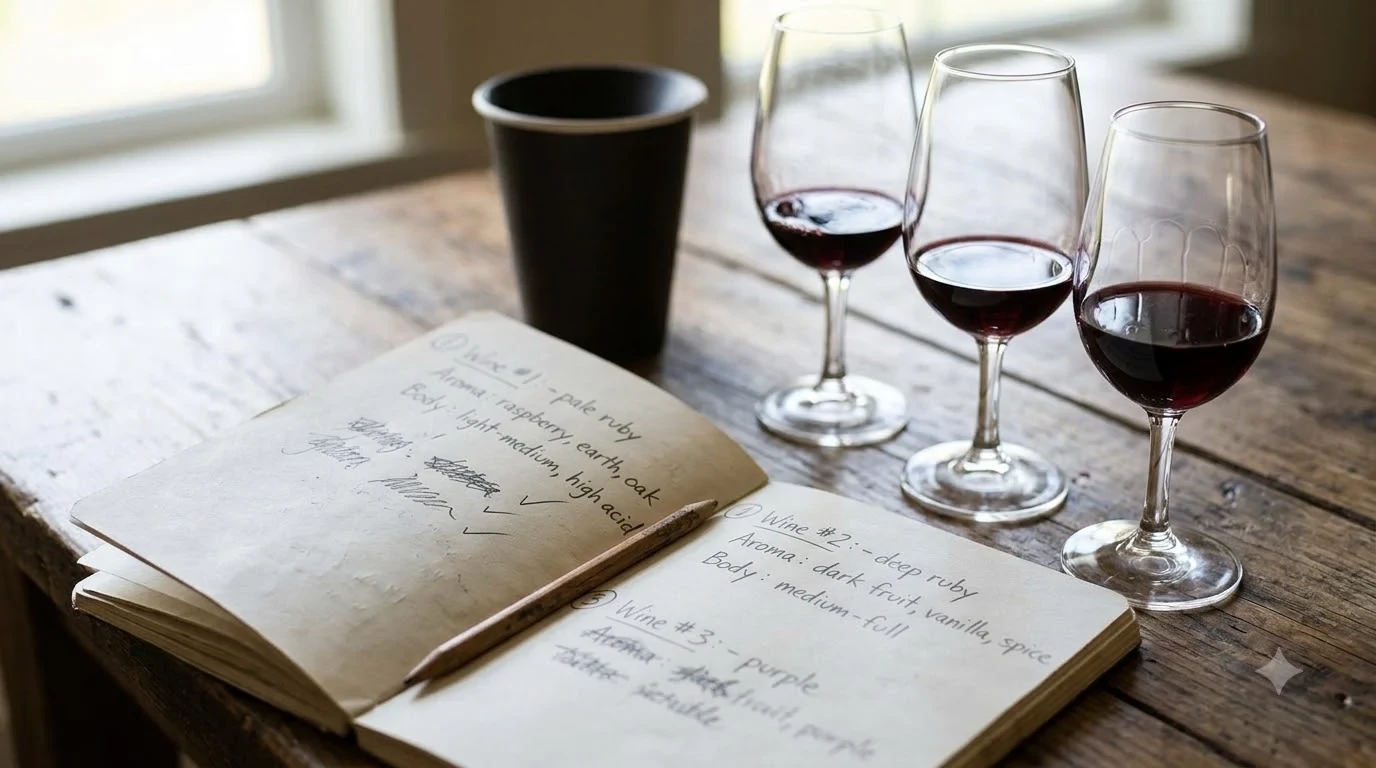
Keep notes about grape variety, vineyard location, acidity, body, tannin, sweetness, and aromas. Simple descriptions such as lemon, peach, cherry, or fresh herbs are often more useful than complicated tasting terminology. Record the producer and wine name if you intend to find the bottle again.
Icewine, Seasonal Visits, and Special Winery Experiences
Niagara is especially recognized for Icewine, a concentrated dessert wine made from grapes that freeze naturally on the vine. Its sweetness and acidity create a distinctive style that differs from ordinary late-harvest wines and makes it one of the region’s most memorable tasting experiences.
Icewine production depends on naturally frozen grapes rather than simply chilling harvested fruit in a freezer. Grapes remain on the vine until sufficiently cold conditions allow the water inside the berries to freeze. During pressing, much of that frozen water remains behind as ice, leaving a small quantity of concentrated juice with pronounced sweetness and flavor.
Vidal is a particularly familiar Icewine grape in Ontario. Its thick skins and suitability for cold-climate growing make it an important variety for this specialty. Riesling is another variety used to produce Icewine, often showing citrus, stone fruit, floral aromas, and lively acidity alongside concentrated sweetness.
The best Icewine tasting compares sweetness with acidity rather than focusing only on sugar concentration. A balanced example can combine apricot, peach, honey, citrus, and tropical fruit characteristics while retaining enough acidity to keep the finish fresh. The wine should taste concentrated but not simply sugary.
Icewine is also an excellent opportunity to explore the effect of temperature. Serving it around 43–50°F helps maintain freshness and aromatic definition. Smaller pours are usually appropriate because its concentration and sweetness make a little wine go a long way.
Seasonality influences the wider winery experience. Spring brings fresh vineyard scenery and opportunities to explore rosé and lighter wines. Summer is suitable for outdoor tastings, patio lunches, Chardonnay, and aromatic Riesling. Fall combines harvest activity with sparkling wines and fuller-bodied reds, while winter provides an especially appropriate setting for Icewine.
There is no single best season for every visitor. Those interested in vineyard landscapes and outdoor dining may prefer warmer months, while visitors primarily interested in Icewine should consider the winter season. Harvest periods can provide an engaging view of regional winemaking, although the exact schedule depends on grape variety, weather, and vineyard conditions.
Winery experiences can also extend beyond a standard tasting flight. Some producers offer guided cellar tours, food pairings, vineyard walks, special tasting menus, and seasonal events. These experiences provide context for the wines and help visitors understand how grape growing and winemaking decisions influence the finished bottle.
When choosing a specialty experience, consider whether it focuses on a particular grape, production technique, or wine category. An Icewine-focused tasting, for example, can be more informative than a general flight if the main goal is to understand how naturally frozen grapes are harvested and processed.
Another option is to compare sparkling wines. Niagara producers make sparkling wines using different approaches, including traditional bottle fermentation. Comparing a traditional-method sparkling wine with a tank-method example can reveal differences in texture, bubbles, and flavor development.
Seasonal visits also make it possible to explore Niagara’s food culture. Vineyard restaurants and tasting rooms may feature regional produce, cheeses, meats, and locally inspired dishes. These pairings add another dimension to the tasting experience and help visitors understand how Niagara wines work at the table.
The official Niagara-on-the-Lake wine country visitor guide describes seasonal winery experiences, tasting rooms, vineyard patios, and cellar visits. It is a useful starting point for identifying the kinds of experiences available in the area.
Food Pairings and Practical Wine Tasting Techniques
Food pairing can make Niagara wines easier to understand because acidity, sweetness, tannin, alcohol, and body influence how wine behaves alongside different ingredients. The region’s mix of fresh whites, lighter reds, structured Cabernet Franc, and sweet Icewine provides plenty of opportunities to explore these relationships.
Riesling is a particularly versatile partner for food. Its high acidity works well with dishes featuring lemon, vinegar, or other acidic ingredients, provided the wine has equal or greater acidity. Dry Riesling is a natural choice for freshwater fish, shellfish, salads, and dishes featuring aromatic herbs. Off-dry Riesling can also work well with moderately spicy dishes because a touch of sweetness helps balance heat.
Chardonnay offers several pairing possibilities depending on its style. A lean, unoaked version pairs well with grilled fish, roast chicken, and vegetables. A fuller, oak-influenced Chardonnay can complement richer poultry dishes, creamy sauces, and roasted vegetables. Its medium acidity makes it less suitable for highly acidic sauces than a high-acid Riesling.
Pinot Noir works particularly well with roast chicken, duck, mushrooms, grilled salmon, and dishes featuring earthy flavors. Its relatively low-to-medium tannin and fresh acidity make it more adaptable than many heavier reds. It is also a useful option for visitors who want a red wine with dinner but do not prefer a very firm tannic structure.
Cabernet Franc pairs naturally with grilled meats, roasted vegetables, mushroom dishes, and herb-seasoned lamb. Its red-fruit profile and moderate tannin make it a flexible choice, particularly when the food contains enough fat or protein to soften the wine’s structure.
Cabernet Sauvignon and other more tannic reds are generally better suited to dishes containing substantial protein and fat. Salt and fat soften the perception of tannin, which explains why a structured red can seem more balanced alongside a rich meat dish than when tasted alone. Conversely, oily fish can clash with strongly tannic reds, making Pinot Noir or a fresh white a safer choice.
Icewine calls for a different pairing approach. The dessert should generally be at least as sweet as the wine, otherwise the wine can make the food seem less sweet or even sour. Fruit desserts, creamy desserts, and selected blue cheeses can work well, depending on the sweetness and acidity of the particular Icewine.
Visitors should also consider alcohol and chili heat. Wines with higher alcohol and noticeable tannin can amplify the sensation of spicy food. If a dish contains substantial chili heat, a lower-alcohol, fruit-forward wine with some residual sweetness may be more comfortable than a powerful red.
The following tasting method works well at almost any Niagara winery:
- Observe: Look at the wine’s color and clarity. White wines may range from pale lemon to deeper gold, while reds can vary from translucent ruby to dark garnet.
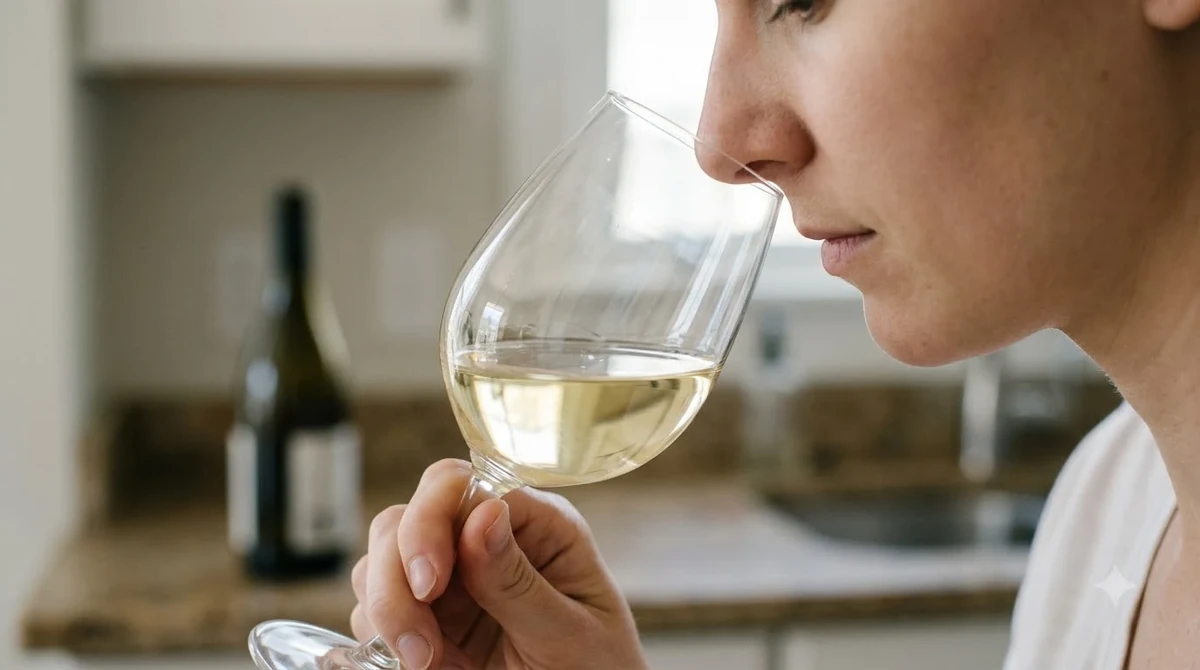
- Smell: Gently swirl the glass and identify a few aromas. Start with familiar categories such as citrus, orchard fruit, red berries, black fruit, flowers, herbs, and spice.
- Taste: Notice acidity, sweetness, tannin, alcohol, body, and flavor intensity. Compare these characteristics rather than trying to identify every possible aroma.
- Evaluate: Consider whether the wine feels balanced and whether its flavors continue after swallowing or spitting. Note which characteristics make it distinctive.
- Compare: Return to a previous wine when appropriate and consider how the new example differs in body, freshness, fruit, or structure.
Standard wine servings are approximately 5 ounces, and a 750-milliliter bottle contains roughly five standard glasses. Tasting-room samples are generally smaller, allowing visitors to compare multiple wines without consuming a full glass of each selection.
Ask questions about vineyard location, harvest timing, fermentation vessels, oak use, and residual sugar. These subjects help explain why two wines made from the same grape may taste very different. A good tasting room should be able to explain the basic decisions behind its wines without requiring visitors to know advanced winemaking terminology.
For anyone interested in exploring another cool-climate region, Alsace wine tasting offers an interesting comparison. Alsace is known for aromatic white varieties such as Riesling and Gewürztraminer, providing a useful way to compare European and Canadian expressions of cool-climate grapes.
Frequently Asked Questions
Is Niagara wine available in the United States?
Yes. Ontario wines are exported to international markets, including the United States, although selection varies by state and retailer. Some specialist wine shops carry Niagara Riesling, Cabernet Franc, sparkling wine, and Icewine. Canadian wines may also appear on restaurant lists featuring international cool-climate producers.
What does VQA mean on a Niagara wine label?
VQA stands for Vintners Quality Alliance, Ontario’s regulated appellation and wine certification system. It establishes requirements concerning grape origin and wine production. The designation helps consumers identify wines that meet the applicable Ontario standards rather than relying only on a general regional description.
Can visitors purchase Niagara Icewine directly from wineries?
Yes. Many Niagara wineries operate retail boutiques where visitors can purchase their wines, including specialty Icewine bottlings. Icewine is frequently packaged in smaller-format bottles, including 200-milliliter sizes. These formats make it easier to serve smaller dessert portions or share a bottle during a special meal.
Does Niagara produce wine from hybrid grape varieties?
Yes. Ontario growers cultivate several hybrid grape varieties suited to the region’s cold winters and variable growing conditions. Vidal is an especially important example because of its role in Icewine production. Other hybrid varieties have also contributed to Ontario’s wider grape-growing and winemaking traditions.
How should Niagara wine be stored after purchasing it?
Store unopened bottles in a cool, dark location near 55°F, with consistent temperatures and limited vibration. Bottles sealed with natural cork are generally best stored on their sides to keep the cork from drying out. Once opened, refrigerate still wines and aim to consume them within approximately three to five days, depending on the wine and its condition.
Niagara offers a rewarding introduction to Canadian wine, combining cool-climate grape varieties, varied vineyard sites, distinctive sparkling wines, and exceptional Icewine. Start with a few carefully selected wineries, compare Riesling, Chardonnay, Pinot Noir, and Cabernet Franc, and allow enough time to appreciate the differences between growing areas. Whether visiting Niagara-on-the-Lake or exploring the Niagara Escarpment, a thoughtful tasting itinerary provides a memorable understanding of this diverse wine region.
More in Wine Regions
 Willcox Wine Trail: Discover Arizona’s High-Elevation Wine CountryUpdated Nov 20, 2026
 Yakima Valley Wine Region: Find the Best Styles to TryUpdated Nov 20, 2026
 Vosne Romanee Wine Tasting: Identify Aromas and Choose Better PairingsUpdated Nov 20, 2026
 Yakima Valley Wine Festival: Find the Best Seasonal Wine EventsUpdated Nov 20, 2026
 Wales Vineyards: Discover Cool-Climate Wines and Where to VisitUpdated Nov 20, 2026
 Yountville Wine Festival: Discover Napa Wines and Local FoodUpdated Nov 20, 2026