

We may earn a commission when you buy through links on this page, at no extra cost to you. Learn more.
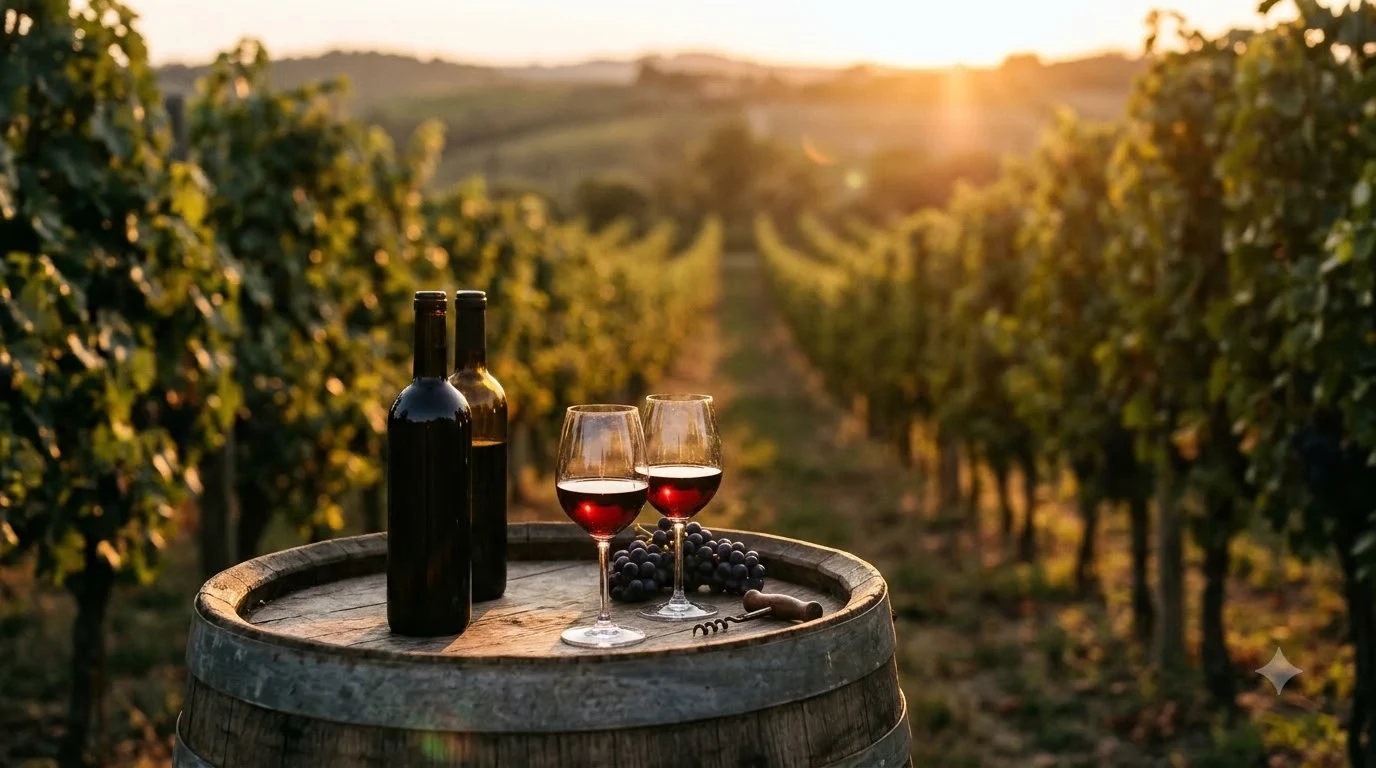
The Nashik wine festival is a celebration of Maharashtra’s grape-growing and winemaking heritage, bringing visitors together for wine tastings, vineyard experiences, local food, and harvest-season activities. The name commonly refers to Nashik’s Grape Harvest Festival, while SulaFest is a separate vineyard-based music and wine event. Both offer opportunities to discover Indian wines and experience the agricultural landscape surrounding Nashik, although their schedules, venues, and programs differ.
Nashik has developed a distinctive reputation in India’s wine industry, thanks to its vineyards, grape-growing communities, and expanding wine tourism scene. Located in Maharashtra, the city and its surrounding countryside offer more than winery visits. Harvest celebrations introduce visitors to local grape varieties, the work behind wine production, regional food, and cultural traditions. Understanding the difference between the major events makes it easier to choose the right experience and plan a rewarding visit.
What the Nashik Wine Festival Celebrates
The Nashik wine festival celebrates the relationship between grape cultivation, winemaking, and tourism in Maharashtra. Its most agriculture-focused expression is the Nashik Grape Harvest Festival, which brings together growers, wineries, food vendors, and visitors during the harvest season.
Nashik’s importance as a wine destination comes from the concentration of vineyards and wineries in the surrounding district. The region is particularly interesting because its wine industry operates alongside a substantial table-grape growing sector. Visitors can therefore learn about grapes intended for fresh consumption as well as fruit cultivated for fermentation.
The Grape Harvest Festival has been organized through Maharashtra’s tourism initiatives to promote this agricultural identity. Its programming has included grape exhibitions, winery displays, tasting opportunities, cooking competitions, and cultural performances. Rather than focusing exclusively on established wine brands, the event gives growers and smaller producers opportunities to introduce their products and explain their work.
The scale of previous celebrations demonstrates the breadth of the local grape industry. At the 2024 event, more than 50 stalls represented wineries, grape growers, and food vendors. More than 40 farmers displayed grape varieties, while over seven wineries presented their wines. Approximately 4,000 visitors were expected during the two-day celebration, according to reporting by The Times of India.
It is important to distinguish the Grape Harvest Festival from SulaFest. The former emphasizes agricultural heritage and the wider Nashik grape-growing community, while SulaFest centers on music, food, and wine experiences at Sula Vineyards. Both contribute to the region’s wine tourism identity, but they are not interchangeable events.
For visitors interested in understanding Indian wine beyond a tasting-room experience, the harvest celebration provides a particularly useful introduction. Conversations with grape growers, displays of unfamiliar varieties, and demonstrations of wine production help connect the finished bottle with the agricultural work that precedes it.
When the Grape Harvest Festival Takes Place
March is the traditional month associated with Nashik’s Grape Harvest Festival, although the wider grape harvest season generally extends from January through mid-April. February is particularly significant because harvesting activity gathers momentum and wineries prepare to process incoming fruit.
The timing is closely connected to the agricultural calendar. Grapes are harvested in stages rather than all at once, with different varieties and vineyards following their own schedules. As a result, a visit in January may offer a different experience from one in March or early April.
The Maharashtra tourism listing describes the Grape Harvest Festival as a two-day celebration held in March. Previous editions have taken place at different venues and on different dates. For example, the 2024 celebration ran over a February weekend, while a previous government-organized edition took place in March. These variations make it important to distinguish the usual seasonal pattern from a confirmed annual event schedule. The Ministry of Tourism’s Nashik Grape Harvest Festival listing provides historical information about the event and its activities.
SulaFest follows a different calendar. Its established identity is that of a vineyard music festival, traditionally associated with the beginning of February. The official event website listed January 31 and February 1, 2026, for its two-day edition, with activities scheduled from 12:30 p.m. to 10 p.m. Dates for another edition should be confirmed independently rather than assumed from the previous schedule.
| Festival or seasonal activity | Typical timing | Main emphasis |
|---|---|---|
| Beginning of grape harvest | January | Early picking and vineyard activity |
| Peak harvest activity | February | Grape picking and winery preparation |
| Grape Harvest Festival | Traditionally March; dates vary | Growers, wine displays, food, and culture |
| Late harvest period | Through mid-April | Continuing vineyard and winery operations |
| SulaFest | Traditionally around early February | Music, wine, food, and vineyard experiences |
Travelers should use the agricultural calendar as a starting point, not as a guarantee that a particular activity will be available. A vineyard might be harvesting one variety while another part of the property is between production stages. Likewise, festival dates and participating wineries can change between editions.
For a trip built around a specific event, confirm the organizer’s announcement before reserving transportation or accommodation. Visitors who are more interested in vineyards than a particular festival can arrange their travel around the January-to-April harvest period and contact individual wineries about their seasonal activities.
Where the Festival Takes Place in Nashik
Nashik’s wine events are associated with the city and the surrounding vineyard landscape in Maharashtra. However, the Grape Harvest Festival and SulaFest have used different venues, so travelers should identify the exact event location before planning their route.
Previous Grape Harvest Festival editions have taken place at several locations. A government tourism listing identifies the Tourism Building, Government Rest Group Premises, and Golf Club Grounds in Nashik as a venue for an earlier edition. Another edition took place at Grape Park Resort, while the 2024 celebration was reported as a city-based event organized by the state tourism department.
The broader India Grape Harvest Wine Festival organized in 2018 had a more distributed format. According to Hindustan Times, the Maharashtra Tourism Development Corporation planned activities across 14 vineyards, with campsites at Vallonne Vineyard and Vinchur Wine Park. The program was designed to introduce visitors to wineries and agricultural destinations throughout the district rather than concentrating every activity at one central location.
SulaFest, by contrast, is held at Sula Vineyards. Its vineyard setting is central to the event’s identity, combining live music with wine, food, and outdoor experiences. The official festival website identifies Sula Vineyards in Nashik as its location and provides travel and accommodation information for visitors.
These distinctions matter because a city-based grape exhibition and a vineyard music festival require different travel arrangements. A visitor attending an exhibition at a central Nashik venue may be able to combine it with sightseeing in the city. Someone attending SulaFest should plan transportation to the vineyard itself and allow sufficient time for arrival and departure.
Travelers arriving from outside Maharashtra can consider Nashik’s railway and road connections when arranging a trip. Mumbai is a common starting point for visitors combining the city with other destinations in the state. The most convenient transport option will depend on the exact festival venue, accommodation location, and travel dates.
It is also useful to consider the distance between individual wineries. A vineyard itinerary may involve several separate stops rather than a single walkable wine district. Organizing visits by location helps avoid unnecessary backtracking and leaves more time for tastings and vineyard tours.
Wine Tastings, Grape Displays, and Festival Activities
The main attractions at Nashik’s harvest celebrations include wine displays, grape exhibitions, opportunities to meet growers, and activities that introduce visitors to local food and culture. SulaFest adds live entertainment, vineyard tours, grape stomping, and a flea market to its wine-focused program.
Grape exhibitions are particularly valuable because they reveal the diversity of Nashik’s agricultural production. The 2024 festival featured table varieties such as Crimson, Flame Seedless, Red Globe, Arra, and Sharad Seedless. These grapes demonstrate that Nashik’s agricultural identity extends beyond wine production.
Wine tasting is another important attraction. At the 2024 Grape Harvest Festival, participating wineries displayed their brands and made provisions for wine tasting and sales. Visitors could explore wines from local producers and gain a better understanding of the range of products made in the region.
Earlier festival programs also included extensive wine displays. The 2018 India Grape Harvest Wine Festival offered 72 types of wine, according to Hindustan Times. That edition incorporated vineyard activities, cultural events, and cooking demonstrations, providing a broader introduction to the region’s wine industry.
Grape stomping is one of the more recognizable activities associated with vineyard celebrations. Participants step into containers filled with grapes and crush the fruit underfoot. It is primarily a participatory and entertaining demonstration rather than a representation of how all modern commercial wine is produced.
SulaFest’s official program highlights several experiences:
- Grape stomping: A participatory activity that connects visitors with the harvest theme.
- Wine tastings: Opportunities to explore wines produced by Sula.
- Vineyard tours: Visits that introduce guests to the winery and its surroundings.
- Food stalls: Gourmet dishes and local food options alongside wine.
- Flea market: A space for handmade products, crafts, and independent merchandise.
- Live music: Performances that make the festival a broader entertainment event.
The Grape Harvest Festival has also included activities beyond wine and agriculture. Government tourism information lists grape cooking competitions, Warli art workshops, calligraphy demonstrations, mehndi, folk dance, music performances, and shopping opportunities among the attractions of previous celebrations.
These activities make the events appealing to different types of visitors. Wine enthusiasts can concentrate on producer displays and tastings, while travelers with a broader interest in local culture can explore performances, art, food, and agricultural exhibitions.
Which Nashik Wines and Vineyards to Explore
Nashik’s wine scene is best explored through a combination of producer tastings, vineyard visits, and conversations about local grape growing. Sula Vineyards provides the setting for SulaFest, while the broader regional wine industry includes numerous other producers and vineyard destinations.
The 2024 Times of India report identified 42 wineries in Nashik district out of 60 wineries across Maharashtra. This concentration explains why the region has become an important destination for Indian wine tourism. It also means that a festival display represents only part of the wider selection available to visitors.
Sula Vineyards is one of the most recognizable names associated with Nashik. Its festival combines wine experiences with music and food, while its vineyard setting offers a different experience from a city-based agricultural exhibition. Visitors interested in learning about the winery should distinguish between festival activities and regular visitor experiences, which may operate under separate schedules.
Other vineyard destinations can help broaden an itinerary. Vallonne Vineyard and Vinchur Wine Park, for example, were included in the Maharashtra Tourism Development Corporation’s 2018 wine tourism program. Their inclusion illustrates the wider geographical reach of Nashik’s wine industry and the region’s efforts to encourage visits beyond a single producer.
When selecting wineries, consider what you want to learn. A visitor interested in grape growing may prefer a vineyard tour during the harvest season. Someone focused on wine styles may prefer a structured tasting with explanations of grape varieties, fermentation, and regional production methods.
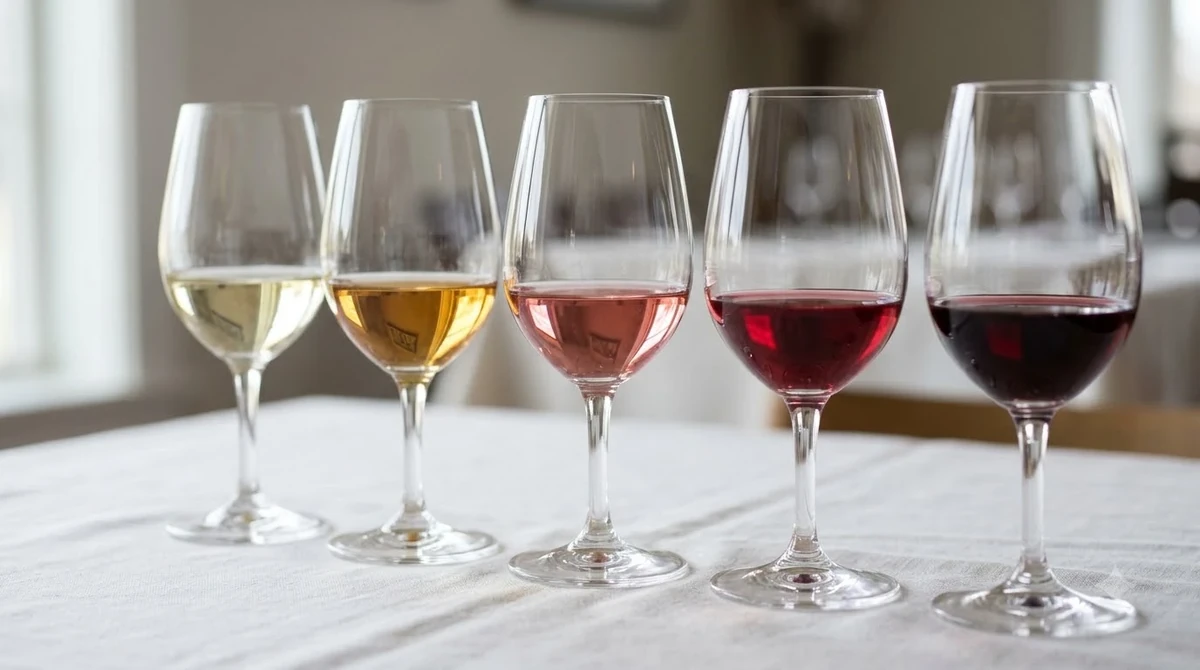
It is also useful to explore different wine styles rather than choosing bottles solely by grape color or familiarity. Indian producers make white, red, rosé, and sparkling wines, and tasting a range of styles provides a better understanding of the country’s wine production.
Understanding Indian wine styles
For newcomers, a crisp Sauvignon Blanc or another high-acidity white can be a useful starting point. These wines generally offer refreshing acidity and can work well with dishes featuring herbs, citrus, and fresh vegetables. Chardonnay offers a different experience, with medium acidity and a style that can range from fresh and restrained to fuller and more textured.
Red wine enthusiasts can compare Cabernet Sauvignon, Merlot, and Syrah. Cabernet Sauvignon generally has high tannin, while Merlot tends to be softer with medium tannin. Syrah can offer a more structured profile, with medium-plus to high tannin depending on the wine.
Rosé and sparkling wines are also useful choices during a warm-weather vineyard visit. Sparkling wine can bring freshness to snacks and appetizers, while rosé can work well with grilled vegetables, mildly spiced dishes, and lighter meals.
Tip: Ask the tasting-room staff which grapes and wines are currently being featured. A comparison of two different styles, such as Sauvignon Blanc and Chardonnay or Merlot and Cabernet Sauvignon, can teach you more than sampling several similar wines without a point of comparison.
Food Pairings and the Nashik Festival Experience
Food is an important part of Nashik’s wine tourism experience, and festival visitors can use local cuisine to explore how Indian flavors interact with different wine styles. The best pairings consider acidity, sweetness, tannin, fat, salt, and spice rather than relying on simple red-wine-with-meat or white-wine-with-fish rules.
High-acidity white wines, including Sauvignon Blanc and Riesling, can work particularly well with dishes featuring citrus, fresh herbs, and tangy ingredients. Their acidity helps complement foods with comparable freshness. Chardonnay, with medium acidity, can be a suitable partner for richer preparations, especially those involving butter, cream, or roasted vegetables.
For red wines, food texture matters. Cabernet Sauvignon has relatively high tannin and generally benefits from dishes containing protein and fat. Salt and fat can soften the perception of tannin, making richer preparations more compatible with structured reds. Merlot offers a softer alternative for dishes that do not require as much tannic structure.
Visitors should also consider how spice affects a pairing. Chili heat can become more pronounced alongside wines with higher alcohol or substantial tannin. A fruit-forward wine with moderate alcohol or a slightly sweet white may provide a more comfortable match for spicy Indian dishes.
Oily fish can be challenging with strongly tannic red wines. A fresh white or sparkling wine is generally a more suitable starting point, particularly when the dish includes lemon or other acidic ingredients.
For dessert, sweetness is the most important consideration. A wine should generally be at least as sweet as the dessert being served. A dry wine alongside a very sweet dessert can taste noticeably sharper and less balanced.
At a festival, the most practical approach is to start with lighter foods and wines before moving toward richer flavors. Try a sparkling wine with appetizers, a crisp white with fresh or tangy dishes, and a softer red with grilled or roasted food. This progression also makes it easier to notice differences between wines without overwhelming your palate with powerful flavors at the beginning.
How to Plan a Nashik Wine Festival Trip
A successful Nashik wine festival trip begins with confirming the event, choosing accommodation near the relevant venue, and arranging reliable transportation between wineries. Visitors should also leave enough time for food, sightseeing, and tastings rather than trying to fit every attraction into a single afternoon.
Start by identifying whether your preferred event is the Grape Harvest Festival or SulaFest. Their programs and locations differ, and an itinerary designed for one may not work for the other. Check the official organizer announcements for the actual dates, ticket arrangements, entry requirements, participating wineries, and performance schedules.
Next, decide how much time to spend in the region. A short weekend can accommodate a festival and one or two additional vineyard experiences. A longer visit provides more flexibility to explore different producers, enjoy local restaurants, and see the agricultural landscape outside the main event venue.
Choose accommodation carefully
For a city-based harvest festival, accommodation in Nashik can make it easier to combine the event with sightseeing and restaurant visits. For SulaFest, staying closer to Sula Vineyards or arranging transportation in advance can reduce the difficulty of traveling after an evening of music and wine.
Book accommodation after checking the confirmed event location. A hotel that appears convenient on a general map may still require considerable travel time to a vineyard or festival ground. During major events, nearby accommodation can also become more competitive, so early planning is useful.
Organize transportation and winery visits
Visitors arriving from Mumbai or another major city should compare road and rail connections to Nashik. Once in the region, a prearranged driver or organized winery transfer can make a multi-stop itinerary considerably easier.
A designated driver is especially important when wine tasting is part of the plan. Do not assume that a short distance between two vineyards makes driving after a tasting appropriate. Keep transportation arrangements independent of wine consumption.
It is also sensible to confirm winery visiting hours and tour availability before departure. Festival schedules do not necessarily match the operating hours of regular tasting rooms. Some experiences may require reservations, and certain production areas may not be accessible during busy periods.
Prepare for the festival day
Wear comfortable shoes suitable for walking around vineyard grounds and exhibition spaces. Lightweight clothing is generally practical for daytime outdoor activities, while an additional layer can be useful if you plan to stay into the evening.
Carry identification if you intend to participate in wine tastings, and familiarize yourself with the event’s entry rules. Check whether outside food, water bottles, cameras, or other personal items are permitted. Festival organizers may apply different policies to different venues.
Set aside time to explore the non-wine attractions. A grape exhibition, a local food stall, or a cultural performance can add context to the tasting experience. Visitors interested in the wider region can also explore the other events and destinations listed in our Wine Regions resource.
For a broader comparison of wine celebrations in the United States, our coverage of the Indiana wine festival and the Livermore wine festival offers a useful look at how regional wine events differ in their approach to tastings, food, and local tourism.
Finally, keep the schedule flexible. Harvest activities depend on agricultural conditions, while live performances and festival programming can change. A well-planned trip should allow room for adjustments without sacrificing the main experiences that brought you to Nashik.
Frequently Asked Questions
Is Nashik considered the wine capital of India?
Nashik is commonly described as India’s wine capital because of its concentration of wineries and its importance to the country’s grape-growing and wine-production industries. The district is part of Maharashtra’s wider agricultural economy, which also includes substantial table-grape cultivation. Its wine tourism infrastructure makes it one of India’s best-known destinations for vineyard visits.
Is SulaFest the same as the Nashik Grape Harvest Festival?
No. SulaFest is organized around music, wine, food, and entertainment at Sula Vineyards, whereas the Grape Harvest Festival emphasizes the wider agricultural and winemaking community. The latter has involved grape farmers, multiple wineries, and cultural activities. Their organizers, venues, and event formats are different.
Can visitors attend Nashik wine events without drinking alcohol?
Many festival activities do not require wine consumption. Grape exhibitions, food stalls, music performances, art workshops, flea-market shopping, and cultural programs provide alternative ways to participate. Visitors should review the individual event’s admission and age policies before booking.
What grape varieties can visitors see in Nashik?
Previous harvest exhibitions have displayed table grapes including Crimson, Flame Seedless, Red Globe, Arra, and Sharad Seedless. The 2022 Nashik grape harvest celebration featured 53 different grape varieties. The selection varies between editions, and the display can include both fresh-consumption and wine-production grapes.
Does Nashik have wine experiences outside festival weekends?
Yes. Nashik’s winery tourism extends beyond major festival dates, with vineyard visits, tasting experiences, and winery-related activities offered by individual producers. These experiences operate according to each property’s own schedule, rather than the calendar of the Grape Harvest Festival or SulaFest. Contacting the winery directly is the best way to establish which experiences are available during a particular visit.
The Nashik wine festival experience offers a distinctive introduction to India’s grape-growing and winemaking traditions, whether you prefer agricultural exhibitions, vineyard tastings, or live music among the vines. By understanding the difference between the Grape Harvest Festival and SulaFest, you can choose the event that best matches your interests. Plan around confirmed dates, explore more than one local producer, and leave time to appreciate the food and culture that make Nashik an appealing wine destination.
More in Wine Regions
 Willcox Wine Trail: Discover Arizona’s High-Elevation Wine CountryUpdated Nov 20, 2026
 Yakima Valley Wine Region: Find the Best Styles to TryUpdated Nov 20, 2026
 Vosne Romanee Wine Tasting: Identify Aromas and Choose Better PairingsUpdated Nov 20, 2026
 Yakima Valley Wine Festival: Find the Best Seasonal Wine EventsUpdated Nov 20, 2026
 Wales Vineyards: Discover Cool-Climate Wines and Where to VisitUpdated Nov 20, 2026
 Yountville Wine Festival: Discover Napa Wines and Local FoodUpdated Nov 20, 2026