


We may earn a commission when you buy through links on this page, at no extra cost to you. Learn more.
The nebraska wine trail is a statewide collection of wineries and tasting rooms spread across six tourism regions, offering visitors opportunities to sample locally produced wines, explore vineyards, and discover Nebraska’s distinctive cold-climate grape varieties. Rather than following one continuous, officially designated driving route, visitors can organize their own itinerary around winery clusters in eastern Nebraska, the Lincoln area, the Sandhills, and communities farther west. With vineyard scenery, tasting experiences, local food, and outdoor activities, Nebraska wine country makes an appealing destination for a weekend getaway or a longer road trip.
Nebraska might be better known for agriculture, wide-open landscapes, and the Platte River than for wine production, but its wineries have developed a distinctive identity. Local growers work with grapes suited to cold winters and variable growing conditions, producing wines that range from crisp whites and fruity rosés to structured reds and sweet regional favorites. The best way to experience the state’s wine culture is to choose a manageable geographic area, visit a few tasting rooms, and leave time to appreciate the communities and countryside between stops.
Understanding the Nebraska Wine Trail and Its Regions
The Nebraska wine trail is not a single uninterrupted route with one starting point and one finish. Instead, Nebraska Tourism organizes winery destinations into six broad regions, making it possible to plan trips according to geography, available tasting rooms, and nearby attractions.
The six tourism regions are Metro, Northeast, Sandhills, South Central, Southeast, and Southwest. Each offers a different combination of agricultural landscapes, small towns, vineyard settings, and tasting experiences. The Southeast region has the largest concentration in the official tourism directory, with 20 listed destinations, making it an especially practical starting point for visitors interested in visiting multiple wineries without covering the entire state.
The Metro region offers convenient access for visitors staying around Omaha and nearby communities. Northeast Nebraska provides a more rural experience, while the Sandhills region introduces travelers to a landscape of grass-covered dunes, ranchland, and widely spaced communities. South Central and Southwest Nebraska provide additional opportunities to combine winery visits with longer scenic drives.
These regional groupings are useful for planning, but they should not be confused with a single official trail itinerary. The Nebraska Winery and Grape Growers Association maintains a member winery and tasting-room directory, while the state’s tourism website provides a broader destination search. The association’s location directory lists 24 member wineries and 10 member tasting rooms, giving visitors a useful starting point for researching individual stops.
Travelers who enjoy exploring wine destinations in other states may also appreciate the traverse city wine trail, which offers another example of how a collection of regional wineries can create a memorable wine-focused vacation. Nebraska’s approach is particularly appealing to visitors who enjoy building a flexible itinerary rather than following a tightly scheduled tour.
Nebraska’s Climate, Vineyards, and Signature Grapes
Nebraska’s wine identity is closely connected to its continental climate, where cold winters, warm summers, and changing conditions influence which grape varieties can thrive. French-American hybrids and cold-hardy American varieties play an important role because they are better suited to many Midwestern vineyard sites than grapes that require consistently mild winters.
Grape growing presents different challenges across the state. Eastern Nebraska generally receives more rainfall and has different soil and elevation conditions than western Nebraska. The Sandhills introduce sandy soils, higher elevations, and a comparatively dry environment. These differences influence vineyard management, harvest timing, grape selection, and the character of the finished wines.
University of Nebraska–Lincoln Extension identifies winter temperatures, air movement, and soil drainage as three critical considerations for successful commercial grape production. Its guidance also recommends at least nine uninterrupted hours of sunlight for an ideal vineyard site. These requirements help explain why vineyard location matters so much in a state with considerable geographical variation. For additional technical information, consult the university’s guide to growing commercial wine grapes in Nebraska.
Cold-hardy varieties and regional wine styles
Some of the grape varieties associated with Nebraska and the broader Midwest include Edelweiss, LaCrosse, Brianna, Frontenac, Marechal Foch, St. Croix, and Vignoles. These grapes offer different combinations of acidity, fruit character, color, and growing-season adaptability.
White wines made from varieties such as Edelweiss and LaCrosse can offer fresh fruit flavors, floral notes, and approachable acidity. Depending on ripeness and winemaking choices, some are made in dry styles while others retain noticeable sweetness. Brianna is another cold-hardy white grape associated with fruit-forward wines.
Red wine enthusiasts can look for Frontenac, St. Croix, and Marechal Foch. Marechal Foch is particularly interesting because it can produce wines with dark fruit characteristics and sufficient structure for food pairing. Frontenac can deliver vibrant color and fruit, while St. Croix is another variety associated with cold-climate red wine production.
These varieties do not dictate one universal Nebraska wine style. Individual producers make different choices about harvesting, fermentation, blending, sweetness, and aging. A dry hybrid white from one winery may taste quite different from a sweeter white made from the same grape elsewhere.
Tip: Ask tasting-room staff which wines use grapes grown on the property and which are made from fruit sourced elsewhere. This is a useful way to understand the relationship between Nebraska’s growing conditions and the wines in your glass.
Visitors interested in comparing Nebraska with other American wine destinations can explore the Wine Regions collection for additional background on how climate, geography, and grape selection influence regional wine styles.
Best Winery Areas and Places to Visit
The best Nebraska wine itinerary depends on where you are staying and how much driving you want to do. The Lincoln and Omaha areas are practical bases for eastern Nebraska winery visits, while destinations around Lexington, North Platte, and the Sandhills offer a different experience for travelers willing to cover more distance.
Several wineries stand out as useful starting points because of their established visitor facilities, regional locations, or distinctive property experiences. They also demonstrate the variety of destinations included in Nebraska’s wine tourism scene.
Lincoln, Raymond, and Seward
The area around Lincoln provides convenient access to several wineries. James Arthur Vineyards in Raymond is one of the established names in Nebraska wine tourism. Its location among the rolling hills north of Lincoln makes it an appealing destination for visitors who want to combine a tasting with a countryside drive.
Cellar 426 Winery in Ashland is another name to investigate when planning an eastern Nebraska trip. Its location between Omaha and Lincoln makes it a practical option for travelers staying in either metropolitan area. Visitors can also investigate nearby destinations and attractions to create a fuller day rather than limiting the trip to one tasting room.
Junto Wine in Seward offers a particularly interesting combination of vineyard scenery, locally produced wines, and outdoor recreation. The property includes an approximately eight-acre vineyard with nearly 5,000 vines and nine grape varieties. Wine is produced and bottled on-site, and the grounds include patios, gardens, walking paths, and a five-kilometer hiking trail.
Junto’s location makes it an attractive stop for travelers exploring the countryside between Lincoln and Seward. Its hiking route passes through tallgrass prairie, oak and cedar forests, pine forests, and vineyard areas. Visitors who want more than a traditional tasting-room experience may find this combination especially appealing.
Eastern Nebraska and the Missouri River area
The eastern part of Nebraska offers several destinations that can be incorporated into a regional road trip. Whiskey Run Creek Vineyard & Winery in Brownville provides an opportunity to explore Nebraska wine in a historic river-town setting. Brownville’s location near the Missouri River also makes it suitable for visitors interested in combining wine tourism with local history and scenic surroundings.
Glacial Till Vineyard & Winery in Palmyra is another destination to consider. Its location south of Lincoln makes it a useful stop for visitors building a Southeast Nebraska itinerary. The winery is part of a broader area where agricultural landscapes, small communities, and rural roads create a relaxed touring experience.
Soaring Wings Vineyard is another established Nebraska winery worth researching when planning a trip around the Omaha and Lincoln corridor. Checking the current tasting-room schedule before departure helps visitors determine which locations can realistically fit into one afternoon.
Central and western Nebraska
Travelers heading farther west can explore a different side of Nebraska wine country. Mac’s Creek Winery & Brewery in Lexington is a notable destination associated with locally grown cold-climate grapes. Its selection includes wines made in different sweetness and style categories, giving visitors a chance to compare several approaches to Nebraska fruit.
Feather River Vineyards in North Platte offers vineyard scenery in the southern Platte River Valley. Its location makes it an appealing stop for travelers crossing western Nebraska or planning a longer regional excursion. A tasting-room visit can be paired with sightseeing around North Platte and the surrounding agricultural landscape.
Farther into the Sandhills, Niobrara Valley Vineyards in Nenzel offers an especially distinctive vineyard environment. Its growing conditions differ from those found in eastern Nebraska, making it an interesting destination for visitors curious about how elevation, sandy soils, and a semi-arid climate affect wine production.
Planning a Nebraska Wine Trail Driving Itinerary
A successful Nebraska wine trip starts with choosing a compact geographic area instead of trying to visit every winery in one journey. The state’s destinations are spread across a large area, so grouping stops by region reduces unnecessary driving and creates more time for tasting and sightseeing.
For a first visit, eastern Nebraska is a sensible choice. Visitors can build a route around Lincoln, Raymond, Ashland, Palmyra, and Seward, depending on the opening schedules of the wineries they want to visit. These destinations provide a combination of established tasting rooms, rural vineyard properties, and convenient access to accommodation and restaurants.
A western Nebraska itinerary requires more travel planning. North Platte, Lexington, and Nenzel are useful reference points for a broader trip, but distances between destinations can be substantial. Visitors should consider overnight accommodation rather than attempting to complete a long series of tastings and drives in one day.
Sample itinerary structure
A practical weekend itinerary can focus on two or three winery visits each day. The following example is a planning framework rather than an official tour, and actual stops should be selected according to current availability.
| Trip period | Suggested area | Possible stops | Planning focus |
|---|---|---|---|
| Friday afternoon | Lincoln area | James Arthur Vineyards | Arrive, explore a tasting room, and settle into local accommodation. |
| Saturday morning | Seward area | Junto Wine | Explore the vineyard property and consider the 5 km hiking trail. |
| Saturday afternoon | Ashland or Palmyra | Cellar 426 or Glacial Till | Arrange a second tasting and enjoy the countryside. |
| Sunday morning | Eastern Nebraska | Whiskey Run Creek or another available winery | Finish with a relaxed visit before returning home. |
This schedule keeps the focus on a relatively compact part of the state. It also leaves room for lunch, sightseeing, and unexpected delays. Visitors should not assume that every winery operates seven days a week or offers walk-in tastings.
Before leaving home, identify the addresses of each winery, estimate the driving time between stops, and confirm whether reservations are necessary. A winery that appears close on a statewide map may still require a substantial drive along rural roads.
Transportation deserves particular attention. Anyone planning to sample several wines should arrange a designated driver, private transportation, or an overnight stay within the chosen region. Winery visits are more enjoyable when there is no pressure to rush through tastings or drive immediately afterward.
For travelers who prefer a more leisurely wine-country vacation, the applegate valley wine trail offers another useful comparison of regional wine tourism and winery-focused travel planning.
Wine Tasting Experiences, Food, and Outdoor Activities
Nebraska wineries offer more than opportunities to sample local wine. Depending on the destination, visitors may find outdoor patios, vineyard views, food pairings, live music, harvest events, walking trails, and seasonal gatherings that make a tasting trip feel like a broader countryside vacation.
Nebraska Tourism specifically highlights food pairings, live music, and harvest celebrations as part of the state’s winery tourism experience. Some destinations emphasize traditional tasting-room visits, while others combine wine with entertainment, art, or outdoor activities.
Junto Wine is a good example of a property offering several activities beyond its tasting room. Its eight-acre vineyard, five-kilometer hiking route, gardens, patios, and locally created artwork provide visitors with several ways to spend time on the grounds. The separate event facilities also make the property a destination for private gatherings and public events.
Other wineries have their own distinctive attractions. Nebraska Tourism highlights Feather River Vineyard for its porch and views across the southern Platte River Valley. It also recommends destinations such as Silver Hills Vineyards and Winery in Tekamah, where visitors can find regular music events and wood-fired pizza.
Pairing Nebraska wines with food
Food pairing is a useful way to appreciate the variety of wines produced in Nebraska. Fresh, aromatic white wines can work well with grilled chicken, pork, salads, and lighter seafood dishes. Wines with lively acidity are particularly useful with foods containing lemon, vinegar, or tomato because the wine’s freshness can balance the dish.
For a dry white made from a cold-hardy variety, consider grilled trout, roasted chicken, or mild cheeses. Wines with a touch of sweetness can pair nicely with spicy Asian-inspired dishes, fruit-based sauces, and salty appetizers. The sweetness should complement the food rather than disappear behind it.
Red wines made from grapes such as Marechal Foch, Frontenac, and St. Croix can be matched with grilled meats, burgers, roasted vegetables, and savory casseroles. Lighter-bodied reds are often more flexible with food than heavily tannic wines, especially when served slightly cool.
Rosé is another versatile option. A dry rosé can accompany grilled chicken, charcuterie, vegetable dishes, and picnic foods. Sweeter rosés may work better with fruit-forward appetizers or moderately spicy dishes.
Serving temperatures for a better tasting
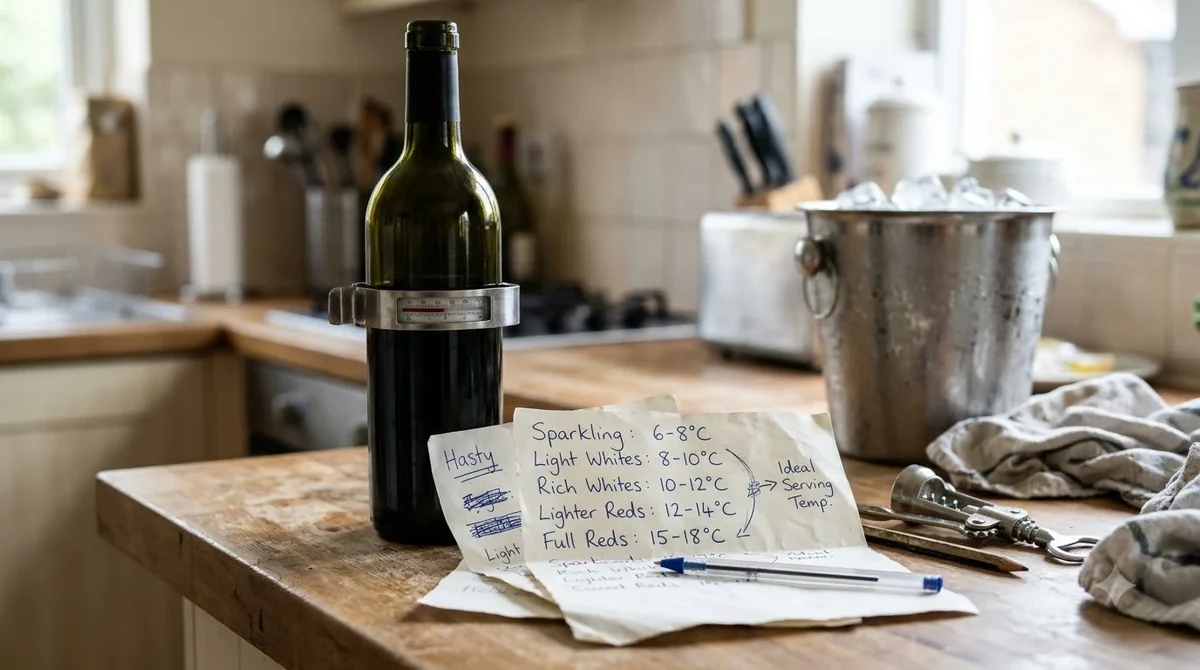
Serving temperature has a noticeable effect on the aromas and flavors of wine. White wines served too cold can seem muted, while reds served too warm may taste overly alcoholic or heavy.
For Nebraska wines, use these general serving guidelines:
- Light-bodied whites and rosé: 45–50°F.
- Fuller-bodied white wines: 50–55°F.
- Light-bodied reds: 55–60°F.
- Full-bodied reds: 60–65°F.
- Sweet white wines: 43–50°F.
- Sparkling wines: 40–50°F.
These temperatures are useful for tasting flights and home consumption. If a wine seems too cold, allow it to warm slightly in the glass before judging its aromas and texture.
Best Time to Visit and Practical Travel Advice
Late spring through early fall is generally the most convenient period for a Nebraska wine-country trip. Warmer weather makes vineyard visits, outdoor seating, hiking, and scenic driving more enjoyable, while the growing season gives visitors a chance to see vines developing in the landscape.
Summer is particularly suitable for travelers who want to combine winery visits with outdoor activities. The long daylight hours make it easier to organize several stops, although visitors should plan around warm afternoon temperatures and possible summer storms. Outdoor events and live music can also make summer weekends attractive, depending on individual winery schedules.
Fall brings a different atmosphere. Harvest activity, changing foliage, and seasonal winery events can create a particularly enjoyable setting. Harvest timing varies with grape variety and growing conditions, so there is no single date that applies to every Nebraska vineyard. Some wineries may have special events or adjusted tasting arrangements during their busiest seasonal periods.
Winter offers a quieter experience but requires additional planning. Nebraska’s cold weather can make outdoor vineyard activities less appealing, and some wineries may operate reduced hours or focus on scheduled events and private tastings. Travelers visiting between late fall and early spring should confirm opening arrangements before making a long drive.
Reservations and opening hours
Do not assume that every winery has the same tasting schedule. Some have regular weekly hours, while others welcome visitors mainly on weekends, through appointments, or during special events. Junto Wine, for example, publishes Friday and Saturday tasting-room hours from noon to 9 p.m. and Sunday hours from noon to 6 p.m.
It is sensible to contact smaller wineries before arriving, particularly if you are visiting with a group. Ask whether tastings are available, whether food is served, whether outdoor seating is open, and whether vineyard tours can be arranged.
Visitors should also check whether the tasting room is located at the vineyard or at a separate address. Some Nebraska wineries and wine-related businesses operate urban tasting rooms that provide access to local wines without requiring a drive to the vineyard itself.
What to bring
Comfortable walking shoes are useful because vineyard grounds can include gravel paths, grassy areas, and uneven surfaces. A light jacket is helpful for outdoor seating, particularly in the evening when temperatures can fall after sunset.
Bring a reusable water bottle, a phone with navigation access, and a written list of winery addresses. Rural mobile coverage can vary, so saving directions before departure is a sensible precaution. If you intend to purchase wine, consider bringing a secure storage container to keep bottles protected during the drive.
Most importantly, leave enough time between visits. A tasting room is not simply a place to sample several wines quickly. Talking with winery staff, learning about the grapes, and enjoying the vineyard surroundings are central parts of the experience.
Exploring Nebraska Wine Beyond the First Visit
One of the most interesting aspects of Nebraska wine country is the opportunity to compare vineyards that operate in very different growing environments. A visit to an eastern Nebraska winery followed by a trip to the Sandhills can reveal how much the state’s landscape influences grape growing and winemaking.
The Sandhills are especially interesting because their environment differs from the wetter eastern part of the state. Niobrara Valley Vineyards describes its vineyard as occupying a south-facing slope at approximately 3,300 feet of elevation, with sandy soils, strong winds, hot summer days, cool nights, and a semi-arid climate. The winery reports approximately 2,350 vines across 10 grape varieties.
These conditions offer a useful contrast with vineyards around Lincoln and the Missouri River region. Differences in elevation, rainfall, soil composition, and temperature affect vineyard management and the selection of appropriate grape varieties. Visitors interested in viticulture can gain a deeper understanding of Nebraska’s wine industry by asking producers about these differences.
There is also value in returning to wineries at different times of the year. A summer visit may emphasize patios and vineyard scenery, while a fall visit can offer harvest-related events and changing colors. Winter visits, when available, may provide a quieter opportunity to speak with winery staff and learn about production methods.
Travelers can also expand their knowledge by comparing Nebraska with other regional wine destinations. The charlottesville wine trail provides another perspective on American wine tourism, with a different climate, grape-growing environment, and regional identity. Comparing these destinations highlights why wine is closely connected to local agricultural conditions rather than being defined by grape variety alone.
For a more informed tasting experience, pay attention to grape variety, sweetness, acidity, body, and finish. These details help distinguish a crisp, refreshing white from a fuller-bodied wine or a fruit-forward red from one with more noticeable tannin. Keeping a few tasting notes also makes it easier to remember favorite producers and wines for future visits.
Nebraska wine country rewards curiosity. Even visitors who arrive expecting only a few tasting rooms may discover local food, rural scenery, interesting grape varieties, and communities that have made wine production an important part of their agricultural identity.
Frequently Asked Questions
Does Nebraska have an official wine passport?
Yes. Nebraska Wines promotes a statewide digital wine passport that visitors can use to explore participating wineries and wine destinations. Passport participation and available offers can change, so travelers should review the association’s official passport information before beginning their trip. The passport is separate from the state’s general tourism listings.
What is the oldest modern Nebraska winery?
Cuthills Vineyard is associated with the revival of Nebraska’s modern commercial wine industry, opening in 1994 after the long disruption caused by Prohibition. Its establishment helped mark the beginning of a renewed period of vineyard development in the state. Nebraska’s historic grape-growing industry existed long before this modern revival.
Can visitors find Nebraska wines outside the wineries?
Yes. Nebraska Wines maintains information about retail locations carrying local wines, and some producers distribute their bottles through restaurants and other regional outlets. Availability varies by producer and location, so contacting a winery or checking its retail information is the best way to find a particular bottle away from the tasting room.
Are Nebraska wineries suitable for visitors who do not drink alcohol?
Many winery properties offer attractions beyond wine consumption, including vineyard walks, gardens, local artwork, scenery, and special events. Junto Wine, for example, has a five-kilometer hiking trail and outdoor spaces that can be enjoyed as part of a property visit. Visitors should ask individual businesses about nonalcoholic refreshments and activity arrangements before arriving.
How many wineries are there in Nebraska?
The exact number depends on whether the count includes bonded wineries, vineyards, tasting rooms, and other wine-related businesses. Nebraska Tourism’s directory has listed 33 winery and vineyard results, while the Nebraska Wines member map lists 24 member wineries. These figures represent different directory categories rather than necessarily describing the same group of businesses.
The Nebraska wine trail offers an inviting way to experience a less familiar side of American wine country, from the vineyards around Lincoln and Seward to the distinctive landscapes of the Sandhills and western Nebraska. Start with a manageable regional itinerary, make time for local grape varieties, and enjoy the scenery and hospitality along the way. With thoughtful planning, even a short Nebraska winery getaway can become a rewarding introduction to the state’s growing wine culture.
More in Wine Regions
 Willcox Wine Trail: Discover Arizona’s High-Elevation Wine CountryUpdated Nov 20, 2026
 Yakima Valley Wine Region: Find the Best Styles to TryUpdated Nov 20, 2026
 Vosne Romanee Wine Tasting: Identify Aromas and Choose Better PairingsUpdated Nov 20, 2026
 Yakima Valley Wine Festival: Find the Best Seasonal Wine EventsUpdated Nov 20, 2026
 Wales Vineyards: Discover Cool-Climate Wines and Where to VisitUpdated Nov 20, 2026
 Yountville Wine Festival: Discover Napa Wines and Local FoodUpdated Nov 20, 2026