


We may earn a commission when you buy through links on this page, at no extra cost to you. Learn more.
The mudgee wine festival is a month-long September celebration of Australian wine, regional food, local wineries, and winemaking traditions in Mudgee, New South Wales. The Mudgee Wine + Food Festival brings together cellar-door experiences, public tastings, winemaker events, special dinners, and the popular Flavours of Mudgee street festival. Visitors can explore more than 35 regional cellar doors, discover established varieties such as Shiraz and Cabernet Sauvignon, and sample newer wines including Vermentino, Barbera, and Sangiovese.
Located approximately three and a half hours northwest of Sydney, Mudgee combines a long agricultural history with a diverse contemporary wine industry. Its September celebrations provide an opportunity to experience the region beyond individual winery visits, connecting vineyard landscapes, local restaurants, independent producers, and community events. Whether planning a dedicated wine weekend or a longer New South Wales road trip, understanding the festival’s format, wine styles, and practical arrangements makes the experience easier to plan.
Understanding the Mudgee Wine Festival and Its September Celebrations
The Mudgee Wine + Food Festival is a regional celebration rather than a single ticketed event. Its September program brings together independent winery activities, organized tasting sessions, food experiences, and public gatherings across the town and surrounding countryside.
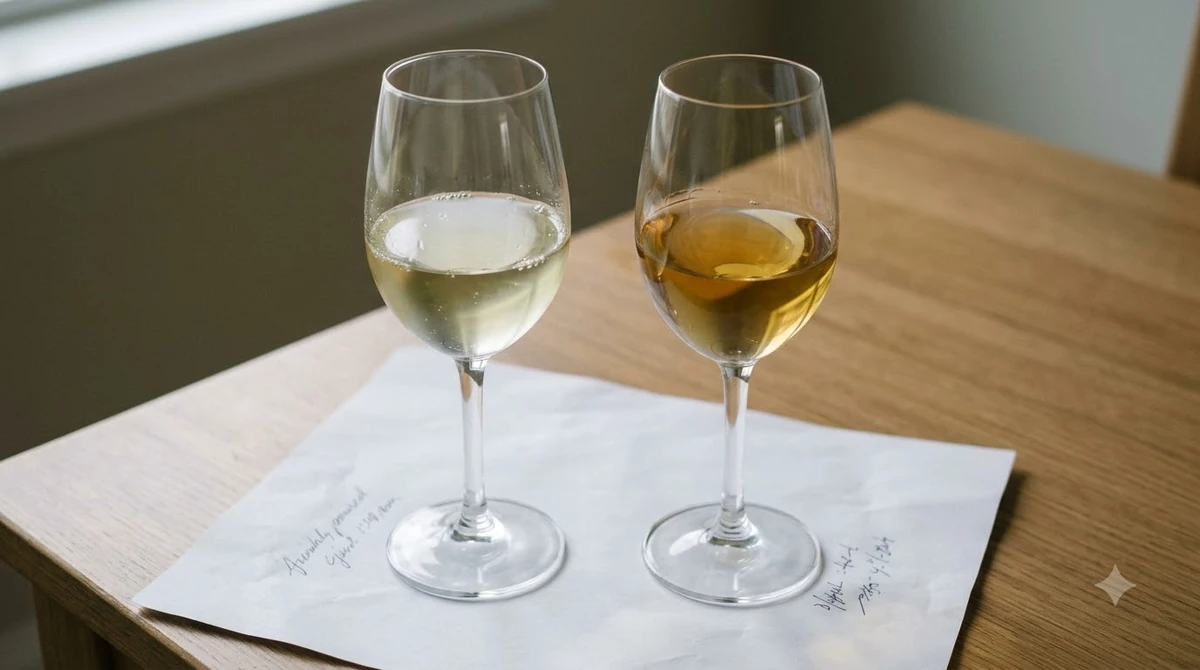
The Mudgee Wine Association coordinates the festival with member wineries, producers, and regional partners. This collaborative approach means visitors can experience different parts of the local wine industry rather than concentrating on one large festival venue. Events may take place at wineries, public spaces, churches, dining venues, and exhibition facilities.
September is the established festival month. The program generally offers several different ways to participate, from structured wine tastings to relaxed outdoor gatherings. Some activities require advance reservations, while public celebrations such as Flavours of Mudgee provide a more accessible introduction to the area’s food and wine culture.
The regional wine show is another important part of the celebration. It recognizes the work of local growers and winemakers and provides a formal setting for evaluating wines from the region. Public activities associated with the show give visitors opportunities to encounter wines that may not yet be widely available through ordinary retail channels.
It is useful to distinguish between the overall Wine + Food Festival and its individual events. Someone interested in meeting winemakers might prioritize a dedicated tasting session, while visitors traveling with family or friends who have different interests may prefer the larger street celebration. Dinner events are better suited to people seeking a more focused food-and-wine experience.
Program details change between annual celebrations. Dates, participating producers, ticket arrangements, transportation services, and individual event venues should therefore be confirmed through the official regional event calendar before travel. The official Mudgee Wine + Food Festival program is a useful starting point for identifying activities and understanding how the different events fit together.
Mudgee’s Wine Region, Landscape, and Winemaking History
Mudgee’s wine identity reflects more than 160 years of grape growing, a varied landscape, and a climate that combines warm days with cooler nights. These conditions help explain the region’s established reputation for structured red wines alongside increasingly diverse white and alternative varieties.
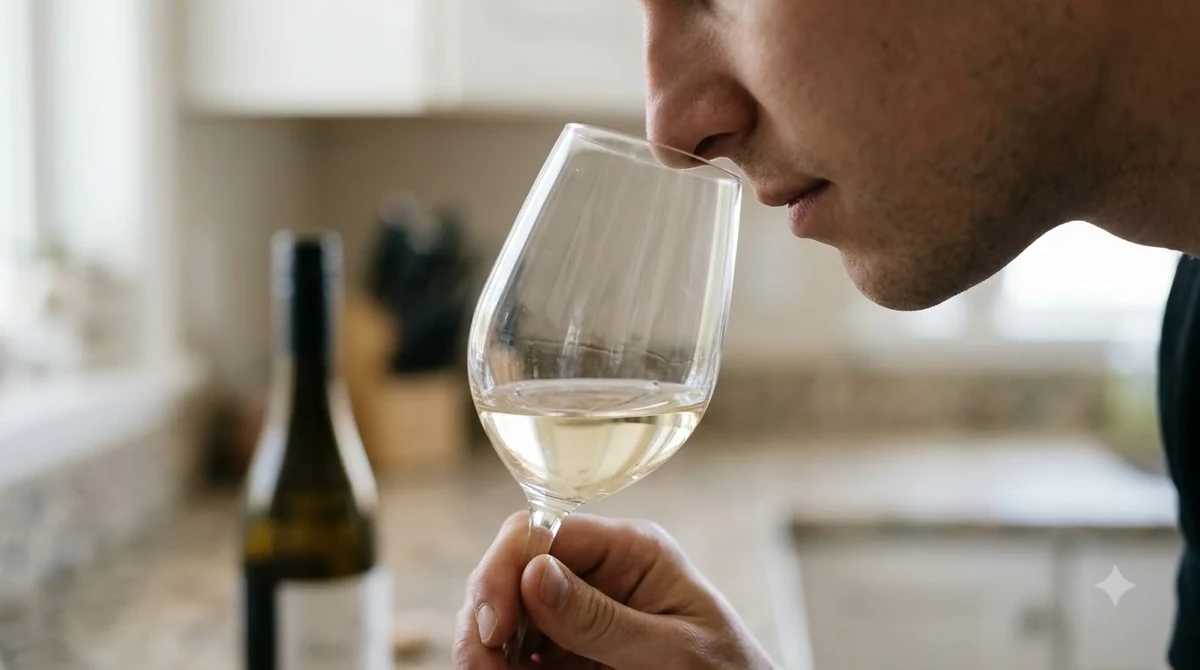
Commercial grape growing in Mudgee dates to 1858, according to the regional wine association. The district developed a reputation for traditional Australian styles, particularly Shiraz, Cabernet Sauvignon, and Chardonnay. Over time, producers expanded their portfolios to include Mediterranean and other international varieties that respond well to the region’s different vineyard conditions.
Wine Australia’s regional profile places Mudgee approximately three and a half hours northwest of Sydney, behind the Blue Mountains and along the western slopes of the Great Dividing Range. The surrounding hills create varied vineyard elevations and distinct local growing environments. The name Mudgee is also associated with an Aboriginal expression meaning “nest in the hills,” reflecting the area’s geography.
According to Wine Australia’s regional profile, the region covers approximately 1,922 hectares of vineyard land. Its reported elevation range extends from 227 to 1,242 meters, while the growing-season rainfall figure is approximately 441 millimeters. These measurements illustrate why individual vineyard locations can produce different expressions of the same grape variety.
| Regional characteristic | Reported figure | Why it matters |
|---|---|---|
| Vineyard area | 1,922 hectares | Shows the scale of regional grape growing. |
| Elevation range | 227–1,242 meters | Creates varied vineyard growing conditions. |
| Growing-season rainfall | 441 millimeters | Helps explain the importance of vineyard water management. |
| Mean temperature | 23°C | Provides a broad indication of the regional climate. |
| Winemaking history | Since 1858 | Reflects a long-established wine-producing tradition. |
These figures come from Wine Australia’s regional profile and provide useful context rather than a description of every individual vineyard. For more information about the country’s growing regions and how geography influences wine styles, explore our Wine Regions resource.
The region’s soils also contribute to vineyard diversity. The Mudgee Wine Association describes volcanic earth and sandy loam over clay subsoils, while Wine Australia identifies loam over neutral clay as a common regional soil structure. Drainage, soil composition, elevation, and exposure all influence grape development.
Cool nights and seasonal temperature differences are particularly important. Warm summer and autumn days support grape ripening, while lower nighttime temperatures help create a different growing rhythm from some warmer Australian wine districts. Spring frosts can also influence the timing of vineyard development, making individual site conditions an important consideration for growers.
The Signature Wines and Grape Varieties to Discover
Shiraz, Cabernet Sauvignon, and Chardonnay are central to Mudgee’s traditional wine identity, while Riesling and several Mediterranean varieties provide additional diversity. Exploring these different grapes is one of the most rewarding parts of attending regional tastings and visiting individual cellar doors.
Shiraz: The Regional Red Favorite
Shiraz is one of the most recognizable Mudgee varieties. Regional producers make styles ranging from bright, approachable wines to concentrated reds with deeper fruit flavors and substantial structure. Depending on the producer and vineyard, common characteristics include blackberry, plum, dark cherry, pepper, and savory spice.
Shiraz generally has medium-plus to high tannin, making it a natural companion for grilled beef, lamb, barbecue, and other substantial dishes. Salt and fat soften the perception of tannin, which explains why fatty cuts of meat and well-seasoned dishes often work particularly well with structured Shiraz.
When comparing regional examples, pay attention to the balance between fruit concentration, acidity, oak influence, and tannin. A lighter, brighter Shiraz may suit roast chicken or grilled vegetables, while a fuller-bodied example can accompany slow-cooked lamb or a rich beef dish.
Cabernet Sauvignon: Structure and Aging Potential
Cabernet Sauvignon is another established variety in Mudgee. Wine Australia describes regional examples as deep purple wines with generous berry and dark chocolate characteristics. Some producers blend Cabernet with Merlot or Shiraz, creating additional variations in texture and flavor.
Cabernet Sauvignon typically has high tannin. Its firm structure makes it especially suitable for rich meat dishes, including steak, braised beef, and roast lamb. A wine with substantial tannin benefits from food containing enough fat and protein to balance its grip.
Visitors comparing Cabernet wines should look for differences in fruit ripeness, oak treatment, and overall structure. Some examples emphasize dark fruit and freshness, while others develop more complex savory and mature characteristics with bottle age.
Chardonnay and Riesling: Two Distinct White Wine Experiences
Mudgee Chardonnay offers considerable stylistic variation. Some wines are fuller and richer, while others emphasize freshness and restrained oak. Common tasting characteristics can include citrus, stone fruit, apple, and creamy or toasted notes, depending on fermentation and maturation choices.
Chardonnay generally has medium acidity. It pairs well with roast chicken, creamy seafood dishes, grilled pork, and dishes featuring mushrooms or butter-based sauces. Fuller examples can work particularly well with richer preparations, while fresher styles suit lighter meals.
Riesling provides a contrasting experience. Wine Australia identifies Mudgee Riesling as a variety capable of producing dry through slightly sweeter wines with refreshing citrus characteristics. Its high acidity makes it a useful match for seafood, salads, Asian-inspired dishes, and foods containing lemon or other acidic ingredients.
Alternative Varieties Worth Seeking Out
The regional wine association also identifies Barbera, Sangiovese, Tempranillo, Vermentino, and Pinot Grigio among the varieties contributing to Mudgee’s modern wine selection. These grapes offer visitors a chance to move beyond familiar Australian Shiraz and Cabernet Sauvignon.
Barbera and Sangiovese are particularly interesting choices for people who enjoy Italian wine. Barbera generally offers fresh acidity and approachable fruit, while Sangiovese can bring sour cherry, herbal notes, and food-friendly structure. Tempranillo provides another red wine option, often with plum, cherry, and savory characteristics.
Vermentino and Pinot Grigio are useful alternatives for visitors who prefer lighter white wines. Vermentino can offer citrus, orchard fruit, and herbal notes, while Pinot Grigio typically emphasizes freshness and lighter fruit flavors. Trying these varieties side by side demonstrates the diversity of the regional wine industry.
Festival Events, Tastings, and Food Experiences
The festival program combines formal wine education with social events and regional food celebrations. The best itinerary depends on whether visitors want to taste competition wines, meet individual producers, enjoy a long-table dinner, or experience the town’s wider food culture.
One of the notable festival activities is Go Tasting, a public tasting connected with the Mudgee Wine Show. A recent program featured more than 200 wines at the Australian Rural Education Centre. Visitors could meet winemakers, explore award-winning entries, and discover wines that had not yet been released commercially.
This kind of event is particularly useful for wine enthusiasts who want to compare several producers in one setting. Rather than spending an entire afternoon traveling between vineyards, attendees can sample a broad selection and identify wineries worth visiting separately.
Another format is the Sustainable Table, a long-table dining experience associated with Logan Wines. The event features a seasonal three-course menu matched with wines from participating Sustainable Winegrowing Australia member wineries. It provides an opportunity to understand how local food, vineyard practices, and wine styles can complement one another.
Twilight Tasting events offer a different atmosphere. Previous programs have used the grounds of St Johns Church in Mudgee, bringing together boutique wine labels, food vendors, and regional producers. These gatherings are especially useful for discovering smaller labels that may not be represented at every cellar door.
Flavours of Mudgee is one of the largest public celebrations associated with the festival month. It takes place in the central streets of Mudgee, bringing together local food and wine producers with entertainment and opportunities to sample regional products.
The event has grown considerably since its beginnings as a small food-and-wine gathering. Its official website reports that approximately 4,000 people attended the first event, while more than 10,000 visitors filled the central business district during one later celebration. The event’s appeal comes from its accessible street-festival format and its broad representation of local producers.
Admission to Flavours of Mudgee is free, although wine tasting requires a separate tasting package. These packages have included tasting tokens and a souvenir tumbler, with tokens redeemable at participating vendors. Visitors who only want to enjoy the entertainment, food atmosphere, and street activities can attend without purchasing a wine package.
Planning a Mudgee Wine Festival Itinerary
A two- or three-day visit provides a practical balance between festival activities, winery visits, and time in the town itself. A longer stay allows travelers to explore more of the surrounding region without rushing through tastings or meals.
For a two-day itinerary, consider using the first day to explore Mudgee’s town center and attend a scheduled public tasting or evening event. The second day can focus on winery visits, a leisurely lunch, and a final stop at a producer that offers a particularly interesting selection.
Three days allow more flexibility. Visitors can dedicate one day to festival activities, another to the wineries and surrounding countryside, and a third to local dining and additional sightseeing. This arrangement also provides room for events that operate at different times or require separate reservations.
Choosing Wineries and Cellar Doors
The Mudgee Wine Association reports more than 35 cellar doors across the region. This means visitors have plenty of options, but attempting to visit too many in one day can make the experience tiring and reduce the time available for meaningful conversations with producers.
Instead, select three or four wineries for a full day of exploration, allowing time for tastings, lunch, and travel between locations. Prioritize producers based on the wines you enjoy rather than choosing destinations solely because they are well known.
Wine enthusiasts interested in traditional Australian reds can focus on Shiraz and Cabernet Sauvignon producers. Chardonnay and Riesling drinkers may prefer wineries with a strong white wine selection, while people interested in Mediterranean grapes should look for Barbera, Sangiovese, Tempranillo, and Vermentino.
It is also useful to check whether a winery offers seated tastings, guided experiences, food service, or group reservations. Some cellar doors operate on limited schedules, and festival weekends can be busier than ordinary visiting days.
Getting Around the Region
Mudgee is approximately three and a half hours northwest of Sydney by road. Driving is a common way to reach the region, although visitors who intend to participate in several wine tastings should arrange a designated driver or a professional wine tour.
Several regional tour operators offer organized winery visits. Guided transportation reduces the need to coordinate multiple vehicles and can make it easier to visit wineries located outside the central township.
Festival transportation may also be available for selected events. A previous Go Tasting program, for example, included shuttle services departing from Market Street near Robertson Park and Mudgee Railway Station, with services approximately every 20 minutes. Such arrangements are event-specific and should not be assumed to operate for every festival activity.
Accommodation should ideally be booked before traveling during the September celebration period. Staying near the town center is convenient for public events and restaurants, while countryside accommodation can provide a quieter base for exploring cellar doors.
Tip: Plan winery visits around your transportation arrangements rather than attempting to drive between cellar doors after drinking. Book popular festival dinners and structured tastings in advance, and leave some unscheduled time for discovering smaller producers and local food businesses.
Food Pairings, Tasting Etiquette, and Serving Mudgee Wines
Food is an important part of the Mudgee festival experience, and understanding basic wine pairing principles can make regional tastings more rewarding. Matching acidity, sweetness, tannin, and body with the food on the table helps bring out the character of each wine.
For Mudgee Shiraz, consider grilled lamb, beef, smoked meats, and hearty vegetable dishes. The wine’s tannin and concentrated fruit can stand up to substantial food, while salt and fat help soften the sensation of astringency. Cabernet Sauvignon is particularly suitable for steak, roast beef, and dishes with rich sauces.
Chardonnay is a versatile choice for roast chicken, creamy pasta, grilled seafood, and mushrooms. A fuller-bodied style can complement butter-rich dishes, while a fresher example may suit grilled fish or lighter preparations.
Riesling is particularly useful with dishes containing citrus, herbs, and fresh vegetables. Its high acidity makes it suitable for foods with similarly high acidity. It can also work well with spicy Asian-inspired dishes, provided the wine’s sweetness and alcohol level are appropriate for the intensity of the food.
When pairing wine with dessert, choose a wine that is at least as sweet as the dessert itself. Otherwise, the wine may taste thin or overly acidic. For spicy dishes, be aware that alcohol and tannin can amplify chili heat, so an aromatic white with lower alcohol or some residual sweetness may be a better option than a powerful red.
Serving Temperatures
Temperature influences the aroma, texture, and balance of wine. Full-bodied Mudgee reds are generally best served slightly cooler than typical room temperature, while whites benefit from refrigeration followed by a short period outside the refrigerator before pouring.
- Shiraz and Cabernet Sauvignon: approximately 60–65°F for fuller-bodied examples.
- Light-bodied reds: approximately 55–60°F.
- Full-bodied Chardonnay: approximately 50–55°F.
- Riesling and other lighter whites: approximately 45–50°F.
- Sweet white wines: approximately 43–50°F.
Serving a full-bodied red too warm can make alcohol seem more prominent and reduce the impression of freshness. White wines served excessively cold may lose some aromatic detail, so allowing them to warm slightly in the glass can reveal more complexity.
Making the Most of a Tasting
Start with lighter wines before moving toward fuller and more structured examples. A practical sequence might begin with Pinot Grigio or Riesling, continue through Chardonnay, and finish with Shiraz and Cabernet Sauvignon. This approach helps preserve your ability to distinguish delicate aromas and flavors.
Take small samples, pay attention to the wine’s acidity and tannin, and ask producers about vineyard locations, grape varieties, and winemaking choices. If you discover a particularly interesting wine, ask whether it is available for purchase directly from the winery or through the producer’s regular distribution channels.
Keeping simple tasting notes is also useful. Record the grape, producer, vintage, and a few descriptive impressions. After visiting several cellar doors, these notes make it easier to remember which wines you enjoyed and which styles you would like to explore further.
Frequently Asked Questions
Is Mudgee considered one of Australia’s oldest wine regions?
Yes. Mudgee’s documented viticultural history dates to 1858, and the region retains a connection with early Australian agricultural settlement. Its historical significance is also reflected in longstanding vineyard families and traditional wine styles. The district’s sandstone architecture provides another visible connection with its colonial-era history.
What does the name Mudgee mean?
Wine Australia’s regional information associates the name with an Aboriginal expression meaning “nest in the hills.” The description reflects the surrounding hills and valleys that characterize the district. The landscape is an important part of the area’s identity as both an agricultural and tourism destination.
Can visitors explore Mudgee without attending a ticketed festival event?
Yes. Visitors can arrange ordinary cellar-door visits, explore local restaurants, and discover regional producers independently of the organized festival program. Some wineries offer their own tasting experiences throughout the year. Individual opening days, reservation requirements, and group policies vary between businesses.
Is Mudgee suitable for visitors interested in sustainable wine production?
The region has organized events specifically highlighting sustainable winegrowing practices. The Sustainable Table has featured wines from local Sustainable Winegrowing Australia member wineries, accompanied by a seasonal dining experience. Visitors interested in vineyard management can ask individual producers about their water use, soil management, biodiversity practices, and sustainability certification.
What other destinations can be combined with a Mudgee wine trip?
Mudgee can form part of a wider New South Wales road trip that includes the nearby historic town of Gulgong and the countryside around Rylstone. These destinations offer additional opportunities to explore regional architecture, local food, and rural landscapes. Travelers coming from Sydney can also consider extending their journey to explore the Blue Mountains.
The Mudgee Wine + Food Festival offers a rewarding introduction to one of New South Wales’ established wine regions, combining traditional Australian Shiraz and Cabernet Sauvignon with exciting alternative varieties, local dining, and community celebrations. September is an especially appealing time to visit, but Mudgee’s more than 35 cellar doors and year-round wine experiences make the region worth exploring beyond the festival calendar. For another perspective on regional wine celebrations, compare the Livermore wine festival and the Indiana wine festival to discover how different wine destinations bring their local producers and communities together.
More in Wine Regions
 Willcox Wine Trail: Discover Arizona’s High-Elevation Wine CountryUpdated Nov 20, 2026
 Yakima Valley Wine Region: Find the Best Styles to TryUpdated Nov 20, 2026
 Vosne Romanee Wine Tasting: Identify Aromas and Choose Better PairingsUpdated Nov 20, 2026
 Yakima Valley Wine Festival: Find the Best Seasonal Wine EventsUpdated Nov 20, 2026
 Wales Vineyards: Discover Cool-Climate Wines and Where to VisitUpdated Nov 20, 2026
 Yountville Wine Festival: Discover Napa Wines and Local FoodUpdated Nov 20, 2026