

We may earn a commission when you buy through links on this page, at no extra cost to you. Learn more.
Mudgee wine tasting offers visitors the chance to explore distinctive Australian Shiraz, Cabernet Sauvignon, Chardonnay, Riesling, and an increasingly diverse collection of Italian grape varieties at more than 35 regional cellar doors. Located in New South Wales’ Central West, Mudgee combines historic vineyards, elevated growing sites, welcoming wineries, and excellent local food. A well-planned visit can include traditional Australian reds, refreshing whites, small-batch wines, and relaxed vineyard lunches.
Mudgee is one of Australia’s established inland wine destinations, with a winemaking history stretching back to the 1850s. Its combination of warm sunny days, cool nights, varied elevations, and different soil types supports a broad selection of wine styles. Whether you prefer powerful reds, aromatic whites, or lighter Mediterranean-inspired varieties, the region provides plenty of opportunities to discover something new. Understanding its wines and cellar-door experiences before arriving makes it easier to plan a rewarding tasting trip.
Understanding Mudgee’s Wine Region and Growing Conditions
Mudgee’s distinctive wines reflect its elevated inland location, warm growing season, cool nights, and varied vineyard soils. These conditions help explain why the region produces both generous Australian reds and fresher white wines with appealing acidity.
The region sits on the western slopes of the Great Dividing Range in New South Wales, approximately three and a half hours northwest of Sydney by road. Surrounding hills create a series of valleys and individual vineyard sites rather than one uniform growing environment. This variation is important because elevation, exposure, and soil composition influence grape ripening and the character of finished wines.
According to Wine Australia, the regional snapshot records approximately 1,899 hectares of vineyard area and elevations ranging from 227 to 1,242 meters. The Mudgee Wine Association describes vineyard elevations of approximately 450 to 1,100 meters. These figures illustrate the range of growing environments across the broader region, although individual vineyards occupy different elevations.
Warm summer and autumn days provide the sunlight needed for grape ripening, while cooler nights help moderate the growing season. Spring frosts can delay budburst, and the relatively low rainfall means water management is an important consideration for some vineyards. Harvest generally takes place later than in the Hunter Valley because of Mudgee’s cooler conditions and higher vineyard elevations.
Soils also contribute to differences between vineyards. Sandy loam, volcanic material, and clay subsoils are among the regional soil types described by the Mudgee Wine Association. Wine Australia also identifies shale, quartz, and seabed sandstone at some favored sites. These differences provide winemakers with opportunities to produce wines with distinct structures and expressions.
The area’s wine history dates to 1858, and its traditional reputation developed around Shiraz, Cabernet Sauvignon, and Chardonnay. Modern producers have broadened that identity considerably. Riesling, Vermentino, Barbera, Sangiovese, Tempranillo, and Pinot Grigio now contribute to a more varied regional selection.
For visitors, the practical advantage is variety. A single day of tastings can move from structured Cabernet Sauvignon to aromatic Riesling, followed by a medium-bodied Italian red. The differences between these wines make Mudgee particularly interesting for people who enjoy comparing grape varieties and winemaking approaches.
Signature Wines to Look for During a Tasting
Shiraz, Cabernet Sauvignon, Chardonnay, and Riesling are essential starting points for understanding Mudgee wine. Italian varieties and alternative Mediterranean grapes provide additional discoveries for visitors who want to explore beyond the region’s traditional strengths.
Shiraz is one of Mudgee’s defining varieties. Wine Australia’s regional statistics show that it represented 28 percent of the region’s grape crush in 2024. Depending on the producer and vineyard site, Mudgee Shiraz can range from bright, approachable expressions to concentrated wines with substantial body and tannin.
Typical Shiraz tasting notes include dark berries, plum, black pepper, and savory spice. Some examples show noticeable oak influence, while others emphasize fruit freshness. When tasting several bottles, compare the intensity of the fruit, the weight on the palate, and the finish. These characteristics help distinguish a lighter, more approachable style from a powerful, structured expression.
Cabernet Sauvignon is another important regional red. Its naturally high tannin content makes it a good candidate for extended aging and food pairing with rich dishes. Expect flavors that can include blackcurrant, dark cherry, cedar, and herbal notes. Some Mudgee producers also blend Cabernet Sauvignon with Shiraz or Merlot, creating wines that combine Cabernet structure with additional fruit and softness.
Chardonnay is an important white variety in the region, accounting for 23 percent of the grape crush in Wine Australia’s 2024 figures. Its styles vary considerably. Some wines emphasize citrus, green apple, and freshness, while others have greater body and show peach, melon, vanilla, or creamy oak-influenced characteristics.
Riesling deserves particular attention because it demonstrates the region’s ability to produce aromatic wines with refreshing acidity. Typical flavors include lime, lemon, green apple, and floral notes. Mudgee Riesling can be dry or slightly sweet, making it useful for comparing how residual sugar changes a wine’s overall impression.
Pinot Gris and Pinot Grigio also feature in the regional mix. Wine Australia reports that the combined varieties represented 12 percent of Mudgee’s grape crush in 2024. These wines commonly emphasize pear, apple, citrus, and gentle floral characteristics. They are particularly suitable for visitors who prefer lighter whites rather than heavily oaked styles.
| Grape variety | Share of 2024 Mudgee grape crush | Typical tasting characteristics | Style to explore |
|---|---|---|---|
| Shiraz | 28% | Dark berries, plum, pepper | Medium to full-bodied red |
| Chardonnay | 23% | Apple, citrus, peach | Fresh or oak-influenced white |
| Pinot Gris/Grigio | 12% | Pear, apple, citrus | Fresh, approachable white |
| Merlot | 11% | Plum, cherry, soft spice | Softer medium-bodied red |
| Cabernet Sauvignon | 10% | Blackcurrant, cedar, dark fruit | Structured, tannic red |
These percentages come from Wine Australia’s regional grape-crush statistics for 2024. They describe the proportion of grapes crushed rather than the proportion of wines available at individual cellar doors. Smaller varieties may still be prominent in a particular producer’s tasting selection.
Do not overlook Barbera, Sangiovese, Vermentino, Fiano, and Tempranillo. These grapes give visitors a chance to compare Australian-grown Mediterranean varieties with more familiar European examples. Their presence is one of the most interesting developments in Mudgee’s modern wine identity.
Best Mudgee Cellar Doors for Different Tasting Experiences
Mudgee offers traditional family wineries, specialist Italian-variety producers, estate restaurants, and more intimate guided experiences. Choosing cellar doors according to your preferred wine styles and visitor experience makes a tasting itinerary more enjoyable.
Di Lusso Estate is a particularly useful stop for visitors interested in Italian varieties. Located approximately six kilometers from Mudgee, the estate offers an extensive range of Italian grapes and blends. Its selection includes wines that allow visitors to compare varieties such as Sangiovese and Vermentino with familiar Australian Chardonnay and Shiraz styles.
The estate also has a restaurant and gardens, making it a practical destination for a lunch stop. Its tasting schedule and restaurant service operate within specific daily hours, so planning the visit around the published schedule is sensible.
First Ridge Wines is another worthwhile destination for Mediterranean-inspired wines. Its range includes Barbera, Montepulciano, Sangiovese, Fiano, Vermentino, and Pinot Grigio, along with sparkling wines. The cellar door is housed in two red shipping containers overlooking the surrounding landscape, creating a distinctive setting for tasting.
First Ridge is especially appealing to visitors who already enjoy Italian wine or want to discover unfamiliar grapes. Comparing Barbera with Cabernet Sauvignon, for example, highlights differences in acidity, tannin, and fruit expression. A tasting of Sangiovese alongside Shiraz can also demonstrate how grape variety influences structure and flavor.
Stein Winery is a good choice for those interested in Mudgee’s established winemaking traditions. Its family winegrowing history extends back to 1838, and its vineyard and farm provide an opportunity to explore the connection between agriculture and winemaking. Riesling, Shiraz, Cabernet Sauvignon, and other varieties help illustrate the region’s traditional and contemporary styles.
The estate also features a motorcycle museum, adding another experience to a winery visit. Visitors interested in pairing wine exploration with a meal can consider the on-site Pipeclay Pumphouse restaurant.
Lowe Wines is another notable destination, particularly for visitors interested in organic and biodynamic winegrowing. The family-operated vineyard and winery focus on small-batch production. Its estate experience provides an opportunity to explore how vineyard management, grape growing, and winemaking decisions influence the finished wine.
Burnbrae Wines offers a more relaxed combination of wine and food. Its cellar door serves antipasto platters daily and pizza on Sundays. This makes it a useful option for visitors who want a casual tasting experience rather than a formal educational session.
De Beaurepaire Wines provides a different experience in nearby Rylstone. Its single-estate vineyard covers 55 hectares, and the producer specializes in French-inspired wine styles. Guided experiences include a 60-minute masterclass featuring 10 wines and a longer 90-minute vineyard and wine experience. Advance reservations are essential.
These wineries represent different sides of the region. First Ridge emphasizes Italian varieties, Stein provides historical context, Lowe highlights vineyard practices, Burnbrae combines wine with casual food, and De Beaurepaire offers more structured guided tastings.
Planning a Mudgee Wine Tasting Itinerary
A successful Mudgee tasting day generally includes three or four cellar doors, a proper lunch break, and enough time to enjoy each experience without rushing. Concentrating on a particular area or wine style can make the itinerary easier to manage.
Begin by selecting your main interest. Visitors who prefer traditional Australian reds can prioritize Stein Winery, Lowe Wines, and other producers with strong Shiraz and Cabernet Sauvignon selections. Those interested in lighter whites and Italian varieties can build their day around First Ridge and di Lusso Estate.
A practical first-day itinerary might start with a morning tasting at Stein Winery, followed by a visit to First Ridge. Lunch at di Lusso Estate provides a break before an afternoon appointment at another producer. This arrangement offers a useful progression from established regional varieties to Mediterranean-inspired wines.
Another option is to devote a day to a broader comparison of wine styles. Start with Riesling or Pinot Grigio, move to Chardonnay, and finish with Shiraz or Cabernet Sauvignon. This tasting order generally works well because lighter wines and whites are less likely to overwhelm the palate before more structured reds.
Allow approximately 45 to 75 minutes for a standard cellar-door visit, with longer periods for guided experiences or winery lunches. A masterclass lasting 60 minutes or a vineyard experience lasting 90 minutes requires additional scheduling space.
Distances between cellar doors vary. Some wineries are close to central Mudgee, while others require a longer drive through surrounding rural areas. Di Lusso Estate, for example, is approximately six kilometers from town, while De Beaurepaire is in Rylstone. Grouping nearby destinations reduces unnecessary travel.
Reservations are particularly important for private tastings, larger groups, guided experiences, and restaurant bookings. Some cellar doors accept walk-in visitors, but weekend demand can make advance planning useful. Always confirm the current opening schedule directly with the winery before setting out.
Tip: Limit a full tasting day to three or four wineries, arrange transportation before drinking, and leave at least an hour for lunch. Booking your first and last appointments in advance gives the day a dependable structure while leaving some flexibility between stops.
Visitors arriving from Sydney may prefer to stay overnight rather than make the return journey immediately after a full day of tastings. The drive takes approximately three and a half hours, making Mudgee suitable for a long weekend or a two-night wine-focused getaway.
For a second day, consider exploring Rylstone or other surrounding areas. De Beaurepaire provides an opportunity to compare a cooler-climate, French-inspired approach with the wines tasted closer to Mudgee. Alternatively, return to a favorite producer and explore wines that were not included in the first tasting.
Food Pairings and Local Dining Experiences
Food is an important part of Mudgee wine tasting, and the region’s restaurants and cellar-door menus provide opportunities to explore local produce alongside regional wines. Matching wine weight, acidity, sweetness, and tannin with the food generally produces the most satisfying combinations.
Shiraz pairs naturally with grilled beef, lamb, sausages, and roasted vegetables. Its dark-fruit flavors and substantial structure work well with savory dishes that have enough richness to balance the wine. A pepper-seasoned lamb dish can also complement the spice characteristics found in some Shiraz styles.
Cabernet Sauvignon benefits from foods containing protein and fat. Beef steak, slow-cooked lamb, and aged hard cheeses are particularly suitable. The fat and protein help soften the perception of tannin, making the wine seem more balanced alongside a substantial meal.
Merlot is generally softer than Cabernet Sauvignon, making it a useful match for roast chicken with herbs, pork, mushroom dishes, and moderately rich pasta. Pinot Noir, when available, offers another option for mushroom-based dishes and roasted poultry because of its relatively lower tannin and higher acidity.
Chardonnay is versatile because its style can vary significantly. Fresh, unoaked Chardonnay works well with grilled fish, prawns, chicken, and salads with creamy dressings. Fuller-bodied or oak-influenced Chardonnay can complement roast chicken, buttery seafood, and richer pasta dishes.
Riesling is particularly useful with dishes containing citrus, fresh herbs, or moderate spice. Its high acidity helps balance richness and refresh the palate. A slightly sweeter Riesling can also work with spicy Asian-inspired dishes, provided the wine has at least as much sweetness as the food.
Vermentino and Pinot Grigio are good choices for lighter meals. Consider grilled vegetables, fresh salads, seafood, and simple pasta dishes. Their refreshing profiles can complement the produce-driven approach found at many regional dining venues.
Di Lusso Estate is a natural destination for visitors who want to combine Italian-inspired wines with lunch. Burnbrae Wines offers antipasto platters and Sunday pizza, while Stein Winery provides access to Pipeclay Pumphouse. These options make it possible to build a food-focused itinerary rather than treating meals as separate from the wine experience.
When selecting food pairings, consider the following general principles:
- Match acidic dishes with wines that have equal or higher acidity.
- Pair tannic Cabernet Sauvignon with protein-rich foods such as beef and lamb.
- Choose refreshing whites for lighter seafood and vegetable dishes.
- Serve a wine at least as sweet as a sweet dessert.
- Avoid pairing heavily tannic red wines with oily fish.
- Be cautious with very spicy dishes because alcohol and tannin can intensify chili heat.
These principles provide a starting point rather than strict rules. The preparation method, seasoning, sauce, and overall intensity of a dish can change which wine works best. A lightly grilled fish with herbs, for example, calls for a different wine from fish served with a rich butter sauce.
Best Seasons, Tasting Etiquette, and Serving Temperatures
Mudgee offers different experiences throughout the year, with spring, summer, and autumn each providing reasons to visit. Planning around vineyard activity, cellar-door schedules, and seasonal weather helps visitors get more from their trip.
Autumn is an especially interesting time because it coincides with grape harvesting and the transition toward cooler weather. Vineyard activity can provide additional context for understanding how grapes move from the vineyard into the winery. However, harvest is a busy period, so visitors should confirm whether producers offer their usual tasting experiences.
Spring brings greener vineyard landscapes and the possibility of enjoying outdoor tasting areas. The Mudgee Wine Association identifies spring frosts as an important feature of the local growing environment, although this does not mean visitors should expect every vineyard to have the same conditions.
Summer offers warm days and long periods of sunshine. Early appointments are often a comfortable way to enjoy outdoor settings before the hottest part of the afternoon. Winter brings cooler temperatures and a different atmosphere, with red wines and substantial restaurant meals becoming appealing choices.
At the cellar door, start by identifying the wines you normally enjoy. A tasting host can then suggest suitable varieties and explain how the winery approaches its different styles. Visitors who are unfamiliar with regional grapes can ask to compare Shiraz with Barbera or Chardonnay with Vermentino.
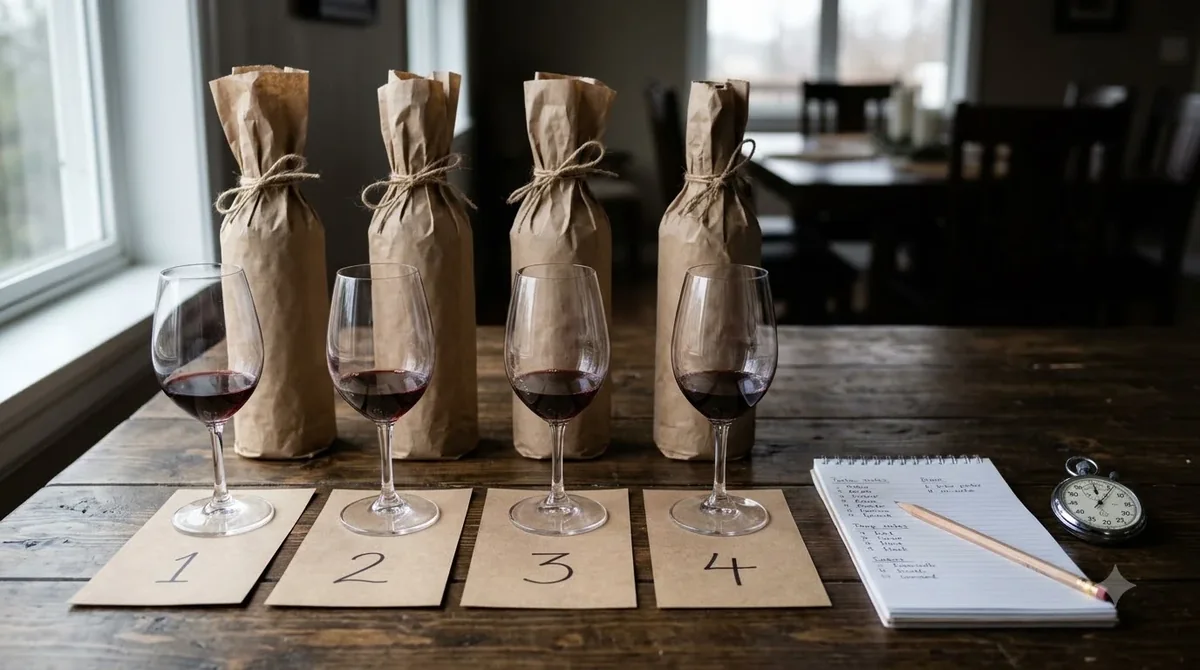
Take small sips and pay attention to several characteristics: aroma, acidity, sweetness, tannin, body, and finish. Rather than concentrating exclusively on whether a wine tastes pleasant, consider what makes it different from the previous sample.
For example, compare the acidity of Riesling with the softer impression of Chardonnay. Then compare the tannin in Cabernet Sauvignon with the typically softer structure of Merlot. These contrasts provide useful information about personal preferences.
Serving temperature also influences how a wine tastes. Whites served too cold can seem muted, while reds served too warm may emphasize alcohol and reduce freshness. The following temperatures are useful general guidelines:
- Sparkling wines: 40–50°F.
- Light whites and rosé: 45–50°F.
- Full-bodied whites: 50–55°F.
- Light-bodied reds: 55–60°F.
- Full-bodied reds: 60–65°F.
- Sweet whites: 43–50°F.
Most cellar doors provide wines at appropriate tasting temperatures, but understanding these ranges is useful when buying bottles to enjoy later. A full-bodied Mudgee Shiraz, for example, does not necessarily benefit from being served at a particularly warm room temperature.
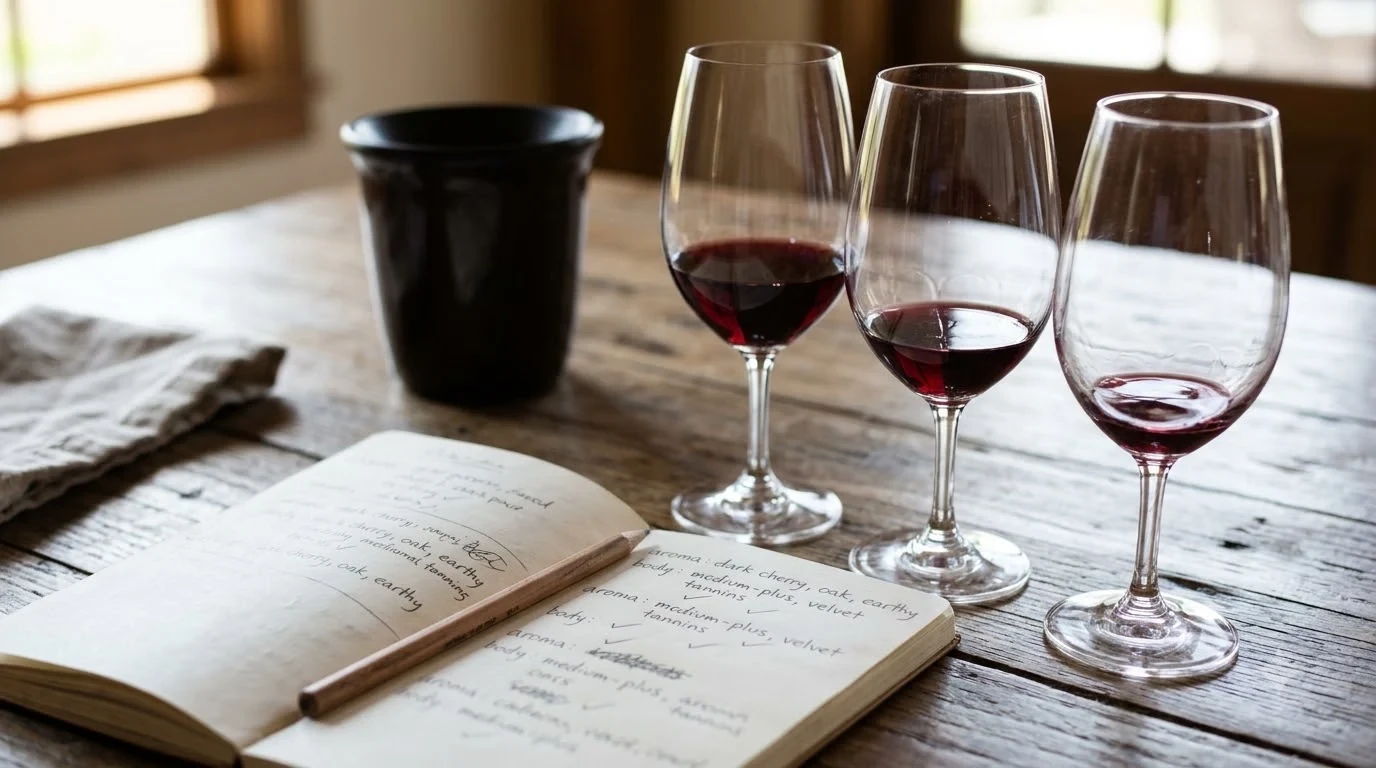
It is also helpful to keep tasting notes. Record the producer, grape variety, vintage, and characteristics you enjoyed. A simple description such as bright cherry fruit, firm tannin, and a long savory finish can make it easier to remember a wine and compare it with another bottle later.
Buying Mudgee Wine and Exploring Other Regions
Buying wine directly from cellar doors is a useful way to revisit favorites after a tasting trip. Mudgee’s range includes traditional Australian reds, fresh whites, and Mediterranean varieties that may be less familiar in ordinary retail selections.
Before purchasing, consider the occasion and intended drinking time. Fresh Riesling and Pinot Grigio are often enjoyable in their youth, while structured Cabernet Sauvignon and some Shiraz wines can benefit from additional bottle aging. Chardonnay varies according to its production style, so consider whether you prefer freshness or greater richness.
For a dinner gathering, a balanced selection might include one bottle of Riesling, one Chardonnay, one Shiraz, and one Cabernet Sauvignon. This provides several styles for different dishes and preferences. A bottle of Barbera or Sangiovese can add another dimension for guests interested in less familiar varieties.
When transporting bottles, protect them from excessive heat and temperature changes. A vehicle parked in direct sunlight can become much hotter than the surrounding air, which is not ideal for wine. Keep purchases in a shaded, temperature-controlled area whenever possible.
At home, store bottles away from direct sunlight and substantial temperature fluctuations. A cool environment near 55°F is a useful target for longer-term storage, and cork-sealed bottles are generally stored horizontally to keep the cork from drying out.
For an open bottle of still wine, refrigeration generally helps preserve freshness for approximately three to five days. Sparkling wine usually lasts around one to three days with an appropriate sparkling-wine stopper. Fortified wines can remain enjoyable for several weeks, depending on their style and storage conditions.
Mudgee is also a useful starting point for comparing regional wine identities elsewhere. Visitors who enjoy structured Australian reds may appreciate Willcox wine tasting, where the Arizona wine region offers another perspective on inland grape growing and warm-climate wine styles.
Those interested in aromatic whites and traditional European grape varieties can explore Alsace wine tasting. The region’s Riesling, Gewürztraminer, and Pinot Gris provide interesting comparisons with the fresh white wines available in Mudgee.
For another comparison of structured Mediterranean-influenced reds, Bolgheri wine tasting introduces visitors to a prominent Italian wine destination. Exploring these different regions helps demonstrate how climate, soils, grape varieties, and winemaking traditions influence the wines in the glass.
For additional destinations and regional wine education, the broader Wine Regions resource provides another starting point. Exploring different wine regions makes it easier to recognize what distinguishes Mudgee and which of its varieties deserve a place in your cellar.
For authoritative regional information, the Wine Australia Mudgee regional profile provides useful information about vineyard area, grape varieties, climate, and growing conditions. The Mudgee Wine Association’s cellar-door directory is also a practical resource for identifying producers and planning visits.
Frequently Asked Questions
What makes Mudgee different from the Hunter Valley?
Mudgee generally has higher vineyard elevations and cooler nights than the Hunter Valley, contributing to differences in ripening and wine styles. Its inland position also gives it a different rainfall pattern and a growing season that can extend later into the year. Both regions produce Shiraz and Chardonnay, but comparing their Rieslings and Cabernet Sauvignons can reveal particularly interesting differences.
Can beginners enjoy Mudgee wine tasting without knowing much about wine?
Yes. Many cellar doors welcome visitors who are new to wine and can explain basic characteristics such as acidity, body, sweetness, and tannin. Starting with Pinot Grigio, Chardonnay, or a softer Merlot can make comparisons approachable. Asking the tasting host to explain the difference between two wines is often more useful than trying to recognize every aroma immediately.
Are there wines made from unusual grape varieties in Mudgee?
Yes. Beyond Shiraz and Cabernet Sauvignon, regional producers work with varieties including Fiano, Vermentino, Montepulciano, Barbera, and Tempranillo. Some producers also offer sparkling expressions of varieties such as Vermentino and Sangiovese. These selections make Mudgee an interesting destination for people who enjoy discovering less familiar grapes.
Is Mudgee suitable for a wine trip without staying in the town center?
Yes. Accommodation is available in different settings around the region, including vineyard properties and rural retreats. Some visitors prefer staying close to town for access to restaurants, while others choose an estate or countryside property for a quieter experience. Confirm transport arrangements before selecting accommodation far from the cellar doors you intend to visit.
Does Mudgee produce sparkling and fortified wines?
Yes. Some regional producers make sparkling wines, including examples using Italian varieties such as Prosecco-style Glera and sparkling Sangiovese. The Mudgee Wines range also includes fortified selections such as Ruby and Verdelho liqueur wines. Availability varies between producers, so visitors interested in these styles should ask about their current tasting selections.
Mudgee combines an established Australian wine heritage with a diverse modern selection, making it a rewarding destination for both new wine drinkers and experienced enthusiasts. From traditional Shiraz and Cabernet Sauvignon to Riesling, Barbera, and Vermentino, its cellar doors offer plenty of opportunities to discover regional character. Plan a few thoughtful winery visits, enjoy the local food, and allow enough time to appreciate what makes Mudgee distinctive.
More in Wine Regions
 Willcox Wine Trail: Discover Arizona’s High-Elevation Wine CountryUpdated Nov 20, 2026
 Yakima Valley Wine Region: Find the Best Styles to TryUpdated Nov 20, 2026
 Vosne Romanee Wine Tasting: Identify Aromas and Choose Better PairingsUpdated Nov 20, 2026
 Yakima Valley Wine Festival: Find the Best Seasonal Wine EventsUpdated Nov 20, 2026
 Wales Vineyards: Discover Cool-Climate Wines and Where to VisitUpdated Nov 20, 2026
 Yountville Wine Festival: Discover Napa Wines and Local FoodUpdated Nov 20, 2026