

We may earn a commission when you buy through links on this page, at no extra cost to you. Learn more.
McLaren Vale Wine Tasting is best enjoyed as a relaxed cellar-door day focused on Shiraz, Grenache, and the region’s distinctive Mediterranean varieties. The wine region sits about 40–45 minutes south of Adelaide, between the Gulf St Vincent and the southern Mount Lofty Ranges. With more than 90 cellar doors and over 150 producers, it offers a wide choice of vineyard settings, tasting flights, and food experiences.
Start with the classic reds, then make room for a fragrant Grenache, a bright Fiano or Vermentino, and a less familiar Italian or Spanish grape. A little planning helps you compare styles without rushing from one tasting bar to the next.
Coastal climate and ancient geology shape the wines
McLaren Vale’s Mediterranean climate combines warm, sunny growing conditions with cooling maritime and gully winds. The result is ripe fruit with room for freshness, while differences in altitude, exposure, and soil give neighboring vineyards distinct expressions.
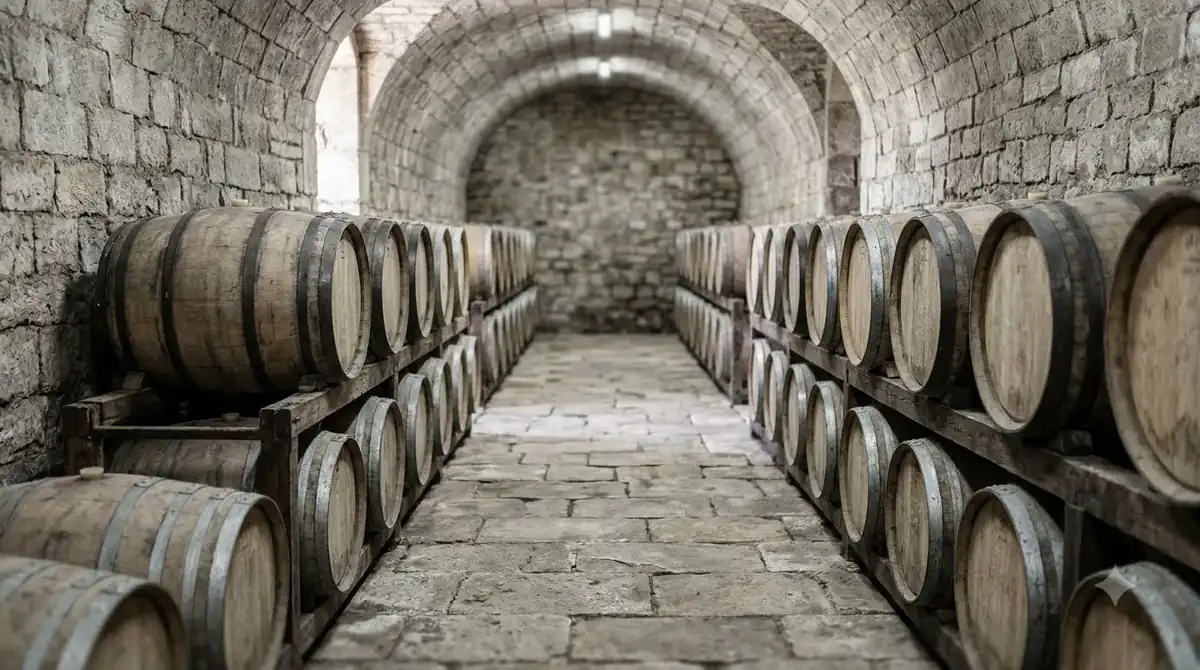
The region borders the Gulf St Vincent to the west and the southern Mount Lofty Ranges to the east and south. Ocean influence moderates temperatures, while the inland foothills and gullies create local variations. Wine Australia describes a 433-square-kilometer geographical indication with vineyards ranging from sea-level sites to 417 meters above sea level. That range matters during a tasting: coastal parcels may feel generous and open, while higher-altitude or more inland sites can show a lighter frame, lifted perfume, or firmer detail.
The soils are just as varied. Wine Australia notes common red and brown loamy sands, sandy hillsides around Blewitt Springs, and areas of terra rossa. Decanter describes a geological mix that includes limestone, sandstone, deep sands, and clay, with some geological units many millions of years old. These are not labels that guarantee a flavor, but they help explain why two Shiraz wines from different sites can feel unlike one another even when the grape and vintage are similar.
Wine Australia reports the following regional measurements in its McLaren Vale regional profile. These are broad indicators, not a forecast for an individual vineyard or a promise that every vintage will taste the same.
| Regional measure | Reported figure | Why it matters at a tasting |
|---|---|---|
| Geographical indication area | 433 km² | A compact region with meaningful site variation |
| Total vineyard area | 7,438 hectares | A substantial mix of established and newer plantings |
| Altitude range | 0–417 meters | Coastal and higher-altitude sites can ripen differently |
| Growing-season rainfall | 226 mm | Dry conditions are an important part of the regional setting |
| Mean January temperature | 21.3°C | A warm-season average, moderated by coastal influence |
Shiraz, Grenache, and Cabernet are the essential first flight
The region’s identity rests on three red grapes: Shiraz, Grenache, and Cabernet Sauvignon. Tasting them side by side gives visitors a clear introduction to McLaren Vale’s range, from generous dark-fruited wines to more aromatic, finely textured reds.
Shiraz is the benchmark. Expect a range that can include blackberry, blueberry, plum, dark chocolate, pepper, and earthy spice. Wine Australia says Shiraz accounts for almost half of the region’s annual grape crush, and describes typical examples as medium to full-bodied with vibrant fruit. Some bottlings are rich and structured, while others emphasize freshness, savory notes, and a gentler use of oak. Ask whether the sample comes from a single vineyard or a broader regional blend; that distinction can make a useful comparison.
Grenache is the grape to slow down for. It often brings raspberry, cherry, red plum, floral notes, and spice, with finer tannins than Cabernet Sauvignon. McLaren Vale has old Grenache plantings in sandy sites, and producers make both bright, immediate versions and more layered wines intended to develop in bottle. Decanter highlights Blewitt Springs for fragrant, spicy Grenache, while Clarendon, Beautiful View, and Kangarilla are also important locations for older bush vines.
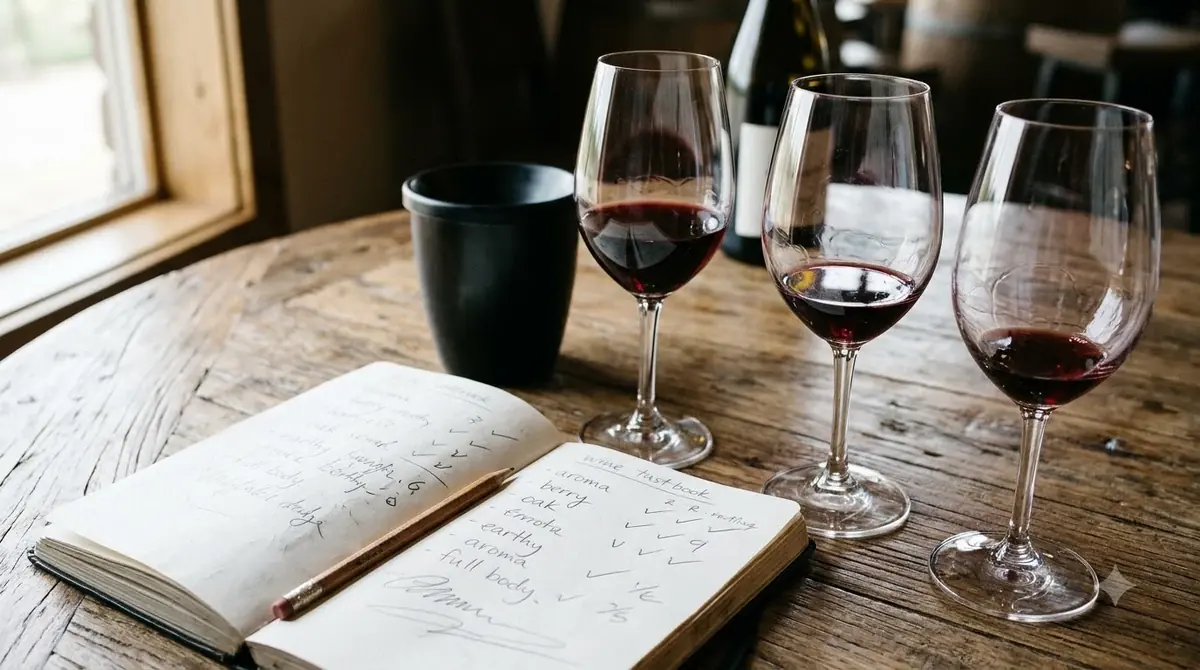
Cabernet Sauvignon provides a firmer counterpoint, with blackberry, blackcurrant, bay leaf, mint, or green herbal notes. Wine Australia says cooler sites and vintages can be especially favorable for this grape. An opening flight of Shiraz, Grenache, and Cabernet Sauvignon gives a useful comparison; alternatively, ask for two Shiraz wines from contrasting vineyard sites. Keep brief notes on fruit, acidity, tannin, oak, and finish. Ask whether the winemaker used new or older oak, since oak can add spice and texture without needing to dominate the fruit. Also ask whether the wine was made for early drinking or longer cellaring; this often explains why one sample feels more tightly structured than another.
Fiano, Vermentino, and alternative grapes broaden the picture
McLaren Vale is not only a red-wine destination. Its warm coastal climate suits Mediterranean grapes, and tasting a white wine before the reds can reveal a fresher, more savory side of the region.
Fiano is one of the most interesting whites to seek out. It can show lemon, lime, green apple, pear, floral aromas, and a lightly nutty character, with bright acidity and a textured palate. The regional association identifies Fiano as a particularly promising variety for the area; its warm-climate ripeness is often balanced by freshness. Try it with grilled prawns, white fish, or a dish with herbs and olive oil.
Vermentino is another strong choice, especially for visitors who like crisp whites. Wine Australia describes citrus flavors and refreshing minerality, while the regional association points to lemon, lime, and a clean, lively profile. It can be a natural match for seafood, salads, and salty snacks. Chardonnay is also worth including: the local range runs from lighter citrus-led examples to fuller wines with peach, melon, and different degrees of oak influence.
For reds beyond the familiar trio, look for Sangiovese, Nero d’Avola, Montepulciano, Tempranillo, and Mencía. Wine Enthusiast’s McLaren Vale review archive also includes regional Barbera and a Shiraz-Saperavi blend, a reminder that experimentation reaches beyond the best-known Mediterranean grapes. Taste an unfamiliar variety beside a familiar wine and ask what it contributes: does Sangiovese feel brighter with food, does Nero d’Avola show darker fruit, or does Tempranillo bring a more savory edge? Readers exploring other white-wine traditions may enjoy our Alsace wine tasting guide, while Mediterranean red fans can compare notes with Bolgheri wine tasting.
Vineyard districts and old vines reward closer attention
McLaren Vale is small enough for a day trip, but its sites are not interchangeable. Pay attention to the district named by the producer, the vineyard’s altitude and soil, and whether the wine comes from old bush vines or younger plantings.
Blewitt Springs, in the north and inland, is a useful name to know. Decanter describes it as cooler and higher-altitude, with deep sandy topsoils and sandstone subsoil in some sites; these conditions can contribute perfume and aromatic detail to Grenache. Clay beneath sand can emphasize fruit and floral notes. Clarendon, Beautiful View, and Kangarilla are other areas associated with old Grenache bush vines. At Beautiful View, limestone and sandstone soils can shape tannin and earthy character. Ask where the fruit was grown and whether the wine is a single-site bottling. Decanter’s regional profile offers further examples of how growers connect vineyard blocks with differences in wine texture and aroma.
Old vines deserve a separate question. The regional association describes some McLaren Vale vines as more than 100 years old, with plantings dating back to the late nineteenth century. Wine Australia also notes Grenache vines from the late 1800s and early 1900s. Vine age alone does not guarantee quality, but mature root systems and naturally lower yields can contribute to concentration, complexity, and a strong sense of site when farming and winemaking are sound.
Compare a younger, fruit-forward Grenache with an old-vine example if a cellar door offers both. Notice whether the older-vine wine has more layers, a longer finish, or a different balance of fruit and savory notes. Then repeat the exercise with Shiraz from two sites. Decanter’s regional profile discusses how altitude, sandstone, limestone, loam, and maritime winds can all influence the way a wine is framed.
Plan a cellar-door day with enough time to compare
McLaren Vale has more than 150 producers and over 90 cellar doors, according to the regional wine association, so a successful visit depends on choosing a manageable route. Two or three focused tastings usually leave more room for conversation, food, and a relaxed look at the vineyards than a packed schedule.
Begin with the style you most want to understand. A visitor keen on classic Australian reds could choose one cellar door with a strong Shiraz selection and another known for Grenache, then finish with a producer pouring Fiano or Vermentino. More than one third of cellar doors include local produce, according to the regional association, so shortlist venues with a restaurant or seasonal platter if food is a priority.
Book ahead for seated flights, hosted tastings, winery lunches, or larger groups. Check opening days, tasting fees, food service, and travel time before setting out; arrangements differ by producer. Allow roughly 45 to 90 minutes for an appointment, including the welcome, flight, questions, and a look around, and leave a gap for lunch. For a group with mixed interests, choose one traditional producer, one smaller or experimental label, and one venue with food; that structure gives the day variety without creating a long list of appointments.
Adelaide is roughly 40–45 minutes away by car, making the region accessible as a day trip, but arrange a designated driver or transport if the itinerary includes several tastings. Build the route around a small cluster of cellar doors. Leave time for the coast or a short walk by the Gulf St Vincent, and browse our Wine Regions overview or compare this warm-climate itinerary with Willcox wine tasting in Arizona.
Tip: Choose no more than three cellar doors for a first visit, book any seated experience in advance, and schedule lunch between tastings. That leaves time to ask about vineyard sites instead of watching the clock.
Pairing and serving make each tasting more revealing
Food can clarify the structure of McLaren Vale wines. The practical approach is to match the weight and flavor of the dish, then pay attention to acidity, tannin, and alcohol rather than relying only on grape names.
Fiano and Vermentino work well with seafood, grilled vegetables, salads, and dishes with lemon or fresh herbs. Their acidity refreshes the palate alongside olive oil, salty ingredients, and bright dressings. Grenache is flexible with charcuterie, roast chicken, lamb, tomato-based dishes, and grilled vegetables because its red fruit and moderate tannin fit a range of flavors.
Shiraz and Cabernet Sauvignon pair naturally with grilled beef, lamb, mushrooms, and slow-cooked dishes. Salt and fat soften tannin, so a structured red can feel more supple beside a rich meal. Acidic food needs a wine with equal or higher acidity; very hot chili can make alcohol and tannin feel stronger, while oily fish is generally a poor match for strongly tannic reds.
Serve full-bodied reds around 60–65°F, and give a young, full-bodied Shiraz or Cabernet 30–60 minutes in a decanter if it seems tight. Lighter reds such as delicate Grenache are often more expressive around 55–60°F. Pour a 5-ounce serving when comparing wines; a 750-milliliter bottle holds about five glasses. Look at the color, smell before and after swirling, then notice acidity, tannin, and whether the finish stays fruity, savory, or spicy.
Frequently Asked Questions
These quick answers cover a few details that often come up after visitors have compared Shiraz, Grenache, and the region’s Mediterranean varieties, including the area’s formal boundary and historic plantings.
When was McLaren Vale formally recognized as a wine geographical indication?
The official McLaren Vale Geographical Indication declaration was made in 1997. The name was entered in Australia’s Register of Protected Names on September 2, 1997, defining the protected regional identity used on wine labels.
How old are the oldest McLaren Vale vines?
The regional association identifies some plantings as more than 100 years old, including vines dating back to 1887. Its old-vine categories distinguish 35-plus, 50-plus, 75-plus, and 100-plus-year plantings, giving visitors a more precise vocabulary than the general phrase “old vine.”
What does Mataro mean on an Australian wine label?
Mataro is another name for Mourvèdre, a red grape used in southern French and Spanish-influenced blends. In McLaren Vale, it can appear alongside Grenache and Shiraz in a blend often shortened to GSM when the three grapes are used together.
What is unusual about the d’Arenberg Cube?
The d’Arenberg Cube is a five-storey building designed with offset angular faces to evoke a twisting puzzle. Decanter also notes 16 retractable umbrellas on the structure, a practical response to the region’s high sunshine and moderating winds.
Where does the McLaren Vale geographical indication extend?
The defined area runs from Hallett Cove across to Clarendon, then follows the foothills south and southwest toward the coast at Sellicks Beach. That boundary takes in both inland vineyard districts and coastal parts of the region, rather than just the town of McLaren Vale.
A rewarding McLaren Vale visit is less about collecting as many tastings as possible and more about noticing how grape, site, and winemaking choices shape the wines. Start with Shiraz and Grenache, leave room for Fiano or Vermentino, and let the conversation at each cellar door guide the next glass.
More in Wine Regions
 Willcox Wine Trail: Discover Arizona’s High-Elevation Wine CountryUpdated Nov 20, 2026
 Yakima Valley Wine Region: Find the Best Styles to TryUpdated Nov 20, 2026
 Vosne Romanee Wine Tasting: Identify Aromas and Choose Better PairingsUpdated Nov 20, 2026
 Yakima Valley Wine Festival: Find the Best Seasonal Wine EventsUpdated Nov 20, 2026
 Wales Vineyards: Discover Cool-Climate Wines and Where to VisitUpdated Nov 20, 2026
 Yountville Wine Festival: Discover Napa Wines and Local FoodUpdated Nov 20, 2026