

We may earn a commission when you buy through links on this page, at no extra cost to you. Learn more.
The montefalco wine festival is Enologica Montefalco – Abbinamenti, a three-day celebration of Sagrantino wines, Umbrian food, winery experiences, art, and music in Montefalco, Italy. Organized by the Consorzio Tutela Vini Montefalco and La Strada del Sagrantino, the event brings together local producers, restaurants, and visitors interested in the region’s wine culture. Its 2026 edition took place September 18–20, with activities ranging from guided tastings and food pairings to winery visits and sunset aperitifs.
Montefalco sits among the rolling hills of Umbria in central Italy and is particularly associated with Sagrantino, a distinctive red grape responsible for some of the country’s most powerful age-worthy wines. The festival offers an opportunity to understand how this grape, the region’s other wine varieties, and traditional Umbrian cooking fit together. Whether you are planning a dedicated wine trip or adding a festival visit to a broader Italian itinerary, understanding the event and its surroundings will help you make the most of your time.
What to Expect at the Montefalco Wine Festival
Enologica Montefalco – Abbinamenti is designed around the relationship between wine, food, and local culture rather than tastings alone. Visitors can explore several regional wine designations while discovering how local restaurants, wineries, artists, and musicians contribute to the area’s identity.

The event is organized by the Consorzio Tutela Vini Montefalco in collaboration with La Strada del Sagrantino, the local wine tourism organization. Its Abbinamenti format emphasizes pairings, making food an important part of the experience. The program includes guided tastings, workshops, restaurant collaborations, winery activities, and artistic performances. This combination makes the festival useful for both wine enthusiasts who want to learn about regional production and travelers interested in experiencing Umbrian hospitality.
The 2026 edition ran from September 18 through September 20. Three days provide opportunities to spread activities across different settings rather than attempting every tasting in a single afternoon. Some experiences take place in the historic town, while others are organized at participating wineries in the surrounding countryside. The official program identifies Montefalco Sagrantino DOCG, Montefalco DOC, and Spoleto DOC as the principal wine designations represented.
One distinctive element is the inclusion of sunset aperitifs at wineries. These activities connect the wine experience with the landscape, giving visitors a chance to spend time at the estates where local wines are produced. Restaurant partnerships add another dimension, with participating establishments offering dishes selected to accompany DOC and DOCG wines.
Unlike a large commercial wine exhibition, this format encourages visitors to explore the relationship between individual producers, regional ingredients, and the local landscape. It can appeal to experienced wine drinkers looking for specific Sagrantino styles, but it also works for travelers who want an accessible introduction to Umbria’s food and wine traditions.
Future editions should be checked through the organizing consortium because dates, participating wineries, and individual activities can change. The 2026 schedule is a useful indication of the festival’s format, not a guarantee that every activity will return in precisely the same form.
Montefalco’s Wine Region and Its Signature Grapes
Montefalco is best known for Sagrantino, but the region’s wine identity is broader than a single grape. The festival provides an opportunity to compare the powerful red wines associated with Montefalco with other local styles and the white wines of the neighboring Spoleto designation.
Sagrantino is the defining grape of Montefalco Sagrantino DOCG. According to the Consorzio Tutela Vini Montefalco, this wine is made from 100% Sagrantino. Its distinctive character includes considerable depth, complexity, and length, with the structure to benefit from extended cellar maturation and bottle aging. This is a particularly important point for visitors accustomed to lighter Italian reds: Sagrantino is generally a substantial wine that rewards patient drinking and thoughtful food pairing.
Montefalco Rosso is another important regional wine style. Montefalco Rosso DOC is generally associated with Sangiovese-led blends, with Sagrantino contributing additional character in permitted versions. Compared with a 100% Sagrantino wine, a Montefalco Rosso can offer a more approachable introduction to the area’s red wine production. It is a useful comparison for visitors who want to understand how the same region can produce different expressions of red wine.
Spoleto DOC brings another perspective to the tasting program. Trebbiano Spoletino is particularly important to this designation and provides a contrast to the region’s concentrated reds. These white wines can show freshness, aromatic complexity, and enough structure to work with local foods. Sampling a white wine alongside Sagrantino helps demonstrate the diversity of the wider wine-growing area.
The festival’s three principal designations offer a useful starting point for a tasting itinerary:
| Wine designation | Main grape or style | What to look for | Food direction |
|---|---|---|---|
| Montefalco Sagrantino DOCG | 100% Sagrantino | Deep color, firm structure, complexity, aging potential | Steak, game, braised meat, aged cheese |
| Montefalco Sagrantino Passito DOCG | 100% Sagrantino | Concentrated sweetness and partially dry sensation | Dark chocolate, dry biscuits, aged cheese |
| Montefalco Rosso DOC | Sangiovese-led red blend | Red fruit, savory character, more approachable structure | Roasted meats, pasta, tomato-based dishes |
| Spoleto DOC | Includes Trebbiano Spoletino wines | Freshness, aromatic character, and regional white-wine expression | Fish, vegetables, fresh cheeses |
These styles are worth comparing rather than treating the festival as an opportunity to sample only the most famous red wine. A flight that includes Sagrantino, Montefalco Rosso, and Trebbiano Spoletino can reveal differences in grape variety, structure, and winemaking approach. Visitors interested in expanding their knowledge can also explore our broader Wine Regions resource for comparisons with other Italian and international wine-producing areas.
Pay attention to how the wines change with food. A concentrated red may seem especially firm when tasted alone but become more balanced alongside a rich meat dish. A fresh white can provide a completely different experience with regional cheeses or vegetable preparations.
Tip: Begin a regional tasting with a lighter white or Montefalco Rosso before moving to Montefalco Sagrantino DOCG. Save Sagrantino Passito for the dessert course. This progression makes it easier to recognize differences in structure and sweetness.
How to Taste Sagrantino and Other Festival Wines
Sagrantino deserves particular attention because its tannic structure is one of its defining characteristics. A good tasting should consider aroma, acidity, tannin, body, and finish rather than relying on fruit flavors alone. Comparing multiple producers can also reveal how vineyard conditions, aging, and cellar decisions influence the final wine.
Start by observing the wine’s color and aromas. Sagrantino commonly presents dark fruit characteristics, with potential notes of blackberry, plum, spice, herbs, and earthy elements. Its tannins can create a pronounced drying sensation along the gums. This is not necessarily a flaw. Firm tannins are part of the grape’s identity and help explain why the wine can benefit from extended aging.
When tasting, take a small sip and allow the wine to coat the palate. Notice whether the fruit character remains prominent as the tannins develop. Consider whether acidity provides enough freshness to balance the wine’s weight. A longer finish, in which flavors and structural sensations remain after swallowing, is another characteristic worth evaluating.
Temperature also matters. The Montefalco consortium specifies 18 degrees Celsius, approximately 64 degrees Fahrenheit, for Montefalco Sagrantino DOCG. This falls within a suitable serving range for a full-bodied red. Serving the wine too warm can make its alcohol seem more prominent, while excessive chilling can make the tannins feel harder and reduce aromatic expression.
For the traditional Passito version, the recommended temperature is 12 degrees Celsius, approximately 54 degrees Fahrenheit, according to the consortium. This dessert wine uses the same grape but has a substantially different production approach. The grapes are carefully selected and dried on racks for at least two months before fermentation with their skins. The resulting wine combines sweetness with a partially dry sensation.
When tasting different producers, compare the following characteristics:
- Fruit profile: Look for differences between fresh blackberry, ripe plum, dark cherry, and dried fruit.
- Tannin: Notice whether the wine feels firmly structured, polished, or particularly drying.
- Acidity: Consider how much freshness the wine retains alongside its concentrated fruit.
- Oak influence: Look for vanilla, toast, baking spice, or other signs of maturation in wooden vessels.
- Finish: Compare the persistence of fruit, spice, and savory flavors.
One useful strategy is to ask the person presenting a wine about its vintage, maturation period, and recommended drinking window. These details can help explain why two Sagrantino wines from different producers may have noticeably different textures. It is also worth asking whether a particular bottle benefits from decanting. Young, full-bodied reds often improve with 30–60 minutes of aeration before serving.
Umbrian Food Pairings to Look for at the Festival
Food is central to the Abbinamenti concept, and Montefalco offers plenty of traditional dishes that work with the region’s wines. Sagrantino’s firm tannins make it especially suitable for rich meat preparations, aged cheeses, and dishes with substantial protein and fat.
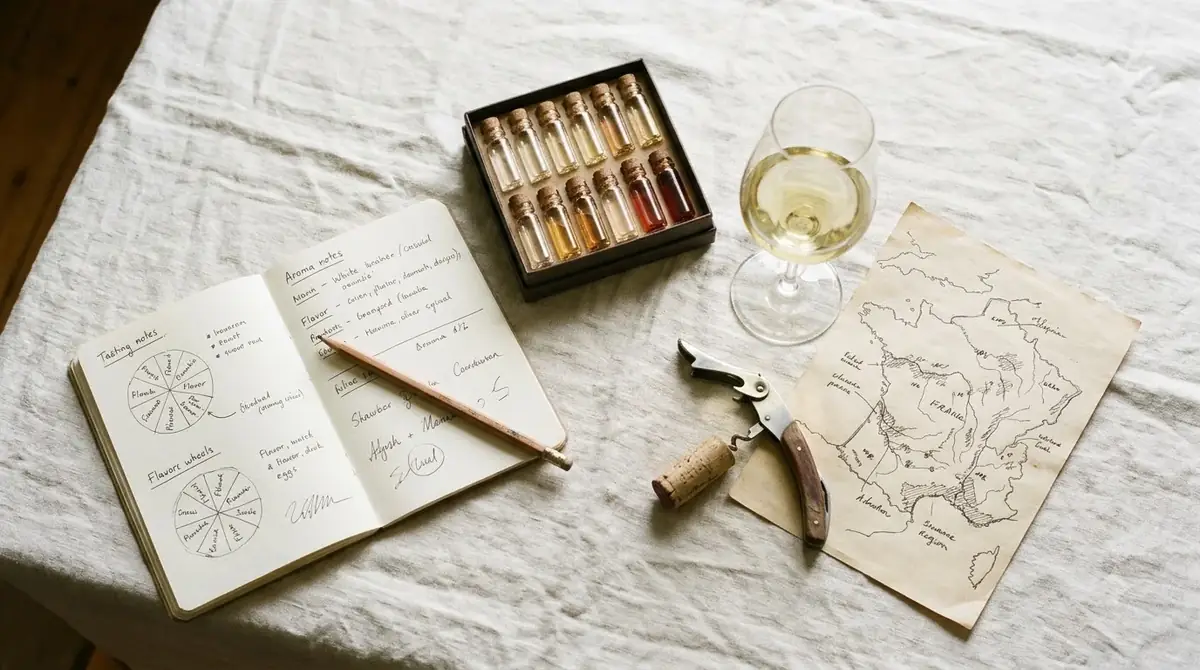
Grilled steak is one of the most straightforward pairings. The protein and fat in the meat soften the wine’s tannic sensation, allowing dark fruit and savory notes to become more noticeable. Braised beef and slow-cooked meat dishes are equally useful because their rich textures can stand up to Sagrantino’s concentration. Game preparations provide another traditional direction, especially when served with earthy herbs or savory sauces.
Aged cheese is another excellent partner. The salt and fat in mature cheeses can make a firm red wine seem less aggressive. Look for hard, aged varieties and compare how different levels of saltiness and richness affect the wine. Fresh cheeses, on the other hand, may be better suited to lighter reds or regional white wines.
Montefalco Rosso can work particularly well with pasta dishes, roasted poultry, tomato-based preparations, and moderately rich meat sauces. Its generally more approachable structure makes it useful at the beginning of a meal. Trebbiano Spoletino and other local white wines provide a contrasting option for dishes involving vegetables, fish, and lighter cheeses.
Sagrantino Passito belongs at a different stage of the meal. Its sweetness and concentrated character make it suitable for dry biscuits, pastries, aged cheese, and dark chocolate. The traditional grape-drying process creates a dessert wine that is more complex than a simple sweet red. A small serving can provide a memorable ending to a meal, particularly when paired with chocolate that has enough intensity to stand up to the wine.
Visitors can look for the festival’s participating restaurant program, which features dishes specifically paired with local DOC and DOCG wines. This is a practical way to explore regional cooking without having to arrange every pairing independently.
For a balanced food-and-wine experience, consider the following progression:
- Begin with a regional white wine and a light appetizer, vegetable dish, or fresh cheese.
- Move to Montefalco Rosso with pasta, roasted poultry, or a traditional meat preparation.
- Serve Montefalco Sagrantino alongside grilled steak, braised beef, game, or aged cheese.
- Finish with Sagrantino Passito, dry biscuits, or dark chocolate.
Spicy dishes require more care because alcohol and tannin can amplify chili heat. Very hot preparations may overwhelm Sagrantino’s fruit and structure. Oily fish also tends to be a difficult match for highly tannic reds, making a regional white a more suitable choice for many seafood dishes.
Planning Your Festival Visit and Winery Reservations
Advance planning is essential because festival experiences are organized across several venues and participating wineries. Visitors should review the official program, identify the activities they want to attend, and arrange reservations before traveling to Montefalco.
The organizing consortium publishes the event schedule, winery information, and reservation details on its official website. For the 2026 edition, all scheduled activities required advance booking. Online reservations remained open until 1 p.m. on September 18, although visitors could check for remaining places at the venues themselves. The availability of walk-in places was not guaranteed.
The official Enologica Montefalco event page is the most useful starting point for checking program details and identifying participating wineries. The program can help visitors distinguish between central tasting activities, winery-hosted experiences, and restaurant pairings.
Do not assume that every tasting takes place in the historic center. Winery visits and sunset aperitifs can require separate travel arrangements. When planning a day, allow enough time to reach the winery, attend the scheduled activity, and return to your accommodation or the town center. Check the precise meeting location and duration before confirming a reservation.
For international visitors, transportation deserves particular attention. Montefalco is in the province of Perugia in Umbria, and a rental car can provide flexibility for reaching wineries scattered around the countryside. However, anyone planning to taste several wines should arrange a designated driver, private transfer, or other suitable transportation rather than driving after drinking.
Travelers arriving by public transportation should research connections through nearby railway towns and coordinate onward transport. A train journey may involve reaching a larger regional center first, followed by a bus, taxi, or prearranged transfer. Rural winery visits should not be treated as automatically accessible by public transportation.
Accommodation should also be booked with the festival schedule in mind. Staying in Montefalco makes it easier to attend central events and enjoy restaurant activities without a long return journey. Nearby towns may provide additional lodging options, but visitors should calculate travel times before choosing a base.
A practical planning checklist includes:
- Review the official festival program and identify preferred tastings.
- Reserve individual activities that require advance booking.
- Confirm the address and starting time of each winery visit.
- Arrange transportation between the town and countryside estates.
- Reserve restaurant tables for popular food-pairing experiences.
- Leave time between tastings to enjoy the town and local surroundings.
Visitors planning a trip around a future edition should not assume that the September 18–20 schedule will repeat exactly. Check the organizer’s announcements for confirmed dates, reservation opening times, and the participating producer list before booking flights or accommodation.
Exploring Montefalco Beyond the Wine Festival
Montefalco is a destination in its own right, and spending time outside scheduled tastings can make a wine trip more rewarding. Its historic center, surrounding vineyards, and connections with neighboring Umbrian towns provide plenty of opportunities to combine wine tourism with cultural sightseeing.
The town’s elevated position offers views across the surrounding Umbrian countryside. Walking through the historic center is a useful way to appreciate the architecture and atmosphere between tasting appointments. Piazza del Comune is a natural orientation point, with streets leading toward historic buildings, shops, and restaurants.
The Complesso Museale di San Francesco is another important cultural stop. The former church and museum are associated with Montefalco’s artistic heritage and provide a change of pace from wine activities. Visitors interested in Italian religious art can explore the building’s historical collections and artistic decoration.
Montefalco also works well as a starting point for exploring the wider Sagrantino wine route. La Strada del Sagrantino connects wine producers and local destinations, giving visitors opportunities to discover estates, countryside scenery, and neighboring villages. A winery visit outside the main festival program can provide a more focused conversation about vineyard management, fermentation, and aging.
Nearby Bevagna is particularly useful for travelers interested in medieval architecture and traditional crafts. The town’s historic center offers a different atmosphere from Montefalco while remaining part of the wider wine-growing landscape. Spoleto provides another worthwhile excursion, with its historic buildings and cultural attractions adding variety to a longer Umbrian itinerary.
For a two-day visit, a balanced schedule might look like this:
- Day one: Explore Montefalco’s historic center, visit the San Francesco museum complex, attend a guided tasting, and enjoy a local restaurant pairing.
- Day two: Visit a participating winery, explore the Sagrantino countryside, and spend the afternoon discovering Bevagna or another nearby town.
Visitors with additional time can extend the trip toward Spoleto and other parts of Umbria. The official Umbria tourism event listing provides useful regional context for the festival and its connections with the surrounding territory.
Travelers who enjoy comparing regional wine events may also find it useful to explore an Indiana wine festival or the Livermore wine festival. These American events offer a different perspective on wine tourism, regional producers, and the way local communities celebrate their wine industries.
One advantage of a longer stay is the opportunity to visit wineries without rushing between appointments. A dedicated visit allows more time to compare different Sagrantino vintages, learn about individual producers, and appreciate the differences between the DOC and DOCG wines. It also makes room for the regional food culture that gives the festival its character.
Frequently Asked Questions
Is Montefalco Sagrantino the same grape as Sangiovese?
No. Sagrantino and Sangiovese are distinct grape varieties with different characteristics and roles in Umbrian wine production. Sagrantino is the exclusive grape permitted for Montefalco Sagrantino DOCG, while Sangiovese is central to Montefalco Rosso. Comparing the two provides an interesting introduction to the diversity of the region.
What does DOCG mean on an Italian wine label?
DOCG stands for Denominazione di Origine Controllata e Garantita, an Italian designation for wines subject to specific origin and production requirements. The classification includes rules concerning matters such as permitted grape varieties, production areas, and wine characteristics. Montefalco Sagrantino received DOCG recognition in 1992.
Can Montefalco Sagrantino be made into a sweet wine?
Yes. The traditional Sagrantino Passito DOCG is produced using grapes dried for at least two months before vinification. This drying process concentrates the grapes and contributes to the wine’s distinctive sweetness and flavor intensity. It is a separate expression of the same grape used for dry Sagrantino.
What is the minimum aging requirement for Montefalco Sagrantino DOCG?
The production regulations require at least 37 months of aging for Montefalco Sagrantino DOCG, including at least 12 months in wooden vessels and 4 months in bottle. The aging period is calculated from December 1 of the harvest year. This extended maturation requirement is an important distinction between Sagrantino and many more immediately approachable Italian reds.
Which nearby Italian wine areas can be combined with a Montefalco trip?
Travelers can extend an Umbrian wine itinerary toward Orvieto, Torgiano, and the Colli Martani area. Each has its own wine traditions and designated production areas. Combining these destinations with Montefalco offers a broader view of the region’s white and red wine styles without requiring a trip outside Umbria.
The Montefalco wine festival is an excellent introduction to one of Umbria’s most distinctive wine-producing areas. Its combination of Sagrantino tastings, winery experiences, regional cooking, and cultural activities makes it particularly appealing to travelers who want more than a conventional tasting-room visit. Plan reservations carefully, allow time to explore the surrounding countryside, and make room for both the dry and sweet expressions of Sagrantino when discovering Montefalco.
More in Wine Regions
 Willcox Wine Trail: Discover Arizona’s High-Elevation Wine CountryUpdated Nov 20, 2026
 Yakima Valley Wine Region: Find the Best Styles to TryUpdated Nov 20, 2026
 Vosne Romanee Wine Tasting: Identify Aromas and Choose Better PairingsUpdated Nov 20, 2026
 Yakima Valley Wine Festival: Find the Best Seasonal Wine EventsUpdated Nov 20, 2026
 Wales Vineyards: Discover Cool-Climate Wines and Where to VisitUpdated Nov 20, 2026
 Yountville Wine Festival: Discover Napa Wines and Local FoodUpdated Nov 20, 2026