

We may earn a commission when you buy through links on this page, at no extra cost to you. Learn more.
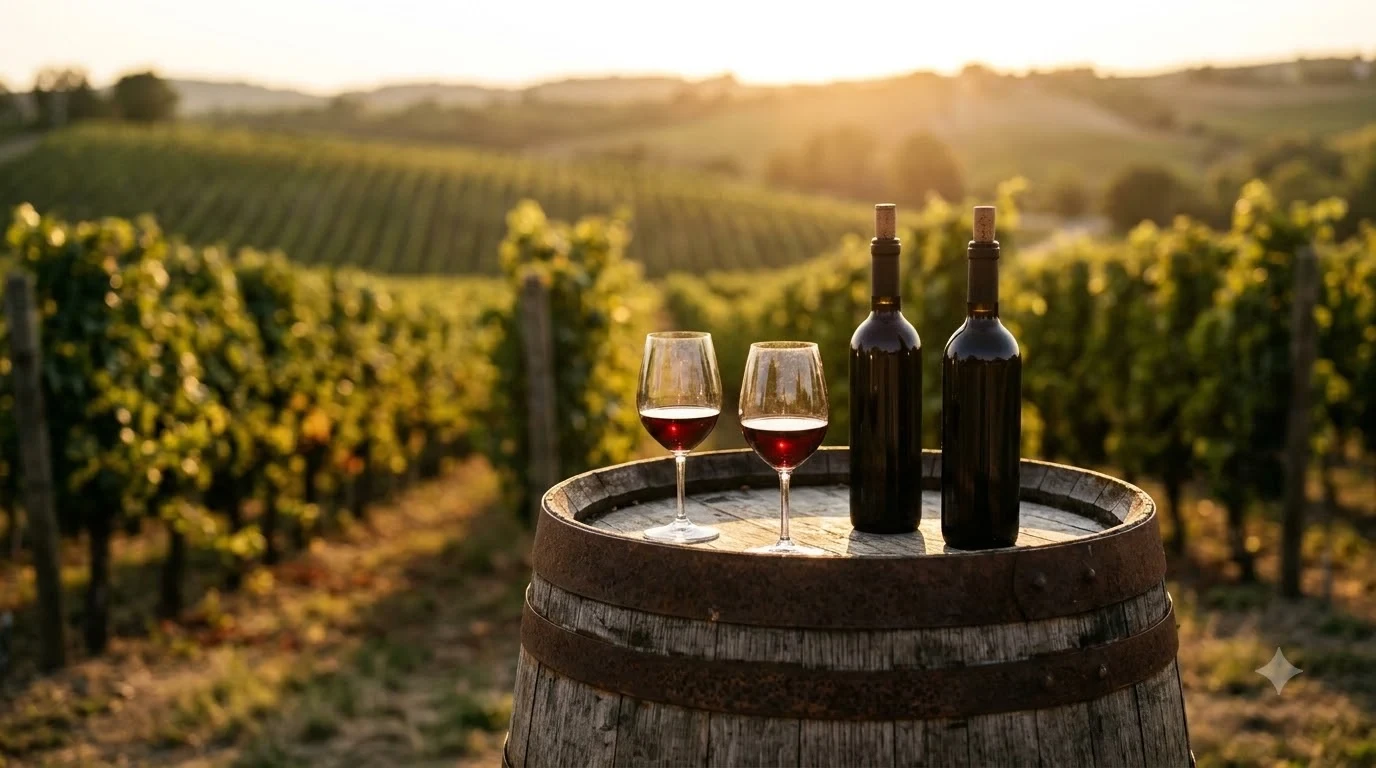
The madiran vineyards are the hillside plantings of Southwest France that produce the region’s Tannat-led, structured red wines. They sit in the foothills of the Pyrenees, where Atlantic weather, mountain influences, and varied clay, limestone, and pebble soils shape the growing conditions. Understanding the landscape explains why Madiran can deliver both firm, age-worthy reds and softer bottles made for earlier drinking.
Madiran is one of the distinctive red wine appellations of Southwest France. Its identity comes from a combination of local grape varieties, hillside geography, varied soils, and winemaking traditions developed around the naturally powerful Tannat grape.
Where Madiran’s Vineyards Sit in Southwest France
Madiran sits in the southwest corner of France, in the historic Gascon area known as Vic-Bilh, where vineyards occupy slopes and valleys around the village rather than one continuous block. Tannat defines the appellation, with Cabernet Franc, Cabernet Sauvignon, and Fer Servadou contributing to its identity.
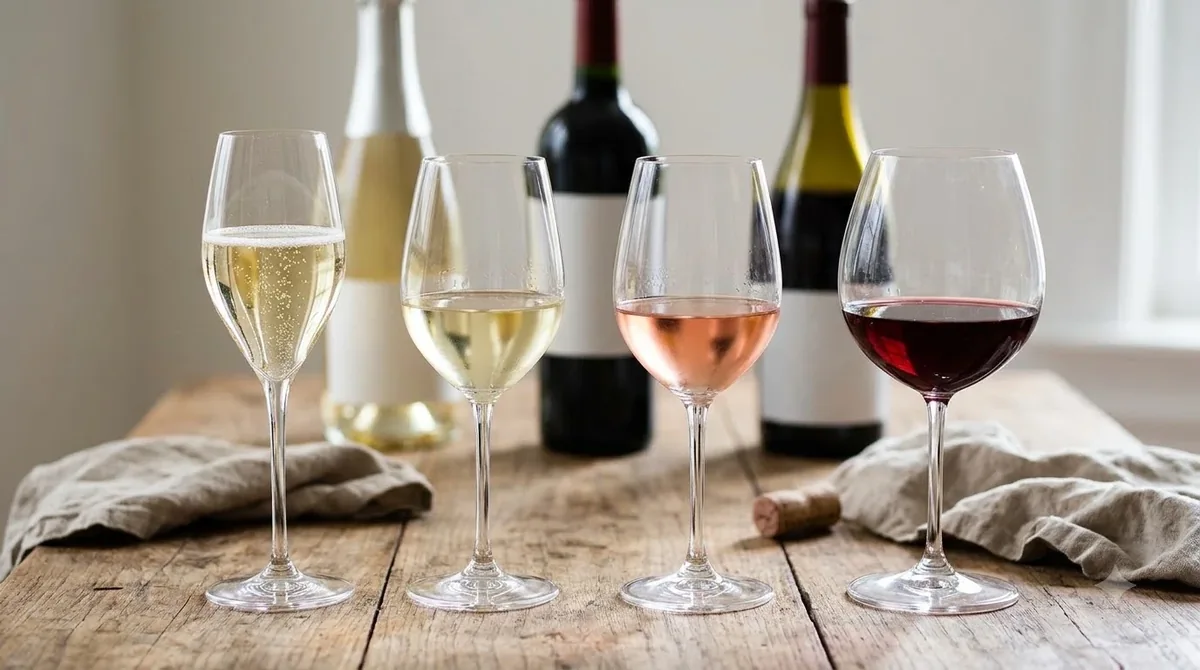
The vineyard zone lies where the Gers, Hautes-Pyrénées, and Pyrénées-Atlantiques meet, close to the Landes. This location places the vines between two major influences: the Atlantic Ocean to the west and the Pyrenees to the south. The Wine Society places the Atlantic roughly 100 kilometers away, close enough to moderate conditions, while the mountains shape local weather and the character of the foothills. The Adour basin and its tributaries have shaped the rolling landscape, creating slopes and lower areas with different exposures and soils. Vineyards are distributed across different hillsides rather than forming an uninterrupted plain, so elevation, aspect, and drainage can change over short distances.
Madiran is part of Southwest France, a region with a wider range of landscapes and grapes than its best-known appellations suggest. Readers comparing regional identities can explore the broader Wine Regions overview, then look at how another hillside area develops its identity in the Chianti Classico vineyards. Madiran’s own identity, however, rests firmly on its foothill setting and Tannat.
Hillside Soils and the Madiran Climate
The soils are diverse rather than uniform, and that variation is one of the most useful clues to understanding the appellation. Clay-limestone slopes, deeper clay sections, gravel, and rounded pebbles all occur across the vineyard zone.
The slopes of the Pyrenean foothills have been shaped by sediment carried down from the mountains. On higher ground, clay may be mixed with gravel and pebbles; some steeper slopes expose limestone formations; and lower positions can contain windblown silt or deposits left by ancient watercourses. The regional vineyard authority describes well-drained hillsides with clay-limestone layers, clay strata, and rounded stones. Gravel and pebbles help water drain away, an advantage in an area where rainfall is not insignificant. Madiran has a humid, temperate oceanic climate, but the Pyrenees add a mountain influence and can create warmer, drier conditions in particular situations. The Atlantic moderates temperatures, while foothill exposures produce local differences in sunlight and warmth.
For growers, the goal is not simply to find the warmest parcel. Tannat needs enough time to reach phenolic maturity, because its thick-skinned berries and generous tannins can feel hard if harvested before the fruit and tannins are fully ripe. Good drainage can reduce excess water around the roots, while favorable slope exposure can encourage steady ripening. A balanced site allows the grape to build dark-fruit flavor without losing the freshness that keeps Madiran from feeling heavy. A wine from a gravelly rise may emphasize firm structure and dark fruit, while fruit from clay-limestone slopes can develop a different balance of ripeness and texture.
Tannat and the Supporting Grapes
Tannat is the central grape in Madiran and the main reason the wines have such a recognizable frame. Its berries are rich in polyphenols, and the variety is valued for generous tannins, deep color, and the ability to produce concentrated reds.
Tannat is a late-ripening grape with tight bunches and round berries. The local growers’ association notes that it is productive and late, and that its tannins are one of its defining qualities. Harvest timing, extraction, blending, and aging all influence whether the finished wine feels muscular and compact or more rounded and open. The grape’s natural concentration gives the wine a dense structure, but structure does not have to mean harshness. In the glass, Tannat commonly brings black cherry, blackberry, dark plum, and a firm grip that can soften with careful winemaking and time.
Three other red grapes may support Tannat: Cabernet Franc, Cabernet Sauvignon, and Fer Servadou. Cabernet Franc can contribute red-fruit aromas, fine tannins, and suppleness, making it useful when a blend needs more lift. Cabernet Sauvignon brings a darker-fruited profile and familiar structure. Fer Servadou, known locally as Pinenc, adds a more herbal or savory note, helping a blend feel distinctly rooted in Southwest France. Tannat supplies much of the wine’s color, tannin, and aging structure, while these complementary grapes add aromatic detail and contrast. A comparison with Uruguay vineyards shows how Tannat expresses itself in another major growing region; Madiran’s version is shaped by the Pyrenean foothills, Atlantic-influenced climate, and local blending traditions.
Vineyard Work and the Long Ripening Season
Vineyard work in Madiran revolves around giving Tannat enough time to ripen while keeping the fruit healthy and balanced. Because the grape ripens late, growers must manage the season carefully rather than treating harvest as a fixed calendar date.
The appellation’s discontinuous vineyard pattern reflects this focus on site suitability. Rather than planting every available field, growers have favored parcels where slope, exposure, and soil drainage give the grapes a better chance of reaching maturity. A well-oriented hillside can receive more sunshine and warmth, while a slope can help move excess rainwater away. These details are particularly relevant for Tannat, which needs a sufficiently long season to develop ripe fruit and tannins.
The history of vine training also reflects the demands of the terrain and older farming methods. Regional historical material describes high-trained vines supported by stakes, with a cross-shaped wooden structure set about 1.8 meters above the ground. The height allowed teams of horses to pass beneath the shoots without damaging them. Harvest decisions today still aim for ripe fruit, not simply high sugar: growers assess the skins, seeds, and fruit flavors as well as general bunch maturity. The final date varies from parcel to parcel and season to season, so producers may keep separately picked lots apart before blending.
Cellar Choices That Shape Madiran Wines
Madiran’s reputation was built on concentrated, structured reds, but modern cellar work gives producers more control over how those traits appear. Growers focus on tannin maturity, maceration length, and extraction methods that shape the wine’s texture.
The appellation’s winemakers describe ongoing work around the control and maturity of tannins. A longer or more forceful extraction can create a denser, more demanding wine; a gentler approach can retain freshness and create a rounder texture. The goal is not to remove Tannat’s structure, since that structure is part of the appellation’s character, but to integrate tannin with fruit, acidity, and the wine’s overall weight. A minimum aging period of one year is required for Madiran PDO wine, with the official period extending to October 15 of the year following harvest. That time can be spent largely in vats for the traditional, fruit-forward style, although part of a blend may receive oak aging. The more concentrated, top-tier style benefits from at least a year in oak, according to the appellation’s producer organization.
The official overview of Madiran wine styles and aging distinguishes between a fresher, vat-raised “Tradition” approach and more oak-matured wines built for dishes with greater intensity. The regional overview from The Wine Society also describes a move toward less extraction and softer, more approachable wines, while recognizing that many bottles remain suitable for extended cellaring. A younger, fruit-led Madiran may show black fruit and a firm but manageable finish, while a concentrated bottle aged in oak can add leather, licorice, spice, and toasted notes. Both can be recognizably Madiran if Tannat remains the structural center.
Tasting, Serving, and Food Pairing
Madiran is usually a dry, full-bodied red with deep color, noticeable tannin, lively acidity, and flavors that move between dark fruit, herbs, spice, and savory oak. Match its weight and tannin to food with enough flavor and texture, then serve it cool enough to keep the wine fresh.
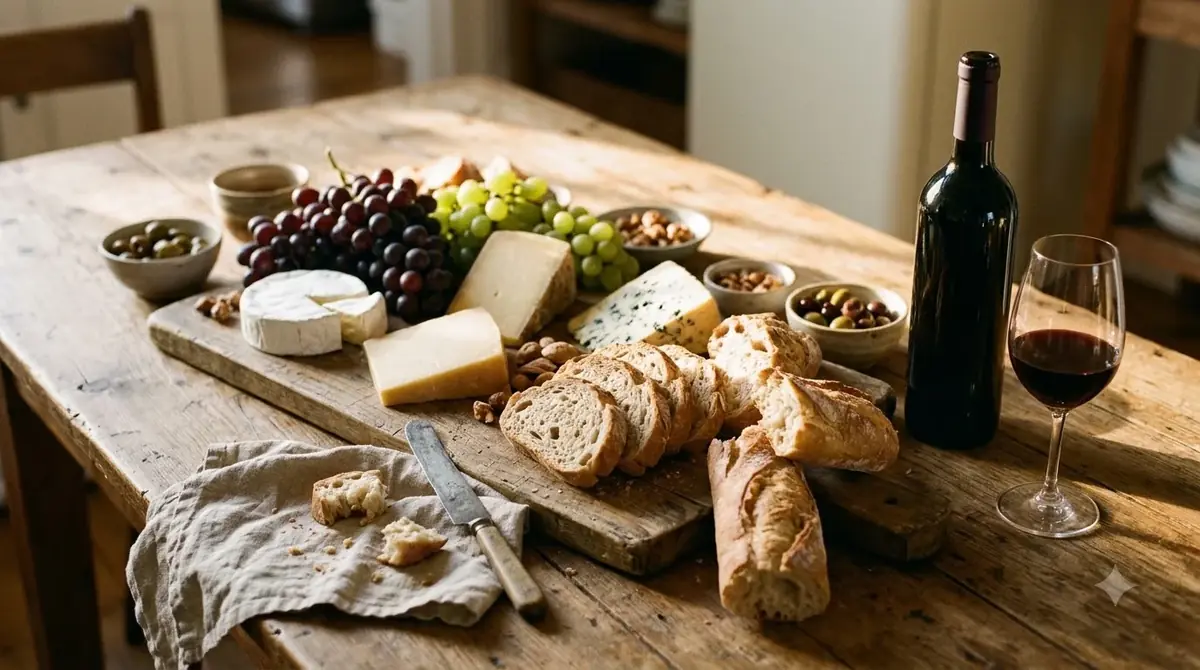
In a younger bottle, expect black cherry, blackberry, plum skin, and a slightly herbal edge, with tannins that can feel grippy across the gums. With time, the fruit can become less primary and notes of leather, licorice, tobacco, dried herbs, and spice can emerge. Oak-aged examples may add toast and baking-spice notes. Acidity helps keep the wine from tasting flat, especially when paired with rich food. Cassoulet, duck confit, roast lamb, beef stew, grilled sausages, and hard cheeses are natural partners because their richness and savory flavors meet the wine’s tannin and body. Salt and fat soften the perception of tannin, while a dish with enough intensity prevents the wine from overwhelming the food. Very delicate seafood or oily fish is a poor match for a tannic red, and chili heat can feel stronger alongside alcohol and tannin.
Serving temperature matters. Treat Madiran as a full-bodied red, not as a wine that should sit beside a warm stove. A temperature around 60–65°F keeps the fruit expressive without making the alcohol seem hot; 16–18°C is a useful target range given by the appellation’s producer organization. Young, powerful bottles often benefit from 30–60 minutes in a decanter, while mature bottles may need only careful opening and a gentle pour if sediment is present.
| Serving detail | Practical guide | Why it helps |
|---|---|---|
| Serving temperature | 60–65°F (about 16–18°C) | Keeps the wine fresh while allowing dark-fruit and savory aromas to show. |
| Young, full-bodied bottle | Decant for 30–60 minutes | Gives firm tannins and concentrated aromas some air before serving. |
| Standard bottle | 750 ml; about five 5-oz pours | Useful for planning a meal around normal tasting portions. |
| Opened still wine | Refrigerate and aim to finish within 3–5 days | Cool storage slows oxidation; bring the glass back toward serving temperature. |
Tip: For a young, tannic Madiran, serve it with a fatty or slow-cooked dish such as duck confit, lamb shoulder, or cassoulet, and open the bottle 30–60 minutes before the meal. If the wine seems too firm, give it more air rather than serving it warm.
For a tasting, use a glass with enough room to swirl and compare the wine at different stages after opening. Start with the fruit and acidity, then pay attention to how the tannins feel on the finish. If you are comparing a vat-raised Tradition bottling with a barrel-aged example, look for the effect of oak and extraction rather than assuming that darker color or stronger tannin automatically means better quality. The most satisfying bottle is the one whose structure is balanced by fruit and freshness.
Frequently Asked Questions
Madiran prompts a few recurring questions about Tannat, its neighboring appellation, and the history of its vineyards. These answers add useful context about grape names, single-variety bottlings, and the region’s records.
Is Madiran similar to Cabernet-based wines?
The Wine Society compares Madiran to a more powerful version of Cabernet-based claret, with greater body and intensity. The comparison makes sense because Cabernet varieties can appear in the blend. However, Tannat gives Madiran its distinctive tannic identity and fuller structural profile.
Can Madiran be made entirely from Tannat?
Yes. Some producers bottle Madiran made from Tannat alone, while others blend it with Cabernet Franc, Cabernet Sauvignon, or Fer Servadou. A single-variety bottling makes the grape’s concentration and tannic structure especially clear.
How far back does the Madiran vineyard history go?
Archives from the Madiran Priory attest to vineyards in the area at the beginning of the 13th century. The Adour River later helped connect the district with trade routes toward Bayonne and the Atlantic. This long history predates the modern protected appellation system.
Does Fer Servadou have other names?
Yes. Fer Servadou is also known in other parts of Southwest France as Braucol or Mansois. In the Madiran area, it is commonly called Pinenc, a name that reflects the region’s local vocabulary for its traditional grapes.
What is the white-wine counterpart to Madiran?
Pacherenc du Vic-Bilh shares the same broad geographical area, but it is a separate appellation for white wines. Its grapes include Gros Manseng and Petit Manseng, with Petit Courbu and Arrufiac also part of the local white-grape family. The contrast shows how one landscape can support distinct red and white identities.
Madiran is best understood as a hillside appellation built around Tannat, with its diversity expressed through different slopes, soils, blends, and cellar choices. Look for the balance between firm structure, ripe dark fruit, and freshness, then pair the bottle with food substantial enough to meet it.
More in Wine Regions
 Willcox Wine Trail: Discover Arizona’s High-Elevation Wine CountryUpdated Nov 20, 2026
 Yakima Valley Wine Region: Find the Best Styles to TryUpdated Nov 20, 2026
 Vosne Romanee Wine Tasting: Identify Aromas and Choose Better PairingsUpdated Nov 20, 2026
 Yakima Valley Wine Festival: Find the Best Seasonal Wine EventsUpdated Nov 20, 2026
 Wales Vineyards: Discover Cool-Climate Wines and Where to VisitUpdated Nov 20, 2026
 Yountville Wine Festival: Discover Napa Wines and Local FoodUpdated Nov 20, 2026