
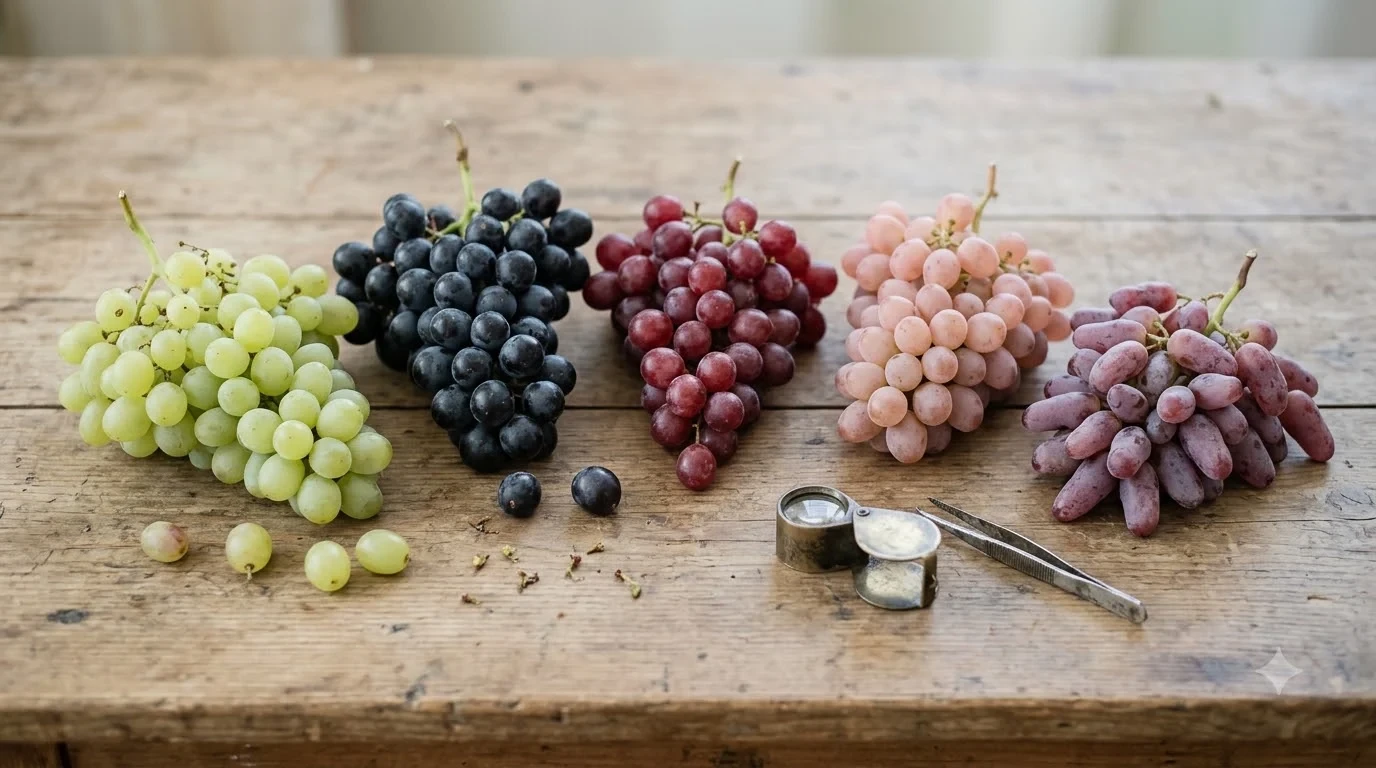

We may earn a commission when you buy through links on this page, at no extra cost to you. Learn more.
Michigan wine grapes include Riesling, Chardonnay, Pinot Noir, Pinot Gris, and Cabernet Franc, five leading varieties that thrive in the state’s cool-climate growing conditions. Lake Michigan moderates temperatures, helping vineyards produce aromatic white wines, fresh sparkling wines, and increasingly accomplished reds. From the northern peninsulas to southwestern Michigan, different soils, temperatures, and growing seasons determine which grapes perform best.
Michigan’s wine industry has developed a distinctive identity through its combination of Great Lakes geography, careful grape selection, and vineyard research. Although the state has a history of growing native American grapes and making sweet wines, modern vineyards increasingly concentrate on European wine grapes and cold-hardy hybrids. Understanding these varieties makes it easier to recognize what distinguishes a bottle from Michigan and which regional styles are worth exploring.
How Michigan’s Climate Shapes Its Wine Grapes
Michigan’s wine-grape varieties reflect a cool-climate growing environment where retaining acidity and achieving reliable ripeness are important priorities. Lake Michigan moderates temperatures near the shoreline, while the northern peninsulas and southwestern vineyards offer different conditions for growing grapes.
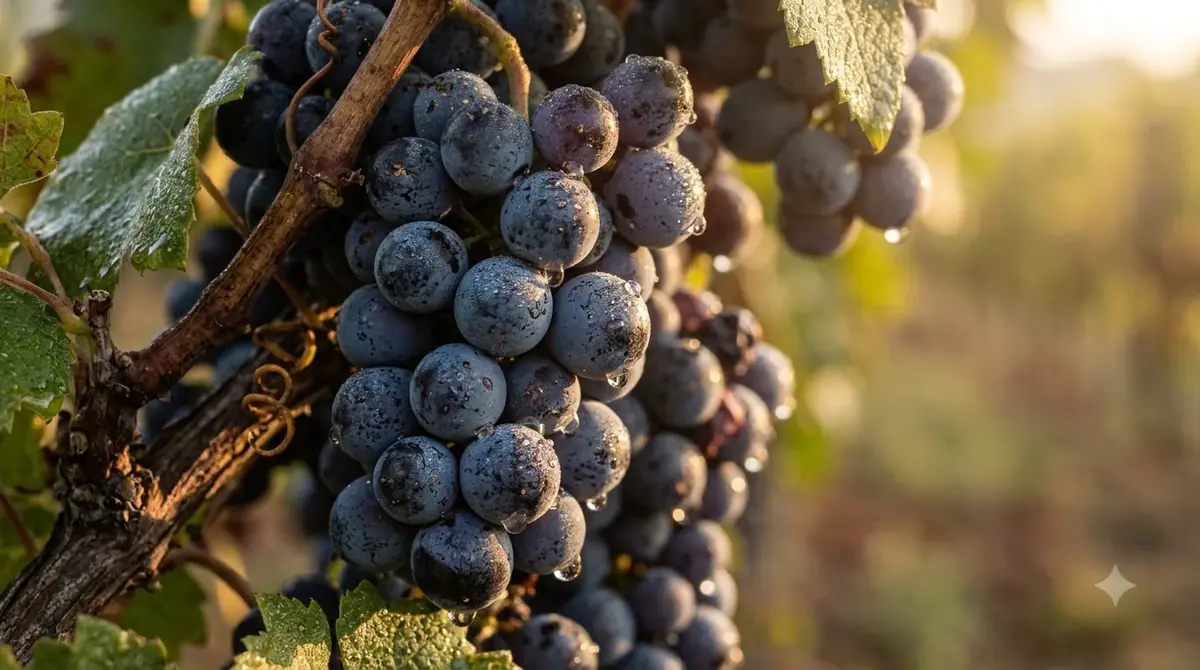
The Great Lakes have a substantial influence on Michigan viticulture. During winter, nearby water helps moderate extreme cold, reducing the risk of damaging grapevines. In spring, the lakes can delay bud break, which helps protect emerging shoots from some late-season frost events. Their influence also helps extend the growing season into autumn, giving grapes additional time to mature.
However, a longer growing season does not mean that every grape variety can grow successfully everywhere in the state. Michigan has significant differences between its northern and southern wine-growing areas. Northwestern vineyards generally experience shorter summers and colder winters, while southwestern Michigan tends to have warmer growing conditions that accommodate a broader selection of later-ripening grapes.
Michigan State University describes average growing seasons of approximately 165 days in northwestern Michigan and 180 days in southwestern Michigan. These differences help explain why Riesling has become particularly important in the north, while Cabernet Franc and other red varieties have established strong positions farther south. Its research on Michigan’s climate and grape varieties explains how the state’s cool-to-cold conditions influence vineyard choices.
Soil and vineyard position also influence grape performance. Leelanau Peninsula contains sandy loam and glacial soils, while the rolling terrain around Old Mission Peninsula provides different sun exposures and drainage conditions. Sloping vineyards can allow cold air to move downhill rather than collecting around the vines, an important advantage during spring and autumn temperature changes.
Michigan growers must also manage rainfall, humidity, and fungal disease pressure. Canopy management, pruning, and appropriate vineyard spacing help sunlight and air reach the grape clusters. These practices are particularly important for varieties that need additional time to ripen.
The result is a wine industry that places considerable emphasis on grape selection. Rather than attempting to reproduce the wines of warmer regions, Michigan producers increasingly concentrate on varieties that express freshness, aromatic detail, and balanced acidity. For a broader explanation of regional growing conditions, explore our overview of the Michigan wine region.
The Five Leading Michigan Wine Grape Varieties
Five grapes dominate modern Michigan wine production: Riesling, Chardonnay, Pinot Noir, Pinot Gris, and Cabernet Franc. Together, these varieties account for more than 75% of the state’s wine-grape vineyard acreage, according to Michigan State University.
Riesling is arguably the defining white grape of Michigan. It performs particularly well in the northern growing regions, where a relatively long autumn allows grapes to develop aromatic complexity while maintaining natural acidity. Depending on harvest decisions and winemaking techniques, Michigan Riesling can produce bone-dry, off-dry, medium-sweet, and late-harvest wines.
Typical Riesling aromas include green apple, lime, lemon, peach, and floral notes. Dry examples often emphasize citrus and mineral impressions, while sweeter versions can show ripe stone fruit and honeyed character. Its naturally high acidity helps balance residual sugar, making it a versatile option for both food pairing and independent enjoyment.
Chardonnay is another important Michigan variety. It grows in both northern and southern parts of the state and can produce several different styles. Stainless-steel fermentation generally preserves apple, pear, and citrus characteristics, while oak aging can introduce toast, vanilla, and a fuller texture.
Michigan Chardonnay is not automatically buttery or heavily oaked. Many producers favor a fresher approach that emphasizes fruit and acidity, while others use barrel fermentation or malolactic fermentation to create richer wines.
Pinot Noir is an important red grape in the northern vineyards. Its relatively early ripening characteristics make it a useful variety for cool-climate growing. Michigan Pinot Noir typically emphasizes red cherry, raspberry, cranberry, and earthy or herbal details rather than the heavier concentration associated with warmer growing regions.
Pinot Gris provides another adaptable option. It can produce crisp, dry whites with pear, apple, citrus, and subtle floral flavors. Some examples have a fuller texture and richer fruit character, depending on ripeness and winemaking choices.
Cabernet Franc completes the five-variety group. It is particularly well suited to southwestern Michigan, where additional warmth helps the grapes achieve ripeness. Typical flavors include raspberry, red cherry, plum, green herbs, and pepper. Compared with Cabernet Sauvignon, Cabernet Franc generally has more moderate tannin and a fresher, more approachable structure.
| Michigan grape statistic | Figure | What it means |
|---|---|---|
| Total wine-grape acreage | 3,375 acres | Michigan’s reported wine-grape cultivation area in 2024 |
| Vinifera share in 1985 | Approximately 10% | Early stage of modern European grape cultivation |
| Vinifera share in 2024 | Approximately 75% | Major shift toward European wine grapes |
| Leading five cultivars | More than 75% | Combined share of total vineyard acreage |
| Recognized Michigan AVAs | 5 | Official American Viticultural Areas |
These figures illustrate how dramatically the state’s wine industry has changed. Michigan once depended much more heavily on hybrids and native varieties, but modern vineyard planting increasingly reflects the performance of European grapes in suitable locations.
For additional background on grape classifications and the differences between wine-growing varieties, our Wine Regions resource provides useful context.
Hybrid and Native Grapes Beyond the Main Varieties
Michigan’s wine identity extends well beyond its five leading vinifera grapes. Cold-hardy hybrids and traditional American varieties remain important because they provide growers with alternatives for locations where European grapevines face greater winter and frost risks.
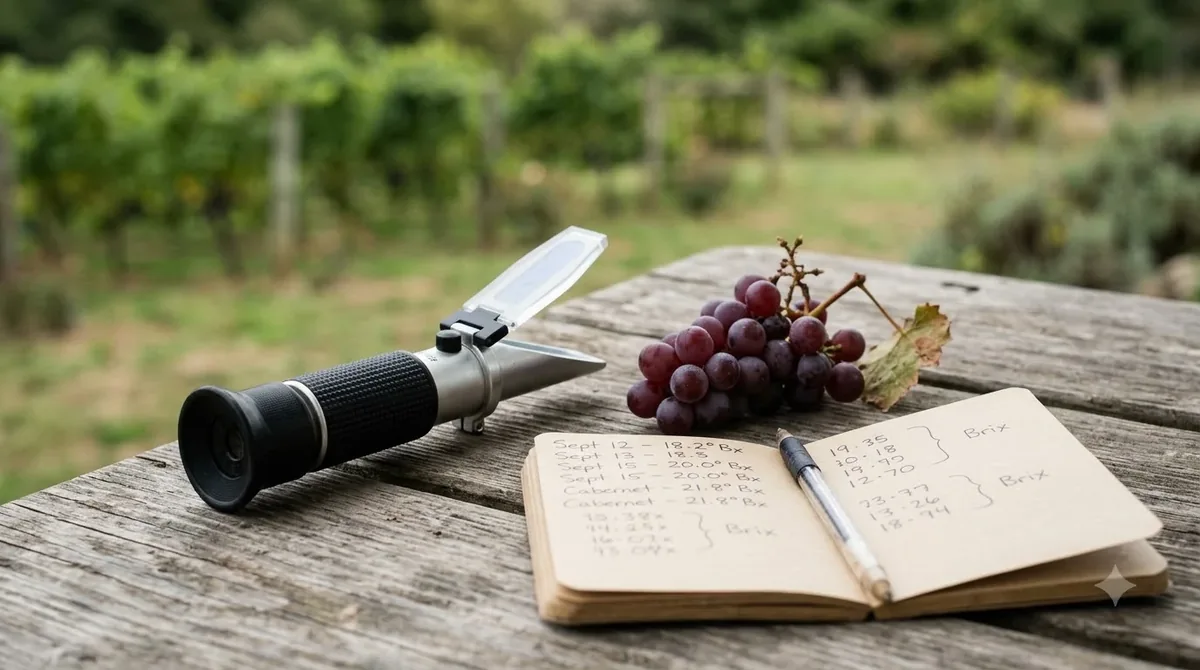
Hybrid grapes are developed by combining genetic material from different grape species. Many have been selected for their ability to tolerate cold temperatures, resist certain diseases, or ripen more reliably under difficult growing conditions. Their flavor profiles and winemaking characteristics vary considerably, so they should not be treated as a single style of wine.
Marquette is one of the best-known cold-hardy hybrid red varieties associated with northern wine-growing areas. It can offer dark cherry, blackberry, plum, and pepper characteristics. Its winter hardiness makes it particularly useful where traditional vinifera varieties may face serious damage.
Chambourcin is another hybrid red grape found in Michigan vineyards. It can produce medium-bodied wines with dark fruit, herbal notes, and a relatively approachable structure. Some producers use it in blends, while others make varietal wines.
Vidal Blanc is a white hybrid with useful cold-climate characteristics. Its wines can show citrus, apple, floral, and tropical fruit notes. Depending on the harvest and winemaking method, Vidal Blanc can produce dry, off-dry, or sweet styles, including wines made from frozen grapes.
Vignoles is another white hybrid associated with Michigan. It can maintain lively acidity and provide ripe fruit aromas, including peach, apricot, and citrus. Its natural acidity makes it particularly suitable for wines that retain some residual sugar.
Seyval Blanc is valued for its adaptability in cooler regions. It generally produces fresh, crisp whites with apple, citrus, and herbal characteristics. It can also be used in sparkling wine production.
Michigan’s traditional native grapes include Concord, Niagara, and Catawba. These varieties have played an important role in the state’s agricultural and wine history. Concord is particularly recognizable for its distinctive grape aroma, while Niagara is frequently associated with fresh, aromatic white wines.
Native varieties are different from European vinifera grapes in their flavor characteristics and typical winemaking applications. They should not be dismissed simply because they produce a different style. Instead, they represent another part of Michigan’s wine heritage.
Another group worth discovering includes Blaufränkisch and Teroldego. These varieties have gained attention through Michigan State University research and specialized plantings. Blaufränkisch can provide dark berry flavors, pepper, and savory character, while Teroldego is associated with deeper color and dark-fruit flavors.
For shoppers, the practical distinction is straightforward: vinifera grapes generally form the foundation of Michigan’s internationally recognizable varietal wines, while hybrids and native varieties contribute cold-climate resilience, regional diversity, and distinctive local styles.
Tip: If you are exploring Michigan wines for the first time, compare a dry Riesling, a Pinot Noir, and a hybrid Marquette. These three bottles illustrate the differences between classic European varieties, cool-climate reds, and cold-hardy grape breeding.
Michigan’s Five AVAs and Their Signature Grapes
Michigan has five American Viticultural Areas, each with its own combination of geography, growing conditions, and grape varieties. The two northern peninsulas are especially associated with aromatic white wines, while the southern AVAs support a broader range of red varieties.
Leelanau Peninsula AVA is located in northwestern Michigan and benefits from the moderating influence of Lake Michigan. Its rolling terrain and glacial soils provide suitable conditions for varieties such as Riesling, Pinot Gris, and Pinot Noir. Pinot Blanc, Gamay, and Blaufränkisch are also part of the area’s cool-climate identity.
Riesling is especially important in Leelanau because its growing characteristics suit the region’s relatively short season. The grape can retain freshness while developing attractive citrus, orchard-fruit, and floral aromas. Pinot Noir provides a contrasting red-wine option with bright fruit and moderate tannin.
Old Mission Peninsula AVA extends into Grand Traverse Bay, creating a distinctive peninsula environment with vineyards on different slopes and exposures. Its close relationship with surrounding water helps moderate temperature extremes.
Riesling, Chardonnay, Pinot Noir, and Pinot Blanc are important grapes here. Grüner Veltliner and Blaufränkisch also appear among the varieties associated with northern Michigan’s wine identity. The area’s reputation for crisp whites reflects the ability of these grapes to maintain acidity in a cool climate.
Lake Michigan Shore AVA occupies a substantial part of southwestern Michigan. Its relatively warmer growing conditions allow producers to cultivate both cool-climate white grapes and a wider selection of red varieties.
Chardonnay, Pinot Gris, Cabernet Franc, Merlot, Syrah, and Cabernet Sauvignon are among the grapes associated with this region. Its greater warmth compared with northern Michigan gives later-ripening red grapes additional opportunities to reach maturity.
Fennville AVA is the oldest and smallest of Michigan’s five AVAs. It is located within the larger Lake Michigan Shore region and shares many of southwestern Michigan’s climatic advantages.
Fennville producers work with Chardonnay, Pinot Gris, Cabernet Franc, and other vinifera and hybrid varieties. The area is also associated with distinctive fruit-driven wines and specialty bottlings. Its warmer location makes it a useful contrast to the cooler northern peninsulas.
Tip of the Mitt AVA is Michigan’s northernmost and newest AVA. Its cooler conditions create particular opportunities for cold-hardy varieties and early-ripening grapes.
Marquette and La Crescent are among the varieties associated with this region. White hybrids and other cold-climate grapes help growers work with conditions that can be challenging for more sensitive vinifera varieties.
According to Pure Michigan, Leelanau Peninsula and Old Mission Peninsula together represent approximately 55% of Michigan wine production. That concentration helps explain the visibility of northern Michigan’s wine tourism, particularly around Traverse City and the surrounding peninsulas.
Visitors can explore these areas through winery visits and organized events. The annual Michigan wine festival is another opportunity to discover different producers and grape varieties without limiting the experience to a single AVA.
What Michigan Wine Grapes Taste Like
Michigan grapes produce several distinct wine styles, but freshness and acidity are recurring characteristics. The state’s cooler conditions often favor aromatic whites, balanced sparkling wines, and reds with moderate alcohol and a lively fruit profile.
Riesling is the clearest example of this regional character. Dry Michigan Riesling can show lemon, lime, green apple, white peach, and mineral notes. Off-dry versions balance fruit sweetness with acidity, while sweeter examples can display ripe apricot and honeyed flavors.
Chardonnay is more variable because winemaking has a significant influence on its final profile. Unoaked versions typically emphasize pear, green apple, citrus, and freshness. Barrel-aged versions can show vanilla, toasted nuts, cream, and additional texture.
Pinot Gris generally produces a lighter white wine with pear, apple, citrus, and floral notes. It can be especially appealing to drinkers who enjoy a dry, aromatic white without the stronger herbal character often associated with Sauvignon Blanc.
Michigan’s sparkling wines also deserve attention. Traditional-method sparkling wines undergo their second fermentation in the bottle, developing additional complexity and fine bubbles. The state’s naturally high-acid grapes provide useful raw material for sparkling wine production.
Red wines show a different expression of the climate. Pinot Noir typically emphasizes cherry, raspberry, cranberry, and earthy notes. Cabernet Franc can provide red currant, plum, pepper, and herbs, with more noticeable tannin than Pinot Noir.
Merlot and Cabernet Sauvignon from warmer southwestern sites can produce fuller-bodied wines. However, Michigan’s climate often results in a different balance from the ripe, high-alcohol styles associated with much warmer regions.
Hybrid reds such as Marquette and Chambourcin expand the selection. Their styles vary by producer, but they can offer approachable fruit, moderate structure, and an alternative to traditional European varieties.
Michigan also produces sweet and specialty wines. Vidal Blanc and Vignoles can be used for sweeter bottlings, while late-harvest grapes and frozen-fruit techniques can concentrate sweetness and flavor. Ice wine is one example of a specialty style that highlights the state’s cold-weather conditions.
Not every Michigan wine is sweet, and not every northern white is off-dry. Producers make wines across the sweetness spectrum, so the distinction between dry, semi-dry, and sweet is important when choosing a bottle.
Food Pairing and Serving Michigan Wines
Michigan wines are particularly flexible at the table because their acidity and moderate structure can complement a wide range of foods. Riesling works with spicy dishes and salty foods, Pinot Noir suits poultry and mushrooms, and Cabernet Franc pairs well with grilled meats and savory vegetables.
Dry Riesling is a useful partner for freshwater fish, shellfish, roast chicken, and vegetable dishes. Its acidity helps cut through richer sauces, while citrus and orchard-fruit flavors complement delicate seafood. Off-dry Riesling is especially effective with moderately spicy Asian dishes because a little sweetness can soften the perception of chili heat.
Chardonnay offers more options depending on its style. A crisp stainless-steel version works well with grilled white fish, roasted vegetables, and simple poultry dishes. A fuller barrel-aged Chardonnay is a better match for cream-based sauces, roast chicken, and richer seafood preparations.
Pinot Gris is a natural choice for salads, grilled shrimp, pork, and mild cheeses. Its fruit character and moderate acidity work well with dishes that do not need a heavily structured wine.
Pinot Noir is particularly versatile. It pairs with roast turkey, duck, mushroom dishes, grilled salmon, and pork tenderloin. Its relatively low-to-medium tannin and high acidity make it more adaptable than many fuller-bodied reds.
Cabernet Franc works with grilled vegetables, herb-roasted lamb, tomato-based dishes, and charcuterie. Its moderate tannin and savory character complement foods with herbs and roasted flavors.
Marquette and Chambourcin can accompany barbecue, burgers, roasted vegetables, and moderately seasoned meat dishes. The best pairing depends on the wine’s actual weight, acidity, and tannin rather than simply its grape name.
Serving temperature makes a noticeable difference. A light Michigan white served too warm can seem heavy, while a red served excessively cold may appear harder and more tannic than intended.
- Dry Riesling: Serve at 45–50°F.
- Chardonnay: Serve at 50–55°F for fuller styles.
- Pinot Gris: Serve at 45–50°F.
- Pinot Noir: Serve at 55–60°F.
- Cabernet Franc: Serve at approximately 60–65°F for fuller examples.
- Michigan sparkling wine: Serve at 40–50°F.
- Sweet Riesling: Serve at 43–50°F.
Pouring approximately 5 ounces per glass allows a standard 750 ml bottle to provide about five servings. If a bottle is not finished, refrigerate opened still wine and generally aim to drink it within 3–5 days. Sparkling wine is best enjoyed within approximately 1–3 days when properly resealed and refrigerated.
When building a pairing, remember three important principles. Sweet wine should generally be at least as sweet as the dessert, acidic foods need wines with equal or higher acidity, and salty or fatty foods can soften the perception of tannin. Chili heat can become more noticeable with high-alcohol, tannic wines, while oily fish can clash with strongly tannic reds.
For Michigan wine lovers, these guidelines make it easy to use regional grapes in everyday meals rather than reserving them for special occasions.
Frequently Asked Questions
What is Michigan’s most famous wine grape?
Riesling is widely regarded as Michigan’s signature wine grape, particularly in the northern peninsulas. Michigan Riesling is also made in several sweetness levels, including sparkling and late-harvest styles. This flexibility has helped the variety become a recognizable part of the state’s wine identity.
Does Michigan grow grapes for Champagne-style sparkling wine?
Yes. Michigan producers make sparkling wines using traditional bottle fermentation as well as other production techniques. Chardonnay and Pinot Noir are suitable traditional-method varieties, while Riesling can also provide excellent acidity for sparkling bottlings. Wines made in Michigan cannot legally use the protected Champagne regional designation unless they originate from Champagne, France.
Can Michigan grow Grüner Veltliner successfully?
Grüner Veltliner is grown in northern Michigan, including the Old Mission and Leelanau areas. It is a cool-climate white grape that can show citrus, green apple, white pepper, and herbal characteristics. Its presence adds another European variety to Michigan’s selection beyond the better-known Riesling and Chardonnay.
Are Michigan wine grapes used to make ice wine?
Yes. Michigan producers make ice wine from grapes that freeze naturally on the vine under suitable winter conditions. Vidal Blanc and Riesling are among the varieties suitable for this style. The frozen grapes are pressed while still frozen, producing a concentrated juice with intense sweetness and acidity.
Are Michigan wine grapes grown in the Upper Peninsula?
Yes, winegrowing also occurs in Michigan’s Upper Peninsula, although it is less established than the main Lower Peninsula wine areas. Its colder climate creates additional challenges for traditional vinifera grapes, making cold-hardy hybrids particularly relevant. Growing conditions vary considerably between individual sites.
Michigan’s wine-grape identity comes from matching varieties to the state’s distinctive Great Lakes climate. Riesling, Chardonnay, Pinot Noir, Pinot Gris, and Cabernet Franc provide a strong foundation, while hybrids and specialty grapes add further diversity. Exploring bottles from different AVAs is one of the best ways to understand how Michigan’s geography shapes the character of its wines.
More in Wine Regions
 Willcox Wine Trail: Discover Arizona’s High-Elevation Wine CountryUpdated Nov 20, 2026
 Yakima Valley Wine Region: Find the Best Styles to TryUpdated Nov 20, 2026
 Vosne Romanee Wine Tasting: Identify Aromas and Choose Better PairingsUpdated Nov 20, 2026
 Yakima Valley Wine Festival: Find the Best Seasonal Wine EventsUpdated Nov 20, 2026
 Wales Vineyards: Discover Cool-Climate Wines and Where to VisitUpdated Nov 20, 2026
 Yountville Wine Festival: Discover Napa Wines and Local FoodUpdated Nov 20, 2026