
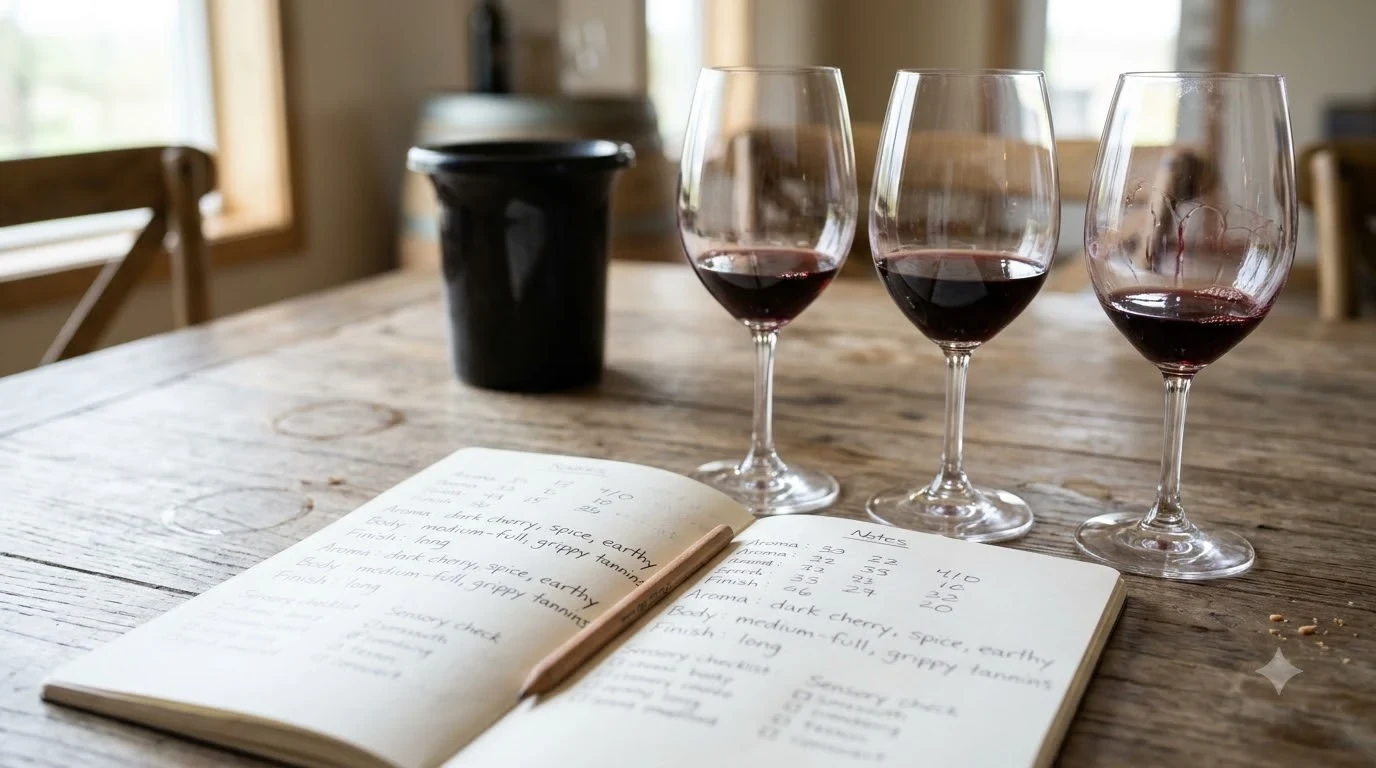

We may earn a commission when you buy through links on this page, at no extra cost to you. Learn more.
Martinborough wine tasting offers visitors the chance to explore New Zealand Pinot Noir, distinctive cool-climate whites, and welcoming vineyard cellar doors in the Wairarapa region. The compact wine village makes it possible to visit several producers without spending hours traveling between vineyards. Visitors can compare established names such as Ata Rangi and Palliser Estate with smaller wineries offering personal tastings, local food, and different interpretations of the area’s distinctive growing conditions.
Located on the southeastern side of New Zealand’s North Island, Martinborough has developed an international reputation for Pinot Noir. Its wine country combines gravelly vineyard soils, relatively low rainfall, sunny growing conditions, and cool winds. Although Pinot Noir attracts the most attention, Sauvignon Blanc, Chardonnay, Pinot Gris, and other varieties give visitors plenty of reasons to explore beyond the region’s signature red. Whether planning a dedicated wine weekend or adding a few cellar doors to a Wairarapa road trip, understanding the local wines and tasting options makes the experience more rewarding.
Martinborough’s Wine Region and Growing Conditions
Martinborough is a small but influential wine-producing area within Wairarapa, southeastern New Zealand. Its combination of gravel-based soils, sunny conditions, relatively low rainfall, and cool southerly winds helps explain why its Pinot Noir has developed such a distinctive reputation.
The modern wine industry began in 1980, when Clive Paton of Ata Rangi and three other growers established vineyards in the area. Their decision helped establish a wine-growing community around Martinborough village. According to Decanter, the region has approximately 980 hectares of planted vineyards and around 66 producers. Although it represents approximately 3% of New Zealand’s vineyard area, it produces about 1% of the country’s wine.
The landscape plays an important role in the character of the wines. Much of the vineyard area sits on old river terraces containing alluvial gravels, with clay deposits in some locations and limestone bedrock beneath. These conditions create a distinctive growing environment for varieties that benefit from controlled vine growth and careful vineyard management.
Martinborough also receives relatively low rainfall and enjoys substantial sunshine. However, cold southerly winds can affect flowering and fruit set, reducing potential yields. Large differences between daytime and nighttime temperatures help grapes retain freshness while developing ripe flavors. These factors contribute to wines that often combine concentrated fruit with noticeable acidity and savory complexity.

Pinot Noir remains the region’s best-known variety, but its identity is not limited to one grape. Sauvignon Blanc represents approximately 48% of planted vineyard area, while Pinot Noir accounts for just under 40%. Chardonnay represents around 5%, with Pinot Gris and other varieties completing the regional selection. Visitors interested in understanding New Zealand’s broader wine geography can compare these characteristics with other destinations in our Wine Regions collection.
Grapes and Wine Styles to Look for During Tastings
Pinot Noir should be the starting point for most Martinborough tasting itineraries, but the region’s white wines deserve equal attention. Sampling several varieties allows visitors to understand how local conditions influence wines with different structures, aromas, and food-pairing possibilities.
Pinot Noir: The Regional Signature
Martinborough Pinot Noir typically combines red cherry, raspberry, plum, and darker berry flavors with earthy, herbal, or savory notes. Depending on the producer and vintage, additional aromas can include dried herbs, mushroom, forest floor, and subtle spice. The wines generally have medium body, relatively low to medium tannin, and refreshing acidity.
Compared with some more fruit-forward New Zealand Pinot Noir styles, Martinborough examples are often recognized for their concentration and savory character. The relatively small crops associated with local growing conditions can contribute to concentrated fruit, although individual wines vary considerably according to vineyard location and winemaking decisions.
The Abel clone has an important place in Martinborough’s history. Early Pinot Noir plantings included this selection, and it remains popular among local producers. Dijon clones have also become more widely planted. Tasting wines from different producers can reveal how vineyard selection, harvest timing, fermentation, and oak treatment influence the finished wine.
Sauvignon Blanc: Freshness and Aromatic Intensity
Sauvignon Blanc is another major reason to visit Martinborough. These wines commonly feature citrus, gooseberry, green apple, fresh herbs, and sometimes tropical fruit. High acidity gives them a crisp profile that works particularly well with seafood, salads, and fresh cheeses.
Compared with the most familiar examples from Marlborough, Martinborough Sauvignon Blanc can show a different balance of fruit, herbal character, and texture. Producer choices and vineyard conditions create considerable variation, so it is useful to compare two or three bottles rather than assume all regional Sauvignon Blanc tastes alike.
Chardonnay and Pinot Gris
Chardonnay offers another useful comparison. Martinborough examples can show citrus, stone fruit, apple, and subtle mineral or savory characteristics. Some producers use oak fermentation or maturation to add texture and complexity, while other wines emphasize freshness and fruit expression.
Pinot Gris is also worth including in a tasting flight. Depending on ripeness and production methods, it can show pear, apple, citrus, and gentle spice, with a texture ranging from crisp and light to fuller and more rounded. Visitors who enjoy comparing regional white-wine traditions may also appreciate the different aromatic profiles found during Alsace wine tasting, particularly in Riesling and Pinot Gris.
The following overview provides a useful starting point when deciding which wines to request at a cellar door.
| Grape variety | Approximate vineyard share | Typical characteristics | What to compare |
|---|---|---|---|
| Pinot Noir | Just under 40% | Cherry, raspberry, savory herbs, moderate structure | Fruit concentration, acidity, oak influence |
| Sauvignon Blanc | 48% | Citrus, gooseberry, herbs, fresh acidity | Fruit intensity, texture, herbal character |
| Chardonnay | Around 5% | Citrus, stone fruit, apple, possible oak spice | Freshness, weight, oak treatment |
| Pinot Gris | Not specified | Pear, apple, citrus, gentle spice | Dryness, texture, aromatic intensity |
The vineyard percentages are approximate figures reported by Decanter, and the descriptions represent general tasting characteristics rather than guaranteed profiles for every bottle. Ask the tasting-room host which wines best illustrate the differences between vineyard sites and production methods.
Best Wineries and Cellar Doors to Visit
Martinborough offers a mixture of established producers, boutique vineyards, and larger hospitality-focused tasting destinations. A good itinerary includes at least one producer known for Pinot Noir, one winery offering a different interpretation of the region, and a cellar door where visitors can enjoy food alongside their wine.
Ata Rangi
Ata Rangi is one of the region’s original Pinot Noir producers and an important name in New Zealand wine history. Its location at 14 Puruatanga Road makes it a convenient stop for visitors exploring the village’s vineyard area.
The winery offers a particularly interesting experience for people who want to understand the connection between vineyard history and wine style. Its Signature Experience includes a walk through the vineyard, a visit to the original Abel clone plantings, and a hosted tasting of selected wines. Depending on the selection, guests may encounter single-vineyard wines and older vintages.
The regular wine shop and cellar door also provide an option for visitors who prefer a shorter, more flexible stop. This is a useful choice for comparing current releases without committing to a longer hosted experience.
Palliser Estate
Palliser Estate is another important Martinborough producer, particularly for Pinot Noir and Chardonnay. Its cellar door is located at 96 Kitchener Street, making it accessible from the village center.
The winery combines wine tasting with a hospitality experience. Visitors can explore its wines and, when available, enjoy seasonal food at Kitchen by Norka. This makes Palliser a suitable stop for travelers who want to include a relaxed meal in their wine itinerary rather than move between tasting rooms throughout the entire day.
Escarpment Winery
Escarpment is situated on Te Muna Road, approximately five minutes by car from Martinborough village. Its vineyards occupy an old river terrace containing deep gravels and alluvial loam, making it an interesting destination for visitors who want to explore the relationship between vineyard location and wine character.
The tasting selection includes Pinot Noir, Chardonnay, Pinot Blanc, and Pinot Gris. A guided experience generally takes approximately 45 to 50 minutes, allowing visitors time to discuss the wines with the team. Booking ahead is recommended, especially for travelers organizing several appointments in one day.
Poppies Martinborough
Poppies Martinborough offers a more personal boutique-winery experience. Poppy and Shayne Hammond opened the winery in 2012 after developing experience in the local wine industry.
The tasting room provides an opportunity to explore wines made by the husband-and-wife team in a setting that emphasizes hospitality and traditional winemaking. It is a worthwhile addition for visitors who want to compare a smaller producer with the more established regional names.
The Runholder and Nga Waka
The Runholder brings together Te Kairanga, Martinborough Vineyard, and Lighthouse Gin at 89 Martins Road. It combines a tasting room, restaurant facilities, and vineyard views, offering an efficient option for visitors who want several experiences in one location.
Nga Waka, established in 1988, provides another useful comparison. Its cellar door is located at the original Home Block vineyard on Kitchener Street, where visitors can explore Pinot Noir and Chardonnay while enjoying views of the surrounding hills.
Other destinations worth considering include Luna Estate, which combines wine tasting with landscaped gardens and the Eclipse Restaurant, and Tirohana Estate, whose vines were planted in 1988. The regional Wairarapa cellar-door directory is a useful resource for identifying additional producers and checking their current visiting arrangements.
Planning a Martinborough Wine-Tasting Itinerary
Martinborough’s compact vineyard landscape makes it possible to visit multiple cellar doors without extensive driving. However, a successful itinerary depends on realistic timing, advance reservations where necessary, and a clear plan for transportation.
For a first visit, two or three wineries in one day provide a comfortable introduction. A morning appointment at Ata Rangi, a midday stop for lunch, and an afternoon visit to Palliser Estate or another nearby producer allow enough time to appreciate each tasting without rushing.
Visitors with a stronger interest in wine production can replace one casual stop with a longer guided experience at Escarpment or a hosted vineyard tasting. These experiences provide more context about soils, vineyard management, grape selection, and the decisions involved in producing Pinot Noir.
Suggested One-Day Schedule
The following schedule is a planning example rather than a fixed timetable. Actual appointment availability and opening hours vary between wineries, so arrange the visits before setting out.
- 10:30 a.m.: Arrive in Martinborough village and enjoy a coffee before the first tasting.
- 11:00 a.m.: Visit Ata Rangi for a hosted experience or regular cellar-door tasting.
- 12:15 p.m.: Take a lunch break at a winery restaurant or a village dining venue.
- 1:45 p.m.: Visit Palliser Estate or Nga Waka to compare additional regional wines.
- 3:00 p.m.: Finish with a guided tasting at another producer, such as Escarpment, if an appointment is available.
- 4:00 p.m.: Return to the village, browse local shops, or enjoy a relaxed non-alcoholic drink before departure.
Travelers with two days available can take a slower approach. The first day can focus on the established producers around Martinborough village, while the second can include a longer visit to Te Muna Road and additional wineries in the wider Wairarapa area.
Walking and cycling are practical options for exploring nearby cellar doors, although distances, road conditions, and the number of planned tastings should influence the decision. A bicycle can make short journeys pleasant, but visitors should never cycle after drinking. For a full tasting itinerary, a designated driver or organized transportation is the more responsible choice.
Tip: Book appointment-only experiences before traveling, particularly at smaller wineries. Allow approximately 45 to 60 minutes for a guided tasting, leave time for lunch, and confirm each cellar door’s current hours before departure.
How to Taste and Compare Martinborough Wines
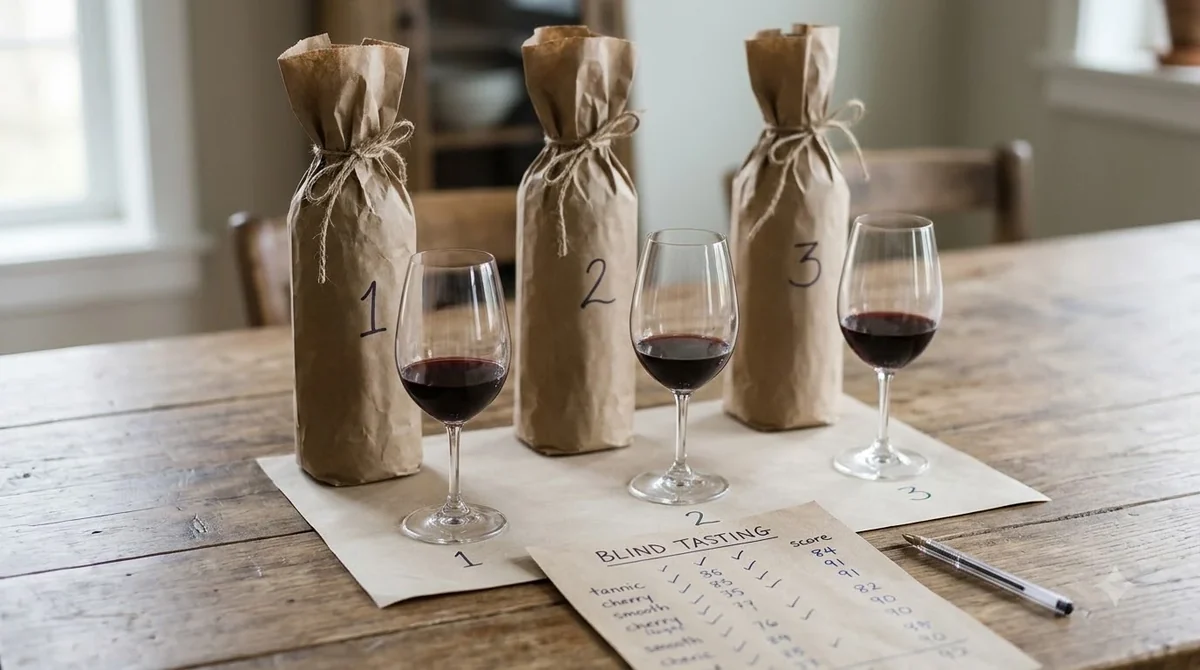
A thoughtful tasting sequence makes it easier to recognize differences between producers and grape varieties. Start with lighter white wines, move toward fuller Chardonnay, and finish with Pinot Noir or other structured reds. This approach helps preserve the perception of delicate aromas and flavors throughout the visit.
Begin by observing the wine’s appearance. Pinot Noir generally has a lighter color than Cabernet Sauvignon or Syrah, with shades ranging from pale ruby to deeper garnet. White wines can vary from pale straw to deeper golden tones, depending on grape variety, ripeness, and winemaking choices.
Next, smell the wine before tasting. Look for fruit aromas first, then consider whether herbal, floral, earthy, mineral, or spice characteristics become noticeable. With Martinborough Pinot Noir, pay particular attention to the relationship between red fruit and savory notes.
On the palate, consider acidity, tannin, body, alcohol, and finish. Pinot Noir generally has lower tannin than Cabernet Sauvignon, while retaining enough acidity to provide freshness. Sauvignon Blanc usually shows higher acidity and a more immediately refreshing profile. Chardonnay tends to offer medium acidity and can feel fuller depending on maturation and winemaking techniques.
Questions to Ask at the Cellar Door
The tasting-room conversation is one of the most valuable parts of visiting a small wine region. Rather than simply asking which wine is the best, ask questions that reveal differences between vineyard sites and winemaking approaches.
- Which vineyard blocks contribute to this Pinot Noir?
- Does the wine come from Abel or Dijon Pinot Noir clones?
- How does the producer use whole-bunch fermentation?
- How much new oak is used during maturation?
- How does the wine change between its current release and an older vintage?
- Which white wine best represents the local growing conditions?
These questions can lead to more informative comparisons than simply moving from one tasting flight to another. They also help explain why two Martinborough Pinot Noirs can taste different even when they come from neighboring vineyards.
Serving temperature also affects the experience. Light whites and rosé are generally best served around 45 to 50 degrees Fahrenheit, while full-bodied whites are more expressive around 50 to 55 degrees. Light reds such as Pinot Noir are generally best around 55 to 60 degrees Fahrenheit. Serving a red wine too warm can make its alcohol seem more prominent and reduce the perception of freshness.
When purchasing wine to take home, consider how soon you intend to drink it. Store bottles on their sides in a cool, relatively stable environment near 55 degrees Fahrenheit. Young, full-bodied reds may benefit from 30 to 60 minutes of decanting, although most approachable Pinot Noir does not require lengthy aeration.
Food Pairings and Local Dining Experiences
Food is an important part of a Martinborough wine visit, and the region offers several opportunities to combine cellar-door tastings with lunch or a leisurely meal. The most successful pairings respect the wine’s acidity, tannin, body, and sweetness rather than relying on grape variety alone.
Pairing Pinot Noir with Food
Martinborough Pinot Noir works particularly well with roast chicken, duck, mushroom dishes, pork, and grilled salmon. Its moderate structure and relatively gentle tannin make it versatile enough for foods that would overwhelm a more heavily structured red.
Earthy mushroom preparations are especially useful because their savory character complements the herbal and earthy notes that can appear in regional Pinot Noir. Roast duck with cherry sauce also provides an effective contrast between the wine’s red-fruit character and the richness of the meat.
For cheese, consider softer varieties and moderately aged cheeses. Salt and fat can soften the perception of tannin, making food-friendly red wines feel rounder and less drying. However, very strong cheeses can dominate delicate Pinot Noir, so choose accompaniments that allow the wine to remain noticeable.
White Wines and Seafood
Martinborough Sauvignon Blanc is a natural companion for oysters, white fish, prawns, fresh salads, and goat cheese. Its acidity provides a refreshing contrast to seafood and dishes containing citrus or fresh herbs.
Chardonnay can work with roast chicken, grilled fish, creamy pasta, and richer vegetable dishes. A more lightly oaked example is particularly suitable for delicate fish, while fuller styles can handle dishes with butter-based sauces.
Pinot Gris is flexible with pork, lightly spiced Asian dishes, grilled vegetables, and mild cheeses. Its texture and fruit character can complement foods that are slightly richer than those typically served with Sauvignon Blanc.
Balancing Sweetness, Acidity, and Spice
Acidity is especially important when pairing wine with food. A dish containing lemon, vinegar, or a sharp vinaigrette needs a wine with equal or higher acidity, otherwise the wine can taste flat. Sauvignon Blanc is often a useful choice for these combinations.
Spicy food requires more care. Alcohol and tannin can amplify the sensation of chili heat, so a highly alcoholic or strongly tannic wine may make a spicy dish feel hotter. A fresher white wine with moderate alcohol is often a more comfortable option.
Sweetness also matters. A wine should be at least as sweet as the dessert served with it; otherwise, the wine can seem sour or thin. For visitors who enjoy exploring contrasting wine regions and red-wine traditions, Bolgheri wine tasting offers an interesting comparison with Martinborough’s generally lighter, more delicate Pinot Noir style.
For a relaxed lunch, Luna Estate is particularly convenient because its Eclipse Restaurant is associated with the winery’s garden setting. The Runholder is another option for visitors interested in combining wine, food, and vineyard views at a single destination.
Frequently Asked Questions
How far is Martinborough from Wellington?
Martinborough is approximately 80 kilometers from Wellington by road, although the actual journey depends on the route and traffic conditions. The trip typically involves crossing the Remutaka Range, making the drive an attractive part of a wider Wairarapa visit. Travelers should allow additional time for road conditions and planned stops.
Can beginners enjoy Martinborough wine tasting?
Yes. Many cellar doors welcome visitors who are new to wine and offer guided explanations of their selections. Ata Rangi specifically describes its tasting experiences as suitable for both wine enthusiasts and people starting their wine journey. Asking for a comparison between two wines is an easy way to learn about acidity, tannin, and aroma.
Are Martinborough wineries suitable for small groups?
Many producers accommodate small groups, although individual booking policies differ. Ata Rangi limits its hosted Signature Experience to six people, while its regular wine shop also has a six-person maximum for its listed tasting arrangements. Larger parties should contact wineries in advance to discuss suitable options.
Does Martinborough produce sparkling wine?
Yes. Sparkling wine is part of the broader regional selection, although Pinot Noir remains the main attraction. Palliser Estate is one local producer associated with sparkling wine production. Visitors interested in traditional-method sparkling wines can ask about bottle fermentation and the time spent aging on lees.
Can visitors buy older Martinborough wine vintages?
Some producers make selected older releases available through special tastings or winery cellar collections. The Runholder is identified as a destination for rare, new-release, and library wines from Martinborough Vineyard and Te Kairanga. Availability depends on the producer’s collection and the wines offered during a particular visit.
Martinborough is an excellent destination for discovering the character of New Zealand Pinot Noir while exploring Sauvignon Blanc, Chardonnay, and other regional varieties. With approachable cellar doors, knowledgeable hosts, and wineries close to the village, even a short visit can provide a meaningful introduction to Wairarapa wine. Plan a manageable tasting schedule, leave time for local food, and compare wines from different producers to appreciate what makes Martinborough distinctive.
More in Wine Regions
 Willcox Wine Trail: Discover Arizona’s High-Elevation Wine CountryUpdated Nov 20, 2026
 Yakima Valley Wine Region: Find the Best Styles to TryUpdated Nov 20, 2026
 Vosne Romanee Wine Tasting: Identify Aromas and Choose Better PairingsUpdated Nov 20, 2026
 Yakima Valley Wine Festival: Find the Best Seasonal Wine EventsUpdated Nov 20, 2026
 Wales Vineyards: Discover Cool-Climate Wines and Where to VisitUpdated Nov 20, 2026
 Yountville Wine Festival: Discover Napa Wines and Local FoodUpdated Nov 20, 2026