

We may earn a commission when you buy through links on this page, at no extra cost to you. Learn more.
The martinborough wine trail is a collection of vineyard cellar doors surrounding Martinborough village in New Zealand’s Wairarapa region, best explored on foot, by bicycle, or with a designated driver. The area has more than 20 cellar doors, many within easy reach of the central village square. Pinot Noir is the signature wine, but Sauvignon Blanc, Chardonnay, Pinot Gris, and Syrah give visitors plenty of variety to discover.
Martinborough offers a different kind of wine-country experience from sprawling vineyard destinations where each tasting requires a long drive. Here, a compact village, relatively flat country roads, small producers, and distinctive vineyard sites make it possible to build a relaxed tasting itinerary without spending the entire day in a vehicle. Whether you have a few hours or a full weekend, understanding the local geography, grape varieties, and cellar-door options will help you make the most of your visit.
What Makes the Martinborough Wine Trail Special?
The Martinborough wine trail combines a compact vineyard landscape with a distinctive cool-climate wine identity. Its more than 20 cellar doors, free-draining terrace soils, and concentration of small producers make it particularly rewarding for visitors interested in Pinot Noir and regional wine differences.
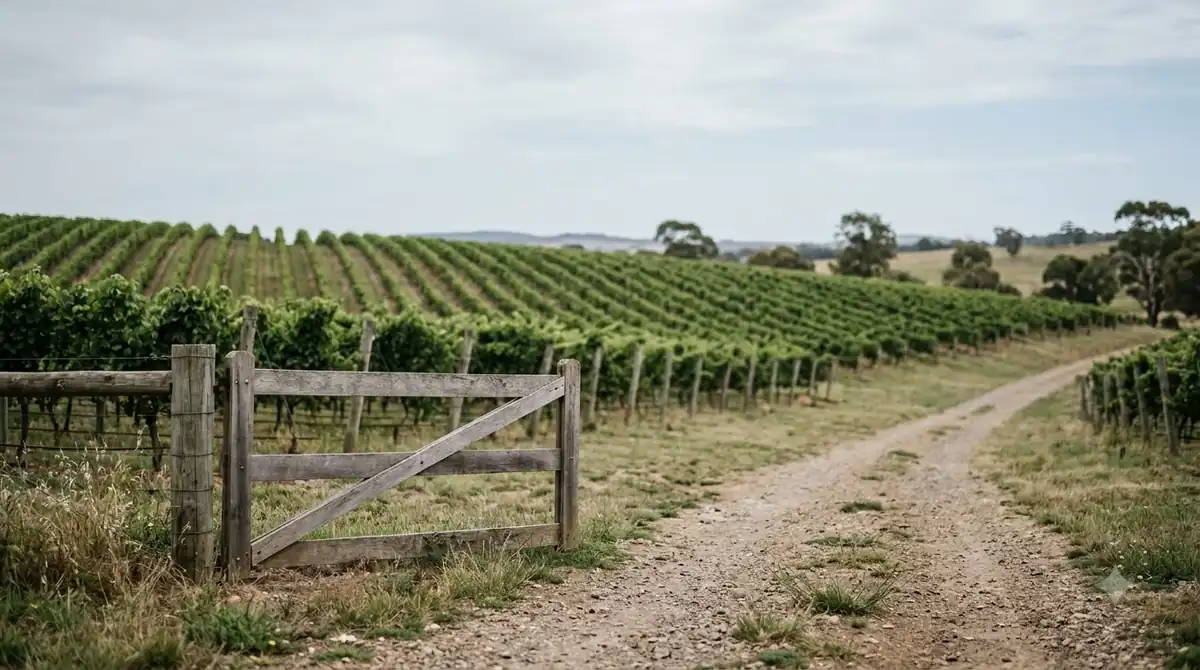
Martinborough sits in the southern part of Wairarapa, on New Zealand’s North Island. It is the best-known wine subregion in the wider district, which also includes Gladstone and Masterton. Although these areas share some broad climatic characteristics, Martinborough has developed a particularly strong reputation for its vineyard-grown Pinot Noir.
One of the area’s most recognizable characteristics is its landscape. Vineyards occupy terraces featuring alluvial gravels and clay silts. These soils are generally free-draining, while the relatively dry climate helps create growing conditions that differ from wetter wine-producing areas. According to the Wairarapa wine association, these terrace soils contribute to smaller, concentrated berries and wines with distinctive character.
The climate also plays an important role. Martinborough experiences warm daytime conditions, cool nights, low rainfall, and sometimes challenging southerly winds. The temperature differences between day and night help grapes develop flavor while retaining freshness. Strong winds can affect flowering and fruit set, which helps explain why vineyard yields can be relatively low.
Decanter describes Martinborough as a small but influential Pinot Noir-producing area. Its regional overview identifies approximately 980 hectares of vineyards, a modest proportion of New Zealand’s overall vineyard landscape. That relatively limited scale helps explain why visitors encounter a concentrated community of specialist growers rather than an enormous industrial wine district.
The village itself adds another reason to visit. Founded by John Martin in 1875, Martinborough has an unusual Union Jack-inspired street layout. Its central square provides a convenient reference point for finding nearby wineries, restaurants, accommodation, and bicycle-hire businesses.
For American travelers comparing international wine destinations, Martinborough has some similarities to smaller European wine villages. It rewards a slower pace, encourages conversations with producers, and makes vineyard geography an important part of understanding the wines. Visitors interested in exploring other regional wine destinations can also compare its compact layout with the Traverse City wine trail.
Which Wines and Grape Varieties Should You Taste?
Pinot Noir should be the starting point for most Martinborough tastings, followed by Sauvignon Blanc, Chardonnay, and Pinot Gris. These varieties show how the area’s cool, dry conditions and varied vineyard soils influence both red and white wines.
Martinborough is particularly associated with Pinot Noir. Regional examples often combine ripe cherry and red-fruit flavors with earthy, savory notes, fresh acidity, and fine tannins. The style can be expressive without relying on heavy extraction or excessive oak influence. Rather than expecting every bottle to taste alike, pay attention to differences in fruit intensity, texture, spice, and structure.
Pinot Noir: The Regional Signature
Pinot Noir is the essential tasting for a first-time visitor. The grape performs well in cooler climates because it can develop aromatic complexity while maintaining acidity. Martinborough versions often feature cherry, raspberry, plum, forest-floor, and subtle spice characteristics.
Try comparing wines from at least two producers. One may emphasize fresh red fruit and delicate floral aromas, while another may show more savory depth, earthy character, or structured tannins. Differences can reflect vineyard position, soil composition, grape-growing decisions, fermentation practices, and oak treatment.
Pay particular attention to the finish. A well-balanced Pinot Noir can feel relatively light on the palate while retaining considerable flavor and complexity. It is a useful example of how intensity does not necessarily require a full-bodied wine.
Sauvignon Blanc: Freshness and Aromatics
Sauvignon Blanc provides a contrasting experience. Martinborough examples can display citrus, passion fruit, fresh herbs, and mineral impressions. Compared with the familiar pungent styles often associated with Marlborough, some Wairarapa examples place greater emphasis on texture and restrained aromatic expression.
Its naturally high acidity makes Sauvignon Blanc a useful companion for seafood, shellfish, salads, and goat cheese. Visitors should compare its freshness with the richer texture and more restrained aromatics that can appear in the region’s Chardonnay.
Chardonnay, Pinot Gris, and Syrah
Chardonnay deserves attention because the region produces wines with citrus character, acidity, minerality, and savory complexity. Depending on the producer’s approach, the wine may emphasize fresh fruit, fermentation character, or oak-derived texture. It can offer a useful comparison with Pinot Noir from the same producer.
Pinot Gris provides another perspective. It can range from crisp and relatively light to richer, more textured expressions. The long growing season also allows some producers in the wider Wairarapa region to make late-harvest and botrytized styles.
Syrah is worth seeking out if you enjoy savory red wines with pepper, dark fruit, and spice. It is not as closely identified with Martinborough as Pinot Noir, but it demonstrates that the area’s wine identity extends beyond a single grape variety.
Tip: Ask for a Pinot Noir and a white wine from the same producer. Comparing the two side by side can reveal how the vineyard’s growing conditions translate into different expressions across grape varieties.
Which Martinborough Wineries Belong on Your Itinerary?
A good first visit should include a mixture of established producers, smaller cellar doors, and at least one destination where you can enjoy food alongside a tasting. Ata Rangi, Palliser Estate, Escarpment Vineyard, Dry River Wines, Nga Waka, and Poppies Martinborough are useful starting points for researching the local wine scene.
Martinborough’s producer community includes wineries with different approaches to winemaking. Some are especially associated with Pinot Noir, while others offer broader portfolios that include Sauvignon Blanc, Chardonnay, and aromatic varieties. Visiting more than one producer helps demonstrate the differences between vineyard sites and winemaking philosophies.
Ata Rangi
The Wairarapa wine association’s Martinborough producer directory includes Ata Rangi among the area’s established wineries. The producer is particularly relevant to anyone interested in the region’s modern Pinot Noir history.
Ata Rangi is associated with the pioneering generation of Martinborough winegrowers. Its name frequently appears in discussions of the region’s international reputation for Pinot Noir. A visit can provide an opportunity to explore how a specialist producer interprets the area’s distinctive growing conditions.
Palliser Estate
Palliser Estate is another established name in Martinborough. It is a useful inclusion for visitors who want to explore a range of regional wine styles rather than concentrating exclusively on Pinot Noir.
Its presence in the local wine community makes it a natural candidate for an itinerary that combines a structured tasting with a broader understanding of Wairarapa wine production. Check tasting availability and current visitor arrangements before making it a fixed stop.
Escarpment Vineyard and Dry River Wines
Escarpment Vineyard is particularly relevant for visitors interested in Pinot Noir and the influence of individual vineyard sites. Comparing its wines with another local producer can help reveal differences in fruit character, structure, and winemaking choices.
Dry River Wines is another recognizable Martinborough producer. It is associated with the area’s development as a premium wine destination and is worth researching if your main interest is regional wine history and distinctive red wines.
Nga Waka and Poppies Martinborough
Nga Waka provides another useful tasting option. Its cellar door is listed at 66 Kitchener Street, within approximately a ten-minute walk of the center of Martinborough, according to its tourism listing. Its published visitor information describes guided tastings lasting around 40 to 50 minutes, with bookings essential for that particular experience.
Poppies Martinborough is also worth considering, particularly if you want to combine wine tasting with food. Vineyard restaurants and food-focused cellar doors can provide a welcome break between tastings and make the day more varied.
Remember that not every winery operates on identical hours or offers the same tasting arrangements. Some cellar doors operate on selected days, while others require advance reservations. A little planning prevents unnecessary detours and makes it easier to spend time with the producers that interest you most.
How to Plan a Martinborough Wine Trail Route
The most practical approach is to begin in Martinborough village and visit a small selection of nearby wineries before returning to the center for lunch or an evening meal. Three or four carefully selected cellar doors generally provide a more enjoyable experience than trying to visit every available tasting room in one afternoon.
The village square is the natural starting point because many vineyards are within walking or cycling distance. The roads around the town are relatively flat, and the compact vineyard layout makes it easier to organize a circular outing rather than repeatedly traveling between distant locations.
A Half-Day Itinerary
If you have approximately four hours, choose two or three tasting stops. Start with a producer specializing in Pinot Noir, then visit a second cellar door with a different selection of wines. Finish with a relaxed lunch or a final tasting near the village.
This approach works particularly well for visitors arriving from Wellington who do not want to spend an entire day in the region. It also leaves room for a walk around the village, browsing local businesses, and enjoying the distinctive architecture of the town center.
A Full-Day Itinerary
For a full day, plan approximately five to seven hours of vineyard and food experiences, allowing for travel and breaks. An example schedule might look like this:
| Time | Activity | Purpose |
|---|---|---|
| 10:00 a.m. | Arrive in Martinborough village | Collect a map and confirm bookings |
| 10:30 a.m. | First cellar-door visit | Begin with regional Pinot Noir |
| 11:45 a.m. | Second winery | Compare different producers |
| 1:00 p.m. | Vineyard lunch | Enjoy a longer food break |
| 2:15 p.m. | Third cellar door | Explore Sauvignon Blanc or Chardonnay |
| 3:30 p.m. | Final tasting or village visit | Finish at a comfortable pace |
| 4:30 p.m. | Return to accommodation or transport | Allow time for the journey |
This is a suggested structure rather than a fixed tour timetable. Actual opening hours, tasting durations, reservation availability, and travel distances vary between wineries. If you plan to visit several cellar doors, contact them beforehand to confirm that the schedule is practical.
For a more focused experience, select wineries according to a theme. A Pinot Noir itinerary might include three producers with different vineyard backgrounds. A mixed-variety itinerary could include Pinot Noir, Sauvignon Blanc, Chardonnay, and Syrah, providing a broader introduction to Martinborough.
How Many Tastings Are Enough?
Three or four wineries are usually sufficient for a satisfying full-day visit. The objective should be to compare wines carefully, ask questions, and enjoy the surroundings rather than accumulate as many tastings as possible.
Allow approximately 45 to 60 minutes for a relaxed cellar-door experience, with additional time for lunch and cycling or walking. A longer appointment may be appropriate for a guided tasting or a conversation about vineyard sites and winemaking.
Groups of six or more should be especially careful about advance arrangements. Some producers require bookings for larger groups, and visitor facilities may have limited capacity.
Getting Around Martinborough: Walking, Cycling, and Driving
Cycling is one of the most enjoyable ways to experience the Martinborough wine trail because many cellar doors are close to the village and the surrounding country roads are relatively flat. Walking works for a smaller selection of nearby stops, while a designated driver, private tour, or organized transport is the better choice for groups planning several tastings.
Martinborough’s geography makes independent exploration relatively straightforward. Unlike wine destinations where vineyards are separated by long stretches of highway, many of the local tasting rooms can be reached from the central square without extensive travel.
Exploring by Bicycle
Bike hire is widely associated with the Martinborough wine experience. Green Jersey Cycles and Indi Bikes Martinborough are listed by the regional wine association as local bicycle-hire options. Some accommodations also provide bicycles or can help arrange rentals.
The Automobile Association of New Zealand highlights the area’s flat country roads as suitable for cycling between wineries. This makes cycling particularly appealing to visitors who want to enjoy the landscape and avoid having to move a car after every tasting.
However, cycling still requires sensible planning. Follow local road rules, use appropriate safety equipment, and never ride after consuming alcohol. Arrange a non-drinking companion or alternative transport if your itinerary includes wine tastings.
Walking Between Cellar Doors
Walking is practical if you select wineries close to the village. Nga Waka, for example, is described in its tourism listing as approximately ten minutes on foot from the town center.
Before setting out, identify the exact locations of your chosen wineries. A map can help distinguish genuinely walkable stops from those that require a longer journey along country roads. Also allow extra time for weather, vineyard entrances, and breaks.
Arriving from Wellington
Wellington is the principal gateway for many international and domestic visitors. The journey to Martinborough can be made by car or through a combination of public transport services.
According to the Wairarapa wine association, travelers can take the Wairarapa Line train from Wellington Central Station to Featherston and then connect to Martinborough using the 200 or 205 bus services.
Driving offers more flexibility, especially if you want to explore vineyards beyond the immediate village area. The route crosses the Remutaka Hill area, making the journey part of the wider countryside experience.
Visitors who prefer not to drive can consider a guided wine tour or arrange a combination of train, bus, and local transportation. Confirm departure times and connections before traveling, particularly if you are planning a return journey on the same day.
Martinborough Wine and Food Pairing Ideas
Martinborough’s wines work particularly well with seafood, grilled meats, mushrooms, seasonal vegetables, and dishes featuring fresh herbs. Pinot Noir is the natural choice for many local food pairings, while Sauvignon Blanc and Chardonnay provide refreshing alternatives for lighter meals.
Food is an important part of a vineyard visit because it gives you an opportunity to experience how acidity, tannin, fruit character, and texture interact with different ingredients. Rather than treating lunch as an interruption, make it part of the day’s tasting plan.
Pinot Noir with Duck, Lamb, and Mushrooms
Martinborough Pinot Noir pairs well with roast duck, grilled lamb, mushroom dishes, and herb-seasoned poultry. Its moderate body, fresh acidity, and relatively restrained tannins allow it to complement savory dishes without overpowering them.
For example, roast duck with cherry sauce can bring out the wine’s red-fruit character. A mushroom risotto offers another appealing match because earthy flavors complement the savory side of Pinot Noir.
Grilled lamb with rosemary is also a useful option. The meat’s richness softens the wine’s tannins, while the acidity helps balance the fat and savory seasoning.
Sauvignon Blanc with Seafood
Sauvignon Blanc’s high acidity makes it particularly useful with oysters, shellfish, grilled white fish, and salads dressed with citrus. Its fresh herbal and fruit characteristics can complement ingredients such as parsley, basil, lemon, and green vegetables.
It also works well with goat cheese, especially when served alongside fresh bread or a vegetable-based dish. The acidity cuts through the richness of the cheese and keeps the pairing lively.
For a simple vineyard lunch, grilled prawns with lemon and herbs are an excellent choice. The citrus seasoning reinforces the freshness of Sauvignon Blanc without overwhelming its aromatics.
Chardonnay with Richer Dishes
Martinborough Chardonnay can pair with roast chicken, creamy mushroom dishes, grilled fish, and dishes featuring butter-based sauces. Its medium acidity and more substantial texture can provide enough structure for richer food.
For a lighter style, try Chardonnay with grilled snapper or roasted vegetables. A richer example may be more suitable for chicken with mushrooms or a creamy pasta dish.
Planning a Vineyard Lunch
Several local wineries and vineyard businesses offer food experiences, but not every cellar door operates a full restaurant. Check food-service arrangements before arriving, especially if you are visiting outside the busiest tourism periods.
One useful strategy is to reserve lunch between the second and third tastings. This provides a natural break and makes it easier to enjoy the afternoon without rushing. If you are traveling with a group, confirm dietary requirements and seating arrangements in advance.
Visitors exploring other wine destinations can also compare Martinborough’s food-focused vineyard experiences with those found along the Applegate Valley wine trail, where regional wines and local food are also important parts of the visitor experience.
Best Time to Visit and Practical Tasting Tips
Late summer and early autumn are particularly appealing periods for a Martinborough wine visit because vineyards are active around the growing season and harvest preparations. Spring and early summer offer attractive vineyard scenery, while winter can provide a quieter experience with fewer visitors and a different atmosphere.
Harvest timing varies with weather and individual vineyard conditions. The exact schedule should not be treated as fixed, so anyone planning a trip specifically around harvest should confirm local arrangements before booking accommodation.
Spring and Summer
Spring brings fresh vineyard growth and longer days. It can be a pleasant time to explore the surrounding countryside, although cool conditions and wind are possible. Layers are useful because the weather can change throughout the day.
Summer generally provides warmer daytime conditions and longer opportunities for outdoor activities. It is a popular time for cycling, vineyard lunches, and visits to the village. Advance reservations are sensible during busy weekends and holiday periods.
Autumn and Harvest
Autumn is particularly interesting for wine enthusiasts because it coincides with grape ripening and harvest activity. The vineyards can be visually appealing, and the region’s wine community becomes especially focused on the year’s incoming fruit.
However, harvest is a working period for wineries. Not every producer offers additional visitor access, and some may have limited capacity. Check whether the cellar doors you want to visit are accepting reservations during your preferred dates.
Winter Visits
Winter can be a good option for visitors who prefer quieter cellar doors and a more relaxed village atmosphere. Some wineries adjust their opening hours or operate by appointment, so advance planning is especially important.
Indoor tastings and restaurant visits can make a winter itinerary worthwhile. If you are traveling during this period, build flexibility into your schedule rather than assuming every vineyard will be open throughout the week.
Make the Most of Each Tasting
A little preparation can make each cellar-door visit more informative. Start by asking which wines best represent the vineyard and whether there are meaningful differences between individual sites or vintages.
When comparing Pinot Noir, consider fruit intensity, acidity, tannin, body, and finish. With Sauvignon Blanc, pay attention to citrus, herbal notes, tropical fruit, and texture. For Chardonnay, notice the balance between freshness, fruit, and any oak influence.
Standard tasting pours are often smaller than restaurant servings, but several visits can still add up. Drink water, take breaks, and plan transport before beginning the day. If you are driving, use a designated driver or book a tour rather than relying on the assumption that small tastings make driving appropriate.
It is also helpful to take brief notes about the producers and wines you particularly enjoy. Record the winery, grape variety, vintage, and any memorable characteristics. This makes it easier to remember the differences between bottles after visiting several cellar doors.
For broader inspiration when planning wine-focused travel, explore the site’s Charlottesville wine trail and the wider collection of Wine Regions.
Frequently Asked Questions
Is Martinborough part of the Marlborough wine region?
No. Martinborough is part of Wairarapa, located on New Zealand’s North Island. Marlborough is a separate wine region on the South Island, across Cook Strait. The two regions have different geographical settings and regional wine identities.
Why does Martinborough have a Union Jack-shaped town layout?
The village was laid out by founder John Martin in 1875 using a street pattern inspired by the Union Jack. The unusual design remains a recognizable feature of the town. It also provides a convenient central reference point for visitors exploring local businesses and vineyards.
How far is Martinborough from Wellington Airport?
Martinborough is approximately 65 kilometers east of Wellington by road, although the exact journey depends on the route and starting point. The drive commonly takes around one to one and a half hours under favorable traffic conditions. Allow additional time for the Remutaka Hill route and changing weather conditions.
Can you buy Martinborough wine directly from the wineries?
Yes. Many Martinborough cellar doors offer visitors the opportunity to purchase wines directly from the producer. Some wineries also provide access to wine-club memberships, mailing lists, or shipping arrangements. International visitors should confirm export and delivery options before making purchases.
Does Martinborough have wine events outside the harvest season?
Yes. The wider Wairarapa region hosts wine-related events and visitor experiences beyond the main harvest period. Martinborough is also known for its annual Toast Martinborough wine and food festival, which brings together local wineries and hospitality businesses. Check the official event calendar for the current date, participating producers, and ticket arrangements.
The Martinborough wine trail is an excellent introduction to New Zealand’s Wairarapa region, particularly for travelers who appreciate Pinot Noir, distinctive cool-climate whites, and small vineyard producers. Start with a few carefully selected cellar doors, include time for a good meal, and choose transport that allows everyone to enjoy the experience responsibly. With its walkable village, flat cycling routes, and distinctive wines, Martinborough makes a rewarding destination for both a short tasting visit and a longer wine-country getaway.
More in Wine Regions
 Willcox Wine Trail: Discover Arizona’s High-Elevation Wine CountryUpdated Nov 20, 2026
 Yakima Valley Wine Region: Find the Best Styles to TryUpdated Nov 20, 2026
 Vosne Romanee Wine Tasting: Identify Aromas and Choose Better PairingsUpdated Nov 20, 2026
 Yakima Valley Wine Festival: Find the Best Seasonal Wine EventsUpdated Nov 20, 2026
 Wales Vineyards: Discover Cool-Climate Wines and Where to VisitUpdated Nov 20, 2026
 Yountville Wine Festival: Discover Napa Wines and Local FoodUpdated Nov 20, 2026