

We may earn a commission when you buy through links on this page, at no extra cost to you. Learn more.
The lubbock wine festival experience centers on Lubbock Uncorked, an annual celebration of Texas wines, local food, live music, and the distinctive vineyards of the Texas High Plains. Organized by the Lubbock Chamber of Commerce in partnership with the American Windmill Museum, the event brings together wineries and wine enthusiasts for an afternoon of regional discovery. Visitors can explore Texas-produced wines, enjoy food vendors, and learn about a growing wine industry that makes West Texas an important part of the state’s agricultural identity.
Lubbock offers something different from the better-known wine destinations of California and the Texas Hill Country. Its surrounding High Plains produce a substantial share of Texas wine grapes, while local wineries provide opportunities to explore the region through tasting rooms, vineyard visits, and special events. Whether planning a dedicated wine weekend or adding a festival to a broader West Texas trip, understanding the local wine scene helps visitors get more from their experience.
Lubbock Uncorked and the Annual Festival Experience
Lubbock Uncorked is the central wine festival to know when planning a visit to Lubbock. Organized by the Lubbock Chamber of Commerce, it combines Texas wine tastings, food vendors, live entertainment, and community participation in a setting that celebrates the region’s agricultural and cultural identity.
The American Windmill Museum serves as the festival venue. Its distinctive surroundings provide an appropriate backdrop for an event celebrating West Texas, where agriculture, open landscapes, and local businesses have shaped the region’s character. The Chamber’s official event listing identifies April 3, 2027, as the next scheduled festival date. Visitors should use the organizer’s current event information for ticket announcements, admission arrangements, entertainment schedules, and any changes to the program.
The festival is designed to bring together more than just dedicated wine collectors. Its combination of wine, food, beer, and music gives casual visitors a reason to attend while offering wine enthusiasts an opportunity to encounter producers and explore different Texas styles. The Chamber describes an audience of more than 1,500 guests, creating an event with a substantial local and regional following.
One of the festival’s appealing features is its emphasis on direct interaction. Instead of simply purchasing a bottle from a retail shelf, guests can encounter wine producers, ask questions, and learn about the grapes, growing conditions, and winemaking decisions behind individual selections. This is particularly useful for visitors who are unfamiliar with Texas wine or who want to discover producers outside the state’s most heavily promoted destinations.
Live entertainment and food vendors contribute to the relaxed atmosphere. The music program highlights local performers, while the food offerings provide opportunities to enjoy refreshments between wine tastings. The combination makes Lubbock Uncorked suitable for couples, groups of friends, and travelers interested in the broader culture of West Texas.
The event also has a community dimension. By bringing wineries, restaurants, sponsors, musicians, and visitors together, it supports local business connections and raises the profile of Texas wine. The Chamber provides information for businesses interested in participating, making the festival a meeting point for producers and consumers as well as an entertainment event.
For the most reliable planning information, start with the official Lubbock Uncorked event page. The published event date is useful for organizing travel, but details such as session availability, admission arrangements, and the final vendor lineup should be confirmed before departure.
Festival Tastings, VIP Admission, and Special Experiences
Lubbock Uncorked offers several ways to enjoy the event, from general wine exploration to more exclusive tasting experiences. Its VIP option adds premium wine and dedicated hospitality, while the Perfect Pair program introduces educational and interactive activities.
General admission is the straightforward choice for visitors who primarily want to explore the participating wineries, enjoy the food vendors, and listen to live music. It provides an opportunity to sample different Texas wines without committing to a full winery tour. Guests can compare grape varieties, production styles, and regional characteristics while speaking with people involved in the local wine business.
VIP admission provides additional hospitality. According to the Chamber, VIP guests receive the general admission experience along with access to an exclusive VIP tent, complimentary hors d’oeuvres, and premium wine samples. This arrangement may appeal to visitors who want a more focused tasting environment or additional opportunities to compare special selections.
VIP admission has specific limitations that deserve attention during planning. The Chamber states that the VIP experience does not include a parking pass or access to the Perfect Pair sessions. Visitors interested in those activities should consider the relevant arrangements separately rather than assuming that an upgraded admission option automatically includes every festival experience.
Understanding the Perfect Pair program
The Perfect Pair program is particularly interesting for people who want to learn about wine alongside food. Previous events have included curated tastings, food pairings, and sip-and-paint activities. These experiences offer a different approach from simply moving between tasting stations because they give guests a structured reason to examine how wine interacts with flavors and textures.
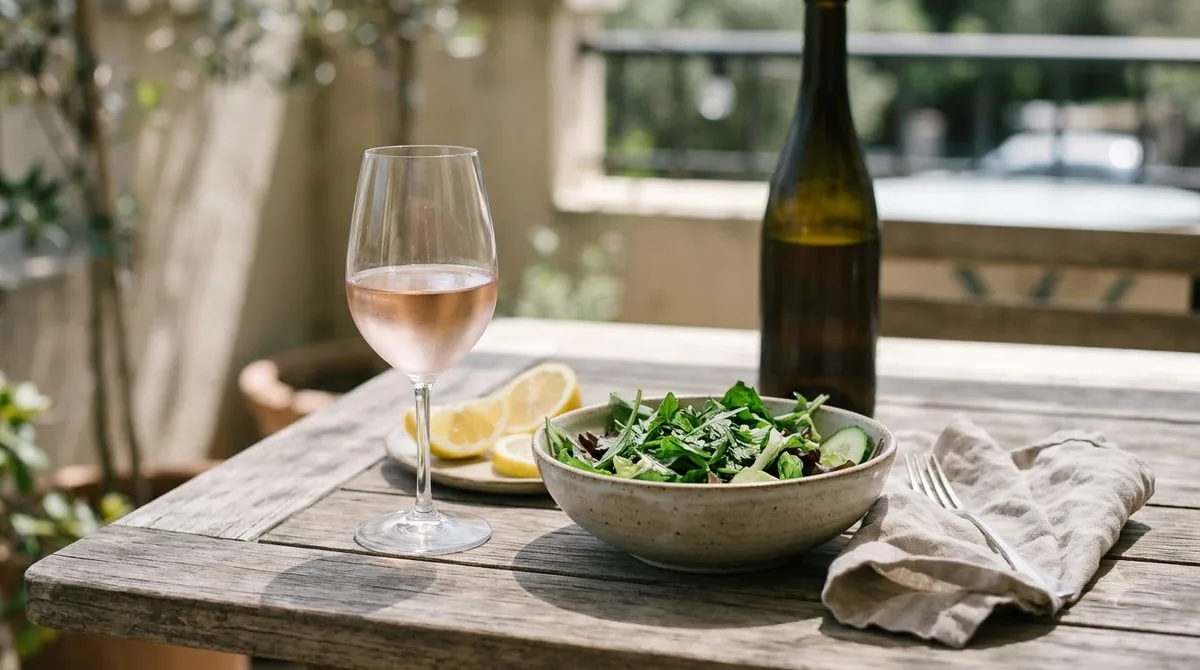
A guided pairing can demonstrate why acidity matters with rich food, why sweetness is important with desserts, and why tannin behaves differently with fatty dishes. For example, a high-acidity Sauvignon Blanc can complement a dish with citrus dressing, while a softer Merlot may work well with grilled beef. A slightly sweet Riesling can also balance dishes with noticeable chili heat more effectively than a strongly alcoholic, tannic red.
The educational aspect makes these sessions useful for newcomers. Guests do not need to know technical wine terminology before attending. Observing the differences between two wines served with the same dish can provide a practical introduction to acidity, sweetness, body, and structure.
The Chamber describes Perfect Pair as an evolving program, so visitors should not assume that every previous activity will return at every festival. Check the event schedule for the specific experiences available during the planned visit.
Texas High Plains Wine and the Lubbock Growing Region
The reason Lubbock is such an important wine destination is its connection to the Texas High Plains American Viticultural Area. The region’s elevation, dry climate, and agricultural history have helped establish it as one of the principal grape-growing areas in Texas.
The Texas High Plains AVA surrounds Lubbock and extends across 24 counties. Its landscape is part of the Llano Estacado, a broad elevated plateau characterized by extensive agricultural land and relatively open terrain. The federal designation became effective on April 1, 1993, formally recognizing the area as a distinct grape-growing region.
Elevation is one of its defining characteristics. According to the federal designation, the region ranges from approximately 3,000 to 4,000 feet above sea level. This elevated environment contributes to the conditions experienced by vineyards throughout the growing season.
The federal documentation also records annual rainfall ranging from approximately 14 inches in the western portion of the AVA to 20 inches in the eastern portion. These figures illustrate why water management is an important consideration for local grape growers. Vineyard decisions must account for rainfall variation, irrigation requirements, soil characteristics, and the demands of the growing season.
| Texas High Plains characteristic | Typical figure or detail |
|---|---|
| AVA establishment | 1993 |
| Counties included | 24 |
| Elevation | 3,000–4,000 feet |
| Original designated land area | Approximately 8 million acres |
| Annual rainfall range | 14–20 inches |
| Important nearby wine city | Lubbock, Texas |
These measurements describe the broader agricultural environment rather than the dimensions of an individual vineyard. The original federal designation covered approximately 8 million acres, but the actual planted vineyard area is much smaller. Understanding that distinction helps visitors appreciate the scale of the region without confusing its geographical boundaries with its cultivated grape acreage.
The climate has a strong influence on the kinds of wine that visitors may encounter. The combination of hot summer days, comparatively cooler nights, and low humidity can support the cultivation of several grape varieties. Growing conditions differ across the region, however, and individual vineyards make their own decisions about grape selection, irrigation, canopy management, and harvest timing.
Texas High Plains producers are particularly interesting because the region does not depend on one internationally famous grape variety. Spanish and Mediterranean varieties have an important presence, while familiar international grapes also appear in the broader Texas wine portfolio.
Visitors exploring the region may encounter Tempranillo, Sangiovese, Mourvèdre, Cabernet Sauvignon, and other red varieties, alongside white wines made from grapes suited to warmer growing conditions. The resulting selection gives tasters an opportunity to compare familiar styles with wines that express a distinctly West Texas agricultural identity.
Wineries to Explore Around Lubbock
A festival provides a convenient introduction to Texas wine, but visiting local wineries offers a more detailed understanding of how the grapes become finished bottles. McPherson Cellars, Llano Estacado Winery, and English Newsom Cellars are useful starting points for exploring the Lubbock wine scene.
McPherson Cellars
McPherson Cellars has a particularly important connection to the history of West Texas winemaking. Its origins are associated with Dr. Clinton Doc McPherson, one of the pioneers of modern Texas wine. His work helped establish a foundation for the region’s commercial wine industry and encouraged the development of vineyards across the High Plains.
The winery is located at 1615 Texas Avenue in Lubbock’s Depot Entertainment District. Its urban location makes it a practical stop for visitors who want to combine wine tasting with downtown dining and other activities. The winery offers a tasting-room experience where guests can explore wines made with grapes grown in the region.
Its location also connects the winery to the city’s cultural identity. The Depot Entertainment District provides an alternative to the more rural vineyard setting, allowing visitors to experience Texas wine within the city itself.
Llano Estacado Winery
Llano Estacado Winery is another essential name in Lubbock’s wine history. Co-founded by Doc McPherson in 1976, it emerged from the pioneering work that helped establish commercial winemaking in the Texas High Plains.
The winery provides a useful perspective on the development of the local industry. Its history demonstrates how university research, vineyard experimentation, and investment in commercial production helped turn West Texas into an important source of wine grapes.
Visitors interested in the development of Texas wine should pay particular attention to the winery’s regional connection. Understanding its history makes tasting local wines more meaningful because it places individual bottles within the larger story of grape growing and winemaking in the state.
English Newsom Cellars
English Newsom Cellars is another producer highlighted by Visit Lubbock as part of the area’s wine scene. It adds another perspective to a region where individual producers interpret local grapes and growing conditions in different ways.
For visitors, including more than one producer in a wine itinerary is useful because the same grape variety can produce noticeably different results depending on vineyard location, harvest decisions, fermentation, and maturation. Comparing wines from several producers is often more informative than focusing on a single tasting room.
Before visiting, confirm tasting-room availability and any reservation requirements directly with the winery. Festival dates and winery opening schedules do not necessarily coincide, and special events can affect normal visiting arrangements.
Tip: Plan one or two winery visits around the main festival rather than trying to visit every producer in a single afternoon. Allow enough time to compare wines, enjoy a meal, and travel safely between locations.
Other Wine Festivals and Events in Lubbock
Lubbock’s wine calendar extends beyond Lubbock Uncorked. Several other events provide opportunities to experience the region’s wine culture, including harvest celebrations, winery activities, and festivals combining wine with beer, food, and entertainment.
Grape Day
Grape Day is associated with the October harvest period, when the region’s grape-growing activity becomes especially relevant to visitors. Visit Lubbock describes it as an event featuring wine tastings, art booths, wine tours, food trucks, and souvenir wine glasses.
Its harvest connection gives the event a different character from Lubbock Uncorked. Rather than focusing exclusively on a broad gathering of wine enthusiasts, Grape Day provides an opportunity to learn more about grape growing and the activities surrounding the harvest season.
The event is also attractive to visitors who want a combination of wine and other activities. Art booths and food vendors make it possible to spend time exploring the festival even when wine tasting is not the primary interest of every member of a travel group.
Texas Wine, Hops, Shops & Beer Festival
The Texas Wine, Hops, Shops & Beer Festival has been associated with McPherson Cellars in Lubbock’s Depot Entertainment District. Its combination of wineries, breweries, local vendors, and live music provides a broader beverage-focused experience.
This event is a useful alternative for visitors traveling with people who have different drink preferences. Wine enthusiasts can explore Texas wines, while beer drinkers have an opportunity to discover regional breweries. Local vendors and entertainment contribute to the festival atmosphere.
Llano Estacado Winery Wine Run 5K
The Llano Estacado Winery Wine Run 5K adds a recreational element to the area’s wine calendar. Visit Lubbock has highlighted this event as a combination of running, walking, winery scenery, and wine-related enjoyment.
It is a different experience from a traditional tasting festival because the focus includes physical activity and the winery setting. Visitors should consult the race organizer for event-specific participation details, scheduling, and eligibility requirements.
For anyone planning a broader Texas wine itinerary, these events demonstrate why the local calendar deserves attention. The Wine Regions section provides additional context for understanding how grape-growing environments influence wine styles across different American destinations.
Food Pairings and Wine Styles to Try
Food is an important part of a wine festival, and Lubbock offers an opportunity to explore how Texas wines work with familiar regional dishes. The best approach is to consider acidity, sweetness, tannin, alcohol, and body rather than assuming that a red wine always belongs with meat or a white wine always belongs with seafood.
Tempranillo is a particularly interesting grape to look for when exploring the Spanish and Mediterranean influences of the Texas High Plains. It commonly produces medium- to full-bodied red wines with flavors that can include dark fruit, dried herbs, spice, and earthy notes. Depending on its production style, it can pair well with grilled beef, smoked meats, and dishes with savory seasoning.
Cabernet Sauvignon is another useful comparison. Its relatively high tannin content makes it a natural candidate for richer beef dishes, particularly those containing fat or protein that soften the perception of tannin. A Cabernet Sauvignon served with grilled steak can provide a satisfying combination of structure and savory flavors.
Merlot offers a softer alternative. Its medium tannin level and generally approachable texture can work well with roasted meats, burgers, and dishes featuring mushrooms. For visitors who find Cabernet Sauvignon too firm, Merlot is a sensible grape to explore.
White wines provide a different range of pairing possibilities. Sauvignon Blanc has high acidity and can complement fresh salads, citrus-based sauces, and seafood dishes. Chardonnay generally has medium acidity and can work with roasted chicken, creamy dishes, and richer preparations, depending on whether the wine is unoaked or aged in oak.
Pairing wine with Texas-style food
Grilled beef and barbecue are natural choices for exploring structured red wines. Cabernet Sauvignon and Syrah can work with richly flavored meat, while a softer Merlot may suit dishes with gentler seasoning. The fat in smoked brisket can soften tannin, making fuller reds more approachable.
Food containing substantial chili heat requires a little more care. Alcohol and tannin can amplify the sensation of chili, so a highly alcoholic Cabernet Sauvignon may not be the most comfortable match for intensely spicy food. A fruit-forward wine with moderate alcohol or a slightly sweet Riesling can provide a more balanced experience.
Sweet dishes call for another important principle: the wine should be at least as sweet as the dessert. A dry wine served with a very sweet dessert can taste sour or thin by comparison. Moscato and sweeter Riesling styles are useful options for fruit desserts and other sweet preparations.
Acidity is equally important. A dish containing lemon juice, vinegar, or a sharp tomato sauce can make a low-acid wine seem flat. Pairing acidic food with a wine of equal or higher acidity usually creates a more harmonious combination.
Visitors can also explore how salt and fat affect tannin. Salty foods and fatty dishes often soften the perception of tannin, making structured red wines easier to enjoy. However, oily fish can clash with tannic reds, so a crisp white wine is generally a better direction for dishes such as grilled trout or other oily seafood.
For a practical tasting exercise, choose three wines with different structures: a high-tannin Cabernet Sauvignon, a softer Merlot, and a high-acidity Sauvignon Blanc. Compare them with a small selection of savory food, then observe how the flavors and textures change.
Planning a Lubbock Wine Weekend
A successful wine weekend requires more than purchasing a festival ticket. Visitors should plan transportation, tasting-room visits, meals, and accommodation around the main event, especially when the itinerary includes wineries outside the city center.
Start by establishing the festival date and venue. The American Windmill Museum is the official venue for the scheduled Lubbock Uncorked event, so visitors should organize their transportation around that location. Confirm the event’s published schedule and admission arrangements before making nonrefundable travel commitments.
For a two-day visit, a practical approach is to devote the first day to the festival and nearby attractions, then use the second day for winery visits and a more relaxed exploration of the city. This arrangement reduces the pressure to fit every activity into one afternoon.
Suggested two-day itinerary
Day one: Festival and downtown Lubbock. Begin with a relaxed breakfast and allow time to explore the city before the main event. Visit the American Windmill Museum and attend Lubbock Uncorked according to the published schedule. Enjoy the wine tastings, local food, and live music without trying to sample every available wine.
After the festival, consider a meal or an evening activity in the Depot Entertainment District. McPherson Cellars is located at 1615 Texas Avenue, making the surrounding area a useful reference point for planning downtown activities.
Day two: Winery exploration. Reserve the morning or early afternoon for a visit to Llano Estacado Winery or another producer in the surrounding region. Compare wines with different grape varieties and ask about the local growing environment. If time permits, add another tasting-room visit, but leave enough room for meals and transportation.
Visitors with additional time can investigate Grape Day or other wine-related events when their travel dates align with the local calendar. October is particularly relevant for harvest-themed activities.
Serving temperatures and tasting preparation
Temperature makes a meaningful difference to the way wine tastes. Sparkling wines are generally best served between 40 and 50 degrees Fahrenheit. Light whites and rosé are most enjoyable around 45 to 50 degrees, while fuller-bodied whites benefit from slightly warmer serving temperatures of 50 to 55 degrees.
Light reds are generally served around 55 to 60 degrees, while fuller-bodied reds are better around 60 to 65 degrees. Sweet whites can be served around 43 to 50 degrees. These ranges provide a useful starting point when comparing wines at a festival or winery.
Small pours also help maintain variety. A standard tasting pour allows visitors to evaluate several wines without committing to a full glass each time. A typical restaurant pour is 5 ounces, and a 750-milliliter bottle contains approximately five such servings.
Bring a comfortable pair of walking shoes, plan a proper meal, and arrange transportation before beginning wine tastings. Designated drivers and other transportation arrangements are particularly important when an itinerary includes multiple tasting locations.
For visitors considering other wine destinations, the Indiana wine festival and Livermore wine festival offer useful comparisons with wine events in other American regions. Lubbock’s distinction is its close connection to the Texas High Plains grape-growing landscape.
Frequently Asked Questions
Is Lubbock Uncorked suitable for people who are new to wine?
Yes. Its combination of local food, live entertainment, and winery participation makes it approachable for people without extensive wine knowledge. Visitors can begin with familiar grape varieties and ask participating producers about less familiar Texas wines. The festival’s community-oriented format does not require previous wine-tasting experience.
What is the significance of the name Llano Estacado?
Llano Estacado is the geographical name associated with the elevated plateau covering parts of northwestern Texas and eastern New Mexico. The name is commonly translated as staked plain, a reference associated with the area’s distinctive landscape and historical descriptions. It connects the local winery’s identity with the broader geography of West Texas.
Does Lubbock have a connection to university wine research?
Yes. Texas Tech University played an important role in the development of modern West Texas winemaking. The university’s early grape-growing research helped demonstrate the potential of European wine grape varieties in the region and contributed to the commercial development that followed.
What is an American Viticultural Area?
An American Viticultural Area, or AVA, is a federally recognized grape-growing region defined by geographical characteristics. Its designation allows wine producers to identify the origin of their grapes on qualifying labels. The designation identifies geographical origin rather than guaranteeing a particular level of wine quality.
Can Texas High Plains grapes appear in wines made outside Lubbock?
Yes. The region is an important grape supplier to the wider Texas wine industry, so grapes grown near Lubbock can be transported to wineries in other parts of the state. Consequently, a Texas wine made in a different region may still contain fruit grown in the High Plains. The grape-growing location and the winery’s physical location are not necessarily the same.
The Lubbock wine festival experience offers an engaging introduction to one of Texas’s most important grape-growing regions. Lubbock Uncorked provides a convenient opportunity to discover local producers, while nearby wineries and other seasonal events offer more ways to explore the area’s wine culture. For visitors interested in American wine beyond the familiar coastal regions, the Texas High Plains deserves a place on the itinerary.
More in Wine Regions
 Willcox Wine Trail: Discover Arizona’s High-Elevation Wine CountryUpdated Nov 20, 2026
 Yakima Valley Wine Region: Find the Best Styles to TryUpdated Nov 20, 2026
 Vosne Romanee Wine Tasting: Identify Aromas and Choose Better PairingsUpdated Nov 20, 2026
 Yakima Valley Wine Festival: Find the Best Seasonal Wine EventsUpdated Nov 20, 2026
 Wales Vineyards: Discover Cool-Climate Wines and Where to VisitUpdated Nov 20, 2026
 Yountville Wine Festival: Discover Napa Wines and Local FoodUpdated Nov 20, 2026