

We may earn a commission when you buy through links on this page, at no extra cost to you. Learn more.
Lake county wine country is a Northern California wine region known for high-elevation vineyards, volcanic soils, expressive Cabernet Sauvignon, and refreshing Sauvignon Blanc. Located north of Napa Valley, the region surrounds Clear Lake and stretches across mountain slopes, valleys, and volcanic landscapes. Its combination of warm sunshine, cool nights, and varied growing conditions produces wines with distinctive character, while its relaxed wineries and outdoor attractions make it an appealing destination for a wine-focused getaway.
Lake County offers a different experience from California’s better-known wine destinations. Instead of concentrating on one famous valley, visitors encounter several distinct wine-growing areas, family-operated tasting rooms, expansive ranches, and vineyards overlooking mountain scenery. Understanding the geography, principal grapes, and individual appellations makes it easier to choose wines and plan a worthwhile visit.
Geography, Volcanic Soils, and the Lake County Climate
Lake County’s wine identity begins with its unusual landscape. The region sits in California’s North Coast wine country, north of Napa Valley and east of Mendocino County, with vineyards distributed around Clear Lake and the surrounding mountain ranges. Elevation, volcanic geology, abundant sunshine, and substantial nighttime cooling all influence the character of its grapes.
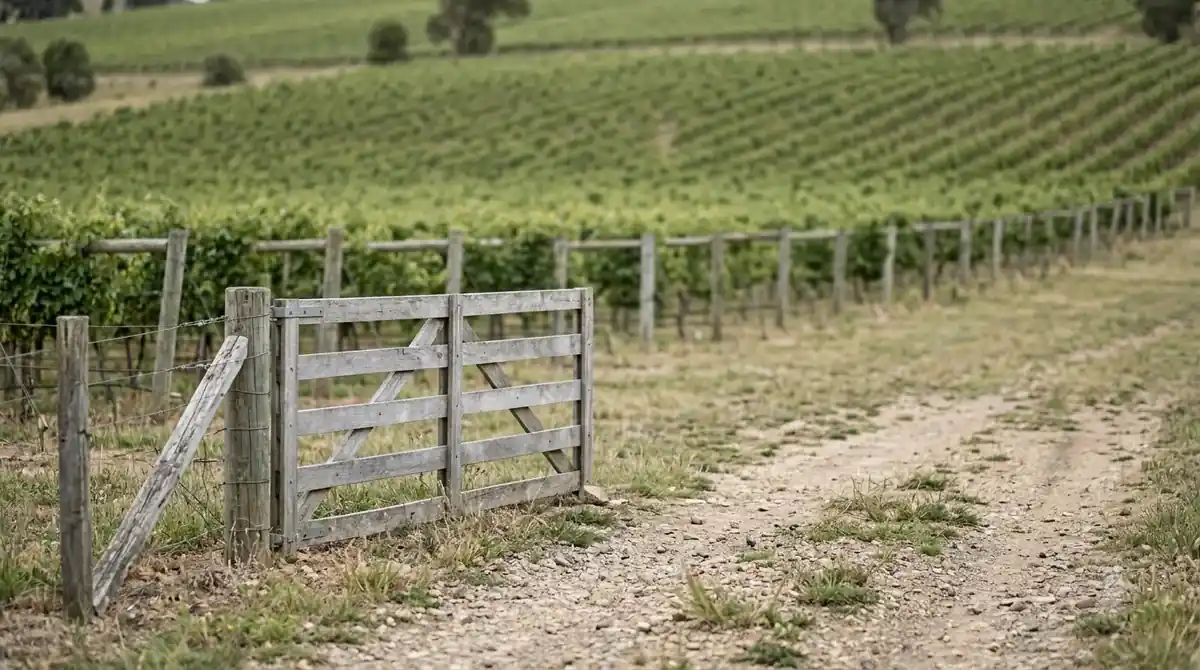
Many Lake County vineyards occupy elevations above 1,500 feet, and some reach approximately 3,000 feet. According to the Lake County Winegrape Commission, the elevated environment can expose vineyards to up to 10% more ultraviolet light than areas close to sea level. Greater ultraviolet exposure encourages thicker grape skins and higher concentrations of phenolic compounds, which contribute to a wine’s color, structure, and tannin profile. These conditions are particularly relevant to Cabernet Sauvignon and other red varieties that benefit from concentrated fruit and substantial structure.
Clear Lake also plays an important role. Its freshwater influence helps moderate temperatures, while the surrounding mountains create different exposures, wind patterns, and growing conditions. In some locations, the difference between daytime and nighttime temperatures can reach 50 degrees Fahrenheit. Warm afternoons encourage ripening, while cooler nights help grapes retain acidity and develop aromatic complexity. This combination explains why Lake County can produce ripe wines without every bottle tasting excessively heavy.
Volcanic geology adds another layer of regional identity. The Clear Lake Volcanic Field includes Mount Konocti and other volcanic formations. Red Hills features distinctive red, iron-rich volcanic soils, while High Valley contains combinations of cinder ash and silt. Big Valley has more alluvial soils, and Kelsey Bench includes gravelly and volcanic material. These differences matter because soil depth, drainage, and water availability influence how vines develop throughout the growing season.
The region is not uniformly volcanic, and it would be misleading to assume that every Lake County wine has the same mineral character. Individual vineyards can differ considerably, even within a single appellation. Slope, aspect, soil composition, elevation, and vineyard management all contribute to the final wine. The best way to understand the landscape is to compare bottles from different subregions rather than treating the county as one uniform growing site.
Tip: When comparing Lake County wines, pay attention to the appellation and vineyard location on the label. A Sauvignon Blanc from Big Valley and a Cabernet Sauvignon from Red Hills can express very different growing conditions despite sharing the same county designation.
The Main Lake County Wine Appellations
Lake County contains several distinct American Viticultural Areas, or AVAs, that help identify where grapes are grown. Each area has its own combination of elevation, soils, temperature patterns, and suitable varieties. Learning the principal appellations gives wine enthusiasts a useful starting point for exploring regional differences.
Clear Lake AVA was established in 1984 and belongs to the North Coast AVA. It encompasses vineyards at elevations ranging from approximately 1,300 to 3,000 feet. Its range of microclimates and soil types supports Cabernet Sauvignon, Chardonnay, Muscat, Sauvignon Blanc, and Zinfandel. The lake’s moderating influence and elevated vineyard sites contribute to a combination of ripeness and freshness.
Big Valley District-Lake County AVA is especially important for Sauvignon Blanc. Its alluvial soils and growing conditions support fresh, expressive white wines, while Chardonnay, Viognier, Riesling, and Merlot also appear in the area. Nearby Kelsey Bench offers a different geological setting, with volcanic influences and gravelly soils that support balanced Zinfandel and Cabernet Franc.
Red Hills Lake County AVA is one of the region’s most recognizable areas for structured Cabernet Sauvignon. Its elevated vineyards and red volcanic soils attract attention from producers seeking Bordeaux-style varieties. The area also grows Cabernet Franc, Petite Sirah, Syrah, Zinfandel, and Sauvignon Blanc. Red Hills wines are particularly interesting for people who enjoy firm red-wine structure and concentrated fruit.
High Valley AVA provides considerable variety. Cabernet Sauvignon, Cabernet Franc, Merlot, Syrah, Zinfandel, Petite Sirah, Malbec, Grenache, Mourvedre, Tempranillo, and Pinot Noir are among the grapes grown there. This diversity makes High Valley a useful place to explore wines beyond the county’s two best-known varieties.
Other recognized wine-growing areas include Upper Lake Valley, Guenoc Valley, and Long Valley-Lake County. Middletown is also significant for its historic vineyards, with vines dating back to the 1850s identified by the Lake County Winegrape Commission. Appellation boundaries and AVA classifications are useful tools for understanding individual vineyard locations. The commission’s Lake County appellation directory provides an overview of all eight recognized appellations and their regional identities.
The following overview summarizes several important differences:
| Wine-growing area | Notable characteristics | Grapes to explore |
|---|---|---|
| Clear Lake | Lake influence and elevations of 1,300–3,000 feet | Cabernet Sauvignon, Chardonnay, Sauvignon Blanc |
| Big Valley District | Alluvial soils and favorable conditions for fresh whites | Sauvignon Blanc, Chardonnay, Viognier |
| Kelsey Bench | Volcanic influences and gravelly soils | Zinfandel, Cabernet Franc |
| Red Hills | Red volcanic soils and elevated vineyard sites | Cabernet Sauvignon, Petite Sirah, Syrah |
| High Valley | Varied soils and diverse grape plantings | Cabernet Sauvignon, Tempranillo, Merlot |
| Middletown | Historic wine-growing traditions dating to the 1850s | Cabernet Franc, Zinfandel, Syrah |
These descriptions are general regional guides rather than guarantees about every bottle. Producers can make dramatically different styles from the same grape depending on harvest timing, fermentation, oak use, and blending. Exploring different appellations is one of the most rewarding ways to appreciate Lake County’s range.
The Best Lake County Wine Varieties to Discover
Cabernet Sauvignon and Sauvignon Blanc are the region’s signature varieties, but Lake County also produces compelling Syrah, Zinfandel, Petite Sirah, Merlot, Cabernet Franc, and Tempranillo. Visitors interested in understanding the region should begin with its two best-known grapes before branching out into the broader selection.
Cabernet Sauvignon
Lake County Cabernet Sauvignon is especially associated with elevated vineyards and volcanic terrain. Depending on the producer and vineyard, wines can show black cherry, blackberry, plum, dark currant, cedar, and baking-spice characteristics. Concentrated fruit and firm tannins are common features, particularly in mountain-grown examples.
Cabernet Sauvignon naturally has high tannin, which contributes to its firm structure and ability to develop in the bottle. A young wine from a concentrated vineyard may benefit from 30 to 60 minutes of decanting before serving. This allows the wine to open aromatically and can soften the immediate impression of its structure.
Sauvignon Blanc
Lake County Sauvignon Blanc offers a contrasting style. The wines are frequently fresh and aromatic, with possibilities ranging from citrus, green herbs, and crisp apple to melon, peach, and tropical fruit. Their relatively high acidity makes them particularly useful with food and suitable for drinking as an aperitif.
Big Valley is particularly associated with this variety, although Sauvignon Blanc grows in other parts of the county as well. Some producers prefer a leaner, sharper expression, while others pursue a rounder texture and fuller fruit profile. Oak treatment and fermentation choices can further influence the finished wine.
Other Red and White Varieties
Syrah is an interesting choice for people who enjoy dark fruit, pepper, and savory flavors. Depending on its style, Lake County Syrah can offer substantial body and medium-plus to high tannin. Petite Sirah is another variety worth exploring, especially for drinkers who appreciate deeply colored wines with pronounced structure.
Zinfandel offers a different experience, with ripe berry fruit, spice, and sometimes a noticeable peppery character. Merlot tends to have softer tannins than Cabernet Sauvignon, making it an accessible option for people who prefer a less assertive red. Cabernet Franc can provide herbal notes, red fruit, and a distinctive aromatic profile.
Tempranillo adds an appealing alternative for fans of Spanish wine. It can show red and dark fruit, earthy notes, and savory spice. Chardonnay, Riesling, Viognier, and Muscat broaden the white-wine selection, giving visitors alternatives to Sauvignon Blanc. These varieties demonstrate why Lake County should not be reduced to a single grape or wine style.
For a practical tasting comparison, choose three wines with different structures: a Sauvignon Blanc, a Merlot, and a Cabernet Sauvignon. Notice how acidity, body, tannin, and fruit expression change from one glass to the next. This simple exercise helps explain the region’s diversity without requiring advanced wine knowledge.
Wineries and Tasting Experiences Worth Exploring
Lake County has a relaxed winery scene with estate vineyards, ranch properties, intimate tasting rooms, and larger operations. More than 30 wineries operate in the region according to the Lake County Winegrape Commission, offering opportunities to compare Cabernet Sauvignon, Sauvignon Blanc, Petite Sirah, and less familiar varieties in their natural setting.
Cache Creek Vineyards in Clearlake Oaks is one destination to consider for Chardonnay and a countryside tasting experience. Visit California describes the property as a place where visitors can enjoy Chardonnay while observing wildlife, including wild turkeys and tule elk. Its location makes it a useful option for travelers exploring the northern side of the lake.
Shannon Ridge is another recognizable name associated with Lake County wine. Its Sauvignon Blanc is particularly relevant for visitors interested in the region’s white-wine identity. The nearby Anderson Marsh State Historic Park also provides an opportunity to connect a winery visit with the area’s Pomo-era archaeological heritage.
Fore Family Vineyards in Kelseyville is associated with Mourvedre, a variety that offers an alternative to the more familiar Cabernet Sauvignon and Merlot. Mourvedre can produce savory, structured reds with dark fruit and herbal characteristics. Visitors who already know the region’s signature grapes may find it an interesting addition to a tasting itinerary.
Laujor Estate Winery is known for Petite Sirah and views of Mount Konocti. Petite Sirah is a useful wine to seek out here because it highlights the county’s ability to produce deeply colored, structured red wines. Its naturally substantial tannins and concentrated fruit make it a particularly different experience from a refreshing glass of Sauvignon Blanc.
Six Sigma Ranch offers another perspective on the area’s vineyard landscape. Its wines include Cabernet Sauvignon and Tempranillo, with grapes grown at the Diamond Mine Vineyard. Visit California notes that the vineyard’s name refers to glittering volcanic quartz found in the soil. The property also offers opportunities to explore its ranch setting and enjoy outdoor experiences.
Brassfield Estate Winery in the High Valley area is another name worth investigating. The estate is associated with Cabernet Sauvignon, Pinot Noir, Pinot Gris, and Sauvignon Blanc, among other varieties. Its vineyard setting provides a way to explore High Valley beyond simply tasting individual bottles.
For a broader selection, browse the Lake County vineyards directory and identify tasting rooms that fit your preferred grapes and travel schedule. The most useful strategy is to select a few producers with contrasting specialties rather than visiting numerous wineries that offer almost identical tasting flights.
Planning a Lake County Wine Country Visit
Lake County is a spacious destination, so planning the geography of a winery trip is as important as selecting the bottles you want to taste. Kelseyville, Lakeport, Clearlake Oaks, and Middletown provide useful starting points, with individual wineries spread across the surrounding valleys and mountain roads.
Begin by deciding which wine-growing areas interest you most. Visitors focused on Sauvignon Blanc may want to include Big Valley and wineries around Kelseyville. Those more interested in Cabernet Sauvignon can investigate Red Hills and High Valley. Travelers looking for historic vineyards can also explore the Middletown area and the Guenoc Valley wine-growing landscape.
For a first visit, a two-day itinerary offers a comfortable introduction without trying to cover the entire county. On the first day, concentrate on Kelseyville and nearby wineries. Select two or three tasting appointments, allowing enough time to compare Sauvignon Blanc, Cabernet Sauvignon, and one alternative red variety. A relaxed lunch between visits makes the experience more enjoyable and leaves time to appreciate the scenery.
On the second day, explore another part of the region, such as Clearlake Oaks or High Valley. A visit to Cache Creek Vineyards or Shannon Ridge can introduce different expressions of Lake County wine, while a stop at a nearby outdoor attraction provides a change of pace. If you prefer structured reds, make a point of including Petite Sirah or Syrah in the day’s tasting selection.
Reservations are sensible, particularly for smaller tasting rooms and estate properties. Opening hours, tasting formats, appointment requirements, and available wines can vary. Confirm the details directly with each winery before setting out, especially if traveling on a weekday or during a regional event.
Transportation deserves particular attention. The mountain roads and dispersed winery locations mean that distances can be longer than they appear on a regional map. Arrange a designated driver or professional transportation if the itinerary includes several tastings. Avoid trying to fit too many stops into a single afternoon, and allow time for meals and breaks.
The wider area also provides activities for people who want more than wine. Clear Lake offers fishing and water sports, while Mount Konocti creates a striking backdrop for outdoor exploration. Visitors interested in local history can stop at the Historic Courthouse Museum or Ely Stage Stop and Country Museum. Taylor Observatory is another attraction for travelers interested in the region’s clear night skies.
Timing depends on your priorities. Spring can bring fresh green vineyard landscapes, while summer offers warm weather and opportunities to enjoy Clear Lake. Fall is particularly appealing to wine enthusiasts because it coincides with harvest activity and changing vineyard colors. Winter offers a quieter atmosphere, although some tasting rooms may have more limited schedules.
Wine-related events can provide another reason to visit. Check the calendar before traveling and look into the Lake County wine festival for opportunities to discover multiple producers and regional specialties in one setting. If you are comparing California destinations, exploring wine regions can also help put Lake County’s growing conditions and wine styles into context.
Food Pairings, Serving Temperatures, and Enjoying the Wines
Lake County wines work particularly well with California-inspired cooking, grilled meats, fresh vegetables, local produce, and simple seasonal dishes. The most effective pairings take account of acidity, tannin, sweetness, alcohol, and food texture rather than relying on grape names alone.
Start with Sauvignon Blanc and fresh, lighter dishes. Its high acidity makes it a natural match for goat cheese, grilled vegetables, salads with citrus dressing, seafood, and herb-forward preparations. A Sauvignon Blanc served with grilled shrimp and lemon, for example, can complement the dish’s freshness without overwhelming delicate flavors.
Chardonnay offers more flexibility depending on its style. A fresher, unoaked example works well with roast chicken, shellfish, and creamy vegetable dishes. A fuller-bodied, oak-influenced Chardonnay can stand up to richer preparations, including butter-roasted poultry and grilled corn. The wine’s acidity should remain sufficient to balance the richness of the food.
Cabernet Sauvignon is a natural partner for grilled beef, lamb, and hearty mushroom dishes. Its high tannin works well with protein and fat, which soften the perception of astringency. A grilled steak with rosemary, black pepper, and roasted potatoes is a straightforward pairing for a structured Lake County Cabernet.
Merlot offers a softer alternative for roast pork, burgers, grilled chicken, and tomato-based pasta dishes. Syrah works with lamb, grilled sausages, smoked meats, and dishes containing black pepper or roasted vegetables. Petite Sirah can complement richer foods, including braised short ribs and deeply flavored stews.
There are a few important pairing principles to remember. Salt and fat soften the perception of tannin, making structured reds easier to enjoy alongside rich dishes. Highly acidic food needs a wine with equal or greater acidity, or the wine may taste flat. Chili heat becomes more pronounced with high alcohol and tannin, so a strongly structured Cabernet Sauvignon may not be the best choice for very spicy food.
Oily fish also requires care with tannic reds. Salmon, tuna, and other rich fish generally work better with appropriately styled whites or lighter reds rather than heavily tannic Cabernet Sauvignon. For dessert, choose a wine that is at least as sweet as the dish itself. Otherwise, the wine can seem sour or thin alongside the food.
Serving temperature makes a noticeable difference. Sauvignon Blanc is best served around 45–50 degrees Fahrenheit, while fuller-bodied Chardonnay generally benefits from 50–55 degrees. Light reds can be served at 55–60 degrees, and fuller-bodied reds such as Cabernet Sauvignon are usually most enjoyable around 60–65 degrees.
Use a standard 5-ounce pour when comparing wines. A 750-milliliter bottle provides approximately five glasses, making it practical to plan a tasting without opening excessive bottles. If you are tasting several structured reds, alternate with water and allow enough time to assess each wine’s aromas and finish.
Opened still wines generally keep for approximately three to five days in the refrigerator, although their aromas and freshness gradually change. Store unopened bottles on their sides in a cool, relatively stable environment near 55 degrees Fahrenheit when they have traditional cork closures. Keeping bottles away from sunlight and significant temperature fluctuations is more important than creating an elaborate storage arrangement.
These simple practices help preserve the characteristics that make Lake County wines interesting. Whether the bottle is a bright Sauvignon Blanc from Big Valley or a concentrated Cabernet Sauvignon from Red Hills, the objective is to serve it at a suitable temperature and pair it with food that complements its structure.
Frequently Asked Questions
Is Lake County considered part of Napa Valley?
No. Lake County and Napa County are separate California wine-growing regions, although both belong to the larger North Coast wine region. Lake County has its own county-level designation and distinct AVAs, including Guenoc Valley and Red Hills Lake County. Its wines should therefore be understood as Lake County wines rather than Napa Valley wines.
What is the oldest winery tradition in Lake County?
One particularly interesting historical connection involves British actress Lillie Langtry, who purchased land in Guenoc Valley in 1888. Her property included vineyards planted in 1854, and the estate released its first vintage in 1891. This history is closely associated with the modern Langtry Estate and illustrates how early winegrowing helped establish the county’s reputation.
Why is Clear Lake important to the wine region?
Clear Lake is an important geographical and climatic feature of Lake County. It is estimated to be approximately 2.5 million years old, making it one of North America’s oldest lakes. Beyond its influence on nearby vineyard temperatures, it provides a recreational destination for fishing, boating, and water activities that can complement a wine-country trip.
Does Lake County produce organic and sustainably farmed wines?
Yes. Sustainable agriculture is an important part of the regional wine-growing conversation, and some Lake County producers use organic vineyard management, native yeast fermentation, and other environmentally conscious practices. Individual certifications and production practices vary, so visitors interested in a particular approach should ask the producer directly.
Can visitors combine wine tasting with overnight outdoor stays?
Yes. Lake County offers accommodation options beyond conventional hotels, including historic properties, cabins, and outdoor lodging. Visit California highlights Huttopia Wine Country near Six Sigma Ranch, as well as the historic Tallman Hotel in Upper Lake. These options can make it easier to combine winery visits with hiking, lake activities, and stargazing.
Lake County offers a distinctive California wine experience built around elevated vineyards, volcanic landscapes, and a wide selection of expressive wines. Start with Sauvignon Blanc and Cabernet Sauvignon, explore different AVAs, and leave time for the wineries, historic communities, and natural attractions surrounding Clear Lake. For wine enthusiasts looking beyond the familiar destinations of Napa and Sonoma, Lake County provides plenty of reasons to explore another side of Northern California wine country.
More in Wine Regions
 Willcox Wine Trail: Discover Arizona’s High-Elevation Wine CountryUpdated Nov 20, 2026
 Yakima Valley Wine Region: Find the Best Styles to TryUpdated Nov 20, 2026
 Vosne Romanee Wine Tasting: Identify Aromas and Choose Better PairingsUpdated Nov 20, 2026
 Yakima Valley Wine Festival: Find the Best Seasonal Wine EventsUpdated Nov 20, 2026
 Wales Vineyards: Discover Cool-Climate Wines and Where to VisitUpdated Nov 20, 2026
 Yountville Wine Festival: Discover Napa Wines and Local FoodUpdated Nov 20, 2026