

We may earn a commission when you buy through links on this page, at no extra cost to you. Learn more.
Trebbiano grape is an Italian white variety that is among the most widely planted grapes in the world, and it is valued more for its yield and its acidity than for complex flavor. The wines are typically fresh, light and fruity, and they are not meant for long aging. Trebbiano is also the grape behind much of France’s brandy, where it appears under the name Ugni Blanc.
Trebbiano shows up in many places people do not expect. You may see it on an Italian white wine list, in a French brandy label under another name, or in a bottle of balsamic vinegar. This guide explains where the grape came from, how its many names fit together, what the wines taste like, where it is grown, and how to serve and pair it.
Where the Trebbiano grape came from
Trebbiano is one of the oldest names in European viticulture. Wikipedia reports that the grape may have originated in the Eastern Mediterranean and was known in Italy in Roman times. A subtype was recognized in Bologna in the 13th century. From Italy it spread to France, possibly during the Papal retreat to Avignon in the 14th century, and there it became known as Ugni Blanc.
Modern genetics has helped clarify its family tree. A 2008 DNA study linked Trebbiano closely to Garganega, which may be one of its parents. Researchers have also suggested a possible relationship with a grape called Alionza, though that link is less settled.
Because the grape has been planted for so long and in so many places, it has a very long list of synonyms. Common alternative names include Ugni Blanc, St. Émilion, White Hermitage, White Shiraz, Clairette Ronde, Queue de Renard and Procanico. Wikipedia also notes that it shares at least three synonyms with the Spanish grape Viura, which is one reason the name on a label can be confusing.
Flavor and wine styles
Trebbiano usually makes wine that is fresh and fruity, with citrus, green apple and white flower notes. It is rarely a wine with deep character on its own. Wikipedia describes most Trebbiano as unremarkable on its own, which is why winemakers often use it as a supporting grape in blends rather than as the star of the bottle.
The grape’s most valued trait is its acidity. The juice is high in acid, which gives the finished wine a crisp, clean feel and makes it useful in brandy production. Because the wines are light and do not keep long, most bottles are meant to be drunk young, within a year or two of the vintage. Single-variety Trebbiano wines are less common than blends, and in California they are particularly rare.
When you do find a single-varietal bottle, expect a light, simple glass rather than a complex one. It works best as an everyday white, a brunch wine or a glass to sip on a warm afternoon.
Where Trebbiano grows
Trebbiano is strongest in Italy. Wikipedia reports that the Trebbiano family accounts for about a third of Italy’s white wine, and it appears in more than 80 Italian DOC designations. Seven DOCs are named after the grape itself. The Orvieto wines of Umbria are a well-known example, and the official Orvieto consortium describes the Orvieto Classico DOC as built on Trebbiano Toscano together with Grechetto, which must make up at least 60 percent of the blend.
In France, Trebbiano is the most widely planted white grape. It is important for brandy, especially Cognac and Armagnac, where it goes by the name Ugni Blanc or St. Émilion. It is also one of the three primary white varieties in Côtes de Provence. Outside Europe, the grape arrived in Australia in 1832 as White Hermitage and was mainly grown in New South Wales and South Australia. It is also planted in Argentina, and in Bulgaria and Portugal it is called Thalia.
If you want to try an Italian Trebbiano blend, look for Orvieto on the label and check whether it is a Classico bottle. Those wines are generally the most consistent choice for everyday drinking.
How the vine behaves in the vineyard
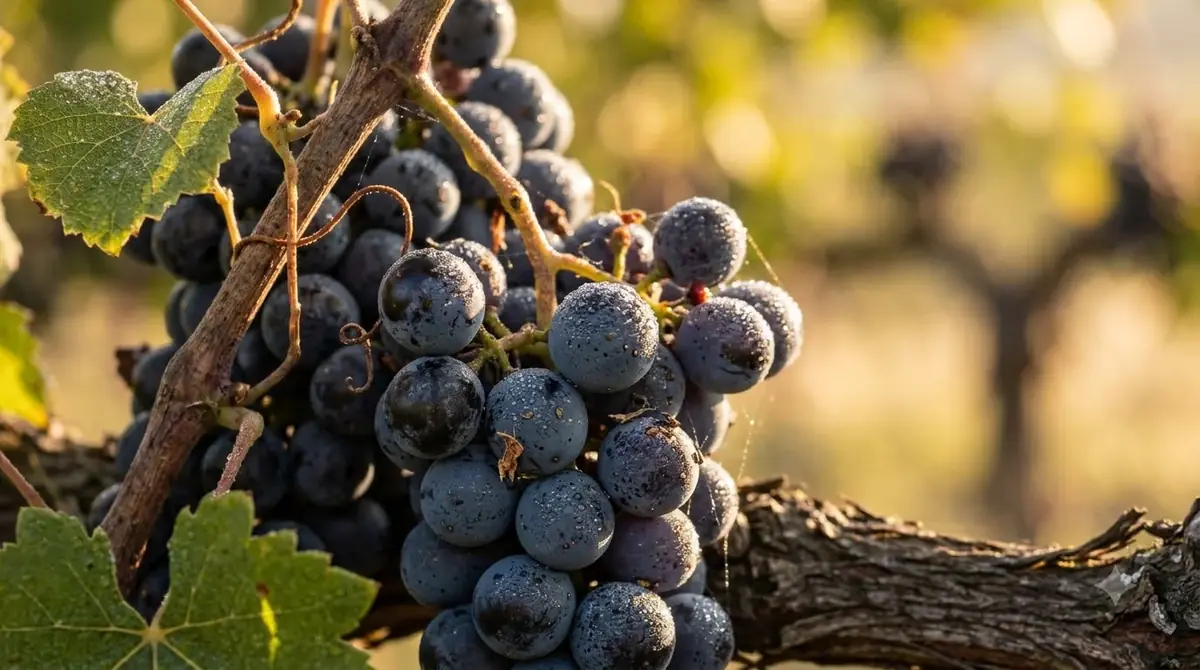
Growers value Trebbiano for how much fruit the vine produces. Wikipedia describes the vine as vigorous and high-yielding, with tough-skinned berries that produce acidic yellow juice. That combination makes it reliable for large-scale production, even though it does not always give the most concentrated wine.
The vine’s vigor means it needs careful management in the vineyard. Too much fruit on the vine can dilute flavor, so growers who want better wine often reduce yields. Its tough-skinned berries are one reason the fruit holds up well when it is picked in large quantities for brandy or blending.
The same traits that make Trebbiano easy to grow in quantity also explain why it is so common in cheap or everyday wine. Winemakers who want a more expressive result usually pick the fruit at a slightly different time or blend it with another variety.
How to serve and pair Trebbiano wine
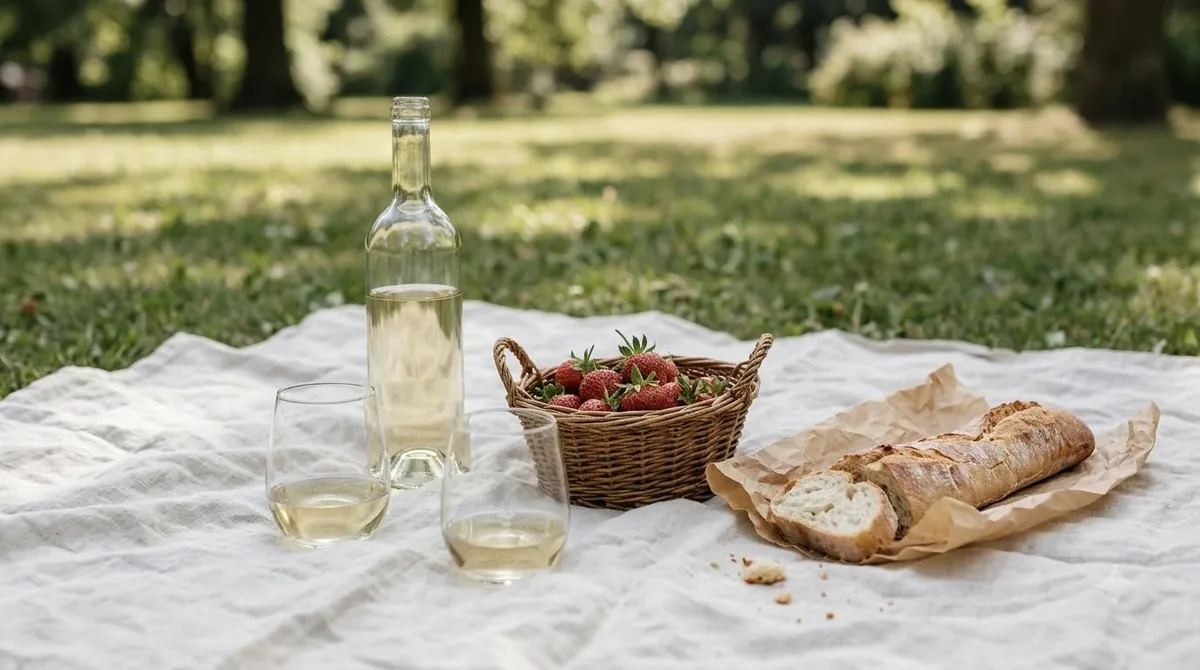
Serve Trebbiano well chilled. A light, fresh white like this is best kept cold, and it does not need a large glass. Drink it young, since the fresh fruit fades with time.
Trebbiano pairs well with simple, bright food. Grilled fish, seafood pasta with lemon, fresh salads with herbs and light chicken dishes all suit its crisp acidity. Italian antipasti such as cured meats and mild cheeses also work. Because the wine is light, it is a good choice when you want something refreshing rather than heavy.
Because Trebbiano is so flexible, it is easy to pour for a crowd. A chilled bottle of an Italian Trebbiano blend can carry an informal dinner, a seafood starter or a summer lunch without asking much of the guests. That versatility is a big part of why the grape has stayed so popular, even though its wines rarely aim for depth.
If you want a white with more body for the same kind of food, look at a grape with a fuller profile. Melon de Bourgogne is another crisp white that pairs with seafood, though its mineral character is more pronounced than Trebbiano’s fruit.
| Name | Where you will see it | What it means |
|---|---|---|
| Trebbiano | Italian wine labels | The main name for the grape in Italy |
| Ugni Blanc | French wine and Cognac | The name used in France, the most widely planted white there |
| St. Émilion | Armagnac and brandy | A name used in brandy production in southwest France |
| White Hermitage | Australian wine history | The name the grape carried when it arrived in Australia in 1832 |
| Thalia | Bulgaria and Portugal | A local name for the same grape |
Tip: If a bottle says Ugni Blanc, St. Émilion or Thalia, it may still be the same grape as Trebbiano. Checking the label for the grape name is the fastest way to confirm.
Frequently Asked Questions
Is Trebbiano the same as Ugni Blanc?
Yes, they are the same grape under different names. Trebbiano is the Italian name, and Ugni Blanc is the name used in France, where the grape became the most widely planted white variety.
Is Trebbiano wine good?
It depends on what you want. Trebbiano is usually fresh, light and fruity rather than complex. Wikipedia describes most Trebbiano as unremarkable on its own, but it makes a refreshing everyday white and is widely used in blends and brandy.
What is Trebbiano used for besides wine?
Trebbiano is used for brandy, especially Cognac and Armagnac, because its high acidity suits distillation. It is also used in balsamic vinegar and as a blending grape in many wines.
Where is Trebbiano grown?
Trebbiano is strongest in Italy, where it makes up about a third of the country’s white wine. It is also the most widely planted white in France and is grown in Australia, Argentina, Bulgaria and Portugal.
Trebbiano is a practical white to know, especially if you see its many names on Italian and French bottles. For a broader look at how grape families and styles fit together, the Wine by Type guide is a useful next stop. If you are curious about how Italian reds differ, Brunello di Montalcino offers a very different experience from the light whites covered here. The official Orvieto consortium site is a good place to check the grape blend for Orvieto Classico bottles, and the Wikipedia entry on Trebbiano gives the wider history of the name and its synonyms.
More in Wine Types & Grapes
 Zinfandel Sugar Content: Dry Red vs. White Zinfandel GramsUpdated Nov 21, 2026
 Best Zinfandel Substitute Options for Sipping and CookingUpdated Nov 21, 2026
 Zweigelt Food Pairing: Best Dishes, Cheeses, and Serving TipsUpdated Nov 21, 2026
 Zinfandel Tannins Explained: How Structure Shapes Every BottleUpdated Nov 21, 2026
 Zinfandel Sweetness Level: Dry Red vs. Sweet White Zin ExplainedUpdated Nov 21, 2026
 Xinomavro Food Pairing: Best Dishes, Styles, and Serving TipsUpdated Nov 21, 2026