

We may earn a commission when you buy through links on this page, at no extra cost to you. Learn more.
A japan wine festival is an opportunity to explore Japanese wines through regional tastings, winery showcases, local food, and seasonal celebrations, particularly in wine-producing areas such as Yamanashi, Nagano, and Hokkaido. Japan does not have just one nationwide wine festival; instead, different regions organize events celebrating their own vineyards, producers, and grape varieties. Visitors can discover indigenous Koshu and Muscat Bailey A wines, compare international varieties, meet winemakers, and experience Japanese wine culture alongside regional cuisine.
Japanese wine offers an interesting combination of traditional grape varieties, modern winemaking, and distinctive regional character. Although the country’s wine industry is relatively young compared with those of France, Italy, and Spain, its festivals provide an accessible introduction to an increasingly diverse selection of wines. Whether you are planning a trip from Tokyo, exploring the vineyards of Yamanashi, or attending a tasting in another prefecture, understanding the regional calendar and local specialties makes the experience more rewarding.
Understanding Japan’s Wine Festival Culture
Japanese wine festivals are regional celebrations rather than a single national event with one organizer and one annual location. They typically bring together wineries, wine associations, food vendors, and visitors interested in discovering wines produced in different parts of the country.
Some events focus on newly released wines, while others celebrate the grape harvest or showcase a particular wine-producing district. The format varies considerably. A festival in a vineyard may emphasize outdoor food and wine experiences, whereas a city-center event may concentrate on tasting stations, producer presentations, and opportunities to compare bottles from several prefectures.
Japan’s wine industry has historical roots in Yamanashi. According to the Japan Wineries Association, commercial production began in the 1870s when two young men from the prefecture returned from France after studying winemaking. The industry subsequently developed across several other regions, including Nagano, Hokkaido, and Yamagata.
Today’s festivals reflect that geographical diversity. Visitors might encounter delicate white wines made from Koshu grapes, fruity reds made from Muscat Bailey A, and more internationally familiar styles produced from Chardonnay, Merlot, Pinot Noir, and Sauvignon Blanc.
One important distinction is between Japanese wine made from domestically grown grapes and Japanese-market wines that may include imported wine or imported grape material. Visitors interested in understanding Japanese vineyards should pay attention to regional origin and production information rather than assuming every wine sold at a Japanese festival represents locally grown grapes.
Festivals also introduce visitors to the people behind the wines. Small wineries often have limited production, so tasting events provide a useful opportunity to compare different interpretations of the same grape variety without visiting numerous individual estates.
Yamanashi: The Leading Destination for Japanese Wine Festivals
Yamanashi is the most recognizable starting point for exploring Japanese wine festivals. The prefecture has approximately 90 wineries, produces about 30% of Japan’s wine, and is particularly associated with Koshu, the country’s best-known indigenous wine grape.
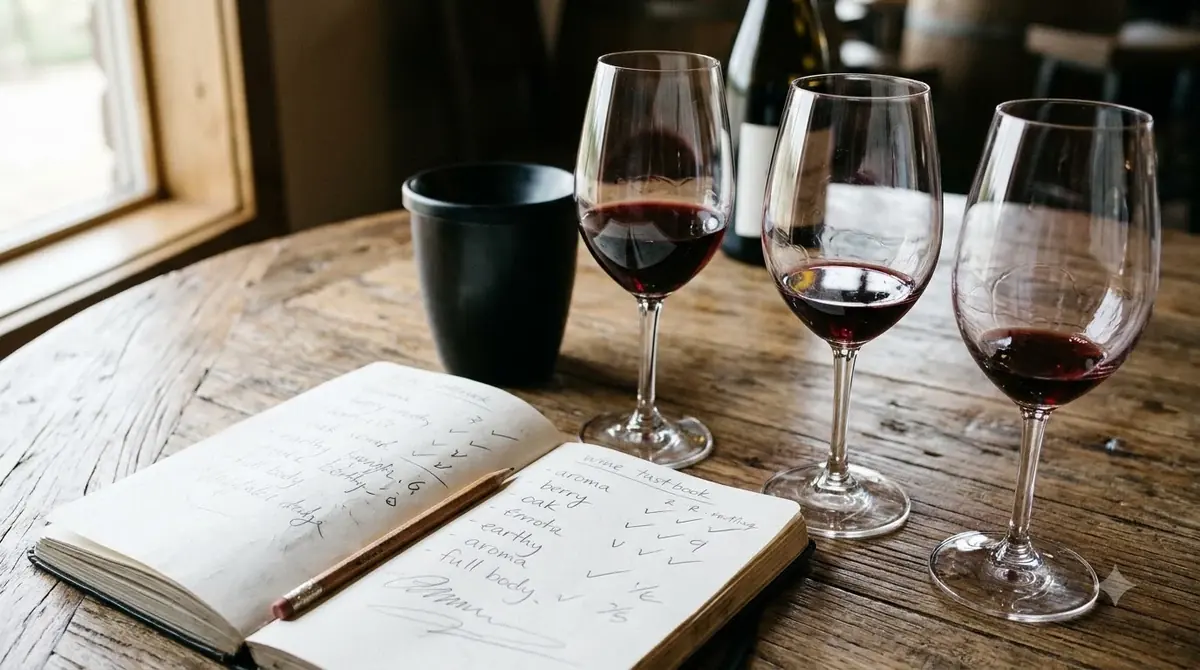
The Katsunuma district in Koshu City is especially important. Its vineyards occupy a landscape of sloping hills and mountain views, and the area has a long history of grape cultivation. The Yamanashi Tourism Organization identifies Katsunuma as the heart of the prefecture’s wine industry and reports that nearly 40 wineries operate in the area.
Two celebrations deserve particular attention: the Katsunuma Grape Festival and Yamanashi Nouveau. They offer different perspectives on the region’s wine production and provide useful starting points when planning a visit.
Katsunuma Grape Festival
The Katsunuma Grape Festival is traditionally held on the first Saturday of October. It celebrates the local grape harvest and provides opportunities to sample wines produced in the surrounding area.
Visitors can explore wines made from Koshu and Muscat Bailey A while enjoying the atmosphere of an established vineyard community. The autumn timing makes this an appealing event for people interested in seeing the connection between grape growing, harvesting, and winemaking.
It is also a good opportunity to learn how different wineries interpret the same local grapes. One producer’s Koshu may emphasize fresh citrus character, while another may explore additional texture through winemaking choices. Comparing these styles helps visitors understand why the identity of a grape variety does not determine every aspect of the finished wine.
Yamanashi Nouveau
Yamanashi Nouveau is another important annual celebration. According to the Yamanashi Prefecture government, these wines are produced from grapes harvested during the same calendar year and released every November 3.
The focus is on freshness and the character of the latest harvest. Koshu is commonly used for white wines, while Muscat Bailey A is an important red-wine variety. These releases offer an opportunity to explore youthful expressions of two grapes strongly associated with Japanese wine.
Visitors should distinguish the November 3 release date from individual festival dates. Festival organizers may schedule celebrations on different days, even when the wines being presented share the same official release date.
These different dates illustrate why checking the organizer’s announcement is important. A wine’s official release date does not necessarily coincide with the date of every tasting event celebrating it.
Nagano, Hokkaido, and Other Regional Wine Celebrations
Yamanashi may be the best-known wine destination, but Nagano, Hokkaido, and Yamagata provide equally interesting reasons to explore Japanese wine. Their differences in geography, temperature, grape selection, and winemaking traditions make regional festivals valuable for comparing styles.
Nagano’s mountain wine valleys
Nagano is a major wine-producing prefecture in central Japan. The prefecture has four principal wine-growing areas: Hokushin in the north, Toshin in the east, Chushin in the center, and Nanshin in the south.
The prefecture’s mountainous landscape is an important part of its identity. The Japanese Alps and surrounding mountain ranges reach approximately 2,000 to 3,000 meters, creating distinct inland basins and growing conditions.
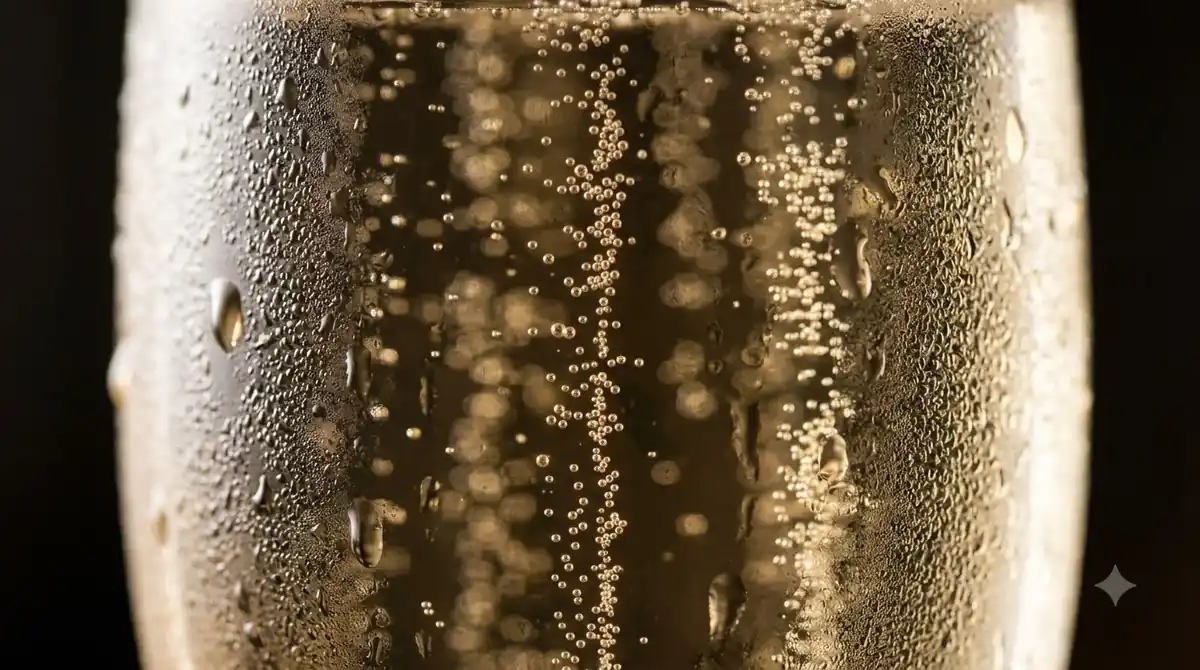
Events featuring Nagano wines may include tastings of red, white, rosé, and sparkling wines. Merlot and Chardonnay are among the internationally familiar varieties associated with Japanese production, while other grapes and regional specialties add variety to the selection.
Look for opportunities to compare wines from different Nagano valleys. Even when two wineries use the same grape, differences in growing conditions and production decisions can create distinct expressions.
Hokkaido’s cooler-climate wines
Hokkaido, Japan’s northernmost major island, offers a different wine experience. Its colder climate and substantial winter snowfall create growing conditions that contrast with those of central and southern Japan.
Wine production in Hokkaido includes international varieties such as Pinot Noir, Chardonnay, and Sauvignon Blanc, as well as other grapes suited to cooler conditions. Visitors interested in European wine styles may find this region particularly interesting.
Festival programs and winery events can vary between districts, so it is useful to investigate the local calendar rather than assuming every Hokkaido wine event follows the same format.
Yamagata and other emerging destinations
Yamagata is another established Japanese wine-producing area. It is among the major regions identified by the Japan Wineries Association, and its wines contribute to the country’s wider regional diversity.
Other prefectures also have wineries and wine-related celebrations. Tochigi, Shizuoka, Kumamoto, Okayama, and Osaka are examples of places where visitors can encounter wine production beyond the country’s best-known regions.
These destinations are particularly useful for travelers who want to combine wine experiences with regional sightseeing. The character of a festival may be closely connected to local agriculture, seasonal foods, and the traditions of the surrounding community.
Japanese Grapes and Wines to Taste at a Festival
A Japanese wine festival is an excellent opportunity to taste indigenous grape varieties alongside familiar international grapes. Starting with Koshu and Muscat Bailey A provides a useful introduction to the country’s wine identity.
Koshu is an indigenous white grape associated with Yamanashi. The Japan Wineries Association describes its typical profile as refreshing, with grapefruit and lemon aromas, light acidity, and relatively low alcohol. Its delicate character makes it particularly interesting with Japanese food.
The grape’s history is also distinctive. It is associated with the Silk Road’s historical movement of grape varieties from Central Asia through China into Japan. Koshu was registered with the International Organisation of Vine and Wine in 2014 as a grape used for wine production.
Muscat Bailey A is an important Japanese red grape developed through hybridization. Its aromatic profile can include cherry and berry notes, while its relatively low tannin makes it a softer alternative to more structured red varieties.
International grapes are also important. Merlot, Chardonnay, Cabernet Sauvignon, Pinot Noir, Syrah, and Sauvignon Blanc are among the varieties grown by Japanese producers. Their presence allows visitors to compare familiar wine styles with expressions shaped by Japanese growing conditions.
| Grape variety | Wine style | Typical characteristics | Food pairing |
|---|---|---|---|
| Koshu | White | Citrus, light acidity, delicate character | Sushi, sashimi, seafood |
| Muscat Bailey A | Red | Cherry, berries, softer tannins | Teriyaki, grilled pork |
| Merlot | Red | Medium tannin, softer fruit character | Roasted meat, mushrooms |
| Pinot Noir | Red | Low-to-medium tannin, high acidity | Salmon, poultry, mushrooms |
| Chardonnay | White | Medium acidity, varied texture | Grilled fish, chicken |
| Sauvignon Blanc | White | High acidity, fresh citrus character | Seafood, salads, vegetables |
| Cabernet Sauvignon | Red | High tannin, structured character | Beef, lamb, aged cheese |
| Syrah | Red | Medium-plus to high tannin | Grilled beef, lamb |
Use this comparison as a starting point rather than a rigid description of every bottle. Production techniques, vineyard conditions, harvest decisions, and aging can change the style considerably.
For a more comprehensive introduction to the country’s wine geography, explore our Wine Regions resource before deciding which prefectures to visit.
Festival Food Pairings and Japanese Wine Experiences
Food is an important part of Japanese wine festivals. Many events combine wine tasting with regional dishes, seasonal ingredients, and local specialties, allowing visitors to understand how Japanese wines work with the country’s cuisine.
Koshu is a natural starting point for seafood. Its fresh citrus character and relatively light acidity can complement sushi, sashimi, grilled fish, and shellfish. The Yamanashi Prefecture government specifically identifies Koshu wine as a good match for seafood and Japanese dishes.
Muscat Bailey A offers a different pairing experience. Its fruity aromas and softer tannins work well with teriyaki meat and other dishes featuring savory or slightly sweet sauces.
Other varieties provide additional options. Chardonnay can accompany grilled fish, chicken, and creamy dishes. Pinot Noir’s acidity makes it useful with salmon and roasted poultry, while Merlot works well with mushrooms and moderately rich meat dishes.
When sampling several wines at a festival, consider how sweetness, acidity, tannin, and alcohol interact with food. A few basic pairing principles make it easier to choose combinations that work.
- Acidity: Match acidic foods with wines that have equal or higher acidity. Citrus-seasoned seafood, for example, generally works better with fresh, lively whites than with low-acid wines.
- Tannin: Salt and fat soften the perception of tannin. This makes structured red wines more suitable for richer meat dishes than for delicate seafood.
- Sweetness: Choose a wine that is at least as sweet as the dessert. A dry wine can taste sharply acidic beside a very sweet pastry.
- Chili heat: Alcohol and tannin can amplify spicy heat. Fruitier, lower-alcohol wines are often more comfortable choices with spicy dishes.
- Fish: Avoid pairing oily fish with strongly tannic reds. Fresh whites and lighter reds are generally better starting points.
Festival visitors should also consider serving temperature. Sparkling wines are best served around 40–50 F, light whites around 45–50 F, and full-bodied whites around 50–55 F. Light reds are generally more enjoyable around 55–60 F, while full-bodied reds can be served around 60–65 F.
Tip: Begin a Japanese wine tasting with sparkling wine or fresh white Koshu, continue with fuller whites and lighter reds, and finish with more structured reds or sweet wines. Ask whether a producer offers a tasting flight so you can compare several wines without committing to full glasses.
Food also provides a useful way to compare regional styles. A seafood-focused tasting in Yamanashi may emphasize Koshu, while a tasting featuring grilled meat could provide an opportunity to explore Muscat Bailey A and Merlot.
Planning a Japanese Wine Festival Visit
Good planning makes it easier to enjoy a festival, particularly if you are traveling from outside Japan. Start with the prefecture and event date, then investigate transportation, admission arrangements, tasting rules, and nearby winery visits.
Choose the right season
Autumn is particularly important for Japanese wine events. The Katsunuma Grape Festival is traditionally held on the first Saturday of October, while Yamanashi Nouveau is released on November 3. These celebrations connect wine tasting with the harvest and the arrival of new wines.
Other festivals may take place at different times of the year. Spring and summer winery events can offer a different atmosphere, while winter tastings may focus more on indoor venues and producer presentations.
Do not assume that an event repeats on precisely the same date every year. Organizers can change schedules, venues, admission arrangements, and tasting programs. Check the official event announcement before booking transportation or accommodation.
Arrange transportation in advance
Yamanashi is a practical choice for travelers staying in Tokyo. Katsunuma-Budokyo Station provides access to the wine district, and the surrounding area includes vineyards, wineries, and local attractions. The Japan National Tourism Organization’s guide to Japanese wine describes the journey from Shinjuku to Katsunuma-Budokyo as approximately 90 minutes by limited-express train.
The journey is suitable for a day trip, although an overnight stay allows more time for winery visits and regional sightseeing. Visitors can also combine wine tasting with a visit to Isawa Onsen or other attractions in the wider Koshu area.
Nagano requires a different travel plan because its wine-producing areas are spread across several valleys. Choose a specific district before arranging accommodation, especially if you intend to visit multiple wineries.
Hokkaido also requires attention to distances between destinations. Its wine regions are geographically spread out, so an itinerary based on one town or district is often more practical than attempting to visit several distant vineyards in a single day.
Understand admission and tasting arrangements
Festival admission policies differ between organizers. Some events may offer general entry with individual tasting tickets, while others may include a tasting glass or a set number of samples with admission.
Check whether the event requires advance registration, whether tasting glasses are provided, and whether food is included. Popular events may have attendance limits, and some winery visits require reservations even when general festival admission does not.
International visitors should also consider language arrangements. Larger festivals may have English-language information, but smaller winery events may primarily operate in Japanese. Saving the event address and essential reservation information in Japanese can make transportation and communication easier.
Explore wineries beyond the festival venue
A festival is a convenient introduction, but an individual winery visit can provide more detailed information about vineyard conditions, grape selection, fermentation, and aging.
In Katsunuma, the Château Mercian Wine Museum and Miyakoen offer opportunities to learn about the history of Yamanashi winemaking. The surrounding district also has numerous wineries where visitors can investigate tasting and tour availability. The Yamanashi Tourism Organization’s Katsunuma visitor guide provides information about the local wineries, grape-picking opportunities, and the annual festival.
Allow enough time between appointments. A schedule that includes several wineries, a festival, lunch, and transportation can become demanding, especially when the venues are spread across different parts of a valley.
For international travelers, comparing your plans with other regional wine events can also be useful. Our coverage of the Livermore wine festival, Indiana wine festival, and Utah wine festival provides additional examples of how wine celebrations differ between destinations.
One essential transportation rule deserves special attention: never plan to drive after drinking. Japan has strict drink-driving laws. Use public transportation, a designated non-drinking driver, or an appropriate local transportation service instead.
Making the Most of Japanese Wine Tastings
A little preparation helps visitors get more out of a festival tasting. Rather than sampling every available wine immediately, approach the event with a simple plan that prioritizes regional grapes, different producers, and styles you have not encountered before.
Start by identifying a few varieties you want to understand. Koshu and Muscat Bailey A are excellent choices for a first Japanese wine tasting because they introduce two distinctive grapes associated with the country’s wine history.
Next, compare wines from different producers. If several wineries offer Koshu, look for differences in citrus intensity, acidity, texture, and finish. For red wines, compare Muscat Bailey A with Merlot or Pinot Noir to understand how grape variety affects the finished wine.
Take short notes after each sample. Record the producer, grape variety, region, vintage if provided, and one or two noticeable characteristics. These details become especially helpful at larger events where many wineries offer similar-looking bottles.
Portion size also matters. A standard wine pour is approximately 5 ounces, and a 750 ml bottle provides about five standard glasses. Festival tasting portions are often smaller, but sampling many wines can still add up. Pace yourself, drink water, and take breaks between tasting stations.
If you are interested in buying wine, consider how you will transport it. Bottles should be protected from heat, strong temperature changes, and physical damage. For bottles intended for longer storage, a cool environment near 55 F is generally suitable, and traditional cork-finished bottles are commonly stored on their sides.
For wines you open during your trip, refrigeration helps preserve freshness. Sparkling wines generally keep for approximately 1–3 days after opening, still wines around 3–5 days, and fortified wines several weeks, depending on storage and style.
Finally, remember that a festival is not only about identifying a favorite bottle. Conversations with winemakers, learning about local grape-growing conditions, and discovering regional dishes are equally valuable parts of the experience.
Frequently Asked Questions
Is there one official Japan Wine Festival?
No single nationwide event represents every Japanese wine producer or region. Japanese wine celebrations are organized independently by regional associations, wineries, tourism organizations, and event organizers. This means the festival experience depends on the prefecture and the event’s individual program.
Can international visitors attend Japanese wine festivals?
Yes. Many public wine events and winery experiences are open to international visitors. However, admission instructions and reservation procedures may be provided primarily in Japanese. Visitors should also remember that the legal drinking age in Japan is 20.
What does the Japanese wine label term Nihon Wine mean?
Nihon Wine refers to wine made from domestically harvested grapes and produced in Japan under the country’s labeling rules. It helps distinguish Japanese grape production from wines that use imported grape material or imported wine. This distinction is useful when comparing the origin of bottles at festivals.
What is the Yamanashi Geographical Indication mark?
GI Yamanashi is a geographical indication identifying wines that meet specified regional production and quality requirements. The designation was established in July 2013. It helps consumers recognize wines meeting the prefecture’s standards for grape origin, production, storage, and bottling.
Can visitors buy Japanese wine directly from festival producers?
Many wine festivals provide opportunities to purchase bottles directly from participating producers, although availability depends on the event and individual winery. Some smaller wineries produce limited quantities, and popular releases can sell out. International visitors should also check customs allowances and airline baggage restrictions before purchasing bottles for the journey home.
Japanese wine festivals offer an enjoyable introduction to the country’s regional vineyards, indigenous grape varieties, and evolving wine culture. Start with Yamanashi for its established wine history and Koshu specialties, then explore Nagano, Hokkaido, and other prefectures to discover different interpretations of Japanese wine. With the right seasonal timing and transportation arrangements, a festival can become a memorable part of a wider Japanese food and wine trip.
More in Wine Regions
 Willcox Wine Trail: Discover Arizona’s High-Elevation Wine CountryUpdated Nov 20, 2026
 Yakima Valley Wine Region: Find the Best Styles to TryUpdated Nov 20, 2026
 Vosne Romanee Wine Tasting: Identify Aromas and Choose Better PairingsUpdated Nov 20, 2026
 Yakima Valley Wine Festival: Find the Best Seasonal Wine EventsUpdated Nov 20, 2026
 Wales Vineyards: Discover Cool-Climate Wines and Where to VisitUpdated Nov 20, 2026
 Yountville Wine Festival: Discover Napa Wines and Local FoodUpdated Nov 20, 2026