


We may earn a commission when you buy through links on this page, at no extra cost to you. Learn more.
Istria wine tasting introduces visitors to Croatia’s distinctive Malvazija Istarska whites, high-acid Teran reds, regional Muscat wines, and welcoming family wineries. The best experiences combine cellar visits in villages such as Momjan, Brtonigla, and Motovun with traditional Istrian food and beautiful vineyard scenery. Plan two or three winery appointments per day, reserve smaller tasting rooms in advance, and leave time to explore the peninsula’s coastal towns and inland countryside.
Istria occupies a particularly interesting position on the Adriatic, where Croatian, Italian, and Central European influences meet. Its food culture, landscape, and winemaking traditions make the peninsula an appealing destination for wine travelers who want something different from the better-known vineyards of Tuscany, Bordeaux, or Burgundy. Rather than focusing exclusively on internationally familiar grapes, Istrian wine tasting offers an opportunity to discover local varieties, distinctive soil conditions, and producers who combine traditional methods with modern cellar techniques. Whether you are staying in Rovinj, Poreč, Pula, or an inland village, there are plenty of opportunities to explore the region through its wines.
What Makes Istria a Distinctive Wine Destination?
Istria stands out because its wine culture reflects both Mediterranean coastal conditions and cooler inland influences. Its combination of rolling vineyards, different soil types, and indigenous grape varieties creates a recognizable regional identity.
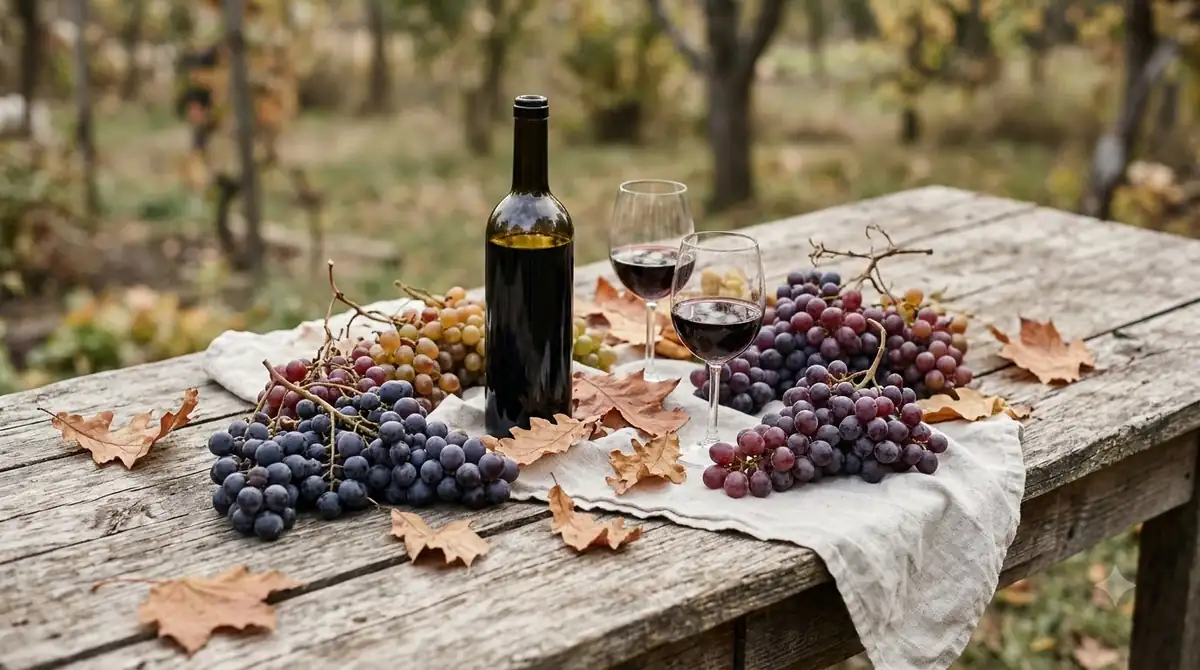
The peninsula is part of Croatia’s northern Adriatic wine landscape, with vineyards extending across western, central, and eastern areas. Western communities such as Poreč, Rovinj, and Pula offer easy access to restaurants, beaches, and wineries. Inland, villages such as Motovun, Grožnjan, and Momjan sit among hills, vineyards, olive groves, and woodland. The scenery is an important part of the tasting experience because many cellars occupy countryside locations with views over the surrounding vineyards.
Soil is another important influence. Istria has two widely discussed soil types: red soil containing iron and lighter white soils. According to Decanter’s regional coverage, red soil tends to produce fruitier wines, while white soil is associated with aromatic wines and notable minerality. These are broad regional tendencies rather than guarantees, since grape variety, vineyard location, harvest decisions, and winemaking practices also influence the final wine.
The peninsula’s position between Alpine and Mediterranean air influences its growing conditions. Differences between daytime and nighttime temperatures can help preserve aromatic freshness as grapes mature. This balance is particularly relevant for Malvazija Istarska, which can produce wines with both ripe fruit character and refreshing acidity.
Winemaking in Istria has ancient roots. Archaeological discoveries of amphorae in the Adriatic support the region’s long connection with wine production during Roman times. Contemporary wineries range from small family cellars to modern estates with dedicated tasting facilities. Some emphasize stainless-steel fermentation and fresh fruit expression, while others experiment with oak, extended skin contact, or traditional amphora aging.
For wine travelers, this variety means that a single visit can include crisp coastal whites, structured inland reds, sweet Muscat, and unusual orange wines. The peninsula also offers plenty of opportunities to combine wine with local olive oil, truffles, seafood, and traditional pasta dishes.
The Essential Istrian Grapes and Wine Styles
Start an Istrian tasting with Malvazija Istarska and Teran, the peninsula’s best-known white and red grapes. Add Muškat Momjanski for a distinctive local dessert wine and explore international varieties or alternative winemaking styles afterward.
Malvazija Istarska is the white grape most closely associated with Istrian wine. The variety produces wines that can range from light, fresh, and floral to fuller, textured examples with oak influence. Younger bottlings commonly show citrus, pear, apple, stone fruit, and floral aromas. Acacia blossom is another characteristic aroma frequently associated with the variety.
Its flexibility makes Malvazija particularly useful at the dinner table. Fresh versions work well with grilled fish, shellfish, calamari, and lighter seafood dishes. More substantial oak-aged examples can accompany richer preparations, roasted poultry, mushroom dishes, and mature cheeses. When tasting several Malvazija wines, compare an unoaked bottling with a barrel-aged version to understand how cellar choices influence texture and aroma.
Teran is the region’s signature red grape. It produces deeply colored wines with naturally lively acidity and pronounced fruit character. Depending on the producer and growing conditions, aromas can include sour cherry, blackberry, raspberry, and herbal notes. Some bottlings emphasize fresh fruit, while more structured examples use oak aging to develop additional complexity.
Teran is particularly interesting because its natural acidity gives it a different personality from softer, rounder red wines. It can work beautifully with Istrian prosciutto, grilled meats, game, and dishes prepared with Boškarin, the region’s indigenous cattle. The combination of acidity and savory food flavors makes Teran an excellent restaurant choice.
Muškat Momjanski is another important regional specialty. This Muscat wine is associated with Momjan in northwestern Istria and is particularly appealing to visitors interested in aromatic sweet wines. Floral aromas help distinguish it from the peninsula’s dry whites and reds. Its protected designation of origin status makes it an especially interesting wine to seek out in its traditional area.
Sweet Muscat deserves attention at the end of a tasting rather than being treated as an afterthought. It can accompany local fried-dough desserts, fruit preparations, and other sweets. A useful comparison is to taste it alongside a dry Malvazija and a dry Teran to experience the full range of Istrian wine styles.
International varieties also appear throughout the peninsula. Merlot, Cabernet Sauvignon, Chardonnay, Pinot Blanc, Pinot Gris, and Sauvignon Blanc contribute to the region’s broader selection. Some producers use them for varietal wines, while others incorporate them into blends.
| Grape or style | Typical character | Food pairing |
|---|---|---|
| Malvazija Istarska | Floral, fresh, aromatic white | Fish, shellfish, calamari |
| Teran | Deep color, lively acidity, red fruit | Prosciutto, grilled meats, game |
| Muškat Momjanski | Aromatic, floral, sweet | Kroštule and fruit desserts |
| Merlot | Soft fruit, medium tannin | Roasted poultry, pork, pasta |
| Cabernet Sauvignon | Dark fruit, firm tannin | Beef, lamb, aged cheese |
| Orange Malvazija | Textured, savory, skin-contact character | Mushrooms, hard cheese, truffles |
One useful tasting strategy is to compare wines made from the same grape by different producers. For example, two Malvazija wines may share floral aromas but differ in body, acidity, oak influence, and finish. This comparison reveals why vineyard location and cellar decisions matter just as much as grape variety.
The Best Areas for Wine Tasting in Istria
Northwestern Istria is a strong starting point for traditional winery visits, while Motovun offers an attractive inland wine experience and the southern peninsula provides convenient access from Pula and Rovinj. Choosing one or two neighboring areas makes a tasting itinerary easier to organize.
Momjan and Buje
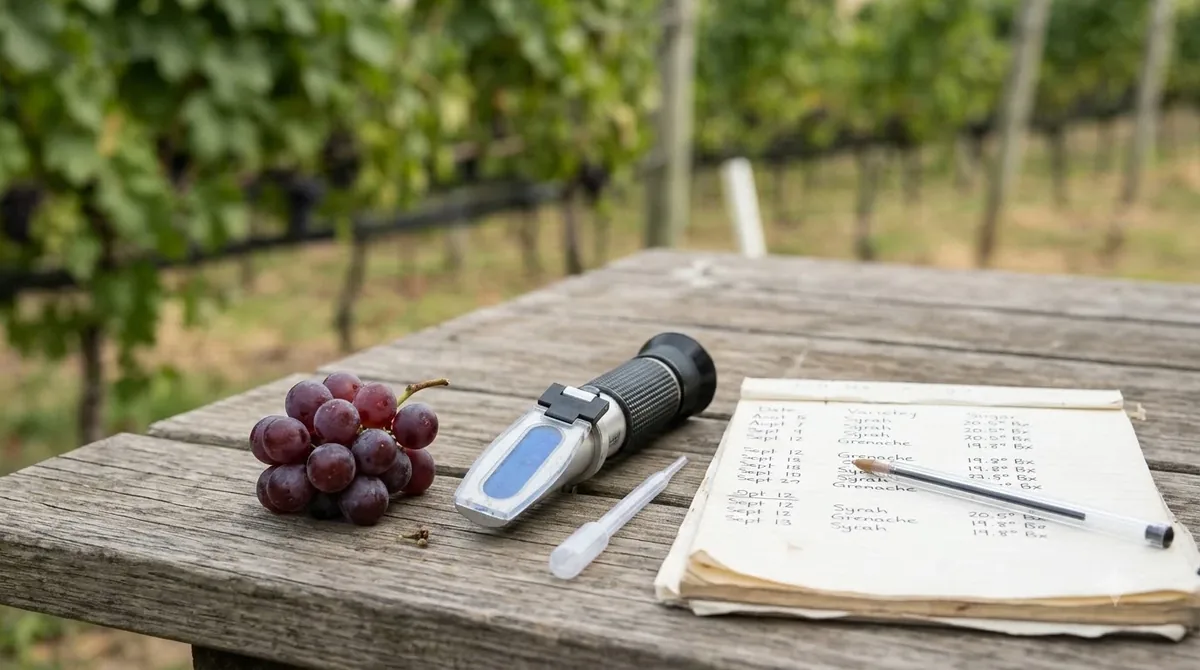
Momjan is one of the most recognizable wine villages in Istria, especially for visitors interested in Malvazija and Muškat Momjanski. Its location in the northwestern hills creates an attractive setting for cellar visits, and several established producers operate in the surrounding countryside.
Kozlović is one of the area’s best-known family wineries. Founded in 1904, the estate is run by the fourth generation of the family and has a tasting room that can accommodate up to 50 guests. Its vineyards include more than 30 hectares of plantings in the Vale locations and the Santa Lucia site near Buje. Its range includes Malvazija, Teran, and Muškat Momjanski, alongside olive oil and rakija. This makes it a useful destination for visitors who want to understand several local products in one appointment.
Kabola is another worthwhile stop in Momjan. The winery has farmed organically since 2009 and produces approximately 15 wine labels. Its use of Georgian-style amphorae buried in the ground gives visitors an opportunity to explore a different approach to aging and texture. A comparison between its fresh Malvazija and an amphora-aged bottling can make for a particularly interesting tasting.
Nearby Buje provides a convenient base for exploring additional wineries and traditional villages. The countryside is characterized by vineyards, olive trees, and rolling hills, making this area especially attractive for travelers who prefer rural cellar visits over busy coastal destinations.
Brtonigla and the Northwestern Wine Roads
Brtonigla is another excellent area for discovering local producers. Its location between the northwestern hills and the coastal wine country makes it a practical stop on a regional itinerary.
Veralda is one of the wineries associated with this area. The producer is certified organic and has a restaurant on the estate. Its Teran 2015 received Platinum Best in Show at the Decanter World Wine Awards 2016, making it a notable name for visitors interested in the region’s red wines.
Brtonigla also works well as part of a broader exploration of the Bujština wine area. Rather than rushing between numerous cellars, consider selecting two producers and allowing enough time to discuss vineyard conditions, fermentation, aging, and the differences between individual vintages.
Motovun and Central Istria
Motovun is among the peninsula’s most attractive inland destinations. Located approximately 68 kilometers north of Pula, the medieval hilltop town overlooks the Mirna Valley and nearby vineyards. The surrounding oak forests are associated with Istria’s truffle culture, giving visitors another reason to spend time in the area.
Teran is particularly important around Motovun, although Malvazija also appears in several distinctive styles. The region experiences both Mediterranean and continental climatic influences. Decanter describes substantial seasonal temperature differences in the area, which help explain why vineyard conditions can differ considerably from those along the coast.
Roxanich is a recognizable producer near Motovun, particularly for visitors interested in natural and orange wines. Its cellar produces approximately 20 wines, and the estate also includes a design hotel and restaurant. This combination makes it a convenient destination for travelers who want to connect a tasting with a longer countryside stay.
Other producers such as Tomaz, Fakin, and Benvenuti offer additional opportunities to explore central Istrian wine. Comparing Teran from different producers can reveal differences in ripeness, acidity, tannin, and oak treatment. This area is also a natural choice for travelers interested in combining wine tasting with seasonal truffle dishes.
Rovinj, Poreč, and Southern Istria
The western coast is a convenient base for visitors who want to balance winery appointments with seaside restaurants and sightseeing. Poreč and Rovinj offer accommodation, dining, and access to nearby countryside producers.
Near Rovinj, visitors can explore wineries such as Dobravac, Vivoda, and Stancija Collis. These producers offer different interpretations of Malvazija and other regional varieties. Stancija Collis also produces olive oil, making it an interesting stop for travelers who want to learn about two important Istrian agricultural traditions.
Southern Istria is another worthwhile area, particularly for travelers staying in Pula. Trapan operates near Šišan and works organically and biodynamically. Its modern tasting room, which opened in 2010, has space for 55 guests. Its location makes it a practical choice for visitors exploring the southern countryside.
Meneghetti, outside Bale, is another notable estate. Its portfolio includes sparkling wines and distinctive white and red labels, alongside an estate setting that combines vineyards, olive groves, accommodation, and dining. It provides a different experience from the smaller family cellars found in the inland villages.
Travelers comparing wine destinations across Europe may also enjoy reading about Bolgheri wine tasting, particularly if they are interested in Mediterranean coastal vineyards and international grape varieties.
How to Plan an Istria Wine Tasting Itinerary
A successful wine itinerary should prioritize location, appointment availability, and tasting variety rather than the number of cellars visited. Two or three winery appointments in one day generally provide a more enjoyable experience than attempting to visit five or more producers.
Start by choosing a convenient accommodation base. Rovinj and Poreč work well for western coastal exploration, while Pula provides access to southern wineries. Travelers interested in traditional family cellars may prefer spending time around Momjan, Buje, or Motovun.
Next, group wineries geographically. A day around Momjan and Buje could include Kozlović and Kabola, with additional time for a meal or sightseeing in the countryside. Another day could focus on Motovun and nearby producers, leaving time to explore the medieval town and enjoy local truffle dishes.
Advance reservations are particularly important for smaller family wineries. Unlike large commercial tasting rooms, some small producers do not maintain regular public opening hours. Calling or emailing ahead helps confirm the available tasting format, group size, language options, and appointment time.
Established wineries may provide more flexible visiting arrangements. For example, the Istrian Wines guide lists Degrassi near Savudrija as having an enoteca open throughout the year. It also lists Veralda with regular opening hours from Monday through Saturday, 9 a.m. to 6 p.m., and Sunday, 10 a.m. to 2 p.m. These arrangements can change, so confirmation directly with the winery remains important.
When making a reservation, ask what the tasting includes. Some visits focus on a selection of wines, while others combine several labels with regional snacks, olive oil, or a cellar tour. If you are especially interested in amphora wines, orange wines, or older Teran bottlings, mention this when contacting the producer.
Wine tasting should also be approached at a comfortable pace. Take time to examine the color, smell the wine, and consider how acidity, body, fruit, and tannin work together. It is perfectly acceptable to use a spittoon during professional tastings, especially when visiting multiple wineries.
Tip: Build your itinerary around two or three nearby wineries, appoint a sober driver, and confirm every appointment before leaving your accommodation. Croatia’s general blood alcohol limit for ordinary drivers is 0.5 per mille, but a designated driver who avoids alcohol altogether is the simplest and safest arrangement.
A practical approach is to divide the day into a morning visit, a leisurely regional lunch, and an afternoon appointment. This leaves time for questions and sightseeing without making the experience feel rushed. It also gives visitors an opportunity to appreciate the countryside between stops.
For travelers planning several wine-focused holidays, comparing the regional styles in Alsace wine tasting and Willcox wine tasting can provide useful context for understanding how climate, grapes, and local traditions shape a wine destination.
Best Time to Visit and What to Expect at a Winery
May through October is generally the most convenient period for Istria wine tasting, with September and October offering a particularly interesting combination of harvest activity and seasonal food. The ideal month depends on whether you prefer warm-weather travel, quieter cellar visits, or the energy of harvest season.
May and June are attractive for travelers who prefer pleasant outdoor conditions and relatively fresh spring landscapes. Vineyards are active, the coastal towns are generally less crowded than during peak summer, and the annual International Wine Day provides a special opportunity to visit local cellars.
The Istrian Wines guide identifies the last Sunday in May as International Wine Day. The event provides an opportunity to discover local producers and regional wine styles. Visitors interested in attending should confirm the current event program and participating wineries before traveling.
July and August are popular for combining wine tasting with beach holidays. Coastal bases such as Rovinj, Poreč, and Pula offer plenty of accommodation and restaurant choices. However, summer is also a busy tourism period, so advance planning is particularly useful. Inland winery visits can provide a pleasant change from the coastal crowds.
September and October are particularly appealing for wine enthusiasts. Harvest activity brings increased attention to the vineyards and cellars, while the truffle season adds another dimension to regional dining. According to the Istrian Wines guide, the main truffle season runs approximately from September through December, with October and November representing its peak.
Harvest is an interesting time to visit, but it can also be busy for winery staff. Some producers may have limited appointment availability because their attention is focused on picking, sorting, and fermentation. Confirm visits before making travel arrangements.
At the cellar, expect a tasting to begin with a brief introduction to the estate and its wines. Depending on the producer, visitors may learn about vineyard sites, grape selection, fermentation, and barrel or amphora aging. Some experiences include access to production spaces, while others take place entirely in a dedicated tasting room.
Most structured tastings include several wines served in a sequence. White wines commonly appear before reds, while sweet wines are often served toward the end. Ask questions about the grape varieties and production methods, particularly if you are comparing different expressions of Malvazija or Teran.
Wine tasting is not simply about identifying fruit aromas. Pay attention to acidity, body, texture, alcohol warmth, and finish. For example, a young Malvazija may feel bright and refreshing, while an oak-aged version can have a fuller texture and more developed flavors. A Teran may feel lively and firm because of its naturally high acidity.
For additional practical details about visiting individual estates, opening arrangements, and regional tasting options, consult the Istrian Wines winery and tasting guide. It provides producer-specific information that can help visitors organize appointments across the peninsula.
Traditional Istrian Food and Wine Pairings
Food is an essential part of Istrian wine culture, and the region’s traditional dishes provide natural partners for its indigenous grapes. Malvazija is especially suitable for seafood, Teran works beautifully with savory meat dishes, and Muškat Momjanski makes a natural companion for local desserts.
The western coastline has a strong seafood tradition. Grilled fish, calamari, mussels, shrimp, and other Adriatic specialties frequently appear on restaurant menus. Fresh Malvazija is a particularly useful choice because its acidity and aromatic character complement seafood without overpowering delicate flavors.
Try a young Malvazija with grilled sea bass, olive oil, herbs, and lemon. Its freshness helps balance the richness of the olive oil, while the wine’s fruit and floral notes complement the fish. Shellfish and grilled calamari are also excellent choices, especially when prepared simply.
More substantial white wines can accompany richer dishes. An oak-aged Malvazija may work particularly well with creamy seafood preparations, roasted poultry, and dishes featuring mushrooms. The additional texture and body help the wine stand up to more complex flavors.
Teran is an excellent match for the peninsula’s traditional meat dishes. Istrian prosciutto, locally known as pršut, offers saltiness and savory intensity that can soften the perception of red-wine tannin. This makes a lively Teran particularly enjoyable alongside a platter of cured meat and regional cheese.
Another traditional pairing involves Boškarin, the indigenous Istrian cattle breed. The meat is used in various preparations, including pasta sauces and slow-cooked dishes. Teran’s acidity can provide a refreshing contrast to the richness of the meat, while its dark fruit character complements savory flavors.
Fresh pasta is another important part of the regional food culture. Fuži, a traditional Istrian pasta shape, is frequently served with meat-based sauces, mushrooms, and truffles. A structured Teran can accompany a rich meat sauce, while a textured Malvazija can work with mushroom-based preparations and lighter sauces.
Truffles deserve particular attention. The countryside around Motovun, Livade, and Buzet is closely associated with truffle hunting and seasonal menus. White or black truffles may appear in pasta, egg dishes, and other preparations. Their earthy aromas make fuller whites and carefully selected reds interesting pairing options.
For dessert, Muškat Momjanski is a regional specialty worth seeking out. Its floral aromas and sweetness complement kroštule, a traditional fried-dough dessert often dusted with sugar. The basic pairing principle is to choose a wine at least as sweet as the dessert so the wine does not taste harsh or thin alongside it.
Wine service also matters. Light and aromatic whites generally show well at approximately 45 to 50 degrees Fahrenheit, while fuller whites are better served around 50 to 55 degrees. Light reds can be served around 55 to 60 degrees, and fuller reds around 60 to 65 degrees. These temperatures help preserve freshness and allow the wines to show their individual character.
When tasting several regional wines with a meal, consider the sequence as carefully as the pairings. Begin with a fresh Malvazija and seafood, move to Teran with prosciutto or pasta, and finish with Muscat and dessert. This progression reflects the traditional relationship between Istrian wine and food.
Frequently Asked Questions
Is Istrian wine available outside Croatia?
Some Istrian producers export their wines to international markets, particularly specialty wine shops and restaurants focused on European selections. However, smaller family wineries may distribute only limited quantities abroad. Asking a winery about its export markets or contacting an importer specializing in Croatian wine can help locate particular labels.
What does the word Malvazija mean on an Istrian wine label?
Malvazija identifies a family of grape varieties rather than one universally identical wine style. The Istrian variety is commonly identified as Malvazija Istarska, distinguishing it from other grapes that also carry the Malvasia or Malvazija name. The word Istarska specifically connects the wine with Istrian regional identity.
Are there sparkling wines made in Istria?
Yes. Istrian producers make sparkling wines alongside their better-known still whites and reds. Kabola, for example, produces a sparkling wine from Istrian Malvasia. These wines provide another option for visitors interested in exploring beyond Malvazija and Teran.
Can visitors taste Istrian wine without visiting a winery?
Yes. Restaurants, wine bars, and local konobas provide opportunities to order regional wines by the glass or bottle. This is particularly convenient in towns such as Rovinj, Poreč, and Pula, where travelers can explore local labels without arranging transportation to rural estates. Asking for a local Malvazija or Teran is a good way to begin.
What is the difference between Croatian and Slovenian Istrian wine?
Both areas share important regional grapes and a closely connected Adriatic food culture, but their vineyard conditions and winemaking approaches are not identical. Slovenian Istria is particularly associated with flysch soils containing marl and sandstone, while red terra rossa is prominent in parts of Croatian Istria. Slovenian producers also use the name Refošk for their characteristic red grape.
Istria is an excellent destination for discovering regional wine styles, family wineries, and traditional Adriatic food in one trip. Begin with Malvazija Istarska and Teran, explore the distinctive Muscat wines of Momjan, and build your itinerary around a few carefully selected cellar visits. With its combination of vineyard scenery, historic villages, and memorable regional cuisine, Istria offers a rewarding wine experience for both newcomers and experienced wine enthusiasts.
More in Wine Regions
 Willcox Wine Trail: Discover Arizona’s High-Elevation Wine CountryUpdated Nov 20, 2026
 Yakima Valley Wine Region: Find the Best Styles to TryUpdated Nov 20, 2026
 Vosne Romanee Wine Tasting: Identify Aromas and Choose Better PairingsUpdated Nov 20, 2026
 Yakima Valley Wine Festival: Find the Best Seasonal Wine EventsUpdated Nov 20, 2026
 Wales Vineyards: Discover Cool-Climate Wines and Where to VisitUpdated Nov 20, 2026
 Yountville Wine Festival: Discover Napa Wines and Local FoodUpdated Nov 20, 2026