

We may earn a commission when you buy through links on this page, at no extra cost to you. Learn more.
The hill country wine festival is a celebration of Texas wines, regional wineries, local food, and Hill Country hospitality, with Fredericksburg serving as a major gathering point for wine lovers. The Fredericksburg Food & Wine Festival brings together winemakers, chefs, culinary businesses, and visitors for tastings and special events in historic downtown Fredericksburg. Visitors can discover Texas-grown grapes, sample wines from established producers, enjoy regional dishes, and learn more about one of America’s largest wine-growing areas.
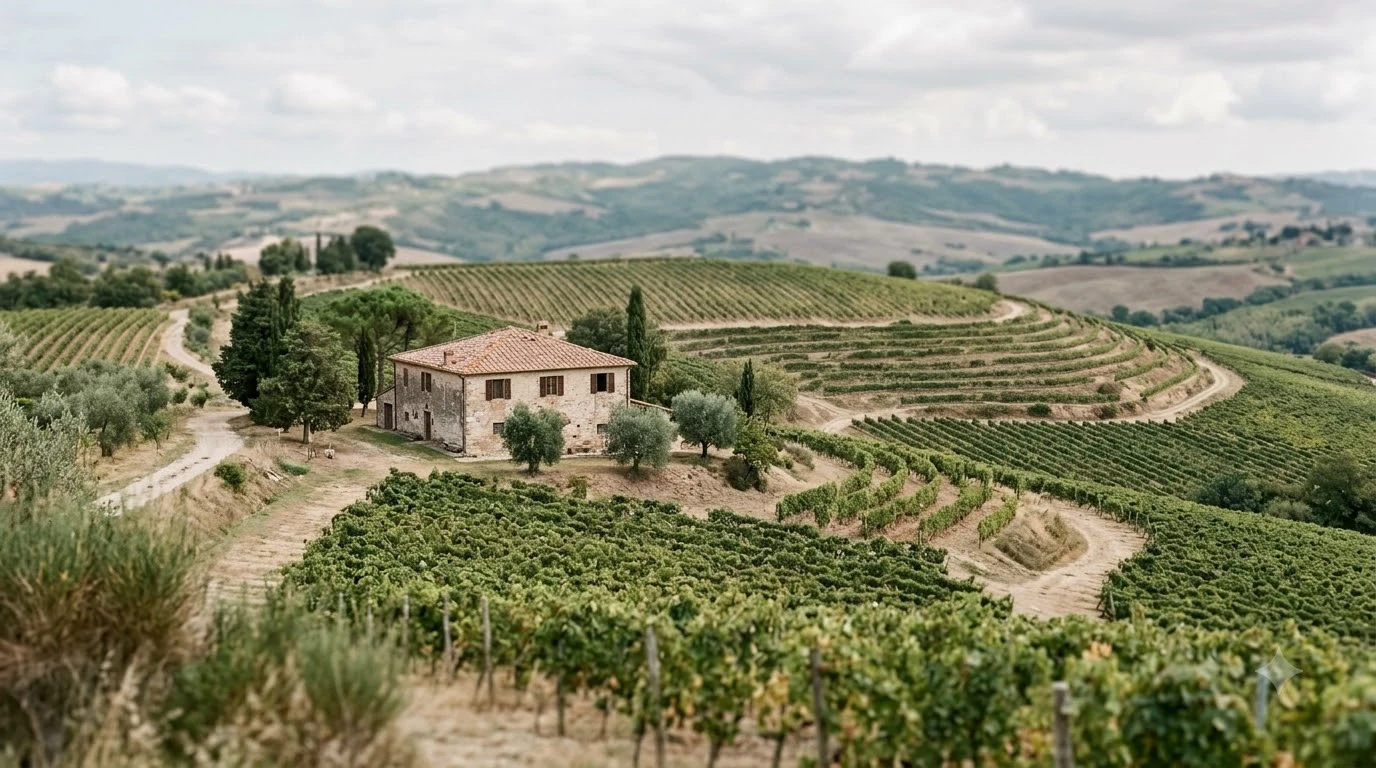
Texas Hill Country offers a wine experience that combines vineyard visits, distinctive regional grapes, scenic drives, and a strong food culture. Its festivals provide an accessible introduction to that scene, whether you are planning a weekend around Fredericksburg or adding a tasting event to a longer Texas trip. Understanding the festival format, local wine styles, and practical details will help you make the most of your visit.
What Is the Hill Country Wine Festival?
The Hill Country wine festival experience centers on bringing Texas wine producers and local culinary businesses together in a social setting. Fredericksburg Food & Wine is one of the region’s best-known celebrations, offering visitors opportunities to meet producers, sample wines, enjoy chef-led presentations, and discover local food.
The Fredericksburg Food & Wine organization has been bringing together regional winemakers, chefs, and makers for more than 30 years. Its programming extends beyond one traditional festival day, with Restaurant Week in spring, Preview Week in summer, and Festival Weekend in fall. This broader structure gives visitors several ways to explore the local dining and wine scene throughout the year.
The main fall celebration takes place in historic downtown Fredericksburg. Marktplatz provides a central gathering location, allowing visitors to enjoy the festival atmosphere while remaining close to Main Street restaurants, shops, and other downtown attractions. Rather than requiring guests to travel between numerous vineyards during the main event, the Grand Tasting brings many producers together in one place.
The festival is also about the people behind Texas wine. Guests can encounter winemakers, restaurant owners, chefs, and food artisans, often learning about their ingredients, production choices, and regional influences directly from the people responsible for them. This personal element makes the experience valuable even for visitors who already know the basics of wine tasting.
Although the name may suggest a single tasting event, Fredericksburg Food & Wine is better understood as a collection of culinary and wine experiences. Some gatherings emphasize restaurant menus, others focus on smaller producer-led events, and the fall weekend provides the larger public celebration.
Festival Dates, Events, and Fredericksburg Locations
The Fredericksburg celebration follows a three-season calendar, with Restaurant Week, Preview Week, and Festival Weekend serving different interests. The fall gathering is the central event for visitors seeking a large wine tasting, while spring and summer offer additional opportunities for food and wine experiences.
For the 2026 program, the official festival calendar identifies the following schedule:
| Event | Typical timing | Main experience |
|---|---|---|
| Restaurant Week | May 4–9, 2026 | Restaurant menus, culinary pairings, and dining events |
| Preview Week | July 20–24, 2026 | Smaller gatherings, producer experiences, and special tastings |
| Festival Weekend | October 22–25, 2026 | Grand Tasting, street dinner, opening event, and brunch |
Festival Weekend is organized around four ticketed experiences. Opening Night provides a social start to the celebration, while Friday’s Street Dinner places food and wine at the center of a downtown gathering. Saturday’s Grand Tasting is particularly appealing to visitors who want to sample wines from multiple producers without making separate trips to individual tasting rooms.
Sunday Brunch provides a different pace, emphasizing the relationship between food, wine, and hospitality. The combination of four events allows visitors to build a weekend around the experiences that interest them rather than assuming every ticket covers the entire program.
Marktplatz, located at 126 W. Main Street, is the central downtown location associated with Festival Weekend. Its location makes it convenient to combine the festival with a walk along Main Street, a restaurant visit, or a stop at one of Fredericksburg’s local shops. Visitors should distinguish between the downtown festival location and the vineyards scattered throughout the wider countryside.
The spring and summer programs have different formats. Restaurant Week is centered on participating restaurants, special menus, and curated pairings. Preview Week offers smaller ticketed experiences such as chef dinners and wine and spirit pairings. These events may appeal to visitors who prefer a more intimate atmosphere than a large public tasting.
Tip: Confirm the exact event date, ticket type, admission arrangements, and venue before traveling. A ticket for one festival experience should not be assumed to include Opening Night, the Grand Tasting, the Street Dinner, or Sunday Brunch.
Understanding the Texas Hill Country Wine Region
The Texas Hill Country American Viticultural Area, or AVA, provides the geographic foundation for the region’s wine identity. Covering more than 9 million acres, it is the third-largest certified AVA in the United States and stretches across central Texas north of San Antonio and west of Austin.
An AVA is a legally defined grape-growing area with distinguishing geographic characteristics. The designation helps consumers understand where grapes originate and gives wineries a recognized regional identity. According to the Texas Wine and Grape Growers Association, a wine must contain at least 85% grapes grown within a designated AVA to use that AVA’s name on its label. The association’s overview of Texas American Viticultural Areas explains the boundaries and characteristics of the state’s recognized wine-growing regions.
The broader Texas Hill Country AVA contains smaller designated wine-growing areas, including Bell Mountain and Fredericksburg in the Texas Hill Country. Bell Mountain was established in 1986 as Texas’s first AVA and covers approximately five square miles about 15 miles north of Fredericksburg. The Fredericksburg in the Texas Hill Country AVA covers approximately 110 square miles.
These distinctions matter because the name Texas Hill Country can describe a large geographical area, while a more specific AVA identifies a smaller grape-growing location. Visitors may encounter wines from several Texas regions at the same event, so the origin of each wine is an interesting detail to explore during a tasting.
The landscape includes limestone, granite, sandy soils, rolling terrain, and varied elevations. The Fredericksburg AVA has elevations of approximately 1,400 to 2,000 feet, while the broader region contains a wider range of terrain and growing conditions. These differences influence grape-growing decisions and contribute to the variety of wine styles produced across the area.
The region’s German heritage is part of Fredericksburg’s cultural identity, but its wine selection extends well beyond traditional European associations. Producers work with grapes associated with France, Spain, Italy, and other established wine-growing countries. Visitors can therefore find familiar international varieties made with Texas-grown fruit.
For a broader understanding of regional wine classifications, the site’s guide to Wine Regions provides useful background on how geography, climate, and grape-growing traditions shape different wines.
Wines and Grape Varieties to Look For
Texas Hill Country wine offers considerable variety, including aromatic whites, structured reds, rosé, sparkling wines, and blends. Visitors should look beyond familiar international grape names and pay attention to how local producers interpret varieties in the Texas climate.
Grenache, Syrah, Mourvedre, Viognier, and Sauvignon Blanc are among the varieties highlighted by the festival’s regional wine information. Cabernet Sauvignon and Merlot also feature in the local wine landscape. This range allows visitors to compare Mediterranean-influenced grapes with traditional Bordeaux varieties in the same tasting session.
Red wines
Syrah is a useful starting point for visitors who enjoy fuller-bodied reds. It commonly produces dark fruit flavors, peppery notes, and medium-plus to high tannin. Texas versions can be particularly interesting alongside grilled beef, smoked meats, and barbecue.
Grenache generally offers a softer tannin profile, with red fruit, spice, and approachable texture. Mourvedre can bring additional structure, savory character, and darker fruit. Together, these grapes are frequently used in Southern French-style blends, making them useful varieties to compare at a regional tasting.
Cabernet Sauvignon provides a familiar reference point for drinkers who enjoy firm tannin and dark fruit. Merlot typically offers a softer alternative, with medium tannin and a rounder texture. Sampling these varieties alongside Syrah can help visitors understand how different grapes produce distinct structures even when grown in the same broad region.
White wines
Viognier is an aromatic white grape often associated with floral notes, peach, apricot, and a fuller texture. It can work well with grilled poultry, mild spices, and dishes containing aromatic herbs.
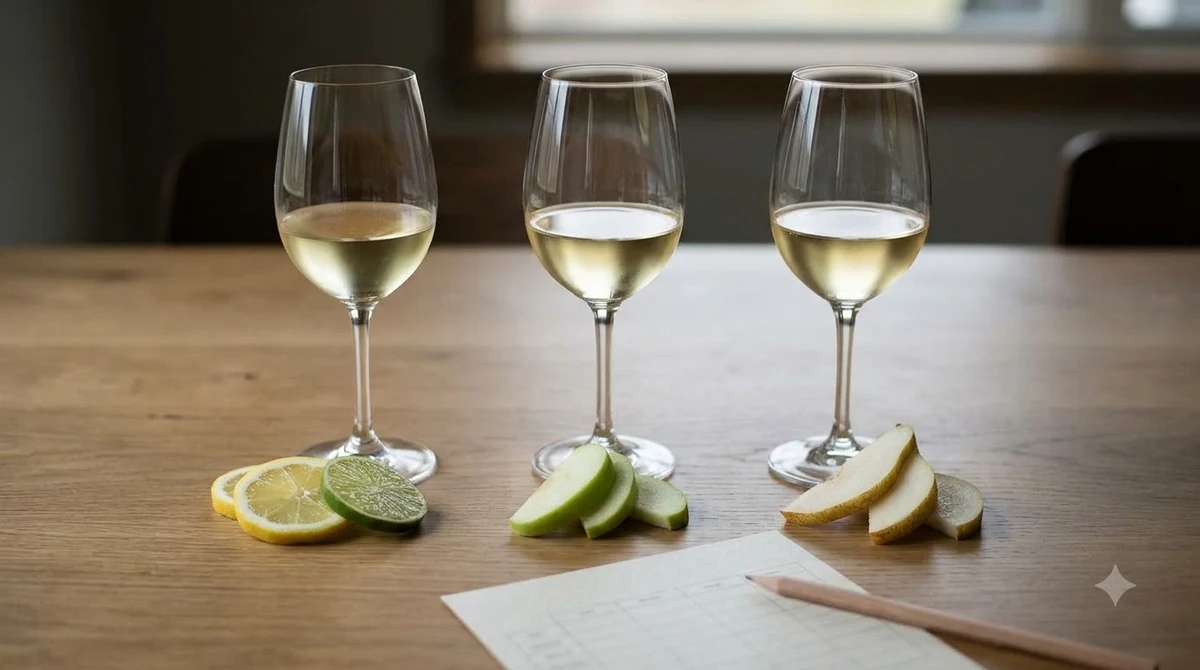
Sauvignon Blanc is generally more refreshing and acidity-driven, often showing citrus, green fruit, and herbal characteristics. Its acidity makes it a useful partner for seafood, goat cheese, salads, and dishes with citrus-based sauces.
Visitors should also look for Chardonnay and other white varieties when available. Chardonnay usually has medium acidity and can range from crisp, fruit-driven expressions to richer wines influenced by oak. Tasting several styles side by side reveals how winemaking choices influence the final character of a wine.
Blends and sparkling wines
Blends deserve particular attention because they allow winemakers to combine grape varieties with complementary characteristics. A Bordeaux-inspired blend might combine Cabernet Sauvignon and Merlot, while a Rhône-inspired blend can feature Syrah, Grenache, and Mourvedre.
Sparkling wine adds another dimension to the festival experience. Producers may offer traditional-method wines or other sparkling styles, depending on their approach. For a useful tasting comparison, consider how acidity, bubbles, and sweetness influence the wine’s suitability for appetizers and richer dishes.
Prosecco is made primarily from Glera grapes and generally uses the tank method, producing a fresh, fruit-forward sparkling style. Champagne and Cava use bottle fermentation for their traditional sparkling styles. Comparing these production methods can make a sparkling wine tasting particularly educational.
Ask participating producers which grapes are grown locally and which may come from other Texas growing areas. This is a particularly useful distinction when comparing wines carrying different regional designations.
Food Pairings and Local Culinary Experiences
Food is a central part of the Fredericksburg festival experience, not simply an accompaniment to wine. The program brings together chefs, pitmasters, restaurants, and artisans, creating opportunities to explore how Texas ingredients and regional cooking styles work with local wines.
The festival’s culinary programming includes live-fire demonstrations, chef-driven bites, an artisan marketplace, and live music. Its participating culinary businesses have included Fredericksburg restaurants such as Cabernet Grill, Otto’s German Bistro, and Hill & Vine. The wider program also features barbecue and chef-led presentations, connecting the wine experience with Texas food traditions.
Barbecue is one of the most natural pairing opportunities. Smoked brisket, grilled beef, and other rich meats can work particularly well with Syrah, Cabernet Sauvignon, or structured red blends. Salt and fat soften the perception of tannin, helping fuller-bodied wines feel less aggressive alongside rich food.
For grilled pork, sausages, and roasted poultry, Grenache and Merlot can offer a more moderate tannin level. Their fruit-forward profiles can complement caramelized meat and smoky seasonings without overwhelming lighter dishes.
White wines also have an important place at a Texas food event. Viognier can accompany grilled chicken, pork, and aromatic dishes, while Sauvignon Blanc works well with fresh salads, seafood, and citrus-driven appetizers. A crisp white wine can also refresh the palate between richer courses.
Acidity is an important consideration in food pairing. Foods with strong acidity, such as tomato-based sauces, vinegar dressings, and citrus marinades, generally need wines with equal or higher acidity. Otherwise, the wine may taste flat beside the food.
Sweetness deserves similar attention. If a dish or dessert is noticeably sweet, the wine should be at least as sweet to avoid tasting excessively tart or bitter. This is particularly important when pairing dessert wines with pastries, fruit-based desserts, and other sweet festival offerings.
Spicy barbecue and chili-based dishes require a little more thought. High alcohol and tannin can make chili heat seem stronger, so an aromatic white with moderate alcohol or a fruit-forward wine can be a more comfortable choice. Oily fish, meanwhile, generally works better with acidic whites than with tannic red wines.
Visitors should treat pairing suggestions as starting points rather than strict rules. The same wine can perform differently with grilled meat, smoked vegetables, cheese, or a rich sauce. Sampling a small amount of food alongside a wine provides a practical way to understand the interaction.
Planning a Festival Visit and Exploring Nearby Wineries
A successful Hill Country wine trip requires more than selecting a festival ticket. Fredericksburg is a convenient base for exploring the wider wine region, but the distance between downtown events and individual wineries means visitors should plan transportation and timing carefully.
For the main festival, staying close to downtown can simplify access to Marktplatz, restaurants, and evening events. Visitors who plan to explore vineyards outside town may prefer accommodations that provide convenient access to the US-290 corridor. The right location depends on whether the main priority is the festival itself or a broader winery itinerary.
Plan winery visits around the festival
The US-290 corridor is an important part of the regional wine experience. The festival identifies more than 50 tasting rooms within a short drive of Marktplatz, giving visitors numerous opportunities to discover producers outside the main downtown gathering.
Producers associated with the festival include Becker Vineyards, Grape Creek Vineyards, William Chris Vineyards, Signor Vineyards, and Carter Creek Winery Resort & Spa. Their individual tasting experiences may differ in format, wine selection, food availability, and reservation requirements.
Visitors can explore more of the region through Hill Country vineyards, which provides a useful starting point for understanding the local winery landscape. Consider selecting a small number of wineries rather than attempting to visit every tasting room in one afternoon.
Two or three carefully selected visits can provide a more enjoyable experience than rushing through numerous stops. Allow enough time to discuss the wines, enjoy the setting, and understand each producer’s approach to grape growing and winemaking.
Arrange transportation
Wine tasting and driving should be treated as separate activities. Arrange a designated driver, private transportation, or an organized wine tour before beginning a day of winery visits. This is especially important when visiting multiple tasting rooms along a rural highway.
Do not assume that every winery is within walking distance of downtown Fredericksburg. A map can help identify clusters of tasting rooms, but actual travel times depend on the route, traffic, and individual winery locations. A planned itinerary also reduces unnecessary backtracking.
Pack for the Texas climate
Weather can influence the comfort of an outdoor wine event. Comfortable walking shoes, lightweight clothing, sun protection, and water are useful items for visitors attending daytime activities. A light jacket may be helpful for cooler evenings, especially during the fall festival period.
Keep your schedule flexible enough to enjoy unexpected discoveries. A conversation with a winemaker, a particularly interesting regional blend, or an appealing local restaurant may become the highlight of the trip. Leaving some unplanned time is often more enjoyable than filling every hour with scheduled activities.
Wine Tasting Tips for First-Time Festival Visitors
A festival tasting is an opportunity to compare wines, identify personal preferences, and learn from producers. A little preparation makes it easier to appreciate the differences between varieties without becoming overwhelmed by too many samples.
Start with lighter wines and progress toward fuller-bodied styles. A useful sequence is sparkling wine, aromatic whites, crisp whites, rosé, lighter reds, and finally fuller reds. Sweet wines can be sampled toward the end, although the best sequence also depends on the wines and foods being served.
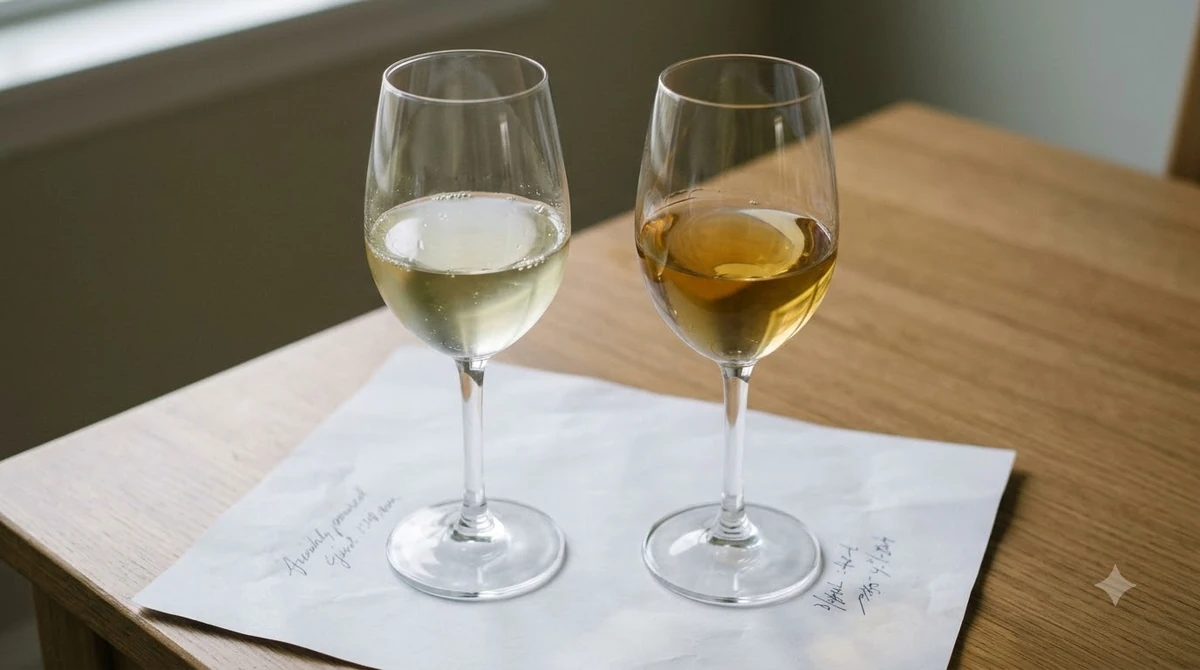
Take small sips and give each wine a moment of attention. Observe its appearance, smell its aromas, and consider its acidity, body, tannin, and finish. You do not need professional tasting vocabulary to identify whether a wine tastes fresh, fruity, spicy, floral, earthy, or particularly structured.
Temperature makes a difference. Sparkling wines generally show well at 40–50 F, light whites and rosé at 45–50 F, and fuller whites at 50–55 F. Light reds are usually best at 55–60 F, while fuller reds generally benefit from 60–65 F. Sweet whites are commonly served at 43–50 F.
These ranges help explain why some reds can taste overly alcoholic when served too warm and why very cold white wines may seem less aromatic. A wine’s serving temperature should support its structure rather than simply reflect the outdoor temperature.
Pay attention to sweetness terminology when sampling sparkling wines. The usual progression from driest to sweetest is Brut Nature, Extra Brut, Brut, Extra Dry, Dry, Demi-Sec, and Doux. The terminology can be surprising because Extra Dry is sweeter than Brut.
It also helps to keep notes. Record the producer, grape variety, wine style, and a few flavor impressions for wines you enjoy. If you discover a particular Grenache or Viognier that suits your preferences, those notes will help you identify similar bottles later.
For a standard wine pour, use approximately 5 ounces. A 750-milliliter bottle provides about five such glasses. This gives visitors a useful reference when thinking about tasting portions and sharing bottles during meals.
Finally, do not feel obligated to finish every sample. The purpose of a festival is to explore and learn, not to consume the largest possible number of wines. Take your time, use water between tastings, and prioritize the producers and varieties that interest you most.
Frequently Asked Questions
Is the Texas Hill Country AVA larger than most American wine regions?
Yes. The Texas Hill Country AVA covers more than 9 million acres and ranks as the third-largest certified AVA in the United States. Its large geographic area contains considerable variation in terrain, soils, and growing conditions, so wines from different parts of the AVA can have noticeably different characteristics.
What is the difference between an AVA and a vineyard designation?
An AVA identifies a geographically defined grape-growing region, while a vineyard designation identifies a particular vineyard source. A wine can therefore carry a broad regional identity or identify a more specific vineyard origin. The geographic specificity provides different levels of information about where the grapes were grown.
Does Texas produce wines from grapes traditionally associated with Europe?
Yes. Texas growers cultivate varieties associated with several European wine traditions, including Tempranillo, Sangiovese, Grenache, Syrah, and Viognier. These grapes provide alternatives to the Cabernet Sauvignon and Chardonnay styles familiar to many American wine drinkers.
Can visitors find wines from outside the Texas Hill Country at regional festivals?
Yes. Texas has eight recognized AVAs, including Texas High Plains, Escondido Valley, Mesilla Valley, and Texoma. Festival selections can provide an opportunity to compare wines from different Texas growing regions and understand how geography influences grape production.
What is the best way to remember wines discovered at a festival?
Record the producer, grape variety, vintage, and any distinctive flavor impressions. Photographing a bottle label can also help identify a wine later. If you particularly enjoy a producer’s style, ask about its wine club, mailing list, or other opportunities to follow future releases.
The Hill Country wine festival experience offers an inviting introduction to Texas wine, combining regional producers, distinctive grape varieties, local cuisine, and the hospitality of Fredericksburg. Whether you attend the Grand Tasting, choose a smaller culinary event, or extend your visit with a few winery stops along US-290, the region provides plenty of opportunities to discover new favorites. Plan your schedule carefully, explore beyond familiar grape varieties, and take time to appreciate the people and places shaping Texas wine.
More in Wine Regions
 Willcox Wine Trail: Discover Arizona’s High-Elevation Wine CountryUpdated Nov 20, 2026
 Yakima Valley Wine Region: Find the Best Styles to TryUpdated Nov 20, 2026
 Vosne Romanee Wine Tasting: Identify Aromas and Choose Better PairingsUpdated Nov 20, 2026
 Yakima Valley Wine Festival: Find the Best Seasonal Wine EventsUpdated Nov 20, 2026
 Wales Vineyards: Discover Cool-Climate Wines and Where to VisitUpdated Nov 20, 2026
 Yountville Wine Festival: Discover Napa Wines and Local FoodUpdated Nov 20, 2026