


We may earn a commission when you buy through links on this page, at no extra cost to you. Learn more.
Gisborne wine tasting offers an opportunity to discover New Zealand Chardonnay, aromatic Gewürztraminer, expressive Pinot Gris, and distinctive coastal wines in a warm, sunny wine region on the eastern coast of the North Island. Known for its fruit-forward white wines and diverse vineyard sites, Gisborne combines a relaxed cellar-door atmosphere with a strong regional identity. Visitors can explore established producers, smaller wineries, and different wine styles within a relatively compact area.
Often associated with Chardonnay, Gisborne has considerably more to offer than its best-known grape. Its Pacific maritime climate, fertile soils, and afternoon sea breezes support everything from full-bodied whites to aromatic varieties, sparkling wines, and carefully produced reds. Whether you are planning a dedicated wine trip or adding a few winery visits to a coastal holiday, understanding the region’s geography and signature wines will help you make the most of your time.
What Makes Gisborne a Distinctive Wine Destination?
Gisborne stands out for its warm growing conditions, maritime influence, and concentration of wineries near the city. Its combination of abundant sunshine and fertile soils produces wines with generous fruit character, while cooling coastal breezes help maintain freshness and balance.
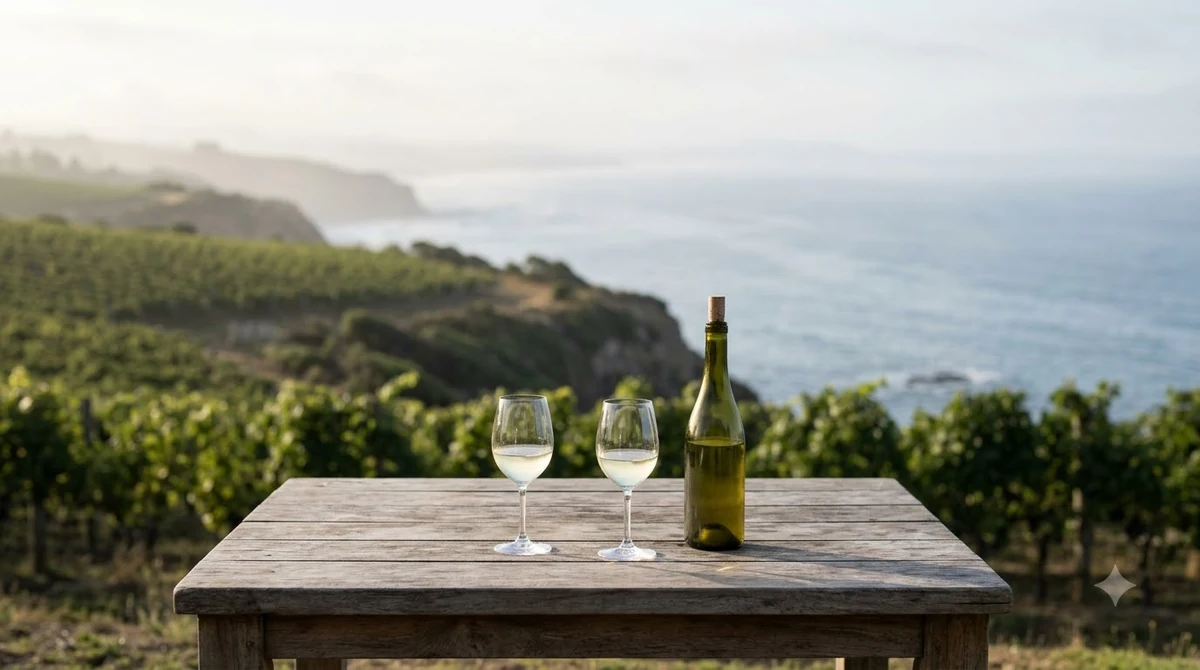
The region sits on the eastern coast of New Zealand’s North Island, within Tairāwhiti, an area known for its sunny weather, beaches, and strong Māori cultural heritage. Gisborne is also associated with Captain James Cook’s first landfall in New Zealand in 1769. Its eastern position gives the region particular geographical significance: it is among the first places in the country to welcome the morning sun.
Climate is one of the most important influences on the local wine style. Gisborne experiences warm summers and relatively mild winters, while the Pacific Ocean moderates temperatures, particularly in vineyards closer to the coast. Afternoon sea breezes help preserve natural acidity and aromatic freshness in grapes that might otherwise become excessively ripe in a warmer inland environment.
According to the Gisborne Winegrowers, the region receives approximately 980 millimeters of rainfall annually. Its clay and silt-loam soils can retain moisture, supporting dry-farmed vineyards through much of the growing season. Dry farming means vines receive their water primarily through natural rainfall rather than routine irrigation.
Another defining feature is the region’s diversity. Although Chardonnay dominates local production, vineyards also grow Gewürztraminer, Pinot Gris, Viognier, Sauvignon Blanc, Albariño, Merlot, Malbec, and Syrah. This variety makes Gisborne especially interesting for visitors who enjoy comparing different grapes and winemaking approaches.
Gisborne also has an important place in New Zealand’s wine history. Early commercial grape growing developed during the twentieth century, and larger producers helped establish the region as a significant source of wine. Its reputation has since expanded through boutique wineries, vineyard-specific wines, and producers exploring varieties beyond traditional commercial plantings.
For visitors, the practical advantage is proximity. New Zealand Wine notes that wineries can generally be reached within approximately 15 minutes of Gisborne city center or Gisborne Airport. This makes it possible to visit several cellar doors without spending most of the day traveling between vineyards.
Understanding Gisborne’s Main Wine-Growing Districts
Gisborne contains several growing areas with different soil compositions and local climates. Ormond, Patutahi, and Manutuke are particularly useful districts to understand because their vineyard conditions help explain differences in Chardonnay, Gewürztraminer, and other regional wines.
Ormond and the Golden Slope lie north of Gisborne city, where the river valley narrows toward the Raukumara Ranges. The district includes some of the region’s original vineyard sites and is associated with single-vineyard wines. One notable feature is the Golden Slope, an approximately 10-kilometer escarpment with gently sloping, free-draining soils and limestone influences.
These conditions make Ormond particularly interesting for Chardonnay. The combination of suitable drainage, soil variation, and a favorable growing environment can produce wines with concentrated fruit and considerable palate weight. When tasting Ormond Chardonnay, compare the intensity of the fruit with the wine’s texture and acidity. Differences between vineyard sites can be just as interesting as differences between producers.
Patutahi lies west of Gisborne and is one of the region’s important inland growing areas. According to New Zealand Wine, approximately one-third of Gisborne’s vines are located here. The district is generally warmer and drier than coastal areas, with sloping clay and silt soils that support richly flavored wines.
Gewürztraminer is especially important in Patutahi. The warmer conditions help the grape develop its characteristic aromatic intensity, while local soil conditions contribute to wines with texture and body. Visitors interested in comparing aromatic whites should look for Patutahi examples alongside Chardonnay from Ormond.
Manutuke is south of the city and has a particularly long viticultural history, with vines first established in the late 1890s. Its growing conditions vary according to proximity to the coast, river, and surrounding hills. Sandy and silty soils provide good drainage, while heavier Kaiti clay appears in some western sites.
Manutuke is also associated with late-harvest and botrytised wines. During late autumn, the interaction between river warmth and cooler night air can create misty conditions that encourage Botrytis cinerea, the beneficial fungus responsible for concentrating sugars and flavors in suitable grape bunches.
Other important growing areas include Central Valley, Riverpoint, Hexton Hills, and Waipaoa. Central Valley includes areas such as Makaraka and Matawhero, while Riverpoint receives cooling Pacific breezes. The warmer Waipaoa valley can produce particularly ripe fruit flavors.
These geographical differences make regional tasting more rewarding. Rather than treating every Gisborne wine as a single expression of the same climate, consider the grape variety, vineyard location, soil, and production method together.
Which Gisborne Wines Should You Taste?
Chardonnay should be the starting point for most visitors, followed by Gewürztraminer and Pinot Gris. Sauvignon Blanc, Viognier, Albariño, and selected red wines provide additional perspectives on the region’s growing conditions and winemaking styles.
Chardonnay is Gisborne’s signature variety. Regional examples are generally full-flavored and relatively generous in body, with tropical fruit, peach, citrus, and sometimes stone-fruit characteristics. Compared with leaner styles from cooler New Zealand regions, Gisborne Chardonnay often has a softer acidity and a more open-knit palate.
Winemaking choices create further differences. Some producers favor fresh, fruit-driven Chardonnay with minimal oak influence. Others use barrel fermentation, oak maturation, malolactic fermentation, or lees-related techniques to develop additional richness and complexity. During a tasting, compare an unoaked or lightly oaked wine with a more structured barrel-aged example if both are available.
Gewürztraminer is another essential regional wine. It is known for its pronounced floral and spicy aromas, often accompanied by lychee, rose, ginger, and tropical fruit impressions. Gisborne examples can have a rich mouthfeel, making them particularly interesting for visitors who enjoy aromatic wines.
Gewürztraminer is not always sweet. Dry examples can still smell intensely fruity because the grape has naturally expressive aromas. Ask about the wine’s residual sugar if you are comparing different styles, especially when deciding which bottle will work best with a meal.
Pinot Gris is the region’s second major variety by vineyard area in the regional planting information. It can range from dry and refreshing to richer, slightly off-dry expressions. Melon, pear, stone fruit, and Asian spice are useful characteristics to look for.
Sauvignon Blanc offers another comparison. Gisborne versions can be ripe, tropical, and broad in flavor, while earlier-picked examples may show more herbaceous and citrus-led characteristics. They can be quite different from the sharply grassy Sauvignon Blanc associated with Marlborough.
Viognier is worth seeking out if you prefer aromatic wines with a fuller texture. Gisborne examples can show ripe peach, apricot, floral aromas, and a rich palate. Some also have a subtle saline impression associated with the region’s maritime influence.
Albariño is an interesting variety to look for on a more exploratory tasting. Originally associated with northwestern Spain, it has naturally high acidity and can retain freshness even when fruit reaches considerable ripeness. Gisborne examples may offer citrus, stone fruit, and mineral or saline notes.
Red wine production is smaller than white wine production, but Malbec, Merlot, and Syrah deserve attention. Gisborne reds tend to emphasize ripe fruit, with plum and dark berry flavors particularly noticeable in Malbec and Merlot. Syrah can offer more layered fruit character and a refined tannin structure.
| Wine or variety | Regional style | What to look for |
|---|---|---|
| Chardonnay | Full-flavored, medium-bodied to full-bodied | Peach, tropical fruit, oak, creamy texture |
| Gewürztraminer | Aromatic, textured white | Lychee, rose, ginger, spice |
| Pinot Gris | Dry to off-dry, rounded | Pear, melon, stone fruit |
| Sauvignon Blanc | Ripe and tropical or lighter and herbal | Citrus, passion fruit, fresh herbs |
| Viognier | Rich and aromatic | Apricot, peach, floral notes |
| Albariño | Fresh, aromatic, naturally high-acid | Citrus, peach, saline character |
| Malbec | Ripe-fruited red | Plum, blackberry, gentle tannins |
| Merlot | Soft, fruit-forward red | Plum, black cherry, moderate tannins |
The best tasting approach is to compare related wines rather than sampling unrelated varieties without a plan. For example, taste two Chardonnays made with different oak treatments, or compare a dry Gewürztraminer with a slightly sweeter example. These comparisons reveal how grape variety and winemaking decisions influence the final wine.
Gisborne Wineries and Cellar Doors to Consider
Gisborne has a mixture of established producers and smaller wineries, making cellar-door visits an important part of understanding the region. Bushmere Estate, Matawhero Wines, and Wrights Vineyard & Winery are three useful starting points when planning a tasting itinerary.
Bushmere Estate is one of the cellar-door destinations identified by the regional winegrowers. It provides a starting point for visitors interested in exploring Gisborne wines and the local vineyard experience. Look for opportunities to compare the region’s familiar white varieties and ask about the vineyards supplying the wines being poured.
Matawhero Wines is another recognized Gisborne producer. Its name is closely associated with the regional wine story, and its presence on the local winery list makes it a useful stop for understanding the range of wines associated with the area. Visitors interested in regional Chardonnay and alternative varieties can use the tasting experience to identify differences in fruit expression and structure.
Wrights Vineyard & Winery is also listed as a cellar-door destination by Gisborne Wine. It offers another opportunity to explore local wine styles and discover how smaller-scale production contributes to the region’s identity.
Other producers and wine businesses associated with Gisborne include Millton Vineyards & Winery, Hihi Wines, Ashwood Estate, Longbush Wines, TW Wines, and Odyssey Wines. Their presence reflects the variety of production approaches found in the region, from established vineyard operations to smaller producers and specialist wine projects.
When selecting cellar doors, consider the types of wines each producer offers rather than choosing stops based only on distance. A visitor particularly interested in Chardonnay may want to prioritize producers with several Chardonnay expressions. Someone more interested in aromatic wines may prefer to seek out Gewürztraminer, Viognier, or Pinot Gris.
It is also useful to distinguish between a winery, a vineyard, and a cellar door. A winery may produce wine from grapes grown at several locations, while a vineyard is a specific growing site. A cellar door is the visitor-facing tasting location, which may or may not be at the vineyard itself.
Before setting out, confirm current opening hours, tasting arrangements, booking requirements, and seasonal availability directly with each business. Some producers operate more limited visitor services than larger wine destinations, and not every winery necessarily accepts walk-in visitors.
The official Gisborne Wine regional website provides winery information, cellar-door listings, and regional resources that can help visitors organize their stops.
How to Plan a Gisborne Wine-Tasting Day
A successful Gisborne wine trip does not require a complicated route. The compact geography makes it possible to build a relaxed itinerary around two or three winery visits, with time for lunch and exploration of the surrounding coastal area.
Start by deciding which wines interest you most. A Chardonnay-focused visit could include producers with different oak and fermentation approaches. An aromatic-wine itinerary might emphasize Gewürztraminer, Pinot Gris, Viognier, and Albariño. Visitors interested in red wines should ask about available Malbec, Merlot, and Syrah rather than assuming every cellar door offers a broad red-wine selection.
For a first visit, a practical sequence is to spend the morning at one cellar door, have lunch in or near Gisborne, and visit another winery in the afternoon. This leaves time to enjoy each tasting rather than rushing through multiple stops. If a third winery is important to your plans, confirm its location and opening arrangements before committing to the route.
Allow approximately 45 to 75 minutes for a relaxed winery visit, depending on the number of wines being poured and whether a vineyard tour is included. This is a planning suggestion rather than a standard tasting duration. Some cellar doors may offer shorter experiences, while private tastings or guided tours can take longer.
Visitors arriving by air can use Gisborne city as a convenient base. The relatively short distances between the airport, city, and several wineries make the region accessible even for travelers with limited time. However, road conditions, individual winery locations, and appointment times should still be considered when planning a route.
A suggested one-day tasting structure
Morning: Chardonnay and regional introductions. Begin with a producer offering several white wines. Taste a fruit-forward Chardonnay before moving to a barrel-influenced version if available. This creates a useful reference point for the rest of the day.
Midday: Lunch and local produce. Gisborne is an agricultural region known for citrus, kiwifruit, avocados, vegetables, and other fresh produce. Choose a meal that allows you to experience some of the local food culture rather than treating lunch as an afterthought.
Afternoon: Aromatic varieties and a final comparison. Visit another cellar door and concentrate on Gewürztraminer, Pinot Gris, or Viognier. If the producer offers a regional red, include a small comparison with one of the white wines to understand the breadth of local production.
Leave time for the wider Tairāwhiti landscape. Gisborne’s beaches, coastal cycling routes, and outdoor attractions provide a natural complement to wine visits. You can also explore the city center’s cafes, shops, and galleries between appointments.
Tip: Plan no more than two or three substantial winery tastings in one day, and arrange transportation with a designated driver or suitable local transport. Contact each cellar door before visiting, particularly if your itinerary includes smaller producers or private tastings.
Keeping a short tasting record is another useful habit. Write down the producer, grape variety, vintage, and two or three flavor observations. You might record whether a Chardonnay is citrus-led or tropical, whether it has obvious oak, and whether its finish feels fresh or rounded. These notes make it easier to remember favorite wines after visiting several producers.
If you are building a broader wine-travel itinerary, comparing Gisborne with other regions can also be rewarding. For example, Willcox wine tasting offers a different perspective on warm-climate wine production in Arizona, while Alsace wine tasting provides an opportunity to explore aromatic European white wines and distinctive regional traditions.
Food Pairings and Serving Gisborne Wines
Gisborne’s fruit-forward whites work particularly well with fresh seafood, poultry, vegetables, and aromatic dishes. The best pairing depends on the wine’s acidity, sweetness, body, and oak influence, so matching the intensity of the food with the intensity of the wine is a useful starting point.
Chardonnay and seafood make a natural combination, especially when the wine has a fresh fruit profile and moderate oak influence. Try Gisborne Chardonnay with grilled fish, roast chicken, creamy seafood pasta, or scallops. Fuller-bodied barrel-aged versions can handle richer dishes, while fresher styles are better suited to simply prepared fish and shellfish.
However, oily fish with strong tannic red wines is generally a difficult combination. If serving salmon or tuna, consider Chardonnay or another white with sufficient freshness rather than a heavily tannic Cabernet Sauvignon or Syrah. White wines with appropriate acidity can complement the richness of the fish without introducing excessive astringency.
Gewürztraminer and aromatic cuisine are particularly compatible. The grape’s floral and spicy character works well with Thai dishes, ginger, aromatic herbs, and mildly spicy Asian food. A slightly off-dry example can also complement dishes containing sweetness or moderate chili heat.
Be careful with very hot chili dishes. Alcohol and tannin can amplify the perception of heat, making a powerful wine feel harsher alongside spicy food. A lower-alcohol or slightly sweeter aromatic white is often a more comfortable choice. The wine should have at least as much sweetness as the food when pairing with genuinely sweet dishes.
Pinot Gris and vegetables provide another versatile combination. Pair it with roasted squash, grilled vegetables, pork, mushroom dishes, or lightly spiced chicken. A richer Pinot Gris can work with creamy sauces, while a drier, fresher version is better suited to salads and seafood.
Viognier and rich dishes deserve consideration too. Its fuller body and stone-fruit character make it a useful partner for roast poultry, pork, and dishes containing aromatic herbs. Its texture can complement richer ingredients without requiring the strong tannins of a red wine.
For regional reds, Malbec and Merlot are suitable choices with grilled meats, roasted vegetables, and savory dishes. Their softer tannins and ripe fruit flavors can work particularly well with foods containing salt and fat, which soften the perception of tannin.
Serving temperatures for a better tasting
Temperature has a significant effect on how wine smells and tastes. White wines served too cold can lose much of their aromatic expression, while reds served too warm may seem overly alcoholic and heavy.
Use the following temperatures as practical starting points:
- Chardonnay: 50–55°F for fuller-bodied styles.
- Gewürztraminer: 45–50°F for a fresh but aromatic presentation.
- Pinot Gris: 45–50°F for lighter and medium-bodied examples.
- Sauvignon Blanc: 45–50°F.
- Viognier: 50–55°F for fuller-bodied examples.
- Malbec and Merlot: 60–65°F for fuller-bodied red styles, with lighter examples slightly cooler.
- Sparkling wine: 40–50°F.
Use a standard 5-ounce pour when comparing several wines. A 750-milliliter bottle provides approximately five such glasses, making it easier to estimate portions during a tasting.
If you purchase bottles during your visit, store them away from direct sunlight and significant temperature changes. For longer storage, a cool environment near 55°F is a useful target. Bottles sealed with natural cork are generally stored on their sides to keep the cork from drying out.
Once opened, most still wines remain enjoyable for approximately three to five days when refrigerated and properly resealed. Sparkling wines generally have a shorter window of approximately one to three days, depending on the closure and storage conditions. Returning white wines to the refrigerator after pouring helps preserve their freshness.
For additional regional comparisons and ideas for future wine trips, explore the wider Wine Regions collection. It can help put Gisborne’s warm maritime conditions into context alongside cooler-climate and European wine destinations.
Frequently Asked Questions
Is Gisborne the easternmost wine region in New Zealand?
Gisborne is located on the eastern coast of New Zealand’s North Island and is one of the country’s easternmost major wine-growing regions. Its position also gives it a distinctive sunrise connection, with nearby Hikurangi standing approximately 1,752 meters high. The mountain is an important geographical and cultural landmark in the wider Tairāwhiti area.
What does the Māori name Tairāwhiti mean?
Tairāwhiti is commonly translated as the coast upon which the sun shines across the water. The name reflects the area’s eastern coastal geography and its relationship with the rising sun. It is also an important regional identity that visitors encounter beyond the wine industry.
Can you find biodynamic wine in Gisborne?
Yes. Gisborne has producers associated with biodynamic and alternative vineyard practices. Millton Vineyards & Winery is one of the region’s recognized producers in this area. Visitors interested in these methods should ask about vineyard management, certification, and individual wine production practices during a cellar-door visit.
Does Gisborne produce traditional-method sparkling wine?
Yes. Gisborne Chardonnay and Pinot Noir can be used for traditional-method sparkling wines. The grapes are picked earlier to retain natural acidity, and the wines undergo a second fermentation in the bottle. This method creates the finer bubbles and additional complexity associated with traditional-method sparkling wine.
Why is Gewürztraminer important to Gisborne?
Gewürztraminer is one of the region’s distinctive aromatic varieties, particularly associated with the warmer inland conditions of Patutahi. Regional planting information recorded approximately 43 hectares of Gewürztraminer in 2016. Although smaller than the Chardonnay plantings, the grape has helped establish Gisborne’s reputation for expressive, richly textured aromatic whites.
Gisborne offers a rewarding wine experience for visitors who enjoy generous Chardonnay, expressive Gewürztraminer, and the diversity of New Zealand’s lesser-known wine-growing districts. Its compact geography, sunny coastal setting, and mix of established and boutique producers make it an appealing destination for a relaxed tasting trip. Start with the signature whites, explore the differences between growing areas, and leave time to enjoy the wider Tairāwhiti region.
More in Wine Regions
 Willcox Wine Trail: Discover Arizona’s High-Elevation Wine CountryUpdated Nov 20, 2026
 Yakima Valley Wine Region: Find the Best Styles to TryUpdated Nov 20, 2026
 Vosne Romanee Wine Tasting: Identify Aromas and Choose Better PairingsUpdated Nov 20, 2026
 Yakima Valley Wine Festival: Find the Best Seasonal Wine EventsUpdated Nov 20, 2026
 Wales Vineyards: Discover Cool-Climate Wines and Where to VisitUpdated Nov 20, 2026
 Yountville Wine Festival: Discover Napa Wines and Local FoodUpdated Nov 20, 2026