

We may earn a commission when you buy through links on this page, at no extra cost to you. Learn more.
Etna wine country is a distinctive wine-producing region on the eastern slopes of Mount Etna in Sicily, Italy, known for volcanic vineyards, high-altitude growing conditions, and elegant wines made primarily from Nerello Mascalese and Carricante. The region combines dramatic mountain scenery with centuries of winemaking tradition and a remarkable variety of vineyard locations. Its wines range from fragrant, structured reds to fresh, mineral-driven whites, with differences shaped by altitude, volcanic soils, and individual vineyard districts. Exploring Etna means discovering a part of Sicily where local grapes and distinctive landscapes matter as much as the finished wine.
Mount Etna dominates the eastern Sicilian landscape, rising above coastal towns, citrus orchards, ancient villages, and terraced vineyards. Wine production here has a character quite different from the warmer, lower-elevation vineyards commonly associated with Sicily. Cool mountain nights, changing volcanic soils, and traditional farming methods create wines with freshness and a strong sense of regional identity. Whether you are researching Italian wine regions, planning a vineyard visit, or looking for a new bottle to explore, understanding Etna’s geography and native grapes provides an excellent starting point.
Where Etna Wine Country Is Located and What Makes It Special
Etna wine country occupies the lower slopes of Mount Etna in eastern Sicily, within the province of Catania. Its vineyards form an irregular circle around the volcano, with wine-producing communities extending from the northern villages toward the eastern and southern slopes.
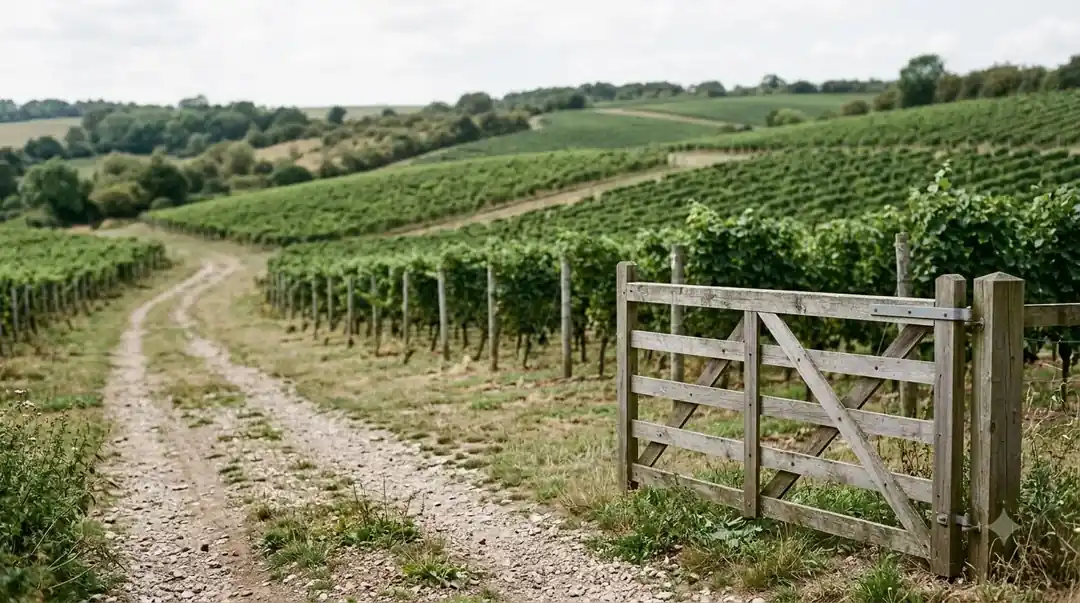
The wine-growing territory includes parts of 20 municipalities, among them Randazzo, Castiglione di Sicilia, Linguaglossa, Milo, Zafferana Etnea, Nicolosi, and Trecastagni. Catania provides an important transportation gateway, while smaller towns offer closer access to vineyard roads, historic wineries, and traditional agricultural landscapes. The Etna DOC designation was the first controlled designation of origin recognized in Sicily, establishing the area’s importance in the island’s wine history.
Mount Etna is a UNESCO World Heritage Site and Europe’s highest active volcano. Its enormous volcanic structure rises more than 3,300 meters above sea level, although commercial vineyards occupy much lower elevations. According to the Etna DOC consortium, the wine denomination covers just under 1,200 hectares. This relatively concentrated area contains considerable variation in exposure, elevation, rainfall, and soil composition.
One of the most important features of the region is its altitude. Vineyards can extend from approximately 400 meters to more than 1,000 meters above sea level. Higher locations generally experience cooler conditions, particularly at night, helping preserve acidity while grapes develop aromatic complexity. The resulting wines can feel surprisingly restrained compared with the fuller-bodied styles associated with many Mediterranean wine regions.
Volcanic activity has also created an unusual agricultural landscape. Layers of lava, ash, sand, and broken volcanic rock contribute to different soil profiles across the mountain. These soils are often well drained, while their composition and depth vary significantly from one vineyard to another.
For wine enthusiasts, the most interesting feature is that Etna does not produce one uniform regional style. Two wines made from the same grape can show different structures and aromatic profiles depending on the vineyard’s location. This variation makes the region especially appealing to people interested in vineyard-specific wines and traditional Italian grape varieties.
The Four Main Slopes and Their Vineyard Characteristics
Etna’s wine-growing landscape is commonly understood through four principal vineyard areas: northern, eastern, southeastern, and southwestern. Each slope has its own combination of sun exposure, elevation, rainfall, and proximity to the Ionian Sea.
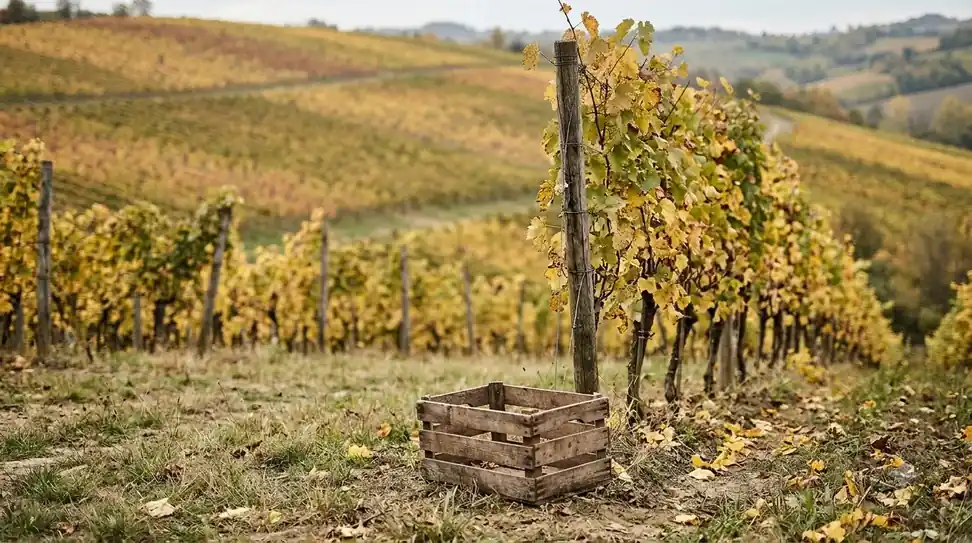
The northern slope is particularly important for Etna Rosso. It contains a high concentration of wine producers, with villages such as Randazzo, Linguaglossa, and Castiglione di Sicilia providing useful reference points for understanding the region. Its cooler growing conditions and varied elevations favor Nerello Mascalese, producing reds that often emphasize acidity, aromatic detail, and structured tannins. Visitors interested in traditional red wines will find this side of the mountain especially rewarding.
The eastern slope faces the Ionian Sea and receives more rainfall and wind exposure than some inland locations. The influence of the sea, combined with cooler growing conditions, supports the production of fresh white wines. Carricante is particularly important here, especially around Milo and Zafferana Etnea. The eastern vineyards also include small terraces where traditional bush-trained vines grow among volcanic stone walls.
The southeastern slope has a landscape marked by numerous extinct volcanic cones. Its vineyards benefit from a combination of sunshine and maritime breezes, making the area suitable for both Nerello Mascalese and Carricante. The variety of exposures and elevations creates opportunities for different wine styles within a relatively compact geographical area.
The southwestern slope is generally drier and more exposed to intense sunlight. Its greater distance from the sea contributes to wider temperature variations, and some vineyards rise above 1,000 meters. Nerello Cappuccio and Carricante are among the varieties grown here. The combination of warm daytime conditions and cooler nights can help balance ripeness with freshness.
These geographical distinctions are useful when comparing bottles, but they should not be treated as absolute rules. Vineyard altitude, slope orientation, individual contrade, vine age, and winemaking decisions all influence the final result. A northern-slope wine from a relatively low vineyard may differ considerably from one grown at a much higher elevation.
Volcanic Soils, Contrade, and Traditional Vineyard Farming
The identity of Etna wine country is closely connected to its volcanic landscape. Rather than a single continuous soil type, the region contains numerous combinations of ash, sand, gravel, pebbles, and weathered lava that reflect different periods of volcanic activity.
According to the Etna DOC consortium, the region includes 133 recognized contrade. The term refers to geographically identified vineyard districts that can appear on wine labels. These locations help consumers understand where the grapes were grown and why wines from neighboring properties may have different characteristics.
A contrada can encompass a distinctive combination of elevation, exposure, soil composition, and local climate. In practical terms, two vineyards separated by only a short distance may experience different sunlight patterns, wind conditions, and water availability. These differences can influence grape ripening and the balance of acidity, fruit, and tannin in the finished wine.
Volcanic soil is frequently discussed as one of the defining features of Etna wine, but the geology deserves a closer explanation. Older lava flows weather over time, producing soils that can differ substantially from those formed by more recent eruptions. Volcanic sand and loose stones are common, and drainage can be relatively rapid. The resulting growing conditions require careful vineyard management, particularly during dry periods.
Etna’s agricultural traditions are equally important. Many vineyards use alberello training, known locally as bush-vine cultivation. Individual vines grow without the extensive trellis structures commonly seen in modern commercial vineyards. This traditional approach is particularly suited to some of the mountain’s steep, irregular terraces.
Black lava-stone walls support these terraces and help divide the agricultural landscape into manageable plots. Farming can be physically demanding because slopes are steep, vineyard access is difficult, and machinery may be impractical in older plantings.
Some Etna vineyards contain vines more than a century old. Certain old plantings are ungrafted, meaning the vines grow on their own roots rather than being grafted onto American rootstocks. These historic vineyards are an important part of the region’s agricultural heritage.
The relationship between individual vineyards and their surrounding landscape is central to Etna’s wine identity. Readers interested in comparing this regional approach with other American growing areas can also explore Wine Regions to understand how geography, grape selection, and local traditions shape wine styles around the world.
The Native Grapes Behind Etna’s Signature Wines
Etna’s reputation rests primarily on two indigenous grapes: Nerello Mascalese for red wines and Carricante for white wines. Nerello Cappuccio and Catarratto also play important supporting roles in the region’s traditional blends.
Nerello Mascalese
Nerello Mascalese is the leading red grape of Etna. It ripens relatively late and is particularly sensitive to vineyard conditions and vintage variation. Its wines often have a pale ruby appearance, fresh acidity, fine but noticeable tannins, and aromas of red berries, cherries, herbs, and earthy spices.
The grape is frequently compared with Nebbiolo because both varieties can produce relatively pale wines with substantial structure and aromatic complexity. However, Nerello Mascalese has its own identity, shaped by the volcanic slopes and the particular conditions of eastern Sicily.
Its relatively high acidity helps preserve freshness, while its tannins give the wines structure. Depending on the vineyard and winemaking approach, Etna Rosso can range from delicate and floral to more concentrated and firmly structured.
Nerello Cappuccio
Nerello Cappuccio is another traditional red variety used in Etna wines. It can contribute deeper color, floral aromas, spicy notes, and a softer impression of tannin. Its inclusion can provide additional balance to blends based on Nerello Mascalese.
Although it is less prominent than Nerello Mascalese, it remains part of the region’s traditional red-wine identity. Its contribution is especially relevant when comparing different producers’ interpretations of Etna Rosso.
Carricante
Carricante is the principal white grape of Etna and is especially associated with the eastern slope. It produces wines with lively acidity, citrus aromas, white flowers, and a distinctive fresh character. Depending on the producer and vineyard, the wines may also show stone fruit, herbal notes, and a savory finish.
One of Carricante’s most interesting qualities is its ability to develop with bottle age. Young wines often emphasize citrus, freshness, and saline impressions. Mature examples can become more complex, developing honeyed, smoky, and nutty characteristics while retaining considerable structure.
Catarratto
Catarratto is an indigenous Sicilian white grape that can be included in Etna Bianco. It contributes fruit, freshness, and aromatic complexity. The variety is used in smaller proportions when Carricante remains the principal grape.
| Grape | Color | Typical role | Main characteristics |
|---|---|---|---|
| Nerello Mascalese | Red | Primary red grape | Red berries, acidity, fine tannins |
| Nerello Cappuccio | Red | Supporting red blend | Deeper color, spice, softer tannins |
| Carricante | White | Primary white grape | Citrus, freshness, mineral character |
| Catarratto | White | Supporting white grape | Herbal notes, fruit, freshness |
Understanding these four grapes makes it easier to recognize the region’s major wine styles. For a more detailed introduction to the individual bottles and tasting characteristics, an Etna wine tasting offers a useful way to compare Nerello Mascalese and Carricante side by side.
Etna DOC Wine Styles and How to Read Their Labels
Etna DOC includes several distinct wine categories, including red, white, rosé, and sparkling wines. The denomination establishes grape-composition requirements and aging rules that help define the character of each category.
Etna Rosso is the best-known red style. Under the denomination’s principal rules, it must contain at least 80% Nerello Mascalese. Nerello Cappuccio can contribute up to 20%, while the regulations also allow limited participation from other permitted varieties. In the glass, the wine commonly shows a relatively light color, red-fruit aromas, refreshing acidity, and structured tannins.
Etna Rosso is a particularly useful introduction to the region because it combines the distinctive character of Nerello Mascalese with the differences between individual vineyard districts. A wine from a higher northern site may feel more restrained and structured, while another bottling may emphasize ripe fruit and a rounder texture.
Etna Rosso Riserva follows the same basic grape requirements but has a longer aging period. The denomination requires at least four years of aging, including at least one year in wood. These requirements distinguish Riserva wines from standard Etna Rosso and allow additional development before release.
Etna Bianco is based on Carricante, which must account for at least 60% of the blend. Catarratto can contribute up to 40% under the main blending requirements, with the regulations also permitting limited participation from other suitable white grapes. The resulting wines are typically fresh and savory, with citrus, floral, and mineral characteristics.
Etna Bianco Superiore has a higher minimum Carricante requirement of 80% and is associated specifically with the municipality of Milo. This connection makes Milo particularly important for wine enthusiasts seeking a more focused expression of Carricante.
Etna Rosato provides another expression of Nerello Mascalese. These wines are generally lighter in body and can emphasize fresh red fruit and lively acidity. Etna Spumante is also produced in both white and rosé styles, with Nerello Mascalese forming at least 80% of the grape composition.
The following table summarizes the main categories and their defining requirements.
| Etna DOC style | Principal grape | Minimum or aging requirement |
|---|---|---|
| Etna Rosso | Nerello Mascalese | 80% minimum |
| Etna Rosso Riserva | Nerello Mascalese | 80% minimum; 4 years aging |
| Etna Rosato | Nerello Mascalese | 80% minimum |
| Etna Bianco | Carricante | 60% minimum |
| Etna Bianco Superiore | Carricante | 80% minimum; Milo production area |
| Etna Spumante | Nerello Mascalese | 80% minimum |
These percentages describe the denomination’s requirements rather than the exact composition of every individual bottle. Producers may choose to work with a single grape or use permitted blending varieties to achieve their preferred style. The official Etna DOC wine regulations and grape descriptions provide additional details about the denomination’s main categories and native varieties.
Visiting Etna Wineries, Villages, and Vineyards
A visit to Etna wine country is best approached as a regional exploration rather than a single winery stop. The mountain’s vineyards are spread across different slopes, and visiting two or three distinct areas can reveal how much the landscape changes over relatively short distances.
Catania is a practical starting point for visitors arriving in eastern Sicily. From there, travelers can head toward the northern villages, the eastern wine-growing communities, or the southeastern slopes. Driving times vary according to the destination, road conditions, and the specific winery being visited.
Randazzo is an excellent reference point for exploring the northern vineyards. The town has historic architecture and provides access to several wine-producing communities. Castiglione di Sicilia is another important village, with a striking hillside setting and convenient access to nearby vineyard areas.
Linguaglossa is particularly useful for travelers interested in the northern side of the mountain. Its position makes it a practical base for arranging winery appointments and exploring the agricultural landscape. Smaller roads lead through vineyards and rural properties, where visitors can see terraces, lava-stone walls, and traditional bush vines.
On the eastern side, Milo is an essential destination for white-wine enthusiasts. Its association with Etna Bianco Superiore makes it particularly relevant for understanding Carricante. Zafferana Etnea is another worthwhile stop, with access to eastern vineyard areas and views toward the Ionian coastline.
The southeastern communities around Trecastagni and Viagrande offer another perspective on Etna’s agricultural landscape. Their locations provide opportunities to explore vineyards influenced by both volcanic terrain and maritime conditions.
Planning winery appointments
Many Etna wineries operate on a smaller scale than large commercial estates elsewhere in Italy. Visits may require advance reservations, particularly for guided tastings or vineyard tours. A planned appointment also makes it easier to ask about individual contrade, grape varieties, and production techniques.
Before visiting, confirm the winery’s location, available tasting languages, appointment times, and transportation arrangements. Some properties are reached by narrow rural roads, and mobile coverage may be inconsistent in more remote areas.
A useful tasting itinerary includes at least one Etna Rosso, one Etna Bianco, and, if available, a single-vineyard bottling. Comparing these wines provides a practical introduction to the region’s main grape varieties and the influence of vineyard location.
Tip: Arrange winery appointments before traveling between slopes. Distances on a map can look short, but winding mountain roads, changing elevations, and rural access routes can make transfers considerably longer than expected. Allow time for a proper tasting rather than scheduling several appointments too close together.
Seasonality is another consideration. Spring and fall are attractive periods for exploring vineyards, with more comfortable conditions for walking and enjoying the surrounding countryside. September and October are particularly interesting because they overlap with the traditional grape harvest, which generally runs from September through the end of October.
Harvest season can also be a busy period for winery staff, so advance communication is especially important. Visitors should not assume that every producer offers tours during picking and fermentation.
The consortium’s Etna terroir and vineyard information is useful for understanding the mountain’s four slopes, historic terraces, and individual contrade before planning a visit.
Etna Wine Pairings, Serving Temperatures, and Storage
Etna wines are versatile at the table because their acidity and moderate body make them suitable for many Mediterranean dishes. Matching the wine to the dominant ingredients, particularly acidity, fat, salt, and tannin, helps bring out the best characteristics of both the food and the bottle.
Pairing Etna Rosso with food
Etna Rosso works particularly well with dishes that combine savory flavors and moderate richness. Its acidity complements tomato-based sauces, while its tannins and red-fruit character suit roasted vegetables, mushrooms, and grilled meats.
Try it with pasta alla Norma, a Sicilian dish made with tomato sauce, eggplant, basil, and ricotta salata. The wine’s freshness works with the tomato acidity, while its moderate structure complements the savory eggplant and salty cheese.
Other good options include grilled lamb, roasted pork, mushroom risotto, and herb-seasoned chicken. Salt and fat soften the perception of tannin, helping structured reds feel more balanced alongside rich foods.
However, heavily tannic red wines are generally poor companions for oily fish. For seafood dishes such as grilled swordfish, a fresh Etna Bianco will often be a better choice.
Pairing Etna Bianco with food
Etna Bianco’s lively acidity and citrus character make it a natural match for seafood. Try it with grilled sea bass, shrimp, calamari, or shellfish prepared with olive oil, herbs, and lemon.
Its freshness also complements vegetable dishes, fresh cheeses, and lighter pasta preparations. A Carricante-based wine can work particularly well with grilled zucchini, fennel, artichokes, and simple seafood risotto.
For richer dishes, a more mature or textured Etna Bianco can offer enough structure to complement roasted chicken, creamy vegetable preparations, and moderately rich fish dishes.
Serving temperatures
Serving temperature can change how a wine’s aromas, acidity, and texture are perceived. Etna Bianco is generally best served as a light white, while Etna Rosso benefits from a slightly cooler temperature than a typical room-temperature red.
| Wine style | Recommended temperature | Food suggestion |
|---|---|---|
| Etna Spumante | 40–50°F | Seafood appetizers |
| Etna Bianco | 45–50°F | Grilled fish and shellfish |
| Fuller-bodied Etna Bianco | 50–55°F | Roasted chicken and rich fish |
| Etna Rosato | 45–50°F | Vegetables and light pasta |
| Etna Rosso | 55–60°F | Mushrooms and roasted meats |
| Etna Rosso Riserva | 55–60°F | Lamb and slow-cooked dishes |
Young, structured Etna Rosso can benefit from approximately 30–60 minutes of decanting, particularly if the wine has noticeable tannins or needs time to open. Older bottles should be handled more carefully because extended exposure to air can diminish delicate aromas.
Storing Etna wines
Store unopened bottles on their sides in a cool, dark location with a relatively stable temperature near 55°F. Avoid direct sunlight, excessive vibration, and large temperature fluctuations.
After opening, reseal still wines and keep them refrigerated. Most opened still wines remain in good condition for approximately three to five days, depending on their structure and exposure to oxygen. Bring red wines back toward their recommended serving temperature before pouring.
Etna Bianco and Etna Rosso can both reward bottle aging, although the ideal drinking window depends on the vintage, producer, and vineyard. Young wines can provide immediate freshness and fruit, while more mature bottles may show greater aromatic complexity and integration.
Frequently Asked Questions
Is Etna wine country the same as the rest of Sicily’s wine region?
No. Etna is a distinct wine-producing area within Sicily, with its own DOC designation and local grape varieties. Its vineyards occupy volcanic mountain slopes rather than the predominantly lower-elevation landscapes found in many other Sicilian wine districts. The region’s cooler growing conditions and traditional vineyard structure give it a recognizable identity within Italian wine.
Can Etna wines be made from international grape varieties?
The Etna DOC focuses on its permitted local grape varieties, including Nerello Mascalese, Nerello Cappuccio, Carricante, and Catarratto. Producers may also make wines outside the DOC classification using different grapes and production choices. These bottles can offer additional perspectives on the mountain, but they should not be confused with wines carrying the Etna DOC designation.
Why are some Etna vineyards described as pre-phylloxera?
The term refers to vines that survived the phylloxera crisis without being grafted onto American rootstocks. Etna’s volcanic terrain helped preserve certain old plantings, although the history and root status of individual vineyards require careful verification. Ungrafted vines are particularly valued because they represent an important part of the region’s historic agricultural heritage.
What does alberello mean in Etna viticulture?
Alberello is the traditional bush-vine training system used in several Mediterranean wine regions. The vines are maintained as individual low-growing plants rather than trained along extensive trellis wires. On Etna, this method is particularly associated with historic terraces and traditional cultivation on volcanic slopes.
Can Etna wine country be visited without a guided tour?
Yes, visitors can explore towns, viewpoints, and public roads around the volcano independently. However, private vineyards and winery tasting rooms generally have their own visiting arrangements. Booking a guided experience can also provide additional insight into the 133 contrade, traditional vineyard practices, and the distinctions between the four main slopes.
Etna wine country offers a fascinating combination of volcanic geology, historic vineyards, indigenous grapes, and distinctive Sicilian food culture. Its Nerello Mascalese reds and Carricante whites provide two particularly rewarding ways to understand the region, while the individual contrade reveal just how varied its vineyards can be. Whether exploring the mountain in person or discovering its bottles at home, Etna deserves a place among the most distinctive wine regions of Italy.
More in Wine Regions
 Willcox Wine Trail: Discover Arizona’s High-Elevation Wine CountryUpdated Nov 20, 2026
 Yakima Valley Wine Region: Find the Best Styles to TryUpdated Nov 20, 2026
 Vosne Romanee Wine Tasting: Identify Aromas and Choose Better PairingsUpdated Nov 20, 2026
 Yakima Valley Wine Festival: Find the Best Seasonal Wine EventsUpdated Nov 20, 2026
 Wales Vineyards: Discover Cool-Climate Wines and Where to VisitUpdated Nov 20, 2026
 Yountville Wine Festival: Discover Napa Wines and Local FoodUpdated Nov 20, 2026