

We may earn a commission when you buy through links on this page, at no extra cost to you. Learn more.
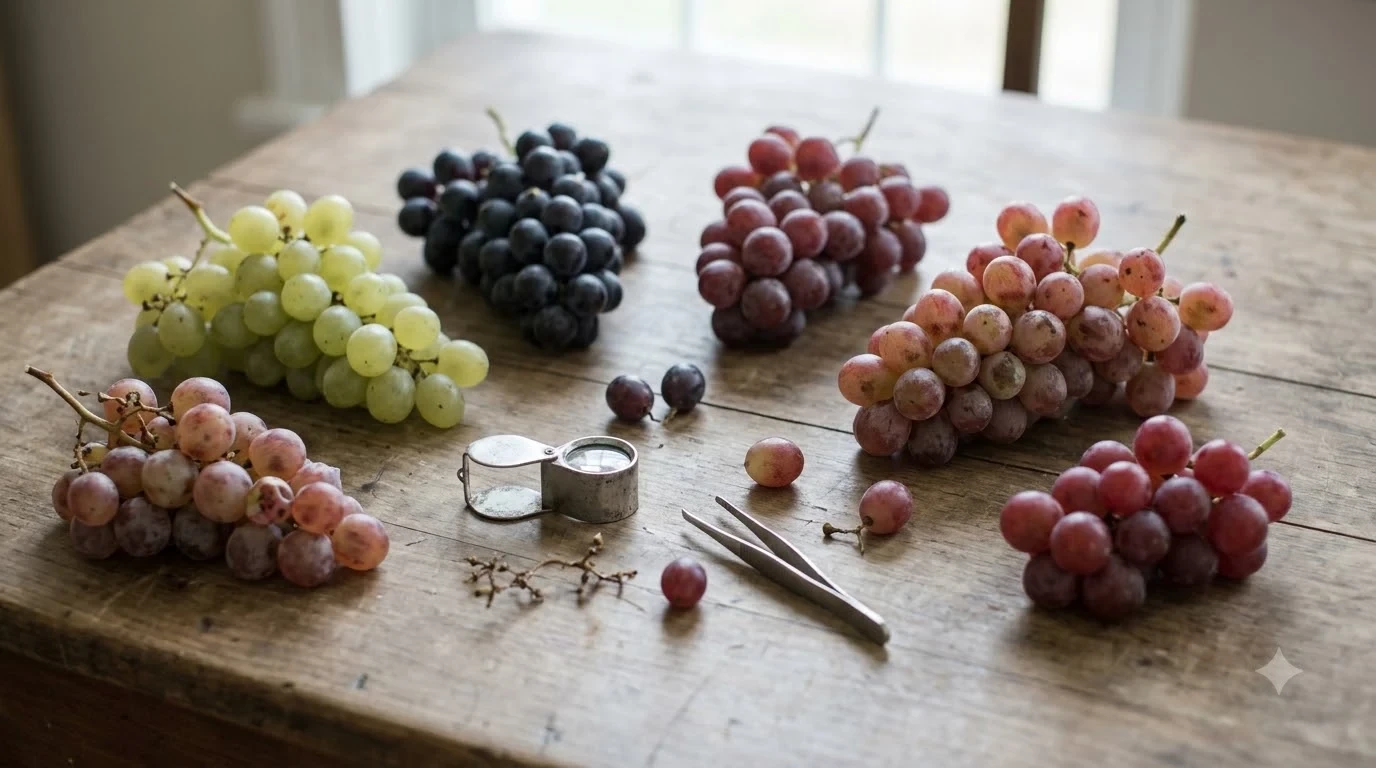
The nerello mascalese grape is a rare red variety from Sicily, and its best examples come from the volcanic slopes of Mount Etna. The wines are bone-dry, light to medium in body, and aromatic, with flavors of dried cherry, orange zest and crushed gravel. They are often compared to Pinot Noir, but they have a firmer structure and a more mineral finish.
If you have seen “Etna Rosso” on a wine list and wondered what the bottle would taste like, this guide explains where nerello mascalese comes from, how the wines are made, what they taste like and how to serve them at home.
Where Nerello Mascalese Grows
Nerello mascalese is grown mainly on the northern and eastern slopes of Mount Etna, the active volcano on the east coast of Sicily. The soils are crumbly volcanic sand and ash that drain well, rainfall is low for a vineyard region, and the high elevation keeps nights cool. Those conditions let the grape ripen slowly and keep its acidity.
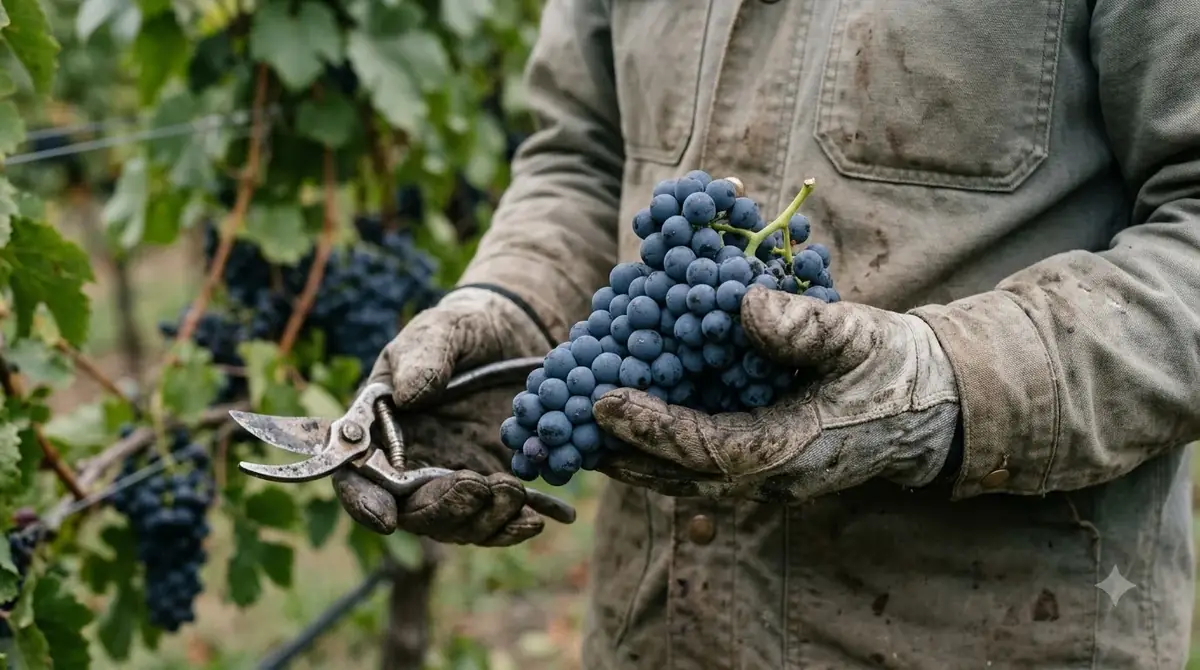
The vines are often trained low to the ground in the albarello or bush style. Many vineyards are planted with old vines, and according to VinePair’s nerello mascalese guide, the sandy soils help protect them from phylloxera. Several vineyards on Etna need no irrigation, and most of the crop is picked by hand.
Flavor Profile and Common Styles
Most nerello mascalese wines are light in color, which surprises people who expect a dark Sicilian red. The flavor is much bigger than the color suggests. Reviewers commonly describe dried rose petals, tart cherry, sage and a mineral note that some people call gravel or wet stone. The tannins are fine rather than grippy, and the acidity keeps the wine fresh.
The label “Etna Rosso” covers most of what you will find. Within that category, producers make very different wines:
- Delicate and aromatic: wines from higher vineyards that lean toward floral and herbal notes and feel lighter on the palate.
- Structured and tannic: wines with darker berry fruit and firmer tannins that can handle more time in the cellar.
- Easy drinking: cherry-forward bottles meant for casual meals, often the best place to start.
According to Wine Folly’s grape profile, the wines are bone-dry and usually sit between 11.5% and 13.5% alcohol by volume. That is moderate for a red, which is one reason they pair easily with food.
| Characteristic | Typical nerello mascalese |
|---|---|
| Color | Light to medium ruby |
| Body | Light to medium |
| Sweetness | Bone-dry |
| Tannin | Medium, fine-grained |
| Acidity | Medium-high |
| Alcohol | About 11.5% to 13.5% ABV |
| Aromas | Dried cherry, rose petal, orange zest, dried herbs |
How to Serve Nerello Mascalese
Serve the wine slightly cooler than most reds. Wine Folly suggests 55 to 60 degrees Fahrenheit, or about 12 to 15 degrees Celsius, which keeps the acidity lively and stops the alcohol from feeling heavy. A chilled bottle left out for ten minutes in a warm room is usually about right.
Use a glass with a wide bowl so the aromatics can open. Decanting for around 30 minutes helps the wine show more of its perfume, especially for the more structured bottles. Many of these wines also age well. Wine Folly notes that some can be cellared for ten years or more, although most bottles on store shelves are meant to drink young.
Temperature changes how the wine tastes more than most people expect. When the bottle is too warm, the alcohol and the ripe cherry notes dominate and the mineral finish fades. When it is slightly cool, the acidity keeps the wine lively and the herbal and floral notes stand out. If you open a bottle and it tastes flat, give it ten minutes in the glass before judging it, since the aromas often open as the wine warms toward the room.
Food Pairings That Work
Because the wine is light-bodied and high in acidity, it pairs with food more easily than many Sicilian reds. Lighter meats are the best starting point. Roast chicken, pork loin and grilled sausage all work well, especially when the dish includes roasted tomato or red pepper.
Herbs and spices also match the wine’s savory side. Oregano, thyme, sage and coriander bring out the earthy notes, so a tomato sauce seasoned with oregano or a pork dish with sage is a reliable choice. For a vegetarian meal, try eggplant caponata or a bowl of roasted vegetables with olive oil.
Nerello mascalese is also a good match for Sicilian cooking more broadly. Dishes built on tomato, capers and olives fit the wine’s acidity. If you enjoy a lighter red with a meal that is not heavy on cheese, this grape is worth trying. For a white wine with a similar mineral character, see our guide to the assyrtiko grape.
How Nerello Mascalese Compares to Other Light Reds
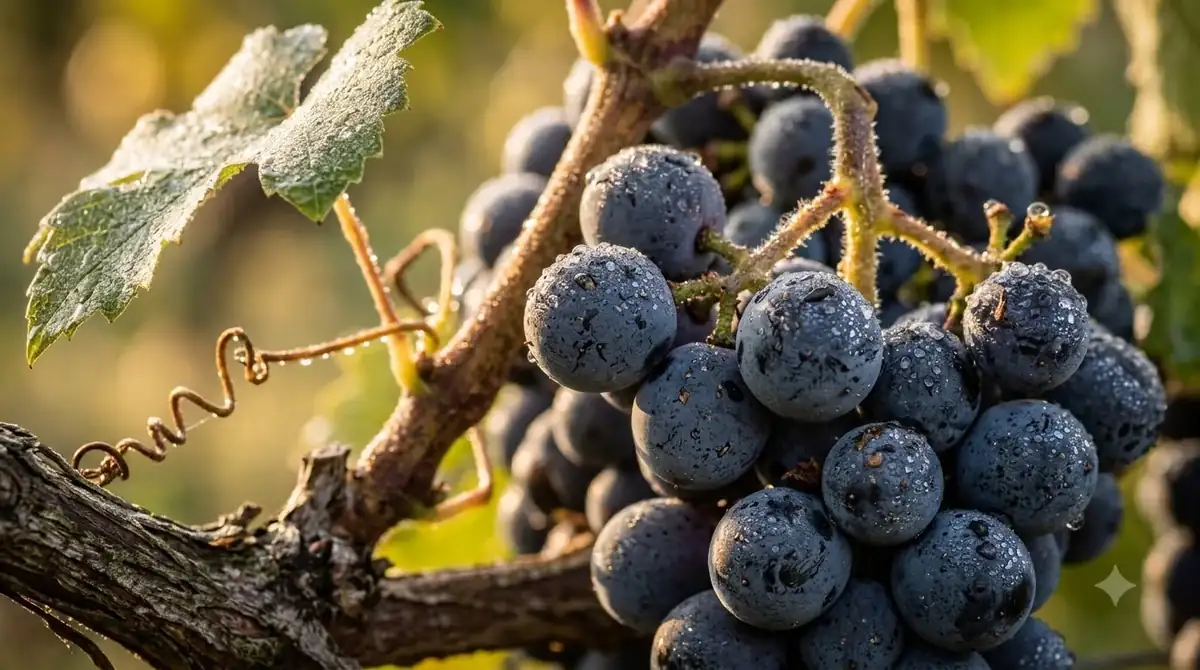
Nerello mascalese is often placed beside Pinot Noir because both are light in color, aromatic and food-friendly. The difference is in the structure. Nerello mascalese usually has more acidity and a drier, more mineral finish, while Pinot Noir is often softer and fruitier. Someone who likes Burgundy may enjoy an Etna red, but they should expect a sharper, more savory profile.
It is also worth comparing nerello mascalese with other grapes that show strong acidity and a sense of place. The pecorino grape is another Italian variety with a distinct regional identity, and a side-by-side tasting of the two can show how a grape reflects its soil and climate.
How to Choose a Bottle
Look for “Etna Rosso” on the label if you want a wine made mostly from nerello mascalese. Some bottles blend in nerello cappuccio, a second Etna red grape that adds color and softness. Check the producer’s notes for the vineyard elevation and whether the wine is labeled as a single vineyard. Higher-elevation wines usually taste more aromatic, while lower sites often give more fruit and body.
Vintage matters less for the younger styles, which are meant to be drunk within a few years of release. For the more structured bottles, check the producer’s notes on aging before you buy, because a wine that needs time in the cellar will taste tight and tannic if you open it too early. A knowledgeable wine shop can usually tell you which style fits your plans.
For a first bottle, choose a younger, fruit-forward wine. For a special dinner, a single-vineyard bottle from an older producer will show more complexity. Our Wine by Type section covers other red styles if you want to compare.
Tip: Serve nerello mascalese a little cooler than you would a Cabernet. Put the bottle in the fridge for 15 minutes before pouring, especially in a warm room.
Frequently Asked Questions
Is nerello mascalese a red or white grape?
It is a red grape. The skins are dark, but the wine is usually light in color, often a pale ruby or garnet. This is one reason it is often compared with Pinot Noir.
What does nerello mascalese taste like?
Expect dried cherry, rose petal, orange zest and a dry, mineral finish. The wine feels light to medium in body but has more flavor than its color suggests.
Where does nerello mascalese come from?
It comes from Sicily and grows best on the volcanic soils of Mount Etna. The vineyards there sit at high elevation, where the nights stay cool during the growing season.
Should nerello mascalese be served chilled?
Yes, slightly chilled. Wine Folly suggests 55 to 60 degrees Fahrenheit, which keeps the acidity fresh and keeps the wine from tasting heavy. Drink it in moderation as part of a meal.
Nerello mascalese rewards curiosity. Start with a younger Etna Rosso, pair it with a simple tomato or pork dish, and compare it with a lighter Pinot Noir. You will quickly see why the grape is called the people’s grape of Mount Etna.
More in Wine Types & Grapes
 Zinfandel Sugar Content: Dry Red vs. White Zinfandel GramsUpdated Nov 21, 2026
 Best Zinfandel Substitute Options for Sipping and CookingUpdated Nov 21, 2026
 Zweigelt Food Pairing: Best Dishes, Cheeses, and Serving TipsUpdated Nov 21, 2026
 Zinfandel Tannins Explained: How Structure Shapes Every BottleUpdated Nov 21, 2026
 Zinfandel Sweetness Level: Dry Red vs. Sweet White Zin ExplainedUpdated Nov 21, 2026
 Xinomavro Food Pairing: Best Dishes, Styles, and Serving TipsUpdated Nov 21, 2026