

We may earn a commission when you buy through links on this page, at no extra cost to you. Learn more.
The entre deux mers wine region is a historic Bordeaux wine-growing area in southwestern France, located between the Garonne and Dordogne rivers and known for its fresh, aromatic dry white wines and increasingly recognized red blends. Its principal white grapes are Sauvignon Blanc, Sauvignon Gris, Sémillon, and Muscadelle, while red wines feature varieties such as Merlot and Cabernet Sauvignon. Clay-limestone soils, an Atlantic-influenced climate, and centuries of viticulture give this part of Bordeaux a distinctive identity.
Entre-Deux-Mers offers a different perspective on Bordeaux from the prestigious classified estates of the Médoc and the celebrated reds of Saint-Émilion. Its landscape combines rolling vineyards, forests, historic villages, and agricultural communities, while its wines emphasize freshness, fruit, and balanced blends. Understanding the geography, grape varieties, appellation rules, and local traditions helps explain why this region deserves attention from wine enthusiasts interested in Bordeaux beyond its most famous names.
Where the Entre-Deux-Mers Wine Region Is Located
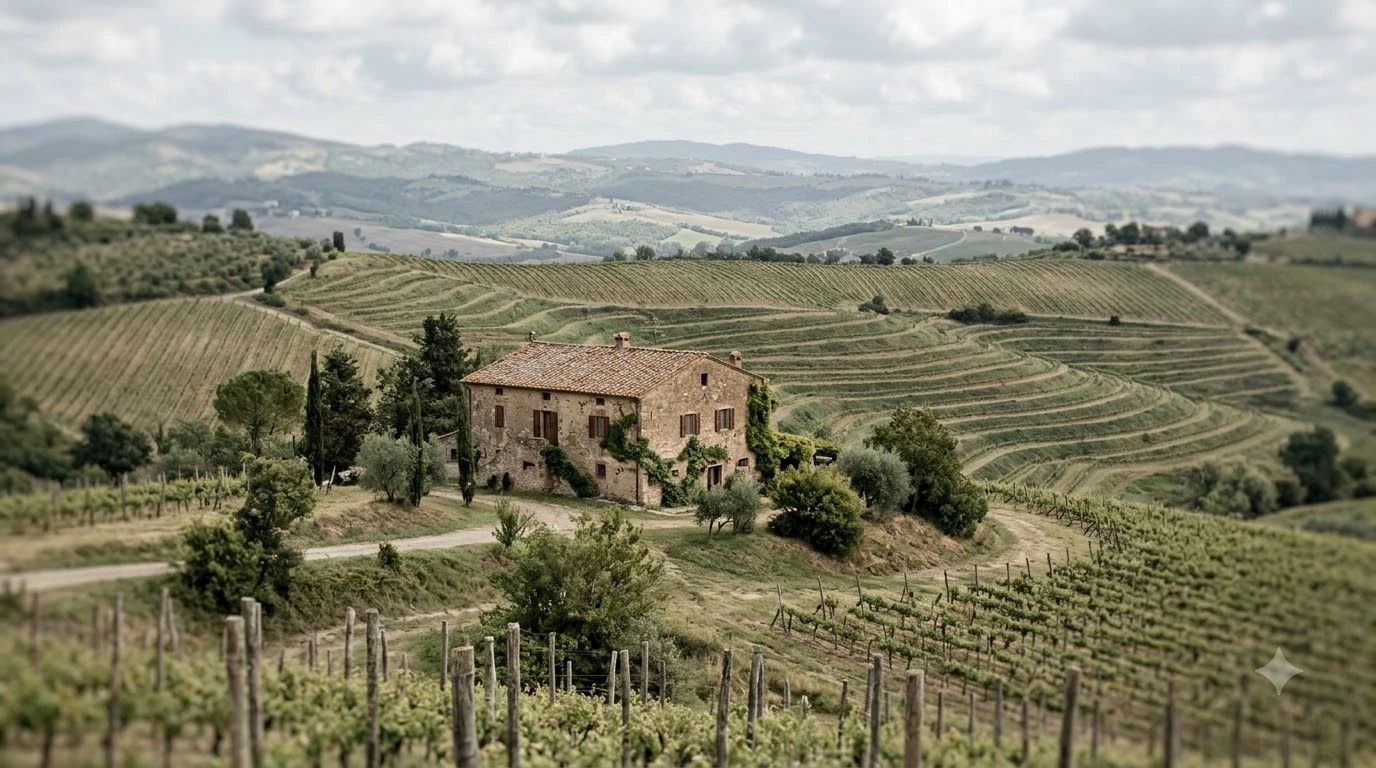
Entre-Deux-Mers occupies the plateau between two major rivers in the Gironde department of southwestern France. Its location between the Garonne to the south and the Dordogne to the north creates a distinctive wine-growing landscape within the broader Bordeaux region.
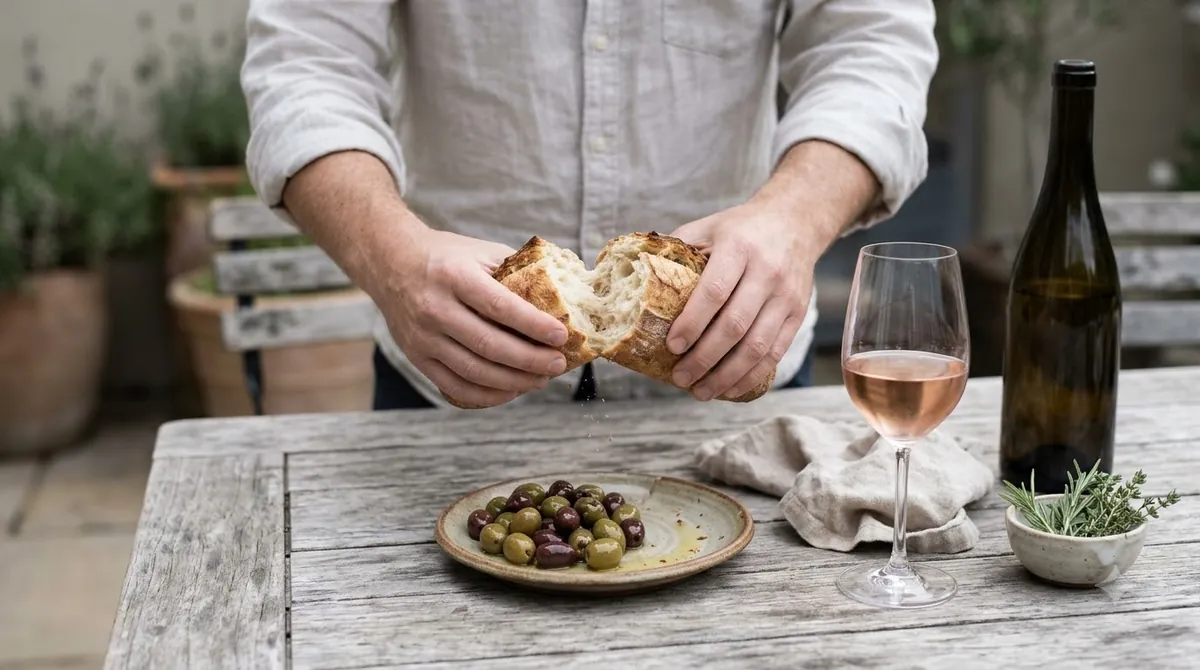
The name translates into English as between two seas, although the geographical reference is to two rivers rather than actual seas. Both waterways experience tidal influences from the Atlantic Ocean. Incoming tides can produce a rolling wave known as a mascaret, a natural phenomenon that helps explain the area’s unusual name.
Bordeaux city lies west of the principal vineyard landscape and provides a convenient starting point for exploring the region. From the city, travelers can cross the Garonne and continue into an area characterized by vineyards, wooded hills, small settlements, and agricultural properties. The countryside becomes increasingly rural as visitors travel farther from the metropolitan area.
The official Entre-Deux-Mers appellation covers 133 communes in Gironde. However, it is important to distinguish the appellation from the broader geographical region. The larger Entre-Deux-Mers area includes several Bordeaux wine designations, while the Entre-Deux-Mers appellation itself has defined production boundaries and specific rules governing its wines.
The landscape includes more than vineyards. Forests, grazing land, streams, rivers, and historic villages contribute to the area’s agricultural character. This mixture of land uses also creates different local environments, with vineyard sites varying in elevation, exposure, soil composition, and drainage.
Several villages provide useful reference points for understanding the region. Créon is associated with local markets and cycling tourism, La Sauve is known for its historic abbey, and Sauveterre-de-Guyenne provides a gateway to the eastern countryside. These communities offer a glimpse of rural Gironde beyond the wine estates.
The region’s position within Bordeaux also explains its commercial importance. Producers benefit from proximity to the city’s established wine trade and transport connections, while maintaining a more rural setting than the urban vineyards and commercial districts closer to Bordeaux itself.
For wine drinkers, geography matters because Entre-Deux-Mers is not simply another name for all Bordeaux white wine. Its location, soils, grape varieties, and appellation rules create a recognizable regional identity within one of France’s most diverse wine-producing areas.
Climate, Soils, and the Regional Terroir
Entre-Deux-Mers benefits from an oceanic climate, moderate rainfall, and a varied geological landscape dominated in many locations by clay and clay-limestone soils. These conditions influence grape ripening, vineyard management, and the balance between fruit expression and freshness in the finished wines.
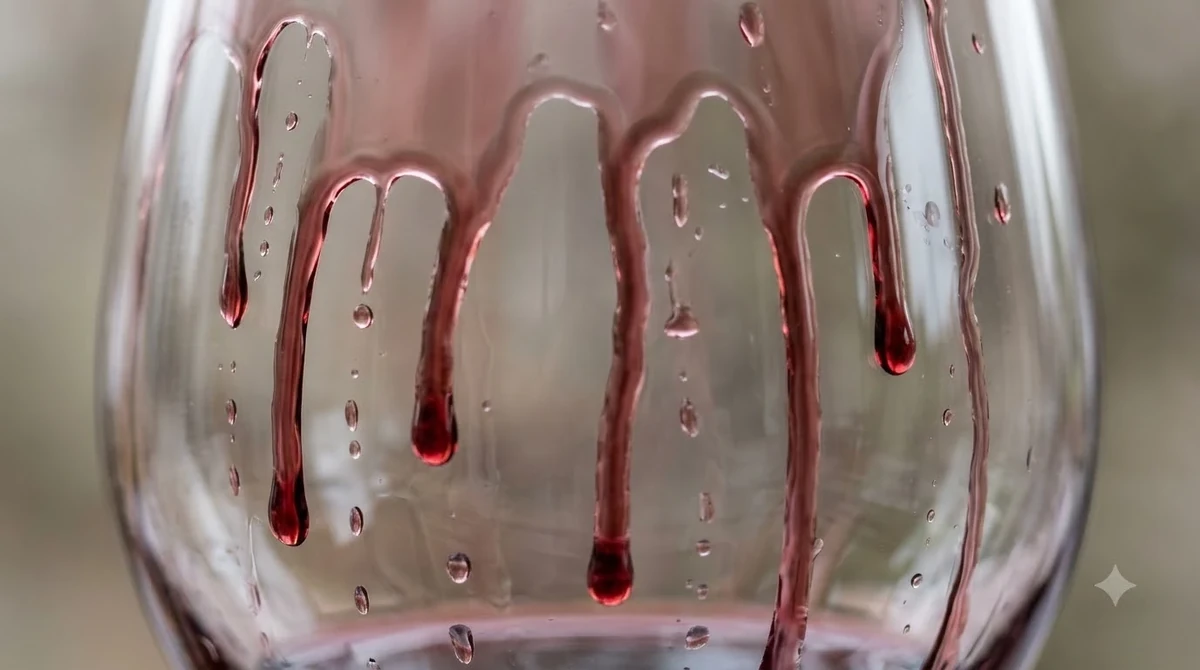
The Atlantic Ocean moderates seasonal temperatures across the Bordeaux region. Winters are generally relatively mild, while summers provide the warmth required for grapes to ripen. Rainfall is moderate, although growers must pay attention to seasonal weather changes and humidity during the growing season.
According to the French appellation authority, the vineyards also experience southeastern winds that are less humid than those arriving directly from the Atlantic. This influence contributes to the region’s local climatic conditions and helps distinguish its growing environment from more exposed coastal locations.
Clay and limestone
Clay and clay-limestone soils are especially important on the region’s slopes. Clay can retain moisture, helping vines maintain access to water during relatively dry periods. Limestone contributes to the geological character of the vineyard sites and is associated with well-drained formations in parts of the region.
The combination creates conditions suited to several Bordeaux grape varieties. Sauvignon Blanc can develop aromatic intensity while retaining freshness, and Sémillon can produce grapes suitable for blends with greater texture and body. The exact result depends on the individual vineyard and growing season.
Gravel, sand, and silty deposits
Not every vineyard sits on the same geological foundation. Gravel, sand, and silty deposits also occur throughout the wider landscape. These differences influence drainage, water retention, and vine development.
Gravelly areas tend to drain more readily than heavier clay soils. Sandy and silty deposits provide other growing conditions, requiring growers to adapt vineyard management to the characteristics of individual parcels.
Vineyard orientation is another consideration. South-facing slopes receive different sunlight exposure from northern-facing locations, affecting ripening patterns and harvest decisions. Growers consider these variations when choosing planting sites and managing different grape varieties.
The resulting diversity helps explain why two Entre-Deux-Mers wines can show noticeably different characteristics even when they share the same appellation. One producer may emphasize citrus, herbs, and lively acidity, while another may create a broader wine with more floral aromas and rounded fruit.
Rather than producing a single uniform style, the region offers a collection of expressions shaped by vineyard location, grape composition, harvest timing, and cellar practices. This diversity is an important part of its appeal to people interested in exploring Bordeaux beyond familiar classifications.
Grape Varieties That Define Entre-Deux-Mers Wines
Entre-Deux-Mers wines are built around blends rather than single-variety expressions. The principal white grapes are Sauvignon Blanc, Sauvignon Gris, Sémillon, and Muscadelle, while red wines rely on traditional Bordeaux varieties including Merlot and Cabernet Sauvignon.
Sauvignon Blanc
Sauvignon Blanc is one of the most recognizable grapes in Entre-Deux-Mers. Its naturally high acidity contributes freshness, while its aromatic profile can include lemon, grapefruit, lime, passion fruit, and fresh herbs.
The grape is particularly important in white blends because it provides aromatic definition and a lively palate. Its citrus character also makes it a natural partner for seafood, shellfish, fresh goat cheese, and dishes prepared with herbs or lemon.
Regional producers often use Sauvignon Blanc to establish the wine’s initial impression. It can provide an immediate sense of freshness without requiring the wine to be especially light or lacking in texture.
Sauvignon Gris
Sauvignon Gris is a relative of Sauvignon Blanc with pink-colored grape skins. It is less widely planted and less familiar to international consumers, but it has an established place in the region’s white-wine tradition.
According to the Entre-Deux-Mers winegrowers’ organization, the variety had nearly disappeared from the region by the end of the 1950s. Its subsequent preservation reflects the interest of local growers in maintaining the area’s traditional grape diversity.
In blends, Sauvignon Gris can contribute aromatic richness and distinctive fruit character. It provides another option for producers seeking complexity beyond the familiar Sauvignon Blanc profile.
Sémillon
Sémillon provides body and roundness. Compared with Sauvignon Blanc, it generally has medium acidity and a softer textural impression, with flavors that can include pear, lemon, and other white-fleshed fruits.
Its contribution is particularly useful in blends that need more weight and structure. Sémillon can balance the sharper citrus character of Sauvignon Blanc and help create a wine that feels complete rather than narrowly focused on acidity.
The variety is also central to the identity of other Bordeaux wines, including the famous sweet wines of Sauternes. In Entre-Deux-Mers, however, it plays an important role in dry white blends.
Muscadelle
Muscadelle is an aromatic variety that contributes floral character and additional complexity. Despite the similarity of its name, it is not the same grape as Muscat.
It usually represents a smaller component of the blend, but its influence can be noticeable. Aromatic intensity, roundness, and depth are among the characteristics associated with its contribution.
Red grape varieties
Red Entre-Deux-Mers wines use several varieties associated with Bordeaux’s traditional red blends. Merlot often supplies generous fruit and a softer texture, while Cabernet Sauvignon adds structure and firmer tannins.
Cabernet Franc contributes aromatic detail and freshness. Malbec and Petit Verdot can add further color, structure, and depth depending on the producer’s blending decisions.
The balance between these grapes varies from one wine to another. A Merlot-dominant blend may emphasize plum and cherry, while a Cabernet Sauvignon-influenced wine can show darker fruit and more noticeable tannic structure.
| Grape variety | Wine color | Main contribution | Typical characteristics |
|---|---|---|---|
| Sauvignon Blanc | White | Freshness and acidity | Citrus, herbs, passion fruit |
| Sauvignon Gris | White | Aromatic richness | Exotic fruit and floral notes |
| Sémillon | White | Body and roundness | Pear and white-fleshed fruit |
| Muscadelle | White | Aromatic complexity | Flowers and fragrant fruit |
| Merlot | Red | Fruit and softer texture | Plum and cherry |
| Cabernet Sauvignon | Red | Structure and tannin | Blackcurrant and dark fruit |
| Cabernet Franc | Red | Aromatic detail | Red fruit and herbal notes |
| Malbec | Red | Color and depth | Dark fruit and structure |
| Petit Verdot | Red | Additional structure | Dark fruit and spice |
Blending is central to the appellation’s identity. The regional winegrowers’ organization describes blending as an obligatory feature of the PDO, helping establish a recognizable style while allowing producers to work with different grape proportions and ripeness levels.
For a broader comparison of French grape-growing traditions, the Savoie wine region provides an interesting contrast. Its Alpine vineyards produce wines shaped by a very different climate and landscape, illustrating the diversity found within French regional wine production.
Wine Styles, Flavor Profiles, and Appellation Rules
Entre-Deux-Mers is traditionally associated with dry white wine, but its modern appellation also recognizes still dry red wines. Both styles must follow defined production requirements, and the wines are expected to reflect the region’s blending tradition.
The traditional white wines are generally pale yellow, sometimes showing greenish reflections. Their aromas commonly include white flowers, citrus, and exotic fruits. Sauvignon Blanc provides freshness, while Sémillon adds roundness and Muscadelle contributes aromatic depth.
On the palate, the wines often begin with refreshing acidity before developing a broader middle. Some examples are particularly lively and citrus-driven, while others show greater texture and a more pronounced floral or tropical-fruit character.
The official French appellation authority describes these wines as intended for relatively early consumption. This makes them especially suitable for occasions where freshness and aromatic expression matter more than extended bottle aging.
Understanding the red wines
Red Entre-Deux-Mers offers a different interpretation of Bordeaux. These wines can feature cherry, plum, blackberry, and other dark-fruit flavors, with tannin levels depending on grape composition and winemaking choices.
Merlot can create a softer, more approachable impression, while Cabernet Sauvignon often contributes greater structure. Cabernet Franc, Malbec, and Petit Verdot provide additional blending possibilities.
The Bordeaux wine organization describes the regional reds as often fruity and complex, with refreshing tannins. Some wines also show savory notes such as forest floor, mint, truffle, and smoky nuances.
Understanding the appellation
The appellation was officially recognized in 1937, initially establishing Entre-Deux-Mers as a dry white wine designation. Red wines received formal recognition under the Entre-Deux-Mers designation in 2023.
The current official production specification recognizes both still dry white and still dry red wines. This is an important distinction from older descriptions that present the appellation as exclusively white.
All wines must follow the relevant blending requirements. Producers cannot simply use the appellation name for any wine made in the general geographical area. The vineyards, grape varieties, production methods, and other conditions must meet the applicable rules.
There is also a geographical distinction within the white-wine appellation. Qualifying producers can use the additional designation Haut-Benauge when the required production operations take place within the specified communes.
The Haut-Benauge designation covers eight communes: Escoussans, Gornac, Ladaux, Mourens, Porte-de-Benauge, Saint-Pierre-de-Bat, Soulignac, and Targon. It provides a more specific geographical identity within the wider Entre-Deux-Mers appellation.
For further details on the official production framework and regional definition, consult the INAO’s Entre-Deux-Mers appellation description. It explains the geographical boundaries, principal grape varieties, typical wine characteristics, and historical recognition.
Food Pairings and Serving Temperatures
Entre-Deux-Mers white wine pairs especially well with seafood, shellfish, fresh cheeses, salads, and lighter poultry dishes. Its dry profile and refreshing acidity complement foods that benefit from citrus-like freshness rather than heavy oak or intense richness.
Oysters are a classic option. Their salty, delicate character works naturally with a crisp Sauvignon Blanc-based blend, while lemon and fresh herbs can reinforce the wine’s aromatic profile.
Grilled prawns, scallops, mussels, and simply prepared white fish are also excellent choices. A preparation featuring parsley, lemon, garlic, or a light vinaigrette can complement the wine without overpowering its delicate fruit flavors.
Cheese and vegetable dishes
Fresh goat cheese is another particularly suitable pairing. Its acidity works with Sauvignon Blanc’s naturally high acidity, creating a balanced combination. A salad with goat cheese, green vegetables, and a light dressing is a straightforward option.
Vegetable dishes featuring asparagus, peas, zucchini, and fresh herbs can also work well. The key is to avoid excessively heavy sauces that overwhelm the wine’s more delicate aromatic qualities.
Pairing red Entre-Deux-Mers
Red examples are better suited to roast poultry, pork, grilled beef, and dishes featuring mushrooms or herbs. Merlot-based blends can complement roast chicken and moderately rich meat dishes, while more structured Cabernet Sauvignon blends can accompany grilled beef and lamb.
Food characteristics matter as much as the main ingredient. Salt and fat soften tannin, making them useful partners for structured reds. Highly acidic dishes need wines with comparable or higher acidity, while very sweet desserts generally require wines at least as sweet as the food.
Spicy dishes require more care. Chili heat can be amplified by alcohol and tannin, so heavily seasoned dishes may make a structured red feel harsher. Lighter, less tannic wines are often more comfortable alongside spicy food.
Serving temperatures
Entre-Deux-Mers white wine is generally best served at 45–50 degrees Fahrenheit. This temperature range preserves its refreshing character while allowing citrus and floral aromas to remain expressive.
Red wines should be served according to their structure. Lighter examples generally benefit from 55–60 degrees Fahrenheit, while fuller-bodied reds are better around 60–65 degrees Fahrenheit.
Tip: Chill a bottle of Entre-Deux-Mers white wine before serving and remove it from the refrigerator shortly before pouring. If it seems too cold and its aromas are muted, allow it to warm gradually in the glass rather than serving it immediately at refrigerator temperature.
A standard wine serving is approximately 5 ounces, meaning a 750-milliliter bottle provides about five glasses. If the bottle is unfinished, reseal it and store it in the refrigerator. Most opened still wines remain enjoyable for approximately three to five days, depending on storage conditions and the wine itself.
For another perspective on fresh white wines and regional food traditions, the Switzerland wine region offers useful comparisons. Swiss wines often accompany local cheeses and freshwater fish, providing another example of how regional cuisine and grape-growing conditions influence pairing traditions.
History, Wine Tourism, and Visiting the Region
Entre-Deux-Mers has a long viticultural history that predates the modern Bordeaux appellation system. Roman settlement helped establish local grape growing, while Benedictine monks at La Sauve-Majeure Abbey contributed to the development of vineyards from the 11th century onward.
La Sauve-Majeure became an important religious and agricultural center. Its Benedictine community helped develop viticulture and strengthen the connection between wine production and local commerce. The abbey remains one of the most recognizable historical landmarks in the area.
The vineyard landscape expanded significantly over the centuries. Bordeaux’s regional historical information records approximately 42,000 hectares of vineyards around 1850, with red and white grapevines each representing roughly half of the historical plantings.
Phylloxera later devastated vineyards across much of France, forcing growers to replant and adapt their agricultural practices. The subsequent development of modern appellation regulations helped establish clearer geographical and production identities for the region’s wines.
The Entre-Deux-Mers appellation received official recognition on July 31, 1937. Its original identity centered on dry white wines, while the later recognition of red wines expanded the official range of styles associated with the name.
Exploring the countryside
Entre-Deux-Mers is an appealing destination for travelers interested in Bordeaux beyond the famous estates of the Médoc and Saint-Émilion. Its villages, vineyards, historic monuments, and cycling routes make it suitable for a relaxed day trip or a longer countryside visit.
The Roger Lapébie cycle path is one of the area’s best-known outdoor attractions. It follows a former railway route for approximately 55 kilometers between Bordeaux and Sauveterre-de-Guyenne, passing through rural landscapes and vineyard communities.
La Sauve is particularly interesting for visitors who enjoy historical architecture. La Sauve-Majeure Abbey provides a connection to the medieval religious community that helped develop local viticulture. The surrounding village also offers an opportunity to experience the character of rural Gironde.
Créon provides another useful stop, with local shops, traditional buildings, and access to the cycling route. Further east, Sauveterre-de-Guyenne offers a historic town setting and a convenient base for exploring nearby vineyards.
Visiting local wineries
Wine estates across Entre-Deux-Mers can offer tastings of traditional dry whites as well as red wines and other Bordeaux designations. This makes winery visits particularly useful for understanding how producers work with different grape varieties within the broader geographical area.
Visitors should contact individual estates before arriving. Some smaller producers operate by appointment, and tasting availability can depend on vineyard work, harvest schedules, and the number of visitors expected.
Spring and summer provide opportunities to explore the countryside in longer daylight hours. Autumn offers a different perspective, with harvest activity taking place across the vineyards. During busy periods, arranging winery visits in advance is particularly helpful.
The Bordeaux wine organization describes the area as having 1,783 hectares of vineyards and 280 winegrowers. It also reports that approximately 95% of its vineyards participate in agro-environmental strategies, reflecting the importance of environmental practices within the regional wine-growing community.
Visitors interested in comparing wine landscapes beyond France can also explore the Tasmania wine region, where cooler maritime conditions create a different setting for grape growing and wine tourism.
For official regional information, the Bordeaux wine organization’s Entre-Deux-Mers overview provides further details about the vineyards, wine styles, local geography, and regional history.
Frequently Asked Questions
What does Entre-Deux-Mers mean in French?
Entre-Deux-Mers literally means between two seas. The name refers to the Garonne and Dordogne rivers, which experience Atlantic tidal influences. The incoming tide can create a rolling wave known as a mascaret.
How many winegrowers are associated with Entre-Deux-Mers?
The Bordeaux wine organization identifies approximately 280 winegrowers in the area. Its regional profile describes an approximately equal division between independent growers and those working with cooperatives.
What is the smallest village in France located in Entre-Deux-Mers?
Castelmoron-d’Albret, in the Entre-Deux-Mers area, is identified by the Bordeaux wine organization as France’s smallest village. Its territory covers approximately 3.5 hectares, making it a distinctive stop for visitors exploring the countryside.
What is the Roger Lapébie cycle path?
The Roger Lapébie cycle path is a cycling route following a former railway line between Bordeaux and Sauveterre-de-Guyenne. It covers approximately 55 kilometers and provides access to the rural landscapes and villages of Entre-Deux-Mers.
How are Entre-Deux-Mers white wines approved?
Each cuvée and vintage must receive approval through an official expert tasting session. This evaluation is part of the appellation’s quality-control approach and helps maintain the identity of its wines.
Entre-Deux-Mers combines a centuries-old Bordeaux wine tradition with a varied landscape and a distinctive approach to blended wines. Its fresh dry whites remain central to its identity, while the recognition of red wines adds another dimension to the appellation. For wine enthusiasts exploring Bordeaux, it offers an accessible way to discover the region’s geography, history, grape varieties, and food-friendly styles.
More in Wine Regions
 Willcox Wine Trail: Discover Arizona’s High-Elevation Wine CountryUpdated Nov 20, 2026
 Yakima Valley Wine Region: Find the Best Styles to TryUpdated Nov 20, 2026
 Vosne Romanee Wine Tasting: Identify Aromas and Choose Better PairingsUpdated Nov 20, 2026
 Yakima Valley Wine Festival: Find the Best Seasonal Wine EventsUpdated Nov 20, 2026
 Wales Vineyards: Discover Cool-Climate Wines and Where to VisitUpdated Nov 20, 2026
 Yountville Wine Festival: Discover Napa Wines and Local FoodUpdated Nov 20, 2026