


We may earn a commission when you buy through links on this page, at no extra cost to you. Learn more.
Apothic white wine is a white wine from the Apothic family, a brand owned by Gallo, and it is made for easy, fruit-forward drinking rather than for a single estate’s style. It is meant to be served chilled at casual dinners and gatherings. This guide explains what the brand is, what to expect from a bottle, how to serve it, and which foods work with it.
Apothic is one of the names shoppers spot first in the wine aisle, and the white bottle sits beside a larger family of Apothic reds. People who usually reach for red often wonder whether the white will taste similar, and people new to white wine want a simple starting point. The sections below stick to what a shopper can check on the label and the brand’s background, plus general serving advice that applies to most white wines.
What Apothic White Wine Is
Apothic is a brand of Gallo, the family winery that Gallo’s company page traces to a winery founded in Modesto, California, in 1933 by brothers Ernest and Julio Gallo. The white wine belongs to the same approachable house style that the company offers to everyday drinkers.
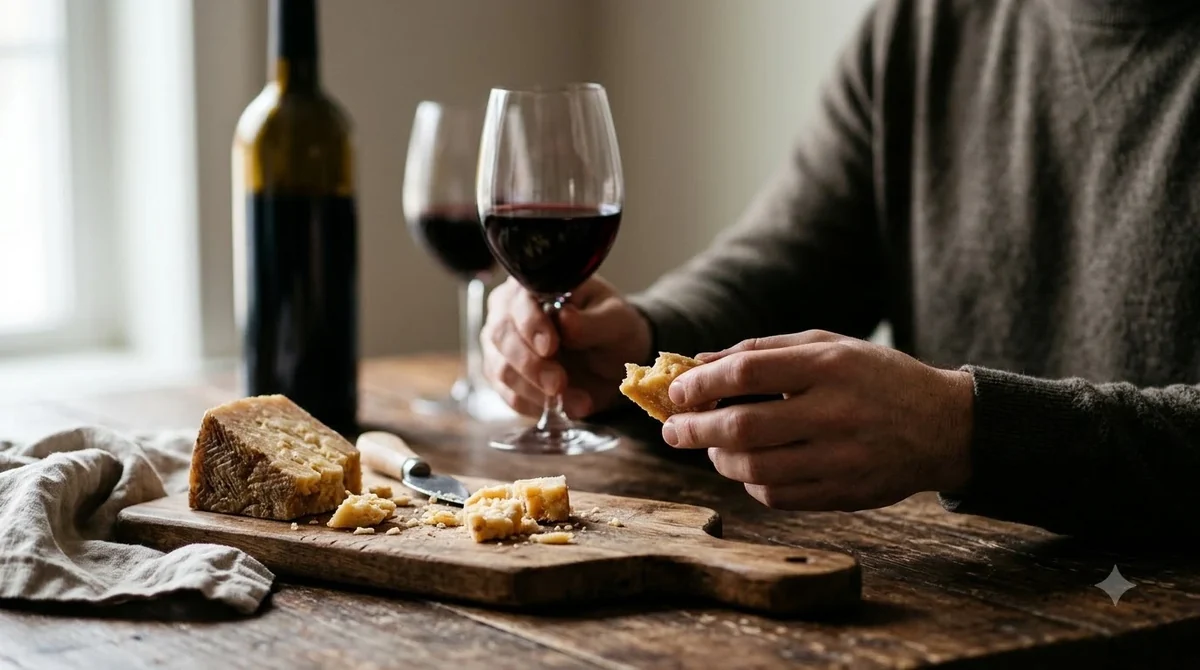
In practice, Apothic White works best as a wine for ease rather than study. The label is meant to be read quickly, and the bottle is meant to be opened for a weeknight dinner or a group gathering without much planning. Buyers should check the current label for the exact grape makeup and vintage, because a brand’s white lineup can change over time.
Flavor and Style Expectations
Most approachable white wines from large producers lean toward fruit-forward aromas and a smooth, soft finish. Shoppers usually notice fresh fruit before they notice acidity or oak, and that is the style most people mean when they call a white wine easy to drink. If you prefer crisp, bone-dry whites, read the back label and check the sweetness description before you buy.
Sweetness is the quickest way to predict how a white will taste. A wine described as dry feels sharper and less sugary on the palate, while a wine with more residual sweetness feels rounder and fruitier. Whites also have less tannin than reds, so they tend to feel lighter and brighter in the mouth even when they are fruity. Someone who likes a soft, approachable red will often find a fruit-forward white a comfortable step, while someone who wants a mineral, austere white should look at other styles.
How to Serve Apothic White Wine
Serve white wine cold but not icy. A bottle in the refrigerator for a few hours is usually enough, and the wine warms slightly in the glass during a meal. Very cold wine tastes muted, while a white served too warm can taste flat and heavy. The general guidance from wine educators is to chill whites well and let them come up a little as you drink.
A standard white glass with a moderate bowl is a practical choice. It keeps the wine cool in the hand and lets the aromas gather near the rim. A young, fruit-forward white does not need decanting, so you can open the bottle and pour straight from it.
| Situation | What to do |
|---|---|
| Before serving | Chill in the refrigerator until the bottle feels cool to the touch |
| During a meal | Keep the bottle in an ice bucket or return it to the fridge between pours |
| Leftovers | Recork and refrigerate; drink within a few days for the best freshness |
Tip: If a white tastes too cold to show any aroma, pour a small amount into the glass and let it sit for a minute before you judge it.
Food Pairing With Apothic White
A soft, fruit-forward white works well with lighter dishes. Roast chicken, grilled fish, salads with a citrus dressing, and mild cheeses are all easy matches. The simplest rule is to match the weight of the wine to the weight of the food: a lighter white with a light dish, and a fuller white with a richer one.
Seafood is another natural fit for a crisp or lightly fruity white. Shrimp tacos with a squeeze of lime, steamed mussels, and a simple pasta with lemon and herbs all let the wine’s fruit show without overpowering the dish. Vegetarian plates such as roasted squash, white bean dips, and goat cheese crostini also work well, especially when the white has a bit of freshness on the finish.
Be careful pairing a sweeter white with very salty or very spicy food. A little sweetness can soften heat, but it can also make salty food taste sharper. If you cook with the wine, use a small amount in a sauce and keep the rest for drinking. Using the same bottle in the pan and in the glass is a common way to keep the pairing consistent.
Who Should Try It and Who Might Skip It
Apothic White suits people who want an approachable bottle for everyday meals, guests who are not wine-focused, and anyone who likes a fruity, soft style. It is also a reasonable choice for a group where you need a crowd-pleaser that does not require much explanation.
Hosts who want a white for a crowd can pour the same bottle across a long evening without worrying about guests who prefer different styles. A soft, fruit-forward white is less polarizing than a sharply acidic or very dry one, which is why it often sits on the table at holiday meals and casual parties. Pour a small glass first, then adjust the serving plan based on what your guests reach for.
It may be less satisfying for people who look for high acidity, a dry finish, or strong regional character. Those drinkers usually do better with a varietal white from a specific region, where the label names the grape and the place. If you want to compare the brand with other mainstream labels, the wine brands overview on this site is a good place to start.
How to Choose Among Apothic Bottles
When you shop, compare the label’s style description, the vintage, and the sweetness cue before you compare anything else. Prices vary by retailer and region, so use the shelf price you see rather than any figure from an article.

If you already like a red from the same brand, the white is a reasonable next step, but it will not taste like the red. A simple test is to buy one bottle, chill it, and taste it with a plain snack before you commit to a case. You can also compare it with other brands on this site, such as A to Z Wineworks, Andre Spumante, or Avaline Rosé, to see how different producers handle easy-drinking styles.
Frequently Asked Questions
Is Apothic white wine dry or sweet?
Check the sweetness description on the current label, since the style can change by vintage. Expect a softer, fruit-forward profile rather than a sharp, bone-dry white.
How cold should Apothic white wine be served?
Chill it in the refrigerator until it feels cool to the touch. Avoid serving it ice cold, because very low temperatures mute the aromas.
Who makes Apothic white wine?
Apothic is a brand of Gallo, the family winery founded in Modesto, California, in 1933. The producer named on each bottle’s label confirms the source.
What food goes well with Apothic white?
Lighter dishes such as roast chicken, grilled fish, citrus salads, and mild cheeses are reliable matches. Match the body of the food to the body of the wine.
A soft, approachable white like Apothic is a practical choice for everyday meals. Pick the bottle by its style cue, serve it cool, and match it to food with a similar weight. For a broader look at the brands you will see on shelves, the wine brands guide is the next stop.
More in Wine Brands
 Underwood Wine Price: Compare Bottles, Cans, and Pack SizesUpdated Nov 21, 2026
 Zenato Wine Price: Compare Styles and Choose the Right BottleUpdated Nov 21, 2026
 Zuccardi Wine Price: Compare Bottles and Find the Right RangeUpdated Nov 21, 2026
 Yellow Tail Moscato Review: Taste, Sweetness and Serving TipsUpdated Nov 21, 2026
 Wolf Blass Yellow Label Review: Choose Your Best StyleUpdated Nov 21, 2026
 Wolffer Estate Rose Review: Choose the Right Bottle for Your TableUpdated Nov 21, 2026