

We may earn a commission when you buy through links on this page, at no extra cost to you. Learn more.
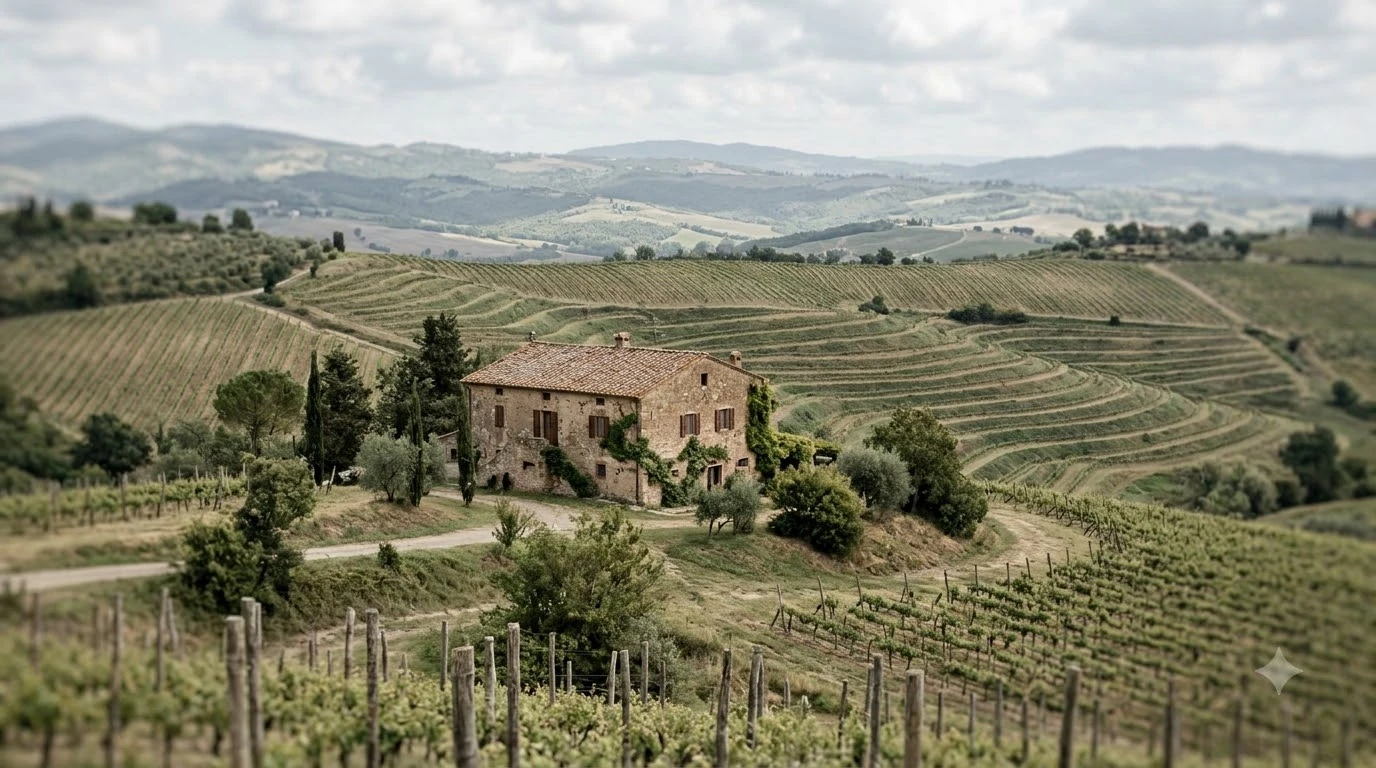
The Crozes Hermitage wine region is the largest appellation in the Northern Rhône Valley of France, known primarily for approachable, aromatic Syrah reds and smaller quantities of Marsanne and Roussanne white wines. Located on the left bank of the Rhône River in the Drôme department, it surrounds much of the famous Hermitage hill. Its varied landscape, from northern granite slopes to southern pebble-covered terraces, creates wines with different levels of structure, freshness, fruit intensity, and aging potential.
For wine drinkers exploring the Northern Rhône, Crozes-Hermitage offers an excellent introduction to the region’s distinctive Syrah character. Its wines combine dark and red berry flavors with pepper, violet, savory herbs, and earthy complexity. Although red wine dominates production, the appellation’s white wines deserve attention for their full-bodied textures and floral aromas. Understanding its geography, grape varieties, and differences between northern and southern vineyards makes it easier to choose a bottle that suits your preferences, dinner plans, and desired drinking window.
Where Is the Crozes-Hermitage Wine Region?
Crozes-Hermitage occupies the left bank of the Rhône River in southeastern France, north of Valence and around the town of Tain-l’Hermitage. Its vineyards spread across 11 communes in the Drôme department, making it considerably larger than neighboring Hermitage and one of the most geographically extensive appellations in the Northern Rhône.

The appellation lies close to the 45th parallel, a geographical position that helps explain its combination of continental conditions and Mediterranean influences. The regional climate is relatively temperate, with seasonal differences between summer and winter. The Rhône corridor also creates a distinctive wind environment, particularly in the northern vineyards, where regular airflow helps dry the vines and surrounding landscape.
The 11 communes are Beaumont-Monteux, Chanos-Curson, Crozes-Hermitage, Érôme, Gervans, Larnage, Mercurol, Pont-de-l’Isère, La Roche-de-Glun, Serves-sur-Rhône, and Tain-l’Hermitage. These communities cover a diverse landscape rather than one continuous hillside. Northern vineyards include elevated slopes and smaller plots, while the southern areas contain broader plains, terraces, orchards, and agricultural land.
Historical Development of the Appellation
Crozes-Hermitage received official AOC recognition in 1937. Initially, the designation covered vineyards associated with the village of Crozes-Hermitage, reflecting the established reputation of the neighboring Hermitage vineyards. The original appellation was relatively limited in geographical scope.
In 1952, the designation expanded to incorporate ten surrounding communes. This expansion encouraged vineyard development in areas that had historically supported orchards and other agricultural activities. Over subsequent decades, plantings increased, particularly in the southern part of the appellation.
The Rhône Valley wine industry’s published figures report approximately 2,139 hectares of production area and 69,056 hectoliters of annual production. The reported average yield is 32 hectoliters per hectare. These figures illustrate the scale of Crozes-Hermitage compared with the smaller, more restricted vineyards of Hermitage.
| Regional characteristic | Typical figure or detail |
|---|---|
| Appellation recognition | 1937 |
| Geographical coverage | 11 communes |
| Production area | 2,139 hectares |
| Total production | 69,056 hectoliters |
| Average yield | 32 hectoliters per hectare |
| Geographical position | Approximately 45th parallel |
| Primary red grape | Syrah |
| Authorized white grapes | Marsanne and Roussanne |
For travelers, Tain-l’Hermitage makes a useful starting point for understanding the appellation. It sits opposite Tournon-sur-Rhône and provides convenient access to the surrounding vineyards. The famous Hermitage hillside is an important visual landmark, while Crozes-Hermitage extends across the broader agricultural landscape around it.
The region also provides a useful starting point for exploring other Northern Rhône appellations. Readers interested in the neighboring Hermitage wine region can compare its steep hillside vineyards with Crozes-Hermitage’s larger mixture of slopes and flatter agricultural terraces.
Terroir, Climate, and Northern Versus Southern Vineyards
The most important difference within Crozes-Hermitage is the contrast between its northern granite-based vineyards and its southern clay-rich, alluvial landscapes. These geographical differences influence vine growth, grape ripening, tannin structure, and the overall character of the finished Syrah wines.
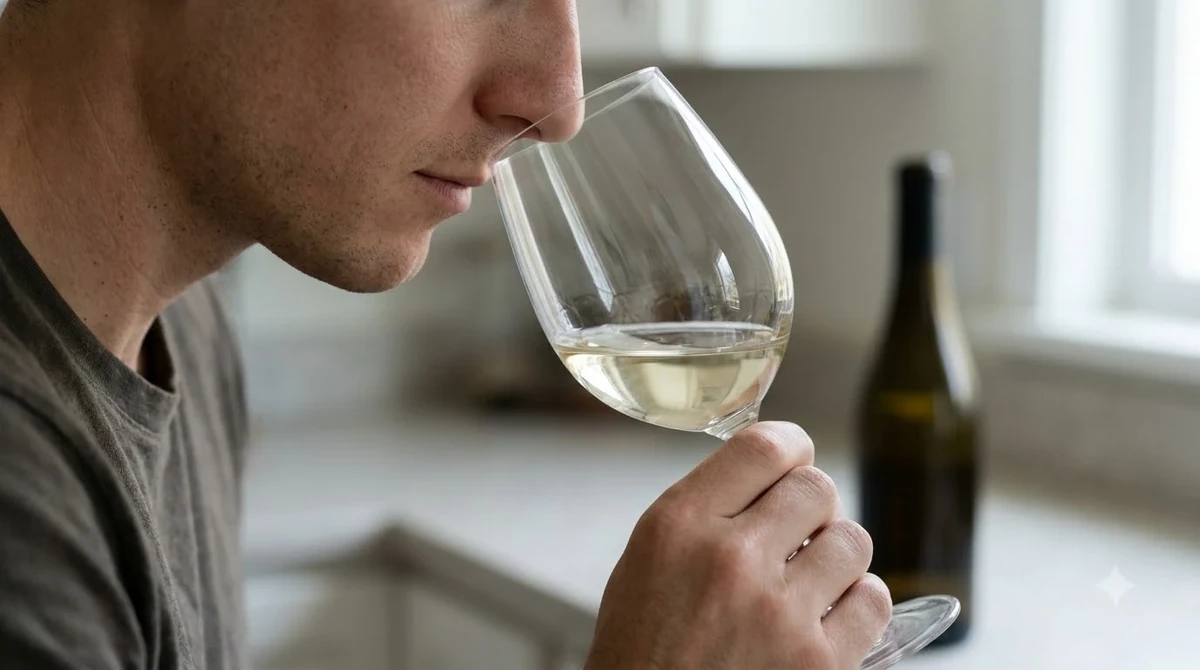
Northern Crozes-Hermitage includes vineyards around Gervans, Érôme, Serves-sur-Rhône, and Larnage. Some sites occupy steep or elevated terrain with granite soils and loess deposits. Granite is particularly important because it is associated with wines that can show greater firmness, savory complexity, and structural definition.
Gervans is one of the best-known northern locations for structured Syrah. Its hillside vineyards can produce wines with fresh red fruit, pepper, and pronounced mineral impressions. Certain older-vine sites produce bottles that benefit from several additional years in the cellar rather than being opened immediately after release.
The Southern Sector and Les Chassis
South and east of Tain-l’Hermitage, the landscape becomes flatter and more open. The vineyards include the Les Chassis plain, where rounded river stones, red clay, and alluvial deposits contribute to the region’s distinctive agricultural landscape.
These southern vineyards generally produce a more immediately expressive style of Syrah. Riper berry fruit, generous texture, and softer-feeling tannins are common characteristics. The wines can be enjoyable relatively young, making them useful choices for people who prefer accessible Rhône reds rather than highly structured wines requiring extended cellaring.
The soil composition is not uniform, even within the southern sector. Clay-rich areas can retain moisture, while stony surfaces influence drainage and heat absorption. Differences in elevation, exposure, vine age, and vineyard management create meaningful variations between individual producers.
How Geography Influences Wine Style
Decanter’s regional analysis describes the contrast between the two sectors as a defining feature of the appellation. Northern vineyards tend toward structured wines with greater aging potential, while many southern examples are more opulent and fruit-driven. Its analysis of Crozes-Hermitage and Saint-Joseph vineyard styles discusses the differences between northern red-fruited wines and southern examples with expressive black fruit.
These differences are useful guidelines rather than absolute rules. A southern producer using whole-cluster fermentation and restrained oak can create a wine with considerable savory character. Similarly, a northern vineyard harvested at optimal ripeness can produce an expressive, approachable wine.
Climate also plays an important role. The Mistral, a powerful northerly wind, regularly sweeps through the Rhône Valley. According to the appellation’s official press information, this airflow helps dry vines and reduces moisture-related vineyard problems. The wind, together with the region’s varied elevations and exposures, contributes to differences between vineyard sites.
Tip: When comparing Crozes-Hermitage bottles, look for vineyard references such as Gervans, Larnage, and Les Chassis. Northern granite sites are useful starting points for structured Syrah, while southern sites often suit drinkers seeking generous fruit and earlier accessibility.
For a broader understanding of how different mountain and continental influences shape neighboring wines, explore the Savoie wine region. Its alpine setting provides an interesting contrast with the Rhône’s warmer vineyard conditions.
Grape Varieties Used in Crozes-Hermitage Wines
Syrah is the defining grape of Crozes-Hermitage, accounting for the appellation’s red wine production. The white wines are made from Marsanne and Roussanne, two traditional Northern Rhône varieties that contribute different combinations of body, floral character, and aromatic complexity.
Syrah thrives in the Northern Rhône because it can produce deeply colored wines with balanced acidity, substantial flavor, and distinctive savory aromas. In Crozes-Hermitage, the grape typically shows red and black berries, violet, black pepper, and occasionally olive, smoked meat, or earthy notes as the wine develops.
Syrah: The Signature Red Grape
Syrah is responsible for the appellation’s most recognizable wines. Its natural tannin structure provides a framework for flavors ranging from fresh raspberry and red cherry to blackberry, violet, and dried herbs.
Young Crozes-Hermitage Syrah often emphasizes fruit and freshness. Depending on the producer and vineyard, the wine may feel medium-bodied or relatively full-bodied, with moderate to pronounced tannins. Northern examples can show firmer structure, while southern examples frequently display rounder fruit and a more immediately approachable texture.
Appellation regulations also permit up to 15% of authorized white grape varieties to be included in red wines. This allowance creates opportunities for producers to adjust aromatic expression and balance while maintaining Syrah as the central variety.
Marsanne: Texture and Generosity
Marsanne is one of the two principal white grapes of Crozes-Hermitage. It generally produces wines with generous body, moderate acidity, and flavors that can include pear, yellow apple, almond, hazelnut, and dried fruit.
Its relatively broad texture makes Marsanne particularly useful in white blends. Depending on the producer’s approach, the wine may emphasize fresh orchard fruit or develop richer notes through fermentation and aging techniques.
Marsanne can also develop additional complexity with bottle age. Mature examples may reveal honeyed, nutty, and savory characteristics while retaining a substantial palate presence.
Roussanne: Floral Complexity and Finesse
Roussanne provides a contrasting expression. It is often associated with white flowers, herbal aromas, delicate fruit, and greater aromatic complexity. Its character can bring refinement to a blend dominated by Marsanne.
Producers may bottle Marsanne and Roussanne separately or combine them to create a more balanced white wine. The final style depends on vineyard conditions, harvest timing, fermentation, and maturation choices.
White wines represent approximately 10% of Crozes-Hermitage production, making them considerably less common than red bottles. Nevertheless, they offer a valuable alternative for people who enjoy Rhône whites with more texture than many lighter-bodied Sauvignon Blanc styles.
Both white grapes are traditional varieties of the Northern Rhône, where their combination is also important in neighboring appellations. Their presence helps distinguish Crozes-Hermitage from regions where white wine production relies on completely different grape varieties.
What Does Crozes-Hermitage Wine Taste Like?
Crozes-Hermitage reds are typically dry, medium- to full-bodied Syrah wines with fresh berry fruit, pepper, floral aromas, and moderate to substantial tannins. White examples are also dry, but generally emphasize fuller texture, orchard fruit, flowers, and nutty complexity.
The exact profile depends on vineyard location, producer choices, vintage conditions, and bottle age. A young southern red may taste generous and fruit-forward, while a northern hillside example can show more restraint, savory depth, and firm tannins.
Red Wine Aroma and Flavor Profile
Fresh red wines commonly display raspberry, red cherry, blackberry, and plum. Violet and black pepper provide recognizable aromatic markers of Syrah, while some bottles also show licorice, olive, smoked meat, and dried herbs.
On the palate, the fruit flavors are generally accompanied by moderate acidity and a tannin structure that gives the wine shape. Some examples are smooth and accessible, while others feel firmer and more concentrated.
Oak aging influences the final character, although not every producer uses new barrels. Larger, older vessels and concrete tanks can preserve a more direct expression of fruit and vineyard character. Smaller oak barrels may introduce additional spice, toast, and a rounder impression.
White Wine Aroma and Flavor Profile
White Crozes-Hermitage tends to be dry, relatively full-bodied, and more textural than many crisp, light-bodied white wines. Common aromas include pear, peach, apple, white flowers, almond, and dried fruit.
Marsanne-heavy examples may feel broad and generous, while Roussanne can add floral detail and aromatic lift. Some wines are designed for relatively early drinking, whereas more concentrated examples can develop honeyed and nutty characteristics with time.
How Age Changes the Wines
Most Crozes-Hermitage reds are designed to be approachable earlier than the most concentrated Northern Rhône wines. Many uncomplicated examples can be enjoyed within two to three years, although better structured bottles may benefit from longer cellaring.
Wines from northern granite sites, particularly those made from older vines, can develop greater complexity over several additional years. Their fruit may gradually give way to leather, dried herbs, earthy notes, and more integrated spice.
White wines generally reward earlier drinking, although concentrated Marsanne-based examples can evolve considerably. Their development may include almond, honey, and dried-fruit characteristics that add complexity beyond their youthful floral aromas.
There is no single aging schedule that applies to every bottle. Vineyard origin, vintage, extraction, and maturation all matter. Producers’ recommendations are particularly useful when deciding whether to open a bottle immediately or allow it additional time in the cellar.
Crozes-Hermitage Compared With Hermitage and Other Rhône Wines
Crozes-Hermitage shares its principal grape and regional identity with neighboring Hermitage, but its larger geographical area creates a wider range of styles. The most important differences concern vineyard location, terrain, production scale, and the concentration and aging potential of individual wines.
Crozes-Hermitage Versus Hermitage
Hermitage occupies a famous hillside overlooking the Rhône River and Tain-l’Hermitage. Its vineyards cover approximately 140 hectares, making the appellation considerably smaller than Crozes-Hermitage.
The steep slopes, southerly exposures, and mixture of granite, limestone, and clay create conditions associated with concentrated, structured wines. Hermitage reds are often powerful and capable of long bottle development, with outstanding examples benefiting from a decade or more of aging.
Crozes-Hermitage occupies a much larger area surrounding the hill. Its wines are generally more approachable, with a greater emphasis on fresh fruit and earlier drinking. However, certain northern vineyards produce structured Syrah that can show impressive depth and longevity.
Decanter’s regional analysis highlights this difference by describing Crozes-Hermitage as a fruit-driven alternative suitable for earlier drinking, while emphasizing Hermitage’s greater concentration and long-term aging potential.
Crozes-Hermitage Versus Saint-Joseph
Saint-Joseph is another important Northern Rhône appellation, located primarily along the western bank of the Rhône. Its vineyards stretch over a considerable north-south distance and include granite hillsides and plateau sites.
Both Saint-Joseph and Crozes-Hermitage produce Syrah-based reds with peppery aromas, dark fruit, and savory complexity. However, individual vineyard locations are more important than the appellation name alone when predicting the wine’s exact style.
Saint-Joseph can produce fresh, structured wines with blackcurrant and spice, while Crozes-Hermitage offers a particularly broad range of fruit-forward and mineral expressions. Comparing bottles from similar vineyard positions can reveal how differences in exposure and soil influence the wines.
How Crozes-Hermitage Fits Into the Wider Rhône Valley
The Northern Rhône is known for its emphasis on individual grape varieties, particularly Syrah for red wines. This contrasts with many Southern Rhône appellations, where Grenache, Syrah, Mourvèdre, and other grapes are frequently blended.
Crozes-Hermitage is therefore a useful reference point for understanding Northern Rhône Syrah. Its range of vineyard conditions provides an opportunity to compare several expressions of the same grape without leaving one appellation.
Its geographical position also makes it an interesting comparison with alpine wine regions to the east. Readers can explore the Switzerland wine region to understand how different elevations and cooler growing conditions influence grape selection and wine style.
Food Pairings, Serving Temperature, and Storage
Crozes-Hermitage is a versatile food wine, particularly when paired with roasted meats, grilled vegetables, mushrooms, and dishes featuring herbs or moderate seasoning. Red Syrah works best with foods that complement its fruit and tannins, while white Marsanne and Roussanne pair naturally with poultry, seafood, and creamy dishes.
Best Food Pairings for Red Crozes-Hermitage
Red Crozes-Hermitage is a natural partner for roast lamb, grilled beef, duck, and pork. These dishes provide enough savory flavor and texture to complement Syrah’s fruit and pepper characteristics.
Roast lamb with rosemary and thyme is particularly suitable. The herbs echo the savory aromas that can develop in Syrah, while the richness of the meat helps soften the wine’s tannins.
Beef dishes are equally useful. Grilled steak, beef stew, and slow-cooked short ribs provide protein and fat that help balance tannic structure. Mushrooms, roasted onions, and black pepper can reinforce the wine’s earthy and spicy characteristics.
For a vegetarian pairing, consider grilled eggplant, lentil stew, roasted mushrooms, or dishes featuring caramelized vegetables. Their savory flavors complement the wine without overwhelming its fruit.
Best Food Pairings for White Crozes-Hermitage
White Crozes-Hermitage works well with roasted chicken, turkey, creamy pasta, and grilled fish. Its fuller body makes it particularly useful with dishes that have more texture than delicate, lightly seasoned seafood preparations.
Roasted chicken with lemon and herbs provides a balanced pairing. The meat’s savory character complements Marsanne’s texture, while the citrus helps maintain freshness alongside the wine.
White fish with butter sauce, scallops, and seafood risotto can also work well. Almonds, mushrooms, and lightly roasted vegetables are useful ingredients because they echo the nutty and earthy characteristics found in some mature white examples.
For additional inspiration, creamy poultry dishes and mild cheeses are generally more suitable than intensely acidic sauces or heavily spiced preparations.
Serving Temperatures
Serving temperature has a noticeable effect on the balance of Crozes-Hermitage. Excessive warmth can make red wines seem alcoholic and heavy, while overly cold temperatures can mute aromas and make tannins feel more pronounced.
| Wine style | Recommended temperature | Practical guidance |
|---|---|---|
| Light-bodied red | 55–60°F | Serve slightly cool |
| Full-bodied red | 60–65°F | Allow aromas to develop |
| Full-bodied white | 50–55°F | Preserve texture and aromatics |
For most Crozes-Hermitage reds, a temperature around 60–62°F is a practical starting point. Full-bodied white examples are generally best around 50–55°F, allowing their floral aromas and richer textures to remain expressive.
Decanting and Bottle Storage
Young, structured Crozes-Hermitage reds can benefit from 30–60 minutes of decanting before serving. This gives the wine time to interact with oxygen and can make its aromas more expressive. Lighter, fruit-focused examples may need little or no decanting.
Older bottles require more care. Extended exposure to air can diminish delicate aromas, so older wines should be opened and assessed carefully rather than automatically decanted for a long period.
For long-term storage, keep bottles on their sides in a dark, stable environment near 55°F. Avoid locations exposed to direct sunlight, strong temperature fluctuations, or repeated vibration.
Once opened, reseal the bottle and refrigerate it. Most still Crozes-Hermitage wines remain enjoyable for approximately three to five days, depending on their age, condition, and exposure to oxygen. Allow refrigerated red wine to warm slightly before serving again.
For additional information about regional wine styles and grape varieties, the broader Wine Regions collection provides a useful starting point for exploring France and other major wine-producing countries.
Frequently Asked Questions
Is Crozes-Hermitage an appellation or a village?
Crozes-Hermitage is an appellation rather than simply a village name. The designation covers vineyards in 11 communes of the Drôme department. Its geographical boundaries extend well beyond the original village that gave the appellation its name.
What does the word Crozes mean in Crozes-Hermitage?
Crozes refers to the village of Crozes-Hermitage, which originally formed the center of the appellation. The name Hermitage connects the designation geographically and historically with the celebrated neighboring hillside. The two appellations remain legally distinct despite their close proximity.
Can Crozes-Hermitage wines be made from 100% Syrah?
Yes. Producers can make red Crozes-Hermitage entirely from Syrah. Appellation regulations also allow up to 15% of authorized white varieties in red wine blends, giving winemakers some flexibility in their blending decisions.
Is Crozes-Hermitage suitable for someone discovering Northern Rhône wine?
Yes. Its combination of approachable Syrah, recognizable pepper and berry aromas, and varied vineyard styles makes it a useful introduction. The appellation also provides an opportunity to explore the differences between granite-grown and alluvial-site wines without starting with the more concentrated expressions of Hermitage.
Does Crozes-Hermitage produce sparkling wine or rosé?
No. The appellation designation is reserved for still red and white wines. Its recognized grape varieties are Syrah for red production and Marsanne and Roussanne for white production. Sparkling wines and rosé are not part of the appellation’s authorized wine categories.
The Crozes-Hermitage wine region offers a fascinating combination of Northern Rhône tradition, varied vineyard geography, and expressive Syrah. Its northern granite slopes and southern alluvial terraces produce distinct styles, while Marsanne and Roussanne provide a compelling alternative to its better-known reds. Whether you prefer youthful berry-driven wines or structured bottles with greater aging potential, Crozes-Hermitage is an excellent appellation to explore when discovering the wines of the Rhône Valley.
More in Wine Regions
 Willcox Wine Trail: Discover Arizona’s High-Elevation Wine CountryUpdated Nov 20, 2026
 Yakima Valley Wine Region: Find the Best Styles to TryUpdated Nov 20, 2026
 Vosne Romanee Wine Tasting: Identify Aromas and Choose Better PairingsUpdated Nov 20, 2026
 Yakima Valley Wine Festival: Find the Best Seasonal Wine EventsUpdated Nov 20, 2026
 Wales Vineyards: Discover Cool-Climate Wines and Where to VisitUpdated Nov 20, 2026
 Yountville Wine Festival: Discover Napa Wines and Local FoodUpdated Nov 20, 2026