


We may earn a commission when you buy through links on this page, at no extra cost to you. Learn more.
The cyprus wine festival is an annual celebration of Cypriot wine, traditional food and local culture held at the Municipal Gardens in Limassol. It brings together local wineries, wine enthusiasts, musicians and visitors for tastings, traditional entertainment and regional cuisine. First organized in 1961, the Limassol Wine Festival offers an accessible introduction to the island’s winemaking heritage and its distinctive indigenous grape varieties.
Cyprus has a winemaking tradition that stretches back thousands of years, and its modern wine culture combines ancient grape varieties with contemporary producers and internationally recognized styles. The Limassol celebration provides an opportunity to experience that heritage in one location, while the island’s wine villages and vineyard routes offer more opportunities to explore beyond the festival grounds. Whether you are planning a dedicated wine trip or adding an evening of local food and wine to a Mediterranean vacation, understanding the festival’s location, timing, wines and traditions will help you make the most of your visit.
What the Cyprus Wine Festival Celebrates
The Limassol Wine Festival celebrates the relationship between Cypriot wine, agriculture and community life. Its appeal extends beyond wine tasting, combining local producers, traditional entertainment and food in a setting that reflects the island’s long history of viticulture.
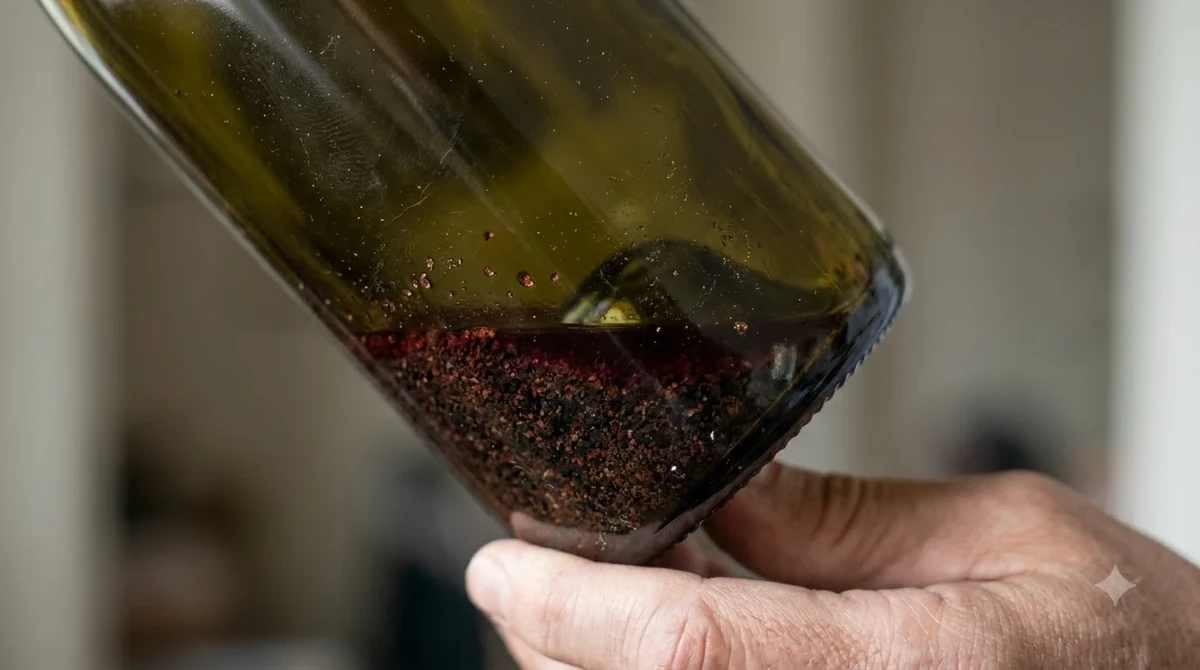
The festival began in 1961, shortly after Cyprus gained independence. According to the Limassol Municipality, the first celebration took place on October 7, 1961, with the event developing into an established annual tradition. It was originally associated with the Limassol Development Association and subsequently organized by other local institutions before the municipality assumed responsibility in 1978.
The event has experienced interruptions during periods of political instability. It did not take place in 1964 or between 1974 and 1977, returning in 1978. Its continuation since then has helped establish Limassol as an important center for Cypriot wine culture.
Wine is the central attraction, but the festival also reflects the island’s traditional hospitality. The municipality describes an atmosphere featuring folklore dancing, music, theatrical performances and local dishes. Visitors encounter wine not simply as a beverage but as part of a broader cultural experience involving agricultural traditions, family celebrations and regional cooking.
The festival also has historical associations with ancient celebrations honoring Dionysus, the Greek god of wine and the vine. Although the modern event is a municipal cultural celebration rather than an ancient religious ceremony, its emphasis on shared meals, music and wine recalls the communal character of Mediterranean festivities.
Another distinctive feature is the participation of established Limassol-area wine producers. Their presence gives visitors an opportunity to discover different local styles, compare grape varieties and become familiar with the island’s wine industry without traveling between individual vineyards.
Where the Festival Takes Place and When to Visit
The Cyprus Wine Festival takes place at the Limassol Municipal Gardens, a public garden area on the eastern side of the city near the Mediterranean coast. The traditional festival period is late summer, although the exact dates and operating arrangements vary between editions.
The Municipal Gardens are a convenient setting because they are close to Limassol’s seafront and established visitor areas. The festival grounds are arranged around several entrances, with the main southern entrance providing access to the central wine celebration. A large statue of a traditional Cypriot village winegrower has served as the festival’s emblem since its beginning in 1961.
The official Cyprus tourism portal traditionally describes the event as a ten-day celebration held around the end of August or beginning of September. However, travelers should distinguish between this traditional seasonal pattern and the actual dates announced for a particular edition. Festival scheduling can change, so the municipal announcements are the best source for confirming the next event.
For example, the published 2026 event calendar lists the festival from September 26 through October 4 at the Limassol Municipal Gardens. This illustrates why relying exclusively on the traditional August and September timing can lead to incorrect travel arrangements.
| Planning detail | Information |
|---|---|
| Festival location | Municipal Gardens, Limassol |
| First edition | 1961 |
| Traditional season | Late August to early September |
| Traditional duration | 10 days |
| Published 2026 dates | September 26-October 4 |
| Organizer | Limassol Municipality |
| Setting | Public gardens near the seafront |
Evening visits are particularly suitable for experiencing the festival atmosphere. The combination of food stalls, winery pavilions, performances and gatherings makes the event a social occasion as much as a tasting opportunity. Visitors who prefer a quieter experience may want to arrive earlier in the evening, before the grounds become busier.
It is also useful to consider the wider travel schedule. Late summer and early autumn are suitable periods for exploring Cyprus’s wine-producing countryside, but vineyard visits should be arranged separately rather than assuming that every winery follows the festival’s operating schedule.
For official information, consult the Limassol Municipality’s Wine Festival information before arranging transportation or accommodation.
Tip: Confirm the dates, admission arrangements and daily program before traveling. The traditional festival season is a useful planning guide, but individual editions do not necessarily follow identical dates or schedules.
Cypriot Wines and Grapes to Discover at the Festival
The most interesting wines to seek out at the festival are those made from indigenous Cypriot grapes, particularly Xynisteri, Mavro and Maratheftiko. International varieties such as Chardonnay, Cabernet Sauvignon and Shiraz also contribute to the island’s modern wine selection.
Xynisteri is the country’s best-known indigenous white grape. According to the official Cyprus tourism portal, it is the island’s most widespread white variety and produces pale, relatively light wines with a typical alcohol content of approximately 11-11.5% ABV. Its approachable style makes it a useful starting point for visitors unfamiliar with Cypriot wine.
Depending on the producer and growing conditions, Xynisteri can offer citrus, orchard-fruit and fresh herbal characteristics. It is generally a good choice alongside seafood, grilled fish, vegetable dishes and lighter Mediterranean appetizers. Its refreshing profile also makes it suitable for warm-weather drinking.
Mavro is another important indigenous variety, traditionally associated with lighter-colored reds and blends. Its role in Cypriot wine history is particularly significant because it is one of the two traditional grapes used to produce Commandaria. Modern winemakers also use local varieties in different styles, allowing visitors to discover more than the traditional interpretations.
Maratheftiko and other indigenous varieties
Maratheftiko is among the island’s most distinctive red grapes. It can produce more structured wines with darker fruit characteristics, floral notes and noticeable tannin. Compared with a light Xynisteri white or a traditional Mavro-based wine, Maratheftiko generally offers a more substantial red-wine experience.
Ofthalmo is another indigenous red variety worth recognizing. Although less familiar internationally, it contributes to the diversity of Cyprus’s traditional grape collection. Visitors interested in regional wine history should ask whether individual producers offer examples of these less common varieties.
International grapes are also important. Chardonnay and Sauvignon Blanc provide familiar white-wine reference points, while Cabernet Sauvignon, Shiraz and Grenache Noir give visitors opportunities to compare internationally established varieties with local grapes.
Rather than concentrating on one color or grape, consider comparing three contrasting wines: a fresh Xynisteri, a Maratheftiko red and a Commandaria dessert wine. This combination demonstrates the range of styles associated with Cyprus and provides a clearer understanding of its wine identity.
Commandaria and the Island’s Ancient Wine Heritage
Commandaria is one of the most important wines to discover when attending a Cypriot wine celebration. It is a naturally sweet, fortified-style dessert wine with protected geographical origins and a production tradition based on indigenous grapes that have been grown in the designated Commandaria villages.
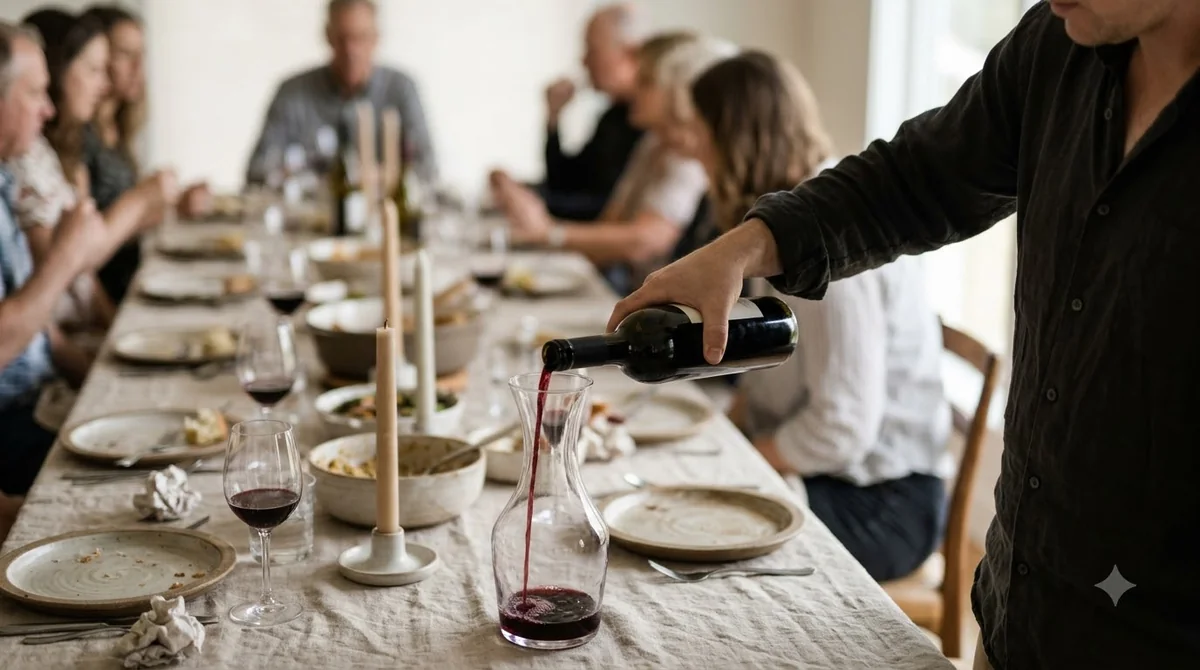
The wine is made from Xynisteri and Local Mavro grapes. Instead of being processed immediately after harvesting in the same way as many dry table wines, the grapes are traditionally dried in the sun to concentrate their natural sugars. The resulting fruit is pressed, and the concentrated juice undergoes fermentation to produce the distinctive sweet wine.
According to the Cyprus National Commission for UNESCO, Commandaria belongs to a geographically defined area containing 14 villages. The villages include Agios Georgios Sylikou, Agios Konstantinos, Agios Mamas, Agios Pavlos, Apsiou, Gerasa, Doros, Zoopigi, Kalo Chorio, Kapilio, Lania, Louvaras, Monagri and Sylikou.
The production region lies north of Limassol, between the city and the Troodos Mountains. Its vineyards occupy elevations of approximately 400-900 meters, with varied terrain and soils that contribute to the region’s agricultural character.
The wine’s history is closely associated with the medieval period. The Commandaria Wine Route identifies 1192 as an important historical reference point, when the Knights of St. John were developing the wine’s production traditions. The name is connected with La Grande Commanderie, the historic area associated with Kolossi.
How to enjoy Commandaria
Commandaria is a natural choice for the end of a meal. Its sweetness and concentrated fruit character pair well with desserts that have comparable sweetness, including dried-fruit pastries, nut-based sweets and dark chocolate preparations.
It can also be enjoyed alongside traditional Cypriot sweets made with almonds, grape products and dried fruit. The important pairing principle is to avoid serving a wine that is less sweet than the dessert, since the wine may taste sour or thin by comparison.
For serving, a temperature around 43-50 F is a useful starting point for sweet wines. A smaller dessert-wine pour allows the concentrated aromas and flavors to develop gradually without overwhelming the palate.
Commandaria is not merely a historic curiosity. Its continued production connects modern Cypriot winemaking with agricultural knowledge, village communities and traditional food practices. The Cyprus National Commission for UNESCO included Commandaria and the wine traditions of its villages on its intangible cultural heritage inventory in 2021.
Traditional Food, Music and Festival Entertainment
Food and entertainment are essential parts of the Limassol celebration. Visitors can expect a combination of Cypriot wine, traditional meze, local dishes, folk dancing, music and theatrical performances rather than a formal wine competition or a tasting event limited to industry professionals.
Meze is particularly important to understanding the food culture surrounding Cypriot wine. Instead of concentrating on one large main course, a traditional meal can involve several smaller dishes served together or in succession. This makes it possible to explore different combinations of wine, vegetables, cheese, meat and seafood.
Halloumi is one of the island’s best-known foods and is a natural companion for a range of local wines. Its salty, firm texture works particularly well with fresh white wines such as Xynisteri. Grilled vegetables, olives and herb-seasoned dishes also provide useful pairings.
For meat dishes, the selection can be broader. Grilled lamb and pork can work with medium-bodied reds, while more substantial meat preparations may suit a structured Maratheftiko or a Shiraz-based wine. The appropriate pairing depends on seasoning, preparation and the intensity of the sauce.
Seafood offers another opportunity to explore Cypriot white wines. Grilled fish, prawns and lighter seafood preparations generally work better with fresh, higher-acidity whites than with heavily tannic reds. This is especially relevant when choosing between Xynisteri and a fuller-bodied red variety.
Music and cultural performances
Traditional entertainment gives the festival a character that differs from a conventional winery tasting. Folklore dances and local songs connect the celebration with regional customs, while theatrical performances provide an additional form of entertainment.
The Limassol Municipality has also described comedy, humor and satire as elements of the festival program. These performances help make the event accessible to visitors who may be interested in Cypriot culture even if they are not experienced wine drinkers.
When planning an evening, allow time for both food and wine rather than treating the festival as a quick stop for a single glass. A relaxed schedule makes it easier to explore the participating pavilions, enjoy a meal and experience the entertainment without rushing.
Exploring Cyprus’s Wine Routes Beyond Limassol
The festival is an excellent introduction to Cypriot wine, but the island’s seven wine routes offer a deeper understanding of its regional differences. These routes connect vineyards, historic villages, wineries and cultural attractions across several wine-producing areas.
The official Cyprus tourism portal identifies seven routes: Commandaria, Diarizos Valley, Krasochoria of Lemesos, Laona-Akamas, Mountainous Larnaka-Lefkosia, Pitsilia and Vouni Panagias-Ambelitis. Each provides a different perspective on the island’s wine-growing landscape.
Krasochoria of Lemesos
The Krasochoria, meaning wine villages, are among the most convenient areas to explore from Limassol. Their position in the hills surrounding the city makes them suitable for visitors who want to combine the coastal atmosphere of Limassol with a countryside excursion.
The villages are associated with long-established wine production, local food traditions and vineyards that reflect the region’s varied elevations. A visit can include winery tastings, village walks and stops at traditional restaurants.
Commandaria Wine Route
The Commandaria route is particularly suitable for visitors interested in the island’s historic sweet wine. It connects communities associated with the wine’s protected geographical origin and includes places such as Kolossi and Laneia.
Kolossi is associated with the medieval history of Commandaria, while Laneia is known for its traditional wine press. The route provides an opportunity to understand how grape drying, village agriculture and historic wine production contributed to the identity of this distinctive Cypriot wine.
Pafos and the western wine-growing areas
The Pafos region offers another worthwhile perspective, particularly for visitors interested in Xynisteri and Maratheftiko. The area includes villages such as Tsada, Stroumbi, Kathikas and Pano Panagia, with wineries and landscapes that provide a different experience from the Limassol coast.
The official tourism information also highlights the Diarizos Valley and Vouni Panagias-Ambelitis routes. These areas are useful additions to a longer wine-focused vacation, particularly for travelers who want to compare wines from different growing environments.
For a broader introduction to the island’s geography and wine-producing regions, explore our Wine Regions resource. It provides useful context for understanding why grape varieties and wine styles can differ between growing areas.
A wine-route excursion should be planned around confirmed winery appointments. Opening hours, tasting availability and transportation arrangements can differ between producers, especially in smaller villages. Visitors should also arrange a designated driver or suitable transportation before beginning a day of wine tasting.
Practical Tips for Planning a Cyprus Wine Festival Visit
A successful visit combines advance planning with enough flexibility to enjoy the festival at a relaxed pace. Confirm the event dates, understand the location, arrange transportation and decide which local wines you most want to explore before arriving.
Limassol is a practical base for attending the festival because the Municipal Gardens are within the city’s established visitor area. Travelers staying near the seafront can generally plan an evening around the festival and nearby restaurants, while visitors staying farther away should consider taxi or public transportation arrangements.
Admission and festival arrangements should be confirmed through the municipality. Although the official festival information has described wine tastings offered by participating wineries without additional charges, this should not be confused with an assumption that every food item, service or admission arrangement is automatically free. Check the current edition’s announcements for the applicable conditions.
How to organize your tasting
Begin with lighter wines and progress toward more concentrated styles. A Xynisteri white is a useful opening choice, followed by a medium-bodied red and then a fuller Maratheftiko or another structured wine. Finish with Commandaria if you want to experience the traditional sweet-wine category.
Keep individual tasting pours moderate. For a standard glass of still wine, a 5-ounce serving is a useful reference, although festival samples may be smaller. A standard 750 ml bottle contains approximately five such servings.
Temperature also makes a difference. Light whites are generally best around 45-50 F, fuller whites around 50-55 F, light reds around 55-60 F and fuller reds around 60-65 F. Sweet whites are commonly served around 43-50 F. These ranges provide useful reference points when comparing wines from different producers.
Food can help make the tasting experience more informative. Try Xynisteri with seafood or grilled vegetables, Maratheftiko with grilled meats and Commandaria with nut-based sweets. Salt and fat can soften the perception of tannin in red wine, while spicy dishes may make alcoholic and tannic wines seem hotter.
What to bring and what to arrange
Comfortable walking shoes are useful because visitors may spend considerable time moving between tasting pavilions, food areas and performance spaces. Warm-weather clothing is generally appropriate for the traditional late-summer season, although a light layer can be useful later in the evening.
Travelers interested in buying wine should consider how they will transport bottles safely. Wine should be protected from excessive heat and direct sunlight, particularly during transportation around the island. If traveling internationally, review airline baggage and customs requirements before purchasing bottles.
It is also useful to keep a few notes about the wines you enjoy. Record the producer, grape variety, wine style and region. These details make it easier to find similar bottles later and provide a starting point for exploring other Cypriot producers.
The same approach works for visitors attending other regional celebrations. A wine-focused trip can be compared with events such as the Indiana wine festival, the Livermore wine festival or the Utah wine festival, each offering a different regional perspective on wine culture.
Above all, leave enough time to experience the festival as a cultural gathering. The combination of wine, meze, music and local traditions is what distinguishes Limassol’s celebration from a standard tasting-room visit.
Frequently Asked Questions
Is the Cyprus Wine Festival suitable for people who are not wine experts?
Yes. The Limassol celebration is a public cultural event rather than a professional wine-industry conference. Visitors can enjoy traditional food, performances and the social atmosphere without needing prior knowledge of grape varieties or winemaking techniques. It is also a good introduction for travelers who have never tried indigenous Cypriot wines.
Can visitors find non-alcoholic drinks at the festival?
The event’s primary focus is wine, and the availability of other beverages can vary between editions. Cyprus also has a traditional grape-based food culture that includes products such as palouze, a grape-must pudding, and soutzoukos, almonds coated in concentrated grape jelly. Visitors interested in alternatives should confirm the current food and beverage arrangements with the organizers.
What is the difference between Commandaria and ordinary sweet wine?
Commandaria has a protected geographical identity and must follow specific production requirements associated with its designated villages. Its production uses indigenous Xynisteri and Local Mavro grapes, traditionally dried in the sun before pressing. Ordinary sweet wines do not necessarily share these geographical and production restrictions.
Does Cyprus produce wine outside the Limassol area?
Yes. Important wine-producing areas include Pafos, the Troodos foothills and regions associated with Larnaka and Nicosia. The island’s seven official wine routes demonstrate the geographical diversity of its viticulture. Visitors can discover different local varieties and wine styles by exploring these areas independently of the Limassol celebration.
Why is Cyprus’s wine heritage considered especially distinctive?
Cyprus retains several indigenous grape varieties and a documented tradition of producing Commandaria. The island’s historical wine culture also includes village-based practices, traditional grape processing and distinctive regional food customs. Its combination of ancient varieties and modern winemaking makes it an interesting destination for people studying Mediterranean wine history.
The Cyprus Wine Festival provides an enjoyable introduction to the island’s wines, food and cultural traditions, with Limassol serving as the center of the celebration. Start with Xynisteri, Maratheftiko and Commandaria, then consider visiting the surrounding wine villages to discover how geography and local customs shape Cypriot wine. With a little advance planning, the festival can become a memorable part of a wider exploration of Cyprus’s Mediterranean wine heritage.
More in Wine Regions
 Willcox Wine Trail: Discover Arizona’s High-Elevation Wine CountryUpdated Nov 20, 2026
 Yakima Valley Wine Region: Find the Best Styles to TryUpdated Nov 20, 2026
 Vosne Romanee Wine Tasting: Identify Aromas and Choose Better PairingsUpdated Nov 20, 2026
 Yakima Valley Wine Festival: Find the Best Seasonal Wine EventsUpdated Nov 20, 2026
 Wales Vineyards: Discover Cool-Climate Wines and Where to VisitUpdated Nov 20, 2026
 Yountville Wine Festival: Discover Napa Wines and Local FoodUpdated Nov 20, 2026