

We may earn a commission when you buy through links on this page, at no extra cost to you. Learn more.
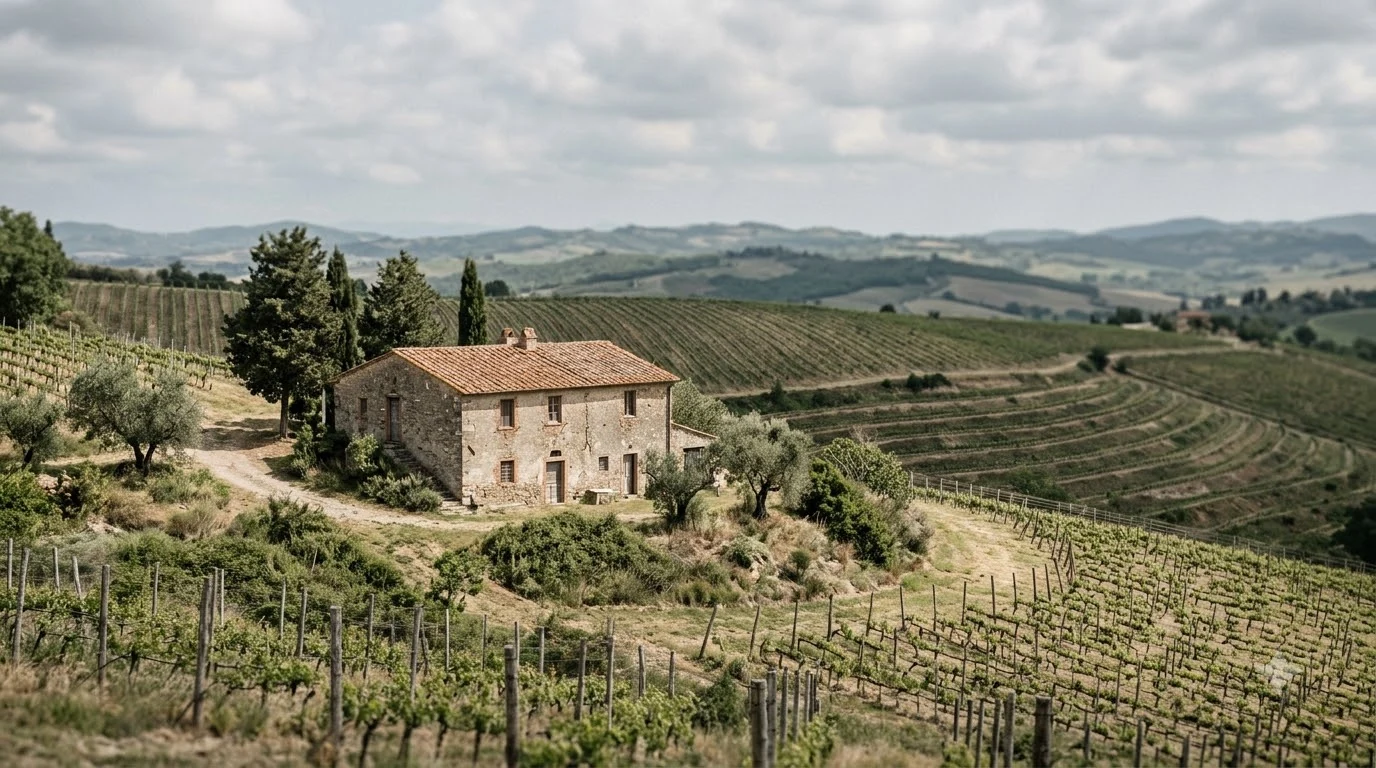
Crete wine country is Greece’s largest island wine region, known for indigenous grapes such as Vidiano, Liatiko, Kotsifali, and Mandilaria, alongside four traditional appellations: Peza, Archanes, Dafnes, and Sitia. Its vineyards stretch from coastal plains to mountain slopes, producing fresh aromatic whites, structured red blends, distinctive dry reds, and traditional sweet wines. For visitors, the island offers a combination of historic winemaking, family-run estates, and food-friendly wines that reflect Cretan ingredients and cooking traditions.
Crete offers a different experience from the better-known Greek wine destinations of Santorini and the Peloponnese. Instead of concentrating on one signature grape, the island has preserved a broad collection of indigenous varieties that respond to different elevations, soils, and growing conditions. Understanding its main grapes and wine districts makes it easier to choose bottles, plan winery visits, and appreciate the connection between local wine and Cretan cuisine.
Crete’s Ancient Wine Heritage and Mediterranean Climate
Crete has one of the longest documented winemaking traditions in Europe, with archaeological evidence connecting its vineyards to the Minoan civilization. Its modern wine identity reflects this history while taking advantage of mountain elevations, coastal breezes, and varied vineyard soils.
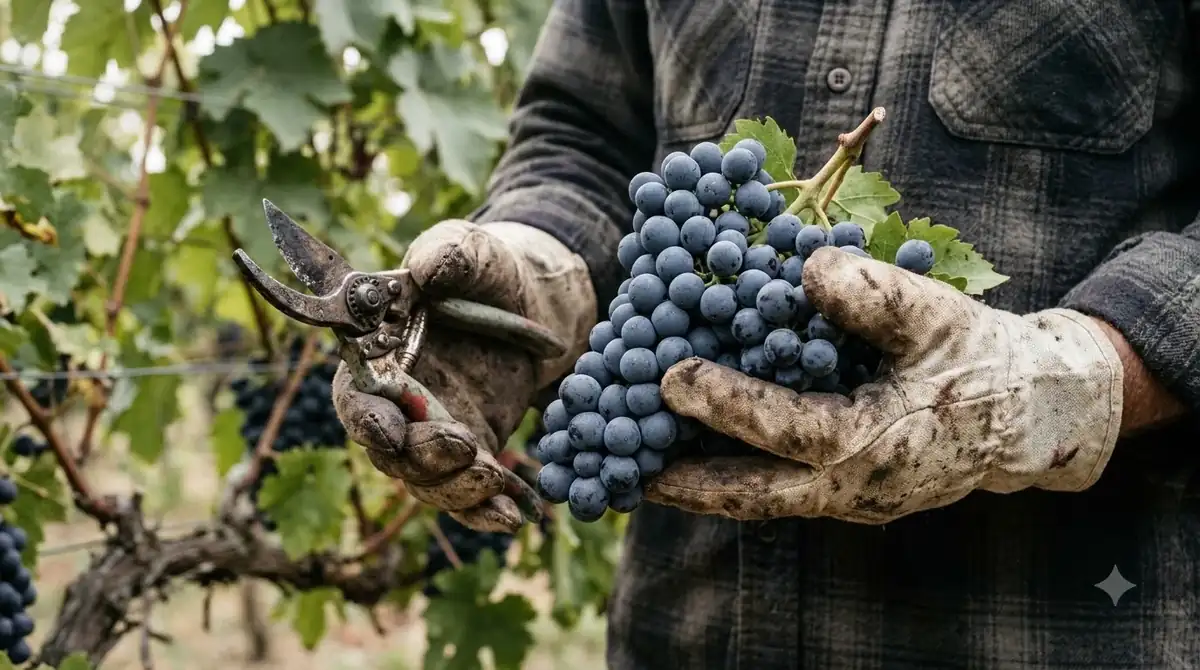
Archaeological discoveries at Vathipetro, near Archanes, include a Bronze Age wine press dating to approximately 1600 BC. Minoan settlements also provide evidence of organized wine production and trade. The island later became an important wine-producing territory under Venetian rule, when Cretan wines reached markets across Europe. Sweet wines associated with the historic Malvasia tradition became particularly well known.
These centuries of production did not guarantee uninterrupted success. Changes in agriculture, economic conditions, and commercial priorities affected local vineyards during the modern period. The contemporary wine industry has increasingly emphasized native varieties, individual estates, and more careful vineyard management. This shift has helped introduce grapes such as Vidiano and Liatiko to wine drinkers outside Greece.
The island’s geography plays an important role in its wines. Crete stretches approximately 260 kilometers from east to west, with the Sea of Crete to the north and the Libyan Sea to the south. Its mountain ranges include the White Mountains in the west, Mount Psiloritis in the center, and the Dikti range in the east. Vineyard elevations extend from coastal sites to approximately 1,000 meters, according to Wines of Greece.
The climate is Mediterranean, with warm summers, relatively mild winters, and cooling influences from the surrounding seas. Mountain vineyards can experience cooler nights than lowland sites, helping grapes retain freshness while developing ripe fruit character. These differences matter when comparing wines from the central Heraklion area with those from the eastern and western parts of the island.
Soil conditions also vary. Limestone, slate, calcium-rich clay, red soils, and rocky ground appear in different vineyard locations. Rather than producing one uniform style, this combination of altitude, exposure, and geology gives producers opportunities to make everything from light aromatic whites to concentrated reds and age-worthy blends.
For readers interested in the official geographical designation and the island’s grape varieties, the Wines of Crete overview of PGI Crete explains how the designation covers all four regional districts and includes both indigenous and international grapes.
For readers interested in comparing regional wine traditions, the differences between Crete and other American destinations are also interesting. Regions such as Yadkin Valley wine country demonstrate how elevation and local growing conditions can shape a region’s wine identity, even when the grapes and climate differ considerably.
The Four Traditional Cretan Wine Appellations
Peza, Archanes, Dafnes, and Sitia are Crete’s four traditional wine appellations, each with its own grape requirements and regional identity. Knowing these names provides a useful starting point for understanding the wines on restaurant lists and winery tasting menus.
Peza is the largest of the traditional appellations and lies in the hills south of Heraklion. Its white wines are primarily associated with Vilana, while its red wines are built around Kotsifali and Mandilaria. The combination is important because the two grapes contribute different qualities: Kotsifali provides softer fruit and a supple texture, while Mandilaria contributes color, tannin, and structure.
Archanes is another central Cretan appellation, located around the village of the same name, south of Heraklion. It is associated with red wines made from Kotsifali and Mandilaria. Its proximity to Mount Giouchtas and the surrounding hillside vineyards gives the area a distinct landscape. The wines offer another expression of the traditional Cretan red blend, making Archanes a useful comparison with Peza.
Dafnes lies southwest of Heraklion and is particularly important for Liatiko. This indigenous red grape is used for dry wines and sweet wines made from grapes that are dried in the sun. Liatiko can have a relatively pale color, so its appearance should not be mistaken for a lack of character. The variety is known for its red-fruit aromas and distinctive aromatic profile.
Sitia occupies the eastern part of Crete, in the Lasithi area. Its wines include Liatiko reds and whites associated with Vilana and Thrapsathiri. Sitia also has a tradition of sweet wines made from sun-dried Liatiko grapes. Its distance from the main Heraklion wine cluster makes it a separate destination for travelers interested in exploring the island beyond the central vineyards.
Crete also has protected designations for Malvasia wines, including Malvasia of Candia, Malvasia of Sitia, and Malvasia Handakas-Candia. These designations preserve particular wine styles and connect contemporary production with the island’s historic sweet-wine reputation. They are worth recognizing when looking beyond the four traditional appellations.
| Appellation | Location | Principal grapes | Main wine styles |
|---|---|---|---|
| Peza | South of Heraklion | Vilana, Kotsifali, Mandilaria | White and red |
| Archanes | South of Heraklion | Kotsifali, Mandilaria | Red |
| Dafnes | Southwest of Heraklion | Liatiko | Dry red and sweet red |
| Sitia | Eastern Crete | Vilana, Thrapsathiri, Liatiko | White, dry red, and sweet red |
These appellations are more than geographical labels. They tell buyers which grapes and traditional production styles to expect. The Wine Regions resource offers additional context for understanding how protected designations connect local grape varieties with specific growing areas.
Indigenous White Grapes: Vidiano, Vilana, Dafni, and Plyto
Cretan white wines range from light, citrus-driven bottles to fuller wines with stone-fruit aromas and a creamy texture. Vidiano, Vilana, Dafni, and Plyto are four particularly useful varieties to recognize when exploring the island’s white wine selection.

Vidiano has become one of the most recognizable names in modern Cretan wine. This native white grape produces wines with aromas of apricot, peach, citrus, and sometimes floral or herbal notes. Its relatively full body and creamy texture distinguish it from lighter Mediterranean whites. Some producers use oak maturation to add texture and complexity, while others emphasize freshness and fruit.
Vidiano works well for drinkers who enjoy Chardonnay but want to explore a different regional expression. Its richness makes it suitable for grilled fish, roast chicken, and dishes containing herbs or creamy sauces. The grape’s ability to retain a sense of freshness alongside ripe fruit also makes it a useful match for flavorful Cretan dishes.
Vilana is a widely planted Cretan white grape, especially important in Peza. Its wines are generally lighter than Vidiano, with citrus, floral, and sometimes herbal aromas. Lemon freshness makes Vilana a natural choice for seafood, salads, and vegetable-based dishes. It is an approachable introduction to the island’s traditional white wines.
Dafni is particularly distinctive because its aromas recall laurel leaves, rosemary, and other Mediterranean herbs. The grape’s name is connected to the Greek word for laurel. Rather than presenting the familiar tropical-fruit character found in some international white varieties, Dafni offers a savory aromatic profile that works particularly well with grilled vegetables, herbs, and seafood.
Plyto is another native variety that was brought back from the brink of extinction. It produces refreshing wines with citrus, lemon, pear, and melon characteristics. Its acidity makes it a useful alternative to richer whites, particularly alongside dishes that contain lemon juice or olive oil.
Two additional varieties deserve attention. Thrapsathiri is used in different parts of the island and contributes balanced, flavorful wines, sometimes appearing in blends with other white grapes. Muscat of Spina, meanwhile, offers floral and citrus aromas associated with its Muscat heritage.
The differences between these grapes provide an easy tasting exercise. Compare a Vilana with a Vidiano to understand the contrast between lighter citrus freshness and fuller stone-fruit character. Then try Dafni for its herbal aromas and Plyto for a more refreshing expression. Four different glasses can demonstrate just how varied Cretan white wine can be.
Cretan Red Grapes and the Character of Local Blends
The island’s red wines are based on grapes with contrasting levels of color, tannin, and fruit intensity. Kotsifali, Mandilaria, Liatiko, and Romeiko are especially important, ranging from soft, aromatic reds to firmer blends and traditional oxidative styles.
Kotsifali is a relatively soft red grape with aromas of plum, cherry, and other ripe red fruits. Its moderate tannin structure makes it approachable, although its wines can benefit from blending to add depth and balance. In Peza and Archanes, Kotsifali is traditionally combined with Mandilaria.
Mandilaria contributes the firmer structure. It is more deeply colored and more tannic than Kotsifali, with flavors that can include plum, dark berries, leather, and licorice. In a blend, it helps provide backbone, giving the wine more grip and a longer-lasting finish. The balance between the two varieties is a defining feature of traditional central Cretan reds.
Liatiko offers a different experience. It is an early-ripening native red grape associated with Dafnes and Sitia. Its wines can be relatively light in color but aromatic, with notes of red cherry, strawberry, dried herbs, and spice. The variety can produce dry reds as well as sweet wines made from sun-dried grapes.
Liatiko is especially interesting for drinkers who prefer reds with less aggressive tannin. It can pair with roasted lamb, pork, mushroom dishes, and moderately aged cheeses. Its aromatic character also makes it a good option for people who usually choose lighter Pinot Noir rather than heavily structured Cabernet Sauvignon.
Romeiko is associated particularly with western Crete and the Chania area. It produces lively reds with a distinctive profile, and it is also used to make Marouvas, a traditional oxidative wine style that can resemble sherry in some respects. Romeiko demonstrates that Cretan wine traditions extend beyond the central appellations.
International varieties also grow on the island. Cabernet Sauvignon, Syrah, and Sauvignon Blanc appear in some producers’ portfolios, often alongside local grapes. These wines can be interesting comparisons, but the indigenous varieties provide the clearest way to understand what distinguishes Crete from other Mediterranean wine regions.
Tip: When comparing Cretan reds, taste a Kotsifali-Mandilaria blend alongside a Liatiko. The first usually offers more obvious structure and tannin, while the second can feel more aromatic and delicate despite its red-wine character.
Local Food Pairings for Cretan Wines
Cretan wine makes the most sense alongside the island’s traditional cooking, which emphasizes olive oil, fresh vegetables, herbs, cheeses, seafood, and slow-cooked meat. Matching the wine’s acidity, body, and tannin with these ingredients helps bring out the best in both the glass and the meal.
Vidiano is a strong match for grilled sea bream, baked snapper, roast chicken, and dishes with creamy or herb-based sauces. Its fuller texture gives it enough presence for flavorful food without requiring the heavy tannins associated with some reds. It also works with dakos, the well-known Cretan preparation of barley rusks topped with tomatoes, cheese, oregano, and olive oil.
Vilana is particularly suited to lighter dishes. Try it with octopus, fried small fish, seafood meze, summer salads, and feta. Its citrus character complements tomatoes and lemon-based dressings. A crisp white can also provide a refreshing contrast to salty olives and lightly fried vegetables.
Dafni and Plyto offer interesting alternatives for herbal dishes. Pair Dafni with vegetable pies, grilled zucchini, wild greens, or seafood seasoned with rosemary. Plyto’s freshness works with lemon-dressed vegetables and lighter cheeses. The goal is to match the wine’s acidity with the freshness and seasoning of the food.
Kotsifali-Mandilaria blends are better suited to richer main courses. Grilled lamb, slow-cooked goat, wild boar, tomato-based pasta, and aged graviera cheese provide enough flavor and texture to complement the red wine’s tannins. Salt and fat soften tannin, making these dishes particularly useful partners for structured reds.
Liatiko is an excellent choice for roasted lamb with herbs, slow-cooked pork, and charcuterie. Its fruit and aromatic character work well with savory preparations that are not excessively spicy. Sweet Liatiko from Dafnes can accompany honey-based desserts, walnut pastries, and selected goat’s milk cheeses.
Cretan meals also include specialties such as gamopilafo, a rice dish cooked in meat broth and finished with staka, and antikristo, lamb or goat slowly cooked beside an open fire. These richer dishes generally call for wines with enough body and flavor intensity to stand alongside the meat.
One pairing principle is especially useful: wine should be at least as sweet as the dessert it accompanies. A dry red can taste harsh beside a honey-rich pastry, while a sweet Liatiko or Malvasia can provide a more balanced match. Likewise, highly acidic dishes need wines with equal or greater acidity, and particularly oily fish are generally better served with whites than tannic reds.
Travelers exploring other regional food and wine traditions may also enjoy comparing these combinations with Hill Country vineyards, where local ingredients and regional wine styles create a different but equally interesting approach to food pairing.
Planning Winery Visits Across Crete
Heraklion is the most practical starting point for a first wine-focused trip to Crete, particularly for travelers interested in Peza, Archanes, and Dafnes. Chania provides a separate base for exploring western producers, while Sitia is the natural choice for visitors who want to concentrate on eastern Cretan wines.
Many of the island’s best-known wine districts are inland from Heraklion. Peza, Archanes, and Dafnes offer opportunities to visit vineyards, taste indigenous varieties, and learn about the traditional red blends. These areas can be combined with visits to archaeological sites, including Knossos and the ancient wine-producing landscape around Archanes.
Several producers are worth researching before arranging a visit. Domaine Lyrarakis is associated with the revival of indigenous varieties such as Plyto and Dafni. Douloufakis Winery, in the Dafnes area, is known for its work with Vidiano and Liatiko. Domaine Diamantakis and Domaine Paterianakis are other names associated with central Crete.
Western Crete offers a different perspective. Manousakis Winery, near Vatolakkos in the Chania area, is known for wines based on Rhône varieties such as Syrah, Grenache, and Mourvèdre. This makes it an interesting stop for travelers who want to compare traditional Cretan grapes with international varieties grown in the island’s western vineyards.
Eastern Crete requires more travel time from Heraklion, but the Sitia area is worthwhile for those interested in Liatiko and the region’s white wines. Its more distant location makes it better suited to a dedicated eastern itinerary than a rushed day trip covering several distant wine districts.
Late spring, particularly May and June, is a pleasant period for vineyard visits. September is another attractive option because it coincides with the harvest period, although exact picking dates vary according to grape variety, vineyard elevation, and weather conditions.
May also brings the annual Open Doors event, when participating wineries welcome visitors for tastings and vineyard experiences. The Visit Greece information about Open Doors at the wineries of Crete explains the event and the opportunities to meet producers, explore vineyards, and taste local wines.
Outside the event, many wineries prefer advance reservations, especially during busy summer periods. Contact each estate directly to confirm opening hours, tasting availability, languages offered, and whether food is included. A tasting appointment may involve a selection of several wines, an explanation of local grapes, or a walk through the production facilities.
Transportation deserves careful consideration. Winery visits often involve rural roads and several stops in one day. A rental car provides flexibility, but the driver should not participate in alcohol tasting. An organized wine tour with a designated driver is a practical alternative, particularly for visitors unfamiliar with the island’s roads.
Plan a manageable itinerary rather than attempting to cover the entire island in one day. Two or three wineries in the central region can provide a useful comparison without leaving too little time for each visit. Travelers staying longer can add Chania or Sitia as separate destinations.
Buying, Serving, and Storing Cretan Wines
Cretan wines are available in a range of styles, so choosing a bottle starts with identifying the grape and appellation rather than relying on the color of the wine alone. Proper serving temperatures and storage also help preserve the aromatic differences that make the island’s varieties interesting.
For a first purchase, Vidiano is a reliable starting point for someone who enjoys fuller aromatic whites. Vilana is a sensible choice for lighter meals, while Dafni offers a more unusual herbal profile. For red wines, Kotsifali-Mandilaria blends provide the traditional central Cretan expression, and Liatiko offers a more aromatic alternative.
Sweet-wine enthusiasts should look for Liatiko from Dafnes or Sitia and the island’s Malvasia styles. These wines are particularly useful when serving traditional desserts made with honey, walnuts, and pastry. Their sweetness makes them better suited to dessert courses than dry red wines.
Serving temperature makes a noticeable difference. Light Cretan whites generally benefit from temperatures around 45–50 degrees Fahrenheit, while fuller whites such as richer Vidiano bottlings are often better at 50–55 degrees Fahrenheit. Light reds, including many Liatiko examples, can be served around 55–60 degrees Fahrenheit. Fuller red blends are usually more enjoyable around 60–65 degrees Fahrenheit.
Avoid serving every red at warm room temperature. A slightly cooler Liatiko can retain its freshness and aromatic definition, while an overly warm Mandilaria-based blend may emphasize alcohol and make its tannins feel more prominent. If a bottle is too cold, give it a few minutes to warm before pouring.
Use a standard 5-ounce pour when serving wine with food. A 750-milliliter bottle provides approximately five glasses at that serving size. This makes it easier to plan a meal that includes several Cretan wines without opening more bottles than necessary.
For storage, keep unopened bottles on their sides in a consistently cool location near 55 degrees Fahrenheit, away from direct sunlight and significant temperature fluctuations. Opened still wines generally remain suitable for approximately three to five days when refrigerated and properly recorked. Sweet and fortified styles can last longer, depending on their production method and storage conditions.
Young, full-bodied red blends may benefit from 30–60 minutes of decanting before serving. This can help soften the initial impression of firm tannins and allow the wine’s aromas to develop. Lighter Liatiko wines do not necessarily require the same treatment, so taste before deciding whether decanting is useful.
Frequently Asked Questions
Is Crete the oldest wine-producing region in Greece?
Crete has archaeological evidence of winemaking dating back to the Minoan period, but it is not possible to establish an exclusive first place among all ancient Greek wine-producing territories. The discovery of ancient wine presses and storage facilities demonstrates that organized wine production was already established on the island thousands of years ago. Vathipetro is one of the important archaeological locations associated with this history.
Does Crete produce organic and biodynamic wines?
Yes. Some Cretan estates work with certified organic or biodynamic production methods, although these practices are not universal across the island. Domaine Paterianakis is one producer associated with biodynamic viticulture. Visitors interested in specific farming certifications should ask wineries about their vineyard practices and certification status.
Can Cretan wine age in a bottle for several years?
Some examples can develop for several years, particularly structured Mandilaria blends, concentrated Liatiko, and selected fuller-bodied Vidiano wines. Aging potential depends on acidity, tannin, alcohol balance, winemaking decisions, and vintage conditions. A producer’s recommended drinking window is a useful starting point for deciding whether to open a bottle young or keep it in the cellar.
What is Marouvas wine from Crete?
Marouvas is a traditional oxidative wine style associated with western Crete and the Romeiko grape. Its production and character connect it with older regional preservation and maturation traditions. The resulting wine can have similarities to sherry-style wines, although its identity remains distinctly Cretan.
Are Cretan wines made only from native Greek grapes?
No. Although indigenous varieties are central to the island’s identity, producers also cultivate international grapes such as Cabernet Sauvignon, Syrah, and Sauvignon Blanc. Some wineries use these grapes in varietal bottlings, while others combine them with local varieties. This gives the island a broader selection than its traditional appellations alone might suggest.
Crete offers a rewarding combination of ancient winemaking history, indigenous grape varieties, and distinctive regional food traditions. Start with Vidiano, a Kotsifali-Mandilaria blend, and Liatiko to understand three important expressions of the island, then explore the individual appellations and smaller producers. Whether visiting the vineyards south of Heraklion or discovering the wineries around Chania and Sitia, Crete provides plenty of reasons to look beyond Greece’s better-known wine destinations.
More in Wine Regions
 Willcox Wine Trail: Discover Arizona’s High-Elevation Wine CountryUpdated Nov 20, 2026
 Yakima Valley Wine Region: Find the Best Styles to TryUpdated Nov 20, 2026
 Vosne Romanee Wine Tasting: Identify Aromas and Choose Better PairingsUpdated Nov 20, 2026
 Yakima Valley Wine Festival: Find the Best Seasonal Wine EventsUpdated Nov 20, 2026
 Wales Vineyards: Discover Cool-Climate Wines and Where to VisitUpdated Nov 20, 2026
 Yountville Wine Festival: Discover Napa Wines and Local FoodUpdated Nov 20, 2026