
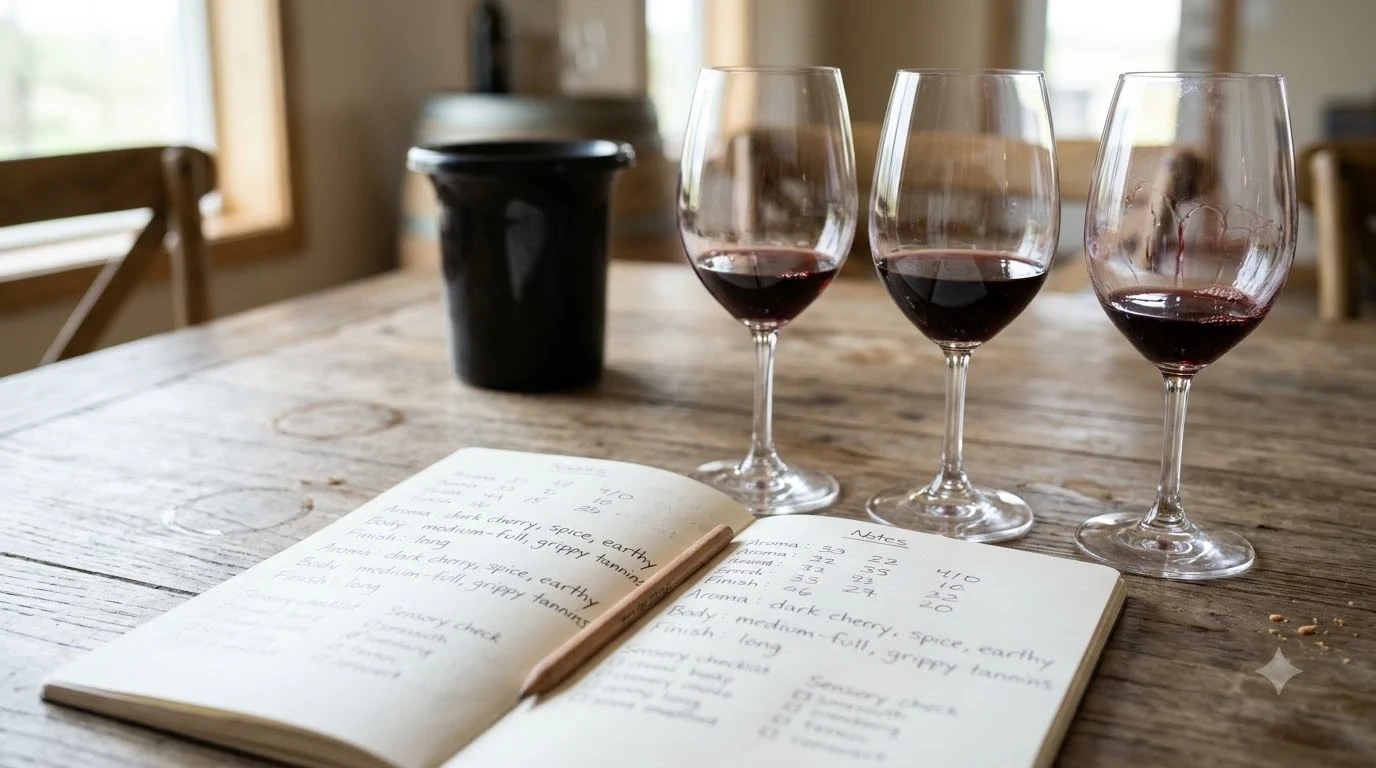

We may earn a commission when you buy through links on this page, at no extra cost to you. Learn more.
Coonawarra Wine Tasting introduces visitors to some of Australia’s finest Cabernet Sauvignon, distinctive Shiraz, and other cool-climate wines from South Australia’s Limestone Coast. The region is particularly famous for its narrow strip of iron-rich terra rossa soil, which lies over limestone and supports structured, age-worthy reds. Visitors can explore more than 25 cellar doors, compare different expressions of Cabernet Sauvignon, and discover why this relatively compact wine region has an international reputation.
Located in southeastern South Australia, Coonawarra offers a rewarding destination for anyone interested in understanding how soil, climate, grape variety, and winemaking influence the character of a wine. Although Cabernet Sauvignon dominates its reputation, the region also produces excellent Shiraz, Merlot, Chardonnay, Riesling, and other varieties. A thoughtful tasting itinerary provides opportunities to compare these wines while learning about the landscape and winemaking traditions behind them.
Understanding Coonawarra’s Terra Rossa Landscape
Coonawarra’s distinctive red soil and cool maritime climate explain much of its reputation for elegant, structured Cabernet Sauvignon. The region’s narrow terra rossa ridge, limestone foundation, and extended growing season create conditions that distinguish its wines from those produced in warmer Australian wine districts.
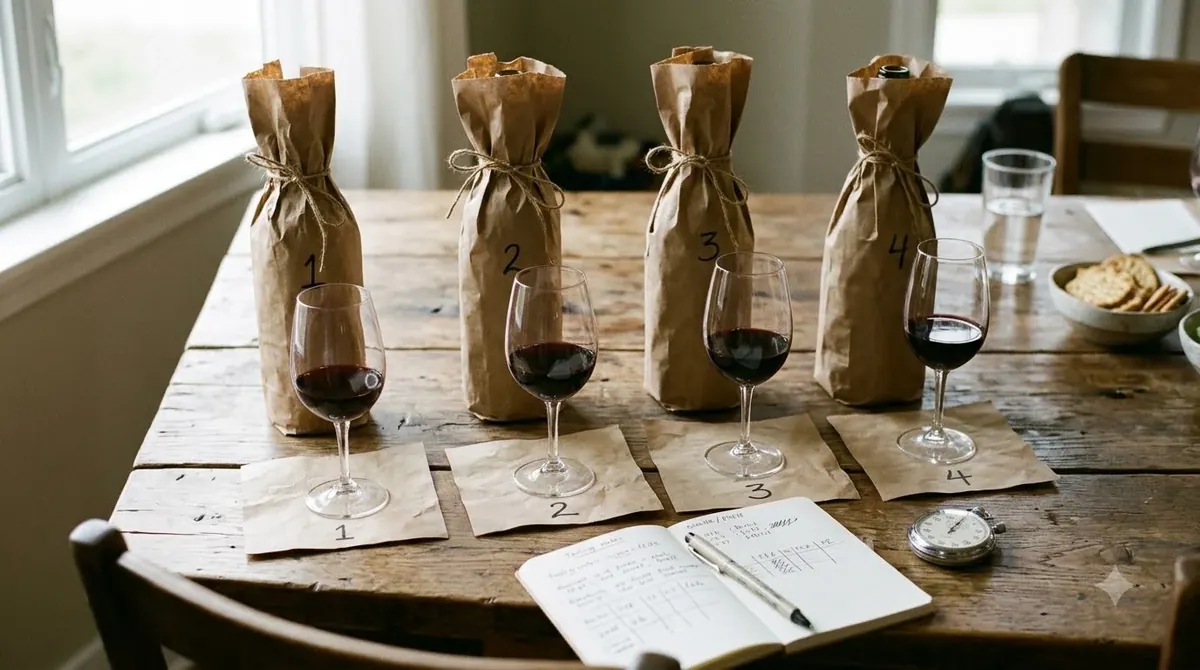
Terra rossa is Italian for red soil. In Coonawarra, this soil is particularly recognizable because of its iron-oxide content, which gives the landscape its characteristic reddish appearance. According to Coonawarra Vignerons, the distinctive ridge stretches approximately 27 kilometers in length and 2 kilometers in width. Its shallow layer of permeable clay averages around 50 centimeters deep and rests on limestone.
The limestone foundation is an important part of the region’s growing environment. It allows excess water to drain while providing access to underground water reserves. The combination helps vines maintain a suitable balance between vegetative growth and fruit development. Grapes can develop concentrated flavors and fine tannins as they ripen gradually.
The wider Coonawarra region is not exclusively covered by terra rossa. Other vineyard soils also occur within its geographical boundaries, so the name of the region does not automatically mean that every bottle comes from the famous red-soil strip. Nevertheless, terra rossa remains central to the region’s identity and is particularly associated with premium Cabernet Sauvignon.
Climate is equally important. Coonawarra lies near 37 degrees south latitude and benefits from the cooling influence of the Southern Ocean. Cold summer nights and relatively moderate daytime temperatures extend the ripening period, allowing Cabernet Sauvignon to develop flavor and tannin maturity without necessarily accumulating excessive sugar.
The Bonney Upwelling contributes to this cooling influence. During summer, ocean conditions help bring colder deep water toward the surface, moderating temperatures around the region. This extended ripening period helps preserve acidity and supports the fresh, structured character associated with Coonawarra reds.
Wine Australia’s regional profile records approximately 260 millimeters of growing-season rainfall and a January mean temperature of 20.1 degrees Celsius. These figures provide useful context for understanding the region’s relatively moderate growing conditions. Its Coonawarra regional profile from Wine Australia also provides information about the region’s vineyard area, altitude, major grape varieties, and characteristic wine styles.
For visitors, the practical lesson is that Coonawarra’s wines should be considered in relation to both soil and climate. The region’s Cabernet Sauvignon is not simply powerful because it grows in South Australia. Its distinctive character also comes from gradual ripening, structured tannins, and the combination of fruit concentration with freshness.
What to Expect from Coonawarra Cabernet Sauvignon
Cabernet Sauvignon is the essential wine to taste in Coonawarra. Expect medium- to full-bodied reds with dark fruit, recognizable herbal nuances, firm tannins, and enough acidity to support both food pairing and extended bottle aging.
Typical aromas include blackcurrant, blackberry, plum, and dark cherry. Depending on the producer, vineyard, vintage, and winemaking approach, additional notes may include mint, eucalyptus, cedar, tobacco, and subtle earthy characteristics. These elements create a recognizable regional style without making every producer’s wine taste identical.
In the glass, Coonawarra Cabernet Sauvignon often shows a deep ruby or garnet appearance in younger examples. Older bottles may develop lighter edges and more complex aromas. The palate generally combines concentrated dark fruit with noticeable tannin and a persistent finish.
Cabernet Sauvignon is naturally a high-tannin grape variety. In Coonawarra, tannins can provide substantial structure without necessarily making the wine feel harsh. Well-made examples balance this firmness with fruit concentration, freshness, and careful oak management.
When tasting several Cabernet Sauvignons, pay attention to the relationship between fruit, acidity, tannin, and oak. A wine dominated by dark fruit may feel generous and approachable, while another with more pronounced herbal notes and tighter tannins may appear restrained and structured. Neither style is automatically superior; they represent different interpretations of the region.
Young Cabernet versus mature Cabernet
Young Coonawarra Cabernet Sauvignon frequently emphasizes blackcurrant, blackberry, plum, and fresh herbal notes. Its tannins may be prominent, and the wine can benefit from aeration before serving. More developed bottles can reveal additional cedar, tobacco, dried fruit, leather, and savory complexity.
Age-worthy examples can develop over many years, sometimes for decades under suitable storage conditions. This makes a comparison between a current release and an older vintage particularly informative. Visitors can observe how the fruit profile changes and how initially firm tannins soften during maturation.
Some of the region’s best-known producers have established long-standing Cabernet Sauvignon traditions. Wynns Coonawarra Estate is particularly associated with the region’s modern revival, while other established and family-owned producers offer different interpretations of local Cabernet Sauvignon.
For a useful tasting comparison, choose three Cabernet Sauvignons with different characteristics: a younger approachable bottling, a more structured reserve-style wine, and an older vintage if available. Compare their aromas, tannin texture, acidity, and finish rather than focusing only on intensity.
Tip: Ask the cellar-door staff to pour a younger Cabernet Sauvignon alongside a mature vintage. Comparing the two is one of the clearest ways to understand Coonawarra’s reputation for age-worthy reds.
Exploring Shiraz, Merlot, and Regional White Wines
Although Cabernet Sauvignon receives the greatest attention, Coonawarra offers a wider selection of wines worth exploring. Shiraz, Merlot, Chardonnay, Riesling, Sauvignon Blanc, and Cabernet Franc provide useful contrasts and demonstrate the flexibility of the region’s cool maritime growing conditions.
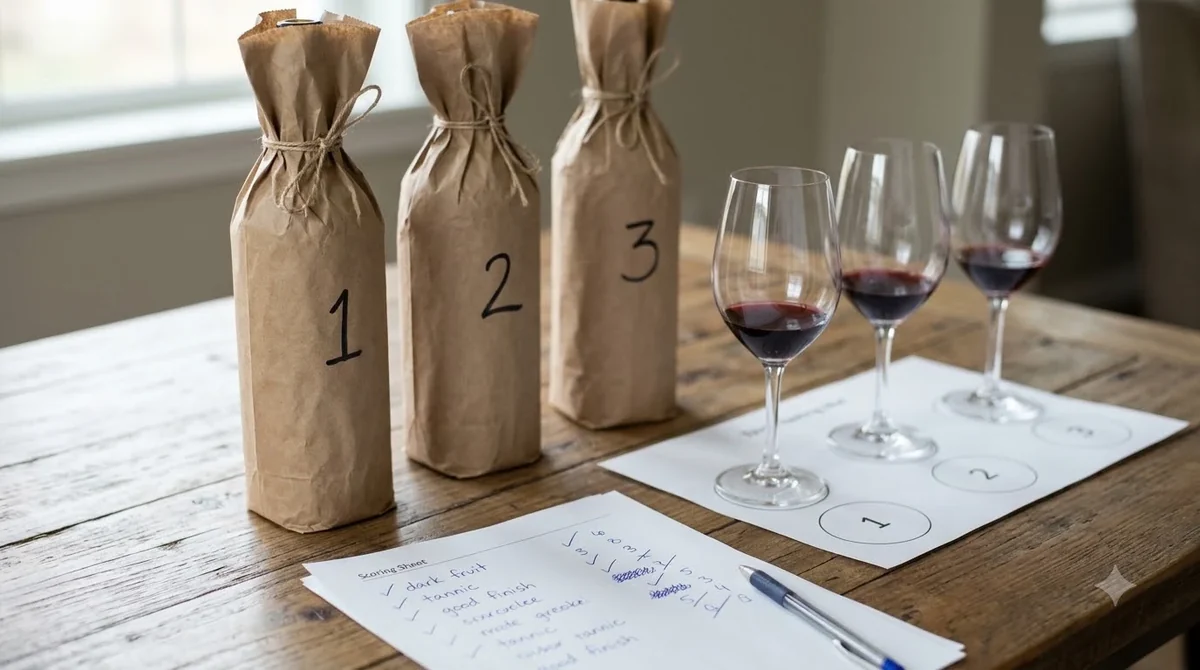
Shiraz has an important historical connection to Coonawarra. It was the region’s principal grape variety until Cabernet Sauvignon became dominant during the 1950s. The local style is generally medium-bodied, with raspberry-toned fruit, peppery spice, and a more restrained profile than many examples from warmer South Australian regions.
During a tasting, compare Coonawarra Shiraz with Cabernet Sauvignon. Shiraz usually offers a softer impression of tannin and more emphasis on raspberry, plum, and spice. Cabernet Sauvignon typically provides firmer structure, darker cassis fruit, and more pronounced tannins. The difference becomes particularly clear when both wines are tasted at similar temperatures.
Cabernet-Shiraz blends are another important regional style. Cabernet contributes structure, tannin, and dark-fruit character, while Shiraz brings additional fruit richness and spice. Producers may use different proportions depending on their preferred style, so tasting several blends can reveal how the varieties complement one another.
Merlot provides a different experience. Its tannins are generally softer and more approachable than those of Cabernet Sauvignon, making it useful for visitors who prefer less aggressive structure. Coonawarra Merlot can display plum, black cherry, and other ripe fruit characteristics. It is produced both as a varietal wine and as a blending partner for Cabernet Sauvignon.
White wines worth discovering
Chardonnay is an important white variety in the region. Depending on the producer, Coonawarra Chardonnay can emphasize citrus, apple, pear, and stone fruit, with differences in texture and oak influence. Some versions are fresh and restrained, while others have a fuller texture and more pronounced barrel-derived characteristics.
Riesling is another worthwhile discovery. Its naturally high acidity provides freshness and structure, while citrus, lime, and floral notes can make it particularly appealing to visitors who enjoy aromatic white wines. The grape offers a useful contrast to the richer texture of Chardonnay.
Sauvignon Blanc and Cabernet Franc add further variety to cellar-door selections. Sauvignon Blanc generally emphasizes freshness and aromatic intensity, while Cabernet Franc can provide red-fruit, herbal, and savory characteristics. Availability differs between producers, so it is sensible to ask which alternative varieties are currently being poured.
The following table summarizes the main styles visitors are likely to encounter and the characteristics to look for during a tasting.
| Wine style | Typical body | Characteristics | Tasting priority |
|---|---|---|---|
| Cabernet Sauvignon | Medium to full | Cassis, blackberry, plum, firm tannins | Essential regional wine |
| Shiraz | Medium | Raspberry, pepper, spice | Historical regional variety |
| Merlot | Medium | Plum, black cherry, softer tannins | Compare with Cabernet |
| Cabernet-Shiraz | Medium to full | Dark fruit, spice, structured finish | Explore blending styles |
| Chardonnay | Light to full | Apple, citrus, pear, possible oak | Compare winemaking approaches |
| Riesling | Light | Lime, citrus, floral notes, high acidity | Discover regional whites |
| Sauvignon Blanc | Light | Citrus, herbal, fresh fruit | Explore aromatic freshness |
| Cabernet Franc | Light to medium | Red fruit and herbal notes | Discover alternative reds |
These descriptions are general tasting expectations rather than fixed rules. Ripeness, vineyard location, fermentation, oak treatment, and bottle age all influence the final wine. The best way to appreciate the range is to taste different varieties from the same producer before comparing them with another winery.
How to Approach a Coonawarra Wine Tasting
A structured tasting helps visitors recognize differences between producers and grape varieties. Start with lighter wines, progress toward fuller reds, and pay attention to acidity, tannin, fruit concentration, and finish rather than judging each wine by aroma alone.
Before tasting, observe the wine’s appearance. Look at its color, clarity, and intensity against a white background. Young Cabernet Sauvignon often displays deep ruby coloring, while mature examples may develop garnet tones. White wines can range from pale straw to deeper gold depending on variety, age, and winemaking.
Next, gently swirl the glass and smell the wine. Begin by identifying broad aromatic categories, such as dark fruit, red fruit, citrus, flowers, herbs, spice, or oak. With Coonawarra Cabernet Sauvignon, blackcurrant, blackberry, mint, and cedar are useful reference points. With Shiraz, look for raspberry, plum, and pepper.
Take a moderate sip and allow the wine to spread across the palate. Consider whether its acidity feels refreshing, whether the tannins are soft or firm, and whether the fruit remains present through the finish. A wine with substantial tannin may initially feel drying, but this structure can contribute to its ability to develop with age.
A practical tasting sequence
For a mixed tasting flight, begin with sparkling wine or aromatic whites, followed by Chardonnay and then lighter reds. Move toward Merlot, Shiraz, Cabernet-Shiraz blends, and finally Cabernet Sauvignon. Finish with older or more concentrated wines if the producer offers them.
Serving temperature affects how these characteristics appear. Sparkling wines generally show best around 40–50 degrees Fahrenheit, while light whites and rosé benefit from 45–50 degrees. Fuller-bodied whites are usually more expressive around 50–55 degrees. Light reds work well at 55–60 degrees, and full-bodied reds generally suit 60–65 degrees.
Cabernet Sauvignon served too warm can seem excessively alcoholic, while a bottle served too cold may conceal its aromas and make tannins feel more pronounced. Ask for an appropriate serving temperature rather than assuming every red should be served at room temperature.
Pour sizes also matter when visiting several wineries. A standard tasting pour is often smaller than a restaurant serving, while a typical full glass of wine is approximately 5 ounces. A 750-milliliter bottle provides about five standard glasses, which is a useful reference when estimating consumption.
Take brief notes after each wine. Record the producer, grape variety, vintage, fruit characteristics, acidity, tannin, and overall impression. These details make it easier to remember which wines you preferred after visiting multiple cellar doors.
Choosing Coonawarra Cellar Doors and Producers
Coonawarra has a concentrated network of cellar doors, making it convenient to compare wines from different producers during one visit. More than 25 tasting rooms are located across the region, with many close to the famous terra rossa strip and the Riddoch Highway.
Wynns Coonawarra Estate is one of the most recognizable names in the region. Its history is closely connected with Coonawarra’s modern development, particularly following the 1951 purchase of Riddoch’s original vineyards and winery by Samuel and David Wynn. Its association with Cabernet Sauvignon makes it a logical stop for visitors interested in the region’s signature variety.
Other producers provide different perspectives on Coonawarra’s winemaking identity. Parker Estate, Majella, Balnaves of Coonawarra, Katnook Estate, and Zema Estate are among the established names associated with the region. Their individual approaches to fruit selection, blending, oak, and aging can create noticeably different expressions of local Cabernet Sauvignon and Shiraz.
Rather than visiting wineries solely because they are well known, consider selecting producers that offer contrasting tasting experiences. One might specialize in structured Cabernet Sauvignon, another might provide an interesting Cabernet-Shiraz blend, and a third might offer a broader selection of white wines and alternative varieties.
Some cellar doors offer opportunities to compare current releases with older vintages. These tastings are especially useful in Coonawarra because the region’s Cabernet Sauvignon has a strong reputation for longevity. Ask whether mature wines are available and whether they require advance arrangements.
Planning a manageable cellar-door route
Although many wineries are geographically close, tasting fatigue can make the final visits less enjoyable. Three or four carefully selected cellar doors in a day generally provide a more useful experience than attempting to visit every available tasting room.
Allow approximately 45–60 minutes for a standard cellar-door visit, with additional time for reserve tastings, vineyard discussions, or food. Booking ahead is sensible for special flights, group visits, and weekends. Opening schedules and tasting arrangements vary by producer, so confirm details before setting out.
Visitors interested in exploring other regions can also compare Coonawarra with Bolgheri wine tasting, where Cabernet Sauvignon and other Bordeaux varieties are interpreted through Tuscany’s Mediterranean climate. This comparison highlights how the same grape variety can develop different expressions in distinct wine-growing environments.
For broader planning inspiration, the site’s Wine Regions resource offers a starting point for discovering additional wine destinations and understanding their principal grapes and styles.
Food Pairing and the Best Way to Enjoy Regional Wines
Coonawarra wines are particularly well suited to food because their acidity, fruit concentration, and tannin provide useful structure at the table. Cabernet Sauvignon works especially well with red meat and hard cheese, while Shiraz and Merlot offer alternatives for dishes with different levels of richness and seasoning.
Cabernet Sauvignon is a natural partner for grilled steak, roast beef, lamb, and slow-cooked beef dishes. Its firm tannins interact favorably with protein and fat, helping the wine feel more balanced alongside rich food. Blackcurrant and blackberry flavors also complement the savory character of roasted meat.
Try pairing a structured Coonawarra Cabernet Sauvignon with grilled ribeye, rosemary-seasoned lamb, or beef short ribs. Hard cheeses such as aged cheddar and mature Gouda are also suitable because their salt and fat can soften the wine’s perception of tannin.
Shiraz is particularly versatile with grilled sausages, roasted pork, barbecue, and dishes featuring black pepper or savory herbs. Its raspberry fruit and spice can complement caramelized meat flavors without requiring the same degree of richness as a full-bodied Cabernet Sauvignon.
Merlot works well with roast chicken, pork tenderloin, mushroom dishes, and medium-aged cheeses. Its generally softer tannins make it useful for meals where a powerful red might overwhelm the ingredients.
Pairing white wines with regional food
Chardonnay is a suitable choice for roast poultry, grilled seafood, creamy pasta, and dishes featuring butter-based sauces. A fuller-bodied version can stand up to richer ingredients, while a fresher, less oaky style works with simply prepared fish and vegetables.
Riesling is especially useful with dishes featuring acidity, citrus, and moderate spice. Its high natural acidity can balance rich food, while its aromatic profile complements seafood, Asian-inspired dishes, and fresh salads. The wine’s sweetness level should also be considered when pairing it with spicy food.
One important principle is to match the wine’s sweetness with the dish. A wine should generally be at least as sweet as the dessert it accompanies. Similarly, acidic dishes need wines with equal or greater acidity to avoid making the wine seem flat.
Chili heat deserves additional attention. Alcohol and tannin can amplify the sensation of heat, so a strongly tannic Cabernet Sauvignon may become less comfortable with intensely spicy food. A fresher white wine or a slightly off-dry Riesling can provide a more balanced pairing.
Oily fish, such as sardines and mackerel, can also be difficult partners for tannic reds. Chardonnay or Riesling is generally a better starting point for these dishes.
Visitors interested in comparing regional food and wine traditions can also explore Willcox wine tasting, another destination where local growing conditions and grape selection influence the wines available at cellar doors.
Building a Coonawarra Wine Tasting Itinerary
A successful Coonawarra visit combines cellar-door tastings, landscape appreciation, and enough time to compare wines without rushing. The region’s compact vineyard area makes it possible to explore several producers in one day while keeping the focus on its signature Cabernet Sauvignon and distinctive regional styles.
Begin the day with a visit focused on understanding the region’s landscape. Learning about the terra rossa strip, limestone foundation, and maritime climate provides useful context for the wines that follow. If possible, arrange a vineyard visit or ask cellar-door staff to explain the differences between red-soil and other vineyard sites.
Choose the first tasting for lighter styles, including Riesling, Chardonnay, or sparkling wine. These wines provide a gentle introduction before moving toward richer reds. A second stop can focus on Shiraz, Merlot, and Cabernet-Shiraz blends, offering a comparison of different grape varieties and blending techniques.
Reserve the afternoon for Cabernet Sauvignon. Taste a standard regional bottling alongside a more structured reserve wine if available. An older vintage can make the experience more informative, particularly when the winery can explain the wine’s vineyard origin and maturation history.
Allow time for lunch rather than scheduling consecutive tastings without a break. Local produce, cheese platters, and substantial meals provide an opportunity to experience how the wines work with food. A restaurant or winery offering regional dishes can also help visitors understand the connection between local agriculture and winemaking.
For visitors planning a longer trip, Penola provides another point of interest within the broader Coonawarra wine destination. The surrounding Limestone Coast also offers opportunities to explore landscapes and other regional attractions beyond the vineyards.
Travel arrangements should account for the distance from major Australian cities. Coonawarra is approximately 380 kilometers from Adelaide and 427 kilometers from Melbourne, making it more suitable for a planned regional trip than an unprepared day excursion from either city.
Before traveling, confirm cellar-door opening hours, tasting availability, and accommodation arrangements. Regional events can increase demand for places to stay, particularly when several wineries organize tastings or festivals at the same time.
For a different European perspective on cool-climate wines and aromatic varieties, Alsace wine tasting provides an interesting comparison with Coonawarra’s combination of Cabernet-focused reds and selected white varieties.
The best itinerary is one that allows enough time to understand each producer’s wines. A smaller number of thoughtful visits will usually provide more insight than a long sequence of rushed tastings.
Frequently Asked Questions
What is the best time of year to visit Coonawarra?
Autumn, particularly March and April, is associated with the grape harvest and provides opportunities to experience the region during vintage. Spring, from September through November, offers another attractive visiting period, although temperatures can vary and vineyard frost management is important. Winery events and tasting availability differ throughout the year, so visitors should confirm seasonal arrangements before traveling.
How long should a Coonawarra wine tasting visit take?
A dedicated day is a useful starting point for exploring three or four cellar doors. Visitors interested in vineyard tours, historical attractions, regional restaurants, and older-vintage tastings may prefer two days or longer. An overnight stay also makes it easier to enjoy a relaxed schedule without rushing between appointments.
Is Coonawarra Cabernet Sauvignon suitable for long-term cellaring?
Many premium examples are suitable for extended cellaring, although the ideal drinking window depends on the producer, vintage, and storage conditions. Well-made bottles can develop additional complexity over decades. Consistent storage near 55 degrees Fahrenheit, protection from light, and minimal temperature fluctuations help preserve wine quality.
What is the difference between Coonawarra and Margaret River Cabernet Sauvignon?
Coonawarra is especially associated with terra rossa over limestone and a cool maritime-influenced environment in southeastern South Australia. Margaret River, in Western Australia, has a different geographical setting and vineyard soil profile, including ironstone gravel. Both regions produce highly regarded Cabernet Sauvignon, but their individual vineyard conditions and producer choices create different interpretations of the variety.
Can visitors explore Coonawarra without joining an organized wine tour?
Yes. The concentration of cellar doors along the Riddoch Highway makes independent visits practical for travelers with their own transportation. Some wineries also offer guided tastings and prearranged experiences that can provide additional background on vineyard practices and wine production. Visitors should arrange a designated driver or alternative transportation whenever alcohol is part of the itinerary.
Coonawarra rewards visitors who take time to understand the relationship between its terra rossa soil, cool growing conditions, and distinctive Cabernet Sauvignon. Exploring Shiraz, Merlot, Chardonnay, and Riesling alongside the region’s signature red wines provides a broader appreciation of its producers and winemaking traditions. Whether the goal is to discover new wines, compare mature vintages, or explore South Australia’s Limestone Coast, Coonawarra offers a memorable and informative wine-tasting destination.
More in Wine Regions
 Willcox Wine Trail: Discover Arizona’s High-Elevation Wine CountryUpdated Nov 20, 2026
 Yakima Valley Wine Region: Find the Best Styles to TryUpdated Nov 20, 2026
 Vosne Romanee Wine Tasting: Identify Aromas and Choose Better PairingsUpdated Nov 20, 2026
 Yakima Valley Wine Festival: Find the Best Seasonal Wine EventsUpdated Nov 20, 2026
 Wales Vineyards: Discover Cool-Climate Wines and Where to VisitUpdated Nov 20, 2026
 Yountville Wine Festival: Discover Napa Wines and Local FoodUpdated Nov 20, 2026