


We may earn a commission when you buy through links on this page, at no extra cost to you. Learn more.
Coonawarra wine comes from a narrow strip of red soil in South Australia, and the region is best known for Cabernet Sauvignon grown on that terra rossa. The vineyards sit on a shallow limestone ridge north of the town of Penola, and Wikipedia describes the strip as about 15 km long and 2 km wide. The site’s maritime climate, about 60 km from the sea, gives it a cool-leaning ripening pattern that is often compared with Bordeaux.
This guide explains what makes Coonawarra wine distinctive, which grapes are planted, how the soil and climate shape the style and how to serve and pair the wines at home. It is written for readers who have seen the name on a label and want a clear picture before they buy.
Where Coonawarra Is and Why the Soil Matters
Coonawarra is a small wine region in the south-east of South Australia, close to the Victorian border. Its vineyards occupy a narrow band of land that Wikipedia describes as about 15 km by 2 km, lying north of Penola. The area is not large, but its distinctive soil makes it one of the most recognisable regions in the country.
The soil is the best-known feature of the region. The terra rossa is a bright red earth over a shallow limestone base. Growers value the way it drains and the way the limestone holds water in dry periods, which helps the vines ripen steadily. The soil is also thin, so vine roots reach the limestone quickly and the crop is naturally limited, which tends to concentrate flavour in the fruit.
Climate and Growing Season
The region is about 60 km from the sea and has a maritime climate that Wikipedia compares with Bordeaux. The growing season runs from October to April, and the cool sea influence helps the fruit hold its acidity into the warm months. Rainfall is modest but not dry, and irrigation is used where needed to support the vines through the summer.
Wikipedia’s figures give an annual rainfall of about 585 mm, with roughly 219 mm falling during the growing season, and January temperatures averaging about 19.1 °C. The article’s infobox gives a slightly different annual average, so the figures should be read as approximate. The main point is that the region combines a mild, cool-leaning season with enough warmth to ripen dark-skinned grapes reliably.
| Factor | What Wikipedia reports | Why it matters for the wine |
|---|---|---|
| Planted area | About 5,603 hectares | A substantial vineyard base for a small strip of land |
| Distance from the sea | About 60 km | Cooling influence on the growing season |
| Soil | Terra rossa on limestone | Drainage and structure that suit Cabernet Sauvignon |
| Growing season rainfall | About 219 mm | Modest rain, with irrigation where needed |
| Registered wine area | Geographical Indication registered in 2003 | Formal recognition of the region’s boundaries |
The figures are a useful snapshot rather than a full climate study. Vintage conditions vary from year to year, so the same vineyard can produce wines with very different weight and fruit in a warm season and a cool one.
Grape Varieties and Wine Styles
Wikipedia names Cabernet Sauvignon, Shiraz, Merlot and Chardonnay as the main grapes planted in Coonawarra, and the region is best known for its Cabernet Sauvignon. That focus gives the reds their character: firm structure, dark fruit, and a savoury edge when the vintage is cooler.
Shiraz from the region tends to be rich and ripe, while Merlot is usually softer and more approachable. The white Chardonnay is less dominant in the region’s reputation, but it gives producers a second style to offer alongside the reds. Read the variety on the label first, then the producer’s notes on oak and ageing, since those choices shape the final flavour as much as the grape does.
A Short History of the Region
Wikipedia credits John Riddoch with planting the first vines at Yallum in 1890, which it gives as the start of the region’s wine industry. Samuel Wynn later bought the original Riddoch cellars in 1951, and the region was registered as a Geographical Indication in 2003. The article’s infobox lists 28 wineries, and it cites 130 vineyards as of 2011, although the two figures measure different things and should not be added together.
The history explains why the region feels small and tightly focused. Most of the vineyards lie close to a few towns, and the names of older family estates still carry weight on labels. Visitors who want to understand that heritage will find the cellar doors and local stories an easy way to learn the region’s past.
Cabernet Sauvignon From Bordeaux to Coonawarra
Cabernet Sauvignon is the variety that most people associate with the region, so it is worth knowing where the grape comes from. Wine Folly traces Cabernet Sauvignon to Bordeaux in France, where it developed in the historic Aquitaine area, now part of Nouvelle-Aquitaine. UC Davis researchers identified its parentage in 1997 as a natural cross of Cabernet Franc and Sauvignon Blanc.
The same source notes that Coonawarra in South Australia has a warm climate suited to the grape, and that Cabernet performs best in gravelly soils in its home region. The Coonawarra soil is different from Bordeaux, but the shared emphasis on well-drained ground helps explain why the variety thrives here.
How to Serve and Pair Coonawarra Wine
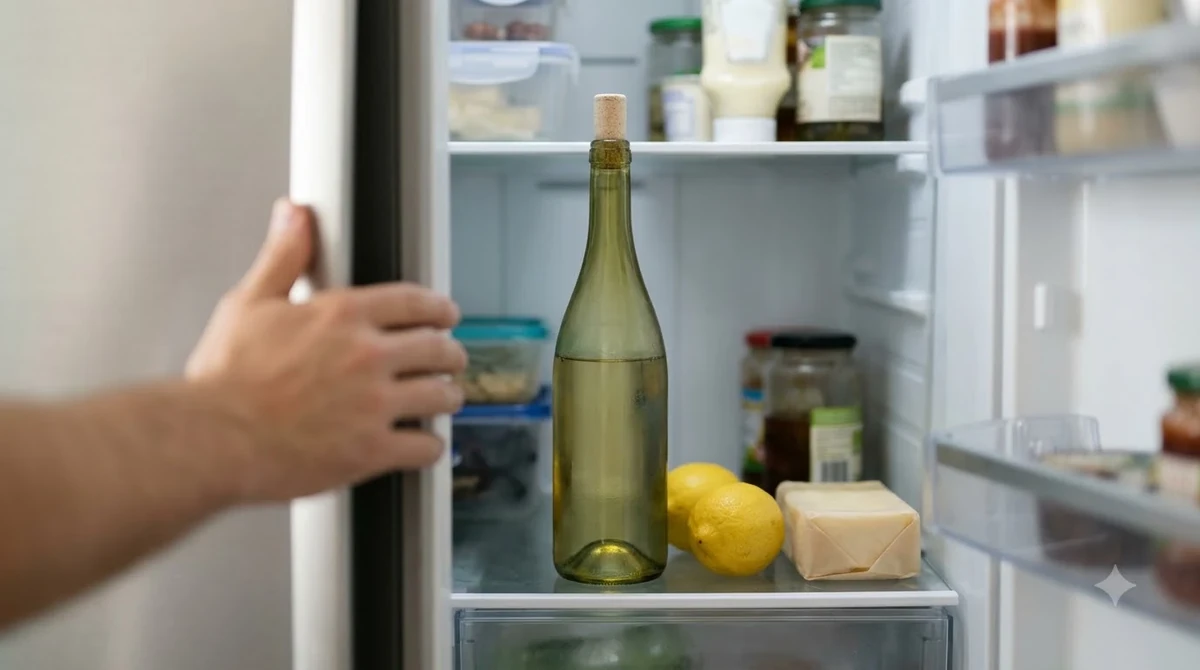
Serve Cabernet Sauvignon at around 15 to 20 °C, which is cooler than many people expect for a red. Wine Folly gives a range of 60 to 68 °F for the wine, and that cooler serving helps the fruit and tannin stay balanced. A short rest in the glass or a brief chill in the fridge is usually enough to bring the bottle into range.
The firm tannin in a Coonawarra Cabernet suits grilled meats, roasts and dishes with peppery or bold sauces. Shiraz works well with richer barbecue, and Merlot is a good choice for milder roasts or mushroom dishes. For a lighter white, Chardonnay pairs with roast chicken, creamy pasta and fish with a buttery sauce.
Decanting is optional for young reds. A short decant of 30 to 60 minutes can open the aromas of a firmer Cabernet, but it is not essential for every bottle.
How to Choose a Bottle
Start with the variety and the vintage. Cabernet Sauvignon from Coonawarra is the most common style, so compare two or three bottles from different producers to see how each one handles oak and fruit. Check the back label or the producer’s notes for words such as firm, ripe or savoury, since these describe the style more clearly than the region name alone.
When you buy for a meal, match the body of the wine to the food. A fuller Cabernet suits rich dishes, while a lighter Merlot or a white Chardonnay suits simpler plates. Store bottles on their side in a cool, dark place, and drink younger reds within a few years unless the producer states a longer ageing window.
Frequently Asked Questions
What is Coonawarra known for?
Coonawarra is best known for Cabernet Sauvignon grown on a narrow strip of terra rossa soil over limestone. Wikipedia describes the strip as about 15 km by 2 km, north of Penola in South Australia.
What grapes are grown in Coonawarra?
Wikipedia names Cabernet Sauvignon, Shiraz, Merlot and Chardonnay as the main varieties. Cabernet Sauvignon is the region’s signature grape.
How should I serve Coonawarra Cabernet Sauvignon?
Serve it at around 15 to 20 °C, slightly cooler than room temperature in many kitchens. A short decant can help a young bottle open up, though it is not required.
What food goes well with Coonawarra wine?
Cabernet pairs well with grilled meats, roasts and peppery sauces. Merlot suits milder roasts, and Chardonnay works with roast chicken or fish in a buttery sauce.
Coonawarra wine rewards a careful look at the label. Start with a Cabernet from a known producer, serve it at a suitable temperature and taste it with a simple roast. For a broader view of how soil and climate shape wines around the world, the wine regions guide is a useful next stop, and the McLaren Vale wine and Barossa Valley wineries guides show how neighbouring South Australian regions differ.
More in Wine Regions
 Willcox Wine Trail: Discover Arizona’s High-Elevation Wine CountryUpdated Nov 20, 2026
 Yakima Valley Wine Region: Find the Best Styles to TryUpdated Nov 20, 2026
 Vosne Romanee Wine Tasting: Identify Aromas and Choose Better PairingsUpdated Nov 20, 2026
 Yakima Valley Wine Festival: Find the Best Seasonal Wine EventsUpdated Nov 20, 2026
 Wales Vineyards: Discover Cool-Climate Wines and Where to VisitUpdated Nov 20, 2026
 Yountville Wine Festival: Discover Napa Wines and Local FoodUpdated Nov 20, 2026