

We may earn a commission when you buy through links on this page, at no extra cost to you. Learn more.
Domaine Serene wine comes from an Oregon winery in the Dundee Hills of the Willamette Valley, known mainly for Pinot Noir and Chardonnay made from its own vineyards and from several single-site bottlings. Ken and Grace Evenstad founded it in 1989, and the estate has built its reputation on Burgundy-style structure and a strong focus on the vineyard. If you are looking at a bottle with this name, you are most likely choosing between a Pinot Noir and a Chardonnay, and the sections below explain how the two differ and how to serve them.
Domaine Serene draws steady attention from American wine drinkers who want a serious Oregon bottle without the confusion of a long label list. This guide covers who founded the winery, what it makes, how the wines are usually described, and how to serve and pair them at home. It also points out where the winery’s own claims should be read as claims, not as independent verdicts.
Where Domaine Serene came from
The winery began when the Evenstads moved to Oregon in 1989, drawn by their admiration for Burgundy and their belief that Oregon could produce world-class Pinot Noir before a national market for it existed. Soon after arriving they bought a 42-acre hilltop estate in the Dundee Hills, a site that the winery’s own timeline credits with helping to start the state’s premium wine business.
The first release came from the 1990 vintage, and the early Reserve Pinot Noir earned an early score of 90 points from critic Robert Parker Jr., according to the winery’s story page. The team planted its first vineyard, the Mark Bradford Vineyard on the western slopes, in 1993 despite warnings from some local growers that the site would not ripen fruit well. That vineyard is now one of the estate’s best-known Pinot Noir sites. You can read the winery’s own account of these early years in its Domaine Serene story page.
Grapes, vineyards, and the main styles
Pinot Noir is the core of the portfolio. The winery makes single-vineyard bottlings from several Willamette Valley sites, along with a blended Reserve that draws on estate fruit. Pinot Noir from this region usually shows red cherry, earth, and a fine, savory finish, and Domaine Serene’s bottlings are generally described as firm and structured rather than soft and fruit-forward. Vintage differences matter a lot in Oregon, so the same label can taste noticeably different from one year to the next.
Chardonnay is the second pillar. The winery’s higher-elevation Dundee Hills sites are used for a mineral-driven style that the winery says can age for five years or more. The company also makes a multi-vintage rosé, a sparkling Brut Rosé, a Syrah and Pinot Noir blend, a white Pinot Noir, and a brandy, which show that the winery’s range goes beyond its two best-known grapes.
| Style | What to expect | Good first choice when |
|---|---|---|
| Pinot Noir (single vineyard) | Red fruit, earth, firm tannin, savory finish | You want a classic Oregon red with some age potential |
| Chardonnay (high elevation) | Mineral tone, tight acidity, controlled oak | You prefer a leaner, cooler-climate white over a buttery one |
| Brut Rosé (sparkling) | Dry, crisp, fine bubbles, red-berry notes | You want a celebration wine or an aperitif |
| Multi-vintage rosé | Dry, fruit-forward, easy to drink | You want a versatile warm-weather bottle |
Because the range is wide, the best approach is to match the style to the meal rather than to the label alone. A single-vineyard Pinot Noir suits roasted or grilled dishes, while the leaner Chardonnay fits seafood and simple cooking better than an oaky, heavy white would.
How to serve Domaine Serene at home
Serving temperature has a large effect on how these wines show. Pinot Noir is usually best slightly cool, around 55 to 60 degrees Fahrenheit, so it does not taste flat or overly alcoholic. Chardonnay tastes most balanced a few degrees below room temperature, and the sparkling Brut Rosé should be chilled properly before opening.
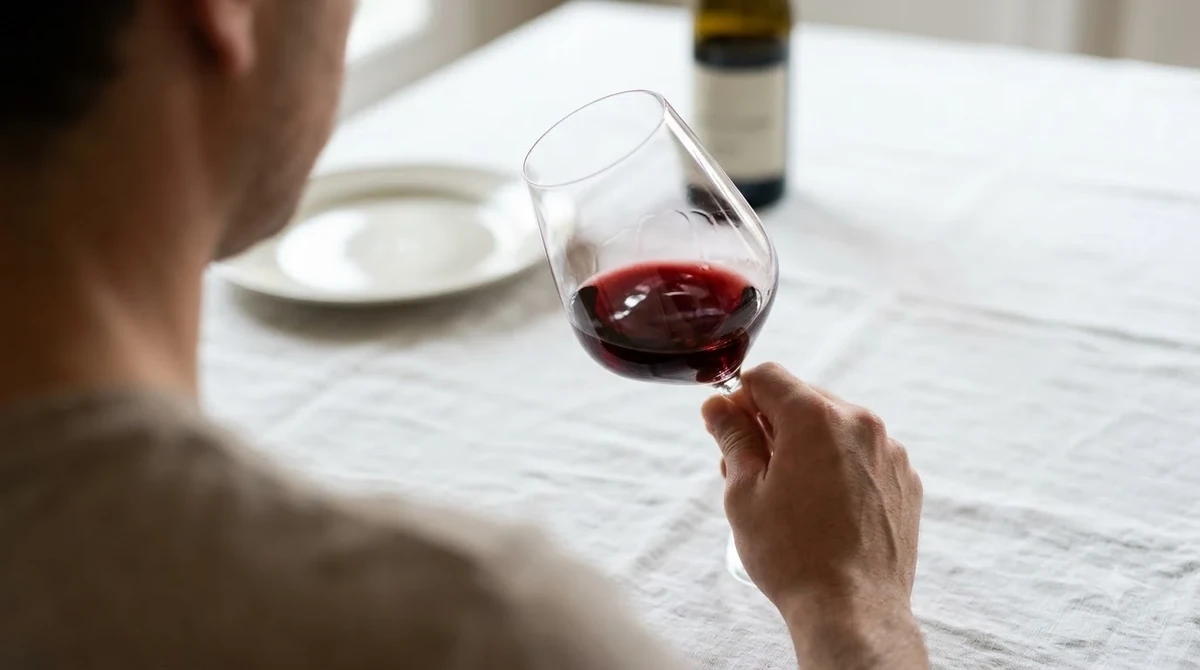
Glassware is less critical but still useful. A medium-sized Burgundy-style glass gives Pinot Noir room to open, and a slightly narrower white glass keeps Chardonnay’s aromas focused. Young Pinot Noir from a structured vintage may benefit from about 30 minutes in the glass, while older bottles should be opened closer to serving time and poured gently to avoid disturbing sediment.
Food pairings that work
Pinot Noir is one of the most food-friendly red wines because its acidity and moderate tannin pair with a wide range of dishes. Roast duck, mushroom risotto, grilled salmon, and roasted chicken with herbs all work well, and the earthy notes match dishes built around thyme, sage, or mushrooms. A simple charcuterie board with aged cheese also suits the wine.
The Chardonnay pairs well with dishes that have some richness but not too much fat. Pan-seared scallops, lobster with lemon butter, roast chicken, and creamy pasta sauces made with light cream are all strong matches. The sparkling Brut Rosé is an easy choice for fried foods, oysters, and fresh fruit desserts.
Tip: Match acidity first. If a dish is tangy, such as a tomato-based sauce or a squeeze of citrus, choose a wine with similar brightness so the food does not make the wine taste thin.
How to choose the right bottle
Start with what you plan to eat and when you plan to drink. For a dinner with red meat or earthy vegetables, a single-vineyard Pinot Noir is the natural pick. For a lighter meal, or a warm afternoon, the rosé or the Brut Rosé is a better fit. If you are buying for a gift or a special occasion, the sparkling bottle is usually the safest option.
Check the vintage as well. Oregon vintages vary with the weather, and cool-climate growing seasons often produce brighter, more tightly wound wines than warm ones. If you plan to age a bottle, ask a local shop for advice on whether the specific vintage has the structure to hold. For a broader look at how this winery fits among other bottles on the shelf, the Wine Brands guide explains how to compare producers from different regions.
Frequently Asked Questions
Is Domaine Serene a Pinot Noir winery?
Pinot Noir is its best-known red and the core of the range, but the winery also makes several Chardonnays, a Syrah and Pinot Noir blend, a white Pinot Noir, a rosé, and a sparkling Brut Rosé. Pinot Noir is the best place to start for most people.
Where is Domaine Serene located?
The estate is in the Dundee Hills of Oregon’s Willamette Valley. The winery’s own site lists a clubhouse in Dayton, Oregon, and it also runs wine lounges in Portland and Lake Oswego.
Is Domaine Serene similar to other Oregon Pinot Noir producers?
Both share the Willamette Valley’s cool climate and emphasis on Pinot Noir, but each producer has its own vineyards and winemaking choices. Comparing a single-vineyard bottling from this winery with one from a similar Oregon estate is a good way to learn how site and vintage change the taste.
How long can Domaine Serene Pinot Noir age?
Ageing depends on the vintage and the specific bottling. Many structured Oregon Pinot Noirs can improve for several years in good storage, but lighter bottlings are best enjoyed younger. Check the producer’s notes for the specific wine you are considering.
Domaine Serene is worth exploring if you want an Oregon wine with a clear sense of place and a strong record for its Pinot Noir and Chardonnay. Start with one single-vineyard Pinot Noir and one Chardonnay so you can compare how the two grapes express the same Dundee Hills soil. If you are building a broader list of wines to try, the Domaine Carneros entry offers a useful California counterpoint, and Barefoot is a good reference for everyday bottles you can buy in bulk.
More in Wine Brands
 Underwood Wine Price: Compare Bottles, Cans, and Pack SizesUpdated Nov 21, 2026
 Zenato Wine Price: Compare Styles and Choose the Right BottleUpdated Nov 21, 2026
 Zuccardi Wine Price: Compare Bottles and Find the Right RangeUpdated Nov 21, 2026
 Yellow Tail Moscato Review: Taste, Sweetness and Serving TipsUpdated Nov 21, 2026
 Wolf Blass Yellow Label Review: Choose Your Best StyleUpdated Nov 21, 2026
 Wolffer Estate Rose Review: Choose the Right Bottle for Your TableUpdated Nov 21, 2026