


We may earn a commission when you buy through links on this page, at no extra cost to you. Learn more.
The Clarksburg wine festival is an opportunity to discover the wines, wineries, and agricultural heritage of California’s Sacramento River Delta wine country, particularly its distinctive Chenin Blanc and Petite Sirah. Clarksburg is located approximately 20 minutes from Sacramento and offers a relaxed alternative to California’s larger wine destinations. Visitors can explore tasting rooms at the historic Old Sugar Mill, visit independent vineyard estates, and experience the region’s distinctive combination of warm sunshine and cooling Delta breezes. Planning ahead helps make the most of a wine-focused visit, especially when coordinating tastings, food, transportation, and seasonal events.
Clarksburg deserves attention from wine enthusiasts who enjoy discovering smaller American wine regions. Its vineyards produce more than 35 grape varieties, its wine-growing history stretches across generations of farming families, and its tasting destinations offer several ways to experience local wines. Whether you are attending a scheduled wine gathering, organizing a weekend tasting trip, or simply exploring the region for the first time, understanding what makes Clarksburg distinctive will help you plan a rewarding visit.
What to Expect From the Clarksburg Wine Festival
A Clarksburg wine festival visit is best approached as an opportunity to explore the region’s wineries and local wine culture rather than assuming there is one permanently established annual festival with a fixed schedule. The Old Sugar Mill provides a particularly convenient destination, while independent wineries throughout the surrounding countryside offer additional tasting experiences. Visitors should distinguish between individual winery celebrations, seasonal tasting events, and larger organized gatherings when making plans.
Clarksburg’s wine community has a strong agricultural foundation. The Clarksburg Winegrape Growers Association, established in 1987, promotes the area’s wine-growing industry and represents growers working with wineries to produce distinctive regional wines. Many local agricultural families have longstanding connections to the area, giving its wine culture a connection to farming that visitors can appreciate when meeting producers and learning about vineyard practices.
One important distinction is that a general wine-country visit and a ticketed festival are not necessarily the same experience. A festival may include participating wineries, special tasting flights, food vendors, entertainment, and organized activities, while an ordinary tasting-room visit follows each business’s normal reservation and operating arrangements. Before purchasing tickets or organizing transportation, confirm the event’s official name, date, participating producers, admission arrangements, and whether tasting fees are included.
For visitors interested in regional wine events, the Wine Regions resource offers useful background for understanding how California’s smaller appellations fit into the broader American wine landscape. It is also helpful to compare regional celebrations with other destinations, including an Livermore wine festival, which provides another perspective on California wine-country tourism.
Tip: Confirm the specific festival date and ticket arrangements through the event organizer or participating winery before traveling. A winery’s regular tasting hours do not necessarily apply during a private event or festival weekend.
Where Clarksburg Wine Country Is Located
Clarksburg sits in California’s Sacramento River Delta, south of Sacramento, within a wine-growing landscape shaped by waterways, fertile agricultural soils, and maritime influences. According to Visit California, the community is approximately 20 minutes from Sacramento, making it practical for a day trip or a longer Northern California itinerary. The destination feels different from more heavily visited wine regions because vineyards share the landscape with working farms, orchards, historic bridges, and small riverside communities.
The Clarksburg American Viticultural Area, or AVA, was established in 1984 and extends across portions of Yolo, Sacramento, and Solano counties. An AVA is a federally recognized grape-growing region whose geographic characteristics distinguish it from surrounding areas. The Clarksburg appellation encompasses approximately 56,900 acres, according to the Clarksburg Wine Growers Association’s regional description, although the total appellation area should not be confused with the acreage actually planted to wine grapes.
The landscape is relatively flat compared with the mountainous vineyards associated with parts of Napa and Sonoma. This geography, together with the region’s waterways and maritime air movement, helps shape its growing conditions. Warm summer afternoons provide the heat needed for ripening, while cooler evenings help preserve freshness in the grapes. Visit California reports that daily summer temperature differences can reach approximately 40 degrees Fahrenheit, illustrating the influence of the Delta’s changing air temperatures.
For first-time visitors, the Old Sugar Mill is one of the easiest places to begin exploring. Its address is 35265 Willow Avenue, Clarksburg, California. The historic complex brings multiple wine businesses together in one destination, reducing the need to drive between separate estates for every tasting. Visitors who prefer a more rural experience can continue along local roads toward individual vineyards and wineries outside the central tasting complex.
Driving is generally the most practical way to explore several Clarksburg destinations. The area is spread across rural roads, and the distance between tasting rooms can be greater than visitors expect from looking at a regional map. Plan the route before arriving, allow time for parking, and avoid scheduling tastings so closely that travel or an extended conversation with a winemaker becomes stressful.
Signature Wines and Grape Varieties to Discover
Clarksburg is particularly recognized for Chenin Blanc and Petite Sirah, two varieties that demonstrate the diversity of its wine-growing environment. Chenin Blanc is an aromatic white grape that can produce crisp, refreshing wines, while Petite Sirah is known for its dark color, concentrated fruit, and substantial tannin. The region also produces Chardonnay, Sauvignon Blanc, Merlot, Syrah, Viognier, Zinfandel, and Pinot Gris.
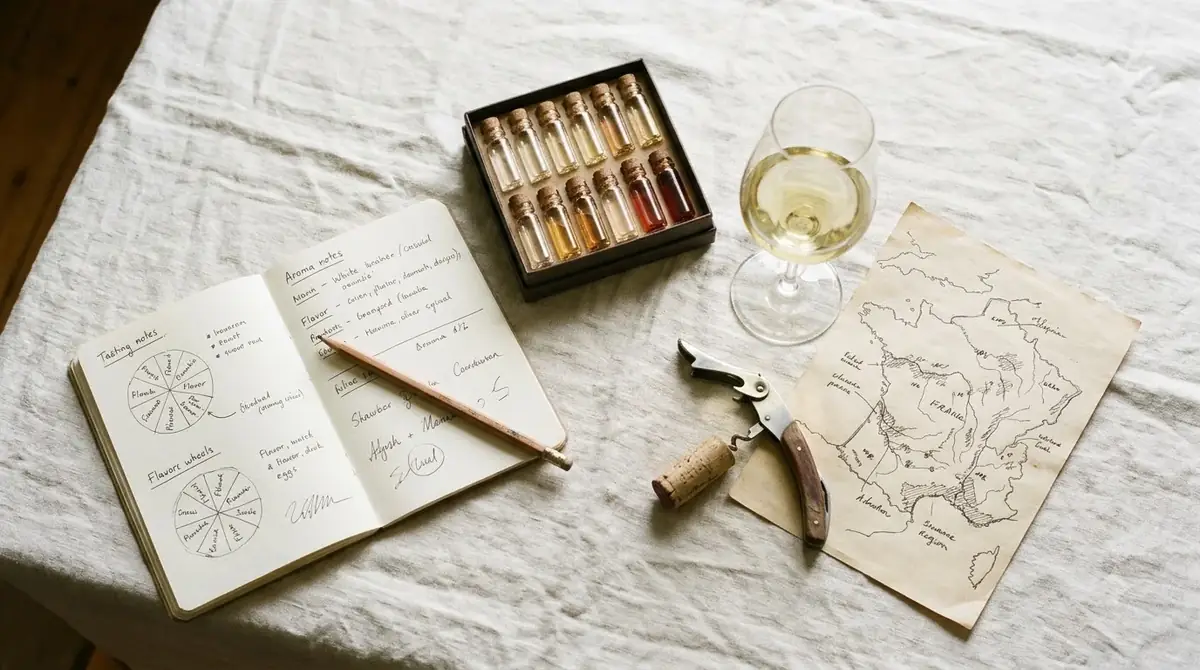
Chenin Blanc deserves special attention during a festival or tasting-room visit. The grape can develop flavors associated with apple, pear, citrus, and floral notes, depending on ripeness and winemaking decisions. In Clarksburg, cooling evening conditions help retain natural acidity, making the variety particularly suitable for fresh, balanced white wines. Visitors may encounter dry expressions, fruit-forward bottlings, and wines with different textures depending on fermentation and aging choices.
Petite Sirah provides an interesting contrast. Its wines are generally darker and more structured than the region’s aromatic whites, with flavors that can include blackberry, plum, pepper, and other dark-fruit characteristics. Its firm tannins make it suitable for richer foods such as grilled beef, smoked meats, and substantial barbecue dishes. A comparison between Chenin Blanc and Petite Sirah is an effective way to understand how varied the local wine portfolio can be.
Other varieties also deserve attention. Sauvignon Blanc often offers bright acidity and citrus or herbal characteristics, while Chardonnay can range from crisp and restrained to fuller-bodied styles depending on fermentation and oak treatment. Merlot generally produces softer tannins than Petite Sirah, and Syrah can offer darker fruit, spice, and a more substantial structure.
The following table provides a practical overview of the main varieties visitors may encounter. The grape characteristics are general wine-style descriptions rather than guarantees about every producer’s bottling.
| Grape variety | Wine style | Typical characteristics | Food pairing |
|---|---|---|---|
| Chenin Blanc | White | High acidity, apple, pear, citrus | Seafood, salads, poultry |
| Petite Sirah | Red | Deep color, firm tannins, dark fruit | Barbecue, beef, aged cheese |
| Chardonnay | White | Medium acidity, apple, citrus, possible oak | Roast chicken, creamy pasta |
| Sauvignon Blanc | White | High acidity, citrus, herbal notes | Goat cheese, shellfish |
| Merlot | Red | Medium tannins, softer texture, plum | Roast pork, burgers |
| Syrah | Red | Medium-plus to high tannins, dark fruit, spice | Lamb, grilled vegetables |
| Viognier | White | Aromatic, floral, stone fruit | Roasted poultry, mild curries |
| Zinfandel | Red | Ripe fruit, spice, fuller body | Barbecue, tomato-based dishes |
When attending a tasting, begin with lighter-bodied whites before moving to fuller whites and structured reds. If several wineries are offering samples, ask about the grape variety, growing location, fermentation method, and whether oak was used. These questions can reveal meaningful differences between wines made from the same grape.
It is also useful to taste more than one expression of Chenin Blanc. Comparing two producers can reveal how harvest timing, vineyard conditions, fermentation choices, and residual sugar influence the finished wine. Similarly, tasting Merlot beside Petite Sirah illustrates the difference between softer tannins and a more firmly structured red wine.
Wineries and Historic Tasting Destinations
The Old Sugar Mill is the most recognizable starting point for a Clarksburg wine-country visit. Built as a sugar beet refinery in 1934, the renovated industrial complex now houses 14 wineries, according to Visit California. Its combination of historic brick architecture and multiple tasting businesses gives visitors a convenient opportunity to explore different producers without spending the entire day driving between distant properties.
Elevation Ten Winery is one of the tasting destinations inside the Old Sugar Mill. It was founded by three local families and takes its name from the area’s modest elevation. Its wines provide an introduction to the region’s fruit and winemaking styles. The historic mill setting also makes it an appealing stop for visitors interested in seeing how an agricultural building has been adapted for wine tourism.
Three Wine Company is another producer worth researching before a visit. Visit California highlights its work with traditional California varieties including Zinfandel, Carignan, and Mataro. These grapes offer a useful opportunity to compare different red-wine traditions, particularly for visitors who enjoy wines with distinctive fruit and spice characteristics.
Heringer Estates offers a different experience outside the Old Sugar Mill. The family winery has roots in Clarksburg dating to 1868 and represents a seventh generation of local agricultural heritage. Its estate vineyards and historic farmstead setting provide a more traditional winery environment than the shared tasting complex.
Other names to consider include Bogle Vineyards, Julietta Winery, Wilson Vineyards, Silt Wine Company, and Todd Taylor. Bogle is particularly associated with Petite Sirah, while Julietta Winery is recognized for Chenin Blanc. Each destination has its own operating arrangements, so visitors should verify tasting availability rather than assuming that every winery participates in a particular festival.
The following selection helps organize a possible tasting itinerary:
- Old Sugar Mill: A convenient starting point with multiple tasting businesses in one historic location.
- Elevation Ten Winery: A family-founded winery inside the Old Sugar Mill.
- Three Wine Company: A useful destination for exploring Zinfandel, Carignan, and Mataro.
- Heringer Estates: A multigenerational winery with roots dating to 1868.
- Bogle Vineyards: A family-operated producer associated with the region’s Petite Sirah heritage.
- Julietta Winery: A destination known for crisp Chenin Blanc and vineyard scenery.
- Silt Wine Company: An additional option for discovering wines connected with Clarksburg’s agricultural landscape.
For more winery information, the Visit the California Delta winery directory provides business names, addresses, and contact details for planning a route. The directory also helps visitors distinguish destinations within Clarksburg from wineries in neighboring Delta communities.
Rather than attempting to visit every tasting room, select two or three destinations that match your interests. Someone primarily interested in white wines might prioritize Chenin Blanc and Sauvignon Blanc, while a visitor who prefers structured reds could focus on Petite Sirah, Syrah, and Zinfandel. A smaller itinerary often creates more opportunities to talk with winery staff and understand the wines.
How to Plan Your Festival Day and Travel Schedule
A successful Clarksburg wine festival trip benefits from a realistic schedule, especially if the itinerary includes several tasting rooms, lunch, and a scenic stop along the Sacramento River. The Old Sugar Mill provides an efficient first destination, while wineries such as Heringer Estates and Bogle Vineyards can form part of a separate countryside excursion. Allow enough time for each tasting instead of trying to fit too many stops into one afternoon.
For a straightforward day trip, begin by traveling from Sacramento toward Clarksburg in the morning. A departure that allows arrival before lunchtime provides flexibility if the first tasting takes longer than expected. Start at the Old Sugar Mill, where several tasting options are concentrated at 35265 Willow Avenue. Spend the first part of the day comparing white wines, then explore red varieties before taking a break for food.
After lunch, consider visiting one independent winery. Heringer Estates offers a useful contrast to the Old Sugar Mill because its historic farmstead and estate setting provide another perspective on Clarksburg’s agricultural background. Alternatively, choose a winery whose wine selection matches your interests. A focused visit to one additional producer is generally more rewarding than rushing between four or five separate destinations.
Use the following example schedule as a planning framework. These are suggested itinerary times, not published festival hours or guaranteed winery appointments.
| Suggested time | Activity | Planning purpose |
|---|---|---|
| 9:30 a.m. | Depart Sacramento | Allow time for the drive and parking |
| 10:00 a.m. | Arrive in Clarksburg | Begin at the Old Sugar Mill |
| 10:30 a.m. | First tasting | Compare Chenin Blanc and Sauvignon Blanc |
| 11:30 a.m. | Second tasting | Explore Chardonnay or a local red |
| 12:30 p.m. | Lunch break | Allow time for food and water |
| 1:45 p.m. | Independent winery visit | Explore an estate or vineyard setting |
| 3:15 p.m. | Scenic Delta stop | Enjoy the countryside or river scenery |
| 4:00 p.m. | Return journey | Travel with a designated driver |
For a weekend visit, spreading the itinerary across two days can provide a more relaxed experience. The first day can focus on the Old Sugar Mill and its collection of tasting rooms, while the second can include Heringer Estates, Bogle Vineyards, or another independent producer. This arrangement leaves more room for meals, photography, and conversations about local wine production.
Transportation deserves particular attention. Wine tastings involve alcohol, and visitors should arrange a designated driver, professional transportation, or another safe way to return to their accommodation. Do not plan to drive simply because individual tasting pours appear small. If traveling in a group, agree on transportation arrangements before the first winery visit.
Visitors arriving from outside the Sacramento area can also consider staying nearby rather than making a long return journey after a day of tastings. Yolo County offers accommodation options in communities such as Davis and West Sacramento, although availability and travel times vary. Booking accommodation early is especially sensible when combining a wine event with other regional activities.
Food Pairings, Tasting Etiquette, and What to Bring
Food can make a wine festival experience more enjoyable because it provides opportunities to compare how different flavors interact with wine. Clarksburg’s Chenin Blanc works particularly well with seafood, salads, and lighter poultry dishes, while Petite Sirah is better suited to substantial meals such as grilled beef and barbecue. Matching the weight and acidity of the wine with the food is more useful than choosing pairings based solely on grape color.
For white wines, start with lighter dishes and flavors. Chenin Blanc’s high acidity can complement seafood, goat cheese, and dishes with citrus-based dressings. Sauvignon Blanc also benefits from acidic food pairings, particularly salads and shellfish. Chardonnay is more versatile across a range of preparations, with fuller-bodied or oak-influenced versions working particularly well alongside roasted chicken and creamy pasta.
Red wines offer different pairing opportunities. Merlot’s softer tannins make it a practical match for burgers, roast pork, and moderately rich dishes. Petite Sirah has more substantial tannin and concentration, making it suitable for fatty meats and aged cheeses. Salt and fat soften the perception of tannin, which explains why a structured red can seem more balanced alongside a rich meal than when tasted alone.
Temperature also matters. Light whites and rosé are generally best served between 45 and 50 degrees Fahrenheit, while fuller-bodied whites are usually served around 50 to 55 degrees Fahrenheit. Light reds benefit from a slightly cooler temperature of 55 to 60 degrees Fahrenheit, and fuller reds are generally served between 60 and 65 degrees Fahrenheit.
Visitors should avoid arriving hungry or treating tastings as a race. Eat a proper meal, drink water between samples, and take breaks when needed. If a winery offers tasting notes, use them as a starting point rather than trying to identify every aroma. Pay attention to acidity, body, tannin, sweetness, and finish. These basic observations are often more useful than trying to memorize long lists of fruit and spice descriptors.
Practical items for a comfortable visit
Clarksburg’s summer weather can include hot afternoons and cooler evenings, so lightweight clothing and an additional layer are sensible choices. Comfortable walking shoes are useful at the Old Sugar Mill and at vineyard properties, where visitors may encounter uneven outdoor surfaces. Sunscreen, sunglasses, and a hat are practical additions for outdoor tastings and vineyard photography.
Bring a reusable water bottle if permitted, along with a phone or notebook for recording favorite wines and winery names. A small insulated bag can help protect purchased bottles during the journey, particularly in warm weather. Never leave wine purchases in a hot vehicle for extended periods, because high temperatures can damage wine quality.
Ask before bringing outside food, children, or pets to a winery event. Policies can differ between tasting rooms and may change for ticketed gatherings. Similarly, do not assume that a winery will provide food simply because a larger festival elsewhere includes food vendors. Confirm the arrangements before setting out.
Another useful habit is to pace the number of wines tasted. A 5-ounce serving is a standard wine pour, while festival samples may be considerably smaller. If you want to compare several producers, smaller tasting portions make it easier to concentrate on the wine styles without becoming overwhelmed. You can also ask whether a winery offers a flight arranged by grape variety, which is particularly helpful for understanding the differences between Chenin Blanc, Sauvignon Blanc, and Chardonnay.
What Makes Clarksburg Different From Other California Wine Regions
Clarksburg offers a wine-country experience that differs from the more widely recognized destinations of Napa and Sonoma. Its agricultural identity, Delta geography, and broad grape selection give it a distinctive character. Visitors can explore a working agricultural landscape while sampling wines from family-operated businesses and tasting rooms concentrated in historic buildings.
One of the strongest distinctions is the region’s relationship with water and maritime air. The Sacramento River Delta creates a network of waterways and channels through which cooler air moves inland. This influence helps moderate summer growing conditions and supports grapes that benefit from retaining acidity. The combination of warm daytime conditions and cooler nights is particularly relevant to varieties such as Chenin Blanc.
The region’s grape diversity is another attraction. The Clarksburg Winegrape Growers Association reports more than 35 varieties grown by its members, including Chardonnay, Chenin Blanc, Merlot, Petite Sirah, and Sauvignon Blanc. This range means visitors can explore different styles without limiting their experience to one internationally familiar grape.
The Old Sugar Mill also gives Clarksburg a distinctive visitor experience. Instead of visiting only standalone vineyard estates, guests can explore several wine businesses within a renovated industrial complex. The building’s former role as a sugar beet refinery adds an agricultural-history dimension to the tasting experience, while the surrounding countryside provides opportunities to see the vineyards and waterways that define the appellation.
Clarksburg is also worth considering as part of a broader California wine itinerary. Visitors traveling between Sacramento and other Northern California destinations can include a Delta wine stop without committing to a longer trip through more distant wine regions. Those interested in regional wine celebrations can also compare this destination with an Indiana wine festival or a Utah wine festival to see how different wine-growing states approach local events and tourism.
The best reason to visit is the opportunity to discover wines that may be less familiar to the average American wine drinker. Chenin Blanc deserves particular attention because it can produce refreshing, food-friendly bottles with considerable versatility. Petite Sirah provides a contrasting experience for visitors who prefer concentrated reds, while Chardonnay, Sauvignon Blanc, and Merlot demonstrate the breadth of the region’s production.
Rather than comparing Clarksburg solely with famous wine destinations, approach it on its own terms. Its appeal comes from the Delta landscape, established farming families, approachable tasting experiences, and wines that reflect the region’s growing conditions. A visit that combines a historic tasting destination, one independent winery, and a scenic countryside drive can provide a strong introduction without requiring an elaborate itinerary.
Frequently Asked Questions
What does AVA mean on a Clarksburg wine label?
AVA stands for American Viticultural Area, a federally recognized grape-growing region. Under federal labeling rules, at least 85% of the grapes in a wine labeled with a specific AVA must come from that appellation. This designation helps consumers understand the geographic origin of the grapes rather than guaranteeing a particular flavor or quality level.
Can a wine labeled Clarksburg contain grapes from another California AVA?
A wine carrying the Clarksburg AVA designation must meet the federal 85% grape-origin requirement for that appellation. The remaining permitted percentage can come from outside the named AVA, subject to applicable labeling regulations. A wine labeled simply California follows different geographic-origin requirements.
What is the best way to store wine purchased during a festival?
Store unopened bottles in a consistently cool location near 55 degrees Fahrenheit, away from direct sunlight and major temperature fluctuations. Bottles sealed with natural cork are generally stored on their sides to help maintain contact between the cork and wine. Avoid leaving purchases in a parked car, especially during hot California afternoons.
How many glasses of wine are in a standard bottle?
A standard 750-milliliter wine bottle contains approximately five 5-ounce servings. Actual tasting portions at organized events may be smaller, and the number of samples offered can differ by ticket type. Visitors should check the event’s serving arrangements before estimating how much wine they will taste.
Can visitors explore Clarksburg wineries without attending a festival?
Yes. Clarksburg has individual wineries and tasting destinations that welcome visitors outside organized celebrations. The Old Sugar Mill is a convenient starting point, while independent properties provide additional experiences. Some businesses operate on limited weekly schedules or require appointments, so confirming arrangements directly with each winery is important.
The Clarksburg wine festival experience is ultimately about discovering a distinctive California wine region rather than simply attending a tasting event. With its historic Old Sugar Mill, family-owned wineries, signature Chenin Blanc, and structured Petite Sirah, Clarksburg offers plenty to interest both new wine enthusiasts and experienced collectors. Plan your winery visits, arrange safe transportation, and leave enough time to appreciate the Sacramento Delta scenery along the way.
More in Wine Regions
 Willcox Wine Trail: Discover Arizona’s High-Elevation Wine CountryUpdated Nov 20, 2026
 Yakima Valley Wine Region: Find the Best Styles to TryUpdated Nov 20, 2026
 Vosne Romanee Wine Tasting: Identify Aromas and Choose Better PairingsUpdated Nov 20, 2026
 Yakima Valley Wine Festival: Find the Best Seasonal Wine EventsUpdated Nov 20, 2026
 Wales Vineyards: Discover Cool-Climate Wines and Where to VisitUpdated Nov 20, 2026
 Yountville Wine Festival: Discover Napa Wines and Local FoodUpdated Nov 20, 2026