

We may earn a commission when you buy through links on this page, at no extra cost to you. Learn more.
The carmel valley wine trail is a collection of wineries and tasting rooms in California’s Carmel Valley, where visitors can explore Cabernet Sauvignon, Merlot and other regional wines in a scenic inland setting. The best starting point for a first visit is Carmel Valley Village, where several tasting rooms sit within walking distance of one another. With a little planning, visitors can combine winery appointments, vineyard scenery, local food and conversations with small-scale producers in a single day.
Located a short drive inland from Carmel-by-the-Sea and Monterey, Carmel Valley offers a different experience from the coastal wine-tasting destinations nearby. Its sunny hillsides, mountain views and relaxed village atmosphere make it appealing to visitors who want to spend time learning about individual producers rather than rushing through a long list of stops. The following guide explains where to go, what to taste, how to organize a route and how to make the most of a visit.
Understanding the Carmel Valley Wine Trail and Its Geography
The Carmel Valley wine trail is best understood as a collection of winery destinations rather than one continuous, officially marked road. Carmel Valley Village is its most convenient center, while additional producers and vineyards extend farther into the surrounding countryside.
The region lies west of Monterey and Pebble Beach, within the foothills of the Santa Lucia Mountains. Its winegrowing history reaches back to the 1800s, and vineyards are found in both Carmel Valley and the nearby Cachagua Valley. This geographical variety gives visitors a chance to experience different settings during the same trip, from village tasting rooms to more secluded vineyard properties.
The Carmel Valley American Viticultural Area, or AVA, is the recognized winegrowing region associated with this inland landscape. The AVA was approved in 1983 and encompasses more than 19,000 acres, with approximately 300 acres planted to grapes, according to the Monterey County Vintners and Growers Association. Its elevation ranges from approximately 203 to 2,762 feet, creating differences in exposure and growing conditions across the region. Visitors interested in the boundaries and characteristics of the area’s wine appellations can consult the Monterey County AVA overview.
One important distinction is the difference between Carmel Valley and Carmel-by-the-Sea. Carmel-by-the-Sea is the coastal village known for its galleries, restaurants and compact collection of tasting rooms. Carmel Valley is approximately 15 miles inland, where the landscape opens into sunny hills, oak-covered slopes and vineyard properties. Both offer Monterey County wines, but their atmosphere and visitor experiences are different.
For planning purposes, think of the village as the central tasting destination and the outlying vineyards as additional excursions. This distinction matters because a tasting room on East Carmel Valley Road may be only a short walk from another village business, while an estate farther along the valley road may require a separate drive.
Climate, Vineyards and the Wines That Define the Region
Carmel Valley’s warmer inland conditions and substantial day-to-night temperature changes help explain its distinctive wines. Cabernet Sauvignon and Merlot are especially prominent, while other varieties provide additional choices for visitors interested in exploring beyond traditional Bordeaux styles.
According to the Monterey County Vintners and Growers Association, many vineyards sit above the coastal fog line because of the region’s mountainous terrain. The additional sunshine helps grapes ripen, while cooler nighttime conditions slow the maturation process. This combination can support wines with concentrated fruit character and developed structure.
Cabernet Sauvignon and Merlot are central to the region’s identity, but they are not the only varieties worth exploring. Visit California also identifies Cabernet Franc, Syrah and Grenache among the red grapes grown in Carmel Valley. Cooler locations support white varieties such as Sauvignon Blanc and Chardonnay. These options give visitors a broader picture of the area’s vineyards than a tasting flight containing only Cabernet Sauvignon.
When comparing the wines, pay attention to structure as well as flavor. Cabernet Sauvignon generally brings firmer tannins and darker fruit characteristics, while Merlot often offers a softer texture and rounder impression. Syrah can provide darker fruit, spice and substantial structure. Pinot Noir offers a lighter-bodied alternative, while Sauvignon Blanc provides refreshing acidity for visitors who prefer white wine.
The region’s growing conditions do not mean every winery produces the same style. Vineyard location, grape selection, harvest decisions, fermentation and aging choices all influence the finished wine. Two Cabernet Sauvignon bottlings from different producers can have noticeably different textures and aromas, even when their grapes come from the same general area.
Grapes worth looking for
- Cabernet Sauvignon: A leading local variety, generally associated with firm tannins, dark fruit and a structured finish.
- Merlot: A softer alternative with medium tannins and appealing plum and cherry characteristics.
- Cabernet Franc: A Bordeaux variety that can contribute herbal notes, red fruit and freshness.
- Syrah: A fuller-bodied red that can show blackberry, pepper and savory notes.
- Grenache: A red variety that can offer ripe berry fruit, spice and a relatively supple texture.
- Sauvignon Blanc: A refreshing white wine with lively acidity and citrus or herbal flavors.
- Chardonnay: A versatile white wine that can range from crisp and restrained to richer and oak-influenced.
Rather than focusing only on famous grape names, ask each tasting room which wines best express its vineyard location. This question can lead to a more interesting comparison than simply ordering the same variety at every stop.
Best Wineries and Tasting Rooms to Include
Carmel Valley has a range of tasting experiences, from village-based rooms to properties with vineyard settings. First-time visitors can build a varied itinerary by choosing producers with different wine styles, locations and atmospheres.
Bernardus Winery is a recognizable destination in the valley and a useful stop for visitors interested in structured red wines. Its name appears prominently in regional winery directories, alongside several other established Carmel Valley destinations. A tasting here can help establish a reference point for the region’s Bordeaux-influenced wine styles.
Holman Ranch is another worthwhile name to include. Its estate and tasting facilities give visitors an opportunity to connect the wine with the agricultural landscape. It is particularly appealing to travelers who want a setting that feels more connected to the countryside than a compact village tasting room.
Georis Winery adds another option for visitors exploring the village area. It is among the producers highlighted in regional tourism listings. Its inclusion can help create a tasting schedule that mixes different producers without requiring extensive travel between every appointment.
Folktale Winery & Vineyards is a popular name in local wine tourism information and offers a different setting from the concentrated village tasting-room cluster. Visit California describes its wine garden, live music and full-service onsite restaurant. Visitors can consider it as a separate stop when planning a longer day rather than trying to squeeze every destination into one short visit. The official Visit California Carmel Valley travel guide also provides information about other local wineries, restaurants and outdoor activities.
Smaller producers and additional stops
Several smaller producers make the village particularly interesting for wine enthusiasts. Seabold Cellars, Scratch, Joyce Wine Company, I. Brand & Family Wines and Boekenoogen Winery all appear in the Monterey County Vintners and Growers Association’s Carmel Valley tasting-room directory.
Other names worth researching include Twisted Roots Vineyard, Big Sur Vineyards and Pelio Estate. These producers have tasting-room locations in or around Carmel Valley Village, according to regional tourism information. Their different wine selections make them useful additions for visitors who want to compare several producers without spending the entire day driving.
Blue Fox Cellars, at 25 Pilot Road, is another listed destination. Wine Enthusiast also identifies Hammerling Wines at 1350 Fifth Street and Chesebro Wines at 19 East Carmel Valley Road. These addresses help demonstrate how several tasting opportunities are concentrated around a relatively small village area.
For a first visit, choose three or four producers rather than attempting to visit every name in the directory. A shorter schedule allows time to ask questions, enjoy the scenery and remember the differences between the wines. It also leaves room for an unplanned stop if a tasting room particularly appeals to you.
Planning a One-Day Carmel Valley Wine Trail Itinerary
A successful wine-tasting day depends more on sensible scheduling than on the number of wineries visited. Three or four carefully selected stops, with breaks for food and travel, provide a comfortable introduction to the region.
Start by deciding whether the day will focus on Carmel Valley Village or include one or more outlying vineyard properties. A village-focused itinerary is easier to organize because several tasting rooms are close together. A countryside itinerary offers more variety in scenery but requires additional driving time and closer attention to appointment schedules.
The following is a suggested schedule, not a fixed winery timetable. Adjust the starting time according to confirmed reservations and the opening hours of your chosen businesses.
| Suggested time | Activity | Purpose |
|---|---|---|
| 10:30 a.m. | Arrive in Carmel Valley Village | Park, explore the area and prepare for the first tasting. |
| 11:00 a.m. | First winery visit | Start with Cabernet Sauvignon and Merlot. |
| 12:15 p.m. | Lunch break | Enjoy food and allow time between tastings. |
| 1:30 p.m. | Second winery visit | Compare another producer’s red wines. |
| 2:45 p.m. | Third tasting room | Explore Syrah, Pinot Noir or white wines. |
| 4:00 p.m. | Final village stop or departure | Finish without rushing and allow time for transportation. |
This schedule provides approximately 45 to 60 minutes for each winery visit, plus time for lunch and transitions. Some tastings take longer, particularly when a producer offers a detailed explanation of vineyard practices or compares several vintages. Allow extra time rather than assuming every appointment will finish exactly on schedule.
Walking or driving between wineries
Walking works particularly well for a village-focused route. The concentration of tasting rooms around Carmel Valley Road and nearby streets makes it possible to plan several visits without moving the car after every appointment. Parking once and walking between nearby businesses is often the simplest arrangement.
Outlying properties are a different matter. A visit to Folktale Winery, for example, should be planned as a separate journey rather than treated as a guaranteed short walk from every village tasting room. Check distances before finalizing the itinerary, especially if you intend to visit multiple locations on the same afternoon.
Visitors who want a guided experience can investigate local wine-tour operators. Private transportation is another possibility for groups that want to visit several estates without assigning a member of the party to drive. Confirm the pickup location, length of the tour and winery appointments before booking.
Tip: Make reservations before setting out, particularly if you are visiting on a weekend or with a group. Choose a designated driver or arrange professional transportation before the first tasting, and avoid building a schedule that depends on rushing between appointments.
How to Taste Carmel Valley Wines and Compare Producers
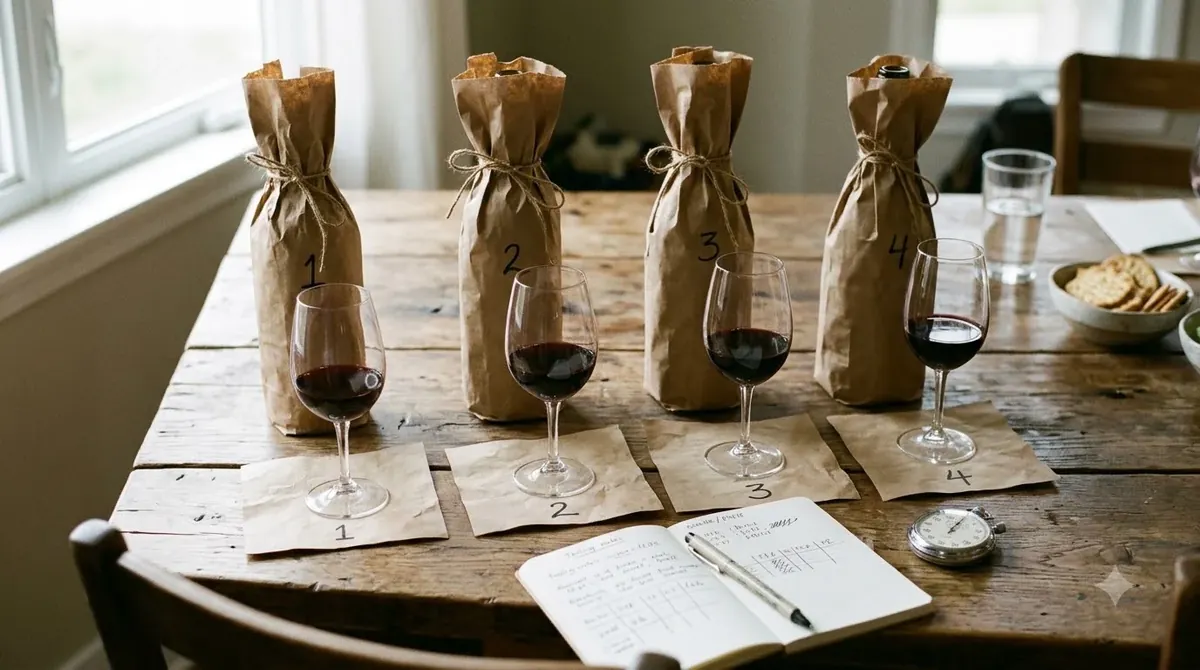
The best way to understand Carmel Valley is to compare several wines side by side rather than judging each bottle in isolation. A structured tasting approach makes it easier to recognize differences in grape variety, tannin, acidity and winemaking style.
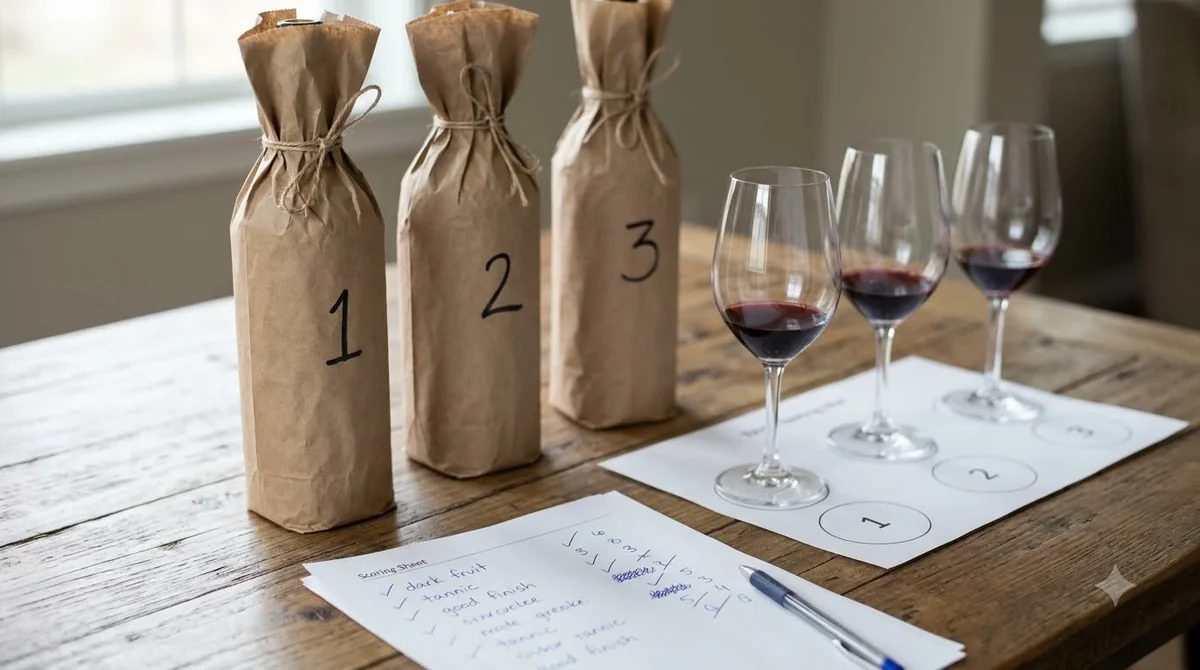
Begin with a white wine or lighter-bodied red if the tasting flight includes both. Move toward fuller-bodied reds such as Syrah and Cabernet Sauvignon later in the session. This order helps preserve your ability to recognize subtle differences in lighter wines before encountering stronger tannins and more concentrated flavors.
When comparing Cabernet Sauvignon and Merlot, pay particular attention to texture. Cabernet generally has higher tannin, which can create a drying sensation along the gums. Merlot usually has medium tannin and a softer impression. Neither style is automatically better; the comparison helps reveal which wines suit your preferences.
Ask about the grapes’ growing locations, fermentation methods and aging vessels. Producers may explain whether a wine comes from a single vineyard, includes fruit from multiple sites or uses a blend of varieties. These details can help explain why two wines taste different even when both carry the Carmel Valley name.
Questions that make a tasting more informative
- Which vineyard or growing area supplied the grapes?
- What makes this wine different from the producer’s other bottlings?
- How long did the wine spend aging before release?
- Which vintage conditions influenced the wine’s structure?
- Would the producer recommend drinking it young or allowing additional bottle aging?
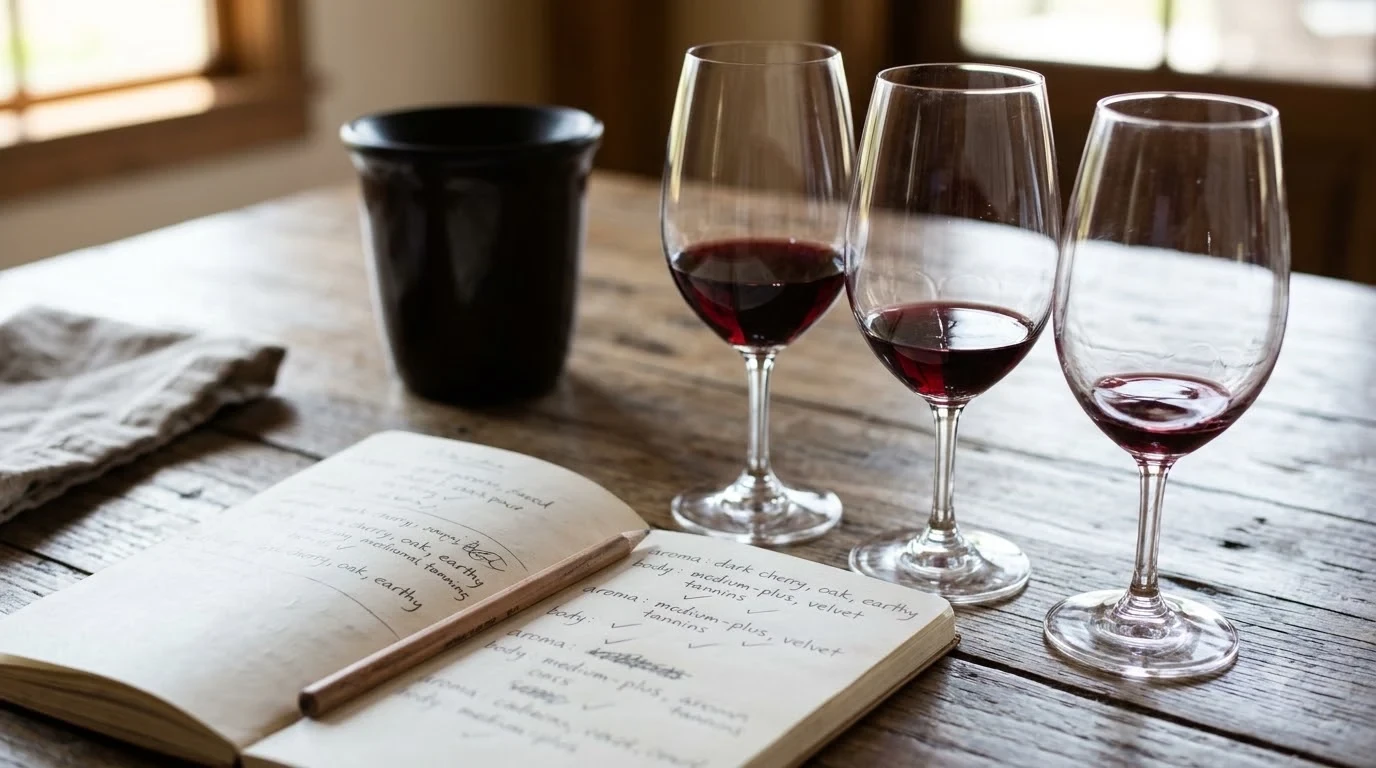
Take short notes after each flight. Record the winery, grape variety and one or two defining characteristics, such as firm tannins, fresh acidity, dark cherry fruit or peppery aromas. This is particularly useful when visiting three or four tasting rooms in one day, because the details can become difficult to distinguish later.
Temperature also influences how wine tastes. Light reds generally show well at 55 to 60 degrees Fahrenheit, while fuller-bodied reds are best served around 60 to 65 degrees. White wines and sparkling selections benefit from cooler serving temperatures. If a red wine feels overly warm or a white seems too cold, allow a little time for the glass to adjust.
Remember that tasting is not a competition to finish every pour. Take small sips, use the tasting notes provided by the winery and ask questions when something is unfamiliar. Spitting is an ordinary part of professional wine tasting and helps visitors assess more wines while remaining attentive.
Food, Transportation and Practical Visitor Advice
Good planning makes a Carmel Valley wine outing more enjoyable, particularly when combining several tasting rooms with lunch and sightseeing. Visitors should think about transportation, food, reservations and the amount of time needed for each stop before arriving.
Food is an important part of the experience because tasting wine on an empty stomach can make it harder to concentrate on differences between samples. Plan a proper lunch rather than relying on small tasting-room snacks. Carmel Valley Village has cafes and other businesses that can provide a break between appointments, while the wider Monterey area offers additional dining choices.
Food pairing can also help explain the region’s wines. Cabernet Sauvignon works well with grilled beef, lamb and other dishes with substantial savory flavors. The wine’s firm tannins can feel softer alongside foods containing protein and fat. Merlot is a flexible partner for roasted poultry, mushroom dishes and moderately rich meat preparations.
Syrah can complement grilled meats and dishes seasoned with black pepper, while Pinot Noir is a natural choice for mushroom-based dishes and roast chicken. Sauvignon Blanc pairs well with fresh salads, goat cheese and foods that benefit from bright acidity. For acidic dishes, choose a wine with comparable or higher acidity so that the wine does not taste flat.
Salt and fat can soften the perception of tannin in red wine, which explains why a structured Cabernet Sauvignon may seem more approachable alongside a well-prepared steak than on its own. On the other hand, heavily tannic reds are generally poor partners for oily fish. Delicate seafood dishes are often better matched with crisp white wines.
Transportation choices
Driving is convenient for reaching properties outside the village, but the driver should not participate in wine tasting. Arrange a designated driver, private driver or guided transportation service before beginning the day. This is especially important when combining several appointments along Carmel Valley Road.
Public transportation may provide another option for some visitors, although routes and schedules need to be checked before relying on them for winery appointments. Public transportation may not provide the same flexibility as a private vehicle, particularly for more remote tasting locations.
Another useful option is to stay overnight in the Carmel area. This removes the need to rush back to another destination after the final tasting and gives visitors more flexibility to enjoy dinner or explore the coast. Travelers comparing different California wine destinations may also find the Edna Valley wine trail useful for understanding how another coastal California region organizes winery visits.
What to bring
- Comfortable walking shoes for moving between village tasting rooms.
- A light jacket for cooler conditions and changes in temperature.
- A phone or notebook for recording winery names and wine details.
- Water and a plan for meals between tasting appointments.
- A suitable bag or protective carrier if purchasing bottles.
Before departure, confirm the day’s appointments, opening hours, parking arrangements and any group-size restrictions. Small producers may have limited seating or specific tasting schedules. A little advance planning prevents unnecessary driving and makes the experience more relaxed.
Best Seasons and How to Make the Most of a Visit
Carmel Valley can be appealing throughout the year, but the experience changes with the weather, vineyard activity and visitor calendar. The most suitable time depends on whether you prefer warm outdoor tasting conditions, quieter winery visits or the atmosphere of the growing season.
Spring brings fresh growth and changing colors across the countryside. It is a pleasant time for visitors who enjoy vineyard scenery and moderate outdoor temperatures. Winery visits can be combined with walks through the village and time at local cafes.
Summer generally offers warmer inland conditions than the nearby coast. The sunshine makes outdoor patios and vineyard settings particularly attractive, although afternoons can feel warmer than visitors expect if they have spent the morning near Monterey Bay. Carry water and plan breaks between tastings.
Fall is generally the busiest visitor season in Carmel Valley, according to Visit California. It can be an appealing time for travelers who enjoy clear weather and vineyard activity. Conversations with winery staff may turn toward grape maturity, harvest timing and the vintage. However, harvest is a busy time for wine producers, so appointments are particularly helpful.
Winter can provide a quieter experience, with fewer visitors at some destinations. Weather conditions may be cooler and wetter, making indoor tasting rooms more appealing than outdoor patios. February is often the rainiest month, so travelers planning winter visits should leave some flexibility in their schedules.
Regardless of the season, avoid assuming that every tasting room operates seven days a week or accepts walk-ins. The regional winery directories are useful for identifying producers, but the individual business is the best place to confirm its current visitor arrangements.
Visitors with extra time can extend their trip into the wider Monterey County wine region. Carmel-by-the-Sea offers a separate concentration of walkable tasting rooms, while the Santa Lucia Highlands and Salinas Valley provide additional wine-country experiences. Travelers interested in comparing regions farther afield can also explore the Applegate Valley wine trail or the Yadkin Valley wine trail for a different perspective on American wine tourism.
Frequently Asked Questions
Is Carmel Valley part of the Monterey wine region?
Yes. Carmel Valley is one of the recognized winegrowing areas within Monterey County, California. Its AVA designation was approved in 1983, distinguishing it from other Monterey County growing areas, including the Santa Lucia Highlands and Arroyo Seco.
Can I visit Carmel Valley wineries without booking a tour?
Yes. Independent visitors can organize their own winery appointments and travel between tasting rooms. The region’s village concentration makes self-guided visits practical, although some producers require reservations or operate with limited tasting capacity.
Is Carmel Valley the same destination as Carmel-by-the-Sea?
No. Carmel-by-the-Sea is the coastal community, while Carmel Valley is an inland destination approximately 15 miles away. The two are connected by regional roads but offer different landscapes and wine-tasting experiences.
Are there family-friendly activities around Carmel Valley?
Yes. Beyond winery visits, the area offers opportunities to explore local galleries, cafes and outdoor recreation. Garland Ranch Regional Park provides approximately 50 miles of trails across 4,462 acres, with options for hiking, horseback riding and mountain biking.
What is the Carmel Valley AVA elevation?
The AVA covers a varied mountainous landscape, with elevations ranging from approximately 203 to 2,762 feet according to the Monterey County Vintners and Growers Association. Differences in slope, aspect and altitude contribute to local growing conditions, so asking a producer about the elevation of a particular vineyard can provide more useful information than relying on a single regional figure.
The Carmel Valley wine trail is an excellent introduction to Monterey County’s inland wine culture, particularly for visitors interested in Cabernet Sauvignon, Merlot and boutique producers. Start with Carmel Valley Village, select three or four tasting rooms, and leave enough time for food, scenery and conversation. A well-paced visit offers a much better understanding of the region than trying to cover every winery in one day.
More in Wine Regions
 Willcox Wine Trail: Discover Arizona’s High-Elevation Wine CountryUpdated Nov 20, 2026
 Yakima Valley Wine Region: Find the Best Styles to TryUpdated Nov 20, 2026
 Vosne Romanee Wine Tasting: Identify Aromas and Choose Better PairingsUpdated Nov 20, 2026
 Yakima Valley Wine Festival: Find the Best Seasonal Wine EventsUpdated Nov 20, 2026
 Wales Vineyards: Discover Cool-Climate Wines and Where to VisitUpdated Nov 20, 2026
 Yountville Wine Festival: Discover Napa Wines and Local FoodUpdated Nov 20, 2026