

We may earn a commission when you buy through links on this page, at no extra cost to you. Learn more.
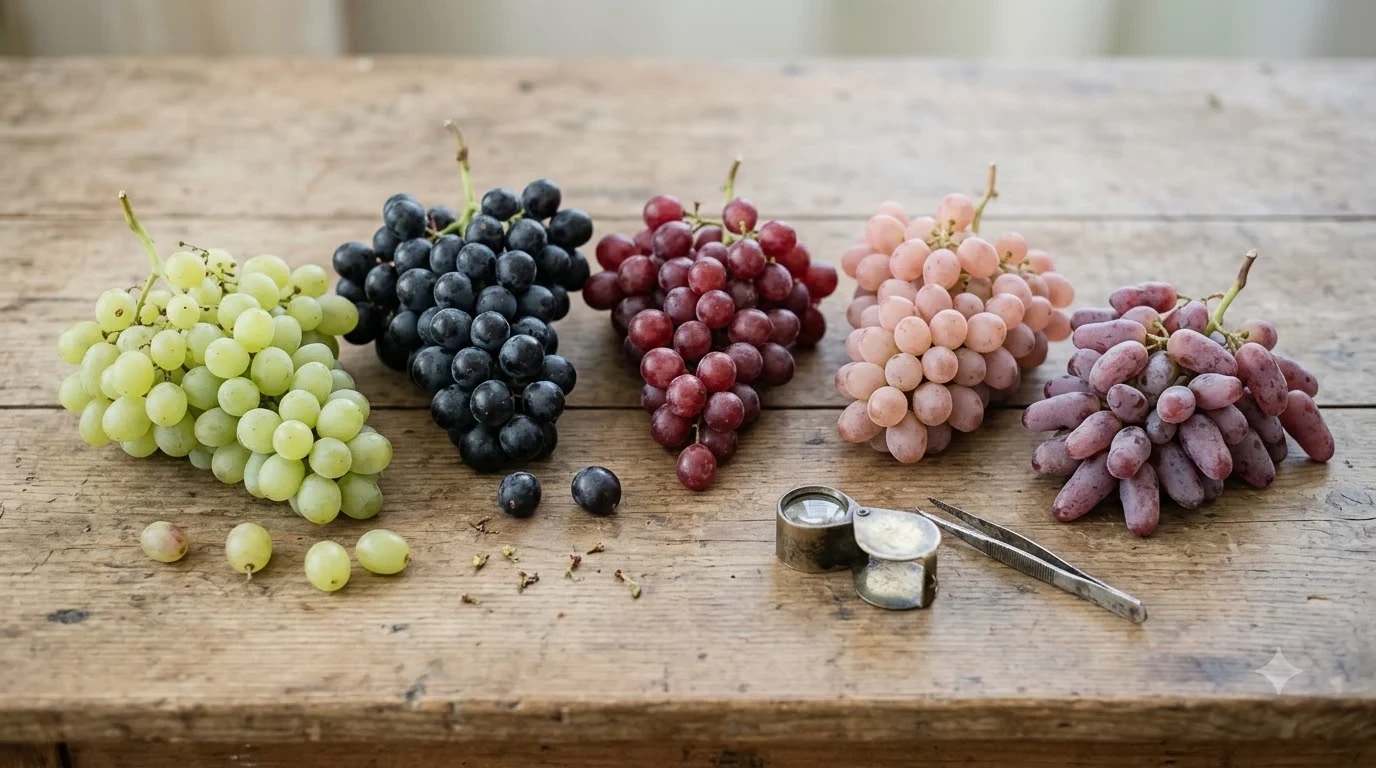
Campania wine grapes include Aglianico, Fiano, Greco, Falanghina, and Piedirosso, along with distinctive native varieties such as Asprinio, Biancolella, and Casavecchia. Grown across southwestern Italy, these grapes produce everything from powerful, age-worthy reds to crisp volcanic whites and distinctive coastal wines. Understanding their characteristics and regional origins makes it easier to recognize Campania’s best-known bottles and discover lesser-known Italian varieties.
Campania is one of Italy’s most interesting wine regions because its grape varieties reflect an unusually diverse landscape. Vineyards grow on inland mountain slopes, volcanic hills surrounding Naples, Mediterranean islands, and steep terraces overlooking the Amalfi Coast. The result is a regional wine identity built around indigenous grapes rather than a handful of international varieties. Whether you prefer structured red wines, aromatic whites, or refreshing coastal styles, Campania offers plenty to explore.
1. Aglianico, Fiano, Greco, and Falanghina Define Campania
Four grapes provide the clearest introduction to Campania’s wine identity: Aglianico, Fiano, Greco, and Falanghina. They represent the region’s most recognizable red and white wine traditions, with each variety associated with distinctive appellations and growing areas.
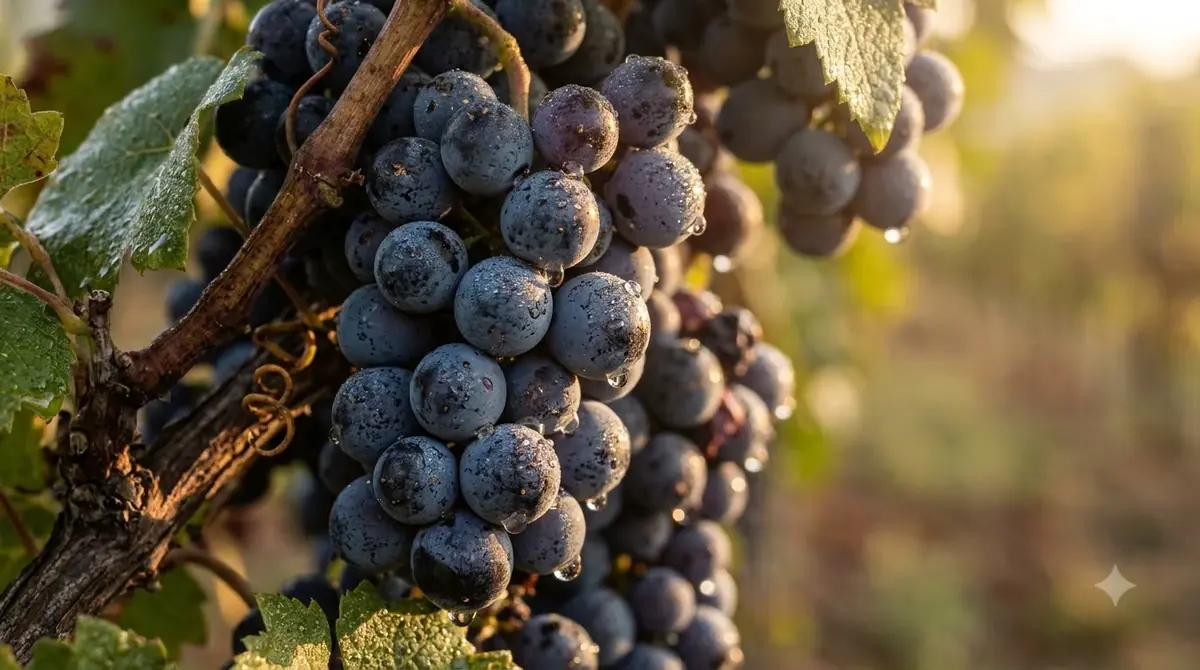
Aglianico is the region’s leading red grape. It ripens relatively late and produces deeply colored wines with substantial tannin, pronounced acidity, and concentrated flavors. Common tasting impressions include black cherry, dark plum, dried herbs, licorice, and spice. Its structure makes it particularly suitable for extended aging, especially in the Taurasi DOCG area of Irpinia.
Fiano is one of Campania’s most celebrated white grapes. It produces wines with more body and texture than many people expect from southern Italian whites. Floral aromas, citrus, ripe pear, orchard fruit, and smoky mineral impressions are common characteristics. Depending on the producer and winemaking approach, Fiano can be fresh and approachable or complex enough to develop additional layers with bottle aging.
Greco is another important white variety, particularly associated with Greco di Tufo DOCG. Its wines typically have crisp acidity, firm structure, and flavors suggesting lemon, peach, citrus peel, and occasionally almond. Greco often feels more direct and sharply defined than Fiano, making it appealing to drinkers who enjoy lively white wines with a mineral character.
Falanghina is a versatile white grape found in several parts of Campania. Its wines commonly show citrus, green apple, pear, white flowers, and fresh herbal notes. The variety can produce lighter, refreshing coastal wines as well as fuller examples from inland growing areas.
These four grapes are useful starting points because their names frequently appear on Campania wine labels. However, they are only part of the region’s native grape collection. Piedirosso, Biancolella, Asprinio, and several local varieties offer a much broader picture of Campania’s wine heritage.
2. Aglianico and Piedirosso Produce Distinctive Campania Reds
Aglianico and Piedirosso are two important native red grapes, but they produce very different styles of wine. Aglianico generally delivers greater tannin, concentration, and aging potential, while Piedirosso tends toward softer structure, fresh fruit, and an easier-drinking profile.
Aglianico and Taurasi
Taurasi DOCG is the most internationally recognized expression of Aglianico in Campania. Its vineyards occupy the hills around Taurasi in the inland Irpinia area of Avellino province. The combination of elevation, varied soils, and a longer growing season helps Aglianico develop considerable complexity while retaining acidity.
According to Decanter, Taurasi must contain at least 85% Aglianico. The wine requires a minimum of 36 months of aging, including at least 12 months in barrel. Taurasi Riserva requires 48 months of total aging, with 18 months in barrel.
These requirements help explain why Taurasi is associated with serious, structured red wine. Younger examples can show firm tannins and concentrated dark fruit, while mature bottles may develop more savory notes of tobacco, leather, dried herbs, earth, and spice.
Aglianico also plays a central role in Aglianico del Taburno DOCG, located in the Benevento area. Although the grape remains the foundation, differences in local conditions and winemaking can create a different expression from Taurasi.
Piedirosso and its volcanic origins
Piedirosso is especially important around Naples, Mount Vesuvius, and Campi Flegrei. Its name refers to the reddish appearance of the vine’s stalks. Compared with Aglianico, Piedirosso usually produces lighter-bodied reds with softer tannins, fresh acidity, and flavors of red cherry, raspberry, herbs, and sometimes smoky or earthy notes.
It appears in several local appellations, including Campi Flegrei DOC and Vesuvio DOC. Producers may use it for red wines, rosés, and blends. Its relatively approachable structure makes it a useful choice for people who enjoy Italian reds but find heavily tannic wines too demanding.
Other red grapes add further variety. Sciascinoso is found in areas including Irpinia and the Sorrento Peninsula. Casavecchia is associated with the Caserta province and its own appellation, Casavecchia di Pontelatone DOC. Pallagrello Nero is another distinctive grape from the same broad northern area.
These varieties demonstrate that Campania’s red wine identity extends beyond Aglianico. A bottle of Piedirosso offers a different experience from Taurasi, while Casavecchia provides another route into the region’s less familiar indigenous varieties.
3. Fiano, Greco, and Falanghina Lead Campania’s White Wines
Fiano, Greco, and Falanghina are the region’s most recognizable white grapes, but they differ in body, acidity, aroma, and geographic identity. Fiano generally offers texture and complexity, Greco emphasizes freshness and structure, and Falanghina is known for its aromatic fruit and versatility.
Fiano and Fiano di Avellino
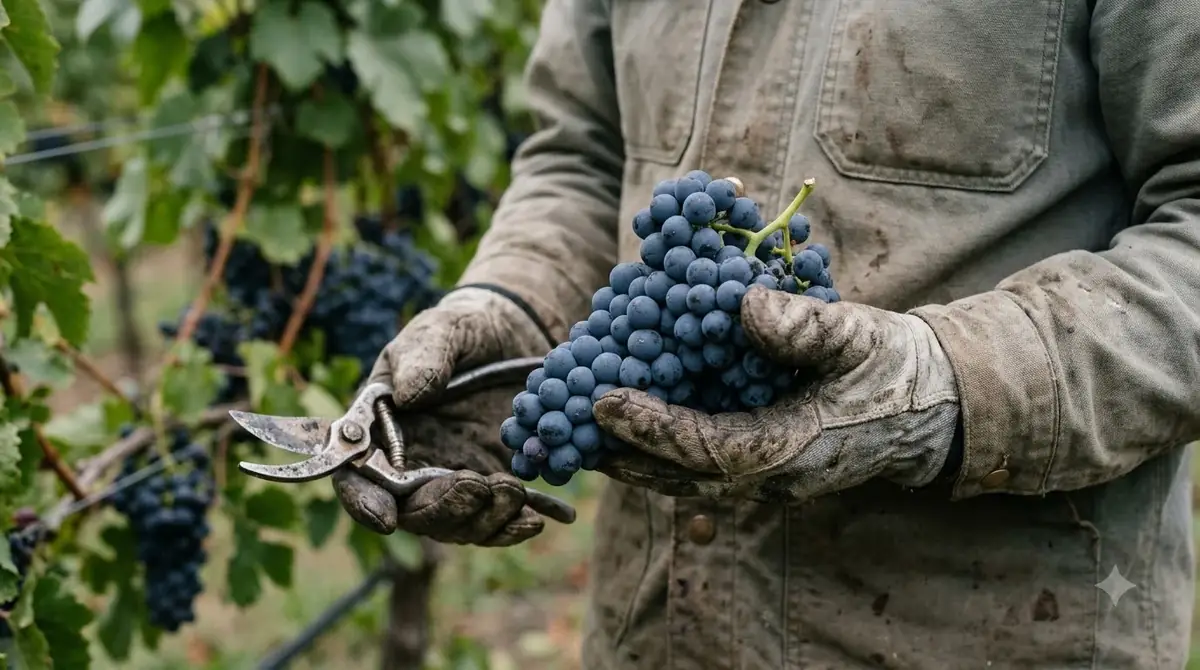
Fiano di Avellino DOCG is one of Italy’s important premium white wine appellations. The production area includes elevated vineyards around Avellino and Lapio, where cooler conditions help the grapes retain acidity during ripening.
The appellation requires at least 85% Fiano. The remaining permitted varieties include Greco, Coda di Volpe, and Trebbiano Toscano. According to Decanter, vineyards in the denomination occupy elevations of approximately 400 to 700 meters above sea level.
Fiano wines can combine floral aromas with ripe pear, apple, citrus, hazelnut, and smoky mineral sensations. Some producers emphasize stainless-steel fermentation and fresh fruit, while others use lees contact, fermentation in larger vessels, or bottle aging to build additional texture and complexity.
Good examples can develop beyond their youthful fruit character. With age, Fiano may show honeyed, nutty, and richer savory impressions while maintaining enough acidity to remain balanced.
Greco and Greco di Tufo
Greco is closely associated with the village of Tufo and the surrounding hills in Avellino province. Greco di Tufo DOCG is particularly known for whites with firm acidity, citrus, peach, herbal notes, and a distinctive mineral character.
The denomination requires at least 85% Greco, with Coda di Volpe permitted in the remaining portion. Vineyards occupy approximately 300 to 600 meters in elevation. The area includes volcanic soils, and the denomination also permits traditional-method sparkling wine.
Greco’s naturally structured profile makes it a good choice for people who prefer white wines with freshness and a little more grip. It can work particularly well alongside seafood, grilled vegetables, shellfish, and dishes featuring lemon or herbs.
Falanghina and its two expressions
Falanghina is widely planted in Campania, particularly in Benevento province and the coastal areas around Naples. Its two important local forms are Falanghina Beneventana and Falanghina Flegrea.
Falanghina Beneventana is associated with Falanghina del Sannio and the broader Sannio wine area. These wines can have more body and structure, with ripe citrus, pear, apple, and floral aromas.
Falanghina Flegrea is associated with Campi Flegrei, west of Naples. Wine Enthusiast describes this expression as lighter in body, with floral aromas and saline mineral impressions associated with its sandy volcanic soils and proximity to the sea.
For a drinker choosing between the three leading white varieties, the distinction is straightforward: choose Fiano for texture and complexity, Greco for crisp acidity and structure, and Falanghina for fresh fruit and aromatic appeal.
4. Lesser-Known Native Grapes Add Regional Character
Campania has numerous indigenous grapes that rarely receive the same attention as Aglianico or Fiano. These varieties are particularly valuable because they preserve local wine traditions and provide distinctive alternatives to more familiar international grapes.
Asprinio is one of the most unusual examples. It is associated with Aversa in the province of Caserta and is known for its naturally high acidity. Traditionally, the vines are trained vertically using trees as supports, creating a striking vineyard landscape.
Asprinio di Aversa DOC is especially interesting for drinkers who enjoy crisp, lively white wines. Its freshness makes it suitable for sparkling production and for pairing with seafood, shellfish, fried vegetables, and other foods that benefit from refreshing acidity.
Biancolella is an important white grape associated with the island of Ischia and other coastal parts of Campania. It generally produces aromatic wines with citrus, floral, and delicate herbal characteristics. Its Mediterranean setting makes it a natural partner for seafood and simple coastal cooking.
Forastera is another white grape associated with Ischia. It is particularly relevant to the island’s traditional wine identity and is often used alongside Biancolella. Wines made from these varieties can provide an appealing alternative to the better-known inland whites.
Coda di Volpe is a native white grape found in several Campania appellations. Its name means fox’s tail, referring to the shape of its grape clusters. It appears in regional blends and is an authorized secondary variety in both Fiano di Avellino and Greco di Tufo.
Catalanesca is associated with the Mount Somma area near Vesuvius. It is particularly interesting because it has its own geographical indication, Catalanesca del Monte Somma IGT. Its wines offer another way to explore the local varieties of the Neapolitan countryside.
Caprettone is another white grape associated with the Vesuvian area. It contributes to the region’s diverse white wine tradition and is among the varieties receiving renewed attention from local growers.
The red grape collection is equally interesting. Casavecchia and Pallagrello Nero are associated with Caserta, while Aglianicone is found in the Salerno province. These grapes are less common internationally, so they can be useful names to recognize when exploring specialist Italian wine selections.
The range of Campania’s native varieties has something in common with the traditions behind orange wine grapes: grape identity, growing conditions, and local winemaking practices can all influence the final character of a wine. However, Campania’s grapes are not defined by one particular wine color or production technique.
5. Campania’s Wine Regions and Volcanic Terroir Shape the Grapes
Campania’s wine geography is best understood by looking at its five main provincial areas: Avellino, Benevento, Caserta, Naples, and Salerno. Each has different elevations, soil conditions, and local grape traditions, creating distinct styles across a relatively compact part of southern Italy.
Avellino and Irpinia
Irpinia is the home of Taurasi, Fiano di Avellino, and Greco di Tufo. Its vineyards occupy inland hills and elevated areas in the foothills of the Apennines. Limestone, clay, and volcanic materials occur across the region, while significant differences between daytime and nighttime temperatures help retain grape acidity.
These conditions are especially important for late-ripening Aglianico and the region’s structured white varieties. The area’s climate differs substantially from the warmer coastal vineyards, and harvest can extend into October or November.
Benevento and Sannio
Benevento is one of Campania’s major vineyard-producing areas and an important home of Falanghina. The wider Sannio area includes Falanghina del Sannio DOC, Sannio DOC, and Aglianico del Taburno DOCG.
Local subzones include Taburno, Solopaca, Guardia Sanframondi, and Sant’Agata dei Goti. The area produces a variety of whites and reds, with Falanghina and Aglianico playing particularly important roles.
Caserta and northern Campania
Caserta has a long wine history and includes Falerno del Massico DOC, Aversa DOC, Galluccio DOC, and Casavecchia di Pontelatone DOC. The area’s identity includes Asprinio, Falanghina, Aglianico, Casavecchia, and the two Pallagrello varieties.
The traditional tree-trained vineyards around Aversa are particularly distinctive. Farther south within the province, the slopes associated with the Roccamonfina volcanic area contribute to the character of Galluccio wines.
Naples, Vesuvius, and Campi Flegrei
The vineyards surrounding Naples are strongly associated with volcanic landscapes. Mount Vesuvius lies east of the city, while Campi Flegrei occupies the volcanic area to the west.
Vesuvio DOC includes the famous Lacryma Christi wines. Local grapes include Piedirosso, Falanghina, Coda di Volpe, Caprettone, and Catalanesca. Campi Flegrei is particularly associated with Falanghina and Piedirosso.
Volcanic soils can contribute to the sensory character and structure of wines, although the final result also depends on grape variety, vineyard altitude, harvest decisions, and cellar practices. Wine Enthusiast discusses these influences in its examination of Italy’s volcanic wine regions.
Salerno and the Amalfi Coast
Salerno province includes the spectacular coastal vineyards of Costa d’Amalfi DOC, with the Furore, Ravello, and Tramonti subzones. The steep terraces and Mediterranean conditions encourage the cultivation of distinctive local varieties.
Fenile, Ginestra, Ripolo, and Pepella are among the area’s white grapes, while Tintore is an important local red variety. Farther south, Cilento DOC and Castel San Lorenzo DOC provide additional expressions of Campania’s wine-growing landscape.
These provincial differences explain why a general description of Campania wine can be misleading. A high-altitude Fiano from Irpinia, a saline Falanghina from Campi Flegrei, and a coastal Costa d’Amalfi blend may all come from the same region but offer very different drinking experiences.
6. How to Choose Campania Wines and Pair Them With Food
The easiest way to choose Campania wine is to start with the grape and the style of food being served. Aglianico suits hearty dishes, Fiano and Greco complement seafood and richer white-wine preparations, and Falanghina offers versatility for everyday Mediterranean cooking.
The following comparison provides a practical starting point for choosing bottles by grape variety.
| Grape | Typical wine style | Acidity and tannin | Food pairing |
|---|---|---|---|
| Aglianico | Full-bodied red | High tannin, fresh acidity | Roast lamb, beef, braised meat |
| Piedirosso | Light to medium red | Soft to moderate tannin | Pizza, tomato pasta, grilled vegetables |
| Fiano | Medium to full-bodied white | Medium to high acidity | Roast chicken, seafood, creamy pasta |
| Greco | Structured dry white | High acidity | Shellfish, grilled fish, lemon-seasoned dishes |
| Falanghina | Fresh aromatic white | Medium to high acidity | Seafood, salads, fried appetizers |
| Asprinio | Very fresh white or sparkling | High acidity | Oysters, fried seafood, shellfish |
| Biancolella | Light to medium white | Fresh acidity | Grilled fish, shrimp, light pasta |
| Casavecchia | Structured red | Moderate to high tannin | Roast pork, aged cheese, meat ragù |
Pairing Aglianico with hearty food
Aglianico’s tannins and acidity make it a natural partner for rich meat dishes. Roast lamb, grilled beef, braised short ribs, and slow-cooked meat ragù provide enough flavor and texture to complement its structure.
Salt and fat soften the perception of tannin, which is why Aglianico often works particularly well with dishes featuring fatty cuts of meat or aged cheese. A younger Taurasi may benefit from 30 to 60 minutes of decanting to allow its aromas to open.
For less tannic red wine, Piedirosso is a useful alternative. Its softer structure works with tomato-based pasta, pizza, grilled sausages, and roasted vegetables. It can also be served slightly cooler than a full-bodied Aglianico.
Pairing Campania whites with seafood
Fiano and Greco both work well with seafood, but their differences make them suitable for different preparations. Fiano’s texture complements richer dishes such as roast fish, seafood risotto, and chicken with a creamy herb sauce.
Greco’s acidity is especially useful with oysters, grilled shellfish, lemon-seasoned fish, and dishes featuring fresh herbs. Falanghina is a flexible option for fried calamari, shrimp, vegetable appetizers, and lighter pasta dishes.
Asprinio is particularly appealing with fried seafood because its high acidity refreshes the palate between bites. Biancolella is another excellent option for simply prepared fish and shellfish.
Serving temperatures and glassware
Temperature makes a noticeable difference in how Campania wines express themselves. Serving a white wine too cold can hide its aromas, while serving a powerful red too warm can emphasize alcohol and make its structure feel heavy.
Use these practical serving ranges:
- Falanghina, Asprinio, and other light whites: 45–50°F.
- Greco di Tufo: 45–50°F for freshness, or slightly warmer if you want to emphasize texture.
- Fiano di Avellino: 50–55°F for fuller-bodied examples.
- Piedirosso: 55–60°F.
- Aglianico and Taurasi: 60–65°F.
Tip: If you are planning a Campania wine dinner, begin with Asprinio or Falanghina, move to Fiano or Greco with the seafood course, and finish with Aglianico alongside roast meat or aged cheese. This progression moves from lighter, fresher wines toward more structured bottles.
For a broader perspective on indigenous varieties in different countries, compare Campania’s grapes with Croatia wine grapes and Texas wine grapes. These comparisons show how regional grape traditions develop in response to local climates, soils, and winemaking history. You can also explore additional Italian and international regions through our Wine Regions resource.
Frequently Asked Questions
Are Campania wine grapes related to ancient Roman wine?
Campania has a long connection with ancient Roman wine culture. Falernian wine, associated with the historic Falerno area, was particularly celebrated in Roman literature and dining traditions. The modern Falerno del Massico DOC takes its name from this historic wine-growing territory, although contemporary wines are produced under modern appellation rules.
Can Campania grapes grow outside Italy?
Yes. Fiano, in particular, has established plantings outside its traditional Campanian home, including in Australia. Aglianico is also cultivated in other Italian regions and selected international wine-growing areas. However, wines made elsewhere cannot use Campania’s protected DOCG geographical designations.
What does the word Taurasi mean on an Italian wine label?
Taurasi identifies a protected wine appellation in Avellino province rather than a grape variety. It is also the name of the town at the center of the denomination. The wine’s required grape foundation is Aglianico, which distinguishes Taurasi from other Campania red wine styles.
Is there a Campania wine made entirely from ancient local grapes?
Several Campania wines are produced from individual indigenous grape varieties, although the permitted composition depends on the appellation. Asprinio-based wines from Aversa and single-variety expressions of Piedirosso, Casavecchia, and Catalanesca provide interesting examples. Some producers also preserve uncommon local varieties through small vineyard plantings and experimental bottlings.
What is the difference between DOC, DOCG, and IGT on Campania wine labels?
These terms identify different Italian geographical wine classification categories. DOCG stands for Denominazione di Origine Controllata e Garantita, DOC means Denominazione di Origine Controllata, and IGT means Indicazione Geografica Tipica. Each category has its own production and geographical rules, with IGT generally allowing producers greater flexibility in grape selection and wine style.
Campania’s wine identity is built on an exceptional collection of native grapes, from the powerful Aglianico of Taurasi to the textured Fiano, structured Greco, and refreshing Falanghina. Exploring lesser-known varieties such as Piedirosso, Asprinio, Biancolella, and Casavecchia reveals even more of the region’s character. Start with the four leading grapes, then explore the coastal and volcanic appellations to discover just how varied Campania wine can be.
More in Wine Regions
 Willcox Wine Trail: Discover Arizona’s High-Elevation Wine CountryUpdated Nov 20, 2026
 Yakima Valley Wine Region: Find the Best Styles to TryUpdated Nov 20, 2026
 Vosne Romanee Wine Tasting: Identify Aromas and Choose Better PairingsUpdated Nov 20, 2026
 Yakima Valley Wine Festival: Find the Best Seasonal Wine EventsUpdated Nov 20, 2026
 Wales Vineyards: Discover Cool-Climate Wines and Where to VisitUpdated Nov 20, 2026
 Yountville Wine Festival: Discover Napa Wines and Local FoodUpdated Nov 20, 2026