


We may earn a commission when you buy through links on this page, at no extra cost to you. Learn more.
Bulgaria vineyards are spread across five traditional wine-growing regions, producing distinctive wines from native grapes such as Mavrud, Gamza, Rubin, and Shiroka Melnishka. Located between the Danube River, the Balkan Mountains, and the Black Sea, Bulgaria offers a varied wine landscape shaped by continental and maritime climates. Its combination of indigenous varieties, international grapes, and centuries of winemaking tradition makes the country an interesting destination for discovering wines beyond Europe’s better-known regions.
Bulgaria occupies an important historical position in European viticulture, with winemaking traditions associated with the ancient Thracians. Today, its vineyards extend across northern plains, coastal districts, central valleys, and southwestern river landscapes. Understanding the differences between these areas helps explain why a Mavrud from southern Bulgaria tastes so different from a Gamza produced near the Danube. The country’s five traditional regions provide a useful starting point for exploring its grapes, wine styles, and vineyard destinations.
Understanding Bulgaria’s Wine Geography and History
Bulgaria’s traditional wine map contains five major regions, although its geographical wine classification also recognizes two broader production areas. This distinction explains why different sources sometimes describe the country as having either two or five wine regions.
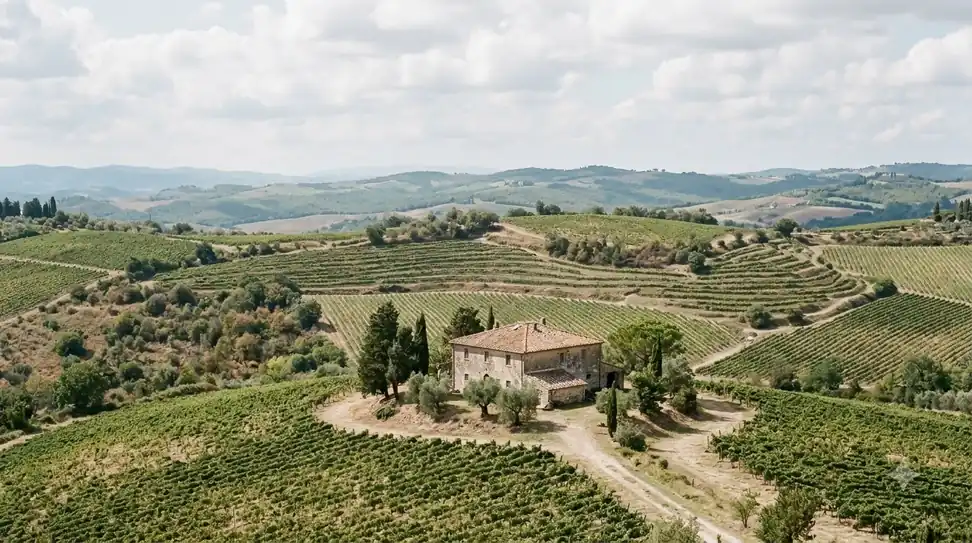
The five traditional regions are the Danube Plain in the north, the Black Sea region in the east, the Rose Valley in central Bulgaria, the Thracian Lowland in the south, and the Struma River Valley in the southwest. Each has its own combination of elevation, soil, temperature patterns, and grape varieties. The framework reflects geographical differences that influence vineyard management and the characteristics of the resulting wines.
The two broader geographical designations are the Danube Plain and the Thracian Lowland. According to Bulgarian Wine Company, these categories were established for regional wine production under a 2005 regulation, while the five traditional regions originated in an earlier government classification from 1960. The two systems serve different purposes rather than describing contradictory wine geography.
Bulgaria’s history of winemaking extends back thousands of years. The ancient Thracians used wine in religious ceremonies and social traditions, and archaeological discoveries include drinking vessels and elaborate gold and silver objects associated with wine consumption. These historical connections remain an important part of the country’s cultural identity.
Modern Bulgarian winemaking has also experienced considerable changes. Following the nationalization and consolidation of the industry during the socialist period, the transition to private ownership after 1989 created new challenges for vineyard management and production. Investment in wineries and production facilities during subsequent decades helped support a broader range of modern wine styles.
The country’s geography is particularly important to its wine identity. Northern Bulgaria experiences more pronounced continental conditions, while the Black Sea influences eastern vineyards. Southern districts receive warmer Mediterranean influences, especially around the Struma River Valley. Mountain ranges and river valleys create additional local variations, allowing both indigenous and international varieties to grow successfully.
For a broader geographical overview, the UN Tourism publication Wine Routes of Bulgaria provides regional descriptions, historical context, and a map of the country’s five traditional wine-growing areas.
For readers interested in comparing how geography shapes wine production elsewhere, Wine Regions offers a useful starting point for exploring the relationship between climate, location, grapes, and wine style.
The Danube Plain: Northern Vineyards and Traditional Reds
The Danube Plain stretches across northern Bulgaria between the Danube River and the Balkan Range. Its continental climate, hot summers, cold winters, and varied soils support both red and white grapes, making it one of the country’s most geographically diverse traditional wine regions.
The region includes important wine centers such as Vidin, Pleven, Ruse, Svishtov, Lyaskovets, and Suhindol. Its vineyards occupy a landscape of plains, gentle slopes, and river-influenced areas. Black earth, grey-brown forest soils, and alluvial-meadow soils contribute to the differences between individual growing locations.
Among its traditional red varieties, Gamza deserves particular attention. This indigenous grape is associated with northwestern Bulgaria, especially the areas around Vidin, Pleven, and Suhindol. It produces relatively light-bodied wines with bright raspberry aromas and fresh fruit characteristics. Unlike heavily extracted reds, Gamza is generally best understood through its lively fruit and approachable structure.
Gamza’s relatively restrained body makes it a useful introduction to Bulgarian indigenous red grapes. It can work well with grilled chicken, pork, roasted vegetables, and traditional meat dishes that do not require an especially powerful wine. Its fresh character also makes it a different experience from the more substantial Mavrud wines found farther south.
The Danube Plain also supports internationally recognized varieties. Cabernet Sauvignon, Merlot, and Pinot Noir are grown alongside local grapes, while Chardonnay, Sauvignon Blanc, Riesling, Aligoté, and Muscat varieties contribute to the white wine selection.
Regional production includes dry white wines, traditionally made sparkling wines, and fruit-forward reds. This range makes the northern region particularly useful for anyone interested in exploring how international varieties adapt to Bulgarian growing conditions.
Pleven has an additional connection to the country’s wine history through its Wine Museum in Kaylaka Park. The museum is an educational destination for visitors interested in traditional winemaking equipment, historical bottles, and the development of Bulgarian viticulture.
When selecting wines from northern Bulgaria, look for Gamza if you prefer lighter reds, or consider Chardonnay and Riesling for white wine options. A regional label may provide a broad geographical indication, but the grape variety and producer will offer more specific information about the style.
The Black Sea Region: Coastal Climate and Aromatic Whites
The Black Sea wine region covers eastern Bulgaria, including the coastal districts, Dobrudzha, and Ludogorie. Its maritime climate and relatively mild autumn conditions favor white grape varieties, making this region an important destination for aromatic, fresh, and balanced white wines.
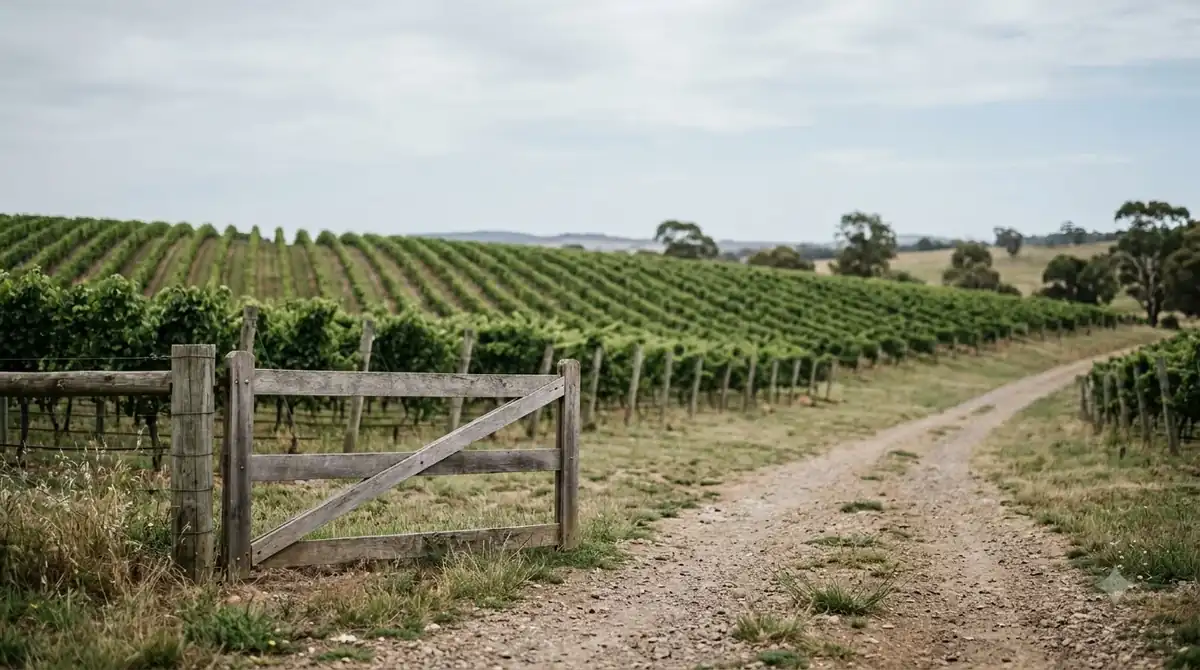
The coastal influence helps moderate temperature variations compared with some inland districts. Warm autumns can extend the grape-ripening period, allowing white varieties to develop aromatic character while retaining freshness. The region also includes different soil types, including black earth, grey-brown forest soils, and alluvial-meadow soils.
Varna, Burgas, Pomorie, Dobrich, Silistra, Shumen, and Targovishte are among the important wine-growing centers associated with eastern Bulgaria. These locations provide a useful geographical reference when exploring coastal Bulgarian wines.
Dimyat is one of the region’s most recognizable indigenous white grapes. It produces wines with fruity aromas, often including peach-like notes, and a relatively mild, fresh character. It is also used in aromatic wine production and brandy making.
Other important varieties include Sauvignon Blanc, Chardonnay, Traminer, Riesling, Aligoté, Rkatsiteli, and Muscat Ottonel. These grapes create a broad range of white wine styles, from crisp and refreshing examples to more aromatic and textured bottlings.
The Black Sea region is also associated with semidry white wines. Long, warm autumns help grapes accumulate sufficient sugar, which can support wines with a little more natural sweetness. This style can work particularly well with spicy dishes, lightly seasoned seafood, and salty cheeses.
Red grapes are also cultivated in eastern Bulgaria, including Merlot, Cabernet Sauvignon, Cabernet Franc, and Pamid. However, the region is particularly important for its white wine production and its collection of local and international white varieties.
For visitors, the coastal wine landscape offers an opportunity to combine wine tasting with seaside destinations. Varna and Pomorie provide useful starting points for exploring wineries and learning about the region’s maritime growing conditions.
The official Visit Varna wine tourism guide identifies local wineries including Euxinograd, Salla Estate, Prisoe Winery, and Varna Winery, and describes tasting and vineyard-visit opportunities around the Northern Black Sea Coast.
When choosing a bottle from this part of Bulgaria, Dimyat is an excellent starting point for anyone interested in native white varieties. Sauvignon Blanc and Chardonnay are useful alternatives for readers who prefer more familiar grape names but still want to explore Bulgarian vineyard conditions.
The Rose Valley: Red Misket and Central Bulgarian Vineyards
The Rose Valley, also known as the Sub-Balkan wine region, lies south of the Balkan Mountains and north of the Sredna Gora range. Its protected valleys and varied growing conditions support aromatic white wines, particularly those made from the indigenous Red Misket grape.
The region includes important wine centers around Sliven, Karnobat, Karlovo, Slavyantsi, and Sungurlare. Its geography creates a combination of sheltered slopes and river valleys, with the Balkan Mountains helping reduce exposure to cold northern air.
One of the defining grapes is Cherven Misket, commonly translated as Red Misket. Despite the name, it is used to produce white wine. Its skins have a reddish color, but the wine style is generally associated with aromatic white varieties rather than conventional red wines.
Red Misket can offer floral and herbal aromas alongside notes of quince, fruit, and honey. Its aromatic profile makes it interesting for drinkers who enjoy fragrant white wines with a distinctive regional identity. The grape also provides an opportunity to discover a Bulgarian variety that is less familiar in many international wine markets.
Other varieties grown in the Rose Valley include Riesling, Rkatsiteli, Chardonnay, Muscat, Cabernet Sauvignon, and Merlot. This combination supports both white and red production, although the traditional regional reputation is especially connected with dry and semidry whites.
The area’s growing conditions are not identical throughout its vineyards. River valleys, different elevations, and variations in soil contribute to local differences in ripening and wine style. These details are important because a grape variety can produce noticeably different wines depending on the vineyard’s precise location.
Sliven and Karnobat are useful places to remember when studying the region. They are established wine centers with connections to the surrounding agricultural landscape and the wider history of Bulgarian viticulture.
Red Misket is particularly interesting alongside fresh cheeses, salads, poultry, and lightly seasoned vegetable dishes. Its aromatic qualities can complement food without overwhelming delicate flavors. For readers who prefer familiar international varieties, Riesling offers another way to explore the region’s white wine production.
Anyone comparing central European wine landscapes with Bulgaria may also enjoy learning about Tasmania vineyards. Although the climates and grape traditions differ, both illustrate how regional geography can create distinctive wine identities within relatively compact growing areas.
The Thracian Lowland: Mavrud, Rubin, and Southern Red Wines
The Thracian Lowland is one of Bulgaria’s most important red wine regions, extending across southern districts around Plovdiv, Haskovo, Pazardzhik, and Stara Zagora. Its relatively warm conditions and protection from cold northern winds support varieties such as Mavrud, Rubin, Merlot, and Cabernet Sauvignon.
The region occupies part of the Upper Thracian Plain and extends toward Sakar Mountain. Its growing landscape includes plains, foothills, and different soil types, including cinnamon forest soils, clay-rich areas, and alluvial-meadow soils.
Plovdiv and Asenovgrad are particularly important places for understanding the area’s wine identity. Mavrud, one of Bulgaria’s best-known indigenous red grapes, is strongly associated with this part of the country. It is also cultivated around Pazardzhik and the foothills of the Rhodope Mountains.
Mavrud typically produces deeply colored red wines with pronounced fruit and spice characteristics. Ripe berries, cherries, and herbal notes can appear in the aroma, while the wine often has a substantial texture and noticeable tannin. Some examples receive oak aging, which can contribute additional complexity and allow the wine to develop over time.
For wine drinkers familiar with Cabernet Sauvignon, Mavrud offers a useful comparison in terms of its substantial red wine character, although the grapes are distinct and should not be treated as interchangeable. The specific structure depends on vineyard conditions, ripeness, winemaking decisions, and aging.
Rubin is another notable Bulgarian red variety. It was developed by crossing Nebbiolo and Syrah, combining genetic influences from two established red wine grapes. Its wines are often deeply colored, full-bodied, and marked by ripe blackberry fruit.
International grapes also play an important role in the Thracian Lowland. Merlot, Cabernet Sauvignon, Cabernet Franc, Syrah, and Petit Verdot are among the varieties cultivated in the area. These grapes may appear as single-variety wines or as components of regional blends.
The southern region is particularly interesting for visitors because of the concentration of established wine centers. Plovdiv, Asenovgrad, Haskovo, and Stara Zagora are useful bases for exploring local wineries and learning about the relationship between indigenous grapes and modern production.
Mavrud can pair particularly well with grilled lamb, roasted beef, slow-cooked pork, and dishes featuring substantial savory flavors. Its tannins and fruit character work with protein-rich food, while the freshness of the wine can help balance richer preparations.
For readers interested in other traditional European red wine landscapes, Chianti Classico vineyards offer an interesting comparison. Both regions have strong connections between local grape traditions, regional identity, and food culture, even though their principal varieties and wine styles differ.
The Struma River Valley: Melnik Grapes and Mediterranean Influences
The Struma River Valley is Bulgaria’s southwestern wine region, centered around Melnik, Sandanski, and nearby areas. Its Mediterranean-like climate and distinctive indigenous grapes make it one of the country’s most recognizable destinations for regional red wine.
The valley follows the Struma River and includes a landscape of hills, river terraces, and varied soils. Its growing conditions are different from those of northern Bulgaria, with warmer Mediterranean influences that help support grapes sensitive to low temperatures.
The best-known local variety is Shiroka Melnishka, also called Broad-leaved Melnik. It is associated particularly with Melnik, Petrich, and Sandanski, where the climate is more suitable for its cultivation than in colder parts of the country.
Shiroka Melnishka produces red wines with ripe cherry and herbal aromas. Young examples can show pronounced tannins and fresh fruit, while oak aging may introduce tobacco and leather characteristics. With maturity, the tannins generally become softer, while the wine can retain its distinctive spicy finish.
The grape’s sensitivity to cold temperatures helps explain its concentrated geographical identity. Rather than being widely planted throughout Bulgaria, it is strongly associated with the southwestern districts where local conditions are more favorable.
Melnik 55 is another name worth recognizing when exploring this region. It is associated with the local Melnik grape tradition and offers a different expression from traditional Broad-leaved Melnik wines. The two names are related but should not be assumed to describe exactly the same grape or wine style.
International varieties also grow in the Struma Valley. Merlot and Cabernet Sauvignon are among the established options, while local white grapes such as Sandanski Misket contribute to the region’s wider wine selection.
Melnik and Sandanski are useful bases for wine tourism. The towns provide access to the surrounding vineyards and help visitors understand how the river valley’s warm conditions influence grape selection and vineyard practices.
Traditional regional food offers plenty of pairing opportunities. Melnik reds can work with grilled meats, lamb, roasted vegetables, and hearty dishes with herbs and spices. Their fruit and tannin structure can complement substantial savory flavors without requiring heavily seasoned preparations.
The Struma Valley is particularly rewarding for readers who want to discover a grape with a strong geographical connection. A bottle of Shiroka Melnishka provides a very different experience from international varieties such as Merlot or Cabernet Sauvignon, even when all three come from the same broad national wine landscape.
For another example of a relatively small wine-producing country with a distinctive indigenous grape identity, explore Uruguay vineyards. Its Tannat-focused wine culture provides an interesting contrast with Bulgaria’s Mavrud and Melnik traditions.
Bulgarian Grape Varieties, Wine Styles, and Food Pairings
One of the strongest reasons to explore Bulgarian wines is the combination of native grapes and internationally recognized varieties. Understanding the principal grapes makes it easier to select bottles according to body, aroma, acidity, and food compatibility.
Some Bulgarian varieties have a very specific geographical identity. Gamza is associated with the north, Red Misket with the Sub-Balkan region, Mavrud with southern Bulgaria, and Shiroka Melnishka with the southwestern valley around Melnik. These connections make grape names particularly useful when reading Bulgarian wine labels.
The following table summarizes several important varieties and their typical regional associations. Individual bottles can differ according to producer, vineyard conditions, harvest timing, and winemaking methods.
| Grape variety | Typical color | Important region | Typical wine characteristics | Food pairing |
|---|---|---|---|---|
| Gamza | Red | Danube Plain | Light body, raspberry fruit, freshness | Roast chicken, pork |
| Red Misket | White | Rose Valley | Aromatic, floral, herbal, fruity | Salads, fresh cheese |
| Mavrud | Red | Thracian Lowland | Deep color, ripe berries, spice, tannin | Lamb, grilled beef |
| Rubin | Red | Thracian Lowland | Full-bodied, dark fruit, blackberry | Roasted meats, hard cheese |
| Shiroka Melnishka | Red | Struma Valley | Cherry, herbs, pronounced tannins | Grilled lamb, pork |
| Dimyat | White | Black Sea region | Peach-like fruit, freshness, mild texture | Seafood, white fish |
| Chardonnay | White | Multiple regions | Medium acidity, varied fruit and texture | Roasted poultry, creamy dishes |
| Merlot | Red | Multiple regions | Medium tannin, softer fruit-driven structure | Pork, roast vegetables |
These varieties also demonstrate why Bulgarian wines should not be treated as one uniform category. A light Gamza and a structured Mavrud are very different drinking experiences, while Dimyat and Red Misket provide separate expressions of indigenous white wine production.
Choosing a wine by body and structure
For lighter red wines, Gamza is a logical starting point. Its raspberry character and relatively light body can suit casual meals, roasted poultry, and moderately seasoned dishes. Readers who prefer fuller reds may find Mavrud or Rubin more suitable, especially with grilled meats and mature cheeses.
Shiroka Melnishka is an interesting choice for drinkers who enjoy herbal notes and more pronounced tannins. Older examples may offer a softer texture, while younger wines can have a firmer structure. The differences between young and mature bottles provide a good opportunity to explore how traditional Bulgarian varieties respond to aging.
For white wines, Dimyat and Red Misket are especially useful starting points. Dimyat is associated with fresh fruit and peach-like aromas, while Red Misket offers a more distinctive aromatic profile. Chardonnay and Riesling provide familiar reference points for readers who are still discovering indigenous varieties.
Serving temperatures and food compatibility
Serving temperature can influence how clearly a wine expresses its aromas and structure. Light whites and rosé generally benefit from temperatures around 45–50 degrees Fahrenheit, while fuller-bodied whites are usually best served around 50–55 degrees Fahrenheit. Light reds are generally more expressive around 55–60 degrees Fahrenheit, and fuller reds around 60–65 degrees Fahrenheit.
Food pairing should also account for acidity, tannin, sweetness, and seasoning. A wine with good acidity can work well with dishes featuring tomatoes, vinegar, or citrus. Salt and fat can soften the perception of tannin, which helps explain why structured Bulgarian reds can accompany grilled meats and rich savory dishes.
Spicy food requires more attention. High alcohol and pronounced tannin can make chili heat feel stronger, so aromatic whites or softer reds may be better choices for dishes with substantial chili seasoning. Oily fish also tends to work better with fresh whites than heavily tannic red wines.
Tip: When exploring Bulgarian wines for the first time, compare a Gamza from the Danube Plain, a Mavrud from the Thracian Lowland, and a Shiroka Melnishka from the Struma Valley. Tasting these three indigenous reds side by side offers a practical introduction to the country’s regional differences in grape character, body, and structure.
Food is an important part of the Bulgarian wine experience. Fresh cheeses, grilled meats, roasted vegetables, herbs, and traditional pastries offer different pairing opportunities. A crisp white can complement a fresh salad or seafood dish, while a fuller red can accompany slow-cooked meat and richer preparations.
Frequently Asked Questions
Are Bulgarian vineyards open to visitors?
Many Bulgarian wineries organize tastings and special visitor events, although access arrangements differ between estates. The Bulgarian government tourism publication identifies organized group and private tasting opportunities at wineries across the country. Contacting a winery in advance is a practical way to confirm appointment requirements, available languages, and seasonal opening arrangements.
What is the most famous indigenous Bulgarian red grape?
Mavrud is among Bulgaria’s most recognized indigenous red grapes and has a particularly strong association with Asenovgrad. International Mavrud Day is celebrated on October 26, providing an additional opportunity to learn about the variety and its role in Bulgarian wine culture. The grape is also an important part of the country’s wine tourism identity.
Is Red Misket actually a red wine grape?
Red Misket is a white wine grape despite the reddish appearance of its skins. The Bulgarian name is Cherven Misket, and the variety is particularly associated with the Sub-Balkan growing region. Its wines are recognized for aromatic characteristics that can include herbal, floral, quince, and honey-like notes.
What does the name Melnik refer to on a Bulgarian wine label?
Melnik is both the name of a southwestern Bulgarian town and an important reference in the country’s indigenous grape-growing tradition. Shiroka Melnishka is associated with the surrounding areas of Melnik, Petrich, and Sandanski. Other related grape names, including Melnik 55, also appear in discussions of the region’s wine production.
Does Bulgaria produce sparkling wine?
Yes. Traditional-method sparkling wines are among the styles produced in the Danube Plain, according to the Bulgarian government’s wine tourism publication. Traditional-method production involves a second fermentation in the bottle, rather than the tank fermentation commonly associated with Prosecco. This provides another dimension to Bulgaria’s wine production beyond its better-known indigenous red varieties.
Bulgaria’s vineyards offer a remarkable range of regional identities, from the lighter Gamza wines of the north to the aromatic whites of the Black Sea and Rose Valley, the Mavrud-focused vineyards of the south, and the distinctive Melnik grapes of the southwest. Exploring these five traditional regions provides a practical way to understand the country’s history, geography, and indigenous varieties. Start with three contrasting regional grapes, then expand your tasting to the whites, blends, and international varieties that make Bulgarian wine such an interesting part of European viticulture.
More in Wine Regions
 Willcox Wine Trail: Discover Arizona’s High-Elevation Wine CountryUpdated Nov 20, 2026
 Yakima Valley Wine Region: Find the Best Styles to TryUpdated Nov 20, 2026
 Vosne Romanee Wine Tasting: Identify Aromas and Choose Better PairingsUpdated Nov 20, 2026
 Yakima Valley Wine Festival: Find the Best Seasonal Wine EventsUpdated Nov 20, 2026
 Wales Vineyards: Discover Cool-Climate Wines and Where to VisitUpdated Nov 20, 2026
 Yountville Wine Festival: Discover Napa Wines and Local FoodUpdated Nov 20, 2026