

We may earn a commission when you buy through links on this page, at no extra cost to you. Learn more.
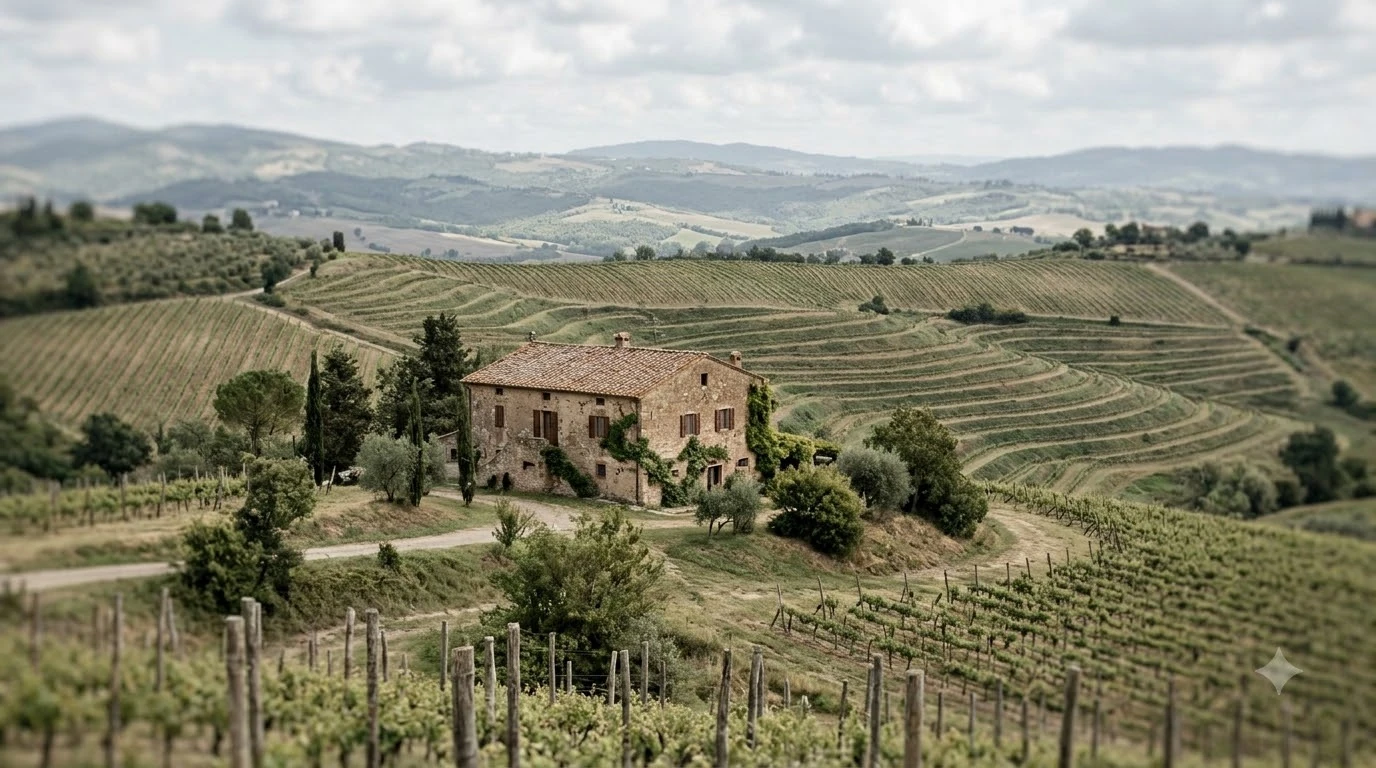
Bulgaria wine is a diverse, value-driven European wine category anchored by ancient indigenous grapes like Mavrud and Melnik alongside classic French varieties. Archaeological records trace winemaking in the Thracian Valley back roughly 7,000 years, making Bulgaria one of the oldest viticultural territories in the world. Today, the country pairs warm continental summers, cooling Black Sea breezes, and modern EU-era cellar investments to produce structured reds and crisp, aromatic whites.
For decades, most drinkers outside Eastern Europe knew little about what was happening inside Bulgarian vineyards, largely because the mid-twentieth century saw production dominated by a state-run monopoly exporting almost exclusively to the Soviet Union. Since joining the European Union in 2007 and privatizing estates, a new generation of independent winemakers has restored old-vine plantings and introduced precise cellar techniques that highlight the country’s distinct terroir across Wine Regions.
Overview
Bulgaria sits on the Balkan Peninsula between Romania, Serbia, North Macedonia, Greece, Turkey, and the Black Sea, occupying roughly the same latitude as Tuscany and Bordeaux. Despite being smaller in land area than New York State, it became the fourth-largest wine producer in the world during the 1970s and 1980s before undergoing a massive quality-focused overhaul in the twenty-first century.

When the socialist regime fell in 1989, land restitution fragmented vineyards and disrupted output through the 1990s. By the time Bulgaria entered the European Union in 2007, active vineyard area had shrunk to fewer than 50,000 hectares, forcing growers to replant with better clonal selections and modernize fermentation equipment. That contraction ultimately benefited drinkers: bulk co-op bottling gave way to boutique estates focused on low yields, native varietals, and terroir expression.
For regulatory purposes aligned with European Union wine law, Bulgaria classifies its quality wines under two primary Protected Geographical Indications (PGIs)—the Thracian Lowlands and the Danube Plain—alongside a handful of specific Protected Designations of Origin (PDOs) and five traditional viticultural zones. Across all of them, reviewers frequently note a hallmark combination of ripe, sun-drenched fruit and a persistent savory, mineral salinity.
Sub-regions
Bulgaria is divided into five distinct geographic wine regions—the Thracian Valley, the Struma River Valley, the Black Sea Coast, the Danube Plain, and the Rose Valley—each shaped by mountain barriers and maritime weather patterns. Understanding where a bottle originates is the fastest way to predict its weight, acidity, and grape composition.
The Thracian Valley (also labeled as the Thracian Lowlands) in central and southern Bulgaria is the country’s red-wine heartland. Centered around the historic city of Plovdiv and bordered by the Balkan Mountains to the north and the Rhodope Mountains to the south, this warm continental plain enjoys long, hot summers and fertile alluvial soils ideal for late-ripening red grapes. Further southwest near the Greek border, the narrow Struma River Valley channels warm Aegean air up through dramatic white sandstone formations around the town of Melnik, creating Mediterranean-influenced microclimates.
To the north, the Danube Plain stretches from the Balkan foothills to the Romanian border, pairing warm summers with genuinely cold winters on chalky limestone and loess soils. Along the eastern edge, the Black Sea Region runs from Varna down toward Turkey, where maritime breezes moderate summer heat and preserve bright natural acidity in white grapes. Finally, the central Rose Valley (Sub-Balkan region), famous globally for rose-oil distillation around Karlovo and Kazanlak, tucks high-elevation vineyards between mountain ranges to produce fragrant, cool-climate whites.
| Wine Region | Climate & Geography | Signature Grapes | Typical Wine Style |
|---|---|---|---|
| Thracian Valley | Warm continental plain framed by mountains | Mavrud, Rubin, Merlot, Syrah, Cabernet Sauvignon | Full-bodied, structured reds with dark fruit and spice |
| Struma River Valley | Warm, narrow valley with Aegean influence | Broad-Leaved Melnik, Melnik 55, Ruen | Rich, earthy reds with dried fruit, leather, and firm tannins |
| Danube Plain | Continental lowlands with hot summers and cold winters | Gamza, Cabernet Franc, Riesling, Chardonnay | Lighter-bodied spiced reds and crisp, mineral whites |
| Black Sea Coast | Maritime climate cooled by coastal breezes | Dimyat, Rkatsiteli, Sauvignon Blanc, Traminer | Aromatic, high-acid white wines with citrus and floral notes |
| Rose Valley | Elevated valleys between central mountain chains | Red Misket (Cherven Misket), Riesling, Muscat | Perfumed, herbal white wines with delicate blossom aromas |
Key grapes and styles
Bulgarian vineyards balance an array of ancient indigenous varieties and mid-century genetic crosses with established French grapes like Cabernet Sauvignon, Merlot, Syrah, and Cabernet Franc. According to Wine Folly’s guide to Bulgarian wine, local producers have increasingly championed native cultivars that deliver distinct savory profiles alongside international blends.
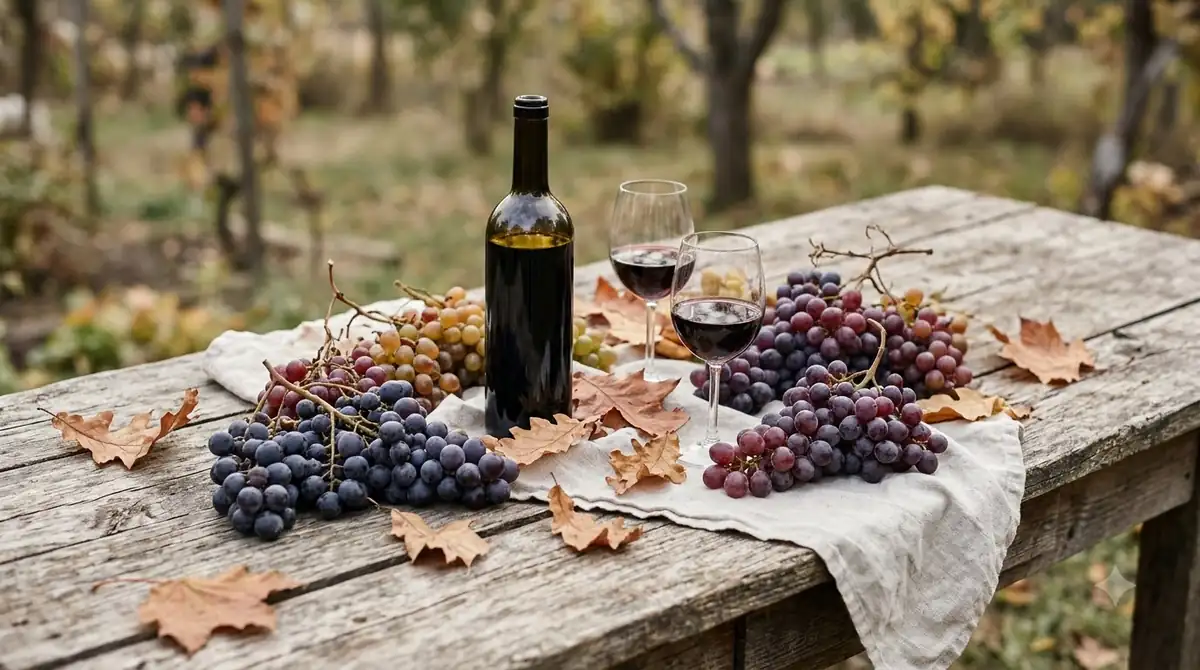
Among red grapes, Mavrud stands as Bulgaria’s flagship indigenous variety, thriving in the Thracian Valley around Asenovgrad. Thick-skinned and late-ripening, Mavrud yields deeply colored wines with grippy tannins, crushed black cherry, dried plum, black pepper, and dark chocolate notes. In the southwest, Broad-Leaved Melnik (Shiroka Melnishka Loza) and its earlier-ripening offspring Melnik 55—a cross between Broad-Leaved Melnik and French Valdiguié—produce medium- to full-bodied reds layered with pomegranate, dried violet, hibiscus, cocoa powder, and earthy mushroom tones.
Two other reds deserve special attention on bottle labels. Rubin, created in 1944 by crossing Nebbiolo and Syrah, combines vibrant berry fruit and a magenta-tinged rim with a structure reminiscent of lightly oaked Malbec. Meanwhile, northern Bulgaria specializes in Gamza (known elsewhere in the Balkans as Kadarka), which produces lighter, juicy reds accented by red berries and gentle spice. On the white side, Red Misket (Cherven Misket) uses pinkish-skinned grapes to craft aromatic white wines smelling of spring blossoms and honey, while Dimyat and Rkatsiteli deliver crisp orchard fruit and refreshing acidity.
Notable producers
Modern Bulgarian winemaking is led by a mix of historic estates founded in the nineteenth century and boutique, terroir-driven wineries established after 2000. International tasting panels at Decanter and Wine Enthusiast regularly highlight producers that pair native varieties with disciplined oak aging.
In the Thracian Valley, Bessa Valley Winery—founded in 2001 with Bordeaux-trained winemaking expertise—gained early international acclaim for blending Merlot, Syrah, and Petit Verdot alongside indigenous Mavrud. Nearby, Villa Yustina and Zagreus produce benchmark single-varietal Mavrud and Rubin bottlings, while Dragomir Winery and Minkov Brothers (established in 1875) bridge classic craftsmanship with modern cellar precision. Edoardo Miroglio, an Italian-backed estate located in the Thracian foothills near Nova Zagora, is also widely recognized for Pinot Noir, sparkling wines, and native blends.
In the Struma River Valley, Villa Melnik, Orbelus, Logodaj, and Damianitza Winery lead the revival of Melnik 55, Broad-Leaved Melnik, and Ruen, with several estates farming organically. Up in the Danube Plain, Borovitza and Odessos have earned strong critical marks for expressive Cabernet Franc, Gamza, and white Rhône blends.
Visiting tips
Planning a wine trip to Bulgaria is straightforward because major vineyard zones sit within easy driving distance of Sofia and Plovdiv. If you enjoy the intimate cellar-door culture of beaune wine tasting in France or small-town hospitality around augusta vineyards in Missouri, Bulgaria offers a similarly personal experience without heavy crowds.
Plovdiv, one of Europe’s oldest continuously inhabited cities, serves as the ideal base for exploring the Thracian Valley. Dozens of wineries sit within a 30- to 60-minute drive of the city center, and local wine bars in Plovdiv’s Kapana district pour flights of Mavrud, Rubin, and Red Misket by the glass. For a dramatic southern excursion, the town of Melnik lies roughly two and a half hours south of Sofia; visitors there can tour modern gravity-flow facilities like Villa Melnik as well as centuries-old family cellars tunneled directly into white sandstone cliffs.
The best months to visit are May through June and September through October, when daytime temperatures are comfortable and autumn harvest activity brings the vineyards to life. July and August frequently exceed 90 degrees Fahrenheit in the southern valleys, while winter brings snow to the northern plains. Because many boutique estates operate with small teams, booking tasting appointments at least a few days in advance is essential.
Tip: When shopping or tasting in Bulgaria, check the back label for the year of harvest and barrel-aging details—varieties like Melnik 55 and Mavrud soften dramatically after spending at least 12 months in oak.
How to buy
Finding Bulgarian wine in the United States requires looking beyond standard supermarket aisles toward independent wine shops, Eastern European specialty importers, and online merchants. Because total export volume remains relatively modest—historically around a fifth of national production—the bottles that reach American shelves tend to be carefully vetted selections from quality-focused estates.
Start by scanning labels for PGI designations such as Thracian Lowlands or Danube Plain, which verify regional origin under European Union standards. If you prefer bold, structured reds similar to Cabernet Sauvignon or aloxe corton wine in savory depth, reach for Mavrud or a Mavrud-Syrah blend. If you want something brighter and more floral, look for Melnik 55, Rubin, or an aromatic white made from Red Misket.
Serving temperature makes a noticeable difference with indigenous Bulgarian varieties. Serve structured reds like Mavrud and Melnik 55 slightly below room temperature—around 60 to 65 degrees Fahrenheit—and give young vintages 30 to 45 minutes in a decanter to open up their dark fruit and spice aromatics. Lighter reds like Gamza benefit from a brief 15-minute chill, while crisp Black Sea whites shine straight from the refrigerator.
Frequently Asked Questions
What does Bulgarian Mavrud wine taste like?
Mavrud is a full-bodied, deeply colored red wine known for firm tannins and vibrant acidity. It typically delivers concentrated flavors of crushed black cherry, dried plum, freshly ground black pepper, and dark cocoa, often supported by subtle earthy or herbal notes on the finish.
Is Bulgaria a good wine-producing country?
Yes, Bulgaria has roughly 7,000 years of winemaking history and has undergone a major quality renaissance since joining the European Union in 2007. Independent estates now earn regular medals at international competitions for both native grapes and classic Bordeaux varieties.
What is the difference between Broad-Leaved Melnik and Melnik 55?
Broad-Leaved Melnik (Shiroka Melnishka Loza) is an ancient, very late-ripening indigenous grape grown exclusively around the town of Melnik. Melnik 55, also called Early Melnik, is a twentieth-century cross between Broad-Leaved Melnik and French Valdiguié developed to ripen earlier while retaining signature notes of pomegranate, violet, and spice.
What food pairs best with Bulgaria wine?
Structured Bulgarian reds like Mavrud and Melnik 55 pair naturally with grilled lamb, roasted pork, aged sheep’s milk cheeses, and smoky eggplant dishes. Aromatic whites such as Red Misket and Dimyat complement fresh salads, herb-roasted poultry, grilled river fish, and mild Mediterranean mezze.
Whether you are exploring native grapes like Mavrud and Melnik 55 or comparing Thracian Valley Cabernet blends against Western European classics, Bulgaria wine rewards curious drinkers with distinctive character. Keep an eye on the Eastern European section at your local independent wine merchant to experience one of Europe’s oldest—and most dynamic—wine cultures firsthand.
More in Wine Regions
 Willcox Wine Trail: Discover Arizona’s High-Elevation Wine CountryUpdated Nov 20, 2026
 Yakima Valley Wine Region: Find the Best Styles to TryUpdated Nov 20, 2026
 Vosne Romanee Wine Tasting: Identify Aromas and Choose Better PairingsUpdated Nov 20, 2026
 Yakima Valley Wine Festival: Find the Best Seasonal Wine EventsUpdated Nov 20, 2026
 Wales Vineyards: Discover Cool-Climate Wines and Where to VisitUpdated Nov 20, 2026
 Yountville Wine Festival: Discover Napa Wines and Local FoodUpdated Nov 20, 2026