

We may earn a commission when you buy through links on this page, at no extra cost to you. Learn more.
Brazil wine tasting introduces you to a diverse selection of South American wines, especially the fresh traditional-method sparkling wines and expressive Merlot produced in Serra Gaúcha. Brazil’s wine industry extends beyond its famous southern vineyards, with emerging growing areas in São Paulo, Minas Gerais and the tropical Vale do São Francisco. Understanding the country’s principal regions, grape varieties and winemaking methods makes it easier to recognize the differences between Brazilian bottles and choose wines worth exploring.
Brazil might not be the first country that comes to mind when choosing a wine destination, but its wine culture offers plenty of reasons to pay attention. Italian immigration, varied growing conditions and decades of investment have helped create an industry with distinctive regional identities. Sparkling wines are particularly important, while still reds, aromatic whites and experimental wines from higher-altitude vineyards provide additional opportunities for discovery. Whether you are planning a winery visit or selecting a Brazilian bottle for dinner, knowing what each region does best gives your tasting a useful starting point.
Serra Gaúcha: The Heart of Brazilian Wine
Serra Gaúcha is the most important starting point for understanding Brazilian wine because it produces more than 80% of the country’s wine, according to Decanter. Its combination of humid conditions, mountainous terrain and Italian winemaking heritage explains why the region is particularly associated with sparkling wine, Merlot and Chardonnay.
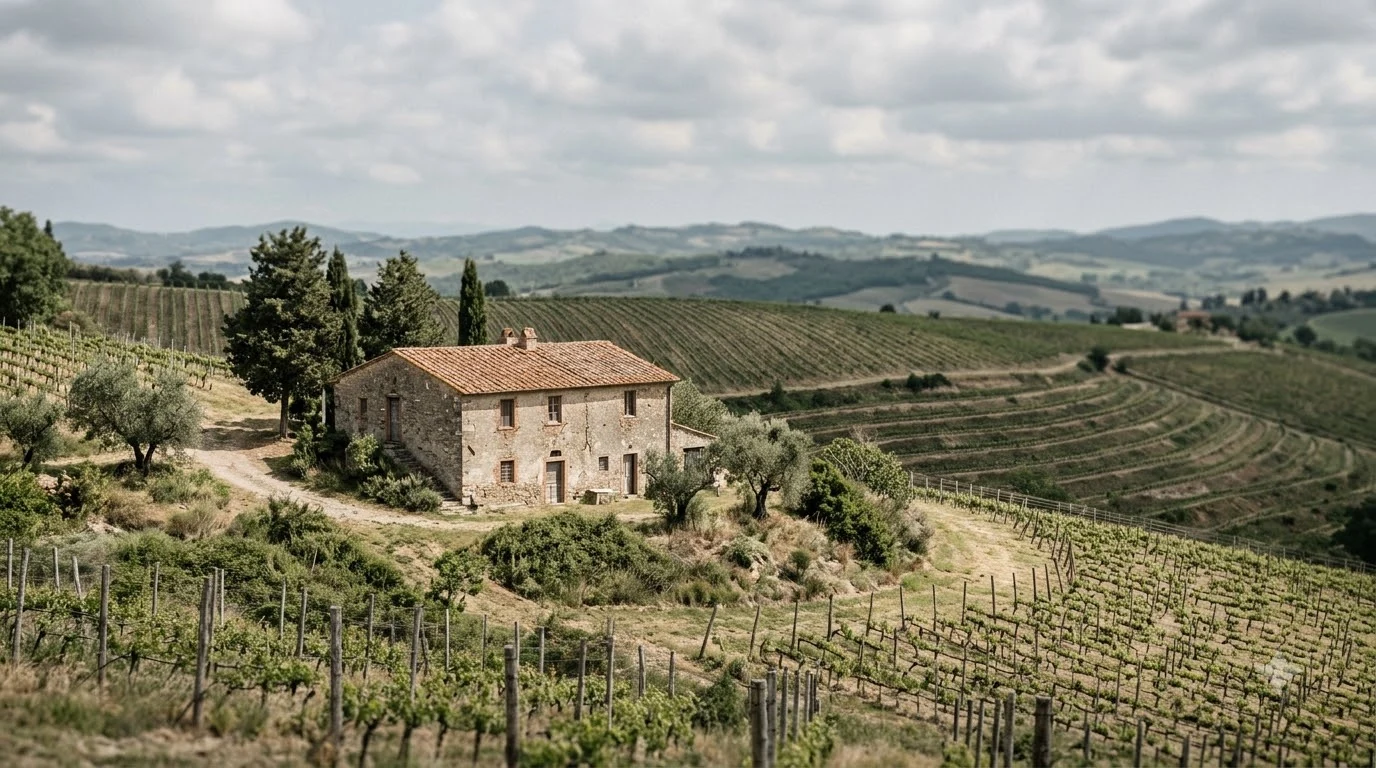
Located in Rio Grande do Sul in southern Brazil, Serra Gaúcha developed its modern wine identity through generations of Italian immigrant families. Italian settlers began arriving in the area in 1875, bringing grape-growing knowledge and a strong tradition of drinking wine with meals. Their influence remains visible in the region’s food, architecture, family wineries and approach to hospitality.
The landscape is considerably different from the dry vineyards commonly associated with Mendoza in Argentina or Chile’s Central Valley. Serra Gaúcha has rolling hills, clay soils over basalt and annual rainfall of approximately 1,700 millimeters. Vineyards generally occupy elevations between 300 and 850 meters, creating different growing conditions across slopes and valleys.
Rainfall is one of the region’s principal viticultural challenges. Wet conditions can increase disease pressure and complicate harvest decisions, so vineyard management plays an important role in determining grape quality. Traditional pergola training systems have been widely used, while modern vineyards also employ vertical shoot positioning to manage canopy growth and fruit exposure.
What to taste in Serra Gaúcha
Start with a traditional-method sparkling wine made from Chardonnay and Pinot Noir. These wines can show citrus, green apple, white flowers and delicate bread-like notes, depending on grape maturity and time spent aging on the lees. Their lively acidity makes them especially appealing alongside seafood and fried appetizers.
Next, compare a regional Merlot with a Cabernet Sauvignon. Merlot generally offers softer tannins, while Cabernet Sauvignon tends to provide firmer structure and more pronounced tannin. Brazilian examples can show red and dark fruit, herbal details and freshness rather than the heavy concentration associated with some warmer growing regions.
For white wine, Chardonnay and Riesling Italico offer useful contrasts. Chardonnay can range from fresh and citrus-driven to richer styles with oak influence. Riesling Italico, also known as Welschriesling, is a separate variety from the better-known Riesling and is important in regional sparkling wine production.
Several established producers to recognize include Miolo, Casa Valduga, Salton, Pizzato and Cave Geisse. Their presence illustrates the range of wine styles available from the region, from still wines to traditional-method sparkling bottlings.
Vale dos Vinhedos and Pinto Bandeira: Two Essential Wine Destinations
Vale dos Vinhedos and Pinto Bandeira are two particularly useful places to explore during a Brazilian wine trip. Both are associated with Serra Gaúcha, but their reputations differ: Vale dos Vinhedos is especially important for regional still wines, while Pinto Bandeira has developed a strong identity around sparkling wine.
Vale dos Vinhedos is situated near Bento Gonçalves, one of the principal centers of Brazilian wine tourism. The area is recognized through a Designation of Origin, providing a more specific geographical identity than the broader Serra Gaúcha designation. Its wine culture combines vineyards, cellar visits, regional restaurants and family-owned estates.
Merlot deserves particular attention during a Vale dos Vinhedos tasting. The grape is well adapted to the region and can produce wines with ripe cherry, plum, subtle spice and moderate tannins. Depending on the producer and winemaking approach, the wine may be fresh and approachable or more structured with oak maturation.
Chardonnay is another useful choice, particularly when comparing wines made in stainless steel with those fermented or matured in oak. A stainless-steel version may emphasize citrus, pear and freshness, while oak-influenced examples can develop creamier textures and notes of toast or vanilla.
Pinto Bandeira, meanwhile, is a particularly interesting destination for sparkling wine enthusiasts. Its elevated vineyards and volcanic soils help create conditions suitable for grapes that need to retain acidity. The area’s vineyards are generally located above 500 meters, and its grapes can be harvested up to 30 days later than those in lower-altitude parts of Bento Gonçalves, according to Brazil’s National Institute of Industrial Property.
Traditional-method sparkling wine
One of the best comparisons to make in Pinto Bandeira is between a Charmat-method sparkling wine and a traditional-method bottle. The traditional method involves a second fermentation inside the bottle, followed by aging on the lees. This can produce a finer mousse and additional aromas of bread, biscuit and pastry.
The Charmat method carries out the second fermentation in a pressurized tank. It generally emphasizes fresh fruit and floral aromas, making it particularly suitable for wines intended to be enjoyed young. Neither method is automatically superior; the grape variety, fermentation decisions and desired style all matter.
Familia Geisse is an important name to look for in Pinto Bandeira. Founder Mario Geisse devoted much of his career to Brazilian sparkling wine, helping establish the region’s reputation for traditional-method production. Chardonnay and Pinot Noir are particularly important varieties in this category.
The Altos de Pinto Bandeira Designation of Origin is another important development for Brazilian sparkling wine. Its production rules establish requirements for grape varieties and winemaking. Visitors can also explore the older Pinto Bandeira geographical indication, which covers traditional-method sparkling wines, still reds and whites, and Moscato sparkling wines.
The official Pinto Bandeira geographical indication specifications describe the permitted grapes and regional production characteristics. This is useful background when comparing protected regional bottlings with sparkling wines produced elsewhere in Brazil.
Brazil’s Other Wine Regions and Their Distinctive Styles
Brazilian wine production is not limited to Serra Gaúcha. Campanha, Serra do Sudeste, Campos de Cima da Serra and the Vale do São Francisco demonstrate how different climates and vineyard elevations can produce distinct styles within one country.
Campanha lies in southern Rio Grande do Sul, close to the Uruguayan border. Its more continental conditions include hot summers and cold winters, creating a different environment from the wetter Serra Gaúcha hills. Cabernet Sauvignon, Merlot and Tannat are among the red varieties worth exploring here.
Tannat is especially interesting because it has a strong regional connection to Uruguay. It generally produces wines with substantial tannin, dark fruit and a firm structure. Pairing it with grilled beef, lamb or other protein-rich foods can help balance its tannic character.
Serra do Sudeste is another important southern growing area. It receives less rainfall than other parts of Rio Grande do Sul, and vineyards typically sit between 200 and 500 meters above sea level. Granitic soils and relatively dry springs help distinguish the area from the humid vineyards farther north.
Campos de Cima da Serra offers a different altitude profile. Vineyards can reach approximately 800 to 1,100 meters above sea level, and cooler conditions help preserve acidity during grape development. Chardonnay, Sauvignon Blanc, Pinot Noir and Cabernet Sauvignon are among the varieties grown there.
The tropical Vale do São Francisco
The Vale do São Francisco is one of Brazil’s most unusual wine-producing areas. Located in northeastern Brazil, it demonstrates that grape production does not always have to follow the conventional European pattern of one harvest each year.
In this tropical environment, irrigation and vineyard management help control the vine’s growth and production cycle. Growers can schedule pruning and harvesting to obtain fruit at different times rather than depending entirely on a traditional winter dormancy and spring growth cycle.
The region produces sparkling wines as well as still whites, rosés and reds. Moscato varieties are important for aromatic sparkling wines, while Chenin Blanc, Sauvignon Blanc, Viognier, Tempranillo and Syrah contribute to other styles.
For visitors, the most interesting tasting exercise is to compare a tropical Brazilian wine with a bottle from the cooler southern vineyards. Look at acidity, fruit ripeness, alcohol level and overall texture. These differences demonstrate how climate affects the finished wine even when producers use familiar international grape varieties.
Brazil’s developing wine geography also includes projects in São Paulo, Minas Gerais, Paraná and other states. Higher-altitude vineyards in southeastern Brazil have attracted attention for varieties such as Syrah, Chardonnay and Sauvignon Blanc. For additional geographical context, explore our broader Wine Regions resource.
Brazilian Grapes and Wine Styles to Try
The easiest way to approach a Brazilian tasting is to sample several grape varieties rather than concentrating on one region or producer. Merlot, Chardonnay, Pinot Noir and Moscato provide a useful introduction, while Tannat, Cabernet Franc and Riesling Italico reveal more of the country’s regional diversity.
Brazil’s producers work with both internationally recognized European varieties and grapes suited to local conditions. The resulting wines range from structured reds to aromatic whites and refreshing sparkling wines. Understanding the main characteristics of each variety helps you identify what is in your glass.
Red grape varieties
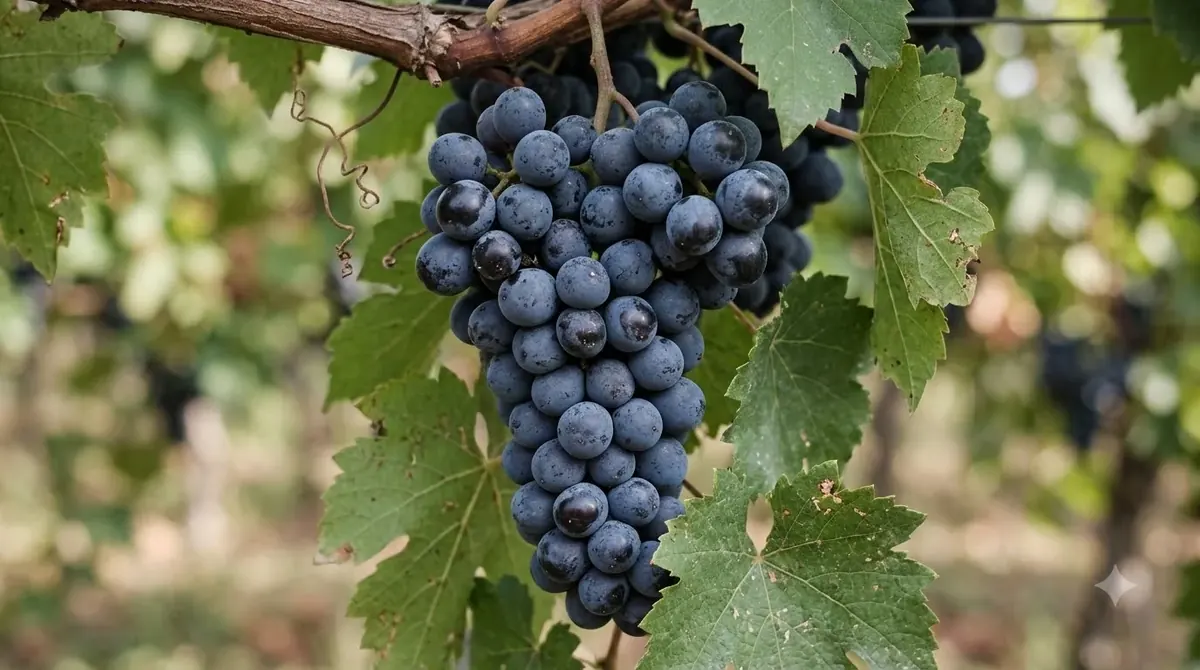
Merlot: Merlot is one of the most important red varieties in Serra Gaúcha and is particularly associated with Vale dos Vinhedos. Expect flavors such as cherry, plum and blackberry, sometimes accompanied by cocoa, herbs or oak-derived spice. Its medium tannins generally make it easier to approach than Cabernet Sauvignon.
Cabernet Sauvignon: Cabernet Sauvignon produces firmer, more structured reds with blackcurrant, dark cherry and herbal notes. Its high tannin level makes it a natural candidate for grilled meats and richer dishes. Brazilian examples can show a balance between ripe fruit and refreshing acidity.
Pinot Noir: Pinot Noir is particularly important for sparkling wine production but also appears as a still red wine. It typically offers red cherry, raspberry and subtle earthy aromas, with low-to-medium tannins and high acidity. Cooler vineyard sites are particularly useful for maintaining its freshness.
Tannat: Tannat is worth exploring in Campanha and other southern growing areas. It produces deeply colored wines with high tannin and dark-fruit flavors. Give it time to open in the glass, particularly if the wine is young and structurally powerful.
White grapes and sparkling varieties
Chardonnay: Chardonnay can produce sparkling base wines, crisp still whites and richer oak-influenced bottlings. Expect apple, lemon, pear and sometimes tropical fruit. Its medium acidity makes it versatile at the table.
Moscato: Moscato is particularly important for aromatic sparkling wine. Floral aromas, peach, orange blossom and fresh grape flavors are common. Depending on the production method and sweetness level, the wine can be gently sweet or noticeably dessert-like.
Glera: Glera is widely recognized internationally as the principal grape of Prosecco. It is also cultivated in Brazil, where it contributes to fresh sparkling wines with citrus and orchard-fruit characteristics.
Riesling Italico: This variety is different from traditional Riesling. It is used in Brazilian sparkling production and can contribute freshness and delicate fruit character. It is particularly useful to compare with Chardonnay in a tasting flight.
| Grape or style | Typical characteristics | Useful food pairing |
|---|---|---|
| Merlot | Medium tannins, red and dark fruit | Roast beef, pork and mushrooms |
| Cabernet Sauvignon | High tannins, blackcurrant and structure | Grilled steak and lamb |
| Pinot Noir | Low-medium tannins, high acidity | Roast chicken and salmon |
| Tannat | High tannins, dark fruit and spice | Grilled beef and aged cheese |
| Chardonnay | Medium acidity, apple and citrus | Roast chicken and seafood |
| Moscato | Aromatic, floral and often sweet | Fruit desserts and mild cheeses |
| Traditional-method sparkling | Fresh acidity, fine bubbles and possible brioche notes | Oysters, shrimp and fried appetizers |
For a structured tasting, choose five wines: one Brut sparkling wine, one Moscato sparkling wine, one Chardonnay, one Merlot and one Cabernet Sauvignon. Pour approximately 5 ounces per glass when serving a standard wine portion, although smaller 2-ounce tasting pours are more practical when comparing several bottles. A standard 750-milliliter bottle contains approximately five full 5-ounce servings.
Tip: Taste Brazilian sparkling wine before moving to still whites and reds. Within each group, begin with lighter and drier wines before progressing to fuller-bodied or sweeter examples. This sequence helps prevent a sweet Moscato or tannic Cabernet from dominating your perception of the following wines.
How to Plan a Brazilian Winery Visit and Tasting
A successful Brazilian winery visit begins with choosing a region that matches your wine interests. Bento Gonçalves and the surrounding Vale dos Vinhedos area are practical starting points for visitors who want to combine winery tours, restaurants and regional sightseeing. Pinto Bandeira is especially appealing if traditional-method sparkling wine is your main interest.
Start by selecting two or three wineries rather than trying to visit as many properties as possible in one day. A guided cellar tour, vineyard walk and seated tasting can take considerably longer than simply purchasing a glass at a tasting room. Allow sufficient time between appointments to enjoy the wines without rushing.
What to expect during a tasting
Many winery experiences combine a short introduction to local grape-growing conditions with an explanation of fermentation, aging and bottling. In a sparkling wine cellar, ask whether the bottle was produced using the traditional method or Charmat method. This simple question can help explain differences in aroma, texture and winemaking without needing technical knowledge.
For still wines, ask about grape varieties, vineyard altitude and the use of oak. A Merlot grown in Vale dos Vinhedos may offer a different profile from one produced in Campanha. Comparing the two is a practical way to understand how regional conditions influence the same grape.
It is also useful to ask about the producer’s approach to harvesting. Earlier harvesting can preserve acidity, especially for sparkling base wines. Later harvesting generally allows more sugar accumulation and can result in a fuller-bodied wine with riper fruit character.
A practical tasting schedule
For a first visit, consider the following sequence:
- Morning: Begin with a vineyard and cellar tour in Vale dos Vinhedos, followed by a tasting of Chardonnay and Merlot.
- Lunch: Enjoy regional food with a glass of local still wine. Choose a dish that allows you to compare the wine’s acidity and tannin with the food’s texture.
- Afternoon: Visit a sparkling wine producer in Pinto Bandeira and compare traditional-method and tank-method bottles.
- Evening: Have a relaxed dinner with a regional wine pairing, or save a second producer visit for another day.
Before booking, confirm whether the winery accepts walk-in visitors or requires advance reservations. Some smaller estates have limited tasting-room capacity, and guided experiences may be available only at specific times. If you do not speak Portuguese, ask whether an English-language tour can be arranged.
Wine tourism in other countries can provide useful comparisons. For example, Willcox wine tasting offers a different perspective on how regional growing conditions shape American wines, while Alsace wine tasting provides another opportunity to explore aromatic white varieties and regional food traditions.
Serving Temperatures, Food Pairings and Wine Storage
Serving temperature and food pairing can make a substantial difference when tasting Brazilian wine. Fresh sparkling wines generally show their acidity and fruit best when properly chilled, while structured reds need slightly warmer serving conditions to reveal their aromas and texture.
Use these standard serving temperatures as a starting point:
- Sparkling wines: 40–50°F.
- Light whites and rosés: 45–50°F.
- Full-bodied whites: 50–55°F.
- Light reds: 55–60°F.
- Full-bodied reds: 60–65°F.
- Sweet whites: 43–50°F.
A Brazilian Brut sparkling wine works particularly well with shrimp, oysters, fried fish and salty appetizers. Its acidity refreshes the palate between bites, while the bubbles help cut through richer textures. A sweeter Moscato can complement fruit-based desserts, provided the wine is at least as sweet as the dessert itself.
Merlot pairs naturally with roast pork, grilled chicken, mushrooms and moderately rich meat dishes. Its medium tannins and softer texture make it flexible with foods that might overpower a more powerful red. Cabernet Sauvignon is better suited to grilled steak, lamb and dishes with concentrated savory flavors.
Tannat needs a different approach because its high tannin can make delicate foods taste harsh. Serve it with grilled beef, roasted lamb or other substantial dishes. Salt and fat help soften the perception of tannin, making richer meat preparations particularly useful companions.
Acidity is another important consideration. A highly acidic dish generally works best with a wine that has equal or higher acidity. For example, a crisp Brazilian sparkling wine or Sauvignon Blanc can work well with citrus-dressed seafood, whereas a soft, low-acid wine may taste flat alongside a strongly acidic sauce.
Understanding sparkling wine sweetness
Brazilian sparkling wines appear in several sweetness categories. Brut Nature is among the driest styles, followed by Extra Brut and Brut. Extra Dry is actually sweeter than Brut, despite its name. Dry, Demi-Sec and Doux progressively move toward sweeter expressions.
When comparing two bottles, pay attention to the sweetness designation rather than assuming that all sparkling wine tastes the same. A Brut Nature is suitable for oysters and salty snacks, while a Demi-Sec or Doux can be a better match for sweet pastries and fruit desserts.
Prosecco-style Brazilian wines made from Glera generally use the Charmat method. Prosecco itself is commonly around 11–12% alcohol by volume, although individual bottles can vary. Brazilian sparkling wines can also use the traditional bottle-fermentation process, as seen in important producers from Pinto Bandeira.
Storage and preservation
Store unopened wine bottles on their sides when they have natural cork closures, in a cool location near 55°F with limited light and temperature fluctuations. Avoid leaving bottles in a hot kitchen or near a window, where repeated temperature changes can damage the wine.
Once opened, sparkling wine generally remains enjoyable for approximately one to three days in the refrigerator when properly sealed. Still wines usually keep for three to five days under refrigeration, depending on the wine and storage conditions. Fortified wines can last several weeks after opening, while bag-in-box wines commonly remain usable for four to six weeks.
Young, full-bodied Brazilian reds may benefit from 30–60 minutes of decanting before serving. This can help soften their initial impression and allow their aromas to develop. Lighter Pinot Noir and fresh sparkling wines generally do not need this treatment.
If you are organizing a tasting flight, prepare the glasses, serving temperatures and food pairings before opening the bottles. These small details make it easier to compare the differences between regional styles and avoid unnecessary waste.
Frequently Asked Questions
Is Brazilian wine exported to the United States?
Yes. Brazilian producers export wine and sparkling wine to international markets, including the United States. Miolo and Casa Valduga are among the producers identified in international wine coverage as having an export presence. Availability varies by importer and retailer, so the selection can differ considerably between states.
What does DO mean on a Brazilian wine label?
DO stands for Denominação de Origem, the Portuguese term for Designation of Origin. It identifies a geographically defined production area with specific rules governing the wines associated with it. Brazilian geographical indications also include the IP category, or Indicação de Procedência, which identifies wines connected to a recognized production area.
Are Brazilian wines suitable for a wine cellar?
Some Brazilian wines are made for extended aging, particularly structured reds and traditional-method sparkling wines from established producers. However, many fresh whites, Moscato wines and fruit-forward sparkling bottlings are intended for relatively early consumption. Follow the producer’s recommended drinking window rather than assuming every premium Brazilian bottle will improve with long-term storage.
What language is commonly used on Brazilian wine labels?
Portuguese is the principal language used on domestic Brazilian wine labels. Useful terms include vinho tinto for red wine, vinho branco for white wine, espumante for sparkling wine and seco for dry. The term suave is commonly associated with a sweeter wine style, making it helpful for visitors comparing bottles in local shops.
When does the grape harvest take place in southern Brazil?
The traditional harvest period in southern Brazil generally takes place during the Southern Hemisphere summer, particularly from January into March, depending on grape variety, vineyard conditions and the producer’s decisions. This timing is opposite to the main harvest season in the Northern Hemisphere. Tropical vineyards in the Vale do São Francisco can operate on a different production schedule because growers manage the vine’s cycle through pruning and irrigation.
Brazilian wine offers much more than an unexpected alternative to Argentina and Chile. From the sparkling wine specialists of Pinto Bandeira to the Merlot vineyards of Vale dos Vinhedos and the distinctive tropical vineyards of the Vale do São Francisco, its regional diversity makes every tasting an opportunity to discover something different. Begin with a traditional-method sparkling wine, add a regional Merlot and Chardonnay, and then explore the country’s emerging wine regions to develop a broader appreciation of Brazilian wine.
More in Wine Regions
 Willcox Wine Trail: Discover Arizona’s High-Elevation Wine CountryUpdated Nov 20, 2026
 Yakima Valley Wine Region: Find the Best Styles to TryUpdated Nov 20, 2026
 Vosne Romanee Wine Tasting: Identify Aromas and Choose Better PairingsUpdated Nov 20, 2026
 Yakima Valley Wine Festival: Find the Best Seasonal Wine EventsUpdated Nov 20, 2026
 Wales Vineyards: Discover Cool-Climate Wines and Where to VisitUpdated Nov 20, 2026
 Yountville Wine Festival: Discover Napa Wines and Local FoodUpdated Nov 20, 2026