


We may earn a commission when you buy through links on this page, at no extra cost to you. Learn more.
Asti wine grapes are primarily Moscato Bianco, an aromatic white grape grown in Piedmont, northwestern Italy, and used to produce Asti Spumante and Moscato d’Asti. Known for floral aromas, ripe peach, apricot, citrus, and naturally expressive fruit character, Moscato Bianco produces wines that range from gently sparkling and sweet to fully sparkling. Asti Rosé is another expression of the denomination, combining Moscato Bianco with Brachetto. Understanding these grapes makes it easier to recognize the differences between Asti wines and choose a bottle that suits your preferred sweetness, bubbles, and occasion.
Asti is one of Italy’s best-known aromatic wine styles, but its identity comes from more than sweetness and sparkling wine production. The grape variety, the rolling vineyards of southern Piedmont, and the winemaking decisions made after harvest all contribute to its recognizable personality. Although Moscato is grown in many countries, Moscato Bianco from the Asti area has a distinctive regional identity. Here is what to know about the grapes, their growing conditions, the wines they produce, and how to enjoy them.
Moscato Bianco Is the Main Grape Behind Asti Wines
Moscato Bianco is the defining grape of the Asti DOCG denomination. Its naturally intense perfume, fresh acidity, and ability to retain appealing fruit character make it particularly suitable for sweet and sparkling wines. The grape is also known as White Muscat and is associated with the wider Muscat family.
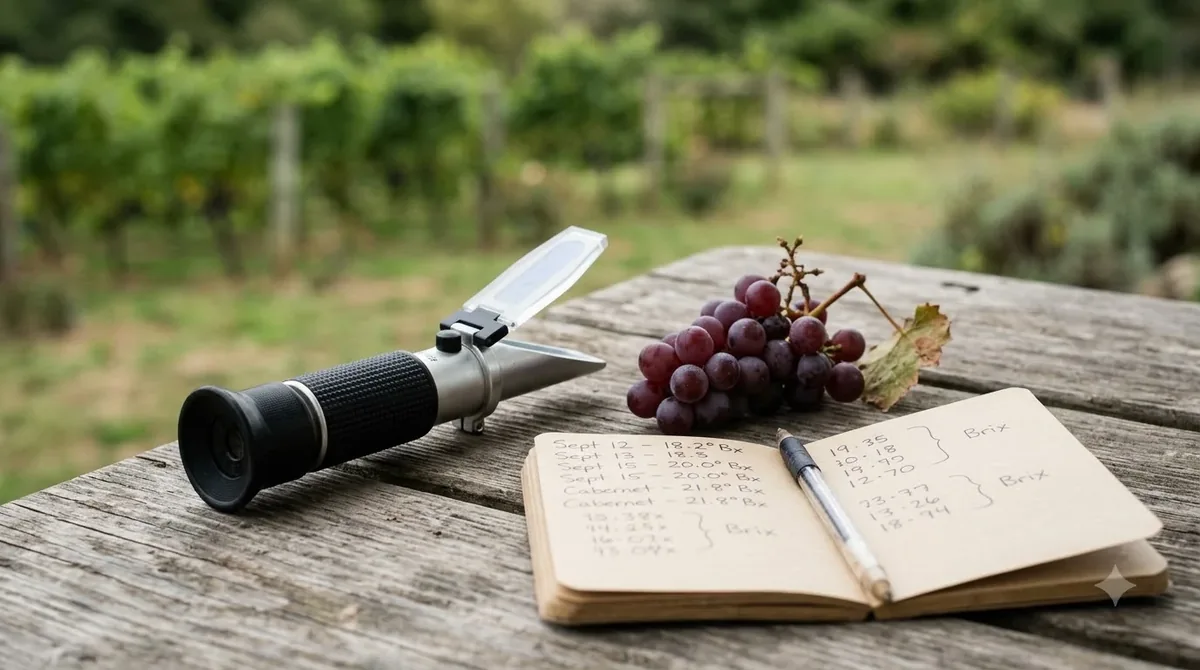
The Asti DOCG Consortium identifies Moscato Bianco as the variety behind Asti Spumante and Moscato d’Asti. Its aromatic profile includes wisteria, lime blossom, peach, apricot, lemon, and orange blossom. These are not artificial flavor additions; they are characteristic aromatic impressions associated with the grape itself and its fermentation.
One important distinction is that Moscato Bianco is a grape variety, whereas Asti is a protected wine designation. A wine made from Moscato grapes elsewhere in Italy or another country does not automatically qualify as Asti DOCG. The designation connects the grape to a defined production area and a regulated set of winemaking requirements.
The European Union product specification identifies Moscato Bianco B. and Moscato as names associated with the Asti grape variety. Although Muscat grapes are cultivated across numerous wine regions, their expression depends on growing conditions, vineyard management, ripeness, and production techniques.
In the Asti area, the goal is to preserve the grape’s distinctive perfume while maintaining enough freshness to balance its natural sweetness. This combination explains why the wines can taste sweet without necessarily feeling heavy. Floral and citrus notes provide lift, while gentle acidity helps keep the fruit character lively.
For anyone exploring Italian aromatic whites, Asti provides a useful starting point. The region offers several interpretations of the same central grape, making it possible to compare different levels of carbonation, sweetness, and alcohol while recognizing a common aromatic foundation. Readers interested in how grape varieties influence wine styles can also explore our overview of Wine Regions.
The Piedmont Growing Area Shapes Moscato Bianco
Asti wine grapes come from a designated growing area in southern Piedmont, encompassing municipalities in the provinces of Asti, Alessandria, and Cuneo. The landscape is characterized by vineyard-covered hills and a long history of cultivating aromatic white grapes. The regional setting is an important part of the wine’s identity.
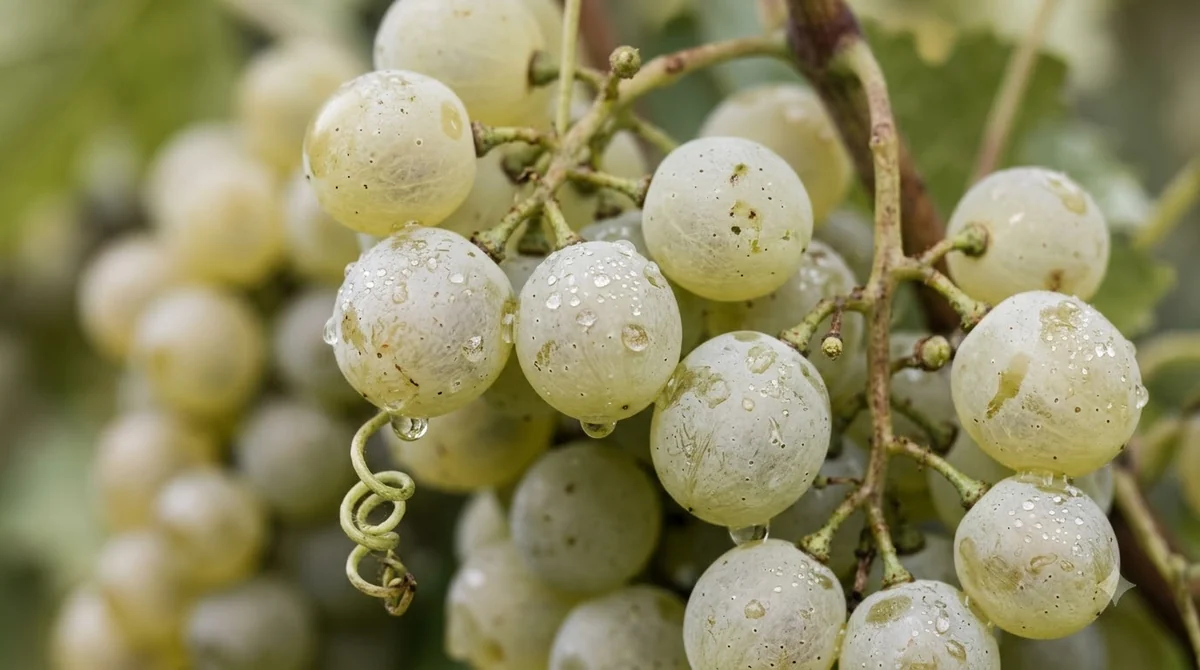
According to the Piedmont regional agricultural authority, Asti wine production has historical associations with the Monferrato and Langhe areas dating back to approximately 1200. These landscapes are closely connected with the region’s broader wine culture, which also includes internationally recognized varieties and traditional local grapes.
The Asti DOCG area is not limited to the city of Asti itself. Its production boundaries extend into surrounding municipalities, including places in Alessandria and Cuneo. Canelli, Castiglione Tinella, Strevi, and Santo Stefano Belbo are among the place names associated with the broader territory.
This geographic distinction matters because the designation is based on regulated origin rather than simply the name of the nearest city. A vineyard must fall within the appropriate demarcated area and satisfy the applicable production requirements for its grapes to qualify for the denomination.
The landscape also contributes to the way growers approach vineyard management. Hillside sites offer variations in elevation, slope, sunlight exposure, and soil composition. These differences influence how quickly grapes ripen and how growers manage freshness and aromatic development.
Moscato Bianco needs careful attention to harvest timing. Picking too early can leave the fruit without sufficient aromatic development, while excessive ripeness can reduce freshness and change the balance of the finished wine. Growers therefore work to identify the appropriate harvest window for the desired style.
The EU product specification recognizes the relationship between the territory, its morphology, its chemical composition, local climate, and the cultivation skills developed by Piedmontese growers. It describes differences between northern and southern vineyard areas around Canelli, including variations in altitude, slope, and soil composition. These conditions help explain why wines from different parts of the denomination can show variations in ripeness, acidity, and aromatic finesse. For further detail, the European Union’s Asti product specification documents the protected production area and its relationship with the environment.
The wider Piedmont region also produces many other wine styles, so Asti is only one part of its agricultural identity. For readers comparing wine-growing areas outside Italy, our article about Texas wine grapes provides a useful contrast in climate, grape selection, and regional wine production.
Flavor and Aroma Characteristics of Moscato Bianco
Moscato Bianco is prized for its expressive aromatics rather than for heavy body or pronounced tannin. Typical Asti wines feature floral notes, fresh stone fruit, citrus, and a recognizable musky grape character. Their sweetness is generally balanced by acidity and, in sparkling examples, lively carbonation.
Floral aromas are among the easiest characteristics to recognize. Wisteria, acacia, lime blossom, elderflower, and orange blossom are common descriptions associated with Moscato Bianco. These aromas give the wines a fragrant character that can be noticeable even before the first sip.
Fruit aromas provide another layer. Peach and apricot are especially characteristic, often accompanied by ripe citrus, lemon, and bergamot. Depending on the wine’s sweetness and fermentation style, the fruit can seem fresh and crisp or more reminiscent of ripe orchard fruit.
Sage and other subtle herbal impressions can also appear. These notes add complexity and prevent the wines from seeming like simple sweet fruit beverages. Some examples show honey-like suggestions, particularly when sweetness is more pronounced.
Although Moscato Bianco is aromatic, it does not produce a heavy red-wine structure. It is a white grape without the tannin profile associated with varieties such as Cabernet Sauvignon or Syrah. Its appeal comes from fragrance, fruit, acidity, and sweetness rather than astringency.
How sweetness and acidity work together
Sweetness is a central feature of traditional Asti wines, but acidity is equally important. Without enough freshness, a sweet wine can taste flat or overly sugary. Moscato Bianco’s natural acidity helps balance its residual sugar and keeps its fruit character lively.
Carbonation can reinforce that refreshing impression. The bubbles in Asti Spumante create a more energetic texture, while Moscato d’Asti generally offers a gentler sensation. Both styles can express similar floral and fruit aromas despite their differences in pressure and fermentation.
Color is usually pale straw yellow, although some wines show more golden reflections. The exact shade varies with production choices and wine development. The aroma and overall balance are more useful indicators of the grape’s identity than color alone.
When tasting Moscato Bianco, begin by noticing the floral aromas, then look for peach, apricot, and citrus. Pay attention to how sweetness develops on the palate and how acidity and bubbles affect the finish. These details make it easier to recognize the grape across different Asti styles.
Asti Spumante and Moscato d’Asti Show Different Expressions
Asti Spumante and Moscato d’Asti share Moscato Bianco as their principal grape, but they are not interchangeable wine styles. Asti Spumante is a fully sparkling wine, while Moscato d’Asti is generally gently sparkling, with a lower level of carbonation and a lighter alcoholic strength.
The most important production distinction is how fermentation and carbonation are managed. Asti Spumante undergoes fermentation designed to produce a persistent sparkling texture. Moscato d’Asti is made by controlling fermentation and retaining a portion of the grape’s natural sugar, resulting in a sweeter, lower-alcohol wine with gentler bubbles.
According to the Asti DOCG Consortium, Moscato d’Asti fermentation is interrupted at approximately 5% alcohol by volume. The wine retains residual sugar and its characteristic fresh, aromatic personality. This production approach helps preserve the grape’s recognizable perfume.
Asti Spumante generally provides more persistent foam and a stronger sparkling sensation. Its sweetness can vary according to the designation and style, with examples ranging from very dry to sweet. Moscato d’Asti is traditionally sweet, aromatic, and lightly sparkling, although individual bottlings can vary in their exact balance.
Comparing the main Asti wine styles
| Wine style | Main grape | Minimum total alcohol | Typical character |
|---|---|---|---|
| Asti Spumante | Moscato Bianco | 11.5% ABV | Fully sparkling, aromatic, balanced |
| Moscato d’Asti | Moscato Bianco | 11% ABV | Sweet, gently sparkling, low alcohol |
| Asti Metodo Classico | Moscato Bianco | 12% ABV | Traditional-method sparkling wine |
| Moscato d’Asti Vendemmia Tardiva | Moscato Bianco | 14% ABV | Concentrated late-harvest sweetness |
| Asti Rosé | Moscato Bianco and Brachetto | 11.5% ABV | Floral, fruit-driven sparkling rosé |
The alcohol figures in this comparison are minimum total alcoholic strengths from the relevant EU product specification, not necessarily the alcohol printed as the finished wine’s actual strength. This distinction is particularly important for Moscato d’Asti, whose minimum total alcoholic strength is 11%, while its actual alcoholic strength falls between 4.5% and 6.5%.
Asti Spumante has a minimum total alcoholic strength of 11.5%, including at least 6% actual alcohol. The traditional-method version has a minimum total alcoholic strength of 12%, including at least 6% actual alcohol. These regulatory figures explain why the different styles should not be treated as identical simply because they use the same grape.
The late-harvest category, Vendemmia Tardiva, is a particularly distinctive expression. Its grapes are harvested for a more concentrated sweet-wine style, producing richer aromas associated with dried or raisined fruit, spice, and honeycomb. The EU specification establishes a lower maximum yield of 6,000 kilograms per hectare for this category, compared with 10,000 kilograms per hectare for standard Asti and Moscato d’Asti.
Tip: If you want gentle bubbles, pronounced sweetness, and relatively low actual alcohol, start with Moscato d’Asti. Choose Asti Spumante when you prefer a more persistent sparkling texture, and look for Vendemmia Tardiva when you want a more concentrated late-harvest expression.
For readers interested in visiting the producers behind these styles, our guide to Asti wineries offers another way to explore the region and its wine-making traditions.
Brachetto Adds a Second Grape to Asti Rosé
Although Moscato Bianco defines the traditional white wines of Asti, the denomination also includes a rosé expression. Asti Rosé combines Moscato Bianco with Brachetto, a red grape associated with Piedmont. This blend introduces a different aromatic direction while retaining the floral character associated with the Asti region.
The European Union product specification recognizes both Moscato Bianco and Brachetto as grape varieties used in the Asti designation. The approved Asti Rosé category has its own production requirements, including a maximum grape yield of 10,000 kilograms per hectare.
Brachetto contributes red-fruit character and additional aromatic complexity. Depending on the wine, descriptions may include fresh berries and floral impressions. Its role is different from that of Moscato Bianco, which contributes the recognizable Muscat perfume, fruit, and freshness.
The combination demonstrates that Asti is not limited to one color or one exact flavor profile. Its white styles emphasize Moscato Bianco alone, while the rosé style introduces a red variety under a regulated blending arrangement.
It is important not to confuse Asti Rosé with a generic pink Moscato wine. A wine must satisfy the relevant production and geographical requirements to carry the protected Asti designation. A pink wine made with Moscato and another grape outside the denomination is not automatically Asti DOCG.
Rosé production also provides a useful comparison when learning how grape varieties affect a finished wine. Moscato Bianco contributes floral and citrus-driven aromas, while Brachetto introduces a different fruit dimension. Their combination creates a wine that differs from both traditional Asti Spumante and Moscato d’Asti.
For drinkers who enjoy aromatic wines but want something different from a conventional sweet white, Asti Rosé offers another interpretation of the region’s grape-growing tradition. Its bubbles and fruit character make it suitable for informal celebrations, appetizers, and fruit-based desserts.
Vineyard Yields and Winemaking Preserve the Grape’s Aromatics
Growing and processing Moscato Bianco requires attention to aromatic freshness. The grape’s most appealing qualities are its perfume, fruit character, and natural balance, so harvesting and fermentation decisions are particularly important. Asti’s production rules also establish yield limits and analytical requirements that help define the wines.
The EU product specification sets a maximum yield of 10,000 kilograms of grapes per hectare for standard Asti and Moscato d’Asti. The late-harvest Vendemmia Tardiva category has a lower maximum of 6,000 kilograms per hectare. These limits distinguish the production requirements of the different styles.
Harvest timing influences the balance between sugar accumulation and acidity. Growers monitor grape development so that fruit can reach the aromatic maturity required for the intended wine. This is especially important for Moscato Bianco because its floral and musky characteristics are central to its identity.
Once the grapes reach the winery, temperature management and fermentation control help preserve their distinctive aromas. The winemaker must decide how much fermentation to allow and how to achieve the desired carbonation. Those decisions have a direct effect on the sweetness, alcohol, and texture of the final wine.
Tank fermentation and sparkling production
The tank method, also known as the Martinotti or Charmat method, is closely associated with modern Asti sparkling wine production. Fermentation takes place in pressurized tanks, where carbon dioxide is retained and incorporated into the wine. This approach is particularly suitable for aromatic grapes because it can preserve fresh fruit and floral characteristics.
The EU product specification describes the development of the Charmat method in Piedmont, noting that it had been refined by 1895. Its adoption helped establish the area’s reputation for sparkling Moscato-based wines.
Traditional-method Asti follows a different sparkling production approach. The secondary fermentation takes place in the bottle, creating a different production process and potentially a different textural expression. This is an important distinction for wine drinkers who want to understand why sparkling wines made from the same grape can taste and feel different.
Moscato d’Asti uses controlled fermentation to retain natural grape sweetness and achieve its characteristic lower actual alcohol. Temperature control and careful stabilization help preserve the wine’s aromas during production and storage.
These methods do not change the underlying grape variety. Instead, they demonstrate how a winemaker can produce different wines from the same fruit by adjusting fermentation, carbonation, and residual sugar.
For Asti, the result is a range of wines that can be compared by sweetness, bubbles, alcohol, and aromatic intensity. The grape provides the recognizable foundation, while the production method determines much of the final style.
Food Pairings and Serving Temperatures for Asti Wines
Asti wines pair particularly well with desserts, fruit dishes, and foods that complement their floral aromas and natural sweetness. The most important pairing principle is to choose a food that does not make the wine seem excessively acidic or dry. Matching sweetness levels is especially useful when serving Moscato d’Asti with dessert.
Fresh fruit desserts are natural partners for Moscato Bianco. Peach tart, apricot pastries, citrus cakes, and fruit-based sponge desserts echo the grape’s aromatic profile. Hazelnut cake is another traditional Piedmontese pairing, connecting the wine to the regional food culture.
For a more classic dessert pairing, consider almond biscuits, shortbread, fruit tarts, or lightly sweetened pastries. The wine’s fragrance complements the pastry aromas, while its acidity helps balance the richness of butter and cream.
Cheese can also work well. Fresh, creamy cheeses and mildly salty varieties provide a contrast to the wine’s sweetness. Avoid pairing a delicate Moscato d’Asti with extremely strong or bitter foods that overpower its aromatic character.
Spicy dishes are another interesting option. The sweetness of Moscato d’Asti can soften the perception of chili heat, making it a useful match for some spicy cuisines. However, wines with higher alcohol and tannin can intensify the sensation of heat, so the relatively low actual alcohol of many Moscato d’Asti bottlings can be advantageous.
Recommended serving temperatures
Temperature has a noticeable effect on sweetness, fragrance, and carbonation. Serving sparkling wine cold helps preserve its freshness and lively bubbles. Moscato d’Asti also benefits from chilling, although serving it excessively cold can make its floral aromas less expressive.
Use the following temperatures as practical starting points:
- Asti Spumante: 40-50 F for a refreshing sparkling presentation.
- Moscato d’Asti: 43-50 F to balance sweetness and aromatic expression.
- Asti Rosé: 45-50 F to retain its fresh fruit character.
- Late-harvest Moscato: 43-50 F as a starting point for its concentrated sweetness.
Use a tulip-shaped glass or a white wine glass when you want to appreciate the wine’s aromas. A traditional flute emphasizes the bubbles, but its narrower opening can make floral and fruit aromas less accessible.
For a standard tasting pour, serve approximately 5 ounces. A 750-milliliter bottle contains roughly five such servings. Keep an opened sparkling bottle refrigerated and use a suitable sparkling-wine stopper to help preserve its carbonation.
Pairing should account for the sweetness of both wine and food. A very sweet dessert can make a moderately sweet wine taste less expressive, so select a wine that is at least as sweet as the dish. With Moscato d’Asti, a ripe peach tart, almond pastry, or fruit cake can provide an especially satisfying combination.
The regional tourism authority also recommends Asti with hazelnut cake and traditional maize biscuits. Its Asti DOCG regional wine and pairing information provides additional context about the grape variety, production territory, and local serving traditions.
Frequently Asked Questions
Are Moscato Bianco and Muscat Blanc the same grape?
Moscato Bianco is closely associated with Muscat Blanc, also known as Muscat Blanc à Petits Grains in French. The variety belongs to the extensive Muscat grape family, which includes numerous related cultivars and regional selections. The names can vary between countries and wine regulations, so the specific designation matters when identifying a wine.
Are Asti grapes used to make still wine?
Yes. Moscato Bianco can be used to produce still wines as well as sparkling and lightly sparkling expressions. The Asti production tradition is especially associated with sparkling styles, but the grape itself is not limited to sparkling winemaking. Fermentation choices determine whether the resulting wine retains carbonation.
Can Moscato Bianco grapes be dried for winemaking?
Yes. Moscato grapes are suitable for drying, and concentrated fruit can be used in sweet wine production. The Asti denomination includes a late-harvest Vendemmia Tardiva category, which has specific production requirements. Its concentrated raisined-fruit and honeycomb-like characteristics distinguish it from standard Moscato d’Asti.
What does the DOCG designation mean on an Asti bottle?
DOCG stands for Denominazione di Origine Controllata e Garantita, Italy’s controlled and guaranteed designation of origin. It indicates that the wine must meet defined geographical, production, and quality requirements. Asti received DOCG recognition in 1993, and the designation provides a regulated framework for identifying authentic regional wines.
Is Moscato Bianco genetically related to other Muscat grapes?
Yes. Moscato Bianco belongs to the Muscat family, a group of grape varieties with a long history of cultivation across Europe and beyond. Different Muscat varieties have developed distinct names and regional identities, even when they share recognizable aromatic characteristics. Their relationship helps explain why floral, grapey aromas appear in Muscat wines from many different countries.
Asti’s identity begins with Moscato Bianco, but its wines demonstrate how geography, grape growing, and fermentation create several distinct expressions from one aromatic variety. Whether you prefer the persistent bubbles of Asti Spumante, the gentle sweetness of Moscato d’Asti, or the fruit-driven character of Asti Rosé, understanding the grapes makes choosing a bottle much easier. Start with Moscato Bianco, explore the different production styles, and enjoy the distinctive floral character that has made Asti one of Piedmont’s best-known wine traditions.
More in Wine Regions
 Willcox Wine Trail: Discover Arizona’s High-Elevation Wine CountryUpdated Nov 20, 2026
 Yakima Valley Wine Region: Find the Best Styles to TryUpdated Nov 20, 2026
 Vosne Romanee Wine Tasting: Identify Aromas and Choose Better PairingsUpdated Nov 20, 2026
 Yakima Valley Wine Festival: Find the Best Seasonal Wine EventsUpdated Nov 20, 2026
 Wales Vineyards: Discover Cool-Climate Wines and Where to VisitUpdated Nov 20, 2026
 Yountville Wine Festival: Discover Napa Wines and Local FoodUpdated Nov 20, 2026