


We may earn a commission when you buy through links on this page, at no extra cost to you. Learn more.
The augusta wine festival is a fall wine celebration in Augusta, Georgia, where visitors can explore wine varieties, enjoy local food, experience live entertainment and connect with fellow wine enthusiasts. Known as the Augusta Fall Wine Festival, this event brings together wine lovers for a social afternoon centered on tasting and discovery. Its activities and participating wineries can change between editions, making advance event confirmation an important part of planning. Whether you are new to wine or already familiar with different grapes and regions, the festival offers an opportunity to explore Augusta’s wine culture.
Augusta has more to offer wine enthusiasts than a single seasonal gathering. The city’s restaurants, wine bars and downtown dining establishments provide opportunities to continue exploring wine before or after a festival visit. Understanding the event’s location, format, wine selection and practical arrangements can help visitors make the most of their time in Georgia’s Central Savannah River Area.
What Makes the Augusta Fall Wine Festival Special?
The Augusta Fall Wine Festival combines wine discovery with a community-focused social atmosphere. Its appeal comes from the opportunity to explore different wines while enjoying food, entertainment and conversations with other attendees.
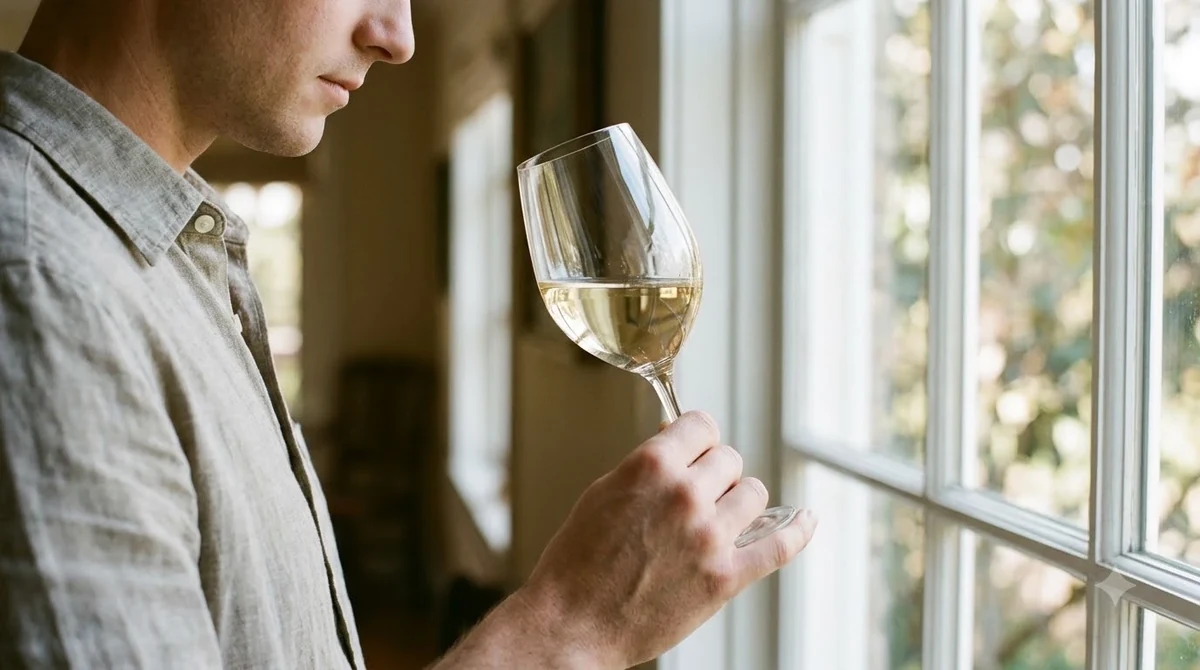
According to Visit Augusta, the annual fall gathering brings wine enthusiasts together to sample an extensive selection of wines. Visitors can encounter different grape varieties and wine regions, making the festival interesting for people with different levels of wine knowledge. Instead of concentrating exclusively on formal wine education, the event combines tasting opportunities with entertainment and a relaxed festival atmosphere.
One of the distinguishing features is its mix of activities. Visit Augusta identifies live entertainment, local food vendors and a cigar lounge among the experiences associated with the event. These elements give attendees alternatives between tastings and create an environment suited to groups of friends, couples and individual wine enthusiasts.
The festival also provides an opportunity to learn about wine through comparison. Sampling a crisp Sauvignon Blanc alongside a richer Chardonnay, for example, can demonstrate how grape variety, climate and winemaking influence aroma, acidity and texture. Comparing Cabernet Sauvignon with Pinot Noir can reveal differences in tannin, body and fruit character.
Its seasonal character is another attraction. Fall is an appealing time to organize a wine-focused outing in Augusta, particularly for visitors interested in combining an afternoon event with dinner downtown. The event also creates an opportunity to support local vendors and participate in a community gathering.
Festival Dates, Location and Event Planning
The Augusta Fall Wine Festival has been associated with the fall season, with Augusta Common serving as a documented venue. Because dates, schedules and participating organizations can change, visitors should distinguish historical event information from confirmed details for a particular edition.
A 2025 event listing records the festival at Augusta Common on October 5, from 2:30 p.m. until 7 p.m. A separate listing advertises an October 10, 2026, gathering beginning at 3 p.m. Both listings identify Augusta Common as the venue, but the listings should not be treated as a substitute for direct confirmation from the event organizer.
Augusta Common is at 836 Reynolds Street, Augusta, Georgia 30901. Its downtown location makes it a useful starting point for an afternoon or evening that includes wine, dining and other city attractions. Visitors coming from outside Augusta should plan transportation and accommodation around the confirmed event schedule rather than relying on an older listing.
The following details provide a useful planning reference:
| Planning detail | Available information |
|---|---|
| Festival name | Augusta Ga’s Fall Wine Festival |
| Typical season | Fall |
| Documented venue | Augusta Common |
| Street address | 836 Reynolds Street |
| City | Augusta, Georgia |
| 2025 listed date | October 5, 2025 |
| 2025 listed hours | 2:30 p.m.–7 p.m. |
| Separately advertised 2026 date | October 10, 2026 |
| Advertised 2026 start | 3 p.m. |
| Minimum legal drinking age | 21 years |
The 2025 information comes from an event listing, while the 2026 date and start time appear in a separate third-party event announcement. These are useful historical and planning references, not a guarantee that every advertised detail will remain unchanged.
Before traveling, confirm the current event date, opening time, admission arrangements, ticket availability, participating vendors and any age restrictions. Also establish whether the event has moved, whether particular activities require separate admission and whether the organizer has published parking instructions.
Tip: Save the organizer’s current event announcement and the Augusta Common address before leaving home. An older festival listing may show a previous date, schedule or admission arrangement, so verify the details for the specific event you plan to attend.
Wine Varieties and Tasting Experiences
Wine tasting is one of the central reasons to attend the Augusta Fall Wine Festival. Different grapes, growing regions and production methods provide opportunities to compare wines and discover new preferences.
Visitors should approach a tasting as an opportunity to compare characteristics rather than simply identify favorite labels. A useful starting point is to distinguish red, white, rosé and sparkling wines. Each category offers different aromas, textures and levels of acidity, tannin and sweetness.
Red wines to explore
Cabernet Sauvignon is a useful reference point for understanding full-bodied red wine. It generally has high tannin, noticeable structure and flavors that can include blackcurrant, blackberry and cedar. Its firm character makes it particularly interesting to compare with Merlot, which typically has medium tannin and a softer texture.
Pinot Noir offers another contrast. Its lighter body, low-to-medium tannin and relatively high acidity make it distinct from Cabernet Sauvignon. Common flavor characteristics include cherry, raspberry and earthy notes. Syrah, meanwhile, generally has medium-plus to high tannin, with dark fruit and pepper characteristics.
White and sparkling wines
Sauvignon Blanc is an excellent choice for visitors who enjoy crisp, refreshing wines. Its high acidity can be accompanied by citrus, green apple and herbaceous aromas. Chardonnay usually has medium acidity and can range from fresh citrus-driven styles to richer examples with creamy or oak-influenced characteristics.
Riesling is particularly useful for understanding the relationship between sweetness and acidity. It can range from dry to sweet while retaining refreshing acidity. Moscato typically offers a more aromatic profile, with floral and fruity notes and low-to-medium acidity.
Sparkling wine adds another dimension to a tasting. Prosecco is made primarily from Glera grapes and commonly uses the tank method, which preserves fresh fruit and floral characteristics. Champagne and Cava use bottle fermentation for their characteristic bubbles.
Understanding sweetness levels
Sweetness is an important distinction when comparing sparkling wines. The common labeling progression, from driest to sweetest, is Brut Nature, Extra Brut, Brut, Extra Dry, Dry, Demi-Sec and Doux. The names can be counterintuitive: Extra Dry is sweeter than Brut.
Pay attention to how a wine feels on the palate as well as its aroma. Acidity can make a wine seem refreshing even when it contains noticeable residual sugar. A wine with higher sweetness may also feel balanced when its acidity provides enough freshness.
For a broader introduction to grape varieties, climates and regional styles, explore our guide to Wine Regions. Understanding the differences between major wine-producing areas can make a tasting more informative and help visitors recognize styles they might want to explore again.
Food, Entertainment and Wine Pairing Ideas
Food and entertainment contribute to the festival’s social atmosphere, while thoughtful wine pairing can make the tasting experience more interesting. Augusta’s documented festival descriptions include local food vendors and live entertainment, although individual menus and performers may vary between editions.
Food is especially useful when comparing wines with different structures. Salt and fat can soften the perception of tannin, making savory foods helpful companions for Cabernet Sauvignon and Syrah. Cheese, cured meats and rich savory dishes can provide useful contrasts to structured red wines.
Acidity is another important consideration. Foods with substantial acidity generally pair best with wines that have equal or higher acidity. For example, a high-acid Sauvignon Blanc can work well with a citrus-dressed salad, while a crisp Riesling can complement dishes featuring fresh herbs and bright sauces.
Pairing red wine with food
Cabernet Sauvignon is often a good match for grilled beef, lamb and dishes with concentrated savory flavors. Its high tannin can feel more balanced alongside protein and fat. Merlot is a softer alternative for roast chicken, pork and moderately rich dishes.
Pinot Noir is versatile with roasted poultry, mushrooms and dishes featuring earthy ingredients. Syrah works well with grilled meats and pepper-seasoned food, especially when the dish has enough richness to balance the wine’s structure.
Pairing white and sparkling wine
Sauvignon Blanc pairs naturally with goat cheese, fresh salads and many seafood dishes. Chardonnay can accompany roast chicken, creamy pasta and richer fish preparations. Riesling offers flexibility with dishes that combine sweetness, acidity and aromatic spices.
Brut sparkling wine is useful with salty appetizers, fried foods and light seafood preparations. Its bubbles and acidity provide contrast to rich textures. A sweeter sparkling style can accompany fruit-based desserts, provided the wine is at least as sweet as the dessert.
There are also combinations worth avoiding. Oily fish can clash with tannic red wines, while chili heat can feel stronger with wines high in alcohol and tannin. For spicy dishes, a lower-alcohol, fruit-forward wine with some residual sweetness is often a more comfortable choice.
Augusta also has established dining destinations for visitors who want to continue exploring food and wine after a festival. Visit Augusta highlights Finch & Fifth for customizable charcuterie boards and Craft & Vine for its downtown wine selection. These establishments offer different settings for enjoying wine alongside food.
How to Taste Wine Like an Informed Visitor
A little preparation can make a wine festival more rewarding. Knowing how to examine color, smell aromas and evaluate acidity, tannin and finish helps visitors understand what distinguishes one wine from another.
Begin by looking at the wine against a light background. White wines can range from pale lemon to deeper gold, while reds may show ruby, garnet or purple tones. Color alone does not determine quality, but it can provide clues about grape variety, age and winemaking.
Next, smell the wine before tasting. Fruit aromas are often the easiest to recognize. Citrus, apple and pear may appear in white wines, while cherry, raspberry, plum and blackberry are common in reds. Additional aromas can include flowers, herbs, spices, vanilla and earthy characteristics.
When tasting, consider four main elements:
- Acidity: Notice whether your mouth waters after a sip. Higher acidity generally creates a fresher, more refreshing impression.
- Tannin: Pay attention to the drying sensation associated with many red wines, particularly Cabernet Sauvignon and Syrah.
- Body: Consider whether the wine feels light, medium or full on the palate.
- Finish: Notice how long the flavors remain after swallowing or spitting.
It is also useful to compare wines within the same category. Sampling two Chardonnays can demonstrate how oak treatment and winemaking choices influence texture and flavor. Comparing a dry Riesling with a sweeter example can reveal how residual sugar interacts with acidity.
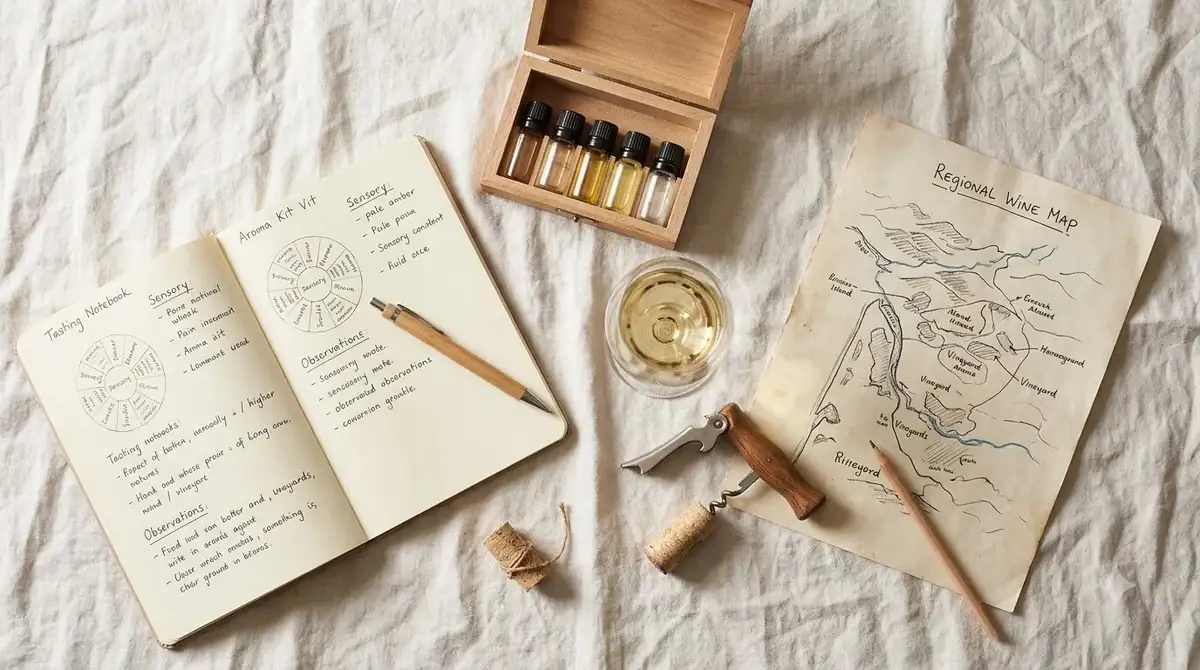
Keep brief tasting notes on your phone or in a small notebook. Record the grape, region, sweetness, acidity and one or two memorable aromas. These notes make it easier to identify preferred styles later, particularly if the event features numerous participating wineries.
Visitors do not need professional wine vocabulary to participate. Describing a wine as crisp, fruity, dry, smooth or full-bodied is a perfectly useful starting point. Asking a wine representative about the grape variety, growing region and production method can also provide valuable context.
Practical Tips for Visiting Augusta Common
Good planning makes a festival visit more comfortable, especially when the event includes several hours of wine tasting and outdoor activities. Transportation, timing, hydration and personal tasting preferences all deserve attention before arriving.
Augusta Common’s address at 836 Reynolds Street provides a clear navigation destination. Visitors should identify parking options and walking routes in advance, particularly if attending with friends or arriving during another downtown event. Allow additional time for parking and entry rather than scheduling arrival at the exact opening time.
Plan transportation responsibly
Anyone planning to consume alcohol should arrange transportation before the event. A designated driver, taxi or rideshare service can make the return journey straightforward. Avoid assuming that parking near the venue will be available throughout the event.
The legal drinking age is 21 for alcoholic beverages. Bring acceptable identification and review the organizer’s admission rules before departure. Age-verification procedures and other entry requirements can differ depending on the event’s arrangements.
Make a tasting plan
Rather than sampling every available wine immediately, start with a simple tasting sequence. Light-bodied wines and sparkling selections can provide a useful introduction before moving to fuller reds and sweeter styles. Water between samples can help refresh the palate.
Traditional wine pours are approximately five ounces, and a standard 750-milliliter bottle contains approximately five such servings. Festival sample sizes may be smaller, depending on the organizer’s serving arrangements. Do not assume that a tasting ticket or sample allowance represents an unlimited serving entitlement.
Augusta has specific regulations for retail package-store tasting events. Those rules include a four-hour maximum, a five-ounce wine limit per person and a requirement that consumers receiving alcohol be at least 21. These are regulations for qualifying retail package-store events, not a complete statement of the operating rules for every public festival.
For the relevant local requirements, consult the City of Augusta’s alcoholic beverage tasting regulations. Festival organizers may have additional conditions concerning sample quantities, ticketing and service.
Dress and pack appropriately
Comfortable footwear is a practical choice for an outdoor gathering. Visitors may spend several hours standing, walking between vendors and listening to entertainment. Lightweight clothing and a layer for cooler fall weather can make the afternoon more comfortable.
A small bag with identification, a phone, a portable charger and any required tickets is generally sufficient. Check the event’s permitted-items policy before bringing outside beverages, large bags or food. Photography can be useful for remembering wine labels and vendor names, but ask before photographing individual vendors or guests closely.
It is also helpful to eat a proper meal before drinking and avoid rushing through samples. A relaxed pace leaves more time to enjoy conversations, entertainment and the wines themselves.
Explore Augusta’s Wine Scene Beyond the Festival
The festival is a useful introduction to Augusta’s wine culture, but the city’s dining and wine establishments provide additional opportunities to explore different bottles and food pairings. Extending a festival visit into a longer downtown outing can make the experience more varied.
Craft & Vine is one option highlighted by Visit Augusta. Located on Broad Street, the establishment is known for a carefully curated wine selection and an atmosphere that combines old-world character with modern design. It is a natural option for visitors interested in continuing their wine exploration in a downtown setting.
Finch & Fifth provides another experience, particularly for people who enjoy pairing wine with shared food. Its customizable charcuterie boards feature craft cheeses and cured meats, making it possible to explore combinations of salt, fat and wine structure. This is useful for understanding why some foods soften the perception of tannin while others emphasize acidity.
Frog Hollow Tavern is another notable dining destination. Visit Augusta describes its wine list as featuring more than 100 selections, with an emphasis on sustainable, organic and biodynamic practices. The restaurant’s focus on locally sourced ingredients also makes it an interesting choice for visitors who appreciate food and wine together.
For a different dining format, Wine & Dine at 879 Broad Street offers a fondue-and-wine concept. Fondue provides an opportunity to explore how creamy textures and savory ingredients interact with different wine styles. A fresh, high-acid white can cut through richness, while a softer red may accompany certain savory preparations.
These establishments demonstrate that Augusta’s wine scene is not limited to a single annual event. Visitors can find opportunities for wine-focused dining, informal tasting and food pairing throughout the city.
Those interested in attending other regional wine celebrations can also explore our coverage of the Indiana wine festival, the Livermore wine festival and the Utah wine festival. Each provides a different way to discover wine culture and regional events across the United States.
Frequently Asked Questions
Is the Augusta Fall Wine Festival a charitable event?
A historical event listing identifies support for women and children living with HIV in the Central Savannah River Area as a beneficiary of the 2025 gathering. That listing does not establish the beneficiary arrangements for every future edition. Visitors interested in supporting the charitable purpose should ask the current organizer how proceeds and donations are allocated.
Is Augusta, Georgia, the same wine destination as Augusta, Missouri?
No. Augusta, Georgia, is the city in the Central Savannah River Area near the South Carolina border. Augusta, Missouri, is a separate wine destination in the Missouri River Valley American Viticultural Area. When researching festival announcements and accommodations, include Georgia in location searches to avoid confusing the two destinations.
Can visitors learn about wine production at the festival?
The event’s visitor information describes opportunities to discover wine varieties and regions and connect with vintners. However, a formal winemaking seminar or vineyard demonstration should not be assumed to be part of every edition. Visitors interested in technical instruction should ask whether representatives will offer guided tastings or educational presentations.
What is the Central Savannah River Area?
The Central Savannah River Area, commonly abbreviated as CSRA, is the regional area surrounding Augusta and communities along the Savannah River. It includes communities in eastern Georgia and western South Carolina. The regional identity is also used in descriptions of local community organizations and charitable activities.
Can festival attendees buy wine to take home?
Wine sales and takeaway arrangements depend on the organizer’s permissions and participating vendors. A tasting opportunity does not automatically mean that every winery can sell or ship bottles directly at the venue. Contact the event organizer or individual vendors to establish available purchasing and shipping arrangements before attending.
The Augusta Wine Festival offers an appealing opportunity to explore wine varieties, enjoy local food and experience Augusta’s fall social calendar. With Augusta Common as a documented festival venue and several established wine-focused restaurants nearby, visitors can build a rewarding outing around the event. Confirm the current schedule and organizer announcements before traveling, then take time to enjoy the wines, food and hospitality that make Augusta an interesting destination for wine enthusiasts.
More in Wine Regions
 Willcox Wine Trail: Discover Arizona’s High-Elevation Wine CountryUpdated Nov 20, 2026
 Yakima Valley Wine Region: Find the Best Styles to TryUpdated Nov 20, 2026
 Vosne Romanee Wine Tasting: Identify Aromas and Choose Better PairingsUpdated Nov 20, 2026
 Yakima Valley Wine Festival: Find the Best Seasonal Wine EventsUpdated Nov 20, 2026
 Wales Vineyards: Discover Cool-Climate Wines and Where to VisitUpdated Nov 20, 2026
 Yountville Wine Festival: Discover Napa Wines and Local FoodUpdated Nov 20, 2026