


We may earn a commission when you buy through links on this page, at no extra cost to you. Learn more.
A risotto with white wine recipe makes a creamy stovetop rice dish by adding dry white wine to toasted Arborio rice, then cooking the grains gradually in warm broth. The wine contributes a fresh, savory edge that balances butter and Parmesan without making the finished dish taste boozy. This version serves four as a main course, takes about 40 minutes, and uses an ordinary saucepan and a wide skillet.
Risotto rewards attention more than complicated technique. Keep the broth warm, add it in stages, and stop cooking while the grains still have a little firmness at the center. The result should spread softly across a warm plate instead of sitting in a stiff mound.
Why Dry White Wine Belongs in Risotto
Dry white wine brings acidity and a subtle fruit or citrus note to rice that will later be enriched with butter and cheese. For this recipe, choose a crisp Pinot Grigio or Sauvignon Blanc, or use an unoaked Chardonnay if you prefer a rounder flavor.
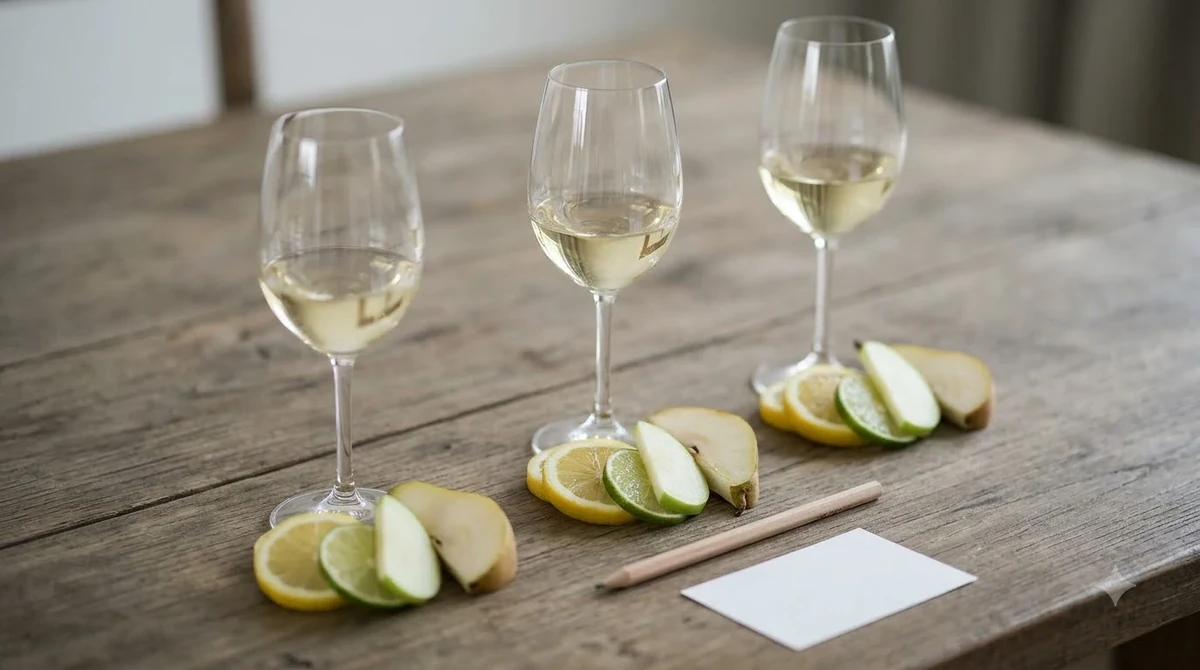
The wine has two jobs. First, it deglazes the pan after the rice has been toasted, lifting the flavorful film left by the onion and grains. Second, it adds a layer of acidity that keeps the finished risotto from feeling flat beside butter, broth, and Parmesan. It should complement the other ingredients rather than dominate them.
Use a dry bottle, not a sweet or noticeably oaked one. Decanter recommends crisp, dry, unoaked whites for risotto and names Pinot Grigio and Sauvignon Blanc as reliable choices; it also considers unoaked Chardonnay suitable. The site’s advice is useful because wine concentrates as it cooks: a sweet wine can leave the dish tasting sweeter, while assertive oak can distract from the rice and cheese. For more detail on the cooking-wine choice, read Decanter’s advice on choosing wine for risotto.
Ingredients for Four Generous Servings
This ingredient list makes four main-course portions or six smaller first-course portions. The proportions give the rice enough broth to soften while leaving room for the final butter and Parmesan to create a fluid, creamy finish.
Use Arborio rice for a dependable grocery-store option, or choose Carnaroli if it is available. Both are short-grain rice varieties suited to risotto; avoid long-grain rice, which does not produce the same creamy texture. Measure the broth before cooking, but expect to use somewhere between 5 and 6 cups depending on the pan, heat, and rice.
| Ingredient | Amount | Purpose |
|---|---|---|
| Arborio or Carnaroli rice | 1½ cups (about 300 g) | Short-grain base that releases starch |
| Low-sodium chicken or vegetable broth | 5 to 6 cups (1.2 to 1.4 L) | Warm cooking liquid |
| Dry white wine | ¾ cup (180 ml) | Acidity and aromatic depth |
| Small yellow onion | 1 (about 100 g), finely diced | Sweet, savory foundation |
| Extra-virgin olive oil | 2 tablespoons (30 ml) | Helps soften the onion and toast the rice |
| Unsalted butter | 3 tablespoons (42 g), divided | Cooking fat and finishing richness |
| Finely grated Parmesan | ¾ cup (about 60 g) | Salty, savory finish |
| Kosher salt | ½ teaspoon to start | Initial seasoning; adjust at the end |
| Black pepper | ¼ teaspoon, or to taste | Gentle seasoning |
| Chopped flat-leaf parsley | 1 tablespoon, optional | Fresh finish |
Low-sodium broth gives you more control because Parmesan already brings salt. If you have only regular broth, begin with less added salt and taste near the end. Chicken broth gives the rice a fuller savory character; vegetable broth keeps the dish meat-free and works especially well with peas, asparagus, or mushrooms.
Grate the Parmesan finely so it melts quickly and evenly. A block of Parmigiano-Reggiano is a good choice, but another well-aged Parmesan-style cheese can work. Keep the cheese ready beside the stove before you start adding broth; risotto needs a short, focused finish rather than a long pause while you search for ingredients.
Prepare the Broth, Rice, and Pan
Good preparation makes the cooking stage much calmer. Warm the broth to a gentle simmer, dice the onion evenly, and set a wide, heavy pan over medium heat before the rice goes in.
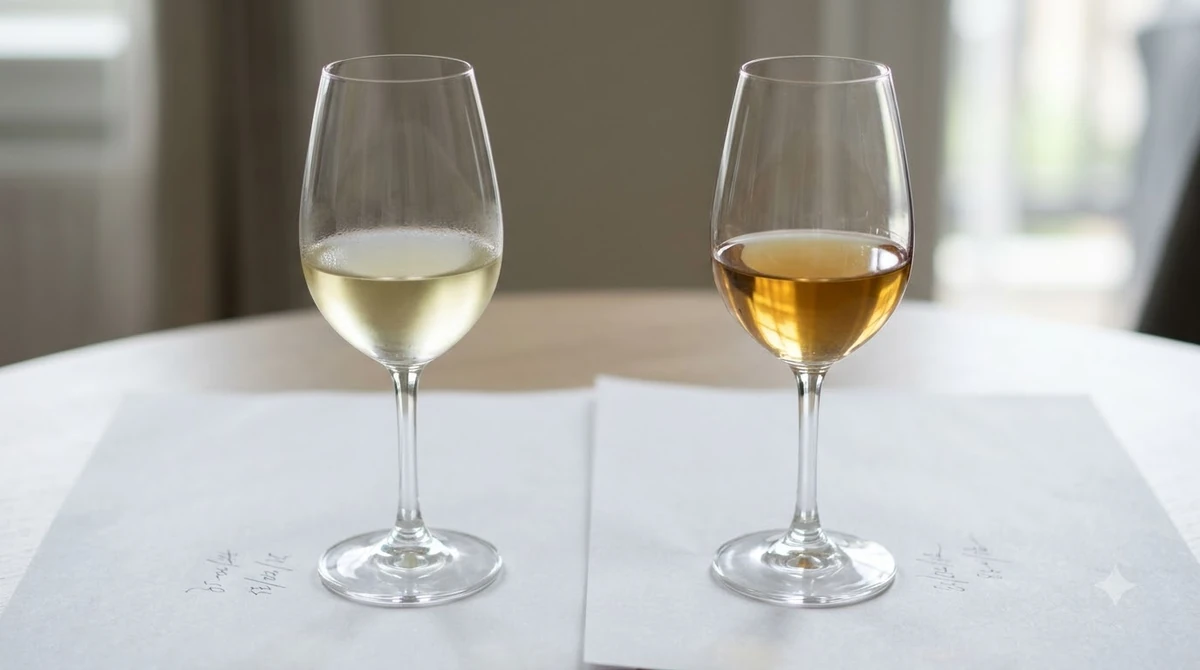
Pour the broth into a separate saucepan and warm it over low heat until it is steaming with only occasional small bubbles, roughly 180 to 190°F. Keep it hot throughout cooking, but do not let it boil hard or reduce substantially. Adding cold broth to the rice repeatedly lowers the pan temperature and slows the cooking, so a warm supply helps the grains cook at a steady pace.
Choose a 3- to 4-quart heavy saucepan, Dutch oven, or wide skillet with sides. A broad cooking surface lets the broth evaporate at a controlled rate and gives you room to stir without spilling. Set a ladle beside the broth, and use a wooden spoon or heatproof spatula to move the rice across the bottom of the pan.
Do not rinse the rice for this traditional-style method. The surface starch helps thicken the liquid into a sauce that clings to the grains. Measure the wine and broth, finely dice the onion, and grate the cheese before heating the oil. These small steps prevent the onion from browning while you are measuring or grating later.
How to Make Risotto With White Wine
Cook the onion gently, toast the rice briefly, and let the wine reduce before adding broth a little at a time. The rice usually needs about 18 to 22 minutes of gradual simmering after the wine, though the final test is texture rather than the clock.
1. Soften the onion
Heat the olive oil and 1 tablespoon of the butter in the wide pan over medium heat. Add the diced onion and cook for 4 to 5 minutes, stirring often, until soft and translucent. Keep it pale; browned onion can bring a stronger caramelized flavor that competes with the delicate wine and Parmesan.
2. Toast the rice
Add the rice and stir for 2 to 3 minutes so the grains are coated in the oil and butter. They should feel hot and look slightly translucent at the edges, but they should not turn brown. Toasting develops a light nutty note and helps the grains hold their shape as they cook.
3. Add the white wine
Pour in the ¾ cup of dry white wine. Stir and scrape the bottom of the pan as the wine bubbles, allowing most of the liquid to absorb before the next addition. This normally takes about 2 to 3 minutes. The sharp raw-alcohol aroma should fade, leaving a clean wine fragrance behind; do not wait for the rice to become dry or stick to the pan.
4. Add warm broth gradually
Ladle in enough hot broth to just cover the rice, usually about ½ to ¾ cup at a time. Stir frequently, making sure the spoon moves rice away from the bottom and sides of the pan. When the liquid has mostly absorbed and the rice begins to leave a trail behind the spoon, add another ladleful.
Keep the mixture at a lively but controlled simmer. It should bubble gently rather than boil aggressively. Continue adding broth in stages for about 18 to 22 minutes, stirring often enough to keep the rice moving and prevent sticking. You do not need to stir every second, but do not leave the pan unattended for long stretches.
5. Check the center of a grain
Start checking the rice around minute 16. Taste a few grains: the outside should be tender and creamy, while the center should retain a small, pleasant bite. If the center is still chalky or hard, continue adding broth in small amounts and test again every minute. You may not need all 6 cups, or you may need a little extra hot water if the rice is still firm after the measured broth is gone.
For a deeper explanation of the traditional sequence—toast the rice, add wine, then introduce stock gradually—see Serious Eats’ overview of risotto technique. The key is to use the rice’s own starch to thicken the liquid rather than relying on cream or a separate thickener.
Finish the Rice and Correct the Texture
Take the pan off the heat while the rice is tender but still loose, then stir in the remaining butter and Parmesan. This final mixing gives the sauce its sheen and brings the separate ingredients together without cooking the cheese too hard.
Add the remaining 2 tablespoons of butter and the grated Parmesan. Stir briskly for about 30 to 60 seconds, until the cheese melts and the sauce looks creamy. Taste before adding salt because the broth and cheese may already provide enough seasoning. Add black pepper and parsley if using, then let the risotto stand for about 1 minute.
Check the consistency before serving. A spoonful should slowly spread when it lands on a warm plate; it should not hold the shape of a scoop, and it should not run like soup. If it is too thick, stir in a splash of hot broth or water, 1 tablespoon at a time. If it is too loose, let it stand for another minute and stir; avoid returning it to high heat, which can overcook the rice while the sauce tightens.
If the grains are still firm but the pan is nearly dry, add more hot broth and continue cooking. If the rice is already tender but the mixture looks watery, stop adding liquid and stir gently for 30 seconds to encourage the starch to bind with the broth. A little patience at this stage is more effective than adding extra cheese to force thickness.
Tip: Finish risotto when it is slightly looser than you think it should be. The rice continues to absorb liquid after the pan leaves the heat, and a tablespoon or two of hot broth can restore the soft, flowing texture just before serving.
Wine Pairings, Serving, and Leftovers
Serve the risotto hot in shallow bowls, with extra Parmesan at the table. Choose a white wine with enough acidity to refresh the palate between bites of butter and cheese, and keep the style light enough that it does not overwhelm the rice.
Pinot Grigio is a straightforward match for a classic Parmesan risotto, while Sauvignon Blanc brings a brighter citrus edge. An unoaked Chardonnay suits a richer version with mushrooms or roasted squash. For the glass, serve a light white at about 45 to 50°F; a colder pour can mute its aromas, while a warmer one may make the alcohol seem more prominent. A small side salad with lemon vinaigrette or simply cooked green vegetables adds freshness without competing with the main dish.
For a mushroom version, sauté 8 ounces of sliced cremini mushrooms separately until browned, then fold them into the rice during the final 2 minutes. Asparagus can be cut into 1-inch pieces and simmered in the broth for the last 3 to 4 minutes, or blanched separately and stirred in at the finish. Peas need only about 2 minutes in the hot rice. These additions change the dish’s flavor, so keep the wine dry and avoid a strongly oaked or sweet bottle.
Think about the rest of the menu, too. A dry sherry cocktail recipe can make a savory aperitif before dinner, while the site’s Wine Recipes & Cocktails pairing advice can help you plan a full meal around the wine. For a warming finish after dinner, a red wine hot chocolate recipe offers a dessert-style drink with a very different profile from the crisp white poured with the risotto.
Risotto is best immediately after cooking because the rice keeps absorbing liquid as it sits. For leftovers, cool the rice promptly, refrigerate it in a covered container, and use it within 3 to 5 days. Reheat a portion gently in a saucepan with a splash of broth or water, stirring until it loosens and heats through; it will be softer than freshly made risotto, but the added liquid helps restore some creaminess.
Frequently Asked Questions
Can I use dry vermouth instead of white wine?
Yes. Dry vermouth is a workable alternative because it can bring a balance of sweetness and acidity, as Decanter notes. Since vermouth has added botanicals, start with a smaller amount than the recipe’s ¾ cup of wine and add a splash of broth if the pan needs more liquid.
What does all’onda mean for risotto?
All’onda is an Italian expression meaning “on the wave,” describing risotto that moves in a soft, undulating layer rather than standing in a firm heap. When you tilt a shallow bowl, the rice should ripple gently. It is a useful visual cue for serving texture, especially with the looser style associated with parts of northern Italy.
Can I add saffron to this white wine risotto?
Yes. To make a simple saffron variation, steep a generous pinch of saffron threads in 2 tablespoons of warm broth for about 10 minutes, then stir the infusion into the pan with the broth additions. Saffron is the defining flavor in risotto alla Milanese, a classic preparation associated with Milan in Lombardy.
Can I partially cook risotto before guests arrive?
You can par-cook the rice until it is roughly two-thirds done, spread it in a thin layer on a rimmed tray, and cool it promptly. Refrigerate it covered, then finish the remaining cooking with hot broth shortly before serving. This is a restaurant-style time-saving approach, but freshly cooked risotto still has the most consistent texture.
Can I turn leftover risotto into another dish?
Yes. Chilled risotto can be shaped into small balls or disks, filled with a cube of mozzarella, coated in breadcrumbs, and fried until crisp and hot in the center. In Sicily, stuffed fried rice balls are commonly known as arancini; the name and fillings vary across the island and elsewhere in Italy.
A reliable white-wine risotto depends on a few repeatable habits: choose a dry bottle, keep the broth warm, and judge the rice by its texture instead of relying only on a timer. Once you have the basic method down, use mushrooms, peas, asparagus, or saffron to make the pan suit the season and the wine you plan to pour.
More in Food & Wine Pairing
 Wassail With Wine Recipe for a Festive Spiced Holiday DrinkUpdated Nov 20, 2026
 Spritz Veneziano Recipe: Make a Classic Venetian Aperitivo at HomeUpdated Nov 20, 2026
 Summer Wine Punch Recipe for Easy Homemade EntertainingUpdated Nov 20, 2026
 Bishop Recipe: How to Make a Bright, Citrus-Forward Red Wine CocktailUpdated Nov 20, 2026
 Wine Cupcakes Recipe: Bake Rich Chocolate Cupcakes at HomeUpdated Nov 20, 2026
 What Wine Goes With Truffles: Find the Perfect Pairing for Every DishUpdated Nov 20, 2026