

We may earn a commission when you buy through links on this page, at no extra cost to you. Learn more.
Ahr wine tasting introduces visitors to Germany’s distinctive northern Pinot Noir region, where elegant Spätburgunder, rare Frühburgunder, fresh Riesling, and traditional wine culture define the experience. Located in Rhineland-Palatinate, the Ahr Valley combines steep slate vineyards, sheltered slopes, and small wine villages with welcoming producer-led tastings. Visitors can compare different Pinot Noir styles, discover unusual regional specialties, and enjoy wine alongside the valley’s traditional food and scenic hiking routes.
The Ahr is a particularly interesting destination for travelers who associate German wine primarily with Riesling. Although white wines have a place here, the region is famous for red grapes, especially Pinot Noir. Its relatively small vineyard area, varied soils, and challenging hillside locations create a wine culture that rewards visitors who take time to explore individual producers and villages. Whether you prefer delicate reds, structured barrel-aged wines, or refreshing whites, understanding the region before arriving makes every tasting more rewarding.
Understanding the Ahr Valley and Its Wine Culture
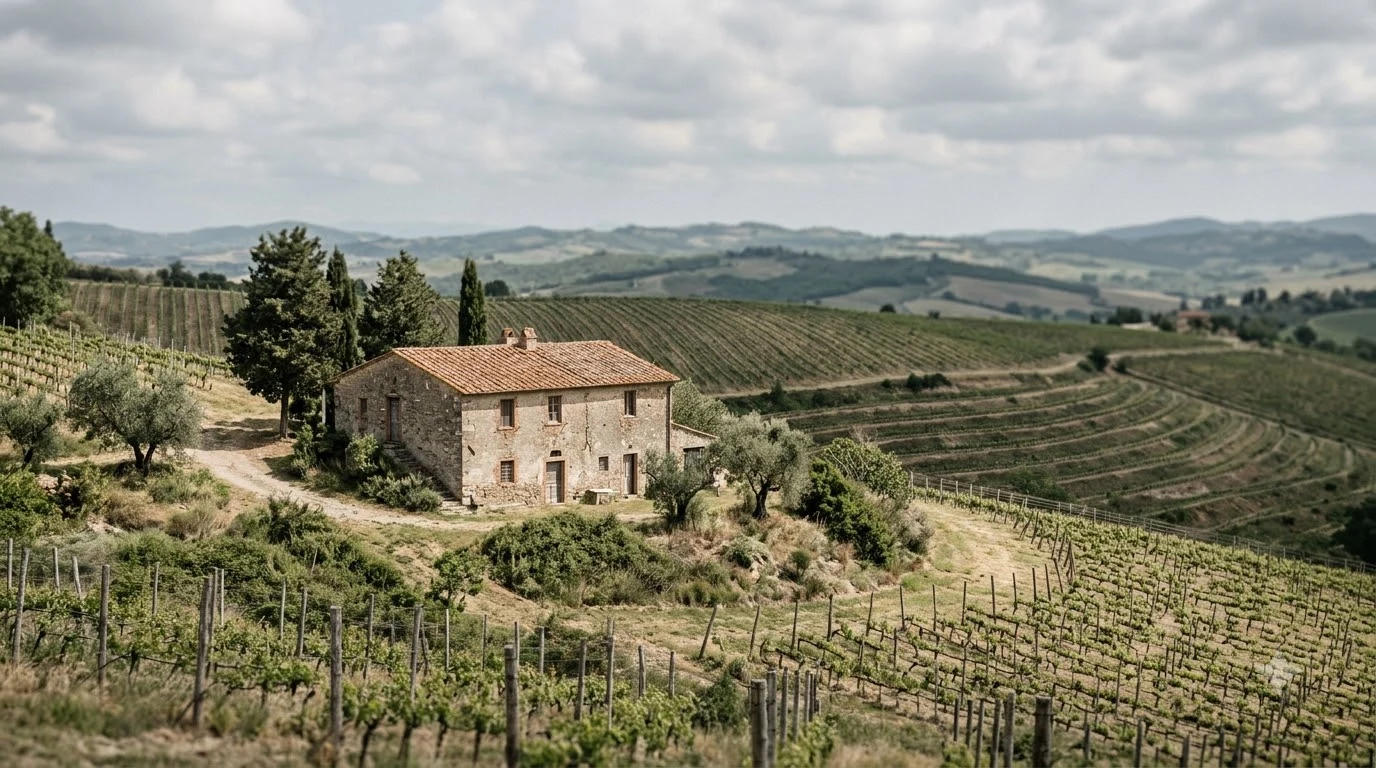
The Ahr Valley is one of Germany’s smallest wine-growing regions, but its concentration of red wine vineyards gives it a distinctive identity. Stretching approximately 24 to 25 kilometers along the Ahr River in Rhineland-Palatinate, it is particularly notable for growing Pinot Noir in a relatively cool northern European climate.
The river flows from west to east toward the Rhine, passing through wine villages including Altenahr, Mayschoß, Rech, Dernau, Walporzheim, and Bad Neuenahr-Ahrweiler. The surrounding Eifel Hills provide protection from colder weather, while the narrow valley creates sheltered locations where sunlight and retained warmth support grape ripening.
According to the VDP, the Ahr has approximately 560 hectares of vineyards and receives around 560 millimeters of annual precipitation. These relatively modest dimensions help explain why the region feels intimate compared with larger German wine destinations such as Rheinhessen or the Mosel.
The landscape changes as visitors travel along the river. The western and central sections feature dramatic slopes and rocky terraces, while the eastern valley gradually opens into gentler terrain. This geographical variety is important because soil, exposure, and vineyard position influence the wines produced by individual growers.
The Ahr also has a strong connection between wine production and tourism. Visitors can meet growers, explore traditional wine taverns, attend seasonal wine events, and follow routes through vineyards. The local wine culture is less about visiting large commercial tasting facilities and more about discovering the character of individual producers and their surroundings.
For travelers researching Germany’s wine destinations, the Ahr provides an interesting contrast with Alsace wine tasting, where aromatic white grapes and distinctive French-German traditions play a much larger role.
Pinot Noir, Frühburgunder, and Other Grapes to Taste
Pinot Noir is the central grape of the Ahr, accounting for approximately two-thirds of the vineyard area. A tasting itinerary should begin with Spätburgunder before moving to Frühburgunder, Portugieser, and the region’s white wines.
Spätburgunder is the German name for Pinot Noir. In the Ahr, it produces wines ranging from light, fresh, and fruit-driven examples to more concentrated bottlings with oak influence and greater structure. Typical aromas include cherry, raspberry, strawberry, and sometimes earthy or savory notes.
Differences between producers are especially interesting. Some growers favor transparent fruit expression and restrained oak, while others produce fuller wines with greater concentration, more pronounced tannins, and barrel-derived flavors. Tasting these styles side by side provides a better understanding of the grape than sampling several unrelated bottles.
Frühburgunder is an especially interesting discovery. Also known as Pinot Noir Précoce, it is an early-ripening relative of Pinot Noir and an established specialty of the Ahr. It is relatively rare, making it a worthwhile bottle to seek out during a regional tasting.
Portugieser provides another perspective. Compared with structured Pinot Noir, it generally produces lighter, approachable reds with softer fruit characteristics. It is useful for visitors who prefer less demanding red wines or want to explore the diversity of the region.
White wine deserves attention, too. Riesling is the leading white grape, producing fresh wines with lively acidity and citrus, orchard-fruit, and mineral characteristics. Pinot Blanc also appears in regional selections.
One particularly distinctive style is Blanc de Noir. This wine is made from red Pinot Noir grapes but is vinified as a white wine through gentle pressing and limited skin contact. Its existence demonstrates that the Ahr’s red grape specialization does not prevent growers from producing interesting white styles.
| Grape or style | Wine characteristics | What to notice |
|---|---|---|
| Spätburgunder | Dry red, generally medium-bodied | Cherry, raspberry, acidity, tannin, and oak |
| Frühburgunder | Early-ripening Pinot relative | Red fruit, texture, and regional rarity |
| Portugieser | Light, approachable red | Soft fruit and easy-drinking structure |
| Riesling | Fresh white with lively acidity | Citrus, orchard fruit, and mineral notes |
| Pinot Blanc | Dry white wine | Subtle fruit and balanced acidity |
| Blanc de Noir | White-style wine from red grapes | Freshness and delicate fruit expression |
When tasting these wines, pay attention to acidity, tannin, body, and finish rather than concentrating exclusively on aromas. A lighter Portugieser and a structured Spätburgunder can both be excellent regional wines, even though they offer very different drinking experiences.
How Slate Vineyards Shape Ahr Wine
The Ahr’s distinctive vineyard landscape is one of the most important influences on its wines. Slate, greywacke, volcanic rock, and loess create different growing conditions, while steep south-facing slopes help vines receive sufficient sunlight in a northern climate.
Slate is particularly important in the middle and western valley. Dark rocky surfaces absorb warmth during the day and gradually release it, helping moderate temperature differences around the vines. The region’s steep terraces also provide favorable sun exposure.
The VDP identifies greywacke and slate as characteristic subsoils in the Ahr. These soils offer good water permeability, while the region’s relatively low rainfall contributes to the specific growing conditions experienced by local vineyards.
Further east, the valley opens up and loess becomes more common. These deeper, fertile soils create a different environment from the rocky terraces farther west. Consequently, visitors may encounter wines with noticeably different fruit expression, concentration, and overall structure as they travel between villages.
Some notable vineyard locations help illustrate these differences:
- Gärkammer, Walporzheim: A tiny vineyard site covering approximately 0.7 hectares, recognized as one of the Ahr’s outstanding locations.
- Pfarrwingert, Dernau: A notable steep vineyard location associated with concentrated regional red wines.
- Mayschosser Mönchberg: An established vineyard location associated with Pinot Noir and the characteristic rocky landscape.
- Recher Herrenberg, Rech: A striking terraced vineyard with slopes reaching approximately 60 percent in some sections, according to regional wine information published by ProWein.
- Heimersheimer Landskrone: A distinctive volcanic landscape with basalt and slate influences.
These locations make useful conversation topics during a tasting. Ask the grower whether the wine comes from slate, greywacke, loess, or volcanic terrain and whether the vineyard’s exposure affects ripening. Such questions often lead to more informative discussions than simply asking whether a wine is fruity or dry.
It is also important to avoid assuming that all slate-grown Ahr wines taste identical. Grape selection, vineyard exposure, harvest decisions, fermentation, and oak aging all contribute to the finished wine. Terroir is part of the explanation, not the only explanation.
Where to Experience Ahr Wine Tasting
The best way to understand the region is to visit several wine villages and compare their producers. Mayschoß, Dernau, Rech, Walporzheim, and Bad Neuenahr-Ahrweiler offer different opportunities for tasting, sightseeing, and exploring local wine culture.
Mayschoß is a particularly useful starting point for visitors interested in traditional wine production. Its cooperative, founded in 1868, is recognized as the oldest registered winegrowers’ cooperative in the world. The village also offers vineyard scenery and access to the surrounding wine landscape.
Dernau is another excellent stop, especially for visitors interested in traditional vineyards and hillside views. The surrounding landscape provides opportunities to appreciate the steep slopes that make Ahr viticulture so labor-intensive. Its Sonderberg viewpoint is among the locations identified by Ahrtal Tourism for impressive wine-country scenery.
Rech offers a quieter atmosphere and a close connection with the region’s terraced vineyards. Its Herrenberg vineyard is a useful example of the challenging terrain that growers work with in the Ahr.
Walporzheim is especially interesting for visitors who want to understand the importance of individual vineyard sites. Its Gärkammer vineyard is exceptionally small, and the village offers a good opportunity to explore the relationship between vineyard location and wine identity.
Bad Neuenahr-Ahrweiler is a practical base for exploring the region. It combines accommodation, restaurants, historical attractions, and access to wine producers. The town also provides convenient access to the broader Ahr Valley wine experience.
Regional tourism information lists approximately 40 winegrowers and three winegrowers’ cooperatives serving visitors. Many producers welcome guests for tastings, although opening arrangements and available experiences vary. Some wineries operate tasting rooms, while others require advance appointments.
For the most useful visit, contact the producer before traveling. Ask whether the tasting is available in English, which wines will be included, how long the experience lasts, and whether food is served. Smaller producers may have limited staff, so an advance reservation is particularly helpful during busy weekends.
The official Ahr Valley wine tourism information provides a starting point for finding winegrowers, wine taverns, tasting experiences, and events.
Planning a Winery Visit and Tasting Flight
A successful Ahr wine tasting is easier to organize when visitors have a clear plan. Two or three producers in one day generally provide enough variety without making the experience feel rushed, particularly when travel between villages and vineyard walks are included.
Start by choosing a village or a small group of neighboring villages. Mayschoß, Dernau, and Rech make a useful combination for visitors interested in the central valley. Those staying in Bad Neuenahr-Ahrweiler can also explore nearby wineries before heading farther west.
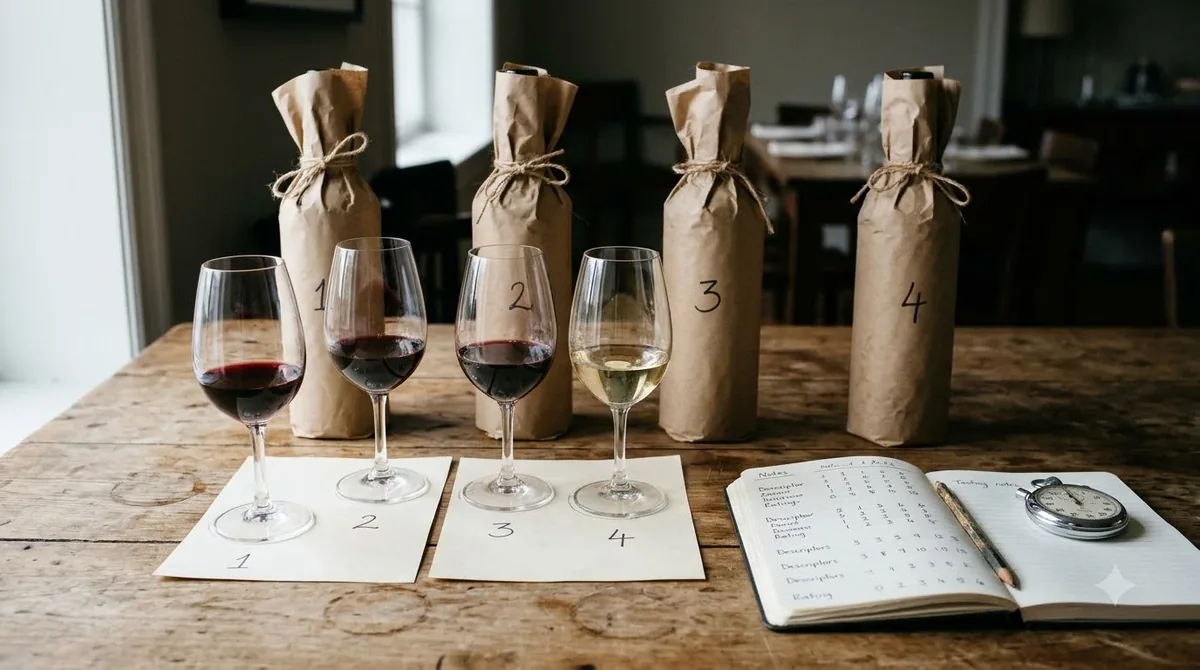
For a structured tasting, request a flight of four to six wines. An effective selection might include a regional Spätburgunder, a higher-quality Pinot Noir, a Frühburgunder, a Portugieser, a Riesling, and a Blanc de Noir. This sequence introduces the region’s principal grapes and provides a useful comparison of red and white styles.
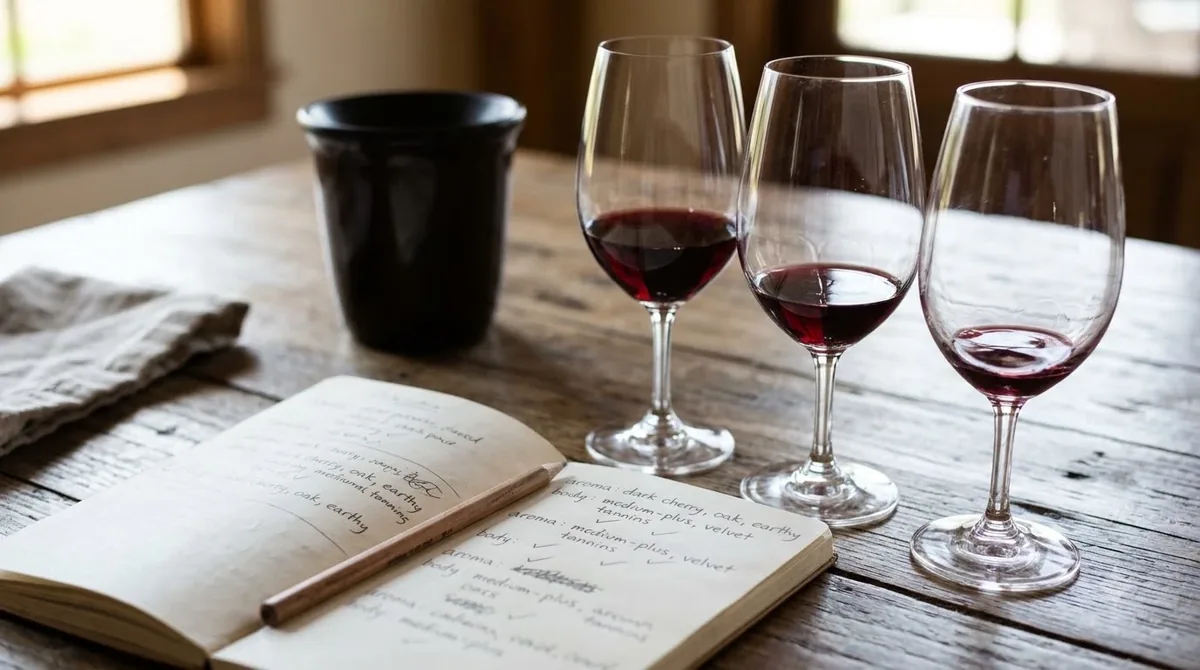
Take notes about each bottle. Record the grape variety, producer, village, vintage, alcohol level, and your impressions of acidity, tannin, body, and finish. These details are especially helpful when comparing two Spätburgunders from different vineyard sites.
Allow enough time to discuss production methods. Ask whether the wine fermented in stainless steel, large wooden vessels, or smaller oak barrels. Also ask whether the producer uses whole clusters, how long the wine spends on skins, and whether the finished wine undergoes extended aging.
Visitors should also consider seasonal events. The Ahr has a strong tradition of wine festivals and community celebrations, particularly during warmer months and the grape harvest period. These events provide opportunities to sample multiple regional wines in a relaxed atmosphere.
The Red Wine Hiking Trail, known as the Rotweinwanderweg, offers another way to experience the landscape. The approximately 35-kilometer route connects wine-growing villages and provides extensive vineyard views. Rather than attempting the entire route in one day, visitors can select a shorter section and combine walking with a planned tasting.
Tip: Reserve winery appointments before arriving, especially if you want to taste rare Frühburgunder or single-vineyard Spätburgunder. Plan no more than two or three substantial winery visits in one day, and arrange transportation before sampling multiple wines.
For broader itinerary planning, the Wine Regions resource can help put the Ahr into context alongside other European wine destinations.
Food Pairings and Serving Ahr Wines
Food is an important part of the Ahr wine experience, and the region’s Pinot Noir is particularly versatile at the table. Its acidity, red-fruit character, and generally moderate tannin make it a natural partner for poultry, pork, mushrooms, and traditional regional dishes.
For Spätburgunder, consider roasted duck, grilled chicken, pork tenderloin, or mushroom dishes. Lightly seasoned preparations allow the wine’s fruit and earthy characteristics to remain noticeable. More structured, oak-aged examples can handle richer preparations, including roast pork and herb-seasoned game.
Frühburgunder is a good option with roast poultry, mild sausages, and dishes featuring mushrooms or roasted vegetables. Its particular style varies between producers, so match the food to the wine’s body rather than assuming every bottle has the same concentration.
Portugieser works well with lighter meat dishes, simple charcuterie, and mild cheeses. Its softer structure makes it particularly suitable for casual meals and informal wine gatherings.
Ahr Riesling provides a refreshing alternative. Its high acidity pairs naturally with freshwater fish, seafood, salads, and dishes containing citrus or fresh herbs. If a preparation has substantial acidity, select a wine with comparable or greater acidity to prevent the wine from tasting flat.
Blanc de Noir offers another useful pairing option. Its white-wine presentation makes it suitable for light appetizers, smoked fish, mild cheeses, and vegetable dishes. The best pairing depends on whether the producer makes the wine crisp and delicate or gives it a fuller texture.
Serving temperature also matters. A red wine served too warm may seem heavy and alcoholic, while an excessively cold bottle can conceal its aromas and texture.
- Spätburgunder: Serve at approximately 55–60 F for lighter examples and 60–65 F for fuller-bodied versions.
- Frühburgunder: Start around 55–60 F, adjusting slightly according to its weight and oak influence.
- Portugieser: A temperature of approximately 55–60 F generally suits its lighter red-wine style.
- Riesling: Serve around 45–50 F for a refreshing presentation.
- Blanc de Noir: Approximately 45–50 F works well for most fresh, light-bodied examples.
Remember that tannin and food interact. Salt and fat soften the perception of tannin, which is helpful when serving a more structured Pinot Noir with richer meat dishes. Very spicy food, on the other hand, can make alcohol and tannin seem more pronounced.
Visitors who enjoy comparing regional food traditions might also explore Willcox wine tasting, where Arizona’s distinctive growing conditions and regional cuisine offer a different perspective on food and wine pairing.
Buying Ahr Wine and Understanding Producer Differences
Choosing a bottle after a tasting is easier when visitors understand the differences between producers, vineyard locations, and wine classifications. Ahr wines are produced by individual estates and cooperatives, giving consumers several ways to explore the region’s character.
The cooperative tradition is particularly important. The Mayschoß-Altenahr cooperative has operated since 1868, and cooperatives remain significant organizations within the region. They provide access to wines from multiple growers and can be a convenient starting point for visitors seeking a broad regional introduction.
Independent estates offer another perspective. The VDP’s Ahr membership includes well-known producers such as Jean Stodden, Meyer-Näkel, J. J. Adeneuer, Deutzerhof, Burggarten, Kreuzberg, and Nelles. These producers represent the region’s commitment to Pinot Noir and vineyard-focused winemaking.
VDP classification can help visitors understand the positioning of participating estates’ wines. The system distinguishes estate wines, village wines, and wines associated with more highly regarded vineyard sites. These designations provide useful information about origin and producer classification, although they do not replace individual tasting preferences.
When comparing bottles, consider the following factors:
- Grape variety: Decide whether you prefer Spätburgunder, Frühburgunder, Riesling, or a lighter red such as Portugieser.
- Vineyard origin: Compare wines from slate-rich hillside sites with those from the deeper soils of the lower valley.
- Winemaking: Look for differences between stainless-steel fermentation, large wooden vessels, and smaller oak barrels.
- Structure: Consider acidity, tannin, body, and concentration before selecting a bottle for a particular meal.
- Producer style: Compare different growers rather than assuming that all wines made from the same grape will taste alike.
For a first purchase, a regional Spätburgunder is a sensible starting point. Visitors who already enjoy Pinot Noir should consider comparing an estate bottling with a single-vineyard selection. Those who prefer lighter wines can explore Portugieser or a fresh Frühburgunder.
Transport also deserves attention. Wine bottles should be protected from excessive heat and physical damage during travel. For longer storage, keep bottles away from direct sunlight and major temperature fluctuations. Bottles intended for extended aging are best stored on their sides in a cool environment near 55 F when they have traditional cork closures.
The most useful souvenir is often a bottle that represents a memorable tasting rather than the most expensive or highly classified wine. Keeping the producer’s name and vineyard information makes it easier to find the same wine again.
Frequently Asked Questions
Is the Ahr Valley suitable for a first-time German wine visitor?
Yes. The region’s concentration of red wine producers makes it particularly approachable for visitors interested in learning about Pinot Noir. English-language tourism resources and organized wine experiences also help international travelers plan visits without extensive knowledge of German wine terminology.
What does the word Spätburgunder mean?
Spätburgunder is the German name for Pinot Noir. The word refers to the late-ripening Burgundy grape family and is used throughout Germany, including the Ahr, Baden, and the Pfalz. When reading German wine labels, look for Spätburgunder rather than expecting the French name Pinot Noir.
Is Frühburgunder the same grape as Spätburgunder?
No. Frühburgunder is a distinct, naturally early-ripening relative of Spätburgunder. Its early harvest makes it an interesting regional specialty, particularly in northern German vineyards where the growing season presents challenges. It is also known internationally as Pinot Noir Précoce.
What does VDP mean on an Ahr wine label?
VDP stands for Verband Deutscher Prädikatsweingüter, an association of quality-focused German wine estates. Its members follow a classification system emphasizing vineyard origin and quality standards. The association’s distinctive eagle emblem is a useful indication that a producer belongs to this organization, rather than a guarantee that every bottle will match an individual’s taste.
What is the Rotweinwanderweg known for?
The Rotweinwanderweg is the Ahr Valley’s Red Wine Hiking Trail, a walking route through the region’s vineyards and wine villages. Its approximately 35-kilometer length makes it one of the area’s defining wine-tourism attractions. Individual sections allow visitors to enjoy the scenery without completing the entire route.
Ahr wine tasting is an excellent introduction to a lesser-known side of German wine, particularly for anyone who appreciates Pinot Noir and distinctive vineyard landscapes. By visiting villages such as Mayschoß, Dernau, Rech, and Walporzheim, travelers can discover the differences between individual growers while enjoying the valley’s food, scenery, and hospitality. A carefully planned visit offers much more than a few glasses of red wine: it provides a deeper understanding of one of Germany’s most distinctive wine regions.
More in Wine Regions
 Willcox Wine Trail: Discover Arizona’s High-Elevation Wine CountryUpdated Nov 20, 2026
 Yakima Valley Wine Region: Find the Best Styles to TryUpdated Nov 20, 2026
 Vosne Romanee Wine Tasting: Identify Aromas and Choose Better PairingsUpdated Nov 20, 2026
 Yakima Valley Wine Festival: Find the Best Seasonal Wine EventsUpdated Nov 20, 2026
 Wales Vineyards: Discover Cool-Climate Wines and Where to VisitUpdated Nov 20, 2026
 Yountville Wine Festival: Discover Napa Wines and Local FoodUpdated Nov 20, 2026