

We may earn a commission when you buy through links on this page, at no extra cost to you. Learn more.
Ahr wine is German wine from the Ahr Valley in Rhineland-Palatinate, best known for elegant, expressive Spätburgunder (Pinot Noir) grown on steep slate and volcanic-rock vineyards. This small northern wine region produces some of Germany’s most distinctive red wines, with Frühburgunder, Portugieser, and Riesling providing additional variety. Its combination of sheltered slopes, relatively cool northern conditions, and rocky soils creates wines that emphasize freshness, red-fruit character, and regional differences. Understanding its grapes, villages, and growing conditions makes it easier to recognize the bottles worth seeking out.
Germany is internationally associated with Riesling, but the Ahr offers a different perspective on the country’s winemaking tradition. Located near Bonn and the Rhine, this compact valley has developed a strong reputation for Pinot Noir and other Burgundy varieties. Whether you are choosing a bottle for dinner, exploring German wine regions, or planning a visit to local wineries, the Ahr deserves a closer look.
Where the Ahr Wine Region Is Located
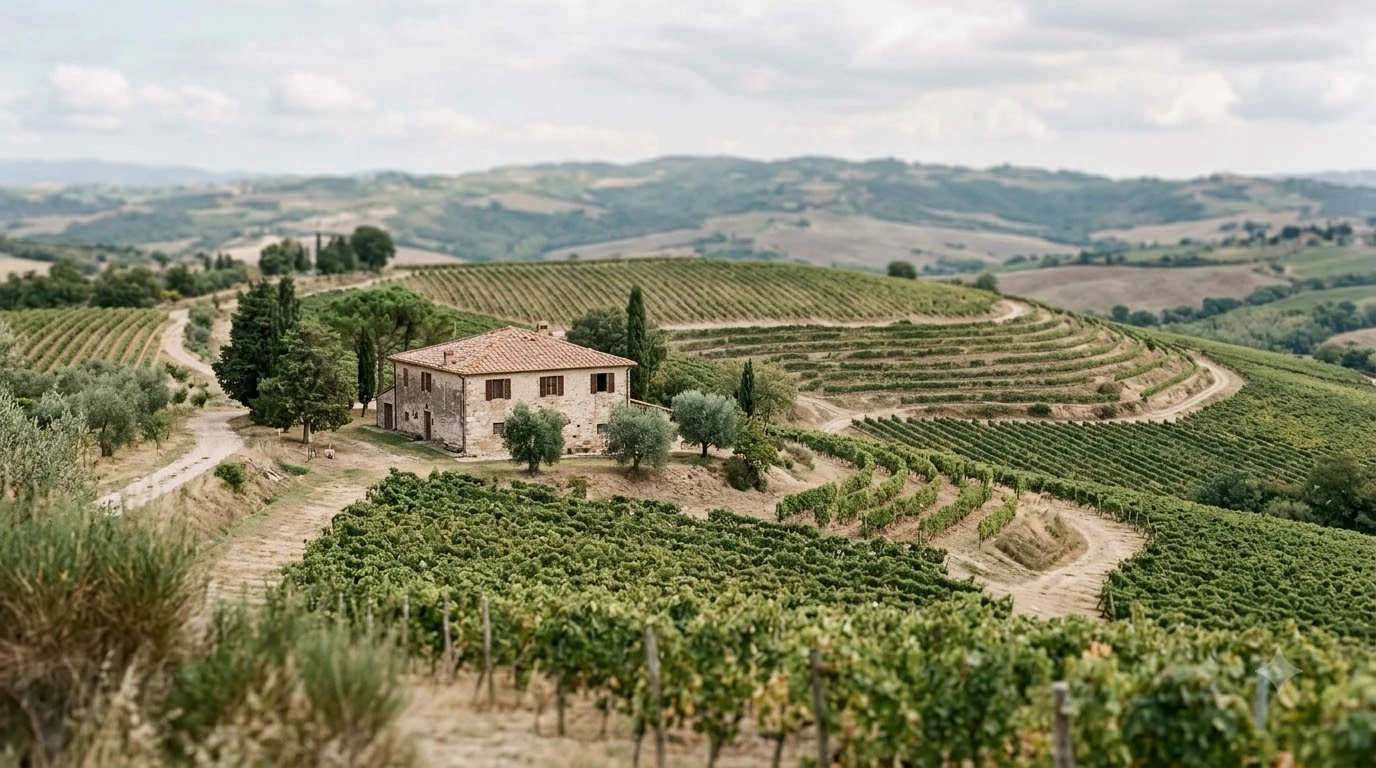
The Ahr wine region lies in northwestern Germany, in the state of Rhineland-Palatinate, close to the Eifel Hills and south of Bonn. Its vineyards follow the Ahr River through a narrow valley, where steep slopes, sheltered terraces, and changing soil conditions create several distinct growing environments.

The vineyards extend approximately 24 kilometers along the river, from the western village of Altenahr toward the lower valley and Bad Neuenahr-Ahrweiler. The river eventually joins the Rhine near Sinzig. This location places the Ahr among Germany’s northernmost wine-growing areas, making its concentration on red wine particularly interesting.
Several villages are central to understanding the region. Altenahr is associated with dramatic vineyard scenery and steep slopes, while Mayschoß and Rech are important wine-growing communities in the middle valley. Dernau and Walporzheim are also familiar names to Pinot Noir enthusiasts. Bad Neuenahr-Ahrweiler serves as an important town for visitors exploring local wineries and wine culture.
The Ahr is relatively small. Wines of Germany records approximately 535 hectares of vineyard land and around 40 individual vineyard sites. The limited area means that individual producers and vineyard locations can have a noticeable influence on the character of the wines available outside Germany.
The surrounding Eifel Hills help protect the valley, while its orientation creates slopes that receive substantial sunlight. According to the VDP, the Ahr receives approximately 560 millimeters of annual precipitation and benefits from its position in the Eifel’s rain shadow. These conditions help explain how a northern region can successfully ripen red wine grapes.
For a broader introduction to German wine geography, explore our Wine Regions overview. Comparing the Ahr with areas such as the Mosel, Rheingau, and Baden shows just how varied Germany’s wine landscape can be.
Climate, Slate Soils, and Vineyard Conditions
The Ahr’s wine character comes from the relationship between a relatively cool northern climate, sheltered vineyard slopes, and rocky soils. South-facing terraces collect sunlight, while slate and greywacke contribute to the distinctive growing conditions of the middle valley.
Although the region is located farther north than many well-known red wine areas, its geography creates favorable conditions for grape ripening. The surrounding hills shelter parts of the valley, and the river corridor helps moderate local conditions. Dark stones absorb solar warmth during the day, making exposed vineyard sites particularly valuable.
Soil composition changes as the river moves eastward. In the middle and western Ahr, vineyards frequently contain slate, volcanic rock, and greywacke. These stony soils provide good drainage and are especially associated with the region’s dramatic terraced vineyards. In the lower eastern valley, deeper loess and loam create a different environment for vine growth.
These differences matter because vineyard conditions influence ripening, water availability, and the structure of the resulting wines. A Pinot Noir from a rocky middle-valley slope may have a different balance of fruit, acidity, and texture from one grown in a deeper-soil eastern site.
Vineyard elevation and exposure also influence the final character. South-facing slopes receive substantial sunshine, while individual terraces may be protected differently from wind and temperature changes. Producers consider these conditions when selecting grape varieties, deciding when to harvest, and determining how to handle each vineyard’s fruit.
According to the VDP, the combination of greywacke, slate, and protected sunny slopes is central to the Ahr’s viticultural identity. Its relatively low rainfall also contributes to the distinctive growing environment.
Tip: When comparing two Ahr Pinot Noirs, look beyond the grape name. The village, vineyard designation, producer, and growing conditions can help explain why two bottles from the same region taste noticeably different.
The region’s steep terrain has practical consequences, too. Machinery is difficult to operate on many narrow terraces, so vineyard work often requires considerable manual effort. The Ahr’s winegrowers must manage difficult slopes, carefully tend their vines, and harvest grapes under conditions that can make production demanding.
Spätburgunder: The Signature Grape of the Ahr
Spätburgunder is the defining grape of the Ahr and the main reason the region attracts international attention. Known as Pinot Noir in English-speaking markets, this variety produces red wines that combine fresh acidity, moderate tannins, and delicate red-fruit aromas.
According to Wines of Germany, Pinot Noir accounts for approximately 64.9 percent of the region’s vineyard area, representing around 347 hectares. The Ahr also has one of the highest proportions of red grape plantings among Germany’s wine regions, with approximately 79 percent of its vineyards devoted to red varieties.
Spätburgunder is particularly interesting because it reflects its growing environment clearly. Cooler conditions can help preserve freshness, while warmer and more sheltered vineyard locations can produce riper fruit and greater concentration. The variety’s relatively delicate structure also allows differences in vineyard location and winemaking to become apparent.
Typical Ahr Pinot Noir flavors
Common aromas include red cherry, raspberry, strawberry, and red currant. Depending on the producer and winemaking approach, additional notes may include dried herbs, earth, mushroom, spice, or subtle floral character.
Oak aging can add another layer of complexity. Large wooden vessels may contribute gentle development without dominating the fruit, while smaller oak barrels can introduce notes of vanilla, toast, cedar, and baking spices. The amount of oak influence depends on the producer’s choices and the wine’s aging period.
Unlike Cabernet Sauvignon, which typically has high tannin, Pinot Noir usually has low-to-medium tannin and relatively high acidity. This gives many Ahr reds a balanced structure that works particularly well with food. Their freshness also makes them suitable for serving slightly cooler than full-bodied red wines.
Different expressions of Spätburgunder
Not every Ahr Pinot Noir is made in the same style. Some producers emphasize fresh fruit and relatively light structure, while others favor concentrated fruit, more noticeable oak, and greater depth. Vineyard selection, grape maturity, fermentation decisions, and barrel aging all influence the result.
For a first bottle, a village-level or estate Pinot Noir can provide a useful introduction to the region. More experienced drinkers may want to compare individual vineyard bottlings from producers such as Meyer-Näkel, Jean Stodden, or J.J. Adeneuer. These established names are among the producers associated with the VDP.Ahr.
When choosing between different bottles, consider the intended occasion. A lighter, fruit-focused Spätburgunder works well with poultry and mushroom dishes, while a more concentrated example can complement roasted meats and richer preparations.
Frühburgunder, Portugieser, and Other Ahr Grapes
Although Spätburgunder dominates the region, Ahr wine includes several other varieties that contribute different flavors and structures. Frühburgunder is particularly important, while Portugieser and Dornfelder provide alternative red styles, and Riesling represents the region’s best-known white wine.
Frühburgunder is an early-ripening relative of Pinot Noir. Its name refers to its earlier ripening characteristics, and it is a distinctive specialty of the Ahr. The grape is relatively uncommon internationally, making bottles from the region particularly interesting for drinkers who want to explore lesser-known German varieties.
Frühburgunder wines can show ripe red fruit, attractive color, and a rounded texture. Their precise style depends on vineyard conditions and cellar practices, but they often appeal to people who already enjoy Pinot Noir. Because the variety ripens earlier, it can also provide an alternative in a region where growing conditions require careful management.
Portugieser offers a different experience. It generally produces lighter-bodied red wines with fresh fruit and modest tannins. These wines are often approachable and can be enjoyed without the extended aging or elaborate food preparation associated with more structured reds.
Dornfelder is another red grape found in the region. It typically produces deeper color and more pronounced fruit than lighter Portugieser styles. Depending on the producer, it can offer a fuller and more direct red-wine experience.
Riesling is the most common white grape in the Ahr. Although the region is strongly identified with red wine, its white wines can provide lively acidity and citrus, apple, and stone-fruit flavors. Pinot Blanc and Müller-Thurgau are also grown in smaller quantities.
One particularly interesting specialty is Blanc de Noir. The name refers to white wine made from red grapes, and Ahr producers use Pinot Noir to create this style. By pressing the grapes carefully and limiting skin contact, winemakers can produce a pale wine rather than a conventional red.
Blanc de Noir provides an excellent introduction to the versatility of Pinot Noir. It is especially useful for people who enjoy refreshing white wines but want to explore the region’s signature red grape in another form.
Understanding Ahr Wine Styles and Quality
Ahr wine ranges from light, fresh reds to concentrated Pinot Noir with oak influence and aging potential. Understanding the grape variety, producer, and vineyard origin is more useful than assuming that every bottle from the region follows one standard style.
For newcomers, the following comparison provides a practical starting point. These are general descriptions rather than fixed rules, because ripeness, vineyard conditions, and winemaking choices can change the final result.
| Wine style | Typical character | Body | Useful occasion |
|---|---|---|---|
| Spätburgunder | Cherry, raspberry, spice | Light to medium | Roast poultry and mushrooms |
| Frühburgunder | Ripe red fruit, rounded texture | Light to medium | Roasted pork and savory dishes |
| Portugieser | Fresh berries, gentle tannins | Light | Casual meals and charcuterie |
| Dornfelder | Dark berries, deeper color | Medium | Grilled meats and hearty food |
| Riesling | Citrus, apple, refreshing acidity | Light to medium | Fish and lighter dishes |
| Blanc de Noir | Fresh fruit, delicate structure | Light | Seafood and appetizers |
German wine labels can provide useful clues about origin and quality. The terms Gutswein, Ortswein, Erste Lage, and Grosse Lage may appear on bottles from members of the VDP. These designations represent different levels of origin and vineyard classification within the association’s system.
Gutswein generally represents the producer’s estate-level wine and can be a good starting point for discovering a winery’s house style. Ortswein identifies a wine associated with a particular village, offering a more specific expression of local origin. Erste Lage and Grosse Lage identify classified vineyard sites within the VDP system.
It is important to understand that VDP classifications are a private association’s quality and origin framework, not a complete description of every German wine label. Many excellent Ahr producers operate outside the association, and their wines should not be overlooked.
The VDP.Ahr has a relatively small membership. Its six estates cultivate a combined 56 hectares according to the association’s regional information. Its members include Deutzerhof, Burggarten, J.J. Adeneuer, Jean Stodden, Kreuzberg, Meyer-Näkel, and Nelles.
For additional regional background, the VDP’s Ahr regional overview explains the area’s geography, vineyard conditions, and participating estates.
Another important part of the regional wine economy is cooperative production. Wines of Germany reports that five cooperatives market approximately 75 percent of the Ahr’s wine. This means that cooperative bottles are an important part of the region’s identity, alongside wines from independent estates.
Food Pairings and Serving Ahr Wine
Ahr Pinot Noir is particularly versatile at the table because its fresh acidity and moderate tannins complement a wide range of savory foods. The best pairing depends on the wine’s concentration, oak influence, and body, but poultry, mushrooms, pork, and roasted vegetables are dependable choices.
For a classic pairing, serve Spätburgunder with roast chicken. The wine’s red-fruit flavors complement the savory skin and meat, while its acidity helps balance the richness of the preparation. Mushroom risotto is another excellent choice because earthy mushroom flavors work naturally with the savory complexity found in many Pinot Noirs.
Roasted pork, duck breast, and grilled sausages can also work well. A lighter Pinot Noir is especially suitable for pork tenderloin and roast chicken, while a more concentrated example can handle duck with a savory reduction or grilled red meat.
Frühburgunder pairs naturally with roasted poultry, pork, and dishes featuring herbs or mushrooms. Portugieser is a good option for lighter meals, charcuterie, and simple grilled foods. Dornfelder can accompany richer preparations such as grilled sausages, barbecue pork, and beef casseroles.
Pairing Ahr white wines
Ahr Riesling is a useful match for seafood, freshwater fish, salads, and dishes with lemon-based sauces. Its high acidity helps balance the acidity of citrus ingredients, while its fruit character complements delicate flavors.
Blanc de Noir offers another versatile option. Its freshness and lighter structure make it suitable for shellfish, smoked fish, salads, and appetizers. Pinot Blanc can work particularly well with poultry, creamy vegetable dishes, and mild cheeses.
As with other wines, sweetness and acidity matter. A wine should generally be at least as sweet as the dessert it accompanies, while acidic food needs a wine with equal or higher acidity. Salt and fat can soften tannin, but spicy chili preparations can make alcohol and tannins feel more pronounced.
Recommended serving temperatures
Temperature has a substantial influence on how Ahr wines express their aromas and structure. Serving red wine too warm can make alcohol more noticeable, while serving it too cold can suppress aromas and make tannins seem firmer.
| Wine | Recommended temperature | Serving suggestion |
|---|---|---|
| Light Portugieser | 55–60°F | Slightly chilled |
| Fresh Spätburgunder | 55–60°F | Serve cool |
| Structured Spätburgunder | 60–65°F | Allow aromas to develop |
| Frühburgunder | 55–60°F | Serve lightly cool |
| Ahr Riesling | 45–50°F | Chill before serving |
| Blanc de Noir | 45–50°F | Serve chilled |
A standard serving is approximately 5 ounces, and a 750-milliliter bottle provides about five glasses. If a young, concentrated Spätburgunder seems particularly closed when first opened, allowing it to breathe for 15 to 30 minutes can help its aromas become more expressive. Particularly full-bodied young reds may benefit from 30 to 60 minutes of decanting.
For storage, keep unopened bottles on their sides in a dark, stable environment near 55°F. After opening, refrigerate still wines and generally aim to finish them within three to five days for the best quality.
Visiting Ahr Wineries and Exploring the Wine Villages
Visiting the Ahr Valley provides an opportunity to understand how its vineyard geography shapes its wines. The combination of steep terraces, small villages, historic wine cooperatives, and local tasting rooms makes the region particularly rewarding for visitors interested in German Pinot Noir.
Mayschoß is one of the most recognizable wine villages. It is home to the Mayschoß-Altenahr winegrowers’ cooperative, founded in 1868. Its long history makes it an important part of the Ahr’s wine culture, and cooperative wines offer visitors an accessible introduction to the region’s different styles.
Dernau is another useful destination for exploring the region’s vineyards. The surrounding slopes are associated with Spätburgunder production, and the village is a good base for discovering smaller producers and tasting rooms.
Walporzheim is known for its vineyard sites, including the Gärkammer. This particularly small vineyard covers approximately 0.7 hectares, making it an interesting example of the region’s fragmented vineyard landscape. Its steep terraces also illustrate why vineyard labor is such an important part of Ahr winemaking.
Rech offers another opportunity to explore the middle valley and its wine-growing traditions. Visitors can compare the local landscape with the broader slopes near Altenahr and the gentler terrain farther east.
Wine routes and tasting experiences
The Rotweinwanderweg, or Red Wine Hiking Trail, is one of the best-known ways to explore the vineyards. It passes through wine-growing communities and offers views of the river valley and terraced slopes. The route is especially appealing to visitors who want to combine walking with winery visits.
The Rotweinstraße provides a driving alternative, connecting destinations across the wine region. The Ahr-Radtour is another option for visitors who prefer cycling. Each route offers a different way to appreciate the landscape, and travel plans can be adjusted according to the villages and wineries that are open during a visit.
Wine tasting is an important part of the local visitor experience. Many wineries offer opportunities to sample their wines, and the region also has wine taverns and wine bars where visitors can explore local food and wine combinations.
It is useful to arrange tasting appointments in advance, especially when visiting smaller family-run estates. A structured tasting of three or four wines can provide a helpful comparison between Spätburgunder, Frühburgunder, and a white wine such as Riesling or Blanc de Noir.
For more practical information on tasting experiences, local wineries, and wine-focused visits, see our Ahr wine tasting resource. Our Ahr wine region overview also provides additional background for planning an exploration of this distinctive German wine area.
Frequently Asked Questions
Is Ahr wine available in the United States?
Yes, although availability varies by importer and wine retailer. Some American specialty wine shops carry German Spätburgunder from established Ahr estates, while smaller producers can be harder to find. Looking for the German name Spätburgunder as well as Pinot Noir can help when searching retailer catalogs.
Is Ahr wine suitable for aging?
Some premium Ahr Spätburgunder wines are suitable for several years of bottle aging. Their development depends on fruit concentration, acidity, tannin, oak treatment, and the producer’s winemaking approach. Simpler, fruit-focused bottles are generally better enjoyed while their fresh aromas remain prominent.
What does Spätburgunder mean on a German wine label?
Spätburgunder is the German name for Pinot Noir. The name refers to the variety’s late-ripening characteristics and its traditional Burgundy association. German labels commonly use Spätburgunder even when the wine is intended for international export markets.
What is the difference between Spätburgunder and Frühburgunder?
Both are closely related Pinot grape varieties, but Frühburgunder ripens earlier than Spätburgunder. This earlier development is an important distinction in vineyards where harvest timing and seasonal weather influence grape quality. Frühburgunder is also considerably less common in international wine markets.
Is the Ahr the only German region that produces Pinot Noir?
No. Baden, Pfalz, Württemberg, and Rheinhessen also produce German Pinot Noir. Baden is particularly important for Burgundy varieties, while the Ahr has developed a distinctive identity through its northern location, steep valley vineyards, and concentration on Spätburgunder.
Ahr wine offers a compelling introduction to Germany’s red wine tradition, with Spätburgunder at its center and Frühburgunder, Riesling, and Blanc de Noir adding further variety. Its slate terraces, sheltered valley conditions, and dedicated winegrowers make the region distinctive despite its relatively small size. For anyone interested in elegant Pinot Noir and the diversity of German wine, the Ahr is a region well worth exploring.
More in Wine Regions
 Willcox Wine Trail: Discover Arizona’s High-Elevation Wine CountryUpdated Nov 20, 2026
 Yakima Valley Wine Region: Find the Best Styles to TryUpdated Nov 20, 2026
 Vosne Romanee Wine Tasting: Identify Aromas and Choose Better PairingsUpdated Nov 20, 2026
 Yakima Valley Wine Festival: Find the Best Seasonal Wine EventsUpdated Nov 20, 2026
 Wales Vineyards: Discover Cool-Climate Wines and Where to VisitUpdated Nov 20, 2026
 Yountville Wine Festival: Discover Napa Wines and Local FoodUpdated Nov 20, 2026