

We may earn a commission when you buy through links on this page, at no extra cost to you. Learn more.
What crackers go with wine depends on the wine’s acidity, tannin, body, and the foods served alongside it, but plain water crackers, lightly salted wheat crackers, and simple flatbreads are the most versatile choices. These neutral options let the wine and cheese remain the focus instead of introducing competing flavors. Whole-grain, seeded, rye, and herbed crackers also work well when their flavors complement the wine and toppings. For the easiest pairing, start with a simple cracker and choose more distinctive varieties to match the cheese.
Crackers might seem like a minor part of a wine-and-cheese spread, but their salt, fat, texture, and seasoning can change how a glass of wine tastes. A buttery cracker can soften the impression of a sharp cheese, while a seeded crispbread introduces nutty flavors that work particularly well with aged varieties. The best selection depends on whether you are serving a crisp white, a light red, a full-bodied Cabernet Sauvignon, or a sweet dessert wine. Understanding a few basic pairing principles makes it easier to choose crackers that support the entire tasting experience.
Plain Water Crackers Are the Most Versatile Choice
Water crackers are the safest starting point for almost any wine-and-cheese combination because their mild flavor does not compete with the other ingredients. Their thin, crisp texture also provides a convenient base for soft cheeses, spreads, and small portions of stronger cheeses.
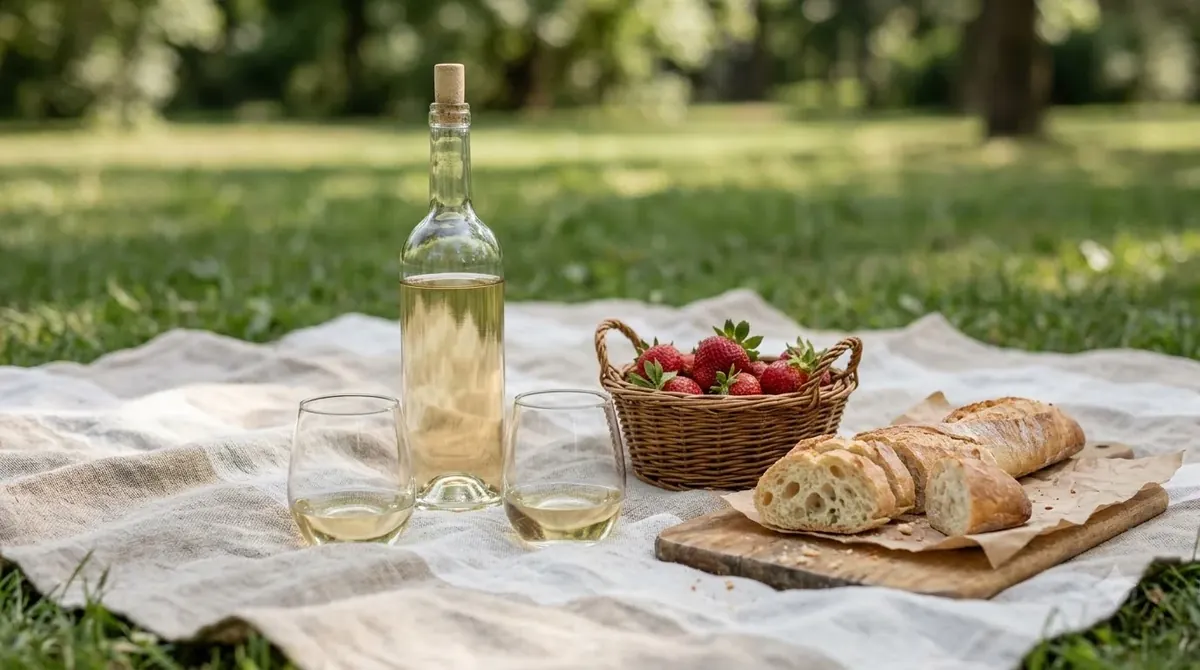
Plain water crackers have little seasoning and generally avoid the buttery sweetness found in some popular snack crackers. That neutrality makes them especially useful when serving delicate wines such as Sauvignon Blanc, Pinot Grigio, or sparkling wine. They also work with mild Brie, fresh goat cheese, mozzarella, and young Gouda. Instead of introducing another strong flavor, the cracker gives the cheese room to show its creamy, tangy, or milky characteristics.
For sparkling wine, water crackers are particularly practical. Champagne and other traditional-method sparkling wines have refreshing acidity and bubbles that help balance rich, creamy foods. A bite of Brie on a water cracker followed by a sip of sparkling wine creates a straightforward combination in which neither the cracker nor the cheese overwhelms the wine.
Dry still whites benefit from the same approach. Sauvignon Blanc has high acidity and can pair beautifully with fresh goat cheese, while Chardonnay has medium acidity and can accommodate richer cheeses such as mild cheddar or Gruyère. A plain cracker provides a consistent base for both combinations.
Water crackers are also useful during comparative wine tastings. If you are sampling several bottles, heavily seasoned snacks can leave flavors behind that affect the next sip. A plain cracker helps reset the palate between combinations, particularly when moving from an aromatic white to a lighter red.
Choose small, sturdy crackers that can support a modest portion of cheese without crumbling. If the cheese is especially soft, spread a thin layer rather than piling it high. For a tasting with several wines, keep a separate stack of plain crackers available even if you also offer more flavorful varieties.
Whole-Grain, Multigrain, and Seeded Crackers Suit Richer Cheeses
Whole-grain and multigrain crackers introduce toasted, earthy, and nutty flavors that complement aged cheeses. They are especially useful when the wine has enough body and flavor to stand alongside a more substantial cheese selection.
Multigrain crackers are a natural choice for aged cheddar, mature Gouda, Gruyère, and other firm cheeses. Their grain flavors add complexity without necessarily becoming dominant. Aged cheddar, for example, has a sharper flavor than young cheddar, so a cracker with oats, wheat, or mixed grains provides a more substantial foundation.
Seeded crackers offer another option. Sesame, flax, sunflower, and pumpkin seeds contribute roasted or nutty characteristics along with a more pronounced crunch. These flavors complement the savory notes of aged cheeses and can also provide an interesting contrast to soft goat cheese.
For red wine, choose seeded or whole-grain crackers with restraint. Pinot Noir has low-to-medium tannin and high acidity, making it suitable for a board with Gruyère, mild cheddar, and earthy accompaniments. Merlot has medium, softer tannins and can work with a similar selection. Cabernet Sauvignon has higher tannin and is generally better supported by flavorful, aged cheeses such as mature cheddar.
Salt and fat are important considerations with red wine. Fatty cheeses can soften the perception of tannin, making a structured red feel less drying. A small piece of aged cheddar on a multigrain cracker can therefore make more sense with Cabernet Sauvignon than a delicate fresh cheese on a thin, unsalted wafer.
Schreiber Foods’ cheese pairing guide also identifies Gruyère as a suitable partner for several wine styles, including Pinot Noir, Syrah, Grenache, and Riesling. The cheese’s nutty and savory character makes it a useful choice for a board featuring both whole-grain crackers and wines with different structures. The guide is available in Schreiber Foods’ cheese and wine pairing guide.
When choosing crackers for mature cheese, consider the intensity of both ingredients. A heavily seeded cracker may work well with sharp cheddar, but it can dominate a mild young Gouda. Use the more flavorful varieties with cheeses that have enough character to remain noticeable.
Rye Crisps and Flatbreads Work With Bold Flavors
Rye crisps and substantial flatbreads are good choices when the cheese has an intense, savory, or aged flavor. Their toasted grain character and firm texture provide more presence than a neutral water cracker, making them useful for stronger cheese boards.
Rye crackers often have an earthy, slightly tangy flavor. They pair well with smoked Gouda, aged Gouda, blue cheese, and other cheeses with pronounced aromas. Their distinctive taste is also suitable for combinations involving cured meats, roasted nuts, and savory spreads.
For a red wine board, consider rye crisps alongside aged Gouda and a medium-bodied Merlot. The cheese supplies richness, while the cracker introduces an earthy grain flavor. If you prefer Cabernet Sauvignon, aged cheddar or another firm, flavorful cheese can provide enough intensity to stand alongside the wine’s higher tannin.
Flatbreads are another practical option, particularly those made with olive oil and lightly seasoned with salt. They are sturdier than many thin crackers and can support Parmesan shavings, Manchego, and other firm cheeses. Olive oil flatbreads also provide a pleasant base for small servings of prosciutto or roasted vegetables.
Manchego is especially suitable for olive oil and sea salt crackers. Its firm texture and savory character work well with a simple, lightly seasoned base. Rioja Reserva is a traditional wine direction for this cheese, making the combination useful for a Spanish-inspired appetizer board.
Some flatbreads contain rosemary, black pepper, garlic, or other strong seasonings. These can be delicious, but they should be selected according to the wine. Garlic-heavy crackers may overwhelm delicate whites, while pepper-seasoned varieties can become distracting with wines that already have pronounced spice characteristics.
Keep the distinction between an accompaniment and a competing flavor in mind. A substantial cracker can help a strong cheese stand up to a full-bodied red, but adding several heavily seasoned ingredients to the same bite can make the wine difficult to appreciate.
Tip: If you are unsure which cracker to choose, serve one plain water cracker and one whole-grain or rye option. Taste the cheese with each before adding wine. The better cracker is the one that supports the cheese without making the wine seem unusually bitter, sour, or flat.
Herbed, Buttery, and Sweet Crackers Need the Right Match
Flavored crackers can make a wine-and-cheese board more interesting, but their seasoning should complement the cheese rather than compete with the wine. Rosemary, thyme, olive oil, butter, honey, and dried fruit each introduce different characteristics that influence the finished bite.
Herbed crackers are particularly suitable for fresh goat cheese and soft-ripened cheeses. Rosemary and thyme add aromatic notes that can complement the earthy, tangy character of chèvre. Sauvignon Blanc is a particularly good wine choice because its high acidity and fresh flavors work with the cheese’s tanginess.
Camembert and Brie are also good candidates for lightly herbed crackers. Both have creamy textures and distinctive aromas, so avoid crackers with excessive garlic or chili. A mild rosemary cracker can add fragrance without taking attention away from the cheese.
Buttery crackers, including familiar round snack crackers, work well with mild cheddar and other approachable cheeses. Their richer texture makes them suitable for casual wine gatherings, particularly when the board includes mild cheeses rather than intensely flavored varieties. A lightly buttery cracker can also accompany Brie, although a plain water cracker is preferable when you want the sparkling wine to remain the main attraction.
Sweet crackers require more careful selection. Graham crackers, dried-fruit crackers, and crackers containing honey or cranberry can complement cheeses with salty or tangy characteristics. They can be interesting with blue cheese, especially when paired with a wine that has noticeable sweetness.
Remember that wine should be at least as sweet as the food it accompanies. A sweet cracker topped with honey and cheese can make a dry wine taste less fruity and more sharply acidic. A late-harvest Riesling or another dessert wine is often a more suitable choice for a sweet-and-salty combination.
Sweetness also changes the way blue cheese behaves in a pairing. Blue cheeses such as Gorgonzola and Stilton have pronounced saltiness and pungency. A sweet wine can balance these characteristics, while a simple cracker provides a neutral base. Fruit crackers with figs or cranberries can provide another layer of contrast.
For most wine tastings, avoid putting several sweet or heavily seasoned crackers on the same plate. Offer one distinctive option alongside neutral crackers so guests can experiment without losing the basic flavor of the wine.
Match Crackers to the Wine and Cheese Combination
The most effective way to select crackers is to consider the wine, cheese, and cracker as one combination. A cracker that works with Brie and sparkling wine may not be the best choice for blue cheese and Port, even if both combinations are served on the same board.
Use the following combinations as practical starting points. They account for the cracker’s texture, the cheese’s intensity, and the wine’s main structural characteristics.
| Wine style | Recommended cracker | Cheese or topping | Why it works |
|---|---|---|---|
| Champagne or sparkling wine | Plain water crackers | Brie | Neutral crunch and acidity balance creamy cheese. |
| Sauvignon Blanc | Light herbed crackers | Fresh goat cheese | Fresh acidity complements tangy cheese and herbs. |
| Chardonnay | Multigrain crackers | Gruyère | Toasted grain flavors complement rich, nutty cheese. |
| Riesling | Plain or lightly salted crackers | Havarti or mild blue cheese | Fresh acidity and possible residual sweetness support the cheese. |
| Pinot Noir | Thin whole-grain crackers | Gruyère or mild cheddar | Moderate cheese intensity suits a lighter red. |
| Merlot | Seeded wheat crackers | Aged Gouda | Nutty flavors and cheese richness complement softer tannins. |
| Cabernet Sauvignon | Rye crisps or multigrain crackers | Aged cheddar | Firm, flavorful cheese helps balance higher tannin. |
| Syrah | Olive oil flatbread | Sharp cheddar | Fuller cheese flavors can stand alongside structured red wine. |
| Port | Plain or lightly sweet crackers | Blue cheese | Wine sweetness balances salty, intense cheese. |
These combinations are starting points rather than strict rules. A Chardonnay with pronounced oak and body can support richer cheese than a light, unoaked Chardonnay. Similarly, an off-dry Riesling can work with a wider range of salty foods than a completely dry version.
Acidity deserves particular attention. Sauvignon Blanc and Riesling generally have high acidity, while Chardonnay usually has medium acidity. If you are serving tangy goat cheese, pickled vegetables, or a sharp relish, choose a wine with enough acidity to keep the entire bite balanced.
Tannin also changes the experience. Cabernet Sauvignon has high tannin, Syrah has medium-plus to high tannin, Merlot has medium and softer tannin, and Pinot Noir generally has low-to-medium tannin. Rich, fatty cheeses can soften the drying sensation of tannic wines, but delicate fresh cheeses may disappear beside a powerful red.
Spicy crackers deserve additional care. Chili seasoning can amplify the perception of alcohol and tannin, so a high-alcohol Cabernet Sauvignon or Syrah may taste harsher beside a heavily peppered cracker. Choose a lighter white or a fruit-forward wine with less aggressive structure if spicy snacks are part of the board.
Build a Balanced Wine and Cracker Board
A good wine-and-cracker board does not need dozens of ingredients. A thoughtful selection of three cracker styles, three cheeses, and a few complementary accompaniments can provide enough variety for a satisfying tasting.
Start with plain water crackers as the neutral foundation. Add multigrain crackers for aged cheddar or Gouda, then include rye crisps or herbed crackers for a more distinctive option. This arrangement gives guests a choice between neutral, nutty, and aromatic flavors without overcrowding the selection.
For cheese, consider combining Brie, aged cheddar, and fresh goat cheese. These three varieties offer noticeably different textures and flavor intensities. Brie is soft and creamy, aged cheddar is firmer and sharper, and fresh goat cheese is tangy and often slightly crumbly.
Choose one or two wines that complement the overall selection. A sparkling wine or crisp Sauvignon Blanc is useful for the Brie and goat cheese, while a Pinot Noir or Merlot can work with the cheddar. If you are serving a larger gathering, two contrasting wine styles provide more flexibility than asking one bottle to accommodate every combination.
Fruit can provide another layer of contrast. Fresh grapes, sliced pears, and apples are easy additions. Dried apricots and figs work with richer cheeses, while quince paste can accompany Manchego. However, sweet accompaniments should be considered part of the wine pairing because they can change the way a dry wine tastes.
Salted nuts, olives, and cured meats can make the board more substantial. However, avoid adding too many intensely flavored items. A combination of olives, pickles, spicy salami, garlic crackers, and pungent cheese can overwhelm a delicate white wine. For additional serving ideas, see what appetizers go with wine, including options beyond cheese and crackers.
Arrange the crackers in separate groups rather than mixing them together. This makes it easier to identify each variety and prevents strong flavors from transferring between crackers. Keep a separate serving utensil for spreads and soft cheeses, and replenish crackers in small batches to maintain their crisp texture.
Portion size also matters. A standard wine pour is 5 ounces, and a 750-milliliter bottle provides approximately five glasses. A 1.5-liter magnum provides approximately 10 standard 5-ounce pours, which can be useful when planning a larger gathering. The guide to how many glasses in a magnum explains the serving calculation.
When arranging a tasting, serve delicate wines and cheeses before stronger selections. Start with sparkling wine, fresh goat cheese, and water crackers, then move toward Chardonnay, aged cheddar, and more substantial crackers. Finish with stronger reds and blue cheese, or reserve a sweet wine for the final course.
Cheese temperature also affects the experience. Most firm and soft-ripened cheeses show their aromas and textures more clearly after losing some refrigerator chill, while fresh cheeses should remain cold until serving. Allow enough preparation time to arrange the board and serve each cheese at an appropriate temperature.
For more guidance on acidity, tannin, sweetness, and serving temperatures, explore the site’s Wine Q&A and wine basics. These fundamentals make it easier to choose a suitable bottle when the board includes several different cheeses and crackers.
Common Cracker Pairing Mistakes to Avoid
The biggest cracker-pairing mistake is choosing a strong flavor before considering the wine and cheese. A cracker can be delicious on its own but still make an otherwise successful combination taste unbalanced.
One common problem is serving garlic-heavy crackers with delicate wines. Garlic has a lingering aroma that can dominate the next bite, particularly when the wine is a light Pinot Grigio or an aromatic white. Plain crackers are a better choice when the goal is to appreciate subtle floral, citrus, or mineral characteristics.
Another mistake is combining very salty crackers with an already salty cheese. Salt can be useful because it softens the impression of tannin, but too much seasoning can make the entire bite taste excessively salty. If you are serving Parmesan, aged Gouda, or blue cheese, use a lightly salted or plain cracker rather than adding more salt unnecessarily.
Sweet crackers can also create problems with dry wine. Honey crackers, dried-fruit crackers, and sweet spreads may make a dry red taste more bitter or less fruity. If you want to include sweet ingredients, choose a wine with enough sweetness to balance the entire bite rather than just the cheese.
Texture is another consideration. A very thin cracker can break under a large piece of Brie, while a thick, hard crispbread may overwhelm a delicate fresh cheese. Choose a cracker that supports the portion without dominating it. For spreads, a flat, sturdy cracker is generally more practical than a fragile wafer.
Finally, avoid treating every red wine as a suitable partner for every cheese. A powerful Cabernet Sauvignon can overpower mozzarella or fresh ricotta, while a delicate Pinot Noir may disappear beside a heavily seasoned blue cheese. Match the intensity of the wine to the cheese and use the cracker to provide balance.
If a pairing tastes wrong, simplify it. Remove the chutney, switch to a plain cracker, or replace the cheese with a milder alternative. Changing one element at a time makes it easier to identify what is disrupting the combination.
Frequently Asked Questions
Are crackers necessary when serving wine and cheese?
No. Bread slices, crostini, and fresh fruit can serve the same purpose. Crackers are particularly convenient because they provide individual portions and are easy to arrange around cheese without requiring additional preparation. They are also useful for guests who want to sample several combinations.
Should crackers be served warm or at room temperature?
Most crackers are best served at room temperature so their baked texture remains crisp. Warm crackers can release stronger aromas from butter, oil, or seasoning, which may interfere with delicate wine aromas. Avoid refrigerating crackers because moisture can soften their texture.
Can gluten-free crackers be served with wine?
Yes. Rice-based crackers, seed crisps, and some nut-flour crackers can all accompany wine. Their flavor and texture vary considerably, so choose plain versions for delicate wines and more substantial seeded varieties for aged cheeses. Keep separate serving utensils available if you are accommodating guests with different ingredient requirements.
How many crackers should I serve per guest?
For a small wine-and-cheese tasting, approximately 8 to 12 crackers per guest is a reasonable starting point when other appetizers are available. Increase the quantity if crackers are the primary vehicle for cheese and spreads. For a longer reception, replenish the serving plate in batches instead of placing the entire supply out at once.
Can chocolate crackers work with wine?
Yes, particularly with sweet or fortified wines. Chocolate-flavored crackers can accompany Ruby Port, Tawny Port, and some sweet red wines, provided the cracker does not taste sweeter than the wine. Dark chocolate flavors are generally more suitable for richer wines than for delicate dry whites.
The best crackers for wine are those that support the wine and the food without competing with either. Plain water crackers are the most dependable starting point, while seeded, multigrain, rye, and herbed varieties provide additional character for specific cheeses and wine styles. Keep a mixture of neutral and flavorful options available, and let the ingredients on the board determine which combination works best.
More in Wine Basics
 Which Rose Is Best for Your Taste, Budget, and Food PairingsUpdated Nov 21, 2026
 Is Cheap Wine Bad? How to Find Bottles Worth DrinkingUpdated Nov 21, 2026
 What To Write On A Wine Gift Tag: Thoughtful Messages For Every OccasionUpdated Nov 21, 2026
 Which Wine Is Best For Weight Loss? Compare Lower-Calorie ChoicesUpdated Nov 21, 2026
 What Is The Best Wine For Mimosas? Choose Bubbly That Balances Orange JuiceUpdated Nov 20, 2026
 Which Prosecco Is Best for Your Taste and OccasionUpdated Nov 20, 2026