


We may earn a commission when you buy through links on this page, at no extra cost to you. Learn more.
what wine goes with steak tartare? Pinot Noir is the most reliable red choice, while Brut sparkling wine and crisp, high-acid whites are excellent alternatives. Tartare is delicate compared with a seared steak, but its mustard, capers, shallots, vinegar, and egg yolk bring plenty of flavor. Choose a wine with freshness and moderate weight rather than a powerful, heavily tannic red that expects a charred crust.
The best bottle depends on how the tartare is dressed and what arrives beside it. A simple version with beef, salt, pepper, and egg yolk can handle a little more delicacy; a sharper recipe with cornichons, Worcestershire, Dijon, or hot sauce calls for more lift and a fruit-forward style. Start with the matches below, then adjust for the garnish and the wine’s weight.
Pinot Noir Is the Best All-Around Red Match
Pinot Noir has the freshness and gentle tannin that raw beef tartare needs. Its red-cherry and berry flavors meet the savory meat without overwhelming the mustard, capers, or finely chopped shallot, and its acidity keeps each bite lively.
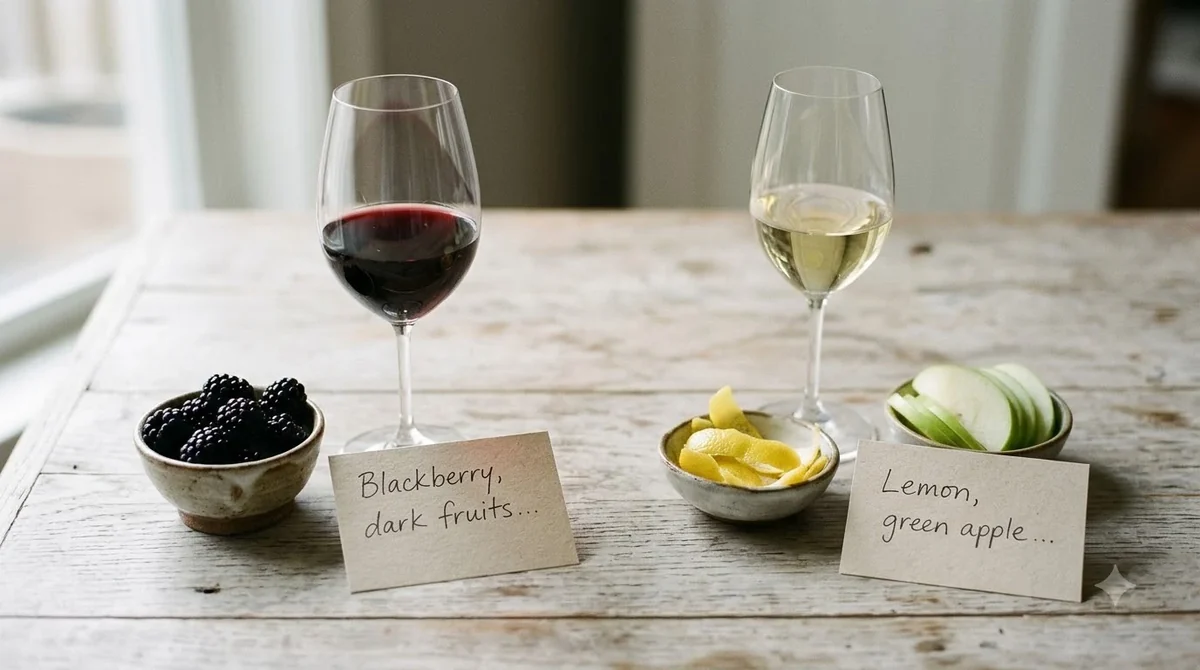
Look for a light- to medium-bodied Pinot Noir from Burgundy, Oregon’s Willamette Valley, California’s Sonoma Coast, or another cool-climate region. Decanter’s Pinot Noir pairing advice notes that the grape’s natural acidity and bright red fruit suit lean beef, and specifically identifies steak tartare as a good match. A bottle with fresh fruit, restrained oak, and modest alcohol is safer than a dense, heavily extracted example built for ribeye. Serve the red slightly cool, around 55 to 60 degrees Fahrenheit, to keep its fruit bright and alcohol from seeming heavy beside the cold dish.
Pinot Noir is particularly flexible when the tartare is made with tenderloin and a restrained dressing. It also works with a richer top-round preparation that includes egg yolk and olive oil, because the wine has enough acidity to refresh the palate without relying on assertive tannin. For a broader comparison with cooked beef, see our guide to what wine goes with flank steak; the seared surface and stronger meat flavor there can support a different class of red.
Choose a younger, fruit-forward style if the dish includes parsley, chives, or other fresh herbs. More earthy Pinot Noir can work with mushrooms or truffle, but very old, fragile bottles are easily lost beside vinegar and raw onion.
Brut Sparkling Wine Handles Richness and Salty Garnishes
Dry sparkling wine is a strong alternative when tartare is served with egg yolk, olive oil, toasted bread, or salty capers. Its acidity refreshes the palate, while its bubbles make a useful contrast to the dish’s soft texture.
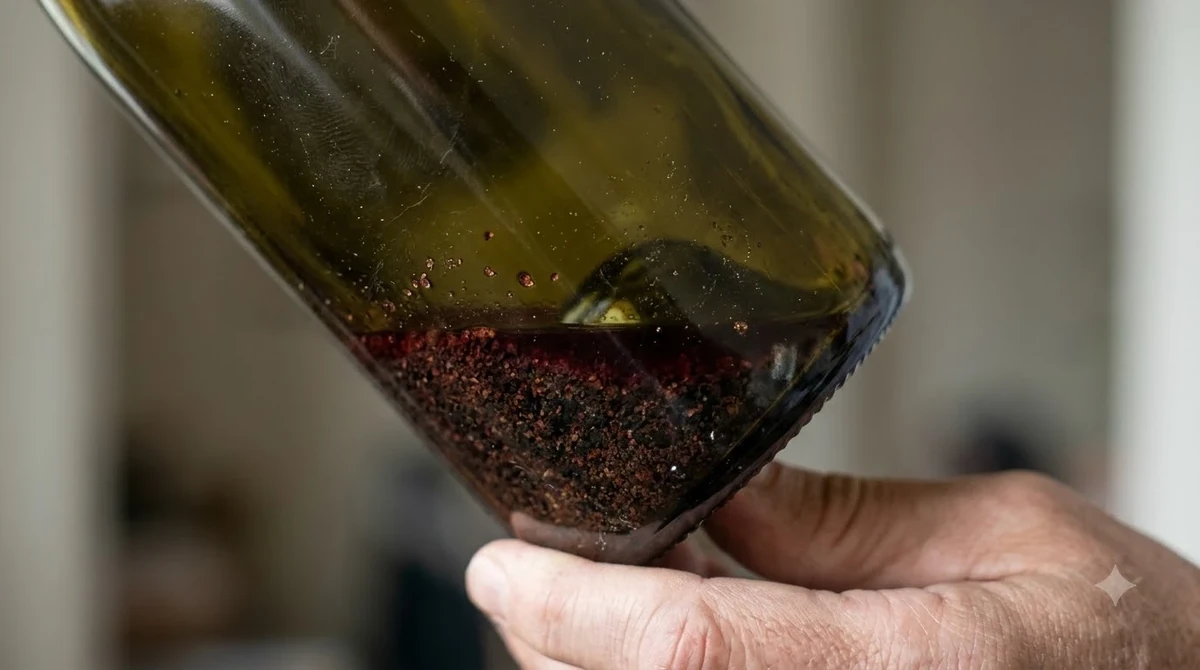
Choose Brut Champagne, Crémant, or another traditional-method sparkling wine when the preparation is classic and savory. The bottle-fermented styles often bring citrus, apple, and subtle bread notes that pair naturally with toast points or crisp potatoes. A Brut bottling is dry enough for the salty dressing; sweeter sparkling styles can make capers and mustard seem more severe.
For lean, simply seasoned tartare, Blanc de Blancs Champagne or Chardonnay-led Crémant is a neat choice. With Worcestershire, Dijon, and black pepper, a Pinot Noir-led sparkling wine or dry rosé sparkling wine has more red-fruit presence; dry Cava offers crisp acidity and a savory edge. Serve sparkling wine at 40 to 50 degrees Fahrenheit. A 750-milliliter bottle provides about five standard 5-ounce pours, enough for four or five guests.
Do not assume that every sparkling wine is bone-dry. On the traditional sweetness scale, Brut Nature and Extra Brut are drier than Brut, while Extra Dry is actually a little sweeter than Brut. For tartare with vinegar, mustard, and pickles, Brut or a drier style is generally the most dependable choice. Prosecco, made primarily from Glera by the tank method and typically bottled at 11 to 12 percent alcohol, is a fruitier alternative; choose a Brut bottling rather than Extra Dry when the dressing is sharp. A lightly off-dry sparkling wine may work with a very spicy dressing, but keep sweetness restrained.
Bright White Wines Work With Mustard, Herbs, and Pickles
A high-acid white wine can be an excellent partner for tartare, especially when the recipe leans on mustard, capers, cornichons, lemon, or fresh herbs. Look for a dry wine with crisp citrus or green-fruit flavors and little obvious oak.
Sauvignon Blanc is a natural choice with parsley, chives, or sharp vinaigrette. Sancerre and Pouilly-Fumé from the Loire Valley offer acidity and restrained body, while New Zealand examples tend to show more citrus and herbal notes. Chablis and other unoaked Chardonnay styles are better when egg yolk and olive oil make the tartare rounder. Chardonnay has medium acidity, so choose a lean, mineral style rather than a buttery, heavily oaked one.
Dry Riesling is useful with vinegar, pickled garnish, or chili. Its naturally high acidity meets the sharpness of the dressing, while citrus and stone-fruit aromas complement the meat. Select a dry bottling for a classic recipe; a slightly off-dry style is more suited to a distinctly hot version, where a touch of residual sugar can temper the heat.
Wine Enthusiast also points to Listán Blanco, also known as Palomino, from Spain’s Canary Islands. The style can combine acidity and structure with citrus, green apple, nuts, and roast-fennel notes. It offers a more savory white-wine route for diners who want something beyond the familiar Sauvignon Blanc or Chardonnay choice. For more background on how acidity, body, and seasoning interact, our Wine Pairing primer explains the basic matching principles.
Match the Bottle to the Tartare’s Seasoning
The dressing often matters as much as the beef. A classic tartare can include mustard, red-wine vinegar, capers, shallot, egg yolk, olive oil, parsley, and pepper, and each addition changes the balance of the finished dish.
Capers, cornichons, and Worcestershire sauce create salty, briny flavors that can make a heavy or very tannic wine seem harder. Favor Pinot Noir, Blaufränkisch, dry sparkling wine, or a crisp white. Wine Enthusiast’s tartare pairing article recommends juicy, low-tannin reds for briny tartares, highlighting Blaufränkisch for peppery character and fresh berry and cherry fruit. Mustard and vinegar add sharpness, so Sauvignon Blanc, dry Riesling, Brut sparkling wine, and high-acid Pinot Noir are useful choices; low-acid, oaky Chardonnay may taste broad and flat beside Dijon and red-wine vinegar.
Egg yolk and olive oil make the mixture feel richer and smoother. They create room for a wine with a little more body, such as Pinot Noir, a Chardonnay with modest texture, or sparkling wine with some lees character. Salt can soften the impression of tannin, but that does not mean a muscular Cabernet is the best match: tartare is usually much leaner and less charred than a grilled steak.
Hot sauce, chili, or a generous grind of black pepper calls for extra care. Alcohol and tannin can intensify chili heat, so avoid high-alcohol reds and strongly tannic styles when the dish is genuinely spicy. Choose a fresh, moderate-alcohol red or a dry-to-slightly-off-dry white instead. A small amount of sambal or Tabasco changes the ideal bottle more than a sprinkle of parsley does.
For example, Ricardo’s classic recipe serves four and combines 400 grams of tenderloin or top round with shallot, egg yolk, parsley, mustard, red-wine vinegar, capers, and olive oil. That mix calls for freshness and moderate structure rather than the dense tannin recommended for grilled beef. If the meal moves to a richer cooked dish, our guide to what wine goes with steak frites covers that more substantial pairing.
Choose Reds With Restraint and Skip Heavy Tannin
Raw beef tartare does not have the browned crust, smoke, or concentrated richness of a seared steak. That is why light reds usually outperform the classic full-bodied steak wines, even though both dishes center on beef.
Besides Pinot Noir, consider Gamay from Beaujolais, especially a fresh cru such as Fleurie or Morgon. It brings juicy red fruit, lively acidity, and modest tannin for capers and herbs. Blaufränkisch is more peppery, with berry and cherry fruit that suits mustard, Worcestershire, or anchovy. Mencía from Bierzo in northwestern Spain offers another route: Wine Enthusiast describes graphite, slate, and iron notes alongside red fruit, which can echo the meat without demanding grilled flavors.
Some Rhône reds can work if they are not too powerful. Wine Enthusiast identifies Châteauneuf-du-Pape, made primarily from Grenache Noir, as a confident match for the faintly gamy side of raw beef; the style can show leather, tea, spice, and dark fruit. That is a more intense route, best with generously seasoned tartare and a wine whose tannins remain supple. For a delicate tenderloin preparation, a lighter Pinot or Gamay is easier to balance.
Young Cabernet Sauvignon, firm Syrah, and heavily extracted Malbec are usually poor first choices for a simple tartare. Their higher tannin and weight are better suited to grilled or roasted beef, where protein, fat, and browned surfaces soften the wine’s grip. Decanter’s broader steak advice rightly favors powerful reds for intensely flavored cooked cuts, but it separately recommends Pinot Noir for tartare and lean rare beef. Our article on what wine goes with beef brisket explains why slow-cooked, deeply savory beef can support a much bigger wine.
Serve the Wine Cool and Keep the Meal’s Pace in Mind
Temperature can decide whether a good pairing feels crisp or cumbersome. Serve light reds slightly chilled, sparkling wines cold, and whites cool enough to preserve their acidity without muting their aroma.
Use these practical serving ranges as a starting point:
| Wine style | Serving temperature | Best tartare match |
|---|---|---|
| Brut sparkling wine | 40–50°F | Egg yolk, capers, toast, and salty garnish |
| Light white or dry rosé | 45–50°F | Mustard, vinegar, herbs, and pickles |
| Fuller-bodied white | 50–55°F | Richer olive-oil or egg-yolk dressing |
| Light red, such as Pinot Noir or Gamay | 55–60°F | Classic beef tartare with moderate seasoning |
| Full-bodied red | 60–65°F | Usually better saved for a cooked beef course |
A 5-ounce pour is usually enough for a first course, and a standard 750-milliliter bottle contains about five such pours. When serving both sparkling wine and a still wine, start with the sparkling bottle or crisp white, then move to Pinot Noir with the tartare. Keep the plate cold, serve the dish promptly after it is dressed, and plan the wine around the strongest seasoning rather than assuming one bottle suits every course.
Tip: Chill a light red for about 20 to 30 minutes before serving, then pour a small taste with the tartare. If the mustard or capers dominate, switch to a brighter, lower-tannin wine rather than opening a bigger Cabernet.
Fries, toasted baguette, or crisp potato chips add salt and crunch, making Brut sparkling wine and fresh Pinot Noir appealing. A leafy salad dressed with lemon or vinegar may call for a crisp white instead; the dressing can be sharper than the beef itself.
Frequently Asked Questions
Can you drink red wine with steak tartare?
Yes. Pinot Noir, Gamay, Blaufränkisch, and Mencía are useful red choices because they offer freshness without forceful tannin. One shopping detail: Burgundy Pinot Noir is often labeled by its appellation or village, such as Bourgogne Rouge or Santenay, rather than displaying the grape name prominently.
Is Champagne a good match for steak tartare?
Yes, especially Brut Champagne or a dry Crémant. Blanc de Blancs means a white sparkling wine made from white grapes; in Champagne, Chardonnay is the grape most commonly associated with this label. A Pinot Noir-led sparkling wine can bring more red-fruit character to a strongly seasoned version.
Does steak tartare pair with Cabernet Sauvignon?
It can, but it is not the safest match for a classic, lean tartare. Many Bordeaux reds blend Cabernet Sauvignon with Merlot and Cabernet Franc, so they can show a different balance of fruit, herbal notes, and tannin than a single-variety Cabernet. Save a firm, heavily structured Cabernet for cooked beef with more richness and char.
What wine should you serve with spicy steak tartare?
Choose a moderate-alcohol wine with lively acidity, such as dry Riesling, Pinot Noir, or a fresh rosé. Serve extra chili sauce on the side so each guest can adjust the heat without changing the seasoning of the whole plate. Avoid high-alcohol, tannic reds, which can make chili seem hotter.
Should steak tartare be served with chilled wine?
Most of the best matches benefit from cool service, but the ideal temperature depends on the style. For sparkling wine, a tulip-shaped glass helps retain the bubbles while concentrating the aromas; a broader glass suits still Pinot Noir better. Cool temperatures keep the wine refreshing without making a light red taste muted or hard.
For most classic steak tartare, start with Pinot Noir; choose Brut sparkling wine for extra richness and salt, or a crisp white when mustard, vinegar, and herbs take the lead. Keep the wine fresh, moderate in weight, and cool enough to refresh the palate, and let the seasoning guide the final choice.
More in Food & Wine Pairing
 Risotto With White Wine Recipe: Make a Creamy Dinner at HomeUpdated Nov 20, 2026
 Wassail With Wine Recipe for a Festive Spiced Holiday DrinkUpdated Nov 20, 2026
 Spritz Veneziano Recipe: Make a Classic Venetian Aperitivo at HomeUpdated Nov 20, 2026
 Summer Wine Punch Recipe for Easy Homemade EntertainingUpdated Nov 20, 2026
 Bishop Recipe: How to Make a Bright, Citrus-Forward Red Wine CocktailUpdated Nov 20, 2026
 Wine Cupcakes Recipe: Bake Rich Chocolate Cupcakes at HomeUpdated Nov 20, 2026