

We may earn a commission when you buy through links on this page, at no extra cost to you. Learn more.
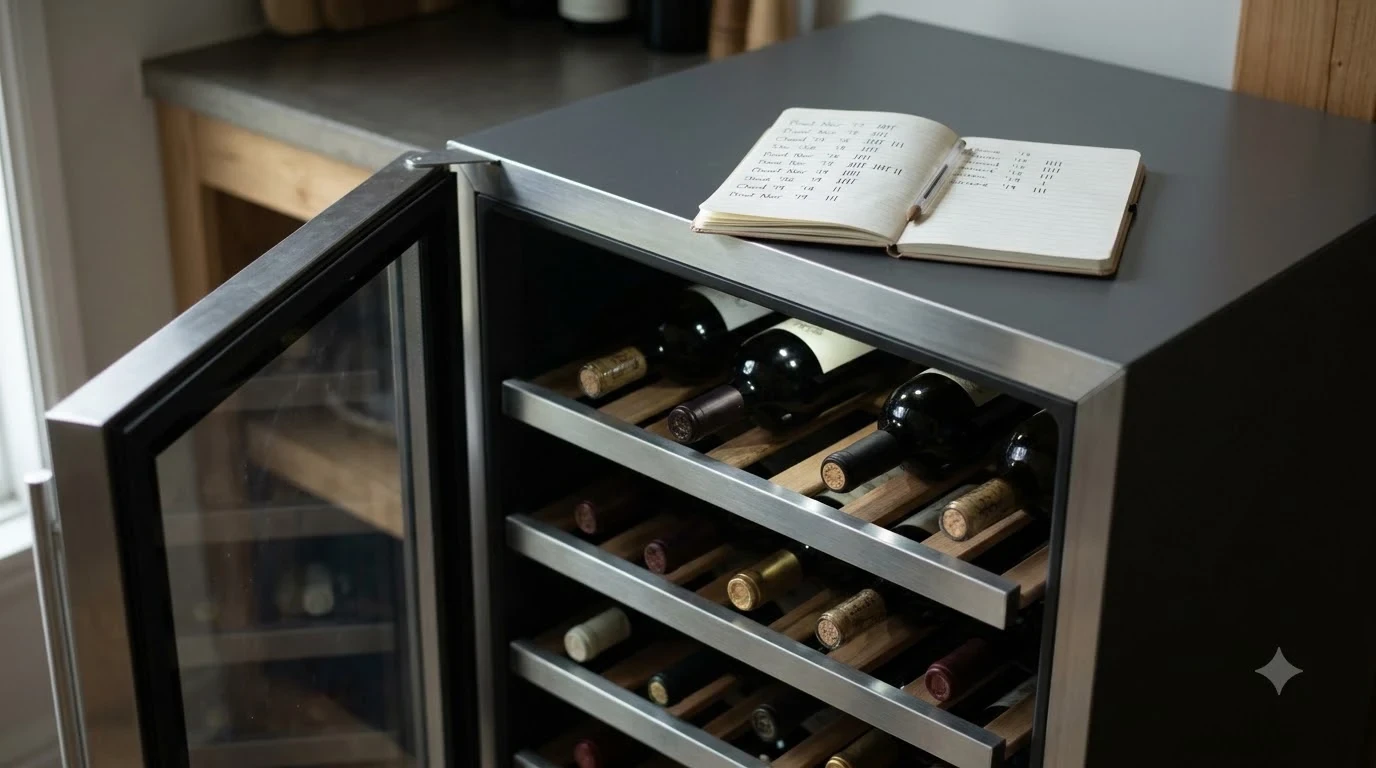
Can you age wine in a wine fridge? Yes, you can age wine in a wine fridge if it maintains a consistent temperature around 55°F, provides suitable humidity, and protects bottles from light and excessive vibration. A purpose-built wine refrigerator can provide conditions similar to a traditional wine cellar, making it a practical alternative for home collectors. However, not every wine cooler is designed for long-term aging, and the quality of the appliance matters as much as its temperature setting.
A wine refrigerator offers more control than a kitchen refrigerator or an ordinary storage cabinet. The important distinction is whether the appliance preserves wine under stable conditions or simply chills bottles for convenient serving. Understanding temperature, humidity, bottle positioning, and the wine’s natural aging potential will help you decide whether your current appliance is suitable for keeping bottles for several years.
How a Wine Fridge Supports Long-Term Wine Aging
A properly designed wine refrigerator can support wine aging by maintaining a cool, stable environment and protecting bottles from common storage problems. A consistent temperature near 55°F is a practical target for storing Cabernet Sauvignon, Pinot Noir, Chardonnay, and other wine styles together.
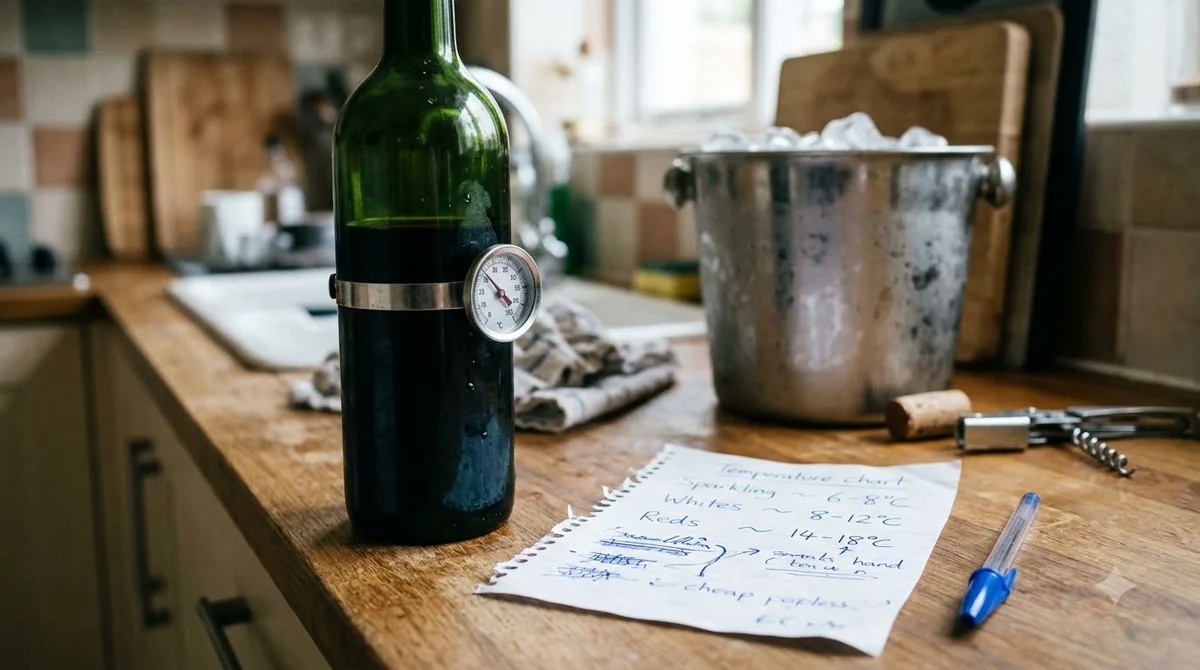
Wine changes gradually inside a sealed bottle. During maturation, chemical reactions influence its aromas, acidity, tannins, color, and overall structure. Temperature affects the speed of these reactions, which is why wine storage requires more care than simply keeping bottles cold.
A wine fridge helps control the environment around the bottle. Unlike a kitchen refrigerator, which is designed primarily for preserving food, a wine refrigerator is generally built around wine-specific storage requirements. Depending on the model, it can provide adjustable temperatures, horizontal shelving, UV-resistant glass, humidity management, and vibration-reduction features.
These features become particularly important when keeping bottles for several years. A bottle stored at a consistent 55°F in a dark environment is generally better positioned to develop gradually than one exposed to repeated temperature changes in a warm kitchen.
However, a wine refrigerator does not automatically improve every bottle. Most inexpensive supermarket wines are made for relatively early consumption. A simple Pinot Grigio or inexpensive Sauvignon Blanc may lose its fresh fruit character rather than develop additional complexity through extended storage.
Age-worthy wines are different. A well-structured Bordeaux, Barolo, vintage Port, or certain California Cabernet Sauvignons may develop additional layers of aroma and flavor with appropriate aging. The refrigerator preserves the conditions necessary for that development; it cannot manufacture aging potential that the wine does not possess.
For practical storage advice, it helps to distinguish between preserving wine and preparing it for drinking. The temperature that supports gradual maturation is not necessarily the temperature at which you should serve the bottle.
The Best Temperature for Aging Wine in a Refrigerator
A temperature of approximately 55°F is a reliable target for long-term wine storage, with 53–57°F providing a useful operating range. Maintaining that temperature consistently matters more than making frequent adjustments for different wine varieties.
Wine Enthusiast recommends 53–57°F for long-term storage and 50–59°F for shorter storage periods. These ranges reflect the importance of avoiding both excessive heat and unnecessary temperature changes. Liebherr also identifies 10–12°C, approximately 50–54°F, as a suitable general storage range.
The small differences between these recommendations illustrate that there is no single magical degree at which wine suddenly ages correctly. A steady environment is more important than repeatedly changing the setting to chase an exact number. For additional guidance, see Wine Enthusiast’s practical wine storage recommendations.
For most home collectors, setting a suitable wine refrigerator to 55°F provides a straightforward starting point. Once the appliance has stabilized, leave it at that setting rather than switching temperatures every time you add a bottle of red or white wine.
Storage temperature versus serving temperature
One common mistake is setting the entire wine refrigerator to the preferred serving temperature of a particular bottle. White wines are often served colder than reds, but that does not mean they should necessarily be stored at those colder temperatures for years.
For long-term preservation, red, white, rosé, sparkling, and fortified wines can generally share a consistent cellar-style storage temperature. Their preferred serving temperatures can be achieved shortly before opening.
| Wine category | Long-term storage target | Typical serving temperature |
|---|---|---|
| Red wine | 53–57°F | 55–65°F |
| Light white wine | 53–57°F | 45–50°F |
| Full-bodied white wine | 53–57°F | 50–55°F |
| Rosé wine | 53–57°F | 45–50°F |
| Sparkling wine | 53–57°F | 40–50°F |
| Sweet white wine | 53–57°F | 43–50°F |
The serving ranges in the table are intended for enjoyment, not extended storage. For example, a Champagne bottle stored at 55°F can be chilled to approximately 45°F before serving. Similarly, a Cabernet Sauvignon can be stored at 55°F and brought slightly warmer before pouring.
A dual-zone wine fridge can be useful if you want one compartment for aging and another for bottles you plan to serve soon. However, two zones are not essential for a collection devoted primarily to long-term storage.
Tip: Set a single-zone wine refrigerator to approximately 55°F if your primary goal is aging bottles. Avoid changing the temperature to match individual serving preferences. Chill or warm each bottle separately before opening.
Humidity, Light, and Vibration Affect Wine Preservation
Temperature is only one part of successful wine storage. A suitable wine refrigerator should also protect natural corks from drying, limit ultraviolet exposure, and minimize unnecessary movement during the aging process.
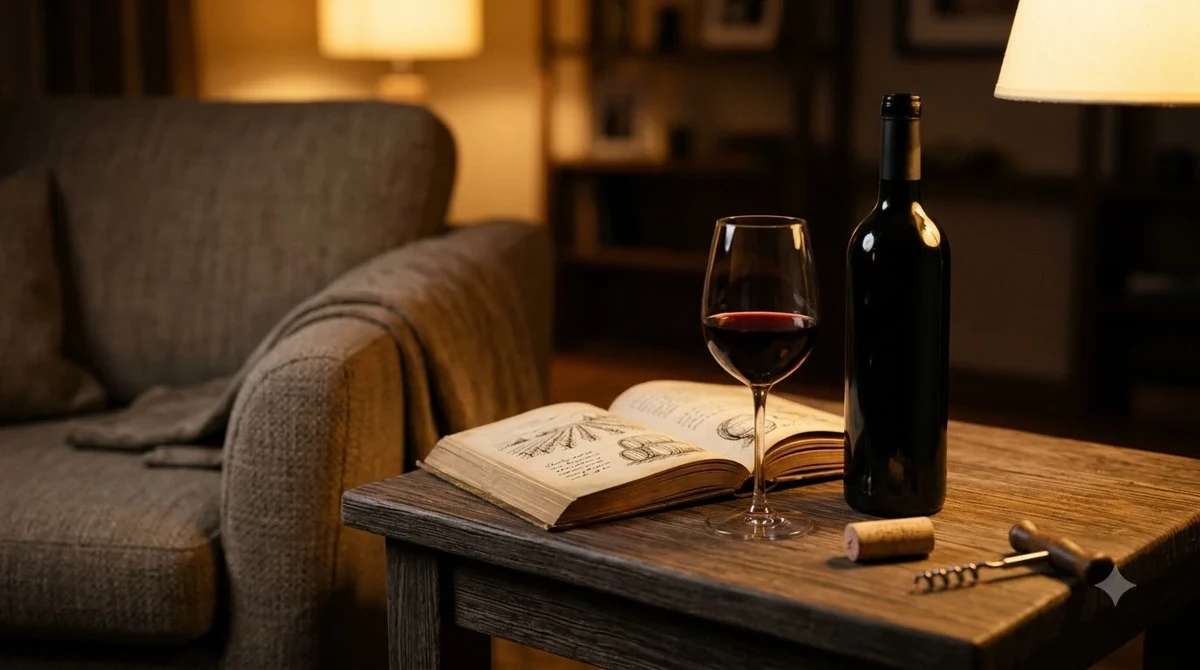
Humidity: Relative humidity around 50–80% is a commonly recommended range for wine storage. Wine Enthusiast and Liebherr both identify this range as suitable for maintaining cork condition.
A natural cork provides a seal between the wine and the surrounding environment. If the cork becomes excessively dry, it may shrink or lose its sealing effectiveness, increasing the possibility of unwanted oxygen entering the bottle. Excessive oxygen exposure can gradually damage aromas and flavors.
Very high humidity also creates problems. Damp conditions can damage labels, encourage mold growth on exterior surfaces, and make a storage area unpleasant to maintain. The goal is moderate humidity rather than a constantly wet environment.
Some wine refrigerators include built-in humidity controls, while others rely on the appliance’s internal design to maintain suitable conditions. If you plan to age natural-cork bottles for several years, humidity management deserves particular attention.
Light protection: Wine should be stored away from direct sunlight and strong artificial light. Ultraviolet exposure can cause unwanted chemical reactions that damage a wine’s aromas and flavor. This is one reason many wine bottles use dark glass.
A refrigerator with UV-resistant glass provides an additional layer of protection, especially if it will be placed in a bright living room or dining area. Solid doors also provide effective darkness. Interior LED lighting is generally preferable to strong lighting that produces significant heat.
Keeping the door closed when possible is a simple way to limit unnecessary exposure. A display cabinet with transparent glass may look attractive, but its protective properties matter more than its appearance.
Vibration: Repeated movement is another consideration. Wine refrigerators with anti-vibration components are preferable for bottles intended to remain undisturbed for extended periods.
Vibration can disturb sediment in older red wines and is commonly treated as an undesirable storage condition. Choose a stable location for the appliance, avoid placing heavy equipment directly against it, and do not repeatedly rearrange bottles without a reason.
These environmental factors work together. A refrigerator that maintains 55°F but exposes bottles to direct sunlight and excessive movement is not providing the same quality of storage as a well-designed wine cabinet that controls several conditions simultaneously.
Choosing a Wine Fridge Suitable for Aging
The most important distinction when choosing an appliance is whether it is designed for long-term preservation or short-term chilling. A basic wine cooler may hold bottles at serving temperature, while a more advanced wine refrigerator provides the environmental stability needed for aging.
Wine refrigerators can differ significantly in their temperature regulation, insulation, shelving, and humidity features. The actual specifications are more important than the name printed on the product.
Single-zone versus dual-zone refrigerators
A single-zone wine refrigerator maintains one general temperature throughout its storage compartment. This arrangement is particularly practical for aging because the entire collection can remain at approximately 55°F.
A dual-zone model has two independently adjustable compartments. One zone can maintain cellar-style storage conditions, while the other can hold bottles at temperatures closer to their preferred serving range.
For example, a collector might keep a Bordeaux collection at 55°F in one compartment and maintain a selection of ready-to-drink Sauvignon Blanc and sparkling wine in the second compartment. This arrangement offers convenience without requiring the entire collection to be stored too cold.
However, dual-zone refrigerators are not automatically better for aging. If you intend to store all your bottles at the same temperature for five or more years, a reliable single-zone appliance may be the simpler choice.
Features worth prioritizing
When comparing wine refrigerators, pay attention to the following features:
- Accurate temperature control: The appliance should maintain a stable setting near 55°F without large temperature fluctuations.
- Humidity management: Suitable humidity helps protect natural corks and bottle seals.
- UV protection: UV-resistant glass or a solid door helps protect wine from damaging light.
- Low-vibration operation: A stable compressor and anti-vibration design help minimize unnecessary bottle movement.
- Horizontal shelving: Racks should hold standard wine bottles securely on their sides.
- Reliable capacity: Adequate space prevents overcrowding and makes bottles easier to access.
Temperature consistency deserves particular attention. A refrigerator that displays 55°F but experiences significant internal fluctuations may not provide ideal aging conditions. Consider using an independent thermometer to check whether the appliance maintains a reasonably stable environment.
Capacity is another practical consideration. Wine Enthusiast recommends selecting storage capacity at least 25% greater than the current collection. A refrigerator that is constantly packed beyond its recommended capacity may struggle to maintain uniform cooling. Leave enough room for air circulation and avoid forcing oversized bottles into racks that do not accommodate them properly.
For a collection intended to mature over several years, choosing an appliance based on storage performance rather than decorative features is the better approach.
How to Position and Organize Bottles Inside a Wine Fridge
Most traditional wine bottles sealed with natural cork should be stored horizontally, with the wine remaining in contact with the cork. Organizing bottles carefully also reduces unnecessary handling and makes it easier to keep track of their intended drinking windows.
Horizontal storage is particularly useful for bottles that will remain in the refrigerator for several years. Keeping the cork moist helps maintain its sealing properties and reduces the possibility of premature oxidation.
Not every closure requires the same arrangement. Screw-cap bottles, synthetic corks, and glass closures do not depend on continuous contact between wine and natural cork. They can generally be stored horizontally or vertically, depending on the rack design and available space.
Nevertheless, horizontal storage remains a convenient arrangement for most collections. It allows efficient use of refrigerator space and keeps traditional cork-sealed bottles in a familiar position.
Organizing bottles by drinking window
Rather than arranging every bottle alphabetically, consider grouping wines by their expected opening periods. Keep bottles intended for the next 12 months separate from those being saved for three to five years or longer.
For example, a collection might include a young Rioja intended for relatively early enjoyment, a structured Napa Valley Cabernet Sauvignon reserved for longer maturation, and a vintage Port being held for a special occasion.
Record the producer, grape variety, vintage, purchase date, storage location, and recommended drinking window. This information helps prevent bottles from being forgotten at the back of the refrigerator.
It also helps identify wines that are approaching maturity. Wine aging is not a race to keep bottles for as long as possible. Each wine has a period during which its balance and complexity are likely to be most appealing.
Try to avoid moving bottles unnecessarily. If a bottle contains sediment, repeated disturbance can make it harder to serve clearly. Older red wines can be left upright for approximately 12–24 hours before opening so that sediment has time to settle.
Finally, inspect bottles periodically for signs of leakage, damaged capsules, unusually low fill levels, or corks that appear to be pushing outward. These observations can indicate storage or closure problems that deserve attention.
Which Wines Are Worth Aging in a Wine Refrigerator?
A wine refrigerator can preserve many types of wine, but only certain bottles benefit from extended maturation. Wines with suitable acidity, tannin, fruit concentration, and structure generally have better aging potential than simple wines designed for immediate consumption.
Red wines are often associated with long-term aging because tannins and acidity can contribute to their development. Cabernet Sauvignon, Nebbiolo-based Barolo, and some Syrah wines can develop greater aromatic complexity over time when their structure is balanced.
However, grape variety alone does not determine whether a bottle deserves aging. A simple Cabernet Sauvignon made for immediate consumption may lose its fresh fruit character without developing desirable complexity. A carefully produced Merlot or Pinot Noir can sometimes age better than a more powerful red wine lacking balance.
Red wines with aging potential
Cabernet Sauvignon: High tannin and good acidity can support extended maturation, particularly in structured examples from Napa Valley and Bordeaux. Over time, youthful fruit aromas may develop alongside notes of cedar, tobacco, dried herbs, and leather.
Merlot: Merlot generally has softer tannins than Cabernet Sauvignon. Well-structured examples from Pomerol, Saint-Émilion, and other suitable regions can age, although many approachable Merlot wines are intended for earlier enjoyment.
Pinot Noir: Pinot Noir typically has low-to-medium tannin and relatively high acidity. Quality examples from Burgundy and selected California growing regions can develop delicate earthy, mushroom, dried-fruit, and savory characteristics as they mature.
Syrah: Syrah often has medium-plus to high tannin, making structured examples suitable for aging. Northern Rhône wines, including those from Hermitage and Côte-Rôtie, are notable examples of wines that can develop complexity over time.
White and sparkling wines
White wines can also age successfully, especially when they have strong acidity, concentrated fruit, and suitable production methods. Certain Rieslings, white Burgundies, and premium Chenin Blanc wines can develop complex aromas over several years.
Chardonnay offers a particularly broad range of aging possibilities. A carefully made Chardonnay from Burgundy or another suitable region may develop nutty, honeyed, and savory characteristics, while a simple unoaked example may be better enjoyed young.
Riesling is another notable candidate because its high acidity can support extended development. Some quality German Rieslings and Australian Rieslings can remain interesting for many years, depending on their sweetness, structure, and production style.
Traditional-method sparkling wines, including Champagne and Cava, can also benefit from maturation. These wines undergo a second fermentation in the bottle, and suitable examples may develop additional complexity during extended aging.
By contrast, many Prosecco wines are designed to showcase fresh fruit and floral character. They are generally best enjoyed relatively young rather than held for extended cellar aging.
Before committing bottles to several years of storage, consider the producer’s recommended drinking window. You can also explore Wine Q&A and wine basics for more information about grape varieties, production methods, and the characteristics that influence a wine’s development.
How to Maintain Your Wine Fridge Over Several Years
A wine refrigerator needs occasional monitoring to maintain reliable storage conditions. Checking the temperature, keeping the appliance clean, avoiding overcrowding, and protecting it from environmental changes can help preserve a collection over several years.
Start by checking the displayed temperature after the appliance has had enough time to stabilize. A separate thermometer can help confirm that the refrigerator is operating close to its intended setting, particularly if you are storing valuable bottles.
Check the temperature periodically rather than repeatedly adjusting it. If the display shows unexpected fluctuations, investigate the cause before making changes to the thermostat.
Choose a suitable location
Place the refrigerator in an area with relatively stable ambient temperatures. A climate-controlled indoor room is generally preferable to an unconditioned garage, patio, or sun-exposed utility space.
Extreme ambient conditions can force the appliance to work harder and make it more difficult to maintain consistent internal temperatures. For further information about storage conditions, see Liebherr’s wine storage recommendations.
Follow the manufacturer’s ventilation requirements. Some refrigerators need clearance around their sides or rear panels to release heat effectively. Built-in models may have different ventilation requirements from freestanding units.
Reduce unnecessary maintenance problems
Keep the door seal clean and inspect it periodically for damage. A compromised seal can allow warm air to enter, forcing the refrigerator to work harder and potentially affecting its internal temperature.
Clean the interior according to the manufacturer’s instructions. Avoid strong-smelling cleaning products that could leave persistent odors inside the appliance. Keep shelves secure and remove dust from accessible ventilation areas when appropriate.
Do not overload the refrigerator. Bottles should fit comfortably in their racks without blocking airflow or putting excessive pressure on shelving. Larger bottles, such as Champagne formats, may require dedicated spaces.
Maintain a simple inventory outside the refrigerator so that you do not need to open the door repeatedly to locate a particular vintage. This also helps you identify which bottles should be opened first.
If you are wondering how long you can keep wine in a wine fridge, remember that the answer depends on both the appliance and the wine itself. A suitable refrigerator can preserve age-worthy bottles for years, but it cannot prevent every wine from eventually passing its best drinking window.
Also avoid using a freezer as an alternative wine-aging solution. Freezing temperatures are inappropriate for long-term maturation and can cause wine to expand, potentially forcing the cork out of the bottle. For more details, see whether you can store wine in the freezer.
Frequently Asked Questions
Can an unopened bottle age in a wine fridge for 10 years?
Yes, an age-worthy wine can potentially mature for 10 years in a properly maintained wine refrigerator. However, its suitability depends on the producer, vintage, bottle condition, and intended drinking window. A simple everyday white wine may deteriorate long before reaching that age.
Does opening a wine fridge frequently damage aging wine?
Occasional opening is not normally a serious problem if the appliance quickly returns to its set temperature. However, frequent or prolonged openings can introduce warmer air and create additional temperature fluctuations. Keeping an inventory and organizing bottles by drinking window can reduce unnecessary door openings.
Can sparkling wine age in a wine refrigerator?
Yes, suitable traditional-method sparkling wines such as Champagne and Cava can age in a properly controlled wine refrigerator. Their second fermentation takes place in the bottle, and some examples develop additional complexity through extended maturation. Most Prosecco, however, is intended to be enjoyed for its fresh character rather than aged for many years.
Can a wine fridge preserve wine with a screw cap?
Yes, screw-cap wines can be stored in a wine refrigerator just like natural-cork bottles. Screw caps do not require contact with the wine to maintain cork moisture, so bottle orientation is more flexible. Some screw-cap wines are also deliberately produced for extended aging.
Can wine continue aging after being moved to another wine refrigerator?
Yes, moving an unopened bottle between suitable storage appliances does not automatically stop its maturation. The important consideration is avoiding prolonged exposure to excessive heat, freezing conditions, or repeated temperature swings during transportation. Once the bottle reaches its new location, allow it to settle under stable storage conditions.
A wine refrigerator can be an excellent alternative to a traditional cellar when it provides consistent temperatures, suitable humidity, darkness, and minimal vibration. For most home collections, maintaining approximately 55°F and storing bottles carefully provides a practical foundation for long-term preservation. Choose wines with genuine aging potential, monitor their drinking windows, and remember that good storage protects a wine’s potential rather than guaranteeing that every bottle improves with age.
More in Wine Basics
 What Is The Best Wine For Mimosas? Choose Bubbly That Balances Orange JuiceUpdated Nov 20, 2026
 Which Prosecco Is Best for Your Taste and OccasionUpdated Nov 20, 2026
 Which Wine Is Best For Health? Understand the Risks and BenefitsUpdated Nov 20, 2026
 Which Champagne Is Best for Your Taste and OccasionUpdated Nov 20, 2026
 What To Put In A Wine Gift Basket For A Thoughtful, Memorable GiftUpdated Nov 20, 2026
 What Is the Best Wine for Mulled Wine? Choose a Smooth, Fruity RedUpdated Nov 20, 2026