

We may earn a commission when you buy through links on this page, at no extra cost to you. Learn more.
What wine goes with tomatoes? High-acidity wines such as Chianti, Barbera, Sauvignon Blanc and Albariño are excellent choices because their freshness balances the natural acidity of tomatoes. The best bottle depends on how the tomatoes are prepared, whether they are fresh, roasted or simmered into sauce, and what other ingredients appear in the dish. Choose crisp whites for fresh tomato salads, lively reds for cooked tomato sauces and versatile rosé for grilled vegetables and summer meals.
Tomatoes are among the most versatile ingredients in the kitchen, appearing in everything from simple salads and sandwiches to pizza, pasta, soups and slow-cooked stews. Their combination of acidity, sweetness, savory flavor and sometimes earthy character makes wine selection more interesting than simply choosing a red for an Italian meal. Fortunately, a few practical pairing principles make the decision easier. Start with the tomato preparation, consider the richness of the other ingredients, and select a wine with enough acidity to keep the combination balanced.
Why Tomato Acidity Matters When Choosing Wine
Tomatoes contain natural acidity that can make certain wines taste dull, flat or overly alcoholic. The most reliable starting point is a wine with acidity equal to or higher than the acidity of the food, allowing both elements to remain lively instead of making the wine seem lifeless.
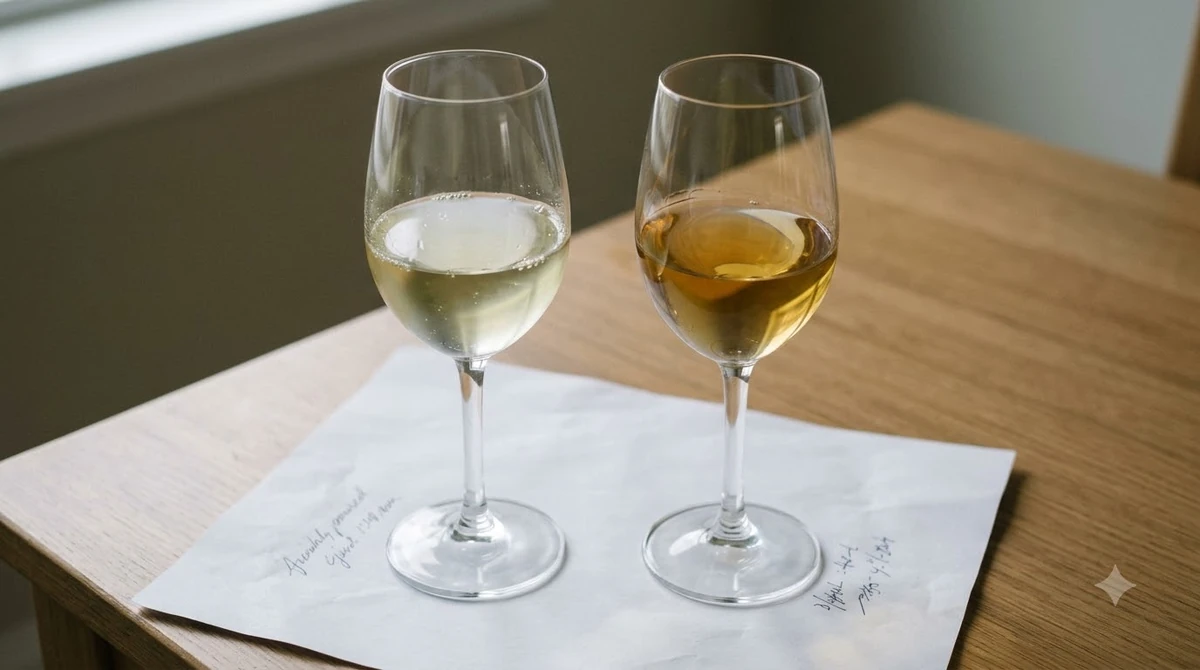
Think about what happens when you drink a soft, low-acid red alongside a spoonful of sharply flavored marinara. The tomato sauce can dominate the wine, making its fruit seem muted and its alcohol more noticeable. A fresh Sangiovese or Barbera behaves differently because its acidity keeps pace with the sauce. The wine retains its freshness, while its fruit flavors complement the tomatoes rather than competing with them.
Acidity is not the only consideration. Tannin, alcohol, body and sweetness also affect the combination. Cabernet Sauvignon has high tannin, while Merlot generally has softer, medium tannin. Pinot Noir offers lower-to-medium tannin and high acidity, making lighter examples useful with vegetable-based dishes. These differences matter because tomato acidity can make a heavily tannic wine seem particularly firm or harsh.
Cooking also changes the balance. Fresh tomatoes have a bright, sometimes sharp character, while simmering concentrates their sugars and creates a rounder, sweeter flavor. Roasting adds caramelized notes, and sun-drying produces concentrated sweetness and savory intensity. Consequently, the same wine does not necessarily work equally well with a fresh tomato salad and a long-simmered meat sauce.
Another useful consideration is the food’s overall weight. A delicate tomato and basil salad needs a different wine from a baked tomato casserole containing sausage, mozzarella and olive oil. Match the intensity of the wine to the finished dish, not simply to the color of its main ingredient. For additional background, Wine Enthusiast’s wine and food pairing guide explains how acidity, tannin and food intensity influence successful combinations.
Best Red Wines for Tomato Sauce, Pasta and Pizza
For cooked tomatoes, Sangiovese-based Chianti is one of the most dependable choices. Barbera, Montepulciano d’Abruzzo and lighter Italian reds also work well because their acidity and fruit complement tomato sauces without necessarily overwhelming them.
Chianti and Sangiovese: Sangiovese is particularly well suited to tomato-based cooking. Its lively acidity matches the tang of tomatoes, while its cherry, red plum and savory herbal characteristics complement garlic, basil and oregano. A Chianti is an especially natural choice for spaghetti marinara, baked pasta and traditional tomato-based pizza. Chianti Classico can also work with richer sauces containing sausage or ground beef, provided the wine’s structure matches the dish.
Barbera: Barbera is another strong option, especially for tomato sauces with garlic, onions and herbs. Its pronounced acidity and generally softer tannin make it adaptable to simple marinara and richer preparations. A Barbera d’Asti or Barbera d’Alba can accompany tomato-based pasta without making the meal feel excessively heavy. It is also a useful alternative when a guest prefers red wine but finds heavily structured reds too intense.
Montepulciano d’Abruzzo: This medium-bodied Italian red can be particularly useful when tomato sauce contains meat, sausage or roasted vegetables. Its darker fruit and fuller texture provide more weight than many delicate red wines. Choose a fruit-forward style rather than an excessively oaky or tannic example for a straightforward tomato sauce.
Pinot Noir: A lighter Pinot Noir can complement tomato dishes containing mushrooms, roasted vegetables or moderate amounts of meat. Its acidity and relatively restrained tannin make it more flexible than many full-bodied reds. It is particularly appealing with a tomato and mushroom pasta or roasted tomato dish that includes herbs and olive oil.
For a quick comparison, consider these common options:
| Wine | Acidity | Tannin | Best tomato pairing |
|---|---|---|---|
| Chianti (Sangiovese) | High | Medium | Marinara and pizza |
| Barbera | High | Low to medium | Tomato pasta and sausage sauce |
| Montepulciano d’Abruzzo | Medium to high | Medium | Meaty tomato sauces |
| Pinot Noir | High | Low to medium | Roasted tomatoes and mushrooms |
| Merlot | Medium | Medium, softer | Rich tomato and beef dishes |
| Cabernet Sauvignon | Medium | High | Rich meat dishes with sufficient fat |
The table offers general grape-style comparisons rather than fixed rules for every bottle. Growing conditions, ripeness, winemaking and oak treatment can change the acidity, tannin and body of an individual wine. A particularly ripe, heavily oaked red may behave quite differently from a fresher example made from the same grape.
For a simple tomato sauce, start with Chianti or Barbera. When the dish contains substantial beef or sausage, consider moving toward a fuller wine with more structure. The important distinction is that additional richness from meat can support more tannin, while tomato acidity still calls for freshness in the wine.
Best White Wines for Fresh Tomatoes and Salads
Fresh tomato salads generally benefit from crisp, dry white wines with lively acidity and restrained oak. Sauvignon Blanc, Albariño, Vermentino and Verdicchio are particularly useful choices because they bring citrus, herbal or mineral characteristics that complement uncooked tomatoes.

Sauvignon Blanc: Sauvignon Blanc is a natural companion for tomatoes because its acidity and herbal aromas can echo the green character of fresh tomato stems, basil and other garden ingredients. A Loire Valley Sancerre is particularly suitable for a delicate Caprese salad. Its restrained fruit and fresh character allow the tomatoes, mozzarella and basil to remain prominent.
Albariño: Albariño from Spain’s Rías Baixas region is another excellent choice. It typically offers citrus and stone-fruit characteristics with refreshing acidity. Its coastal character can also complement the savory and slightly salty elements of tomato dishes. Try it with tomato and cucumber salads, gazpacho, tomato bruschetta or seafood accompanied by fresh tomatoes.
Vermentino: Vermentino is especially appealing with Mediterranean preparations. Its citrus, herbal and sometimes subtly bitter notes complement tomatoes, olive oil, basil and fresh vegetables. It works well with Greek salad, panzanella, tomato bruschetta and simple tomato dishes served with white beans.
Verdicchio: Verdicchio offers another Italian alternative. Its bright acidity and citrus character can balance a tomato salad dressed with olive oil and vinegar. It is also useful when the dish contains salty ingredients such as olives, capers or feta cheese.
Caprese salad deserves particular attention because it combines three important pairing elements. Tomatoes provide acidity, mozzarella contributes salt and fat, and basil or pesto adds herbal freshness. A crisp white wine can respond to all three without adding excessive weight.
For this dish, avoid very heavily oaked whites that might overwhelm the fresh ingredients. An unoaked Sauvignon Blanc, Vermentino or Albariño is generally a more straightforward choice than a rich, buttery Chardonnay.
White wine can also be a sensible choice with tomato-based seafood dishes. A tomato and shrimp stew, for example, usually benefits from a crisp white with enough acidity to complement the sauce while allowing the seafood to remain recognizable. Avoid strongly tannic reds with delicate seafood, especially oily fish.
Wine Pairings for Roasted Tomatoes, Grilled Tomatoes and Tomato-Based Vegetables
Roasting and grilling change tomatoes by concentrating their sweetness, reducing some of their sharpness and introducing caramelized or smoky flavors. These preparations can accommodate more textured wines, including dry rosé, Pinot Noir and fuller Mediterranean reds.
For roasted cherry tomatoes with olive oil, garlic and thyme, a dry rosé is a particularly versatile option. Its refreshing acidity handles the tomatoes, while its fruit gives the caramelized flavors enough support. A Provence rosé is a natural starting point, although fuller rosés can work better with vegetables that have developed substantial smoky or savory character.
Bandol rosé is another interesting possibility. Made with Mourvèdre playing an important role, this style can offer earthy, smoky and floral characteristics that suit grilled tomatoes, roasted peppers and sun-dried tomatoes. Its greater structure can also help it accompany grilled vegetables served with herbs or a modest amount of cheese.
For tomatoes roasted until their skins blister and their interiors become concentrated, consider a light-to-medium-bodied red such as Pinot Noir or Sangiovese. The fruit in these wines can complement the concentrated tomato flavor without overpowering the dish. If the tomatoes are served alongside grilled eggplant, mushrooms or roasted zucchini, the additional earthy flavors can support a slightly more substantial red.
Tomato-based vegetable casseroles need a little more attention because they often contain several different ingredients. A baked dish featuring eggplant, tomato sauce and Parmesan has more richness and savory intensity than a simple tray of roasted tomatoes. A medium-bodied Sangiovese or Barbera can accommodate the sauce, while a dry rosé provides an alternative for people who prefer chilled wine.
Tomatoes also appear in vegetarian pasta dishes where other ingredients play an important role. Eggplant, mushrooms and peppers can add earthy depth, while olive oil and cheese increase richness. For a dish such as what wine goes with eggplant parmesan, consider the combination of tomato acidity, fried eggplant and salty cheese rather than treating the tomato sauce as the only flavor that matters.
When grilled tomatoes accompany meat, the wine can become fuller. Grilled chicken with tomato relish may work with a medium-bodied red or a fuller white, while beef served with roasted tomato sauce can accommodate more tannin and structure.
Choosing Wine for Spicy, Creamy and Meaty Tomato Sauces
Additional ingredients can change the ideal tomato pairing considerably. Chili calls for careful alcohol and tannin management, cream adds richness, and meat provides fat and protein that can support more structured reds.
Spicy tomato sauce
Arrabbiata and other chili-based tomato sauces need a wine that does not intensify the heat. High alcohol and substantial tannin can make chili seem hotter, so avoid powerful, strongly tannic reds with spicy sauces. A fruity Barbera, dry rosé or lighter-bodied red is a better starting point.
Off-dry Riesling is another useful choice, particularly when the dish contains generous amounts of chili, garlic and aromatic spices. Its touch of sweetness helps soften the sensation of heat, while its acidity remains compatible with the tomato sauce. The wine should not be sweeter than necessary, but a completely austere, high-alcohol wine is rarely the most comfortable match for a very spicy preparation.
Creamy tomato sauce
Cream changes the texture and balance of tomato sauce. A tomato cream pasta or vodka sauce has more richness than plain marinara, so a wine with some additional body can work well. Dry rosé, a fruity Barbera or a medium-bodied white can all be suitable.
Chardonnay is also possible, particularly when the dish includes cream, chicken or other rich ingredients. An unoaked or moderately oaked example is generally easier to pair than an intensely buttery wine with a sharply acidic tomato sauce. The goal is to match the creamy texture without allowing the wine’s richness to make the entire meal seem heavy.
Meaty tomato sauces
Beef ragù and Bolognese have different pairing needs from simple marinara. Meat adds protein, fat and savory depth, giving fuller wines more room to work. Chianti Classico, Montepulciano d’Abruzzo and some structured Syrah wines can complement these richer preparations.
Barolo can also work with a substantial, slow-cooked beef ragù. Its firm tannin and structure are better supported by the richness of the meat than by a simple tomato-only sauce. The tomato acidity remains important, however, so the finished dish should have enough meat, fat and savory depth to support such a powerful wine.
If the meal includes a separate beef course, the same principle applies to what wine goes with beef brisket: consider the meat’s richness, cooking method and sauce before choosing the bottle. A heavily structured red can be appropriate for slow-cooked beef, but it may overwhelm a delicate tomato salad served beforehand.
Tip: If the tomato sauce is spicy, choose a lower-alcohol, fruit-forward wine with modest tannin. If it is rich with beef or sausage, move toward a fuller red. If it is fresh and herbaceous, begin with a crisp white or dry rosé.
Serving Temperatures and Practical Pairing Tips
Serving temperature can make a meaningful difference to the success of a tomato pairing. Wines served too warm can seem alcoholic and heavy, while wines served too cold may lose some of their aroma and flavor. Use the temperature of the wine to reinforce the freshness or richness of the meal.
For the most common tomato pairings, use these general serving ranges:
| Wine style | Serving temperature | Suitable tomato dish |
|---|---|---|
| Sparkling wine | 40–50°F | Tomato bruschetta |
| Light white wine | 45–50°F | Caprese salad |
| Dry rosé | 45–50°F | Grilled tomatoes |
| Full-bodied white | 50–55°F | Creamy tomato pasta |
| Light red wine | 55–60°F | Roasted tomatoes |
| Full-bodied red wine | 60–65°F | Beef ragù |
A useful approach is to chill light reds slightly rather than serving them at typical room temperature. Pinot Noir and lighter Sangiovese can be refreshing at around 55–60°F, particularly during warm-weather meals. Fuller reds such as Barolo generally benefit from a slightly warmer serving range, although a cool room is preferable to a hot dining area.
Glassware also matters. Use a standard white wine glass for Sauvignon Blanc, Albariño and Vermentino, allowing enough space for their aromas to develop. A medium-sized red wine glass is suitable for Chianti and Barbera. More structured reds can benefit from a larger glass that provides room for their aromas to open.
Portion size is another simple consideration. A standard wine serving is approximately 5 ounces, and a 750 ml bottle provides about five standard glasses. For a dinner featuring multiple tomato dishes, one bottle of versatile wine may be more practical than opening several bottles for individual courses.
For a mixed gathering, dry rosé is often a convenient choice because it can accompany salads, roasted vegetables, pizza and moderately rich pasta. Alternatively, serve one crisp white and one medium-bodied red so guests can choose according to the dish.
Leftover wine can be stored in the refrigerator after opening. Most still wines remain suitable for approximately 3–5 days when properly resealed and refrigerated. Sparkling wine generally keeps for around 1–3 days with an appropriate sparkling wine stopper. Keeping opened bottles cool helps preserve their freshness for another meal.
For additional pairing principles, the Wine Pairing fundamentals are useful beyond tomato dishes. The same approach applies to other challenging ingredients, including strong cheeses. For example, what wine goes with blue cheese requires attention to saltiness, intensity and sweetness rather than simply matching the wine to the cheese’s color.
One final practical rule is to taste the food and wine together before serving the combination to guests. A small adjustment to the sauce, such as additional olive oil, fresh herbs or a little less chili, can change which wine works best. Pairing should help the food and wine complement each other, not force either one into a secondary role.
Frequently Asked Questions
Does red wine always go better with tomato sauce?
No. White wines such as Sauvignon Blanc and Vermentino can work beautifully with tomato sauces, particularly vegetarian preparations and seafood dishes. Dry rosé is another useful alternative. The preparation and additional ingredients matter more than whether the wine is red or white.
Can sparkling wine pair with fresh tomatoes?
Yes. Brut sparkling wine can complement tomato bruschetta, especially when the topping includes olive oil, herbs and salty cheese. Traditional-method Champagne and Cava undergo their second fermentation in the bottle, while Prosecco is generally produced using the tank method. A dry, refreshing style is usually the easiest starting point.
Is Moscato a good match for tomato dishes?
Generally, dry or off-dry wines are more versatile with savory tomatoes than noticeably sweet Moscato. However, a slightly sweet wine can work with tomato preparations containing chili or sweet roasted vegetables. The sweetness should complement the overall dish rather than make a savory sauce seem unexpectedly sugary.
Does tomato soup pair well with wine?
Yes. A smooth tomato soup with cream can work with Chardonnay or dry rosé, while a lighter, more acidic tomato broth can pair with Sauvignon Blanc or Vermentino. Garnishes also matter: basil, croutons and Parmesan can make a noticeable difference to the final pairing.
Can canned tomatoes be paired with the same wines as fresh tomatoes?
Yes, although canned tomatoes are usually incorporated into cooked dishes rather than served raw. Their flavor and acidity depend on the variety, processing and any added ingredients. For a sauce made with canned tomatoes, Chianti, Barbera and crisp Italian whites remain useful starting points.
The best wine for tomatoes depends on the dish, but high acidity is the most reliable starting point. Choose Sauvignon Blanc, Albariño or Vermentino for fresh tomatoes, Chianti or Barbera for cooked sauces, and dry rosé for grilled vegetables and summer meals. Once you account for the sauce, seasoning and richness of the other ingredients, finding a balanced bottle becomes much easier.
More in Food & Wine Pairing
 Risotto With White Wine Recipe: Make a Creamy Dinner at HomeUpdated Nov 20, 2026
 Wassail With Wine Recipe for a Festive Spiced Holiday DrinkUpdated Nov 20, 2026
 Spritz Veneziano Recipe: Make a Classic Venetian Aperitivo at HomeUpdated Nov 20, 2026
 Summer Wine Punch Recipe for Easy Homemade EntertainingUpdated Nov 20, 2026
 Bishop Recipe: How to Make a Bright, Citrus-Forward Red Wine CocktailUpdated Nov 20, 2026
 Wine Cupcakes Recipe: Bake Rich Chocolate Cupcakes at HomeUpdated Nov 20, 2026