

We may earn a commission when you buy through links on this page, at no extra cost to you. Learn more.
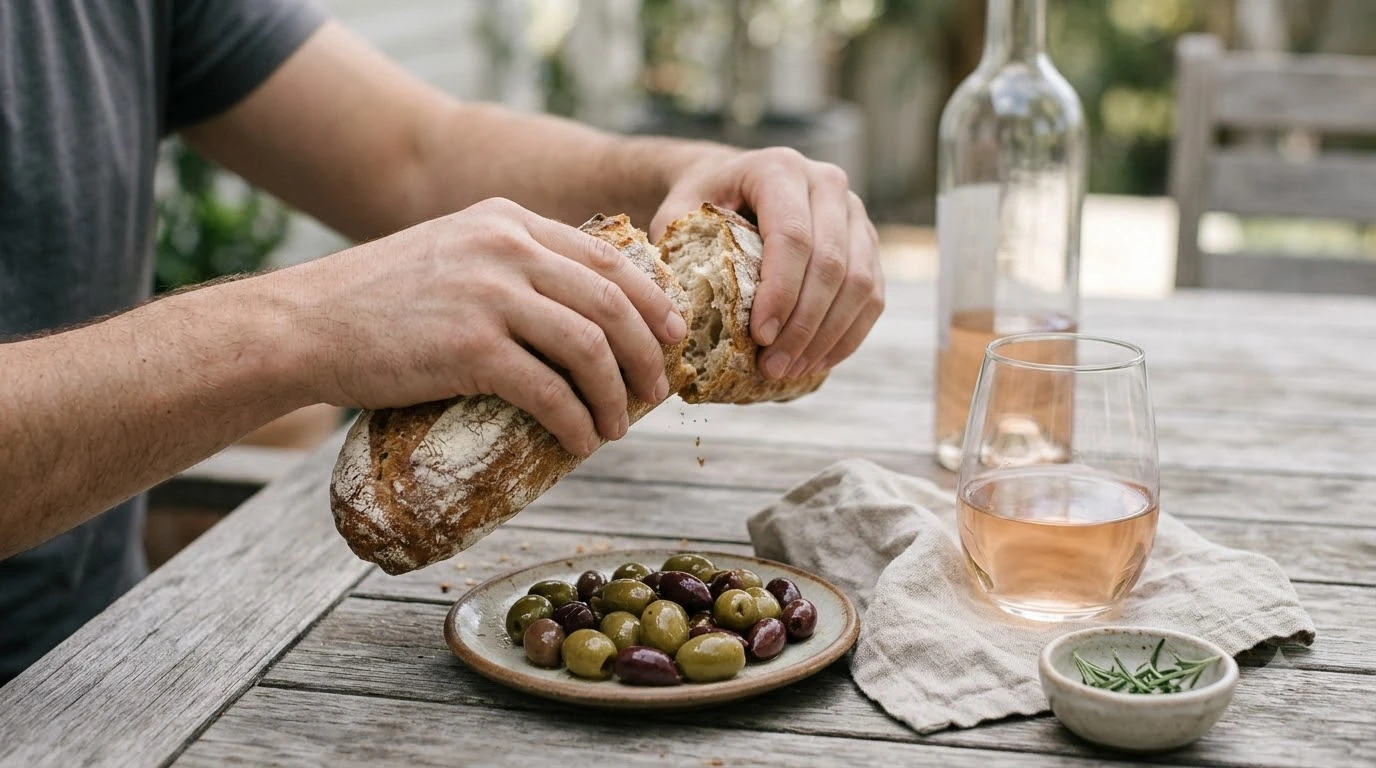
What wine goes with tapas? Dry Cava, Fino Sherry, Albariño, and light Spanish reds are among the best choices because they complement the salt, seafood, fried foods, cured meats, and spices found in traditional tapas. The right bottle depends on the dominant ingredients rather than the size of the plate. For a mixed tapas dinner, serve a crisp sparkling wine or dry white first, then add a light red or rosado for richer dishes.
Tapas are rarely a one-flavor meal. A table might include jamón ibérico, garlic shrimp, patatas bravas, Manchego, olives, and creamy croquetas at the same time. Each dish brings a different challenge for wine pairing. Fortunately, Spanish wine regions offer several styles that work naturally with these ingredients. Understanding acidity, tannin, sweetness, and serving temperature makes it easier to choose wines that complement the whole spread without buying a separate bottle for every plate.
The Best Wine Styles for a Mixed Tapas Table
The most reliable starting point is a dry sparkling wine, a fresh Spanish white, or a dry Sherry. These styles handle the salt, oil, and changing flavors of small plates better than a heavily oaked or highly tannic wine.
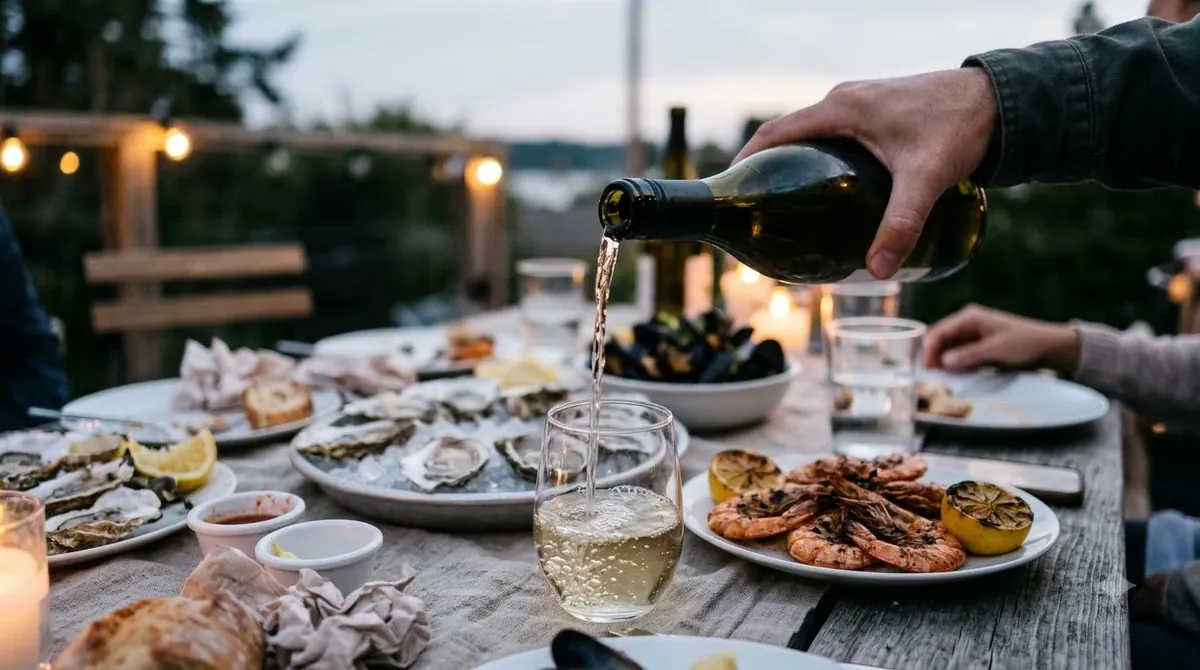
Dry Cava is an especially practical choice because its acidity and bubbles refresh the palate between bites. A Brut or Brut Nature bottling works with olives, fried potatoes, croquetas, and cured meats. Cava comes from Spain and is made using a second fermentation in the bottle, producing the bubbles and developed flavors associated with traditional-method sparkling wines.
Albariño is another dependable option. This white grape is closely associated with Galicia in northwestern Spain, particularly the Rías Baixas region. Its bright acidity and fresh citrus and stone-fruit character make it suitable for seafood, vegetables, tomato-based tapas, and salty appetizers. It can also provide a welcome contrast to olive oil and garlic without overwhelming delicate ingredients.
For meat-focused plates, consider a young Rioja or Garnacha. These reds offer more fruit and less aggressive structure than many powerful, heavily extracted reds. Pinot Noir is another useful alternative if Spanish varieties are unavailable. Its relatively low-to-medium tannin and lively acidity make it more adaptable to a varied food spread than Cabernet Sauvignon.
Here is a practical comparison of the main styles and their typical uses:
| Wine style | Typical character | Best tapas matches | Serving temperature |
|---|---|---|---|
| Cava Brut | Dry, sparkling, refreshing | Croquetas, olives, fried potatoes | 40–50°F |
| Fino Sherry | Dry, savory, nutty | Jamón, almonds, anchovies | Chilled |
| Albariño | High acidity, citrus, fresh fruit | Shrimp, mussels, octopus | 45–50°F |
| Verdejo | Fresh, herbal, crisp | Tomato, pickles, vegetables | 45–50°F |
| Dry rosado | Fresh fruit, refreshing acidity | Patatas bravas, peppers, paprika | 45–50°F |
| Young Rioja | Red fruit, moderate tannin | Chorizo, meatballs, grilled pork | 55–60°F |
| Garnacha | Juicy fruit, generally softer tannin | Grilled vegetables, pork, spiced meat | 55–60°F |
These temperatures are useful starting points rather than rigid rules. A wine served too warm can seem heavy, while an excessively cold red can lose much of its aroma. The goal is to keep refreshing wines cool and allow lighter reds to retain their fruit and freshness.
For a simple dinner with several different plates, begin with Cava or Albariño. Add a young Rioja if the menu includes chorizo, grilled pork, or other substantial meat dishes. This small selection covers most traditional combinations without making the wine service complicated.
Sherry and Cava for Olives, Jamón, and Salty Appetizers
Fino Sherry, Manzanilla, and dry Cava are particularly effective with salty tapas. Their freshness, savory character, and acidity complement olives, cured ham, almonds, and anchovies without adding excessive weight.

Fino and Manzanilla are dry styles of fortified wine from Andalusia. Fino is associated with Jerez de la Frontera, while Manzanilla is produced in Sanlúcar de Barrameda. Both develop under a protective layer of yeast called flor, which contributes their distinctive savory, bread-like character. Their dry profiles make them particularly suitable for salty appetizers.
Serve Fino with jamón ibérico, green olives, roasted almonds, or thin slices of Manchego. The wine’s savory character complements the concentrated flavor of cured ham, while its freshness helps balance the richness of the meat. Manzanilla is equally useful, especially with anchovies and seafood appetizers.
Dry Cava offers a different experience. Its bubbles provide contrast to the oily texture of olives and the richness of cured meats. Choose Brut Nature or Brut for savory dishes rather than a sweeter sparkling style. Cava is also an excellent opening wine when guests are still sampling different appetizers and the full menu has not arrived.
It helps to distinguish between the different styles of Sherry. Fino and Manzanilla are dry, whereas Pedro Ximénez is intensely sweet and generally better suited to dessert or strongly flavored sweet-and-savory combinations. Amontillado and Oloroso offer deeper, nuttier flavors that can accompany aged cheese, mushrooms, and richer dishes.
Spanish sommeliers interviewed by Decanter’s Spanish wine and tapas pairing guide also recommend dry sparkling and still white wines with salty cured meats. The reason is practical: salt can make tannins seem more pronounced, so a powerful red may feel harsher beside jamón or salami.
For a traditional opening spread, arrange jamón, Manchego, olives, and almonds together with chilled Fino or Brut Cava. If anchovies are included, keep the wine dry and refreshing. Avoid starting with a heavily oaked Cabernet Sauvignon, whose pronounced tannins can become distracting beside the salty ingredients.
Albariño, Verdejo, and Txakoli for Seafood Tapas
Fresh, high-acid white wines are the strongest choices for seafood tapas. Albariño, Verdejo, and Txakoli complement shrimp, mussels, octopus, anchovies, and battered fish without overpowering their delicate flavors.
Albariño is a natural choice for gambas al ajillo, the popular Spanish preparation of shrimp cooked with garlic and olive oil. Its acidity balances the oil, while its fresh fruit character complements the sweetness of the shrimp. A bottle from Rías Baixas is particularly appropriate for this style of food.
The same wine works with steamed mussels, tuna empanada, and pulpo a feira, a Galician octopus dish traditionally seasoned with paprika, olive oil, and salt. These combinations reflect the relationship between regional ingredients and wines described by Spain’s official tourism website. A crisp white from the same coastal area often makes an especially natural pairing.
Verdejo provides another option, particularly with dishes containing vinegar, herbs, or vegetables. Wines from Rueda are known for their fresh, aromatic character. Their acidity is useful with anchovies in vinegar, pickled vegetables, and other sharp appetizers that can make soft, low-acid wines taste flat.
Txakoli, associated with the Basque Country, is usually light, fresh, and sometimes slightly sparkling. Its lively character suits gildas, a Basque appetizer commonly made with olives, pickled peppers, and anchovies. It also works with breaded cod, mushroom omelets, and other small plates that benefit from refreshing acidity.
When choosing a seafood wine, pay attention to the sauce as well as the main ingredient. Garlic and olive oil call for freshness, while lemon and vinegar require enough acidity in the wine to avoid a flat impression. Creamy seafood sauces may benefit from a slightly fuller white, such as a moderately oaked or lees-aged Chardonnay, provided the acidity remains balanced.
Red wine is usually less successful with delicate seafood. Tannic wines such as Cabernet Sauvignon can create an unpleasant combination with oily fish and strongly flavored anchovies. For a seafood-heavy tapas menu, keep the main wine selection white or sparkling and reserve red for the meat course.
Rosado and Sparkling Wine for Fried and Spicy Tapas
Fried tapas need refreshing acidity, while dishes containing tomato, paprika, or chili benefit from wines with lively fruit and restrained tannin. Dry Cava and Spanish rosado are two of the most flexible choices for this combination.
Croquetas are a classic example. Their crisp exterior surrounds a soft, creamy filling that may contain jamón, chicken, mushrooms, or cheese. The bubbles in Cava Brut Nature refresh the palate after the richness of the béchamel. A dry white with good acidity is another option, particularly when the filling is delicate.
Calamares, fried squid, and pescaíto frito also benefit from sparkling wine or crisp white wine. The combination of batter and frying oil makes acidity particularly important. A youthful Albariño can provide citrus freshness, while Cava offers both acidity and bubbles.
For patatas bravas, dry rosado is an excellent choice. The dish combines fried potatoes with a tomato-based sauce, smoked paprika, and sometimes spicy ingredients or garlic mayonnaise. A Garnacha rosado brings fresh fruit and enough acidity to balance the oil without introducing the strong tannins found in many red wines.
Pan con tomate is another good match for rosado or Albariño. Fresh tomato has natural acidity, so the wine should have enough freshness to complement it. A soft, low-acid wine can seem dull beside the tomato, while an overly tannic red may make the combination feel harsh.
Chili requires particular care. Alcohol and tannin can amplify the sensation of heat, making a powerful red a poor choice for especially spicy bravas or pepper-heavy dishes. Choose a moderately alcoholic, fruit-forward rosado or a slightly off-dry white instead. A touch of residual sweetness can soften the perception of spice.
For more ideas about balancing acidity, sweetness, and texture across different dishes, the site’s Wine Pairing resource provides a useful starting point. The same principles apply whether the plate contains Spanish potatoes, grilled vegetables, or another Mediterranean appetizer.
Tip: If the tapas sauce is hotter than the food itself, choose the wine for the sauce. For a spicy tomato sauce, try chilled dry rosado or a slightly off-dry Riesling rather than a high-alcohol, tannic red.
Rioja, Garnacha, and Tempranillo for Meat and Cheese Tapas
Young Rioja, Garnacha, and other medium-bodied reds work well with grilled pork, chorizo, meatballs, and aged cheese. Look for wines with fresh fruit, balanced acidity, and moderate tannin rather than heavily extracted reds with substantial oak influence.
Tempranillo is one of Spain’s best-known red grapes and is particularly associated with Rioja and Ribera del Duero. A young, fruit-forward Rioja can accompany chorizo, grilled pork skewers, and albóndigas, or Spanish meatballs. Its savory character complements the paprika and seasoning in these dishes.
Garnacha is another versatile choice. Depending on the region and winemaking style, it can produce juicy red-fruit flavors with relatively soft tannins. This makes it suitable for grilled vegetables, roasted peppers, pork, and meat dishes with moderate seasoning. A lightly chilled bottle can also work with a mixed spread containing both meat and vegetables.
For aged Manchego, consider a more structured red or an oxidative Sherry such as Amontillado. The cheese has a concentrated, nutty flavor that can stand up to more developed wines. Younger Manchego, by contrast, can work with Verdejo or a lighter red because its flavor is generally less intense.
Not every meat tapa needs red wine. Jamón ibérico is salty and rich, so Fino, Manzanilla, or dry Cava can be more successful than a strongly tannic Cabernet Sauvignon. Similarly, cured sausages can be challenging when their salt and spice dominate the bite. A softer red or a dry sparkling wine offers a more balanced alternative.
For readers exploring other meat-based pairings, the principles behind what wine goes with beef brisket are useful when choosing wine for slow-cooked beef tapas. Rich, tender meat can accommodate more structure than delicate seafood, but the sauce and seasoning still determine how much tannin is appropriate.
Cheese deserves its own consideration. Manchego is a natural Spanish pairing, but blue cheese introduces a different level of intensity and salt. Sweet Pedro Ximénez Sherry can work particularly well with strongly flavored blue cheese because the wine’s sweetness balances the cheese’s salty character. More suggestions are available in the guide to what wine goes with blue cheese.
If the menu contains eggplant parmesan or other dishes with tomato, cheese, and olive oil, consider a medium-bodied red with sufficient acidity rather than an especially powerful Cabernet. The same approach is useful for what wine goes with eggplant parmesan, where tomato acidity and melted cheese both influence the pairing.
Planning a Tapas Wine Menu and Serving It Correctly
A successful tapas wine menu needs variety without unnecessary complexity. For most gatherings, two or three bottles covering sparkling, white, and red styles will provide enough flexibility for seafood, fried dishes, cured meats, and cheese.
Start by grouping the food according to its dominant characteristics. Seafood and pickled appetizers belong together, while cured meats and aged cheeses form another group. Fried potatoes, croquetas, and vegetables can be served with the sparkling wine or rosado, depending on their sauces and seasoning.
A practical three-wine menu might look like this:
- First bottle: Cava Brut. Serve it with olives, almonds, croquetas, fried squid, and salty appetizers.
- Second bottle: Albariño. Pour it alongside garlic shrimp, mussels, octopus, anchovies, and tomato-based dishes.
- Third bottle: Young Rioja or Garnacha. Offer it with chorizo, meatballs, grilled pork, and aged Manchego.
If the menu includes particularly spicy food, substitute a dry rosado or slightly off-dry Riesling for one of the stronger reds. If cured ham and salty appetizers dominate the menu, add a bottle of Fino or Manzanilla instead of buying another red.
Serving temperature matters just as much as grape variety. Sparkling wines should generally be served at 40–50°F, while light whites and rosé are best around 45–50°F. Fuller-bodied whites benefit from slightly warmer temperatures of 50–55°F. Light reds are comfortable around 55–60°F, and fuller reds generally work around 60–65°F.
Do not serve every red wine at room temperature without considering the room. A warm dining room can make Rioja or Garnacha taste heavier than intended. A short period in the refrigerator before serving can help restore freshness, particularly for young, fruit-forward reds.
Plan the quantity around the length of the meal and the number of guests. A standard 750-milliliter bottle provides approximately five traditional 5-ounce glasses. For six adults sharing a dinner, three bottles provide roughly 15 glasses, which can be divided among several styles or poured as smaller tasting portions.
For an extended meal, offer wine in moderate pours so guests can compare the pairings. Smaller servings make it easier to move from Cava to Albariño and then to Rioja without filling every glass to the brim. Keep the bottles chilled or use an ice bucket where appropriate.
Once opened, sparkling wine generally keeps for about one to three days in the refrigerator with a suitable sparkling-wine stopper. Still wines usually remain enjoyable for approximately three to five days when properly refrigerated and resealed. Fino and Manzanilla are more delicate after opening, so keep them cold and plan to finish them within a few days.
Finally, remember that pairing is not about finding one perfect wine for every ingredient. A mixed tapas meal is designed around variety. The best approach is to choose wines that accommodate the strongest flavors on the table and give guests the freedom to enjoy different combinations.
Frequently Asked Questions
What is the best single wine for a tapas dinner?
Dry Cava Brut is one of the most versatile single-bottle choices because it works with salty, fried, and moderately rich appetizers. It can also accompany simple seafood and vegetable dishes. If the meal is especially seafood-focused, Albariño is another strong choice.
Can you drink red wine with Spanish tapas?
Yes. Young Rioja, Garnacha, and Tempranillo are traditional options for many meat-based tapas. Mencía from Bierzo is another interesting choice, particularly for earthy dishes and grilled meats. Keep stronger reds away from delicate fish and vinegar-heavy appetizers.
Is Prosecco suitable for tapas?
Yes. Prosecco is made primarily from the Glera grape and generally has an alcohol content around 11–12% ABV. Its tank-method production gives it a fresh, fruit-forward character that works with olives, vegetable appetizers, and lighter fried dishes. Choose a dry style for savory plates.
What wine should you serve with Spanish tortilla?
Spanish tortilla pairs nicely with Cava, Fino, or Oloroso Sherry. A slightly richer Sherry can complement the browned onions and potato flavors, particularly when the tortilla is served at room temperature. For a less traditional alternative, try a fresh Verdejo.
Should tapas wine be served in small glasses?
Small pours are practical because tapas meals involve several dishes and sometimes multiple wines. A traditional 5-ounce serving is a useful standard pour, but smaller tasting portions make it easier to compare different combinations. Use appropriate sparkling or white wine glasses for aromatic wines rather than filling small tasting glasses to the top.
The best wine for tapas is one that complements the dominant flavors without overpowering the smaller dishes. Start with dry Cava, Albariño, or Sherry, then introduce a light Spanish red or rosado when the menu calls for it. With a little attention to acidity, tannin, sweetness, and serving temperature, you can create a balanced wine selection that makes every plate more enjoyable.
More in Food & Wine Pairing
 Risotto With White Wine Recipe: Make a Creamy Dinner at HomeUpdated Nov 20, 2026
 Wassail With Wine Recipe for a Festive Spiced Holiday DrinkUpdated Nov 20, 2026
 Spritz Veneziano Recipe: Make a Classic Venetian Aperitivo at HomeUpdated Nov 20, 2026
 Summer Wine Punch Recipe for Easy Homemade EntertainingUpdated Nov 20, 2026
 Bishop Recipe: How to Make a Bright, Citrus-Forward Red Wine CocktailUpdated Nov 20, 2026
 Wine Cupcakes Recipe: Bake Rich Chocolate Cupcakes at HomeUpdated Nov 20, 2026