

We may earn a commission when you buy through links on this page, at no extra cost to you. Learn more.
What wine goes with sauerbraten? Fruit-forward Pinot Noir, off-dry Riesling, and off-dry Dornfelder are three excellent choices because their acidity, fruit, and moderate tannins complement the dish’s distinctive sweet-and-sour gravy. The best bottle depends on how much vinegar, raisins, gingerbread, or sugar beet syrup goes into the sauce. For a traditional Rhenish version, choose off-dry Riesling or Dornfelder; for a less sweet, more savory preparation, reach for German Pinot Noir (Spätburgunder).
Sauerbraten is not an ordinary beef roast. Its extended vinegar marinade creates a tangy flavor that carries through the braising liquid and finished gravy, while regional ingredients can introduce sweetness, warming spice, and dried-fruit character. That combination makes choosing wine more interesting than simply matching a red wine with beef. A successful pairing should have enough acidity to stand alongside the marinade, enough fruit to complement the gravy, and restrained tannins that will not become unpleasant beside sweet ingredients.
Best Wines to Serve With Sauerbraten
The strongest pairings are wines with lively acidity, generous fruit, and moderate or low tannins. Fruit-forward Pinot Noir is the most versatile red option, while off-dry Riesling is especially effective with sweeter versions of the German roast.
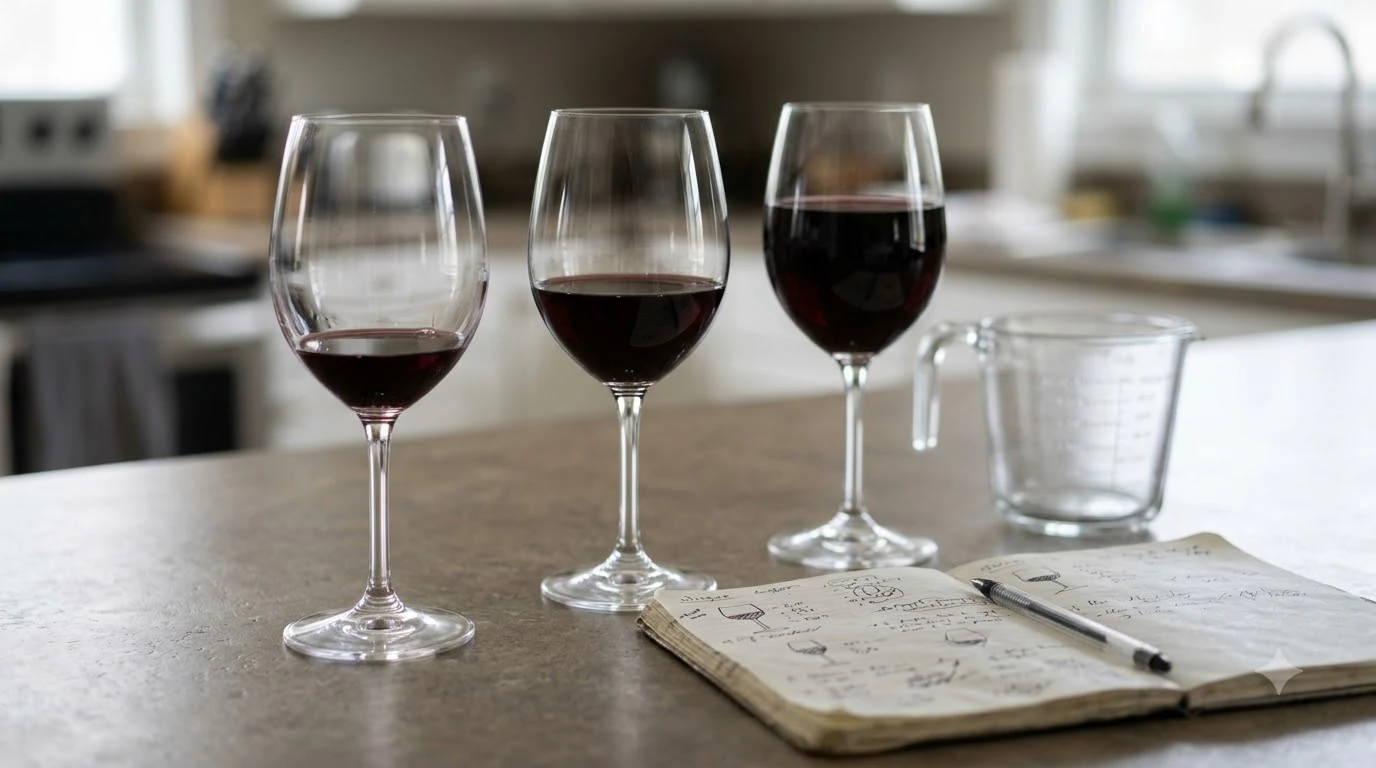
Three wine styles deserve particular attention. Each approaches the dish from a slightly different direction, so consider the gravy rather than the beef alone when making your choice.
Pinot Noir: The Best All-Around Red
Pinot Noir is an excellent starting point for Sauerbraten because it combines bright acidity with relatively soft tannins. Its red cherry, raspberry, cranberry, and earthy flavors complement browned beef, onions, and the warm spices commonly found in the marinade. Unlike a powerful Cabernet Sauvignon, Pinot Noir generally has enough delicacy to avoid overpowering the dish.
Look for German Spätburgunder from Baden, the Ahr, or the Pfalz. These regions offer styles that can bring fresh red-fruit character and savory complexity to the table. Burgundy Pinot Noir is another possibility, particularly a fruit-forward bottle with restrained oak influence.
Avoid choosing an excessively light, delicate Pinot Noir if the sauce is especially concentrated. The wine should have enough fruit intensity to remain noticeable alongside the beef and gravy. A medium-bodied example is a dependable choice for a dinner featuring traditional potato dumplings and red cabbage.
Off-Dry Riesling: The Best White-Wine Match
Riesling may seem unexpected with beef, but its high acidity and gentle residual sweetness make it particularly effective with Sauerbraten. The acidity responds to the vinegar marinade, while the sweetness helps balance raisins, gingerbread, and sugar beet syrup in the gravy.
German Riesling from the Mosel, Nahe, or Rheingau is worth considering. Look for a Kabinett or an off-dry Spätlese with moderate sweetness rather than an intensely sweet dessert wine. The aim is to find a wine that tastes refreshing and fruity without overwhelming the savory character of the roast.
Riesling also offers a practical advantage: it contains no grape tannins in the same sense as red wine. This avoids the drying sensation that can occur when a highly tannic red meets sweet gravy. Its citrus, apple, peach, and mineral notes provide a fresh contrast to the richness of slow-braised beef.
Dornfelder: A Fruit-Forward German Alternative
Dornfelder is a particularly interesting option for Rhenish Sauerbraten. Its dark berry flavors, approachable tannins, and naturally generous fruit can complement the raisin and gingerbread elements of the sauce. An off-dry version brings an additional layer of sweetness that helps the wine and gravy work together.
Consider bottles from Rheinhessen or the Pfalz. Look for the German terms halbtrocken or feinherb when seeking a wine with some residual sweetness. A dry Dornfelder can still work, especially with a less sweet preparation, but the off-dry style is particularly appealing with a traditional sweet-and-sour Rhenish gravy.
For a straightforward decision, choose Pinot Noir when the sauce is savory and moderately tangy, Riesling when the gravy has pronounced sweetness, and Dornfelder when you want a fruit-driven red that echoes raisins and warm spices.
How Regional Sauerbraten Recipes Change the Pairing
Sauerbraten varies across Germany, and the amount of sweetness in the finished sauce can change substantially between regions. Rhenish, Baden, and Franconian preparations therefore do not always call for the same bottle.

The most important distinction is whether the gravy is predominantly sweet and sour or sharply acidic and savory. Identifying that difference before opening a bottle makes pairing much easier.
Rhenish Sauerbraten
Rhenish Sauerbraten is particularly associated with a sweet-and-sour gravy. Raisins, sugar beet syrup, apple syrup, and gingerbread or Aachen Printen may be used to balance the vinegar in the marinade. These additions create a sauce with noticeable sweetness, warm spice, and dried-fruit character.
Off-dry Riesling is a natural choice because its acidity keeps the pairing lively while its sweetness complements the gravy. Off-dry Dornfelder is another excellent option, particularly for people who prefer red wine. Its dark berry character echoes the raisins, and its approachable tannins are less likely to become harsh beside the sauce.
German Pinot Noir can also work, especially when the gravy is not particularly sweet. Choose a fruit-forward example with fresh acidity rather than a highly extracted wine with pronounced oak.
Baden Sauerbraten
Baden Sauerbraten generally takes a less sweet approach. Raisins and additional sweeteners are often absent, leaving the acidity of the marinade more prominent. Beef, vinegar, vegetables, and spices create a savory dish that needs a wine with sufficient freshness.
German Spätburgunder is an excellent match. Its cherry fruit and earthy character complement the beef, while its acidity stands alongside the tangy sauce. A restrained, medium-bodied Pinot Noir is preferable to a heavily oaked or unusually powerful red.
Dry Riesling can also work with a less sweet preparation, provided it has enough acidity and body to remain balanced alongside the gravy. A dry wine is easier to match when the sauce contains little or no added sweetness.
Franconian Sauerbraten
Franconian Sauerbraten often uses gingerbread or honey cake to thicken the gravy and introduce a gentle sweetness. Raisins may be optional, so the finished dish can fall somewhere between the sweeter Rhenish version and a more savory regional preparation.
Pinot Noir is a reliable red choice because its fruit and acidity complement the vinegar while its softer tannins work with the braised beef. If the gingerbread makes the sauce noticeably sweet, off-dry Riesling becomes particularly attractive.
These regional differences explain why there is no single wine that works equally well with every Sauerbraten recipe. The sauce provides the clearest indication of which style to serve. For a useful description of the Franconian preparation, including its three-day marinade and gingerbread gravy, see this traditional Sauerbraten recipe and regional overview.
Choosing the Right Grape Variety and Wine Style
Different grape varieties bring different levels of acidity, tannin, sweetness, and body to the pairing. For Sauerbraten, prioritize freshness and fruit over sheer concentration or alcohol strength.
The following comparison provides a practical starting point for choosing between commonly available wine styles.
| Wine style | Typical characteristics | Best Sauerbraten match |
|---|---|---|
| Pinot Noir | Low-medium tannin, high acidity | Traditional, savory, or moderately sweet gravy |
| Off-dry Riesling | High acidity, noticeable fruit, some sweetness | Rhenish gravy with raisins and gingerbread |
| Off-dry Dornfelder | Dark fruit, approachable tannins, residual sugar | Sweet-and-sour beef with dried-fruit flavors |
| Merlot | Medium tannin, soft fruit, rounded texture | Rich beef preparations with moderate sweetness |
| Syrah | Medium-plus to high tannin, dark fruit, spice | More savory preparations with restrained vinegar |
| Sauvignon Blanc | High acidity, citrus and herbal notes | Less sweet versions when a crisp white is preferred |
| Chardonnay | Medium acidity, apple and sometimes oak flavors | Less acidic preparations with restrained oak influence |
Pinot Noir and Other Light-to-Medium Reds
Pinot Noir remains the most dependable red grape because it combines acidity and fruit without excessive tannin. Its moderate body is particularly suitable for Sauerbraten served with potato dumplings, red cabbage, and a substantial amount of gravy.
Merlot is another possibility. Its medium tannins and softer texture make it more approachable than a heavily structured Cabernet Sauvignon. Choose a fruit-forward Merlot with restrained oak and enough freshness to handle the vinegar. A very ripe, high-alcohol version may feel heavy next to the sauce.
Syrah requires more care. Its dark fruit and peppery notes can complement savory spices and browned beef, but its medium-plus to high tannin structure makes it less forgiving alongside a sweet sauce. Choose a fresher, softer example only when the gravy is predominantly savory and the vinegar is not overwhelming.
White Wines Beyond Riesling
Riesling is the leading white recommendation, but it is not the only possibility. Sauvignon Blanc has high acidity and can handle a tangy preparation, especially when the gravy contains little sweetness. Its citrus and herbal character provides a contrast to the rich meat.
However, a very lean, aggressively grassy Sauvignon Blanc may feel disconnected from a deeply flavored beef roast. Choose one with enough fruit concentration to stand alongside the sauce.
Chardonnay is a more conditional option because its medium acidity may not provide enough freshness for a strongly vinegar-based gravy. An unoaked or lightly oaked version can work with a milder preparation, while heavily toasted, buttery examples are generally less suitable.
Wine Styles to Avoid With Sweet-and-Sour Beef Gravy
The most difficult wines to pair with Sauerbraten are heavily tannic reds, very oaky bottles, and dry wines that lack sufficient acidity. These styles can become unbalanced when confronted with vinegar and sweet gravy.
Understanding why certain wines struggle can prevent a common mistake: selecting a powerful red simply because the main ingredient is beef.
Young Cabernet Sauvignon
Cabernet Sauvignon typically has high tannin, which can make it a challenging companion for sweet-and-sour sauce. When the gravy contains raisins, gingerbread, or sugar beet syrup, the wine’s tannins can taste more bitter and drying.
The same concern applies to young, strongly structured Bordeaux blends. Their concentrated fruit may initially seem suitable for beef, but the combination of firm tannins and sweet gravy can produce an unpleasant finish.
That does not mean Cabernet Sauvignon can never accompany a beef roast. It can work very well with a different preparation, such as a straightforward grilled steak or a rich, savory braise without pronounced vinegar and sweetness. For a comparison, see what wine goes with beef brisket.
Heavily Oaked Reds
Wines with strong vanilla, toasted wood, and smoky oak flavors can clash with Sauerbraten’s sharp acidity. The contrast may make the wine seem harsh rather than complementary, particularly when the marinade’s vinegar remains prominent in the gravy.
A heavily extracted red with substantial alcohol can also overpower the more delicate spices in the dish. Instead of emphasizing the meat, it can dominate the palate and make each bite feel heavier.
Very Dry, Low-Acid Whites
A white wine without enough acidity can taste flat next to the vinegar-based sauce. A bone-dry wine can also seem unusually sharp when paired with a sweet gravy because sweetness in food makes dry wines appear less balanced.
This is why an off-dry Riesling often performs better than a neutral, low-acid white. Its combination of acidity and residual sweetness responds to both sides of the dish.
Very Sweet Dessert Wines
There is an important distinction between an off-dry dinner wine and a dessert wine. Sauerbraten may contain sweetness, but the beef, savory spices, and vinegar remain central to its flavor. An intensely sweet wine can overwhelm these elements.
A moderately sweet Riesling is generally more useful than a richly sweet dessert wine. Reserve highly concentrated dessert styles for dishes where sweetness is the dominant flavor, such as fruit desserts or sweet pastries.
Matching Wine With Potato Dumplings, Red Cabbage, and Other Sides
The accompaniments can change the balance of a Sauerbraten pairing considerably. Potato dumplings, red cabbage, spaetzle, and applesauce introduce different levels of starch, sweetness, acidity, and richness.
Although the gravy should remain the main consideration, the complete plate helps determine whether a red or white wine will perform best.
Potato Dumplings
Potato dumplings have a mild, starchy character that makes them relatively easy to pair with wine. They absorb the gravy and help distribute its flavor across each bite. Their neutral profile allows the wine to focus on the beef and sauce rather than competing with another strongly flavored ingredient.
Pinot Noir works particularly well with dumplings and a savory or moderately sweet gravy. Its acidity keeps the meal from feeling too heavy, while its red-fruit character complements the browned meat.
Red Cabbage
Red cabbage can be sweet, tart, or somewhere between the two, depending on the recipe. Apples, vinegar, sugar, and spices are frequently used to season it, making the side dish an important consideration.
When the cabbage is sweetened with apples or sugar, off-dry Riesling becomes an especially useful pairing. Its acidity responds to the vinegar, and its gentle sweetness works with the fruit in the cabbage.
If the cabbage is more savory and acidic, a fruit-forward Pinot Noir can be equally effective. Avoid choosing a strongly tannic red simply to match the beef because the cabbage may make the tannins seem more pronounced.
Spaetzle
Spaetzle is a traditional accompaniment in parts of southwestern Germany. Its soft, slightly chewy texture and mild flavor work well with the rich gravy. When prepared with butter, the added richness makes acidity particularly valuable in the accompanying wine.
Pinot Noir is a strong choice with buttered spaetzle and savory Sauerbraten. A dry Riesling can also provide a refreshing contrast, particularly when the gravy contains little added sugar.
Applesauce and Other Sweet Accompaniments
Applesauce introduces another layer of sweetness and fruit. If it is served alongside a Rhenish preparation with raisins and gingerbread, the overall meal can become considerably sweeter than the beef alone suggests.
In this situation, off-dry Riesling or Dornfelder is often preferable to a completely dry wine. The residual sweetness helps preserve balance across the entire plate rather than just matching the roast.
For other strongly flavored accompaniments, the same principles apply. For example, a separate cheese course may require a different bottle; see our guide to what wine goes with blue cheese for ideas that account for salt, fat, and intense cheese flavors.
Serving Temperature, Portions, and Practical Pairing Tips
Serving temperature affects how a wine’s acidity, fruit, tannins, and alcohol are perceived. For Sauerbraten, slightly cool red wine and properly chilled white wine help maintain freshness alongside the warm, rich gravy.
Good serving preparation also makes it easier to enjoy the wine throughout a meal that may involve several courses and substantial portions.
Recommended Serving Temperatures
Serve Pinot Noir at 55–60°F. This temperature range helps preserve its red-fruit character and acidity without making the wine seem overly warm or alcoholic. German Spätburgunder is particularly appealing at this temperature when served alongside hot beef and potato dumplings.
Off-dry Riesling is best served at approximately 45–50°F. The cool temperature emphasizes its refreshing acidity and keeps the sweetness from becoming too prominent. Dornfelder can also benefit from a slightly cool serving temperature, particularly when it is fruit-forward and relatively light in body.
Avoid serving red wine at an excessively warm room temperature. A warm dining room can make the alcohol more noticeable and soften the freshness that makes the pairing successful.
How Much Wine to Pour
A standard wine serving is approximately 5 ounces. A 750 ml bottle contains about 25.4 fluid ounces, providing roughly five standard glasses with a little extra variation depending on the pour.
For a dinner of four people, one bottle will usually provide enough for a single moderate serving per person. If guests want wine throughout a longer meal, two bottles offer more flexibility, especially when the meal includes appetizers and dessert.
If you plan to offer both red and white wine, a bottle of Pinot Noir and a bottle of Riesling provide two distinct approaches to the dish. Guests can choose based on their preference and the sweetness of the gravy.
Should You Decant the Red Wine?
A young, full-bodied red may benefit from 30–60 minutes of decanting. However, a fresh, medium-bodied Pinot Noir does not always need an extended period of aeration. Opening the bottle shortly before dinner and allowing it to breathe in the glass may be sufficient.
Older Pinot Noir should be treated more gently because extended aeration can diminish delicate aromas. The purpose of decanting is to improve the wine’s presentation, not to make every bottle seem more powerful.
Tip: Match the wine to the finished gravy rather than the raw marinade. Taste a spoonful of sauce before opening the bottle. If it tastes noticeably sweet from raisins or gingerbread, choose off-dry Riesling or Dornfelder. If vinegar and savory beef dominate, choose a fruit-forward Pinot Noir with fresh acidity.
Planning the Rest of the Meal
Sauerbraten is usually a substantial main course, so wines with excessive alcohol or very heavy body can make the meal feel less balanced. A medium-bodied red or refreshing white provides a more comfortable contrast to the slow-braised beef and rich sauce.
If the meal begins with a lighter appetizer, consider keeping the first wine relatively fresh and uncomplicated. A crisp white can lead naturally into the main course, particularly if the main pairing is a German Pinot Noir.
For a menu featuring several dishes, consider whether another course has a stronger flavor than the roast. A dish such as eggplant parmesan, with its tomato acidity, fried texture, and cheese, requires a somewhat different approach. Our guide to what wine goes with eggplant parmesan explains why acidity and food texture matter across an entire menu. More general advice is available in our Wine Pairing guide.
Finally, keep wine storage straightforward. Unopened bottles are best stored on their sides in a cool environment near 55°F, away from direct sunlight and large temperature changes. After opening, refrigerate still wines and aim to enjoy them within 3–5 days for the best quality. Allow refrigerated red wine to warm slightly before serving.
Frequently Asked Questions
Can Sauerbraten be paired with sparkling wine?
Yes. A dry traditional-method sparkling wine can provide an interesting contrast to the rich beef and gravy. Champagne and Cava undergo their second fermentation in the bottle, which contributes their characteristic bubbles. Choose a Brut style for a savory preparation, while an Extra Dry sparkling wine can be considered if the sauce has noticeable sweetness.
Is Austrian wine a good alternative to German wine with Sauerbraten?
Yes. Austrian Grüner Veltliner can work with a less sweet Sauerbraten, particularly when the gravy is dominated by vinegar, onions, and savory spices. Its fresh acidity and peppery character provide a different approach from Riesling. For a sweet Rhenish sauce, however, an off-dry Riesling or fruit-forward red is generally a more straightforward choice.
Can rosé wine work with leftover Sauerbraten?
Rosé can be a pleasant option when leftover Sauerbraten is served cold or at a cooler room temperature without a large amount of hot gravy. Choose a dry, fruit-forward rosé with enough acidity to complement the beef. A German rosé made from Spätburgunder is particularly interesting because it retains the grape’s fresh red-fruit character.
Does the type of vinegar in Sauerbraten affect the wine pairing?
Yes. Red wine vinegar, cider vinegar, and other vinegars can produce different flavor impressions depending on their concentration and the recipe. A preparation with pronounced fruit-like vinegar character may work especially well with a fruity Pinot Noir or Riesling. The finished sauce matters more than the vinegar’s name because braising and sweetening change its intensity.
Can you use the same wine for the marinade and the dinner table?
Yes. A dry red wine can be used in the marinade and a similar grape or style can be served alongside the finished roast. The wine used for cooking does not have to be identical to the serving wine, however. A fruity German Pinot Noir for the table or an off-dry Riesling with the finished gravy may offer a better drinking experience than simply pouring the marinade wine.
For most Sauerbraten dinners, fruit-forward Pinot Noir is the safest red-wine recommendation, while off-dry Riesling is an excellent white alternative. Choose Dornfelder when the gravy has pronounced raisin and gingerbread sweetness, and adjust the bottle to the regional recipe and accompanying sides. The best pairing is the one that balances the vinegar, sweetness, and savory depth of the finished dish without overpowering any of them.
More in Food & Wine Pairing
 Risotto With White Wine Recipe: Make a Creamy Dinner at HomeUpdated Nov 20, 2026
 Wassail With Wine Recipe for a Festive Spiced Holiday DrinkUpdated Nov 20, 2026
 Spritz Veneziano Recipe: Make a Classic Venetian Aperitivo at HomeUpdated Nov 20, 2026
 Summer Wine Punch Recipe for Easy Homemade EntertainingUpdated Nov 20, 2026
 Bishop Recipe: How to Make a Bright, Citrus-Forward Red Wine CocktailUpdated Nov 20, 2026
 Wine Cupcakes Recipe: Bake Rich Chocolate Cupcakes at HomeUpdated Nov 20, 2026