


We may earn a commission when you buy through links on this page, at no extra cost to you. Learn more.
What wine goes with panna cotta? Moscato d’Asti is one of the best choices because its gentle sweetness, refreshing acidity, and delicate bubbles complement the dessert’s creamy texture without overpowering its vanilla flavor. Late-harvest Riesling, demi-sec Champagne, and sweet Muscat are excellent alternatives. For panna cotta topped with fresh berries, Prosecco DOC can also work particularly well, especially when the fruit provides additional acidity.
Panna cotta is an Italian dessert made by setting a mixture of cream, milk, sugar, and gelatin. Its appeal comes from a combination of delicate sweetness, silky texture, and subtle dairy and vanilla flavors. Because it is relatively simple, the wine should complement rather than compete with the dessert. The right bottle depends on how sweet the panna cotta is, whether it includes fruit or caramel, and how rich its cream base tastes. Understanding those differences makes it easier to choose a pairing that leaves both the wine and dessert tasting balanced.
Why Sweet, Fresh Wines Work Best With Panna Cotta
The best wines for panna cotta combine sufficient sweetness with refreshing acidity and a relatively light body. The sweetness keeps the wine from tasting sour beside the dessert, while acidity balances the richness of cream and milk.
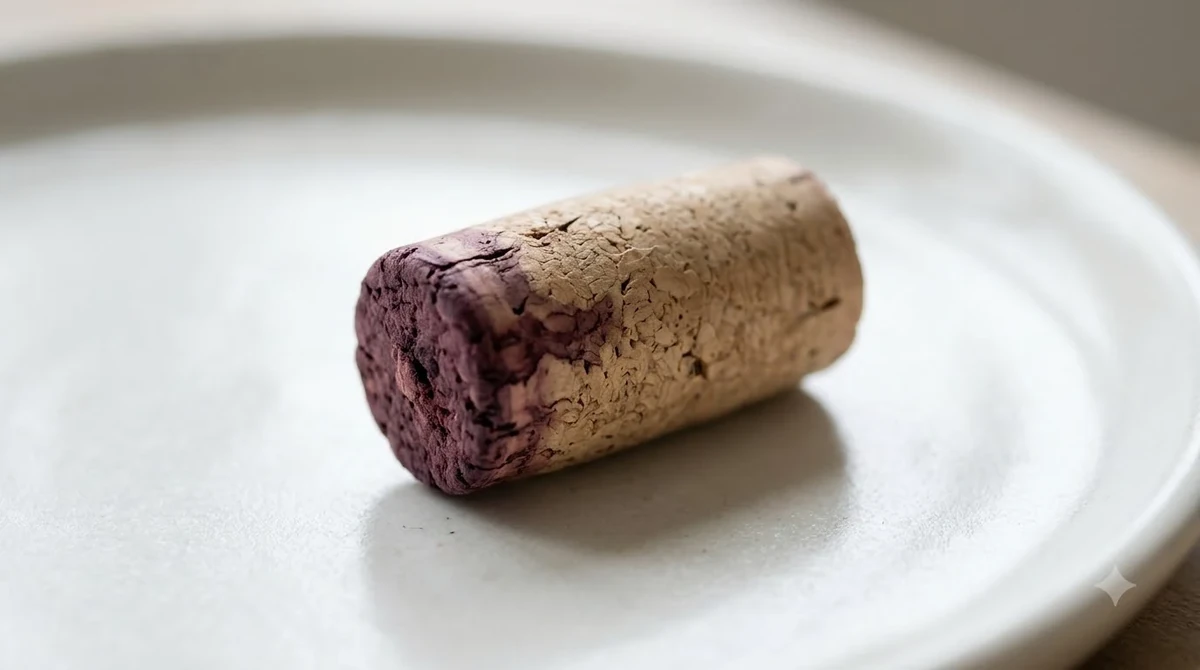
Panna cotta is generally less intense than chocolate cake, caramel-heavy pudding, or dense nut desserts. Its delicate vanilla aroma does not need an exceptionally powerful wine. A lightly sparkling Moscato d’Asti, for example, provides floral aromas, peach-like fruit, and a touch of sweetness that complements the dairy without dominating it.
Sweetness is the first consideration. A dry wine can taste unexpectedly sharp, thin, or bitter when served alongside a sweet dessert. This happens because the sugar in the food changes how the wine’s sweetness is perceived. A wine that tastes pleasantly dry on its own may seem acidic and unbalanced after a spoonful of panna cotta.
The general dessert-pairing principle is straightforward: the wine should be at least as sweet as the food, preferably a little sweeter. This is particularly important for traditional panna cotta made with sweetened cream and vanilla. The Coop dessert wine recommendations also emphasize matching wine sweetness to the dessert rather than relying on aroma alone.
Acidity is the second consideration. Cream creates a rich, coating sensation, and a wine with lively acidity can refresh the palate between bites. This is why sweet Riesling and Moscato are useful choices. Both can combine noticeable sweetness with enough freshness to prevent the pairing from becoming heavy.
Finally, consider intensity. A delicate vanilla dessert is better suited to a light or medium-bodied sweet wine than an intensely concentrated fortified red. Strong alcohol, pronounced tannins, and heavy oak can distract from the dessert’s subtle flavor. A fresh sparkling wine or aromatic sweet white usually offers a more balanced experience.
Tip: Taste the panna cotta before opening the wine. If the dessert tastes moderately sweet and strongly creamy, choose a gently sweet wine with lively acidity. If it has a very sweet caramel or fruit topping, move toward a more concentrated dessert wine.
Moscato d’Asti Is the Best All-Around Choice
Moscato d’Asti is an excellent first choice for traditional vanilla panna cotta because its floral aromas, gentle sweetness, and light sparkle suit the dessert’s delicate character. Its relatively low alcohol and refreshing finish also make it comfortable after a substantial meal.
Made from the Muscat grape, Moscato d’Asti commonly displays aromas of peach, apricot, orange blossom, and fresh grapes. These flavors complement vanilla without introducing strong competing notes. The wine’s sweetness also matches the sugar in a typical panna cotta, while its acidity helps refresh the palate after the cream.
The gentle carbonation provides another advantage. Bubbles create a lighter impression alongside the smooth, gelatin-set texture of the dessert. Rather than adding more richness, the wine gives the pairing a refreshing contrast. This makes Moscato d’Asti particularly appealing when serving individual panna cotta portions at the end of a multi-course dinner.
There is an important distinction between Moscato d’Asti and other wines labeled simply Moscato. Moscato d’Asti is a specific Italian sparkling wine style, while other Muscat wines can be considerably sweeter, more alcoholic, or more concentrated. For a delicate vanilla dessert, the lighter, gently sparkling version is usually the more balanced choice.
Serve Moscato d’Asti well chilled, around 40–50 degrees Fahrenheit for sparkling wine. A small dessert pour of approximately 3 ounces gives guests enough wine to enjoy alongside a full serving of panna cotta without making the final course feel too substantial.
Moscato d’Asti is especially useful for these combinations:
- Classic vanilla panna cotta: Floral and peach notes complement vanilla and cream.
- Honey panna cotta: Honeyed aromas reinforce the dessert’s natural sweetness.
- Almond panna cotta: Fruity aromas provide contrast to the nutty flavor.
- Peach panna cotta: Stone-fruit flavors create a natural flavor connection.
If you are choosing only one wine for a dessert course featuring several panna cotta variations, Moscato d’Asti is a practical starting point. Its combination of sweetness, freshness, and moderate intensity works with more versions of the dessert than most powerful fortified wines.
Prosecco and Other Sparkling Wines for Fruit-Topped Panna Cotta
Prosecco DOC is a particularly interesting pairing for panna cotta topped with strawberries, raspberries, or mixed berries. Its fresh character and bubbles complement the creamy base, while the fruit creates a connection between the wine and dessert.

The Prosecco DOC consortium provides a useful example in its berry panna cotta recipe. The preparation combines 375 ml of double cream, 125 ml of whole milk, 50 g of sugar, one vanilla pod, and 6–8 g of gelatin leaves. The berry accompaniment uses 250 g of strawberries, 250 g of mixed berries, 100 ml of Prosecco DOC, 15 g of sugar, and the juice of half a lemon.
This recipe demonstrates why fruit acidity matters. Strawberries and raspberries contribute fresh, tangy flavors that contrast with the creamy panna cotta. Prosecco provides additional freshness, while the bubbles help keep the combination from feeling too rich.
The Prosecco DOC consortium’s panna cotta recipe recommends serving the dessert with a cold glass of Prosecco DOC. It also identifies Prosecco DOC Rosé as an alternative. Both options can work, although the sweetness level of the finished wine should remain appropriate for the dessert.
One important detail is that not every Prosecco tastes sweet. Many bottles are Brut or Extra Dry, and these styles can taste relatively dry beside a sugary panna cotta. A sweeter sparkling option is preferable when the dessert itself is noticeably sweet. For a lightly sweetened panna cotta with unsweetened strawberries, a drier sparkling wine may be more successful.
Demi-sec Champagne is another option. Its sweetness makes it more suitable for dessert than a typical Brut Champagne, while its acidity and fine bubbles provide a refreshing contrast to cream. It is especially appealing with coconut panna cotta, berry toppings, and desserts with delicate floral flavors.
For sparkling wine, consider these distinctions:
- Moscato d’Asti: Light, floral, gently sweet, and particularly suitable for vanilla.
- Prosecco DOC: Fresh and fruity, especially useful with berries.
- Prosecco DOC Rosé: A fruit-oriented alternative for strawberry or raspberry toppings.
- Demi-sec Champagne: A more structured sparkling option with sufficient sweetness for dessert.
Remember that sparkling wine sweetness labels can be confusing. The common progression from driest to sweetest is Brut Nature, Extra Brut, Brut, Extra Dry, Dry, Demi-Sec, and Doux. Extra Dry is actually sweeter than Brut, despite the name. For a sweet dessert, the sweeter categories are generally more promising than Brut Nature or Extra Brut.
Riesling, Muscat, and Sauternes for Different Dessert Styles
Sweet Riesling, Muscat, and Sauternes offer alternatives when you want a still wine rather than a sparkling pairing. Their differences in acidity, sweetness, and concentration make them suitable for different panna cotta recipes.
Late-harvest Riesling
Late-harvest Riesling is particularly useful with panna cotta topped with fresh fruit. Depending on its ripeness and sweetness, it can show flavors of peach, apricot, citrus, honey, and ripe apple. Its naturally high acidity provides freshness alongside the cream.
Choose a bottle with enough residual sugar to match the dessert. A lightly sweet Riesling can work with a modestly sweetened panna cotta and fresh raspberries, but a very sweet preparation needs a correspondingly sweeter wine. The fruit in the dessert should also influence the selection. Peach and apricot toppings work naturally with the wine’s stone-fruit character, while citrus toppings benefit from its fresh acidity.
Sweet Muscat
Sweet Muscat is another excellent option, especially when vanilla, honey, orange blossom, or stone-fruit flavors are part of the dessert. Its aromatic character makes it easy to pair with a simple panna cotta without relying on oak or tannin.
Different Muscat styles vary considerably. Some are lightly sparkling and fresh, while others are richer, sweeter, and fortified. For a light vanilla dessert, a relatively delicate Muscat is preferable. A more concentrated version can be saved for panna cotta with roasted nuts, caramel, or dried fruit.
Sauternes
Sauternes is a richer choice for people who prefer a more luxurious dessert pairing. This sweet white wine from Bordeaux is associated with honey, apricot, citrus, and concentrated fruit flavors. Its acidity helps balance its sweetness, making it suitable for creamy desserts.
However, Sauternes can be more powerful than a simple panna cotta requires. It is particularly effective with caramelized vanilla panna cotta, honey panna cotta, or versions with roasted almonds. For an unadorned dessert with very subtle vanilla, a lighter Moscato may produce better balance.
These wines illustrate why the best pairing depends on the recipe rather than the dessert’s name alone. A delicate panna cotta does not need the same concentration as one served with caramel, candied citrus, or toasted nuts.
Pairing Wine With Vanilla, Berry, Citrus, and Caramel Variations
The topping often determines which wine works best with panna cotta. Vanilla, berries, citrus, caramel, and chocolate each change the dessert’s sweetness, acidity, and aromatic intensity.
Vanilla panna cotta: Moscato d’Asti is the leading choice. Its floral aromas and peach flavors complement vanilla without overwhelming the dairy. Sweet Muscat and a moderately sweet Riesling are also good alternatives. Avoid very dry wines because the dessert’s sugar can make them seem sharp.
Strawberry panna cotta: Prosecco DOC, Moscato d’Asti, and sweet rosé sparkling wines can all work. Strawberries provide fresh fruit acidity, while their sweetness varies with ripeness and preparation. A lightly sweetened strawberry sauce may allow a slightly drier sparkling wine, whereas a sugary strawberry coulis needs a sweeter bottle.
Raspberry panna cotta: Choose a wine with lively acidity and enough sweetness to balance the tart berries. Late-harvest Riesling is especially useful because its fruit character complements raspberries without making the pairing excessively heavy. Moscato d’Asti is another accessible option.
Lemon panna cotta: This version needs a wine with both sweetness and freshness. A sweet Riesling or Moscato d’Asti can work particularly well. Lemon is more acidic than plain vanilla cream, so the wine needs enough acidity to avoid tasting flat beside the citrus.
Caramel panna cotta: The caramelized sugar creates a deeper, toastier flavor than traditional vanilla. Sauternes, richer Muscat, and selected sweet white wines are suitable choices. Their honeyed and ripe-fruit aromas complement caramel without introducing the tannins associated with red wine.
Chocolate panna cotta: The amount and type of chocolate make a difference. A lightly flavored white-chocolate version can pair with sweet Muscat, while a richer dark-chocolate preparation may need a more concentrated dessert wine. Ruby Port can also work with particularly intense chocolate versions, although it is generally too powerful for plain vanilla panna cotta.
Coconut panna cotta: Demi-sec Champagne and aromatic Muscat are attractive choices. The wine’s sweetness supports the coconut’s natural richness, while bubbles or acidity prevent the combination from becoming too heavy.
Honey and almond panna cotta: Sweet Muscat and Sauternes are particularly suitable. Their floral and honeyed aromas complement the dessert, while almond garnish provides an additional flavor connection.
The following table provides a practical starting point for choosing a bottle based on the dessert’s main flavor.
| Panna Cotta Style | Recommended Wine | Serving Temperature | Main Pairing Reason |
|---|---|---|---|
| Classic vanilla | Moscato d’Asti | 40–50°F | Floral sweetness and refreshing bubbles |
| Fresh strawberry | Prosecco DOC | 40–50°F | Fruit and sparkling freshness |
| Raspberry | Late-harvest Riesling | 43–50°F | Sweetness and lively acidity |
| Lemon | Sweet Riesling | 43–50°F | Citrus-friendly acidity |
| Caramel | Sauternes | 43–50°F | Honeyed richness and concentrated fruit |
| Dark chocolate | Ruby Port | 60–65°F | Concentrated sweetness and dark fruit |
| Coconut | Demi-sec Champagne | 40–50°F | Sweetness and refreshing bubbles |
| Honey and almond | Sweet Muscat | 43–50°F | Floral, honeyed, and nutty aromas |
The temperatures in the table are practical serving targets based on the wine styles. The 60–65°F recommendation for Ruby Port is intended for a fuller-bodied style, while the lighter dessert whites benefit from cooler service. The main goal is to preserve freshness without making the wine so cold that its aromas disappear.
How to Serve Wine With Panna Cotta
Serving temperature, glassware, and portion size influence the final pairing. Sparkling wines and sweet whites generally benefit from cooler service, while richer fortified wines are more expressive at slightly warmer temperatures.
For sparkling wines such as Moscato d’Asti, Prosecco, and Champagne, aim for 40–50°F. This temperature range preserves freshness and helps maintain the lively impression of the bubbles. Sweet still whites, including Riesling, Muscat, and Sauternes, can be served around 43–50°F.
Avoid serving every wine directly from the coldest part of the refrigerator. Excessive chilling can suppress delicate floral and fruit aromas, especially in sweet still wines. Allow a bottle to warm slightly in the glass if its aromas seem muted.
Glassware should also suit the wine. A small white wine glass works well for Moscato, Riesling, and Sauternes. Sparkling wine can be served in a tulip-shaped glass, which preserves the bubbles while giving the aromas room to develop. A small dessert wine glass is appropriate for concentrated Muscat and Port.
Portion size is another important consideration. A standard still wine serving is approximately 5 ounces, and a 750 ml bottle provides about five such glasses. Dessert wine is usually enjoyed in smaller pours, commonly around 2–3 ounces, because its sweetness and concentration make a smaller serving sufficient.
When hosting a dinner, serve the panna cotta chilled and bring the wine to its intended serving temperature just before dessert. The contrast between cold, silky cream and refreshing wine makes the final course feel lighter. If the panna cotta has a fruit sauce, distribute some of the fruit across each serving so that guests experience the intended combination in every bite.
For a dinner with multiple dessert options, consider offering two wines instead of trying to find one bottle that does everything. Moscato d’Asti can accompany vanilla and fruit versions, while Sauternes or sweet Muscat can provide a richer option for caramel and almond variations.
Wine Pairings to Avoid With Panna Cotta
Very dry, highly tannic, or excessively powerful wines are generally poor matches for traditional panna cotta. They can overwhelm its delicate flavor or taste unbalanced beside its sweetness.
Bone-dry Sauvignon Blanc: Sauvignon Blanc usually has high acidity and refreshing citrus or herbal flavors, but a dry version can seem sharp beside sweet vanilla cream. It is better suited to savory dishes or less-sweet fruit preparations than traditional panna cotta.
Brut Nature sparkling wine: This very dry sparkling style may be refreshing on its own, but it usually lacks the sweetness needed for a sugary dessert. The panna cotta can make the wine seem sour and stripped of fruit.
Cabernet Sauvignon: Cabernet Sauvignon generally has high tannin and a substantial structure. Its drying texture and darker fruit flavors can overwhelm a simple cream dessert. Sweetness in the panna cotta may also make the wine seem harsher.
Young Syrah: Syrah can have medium-plus to high tannin, substantial body, and intense dark-fruit or pepper notes. Those characteristics are more appropriate for savory food than delicate vanilla custard.
Dry Chardonnay: Chardonnay has medium acidity and can be creamy or buttery, depending on its production. Although its texture may seem compatible with panna cotta, a dry version often lacks the sweetness needed to balance the dessert.
Very alcoholic fortified reds: Port can be successful with chocolate and nut-based desserts, but a powerful bottle may dominate traditional panna cotta. Choose a more concentrated wine only when the dessert has enough flavor and sweetness to support it.
These recommendations do not mean that red wine can never accompany dessert. Pinot Noir, for example, has lower to medium tannin and higher acidity than Cabernet Sauvignon. However, its typical dry style is still not the most natural choice for sweetened cream. A sweet, aromatic white is generally more reliable.
For readers exploring other food combinations, the principles behind what wine goes with blue cheese show how sweetness can balance salty intensity, while Wine Pairing explains how acidity, sweetness, body, and tannin influence food combinations. These same principles help explain why dessert wines work better than dry table wines with panna cotta.
Frequently Asked Questions
Can you drink red Moscato with panna cotta?
Yes. A lightly sweet red Moscato can accompany panna cotta, particularly when the dessert includes strawberries, raspberries, or cherries. Look for a fresh, gently sparkling style rather than a heavily fortified or tannic red. Its red-fruit aromas can create a pleasant connection with berry toppings.
Is Pinot Grigio suitable for panna cotta?
Most dry Pinot Grigio is not an ideal match for traditionally sweetened panna cotta. However, a fruit-topped version with very little added sugar may be more accommodating. For a conventional dessert, a sweet Moscato or Riesling is generally a safer choice.
Can you make a wine sauce for panna cotta?
Yes. A sweet wine reduction can be prepared with approximately 150 ml of Moscato or dessert Riesling and 100 g of fresh berries. Simmer gently until the fruit softens and the liquid becomes syrupy, then cool completely before spooning a small amount over chilled panna cotta. Avoid reducing the sauce too far, since concentrated sugar can make the dessert excessively sweet.
Does gelatin affect which wine pairs with panna cotta?
Gelatin primarily determines the dessert’s structure rather than its flavor. A panna cotta made with approximately 6–8 g of gelatin in a cream-and-milk preparation can have a softly set texture, depending on the recipe and total liquid volume. The wine decision should therefore focus more on sweetness, dairy richness, and toppings than on gelatin itself.
Can nonalcoholic sparkling drinks replace wine with panna cotta?
Yes. A nonalcoholic sparkling grape drink or lightly sweetened white grape beverage can provide fruitiness and bubbles alongside the dessert. Look for a version with balanced acidity and moderate sweetness rather than a very sugary soda. Chilled sparkling white grape juice is a particularly simple alternative for vanilla and berry panna cotta.
For traditional vanilla panna cotta, Moscato d’Asti remains an excellent starting point because its sweetness, acidity, and gentle bubbles complement the dessert without overpowering it. Choose Prosecco DOC for berry-topped versions, sweet Riesling for citrus and fruit variations, and Sauternes or Muscat for richer caramel and honey preparations. Matching the wine’s sweetness and intensity to the finished dessert is the simplest way to create a balanced final course.
More in Food & Wine Pairing
 Risotto With White Wine Recipe: Make a Creamy Dinner at HomeUpdated Nov 20, 2026
 Wassail With Wine Recipe for a Festive Spiced Holiday DrinkUpdated Nov 20, 2026
 Spritz Veneziano Recipe: Make a Classic Venetian Aperitivo at HomeUpdated Nov 20, 2026
 Summer Wine Punch Recipe for Easy Homemade EntertainingUpdated Nov 20, 2026
 Bishop Recipe: How to Make a Bright, Citrus-Forward Red Wine CocktailUpdated Nov 20, 2026
 Wine Cupcakes Recipe: Bake Rich Chocolate Cupcakes at HomeUpdated Nov 20, 2026