

We may earn a commission when you buy through links on this page, at no extra cost to you. Learn more.
A sweet white wine cocktail combines an off-dry or sweet white wine—such as Moscato, Riesling, Gewürztraminer, or White Port—with fruit juices, liqueurs, spirits, or sparkling mixers for a bright, sessionable drink. Unlike heavy spirit-forward drinks, these cocktails lean on natural grape aromatics, stone-fruit sweetness, and crisp acidity to stay refreshing. Most builds sit lower in alcohol than classic mixed drinks, making them ideal for warm-weather entertaining, brunch, and casual sipping.
When most people hear “wine cocktail,” their minds jump straight to spiced red sangria or a simple flute of mimosa. Yet white wines—especially aromatic, slightly sweet styles—bring floral perfume, orchard fruit, and lively acidity that play remarkably well with fresh herbs, citrus, and botanical spirits. Understanding how base wine sweetness interacts with mixers lets you build balanced drinks every time without ending up with something syrupy.
What Makes a Great Sweet White Wine Cocktail
A balanced sweet white wine cocktail relies on tension between residual sugar, natural wine acidity, and dilution from ice or sparkling mixers. If a drink tastes flat or cloying, it usually lacks acid or effervescence rather than sweetness.
Sweet white wines get their signature charm from aroma compounds called terpenes, which give grapes like Muscat, Riesling, and Gewürztraminer distinct notes of orange blossom, lychee, ripe peach, and rose petal. Because these wines already carry expressive fruit and floral character, they do heavy lifting in the glass without requiring complicated syrups or artificial mixers. As Wine Folly’s summer wine cocktail guide notes, keeping drinks light on heavy syrups and appropriately low in alcohol prevents that sluggish, overly boozy feeling on sunny afternoons.
When building a cocktail around sweet white wine, bartenders treat the wine as both the primary flavor base and the body of the drink. Instead of masking the wine behind dark spirits or heavy cream, successful recipes pair it with bright citrus—like fresh lemon, lime, or grapefruit juice—alongside crisp bubbles from club soda, tonic water, or sparkling wine. That structure mirrors classic sour and highball templates while keeping the alcohol by volume gentle enough for daytime pours.
Best White Wines to Use as Your Base
Choosing the right bottle depends on whether you want the wine itself to supply the sweetness or prefer a drier base that leaves room for sweet liqueurs and fruit purées. Both approaches work well, provided you match the wine’s body and acidity to your other ingredients.
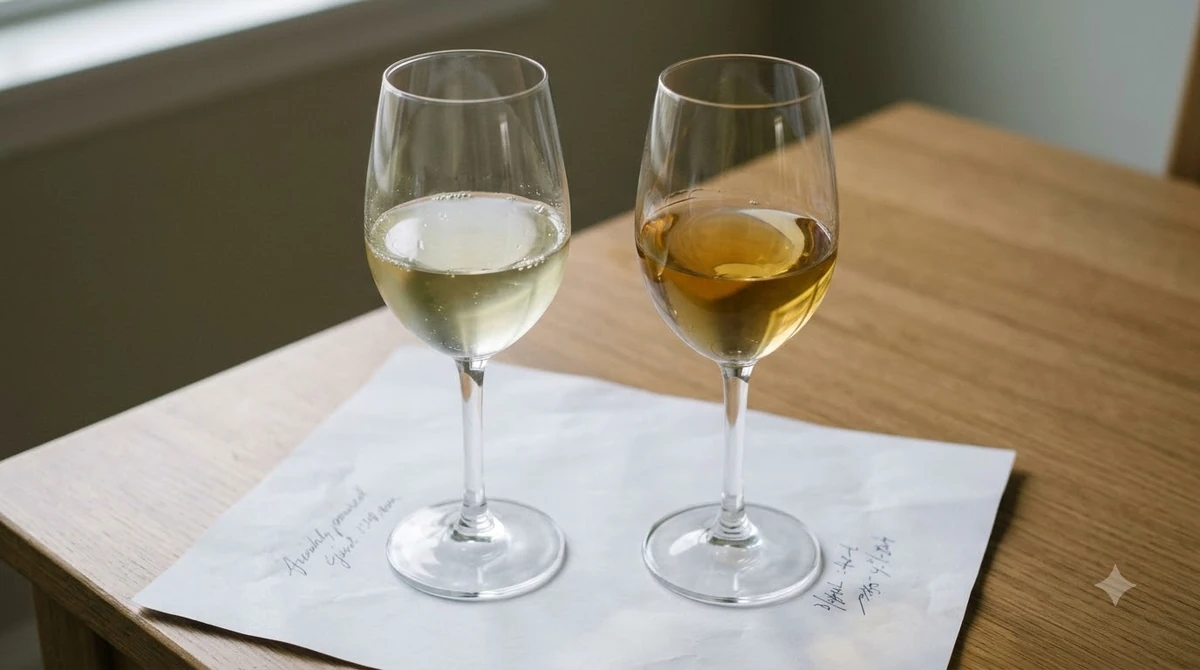
Moscato and Moscato d’Asti: Made from Muscat Blanc, Moscato is naturally sweet, lightly fizzy in its Italian d’Asti style, and bursting with mandarin orange, honeysuckle, and white peach aromas. Because it has low alcohol and gentle sweetness, it shines when blended with tart berries, lemon juice, and fresh herbs. If you are unsure how sweet a particular bottle leans before mixing, checking a guide on whether Moscato is sweet or dry helps you calibrate how much extra sweetener—if any—your recipe needs.
Off-Dry Riesling and Gewürztraminer: German Kabinett or Spätlese Rieslings and Alsatian-style Gewürztraminer offer vibrant acidity alongside lush stone-fruit, ginger, and floral notes. Riesling’s razor-sharp tartness cuts right through sweet mixers like peach schnapps, elderflower liqueur, or honey syrup. Gewürztraminer brings exotic spice and rose-water perfume that pairs naturally with fresh ginger beer or muddled ginger root.
White Port and Crisp Dry Whites: White Port—a fortified Portuguese white wine available in dry to sweet styles—brings rich, nutty, dried-apricot depth that stands up to bitter tonic water. On the flip side, if your recipe already includes triple sec, simple syrup, or sweet fruit juice, starting with a crisp, dry Pinot Grigio, Sauvignon Blanc, or Albariño prevents the finished cocktail from tipping into overly sugary territory. Exploring different wine types makes it easy to swap bottles based on what you already have chilled in the refrigerator.
| Wine Style | Sweetness Level | Key Flavor Notes | Best Cocktail Match |
|---|---|---|---|
| Moscato d’Asti | Sweet | Peach, orange blossom, honey | Berry-basil lemonade spritz |
| Off-Dry Riesling | Medium-Sweet | Green apple, lime, apricot | Elderflower white wine spritzer |
| Gewürztraminer | Off-Dry to Sweet | Lychee, rose petal, ginger | Ginger-lime wine fizz |
| Sweet White Port | Sweet (Fortified) | Dried apricot, almond, citrus peel | White Port and tonic |
| Pinot Grigio / Albariño | Dry (use with sweet mixers) | Lemon zest, pear, saline minerality | White peach sangria |
5 Classic Sweet White Wine Cocktail Builds
You do not need a fully stocked professional bar to mix memorable white wine drinks at home. Most iconic recipes follow simple, repeatable ratios that take less than five minutes to assemble.
1. The Classic White Wine Spritzer (3:1 Ratio): The easiest entry point combines three parts chilled white wine with one part plain club soda over plenty of ice. Using an off-dry Riesling or lightly sweet Pinot Grigio gives you subtle fruitiness without adding a drop of simple syrup. Garnish with a expressed lemon twist or fresh raspberries so the citrus oils hit your nose before every sip.
2. Moscato Strawberry Basil Lemonade: Blending fresh strawberries, basil leaves, fresh lemon juice, and a touch of simple syrup creates a vibrant, tart-sweet fruit base. Strain that purée over crushed ice and top generously with chilled Moscato. The wine’s gentle effervescence lifts the berry purée, creating a slushy-adjacent patio drink that tastes like summer farmers-market produce.
3. White Port and Tonic: Popular across Porto and Vila Nova de Gaia in Portugal, this effortlessly sophisticated highball uses a simple one-to-one ratio of chilled White Port and crisp tonic water over ice. The quinine bitterness in the tonic balances the Port’s honeyed, stone-fruit richness, while a sprig of fresh rosemary or a wheel of fresh orange adds aromatic complexity.
4. Ginger Gewürztraminer Fizz: By pairing aromatic Gewürztraminer with muddled fresh ginger, lime juice, and sparkling water, you get a wine-based cousin to the Moscow Mule. The wine’s natural rose and lychee perfume softens the spicy bite of the ginger, resulting in a lively, aromatic cooler that needs very little added sugar.
5. White Peach and Citrus Sangria: Unlike traditional sweet red wine cocktail pitchers built around dark berries and brandy, white sangria highlights sliced white peaches, green apples, lemons, and limes macerated in white wine and a splash of orange liqueur. Chilling the fruit and wine together for at least four hours allows the flavors to meld before you top each glass with chilled sparkling water or Cava.
Ingredient Balance and Mixing Techniques
Small adjustments in order of operations, chilling temperature, and dilution separate a watery glass of diluted wine from a crisp, bar-quality cocktail. Treating white wine with the same care as delicate botanicals ensures maximum aroma and fizz.
Always chill every liquid ingredient—including the wine, club soda, tonic, and even your glassware—before you start mixing. Pouring room-temperature white wine over ice causes rapid melting, which strips away flavor and leaves the drink tasting thin within minutes. When assembling sparkling builds, pour the chilled wine over the ice first, then slowly tilt the glass and pour the carbonated mixer down the side so you preserve as many bubbles as possible.
Stir gently just once or twice with a long bar spoon rather than shaking carbonated mixtures, which will flatten the fizz immediately. If you are adding fresh herbs like mint, basil, or rosemary, give the leaves a quick clap between your palms before dropping them into the glass. That gentle bruise releases fragrant essential oils onto the surface of the drink without shredding the leaves into bitter green flecks.
Tip: Freeze seedless green grapes, sliced peaches, or whole berries ahead of time and use them in place of half your ice cubes—they keep sweet white wine cocktails icy cold without watering down the flavor.
Food Pairings for Sweet White Wine Cocktails
Sweetness and bright acidity make white wine cocktails remarkably versatile at the table, especially alongside salty, spicy, or creamy dishes. Matching flavor weight ensures neither the food nor the drink overwhelms the other.
According to Wine Folly’s guide to pairing sweet white wines with food, residual sugar acts as a natural cooling agent against chili heat, making Riesling and Moscato cocktails stellar companions for spicy Thai salads, Vietnamese spring rolls, or loaded nachos. Salty appetizers—such as prosciutto-wrapped melon, fried calamari, or whipped feta crostini—also thrive alongside off-dry cocktails because salt amplifies fruitiness while crisp bubbles cleanse the palate.
When serving sweet white wine cocktails with dessert, steer clear of dark, bittersweet chocolate, which can make sweet white wine taste metallic or thin. Instead, pair them with fruit-forward or creamy sweets like lemon tarts, vanilla bean panna cotta, coconut macaroons, or mascarpone fig pastries. If you are tracking nutrition across different wine styles for a gathering, comparing the calories in sweet red wine against lighter white spritzers can also help you plan balanced menu options for guests.
Frequently Asked Questions
What is the best sweet white wine for cocktails?
Moscato d’Asti and off-dry German Riesling are the two most versatile choices for sweet white wine cocktails. Moscato brings low alcohol, gentle fizz, and lush peach-and-orange-blossom sweetness that pairs effortlessly with berries and citrus. Off-dry Riesling offers higher natural acidity, keeping drinks crisp and balanced even when mixed with sweet liqueurs or fruit juices.
Can you use sweet white wine to make sangria?
Yes, sweet white wine like Moscato or off-dry Riesling makes an excellent base for white sangria, especially if you want to skip adding granulated sugar or simple syrup. Because the wine already supplies sweetness, balance the pitcher with tart citrus slices like lemon, lime, and grapefruit, plus unsweetened club soda right before serving.
Should you avoid oaked Chardonnay in white wine cocktails?
Heavy, oak-aged Chardonnay is generally best avoided in refreshing white wine cocktails because its vanilla, butter, and toasted-wood notes can clash with bright citrus and delicate berries. Stick to unoaked, crisp, or aromatic varieties like Pinot Grigio, Sauvignon Blanc, Riesling, Albariño, or Moscato for cleaner, brighter results.
How do you keep a pitcher of white wine cocktails from getting watered down?
Chill the wine, juices, and mixers thoroughly in the refrigerator for several hours before combining them so the pitcher starts ice-cold. Instead of dumping loose ice into the main pitcher, fill individual glasses with ice right before pouring, or float frozen fruit like grapes and peach slices directly in the pitcher to maintain temperature without dilution.
Building a memorable sweet white wine cocktail comes down to respecting the wine’s natural aromatics and balancing sweetness with bright citrus and cold bubbles. Start with a well-chilled bottle of Moscato, Riesling, or White Port, keep your garnishes fresh, and adjust the sparkling mixer to match the occasion.
More in Wine Types & Grapes
 What Does Mourvèdre Taste Like? Flavor Profile, Regions, and PairingsUpdated Nov 20, 2026
 What Does Marsanne Taste Like? Flavors, Styles, and Food PairingsUpdated Nov 20, 2026
 What Does Malvasia Taste Like? Styles, Flavors, and Food PairingsUpdated Nov 20, 2026
 What Does Grenache Blanc Taste Like? Flavor Profile, Styles, and PairingsUpdated Nov 20, 2026
 What Does Garnacha Taste Like? Key Flavors, Styles, and Pairing TipsUpdated Nov 20, 2026
 What Does Fruit Wine Taste Like? A Complete Flavor and Style BreakdownUpdated Nov 20, 2026