

We may earn a commission when you buy through links on this page, at no extra cost to you. Learn more.
What wine goes with manicotti? Chianti is the best all-around choice for traditional cheese manicotti with ricotta filling and tomato sauce, while Barbera offers another excellent high-acid red option. Both wines complement the acidity of cooked tomatoes and balance the richness of melted cheese. If you prefer white wine, Sauvignon Blanc, Pinot Grigio, and Chardonnay can also work, depending on the filling and sauce. The best bottle depends on whether your manicotti features classic ricotta, spinach, meat, seafood, or a creamy white sauce.
Manicotti is a comforting Italian-American baked pasta dish, usually featuring large pasta tubes filled with cheese and covered with sauce before baking. Its combination of tender pasta, seasoned ricotta, mozzarella, Parmesan, herbs, and tomato sauce creates several different flavors for wine to complement. The trick is choosing a bottle that has enough freshness to balance the sauce without overwhelming the filling. Here are the best wines for different manicotti recipes, along with practical serving recommendations.
Chianti Is the Best Overall Wine for Traditional Manicotti
Chianti is the most dependable wine pairing for traditional ricotta manicotti served with tomato sauce. Its refreshing acidity matches the tomatoes, while its red-fruit flavors and savory character complement the herbs and cheese without making the meal feel excessively heavy.
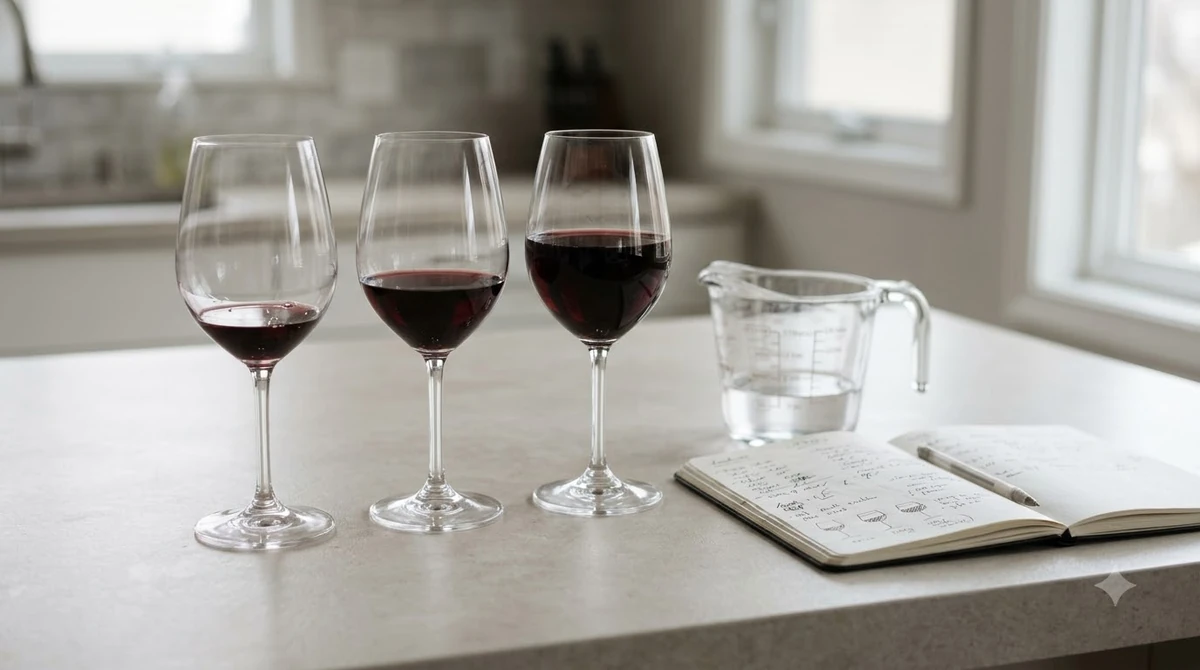
Chianti is made primarily from Sangiovese, a red grape associated with Tuscany. Sangiovese typically offers flavors of cherry, red plum, dried herbs, and sometimes subtle earthy or spicy notes. These characteristics work particularly well with tomato-based Italian dishes because the wine has enough freshness to remain lively alongside the sauce.
Another advantage is that Chianti generally has more than enough flavor to accompany baked cheese without requiring a particularly powerful wine. Traditional manicotti is rich, but its filling is relatively delicate compared with heavily seasoned meat dishes. A medium-bodied Chianti provides enough structure to complement the dish while allowing the ricotta, mozzarella, and tomato to remain recognizable.
For a straightforward weeknight dinner, choose a youthful, approachable Chianti. It will generally be more suitable than an extremely concentrated red with pronounced oak and heavy tannins. If your manicotti includes extra Parmesan, garlic, Italian sausage, or a generous layer of mozzarella, a more structured Chianti Classico can be an appealing alternative.
Temperature also makes a difference. Serve Chianti slightly cooler than typical room temperature, around 60–65°F. This helps maintain its freshness and prevents the alcohol from becoming too noticeable alongside a hot, cheesy meal.
Chianti is especially useful when you are preparing manicotti for several guests with different wine preferences. It is familiar, versatile, and sufficiently food-friendly to accompany both the tomato sauce and the cheese filling. If you want one bottle that covers the traditional recipe without requiring complicated decisions, start here.
Why Acidity and Tannin Matter With Cheese and Tomato Sauce
The best manicotti pairings depend on two important characteristics: acidity and tannin. Tomato sauce contributes natural acidity, while ricotta, mozzarella, and Parmesan contribute fat, protein, and salt. A suitable wine needs enough freshness to balance the sauce and enough flavor to accompany the cheese.
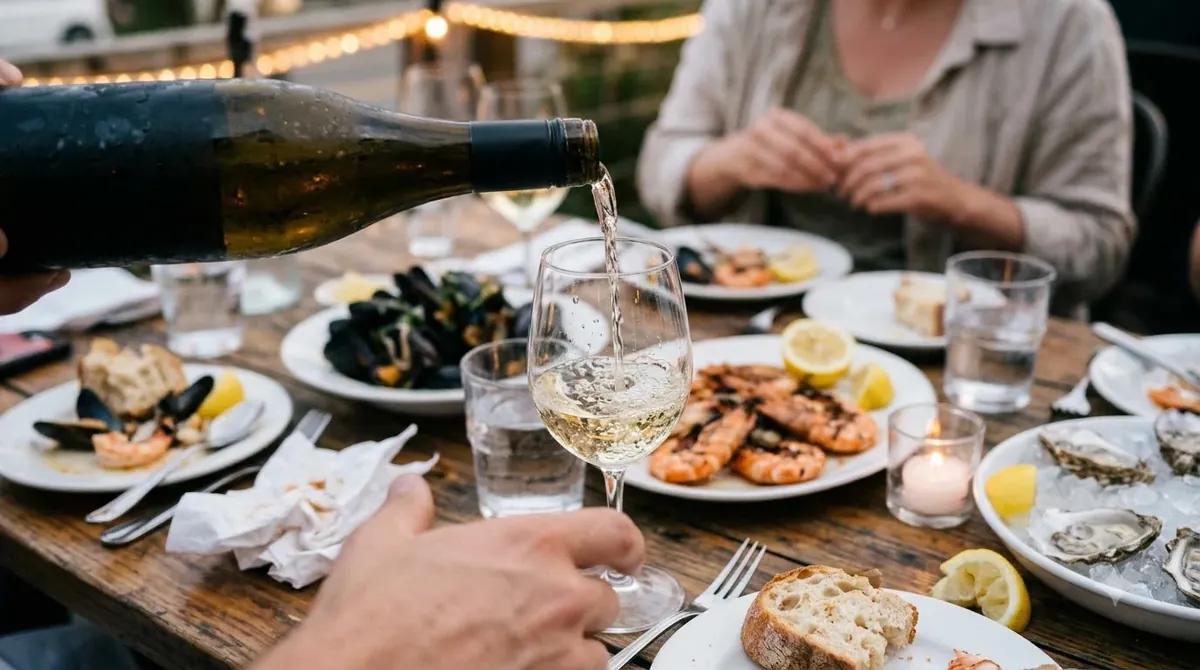
Acidity is particularly important because tomatoes can make a low-acid wine seem flat or dull. Imagine eating a forkful of manicotti covered in bright marinara and then drinking a soft, mellow red. The sauce may make the wine seem less lively than it did before the meal. A wine with equally strong or greater perceived acidity maintains its freshness and creates a more balanced experience.
This is one reason Sangiovese and Barbera work so well. Both offer the acidity needed for tomato-based dishes, although they have different flavor profiles. Sangiovese often leans toward cherry, dried herbs, and savory notes, whereas Barbera generally offers juicy red and dark fruit with naturally high acidity.
Tannin is another consideration. Tannins create the drying sensation associated with some red wines, especially Cabernet Sauvignon and Syrah. They can become more noticeable when paired with acidic tomato sauce or dishes containing strong spices. Although salt and fat soften tannin, a very tannic wine may still dominate a relatively delicate cheese filling.
For classic manicotti, moderate tannin is generally more useful than aggressive structure. Merlot provides a softer alternative to Cabernet Sauvignon, while Pinot Noir typically offers lower to medium tannin and refreshing acidity. These characteristics make both varieties suitable alternatives when you want a red wine without the firm grip of a powerful Cabernet.
Understanding the main pairing characteristics
Use the following comparison when choosing a bottle for your recipe:
| Wine or grape | Typical tannin | Acidity | Best manicotti application |
|---|---|---|---|
| Chianti (Sangiovese) | Medium | High | Ricotta and tomato |
| Barbera | Low | High | Tomato and extra cheese |
| Merlot | Medium, softer | Medium | Meat and cheese filling |
| Pinot Noir | Low to medium | High | Creamy or mushroom filling |
| Cabernet Sauvignon | High | Medium | Hearty meat filling, in moderation |
| Sauvignon Blanc | None | High | Spinach and ricotta |
| Chardonnay | None | Medium | Creamy white sauce |
These are general grape-style characteristics rather than guarantees for every bottle. Climate, winemaking, ripeness, and aging can change how a particular wine tastes. Nevertheless, they provide a useful starting point for matching the weight and flavor of your manicotti with the wine. For additional guidance on matching pasta sauces with wine styles, Berry Bros. & Rudd’s guide to pairing wine with pasta also emphasizes sauce acidity, richness, and intensity rather than pasta shape alone.
Tip: Match the wine to the most prominent part of the dish. With tomato-heavy manicotti, prioritize acidity. With a rich béchamel or Alfredo-style preparation, prioritize freshness and sufficient body to complement the creamy filling.
Best Red Wines for Different Manicotti Recipes
Red wine is a natural choice for baked manicotti, especially when the recipe includes marinara, seasoned meat, sausage, or generous amounts of Parmesan. Chianti is the classic option, but Barbera, Merlot, and Pinot Noir offer useful alternatives depending on the intensity of the filling.
Barbera for rich tomato and cheese manicotti
Barbera is an excellent choice if you enjoy a fresher, fruitier red wine. It comes from Italy’s Piedmont region and is known for its high acidity and relatively low tannin. Its juicy red and black fruit flavors can complement tomato sauce while its freshness balances the creamy ricotta filling.
Try Barbera d’Asti or Barbera d’Alba with manicotti topped with marinara, mozzarella, and Parmesan. These styles are especially appealing when the sauce is generous and the cheese is rich. Compared with a heavily structured red, Barbera feels approachable and refreshing alongside baked pasta.
Merlot for meat-filled manicotti
Merlot works particularly well when the filling includes ground beef, Italian sausage, or a mixture of ricotta and seasoned meat. Its medium tannin and softer texture provide a comfortable match for the savory filling without overwhelming the pasta.
A medium-bodied Merlot with ripe plum, black cherry, and gentle herbal characteristics can accompany a tomato-and-meat sauce. Choose a balanced style rather than an excessively oaky or sweet-tasting example. This is especially important when the manicotti also contains salty Parmesan or sharp herbs.
Pinot Noir for delicate and creamy fillings
Pinot Noir is a useful alternative when the filling contains mushrooms, spinach, or a modest amount of cream. Its lower-to-medium tannin and high acidity make it more adaptable to delicate ingredients than many full-bodied red wines.
Oregon Pinot Noir and lighter Burgundy styles are worth considering. Their red-fruit and earthy characteristics can complement mushrooms, herbs, and roasted vegetables. A lighter Pinot Noir can also work with cheese manicotti when you prefer a red wine that does not dominate the ricotta.
Montepulciano for hearty baked pasta
Montepulciano d’Abruzzo is another practical Italian red for manicotti, particularly when the dish includes substantial tomato sauce, browned meat, and melted cheese. It generally offers ripe fruit and a fuller impression than a delicate Pinot Noir.
Choose a balanced example with enough freshness to accompany the tomatoes. Its approachable fruit character makes it suitable for a family-style dinner with meat-filled pasta, roasted vegetables, and garlic bread.
For additional ideas about matching substantial meat dishes with red wine, see our guide to what wine goes with beef brisket. The same general principles of matching richness, seasoning, and tannin can help when planning a hearty Italian meal.
Best White Wines for Manicotti With Ricotta and Vegetables
White wine can be just as successful as red wine with manicotti, particularly when the filling contains spinach, herbs, or seafood. Sauvignon Blanc, Pinot Grigio, and Chardonnay offer different combinations of acidity, body, and aroma that can complement the ingredients.
Sauvignon Blanc for spinach and ricotta
Sauvignon Blanc is a particularly good choice for spinach and ricotta manicotti. Its high acidity refreshes the palate, while citrus, green apple, and herbal notes complement the vegetable filling.
The pairing is especially effective when the recipe contains fresh spinach, parsley, basil, or a small amount of lemon zest. These ingredients create a lighter flavor profile than a traditional meat-and-tomato version, allowing a crisp white wine to work naturally.
New Zealand Sauvignon Blanc offers a particularly expressive option, with fresh citrus and green-fruit characteristics. French Sauvignon Blanc from the Loire Valley can provide a more restrained alternative. Either style can accompany spinach manicotti served with a light tomato sauce or a modest amount of cream.
Pinot Grigio for a lighter dinner
Pinot Grigio is another dependable choice for vegetable-filled manicotti. Its refreshing acidity, light body, and subtle citrus and pear flavors make it suitable for delicate fillings that might be overwhelmed by a substantial red wine.
Choose a dry Pinot Grigio when serving manicotti with spinach, ricotta, fresh herbs, and a light tomato sauce. The wine provides a clean contrast to the cheese without introducing strong oak or excessive weight.
Italian Pinot Grigio is particularly appropriate for this style of meal. Serve it at 45–50°F to preserve its refreshing character. This pairing is also convenient when the menu includes a green salad, grilled zucchini, or lightly seasoned vegetables.
Chardonnay for creamy white sauce
Chardonnay is the better choice when your manicotti is prepared with Alfredo sauce, béchamel, butter, or additional cream. Its medium acidity and broader body can complement the richness of these ingredients without disappearing beside the sauce.
An unoaked or lightly oaked Chardonnay is a sensible starting point. It offers enough texture for a creamy dish while retaining freshness. A richer Chardonnay with restrained oak can also work if the filling includes mushrooms, roasted garlic, or additional Parmesan.
Avoid choosing a particularly heavy, low-acid white simply because the dish contains cream. Freshness is still important. The goal is to balance the richness rather than add another layer of heaviness.
Dry Riesling for aromatic vegetable fillings
Dry Riesling offers another alternative, especially for spinach, herbs, and ricotta. Its naturally high acidity and citrus-driven character can refresh the palate between bites of baked pasta.
Look for a dry or nearly dry style if the manicotti is savory rather than spicy. A slightly off-dry Riesling may be more suitable if the sauce includes noticeable chili or pepper, because a little residual sugar can soften the perception of heat.
For more general advice about choosing wine for different sauces, vegetables, and cheese combinations, explore our Wine Pairing resource.
Wine Pairings for Meat, Seafood, and Specialty Manicotti
Not every manicotti recipe follows the traditional ricotta-and-marinara formula. Some versions contain ground beef, sausage, spinach, mushrooms, seafood, or several cheeses. Adjust the wine to the filling and sauce rather than automatically choosing the same bottle for every variation.
Beef and sausage manicotti
Meat-filled manicotti generally needs a red wine with more flavor and body than a simple spinach-and-cheese preparation. The browned meat contributes savory depth, while tomato sauce adds acidity and the cheese supplies fat and salt.
Chianti Classico, Montepulciano d’Abruzzo, and medium-bodied Merlot are reliable options. Barbera is another strong candidate when the tomato sauce is especially prominent. If the filling contains a substantial amount of Italian sausage, choose a wine with ripe fruit and moderate tannin rather than an excessively powerful red.
Cabernet Sauvignon can work with particularly hearty meat-filled manicotti, but it is not the first choice for a traditional cheese version. Its high tannin can make the pairing feel firm, particularly when the sauce contains bright tomatoes and the filling is relatively delicate.
Spinach and mushroom manicotti
Vegetable fillings call for a slightly different approach. Spinach contributes earthy green flavors, while mushrooms bring savory depth. Pinot Noir is a useful red option because its lighter tannin and earthy character complement these ingredients.
For a white wine, Sauvignon Blanc works well with spinach, fresh herbs, and lighter cheese fillings. If mushrooms and cream dominate the recipe, a balanced Chardonnay can provide more suitable weight.
The cooking method matters, too. Roasted mushrooms have a deeper flavor than lightly cooked spinach, so the wine should be chosen according to whichever ingredient is most prominent.
Seafood manicotti
Seafood manicotti containing shrimp, crab, or other delicate seafood generally benefits from white wine. Chardonnay and dry Riesling are practical options, while Pinot Grigio can suit lighter seafood fillings with minimal cream.
Vermentino is another appealing choice if the recipe includes garlic, parsley, lemon, or olive oil. Its fresh citrus and herbal notes complement seafood without introducing the strong tannins that can clash with delicate fish and shellfish.
Avoid pairing seafood manicotti with heavily tannic Cabernet Sauvignon or Syrah. Oily fish and tannic red wines can create an unpleasant combination, and delicate seafood flavors can disappear beside an overly powerful red.
Four-cheese manicotti
When ricotta, mozzarella, Parmesan, and provolone are combined, the filling can become particularly rich and salty. Barbera is a strong red option because its acidity provides freshness and its relatively low tannin keeps the pairing from becoming too heavy.
For white wine, choose a refreshing Chardonnay or Sauvignon Blanc according to the sauce. A dry sparkling wine can also be enjoyable because its acidity and bubbles provide contrast to the creamy cheese.
For a menu that includes another substantial cheese course, our guide to what wine goes with blue cheese explains why sweetness, acidity, and cheese intensity matter when selecting a bottle.
For more examples of how Italian wine styles complement different pasta preparations, Decanter’s guide to wine with pasta discusses Barbera d’Asti, Sangiovese, and other useful pairings for tomato-rich and creamy dishes.
Serving Temperature, Pour Sizes, and a Simple Dinner Plan
Even an excellent wine pairing can be less enjoyable when the wine is served at the wrong temperature. Manicotti is typically served hot, so the wine should provide freshness and contrast rather than feel warm, flat, or excessively alcoholic.
For traditional cheese manicotti, serve Chianti or Barbera at approximately 60–65°F. These temperatures allow the wines to show their fruit and savory characteristics while keeping the alcohol from becoming too prominent. If your kitchen is warm, place the red wine in the refrigerator for approximately 15–20 minutes before serving and adjust according to its starting temperature.
White wines require more chilling. Serve Sauvignon Blanc, Pinot Grigio, and dry Riesling at 45–50°F. Chardonnay with a fuller body can be served slightly warmer, around 50–55°F, to allow its texture and aromas to become more apparent.
Here is a practical serving reference for a manicotti dinner:
| Wine style | Serving temperature | Typical pour | 750 ml bottle |
|---|---|---|---|
| Chianti | 60–65°F | 5 oz | About 5 glasses |
| Barbera | 60–65°F | 5 oz | About 5 glasses |
| Merlot | 60–65°F | 5 oz | About 5 glasses |
| Pinot Noir | 55–60°F | 5 oz | About 5 glasses |
| Sauvignon Blanc | 45–50°F | 5 oz | About 5 glasses |
| Pinot Grigio | 45–50°F | 5 oz | About 5 glasses |
| Chardonnay | 50–55°F | 5 oz | About 5 glasses |
A standard 750 ml bottle provides approximately five 5-ounce servings. For a dinner with four adults, one bottle will usually provide enough wine for a moderate pour with the meal. If you are serving two different wines, consider opening one red and one white so guests can choose according to their preferences.
Preparing the wine ahead of dinner
For a straightforward dinner, chill your white wine before preparing the manicotti. Red wines can be opened shortly before serving. Young, full-bodied reds may benefit from approximately 30–60 minutes of decanting, although most everyday Chianti and Barbera do not require extensive aeration.
Keep unopened bottles on their sides in a cool, dark place near 55°F when storing wines intended for longer-term keeping. Once opened, refrigerate remaining still wine and aim to enjoy it within approximately 3–5 days. Sparkling wine generally retains its best qualities for about 1–3 days with an appropriate stopper.
For the food itself, serve manicotti with a simple green salad, roasted vegetables, or garlic bread. These sides provide different textures without introducing too many competing flavors. If the sauce is already rich and cheesy, a lightly dressed salad can make the entire meal feel more balanced.
Frequently Asked Questions
Can you drink rosé with manicotti?
Yes. Dry rosé is a versatile option for manicotti containing ricotta, spinach, or a moderate amount of tomato sauce. A rosé made from Sangiovese or Grenache can provide red-fruit character while retaining the refreshing quality of a chilled white wine. Choose a dry style rather than a noticeably sweet rosé for a traditional savory preparation.
Does Lambrusco go with baked manicotti?
Dry Lambrusco can be an enjoyable pairing, particularly with sausage or meat-filled manicotti. Its bubbles provide a lively contrast to melted mozzarella and other rich cheeses. Look for Secco on the label when you want a dry style rather than a sweeter version.
Can you pair orange wine with manicotti?
Orange wine can work with manicotti containing roasted vegetables, mushrooms, or strongly seasoned cheese. Skin contact gives these white wines additional texture and sometimes a noticeable tannic grip. Choose a fresher example with moderate structure if the dish contains delicate ricotta rather than an intensely flavored filling.
What wine should you use when cooking manicotti sauce?
A dry Italian red such as Chianti or Barbera can be used in a tomato-based sauce when a recipe calls for wine. A small amount can add fruit and savory complexity to a sauce simmered with garlic, onion, and herbs. Avoid sweet dessert wines and heavily oaked reds because their flavors may become distracting as the sauce reduces.
Does sparkling wine pair with ricotta manicotti?
Yes. Brut sparkling wine offers refreshing acidity and bubbles that contrast with creamy ricotta and melted mozzarella. Italian Franciacorta is an interesting option because its traditional bottle-fermentation method gives it a different texture from tank-method Prosecco. Choose a dry style for savory cheese manicotti.
For traditional cheese manicotti with tomato sauce, Chianti remains the easiest and most reliable wine choice, while Barbera offers a fresh alternative with particularly lively acidity. Sauvignon Blanc, Pinot Grigio, and Chardonnay provide excellent options for vegetable, seafood, and creamy variations. Match the wine to the filling and sauce, serve it at the right temperature, and your manicotti dinner will have a balanced and satisfying pairing.
More in Food & Wine Pairing
 Risotto With White Wine Recipe: Make a Creamy Dinner at HomeUpdated Nov 20, 2026
 Wassail With Wine Recipe for a Festive Spiced Holiday DrinkUpdated Nov 20, 2026
 Spritz Veneziano Recipe: Make a Classic Venetian Aperitivo at HomeUpdated Nov 20, 2026
 Summer Wine Punch Recipe for Easy Homemade EntertainingUpdated Nov 20, 2026
 Bishop Recipe: How to Make a Bright, Citrus-Forward Red Wine CocktailUpdated Nov 20, 2026
 Wine Cupcakes Recipe: Bake Rich Chocolate Cupcakes at HomeUpdated Nov 20, 2026